22 Small Closet Organization Ideas That Double Your Storage and Eliminate Clutter Fast

You open the closet door and something falls out before you’ve even reached for what you came for. There’s a pile at the bottom that’s been there so long you’ve stopped seeing it. Finding one specific shirt requires moving approximately seven other things.
Sound familiar? You’re not alone, and more importantly, you’re not stuck.
Small closet organization is one of the most searched home improvement topics globally, and the reason is simple: most homes and apartments were not built with enough closet space for the way people actually live. Whether you’re in a compact flat in London, a starter home in suburban Toronto, a city apartment in Sydney, or a rental in Chicago, small closet problems are universal. And the solutions, when you know them, are genuinely transformative.
Here’s what’s worth knowing before you start: the problem is almost never the size of the closet. It’s how the space is being used. Most small closets have significantly more usable volume than their owners realize, they’re just not organized to access it. These 22 ideas will show you exactly how to find that hidden space and use it beautifully.
Let’s open the door on what’s actually possible.
Why Small Closet Organization Is Worth Taking Seriously
More Than Just Tidiness
A disorganized closet costs you time every single morning. The average person spends between ten and fifteen minutes longer getting ready when their clothing storage is disorganized, that’s over 90 hours a year spent searching for things that should be immediately accessible. Getting dressed in a well-organized closet, by contrast, takes minutes and starts the day with a quiet sense of control that carries forward.
The Real Problem Isn’t Space — It’s Systems
Professional organizers consistently report that the clients with the most overwhelming closets aren’t the ones with the most clothes, they’re the ones without systems. A small closet with a clear organization system outperforms a large closet with no system every single time. The ideas ahead are all about creating systems that work for real life, in real spaces, with real amounts of stuff.
Before You Organize: The Foundation Steps
These two ideas come before any organizational system and determine whether everything else works.
1. Declutter Before You Organize — Always

Why It Comes First
Organizing a closet full of things you don’t use, don’t love, and don’t wear is organizing for its own sake. It looks better temporarily and then fills back up because the underlying excess hasn’t been addressed. Decluttering first means every organizational system you build afterward is working with the right volume of belongings.
How to Do It
Empty the closet completely, everything out. Sort into four clear categories: keep, donate, relocate (belongs in another room), and discard. Be honest during the keep decision. Ask every item: do I wear this? Does it fit? Do I love it or just feel obligated to keep it? The wardrobe edit that precedes a good small closet organization session typically removes 20-40% of what was there. That reduction makes every subsequent step easier and more effective.
Common Mistake
Organizing and decluttering simultaneously. Trying to make organizational decisions while also making keep-or-donate decisions splits your focus and slows both processes. Declutter completely first. Then organize what remains.
Also Read: 29 Bedroom Organization Ideas That Make Your Room Look Bigger, Cleaner and Pinterest Worthy
2. Measure Your Closet Before Buying Anything
Why It Matters
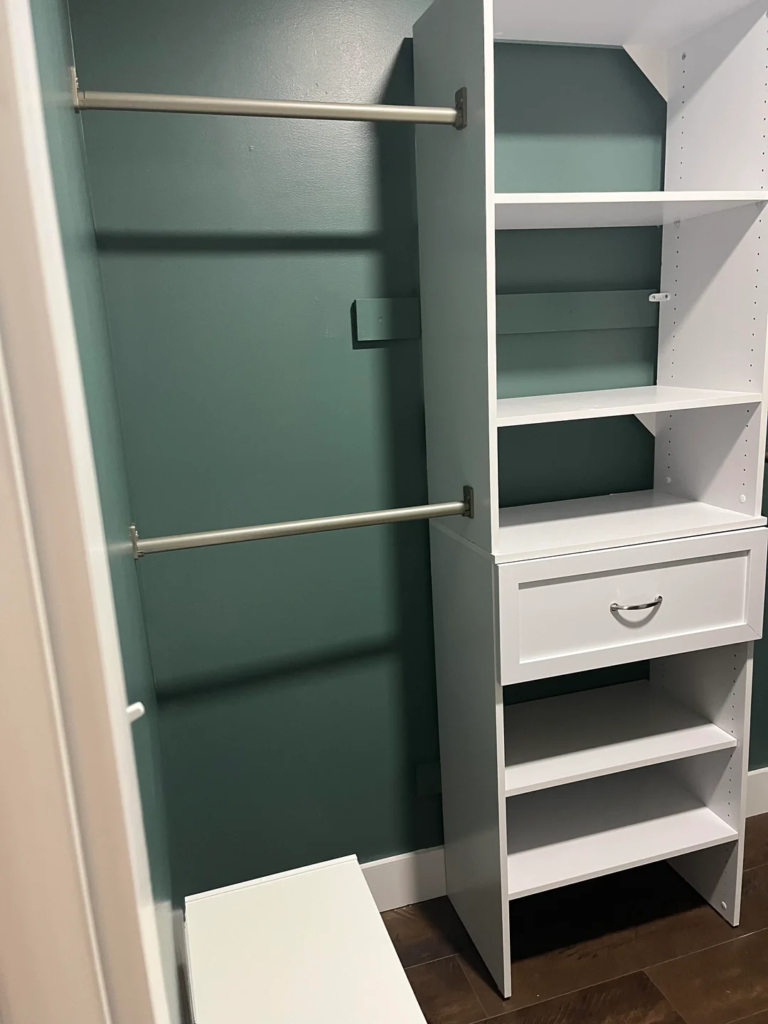
The most common small closet organization mistake is buying storage products before measuring the space. Drawers that don’t fit, shelf risers that are two inches too tall, hanging organizers that hit the floor, these mistakes waste money and create frustration that often ends in giving up entirely.
How to Do It
Measure height, width, and depth. Measure multiple points, most closets are slightly irregular. Note the position of the hanging rod, any fixed shelves, any light fixtures or obstacles. Write these measurements down before approaching any store or website. Shop with measurements in hand and check every product’s dimensions against your space before purchasing.
Insider Tip
Photograph your closet from every angle, straight on and from each side, and keep the photos on your phone when shopping. Being able to see the actual space while looking at products prevents most measurement mistakes.
The foundation is in place. Now let’s get into the actual transformation ideas, starting with the most impactful changes first.
Hanging Space Maximization Ideas
Most closets are dominated by one hanging rod. These ideas dramatically multiply what that hanging space can do.
Read More: 25 Declutter Home Ideas That Will Transform Your Space and Help You Finally Get Organized
3. Add a Second Hanging Rod for Short Items
Why It Works
One of the most impactful small closet organization moves available, and one of the most consistently underused. The space below shirts, jackets, and blazers on a standard hanging rod is almost always empty dead air. A second rod hung below the first instantly doubles the hanging capacity for short items.
How to Do It
Hanging rod doublers, simple metal hooks that hang from the existing rod with a second rod suspended below, are available at most home stores and online for under fifteen dollars. No drilling required. Hang the doubler on one section of the rod (the short items section), load the upper rod with jackets and shirts, and hang more shirts or folded trousers below. The visual difference is immediate and striking.
Common Mistake
Trying to install a second rod in a space that doesn’t have enough vertical clearance. Measure from your existing rod to the floor before purchasing a doubler, you need at least 30 inches of clearance below the existing rod for a second hanging level to work comfortably.
4. Use Slim Velvet Hangers Throughout
Why It Works
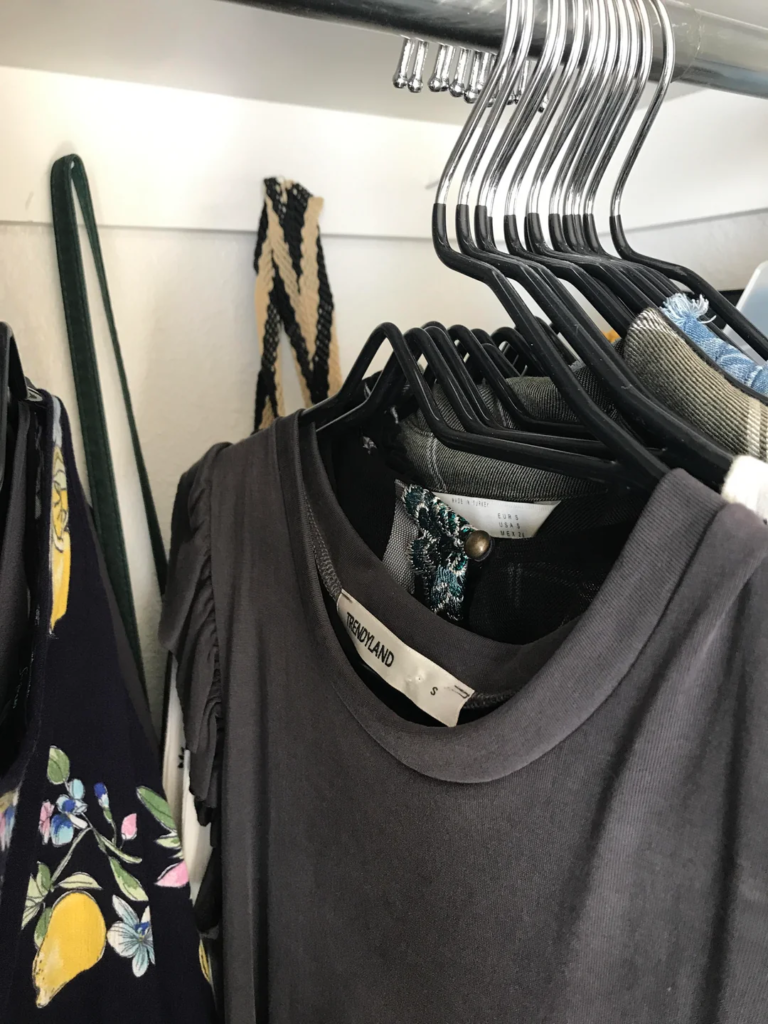
Standard plastic hangers are approximately half an inch thick. Slim velvet hangers are about one-fifth of an inch thick. The math is simple: switching to slim hangers can increase hanging capacity by 40-50% in the same rod space. That’s not a marginal improvement, in a small closet, it’s the difference between overcrowded and breathable.
How to Do It
Replace all hangers at once rather than gradually, the visual benefit of consistency is part of the value. Velvet hangers also prevent slipping, which means clothes stay where you hang them rather than sliding to the center of the rod. Buy a set of 50 or 100 (they’re inexpensive in bulk) and do the full swap in one session.
5. Organize by Category and Length on the Rod
Why It Works
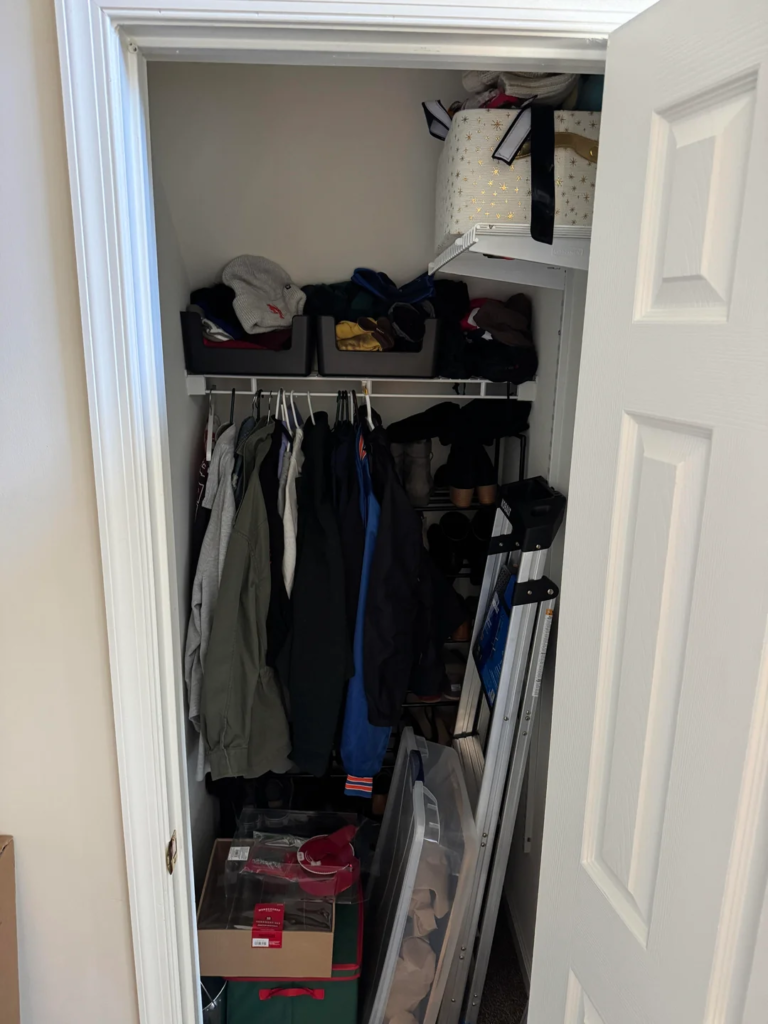
Hanging all items of a similar length together, all long items on one side, all short items on the other, allows you to add a second rod under the short items and creates visual clarity at the same time. It’s the organizational move that enables several other small closet ideas to work.
How to Do It
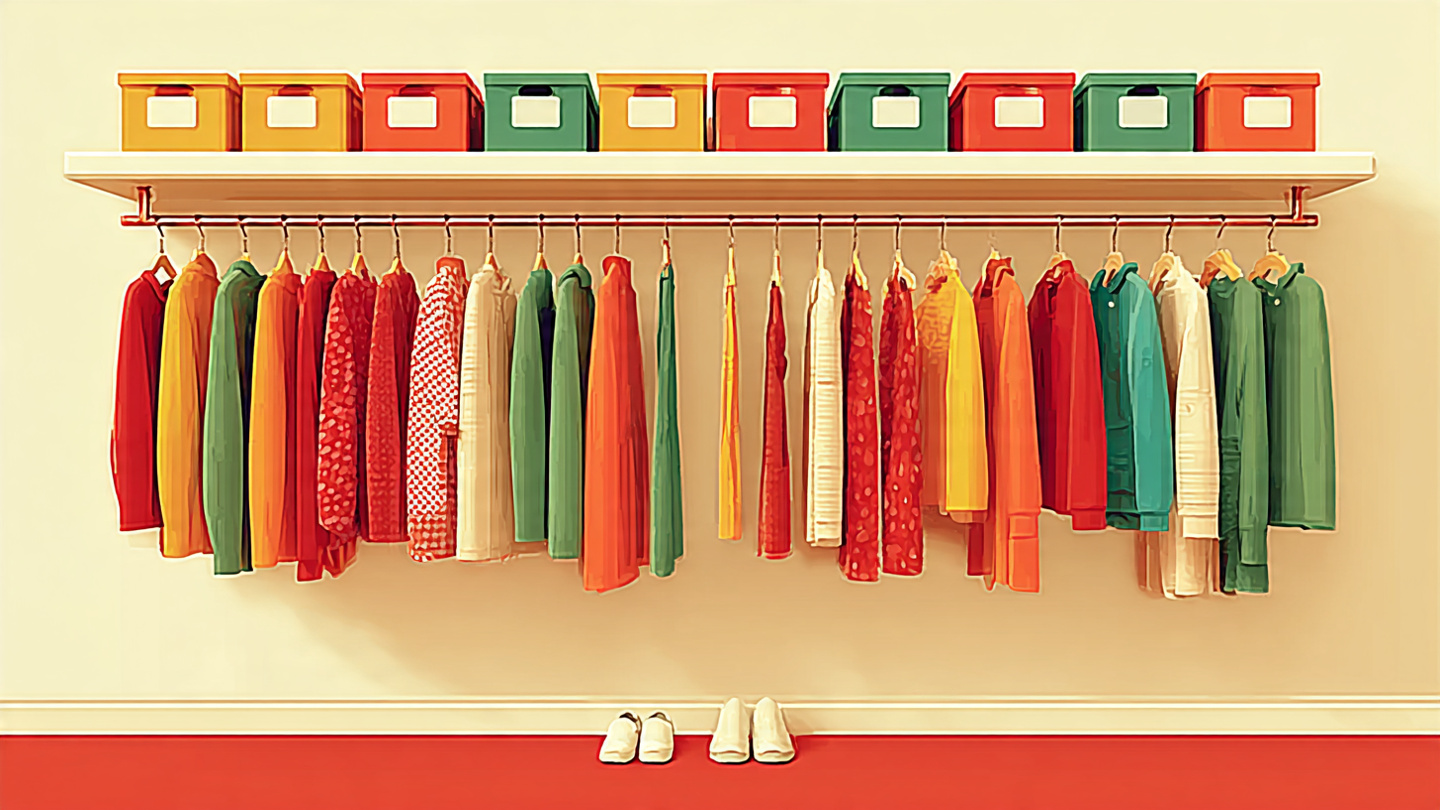
Sort hanging items into two groups: full-length (dresses, long coats, robes) and short (shirts, jackets, blazers, folded trousers). Place full-length items on one side of the rod. Place short items on the other side. Install a hanging rod doubler under the short items. You’ve just converted one hanging level into one and a half, without touching a wall.
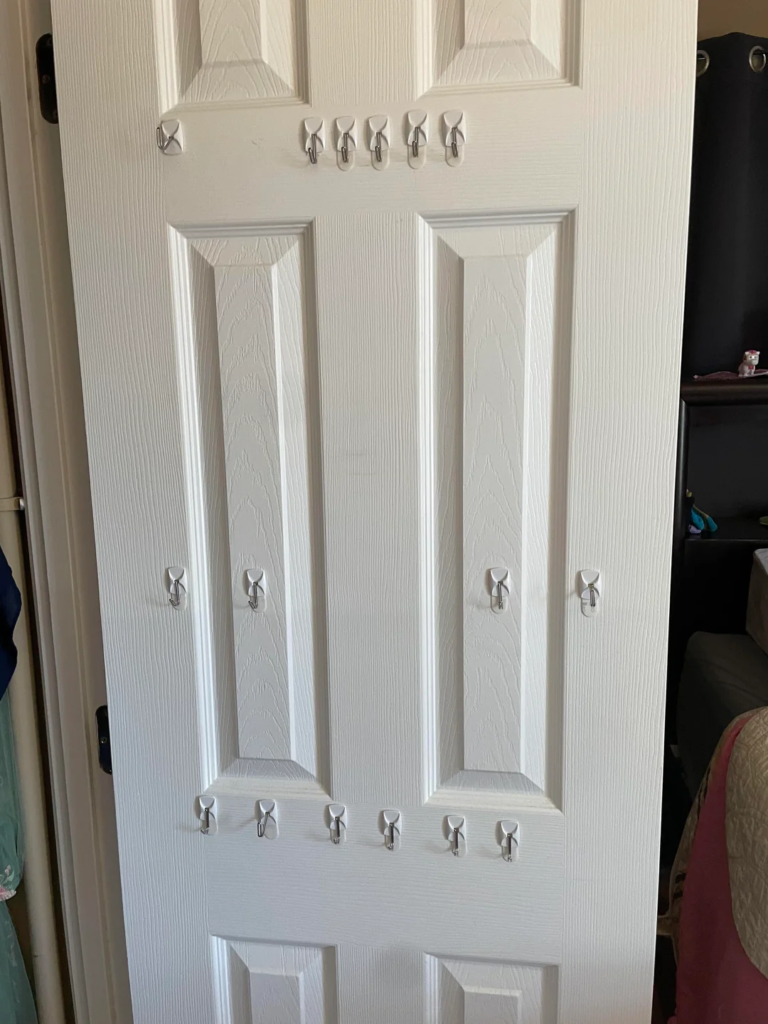
6. Cascading Hooks on the Closet Door
Why It Works
The back of the closet door is vertical real estate that most people completely ignore. Cascading hooks or an over-door organizer can store bags, belts, scarves, hats, and accessories that would otherwise take up shelf or floor space, and everything becomes visible and accessible rather than buried.
How to Do It
Over-door hooks that fit over the top of the door require no installation and no damage. Choose ones with multiple hooks at different heights for hanging multiple items. For a more organized approach, an over-door pocket organizer with clear pockets keeps smaller accessories visible and sorted. The door becomes functional storage without losing an inch of interior closet space.
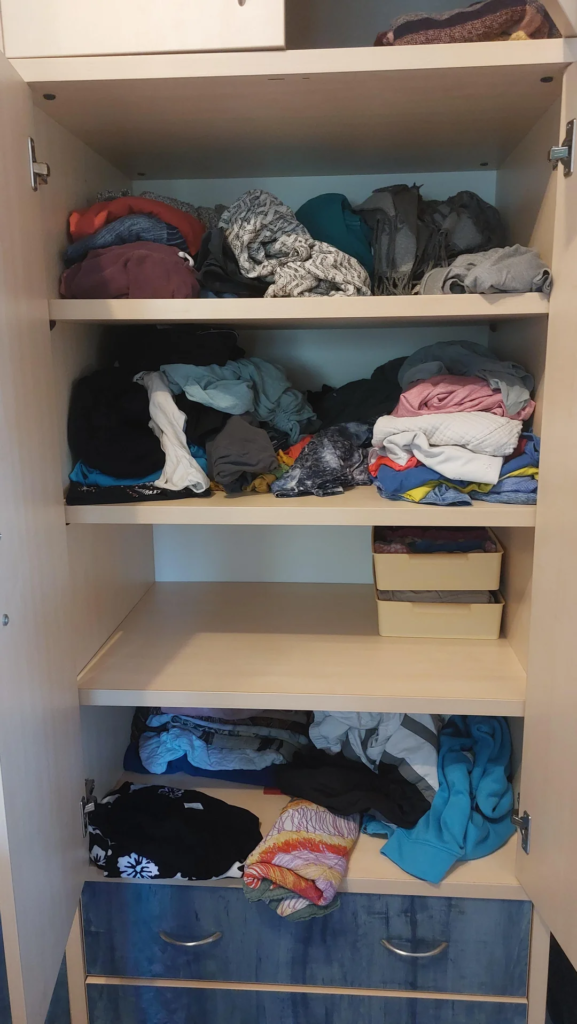
7. Hanging Shelf Organizers for Sweaters and Folded Items
Why It Works
Hanging shelf organizers, fabric cubbies that hang from the closet rod and provide stacking sections below, add vertical shelf space within the hanging area without any installation. They’re perfect for folded sweaters, jeans, and items that don’t hang well but need to be accessible.
How to Do It
These organizers hang from the closet rod like a hanger and provide three to five sections below for folded items. Place one in a section of the rod where you don’t need hanging space. A hanging shelf organizer in a small closet effectively adds the equivalent of a small chest of drawers without touching the floor.
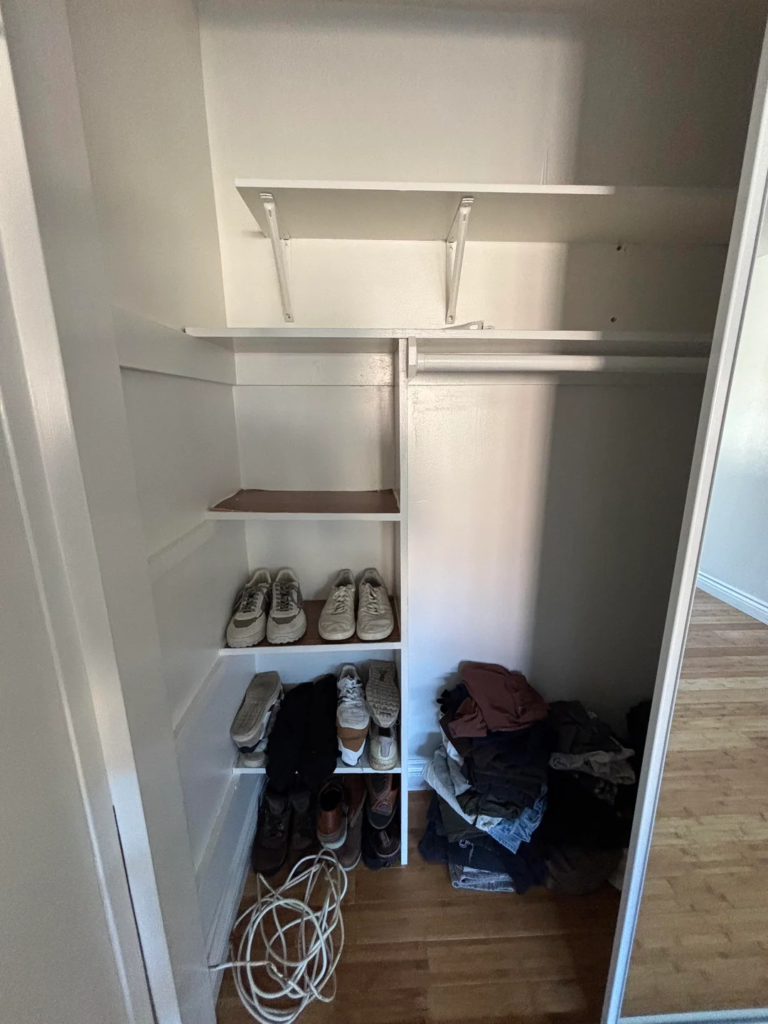
8. Slim Hanging Organizers for Shoes
Why It Works
Shoes on the closet floor create the most visually chaotic element of most small closets and consume significant floor space. Moving shoes off the floor, onto a hanging shoe organizer, a door-mounted rack, or a floor-to-waist tower, transforms both the look and the function of the space.
How to Do It
A hanging shoe organizer that hangs from the closet rod stores 8-12 pairs of shoes in vertical space that was previously unused. An over-door shoe rack on the back of the closet door stores 12-20 pairs without using any interior space at all. Either approach frees the closet floor for other purposes.
Insider Tip
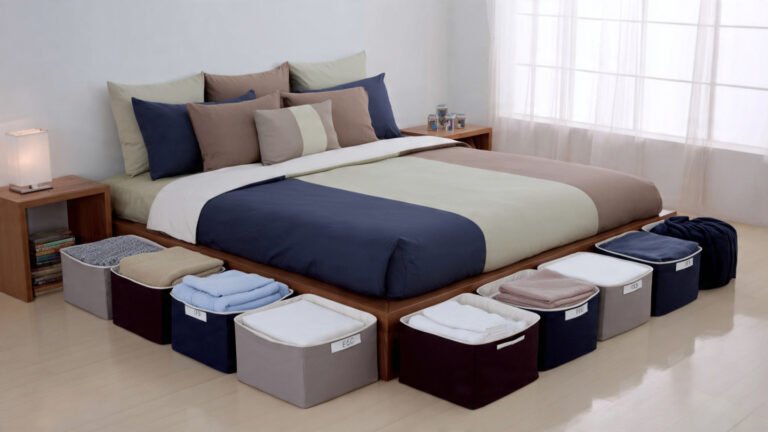
Keep only current-season shoes in the closet. Off-season shoes store in boxes under the bed, on a high shelf, or in a separate storage area. This principle alone often frees enough floor space to make a small closet feel significantly larger.
This is a perfect moment to save a few ideas that resonated, the shelf and drawer ideas coming up are where a small closet organization gets genuinely exciting.
Shelf and Vertical Space Ideas
The vertical height of most small closets is dramatically underused. These ideas are hidden storage from floor to ceiling.
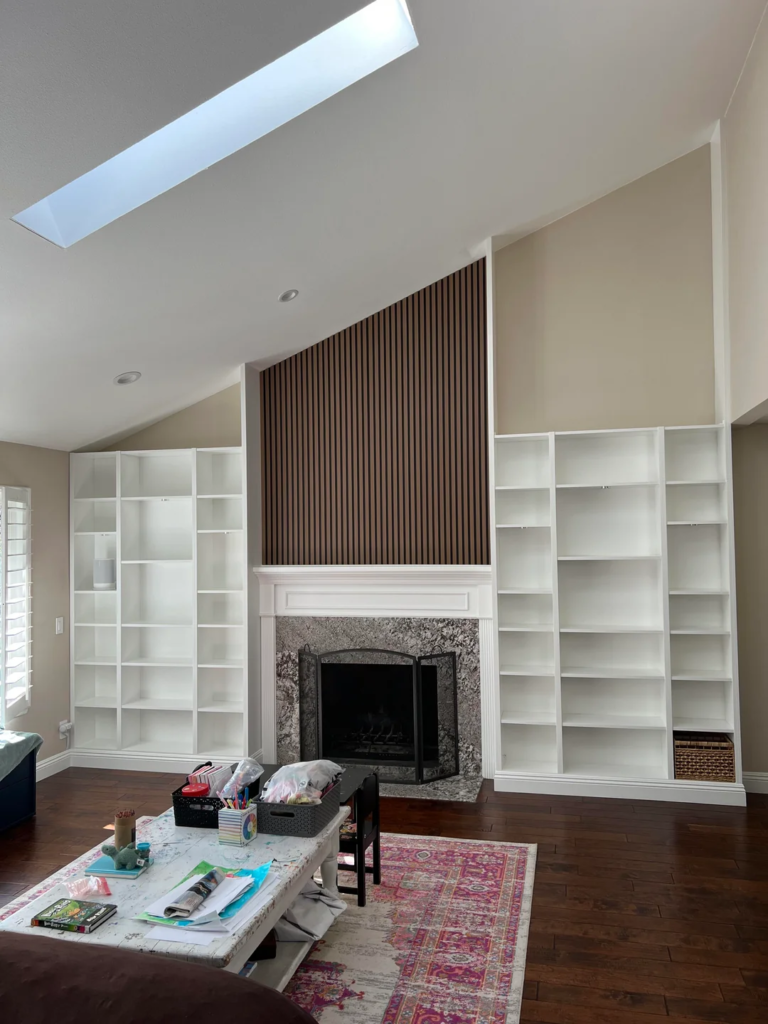
9. Add a Shelf Above the Existing Shelf
Why It Works
Most closets have one shelf above the hanging rod. The space between that shelf and the ceiling is often a foot or more of completely unused vertical space. Adding a second shelf above the existing one creates significant additional storage for items used infrequently, seasonal clothing, spare bedding, luggage.
How to Do It
Measure the space between your existing shelf and the ceiling. If there’s at least 12 inches, a second shelf is viable. Simple floating shelf brackets and a cut board from a hardware store achieve this for under thirty dollars. The height makes this shelf best for boxed items, seasonal storage, and things accessed only a few times a year.
Common Mistake
Making the new shelf too deep. A shelf above the existing one doesn’t need to be as deep as the lower shelf. A shallower upper shelf is easier to load and unload and allows light to reach the lower section.
10. Shelf Risers Inside the Closet
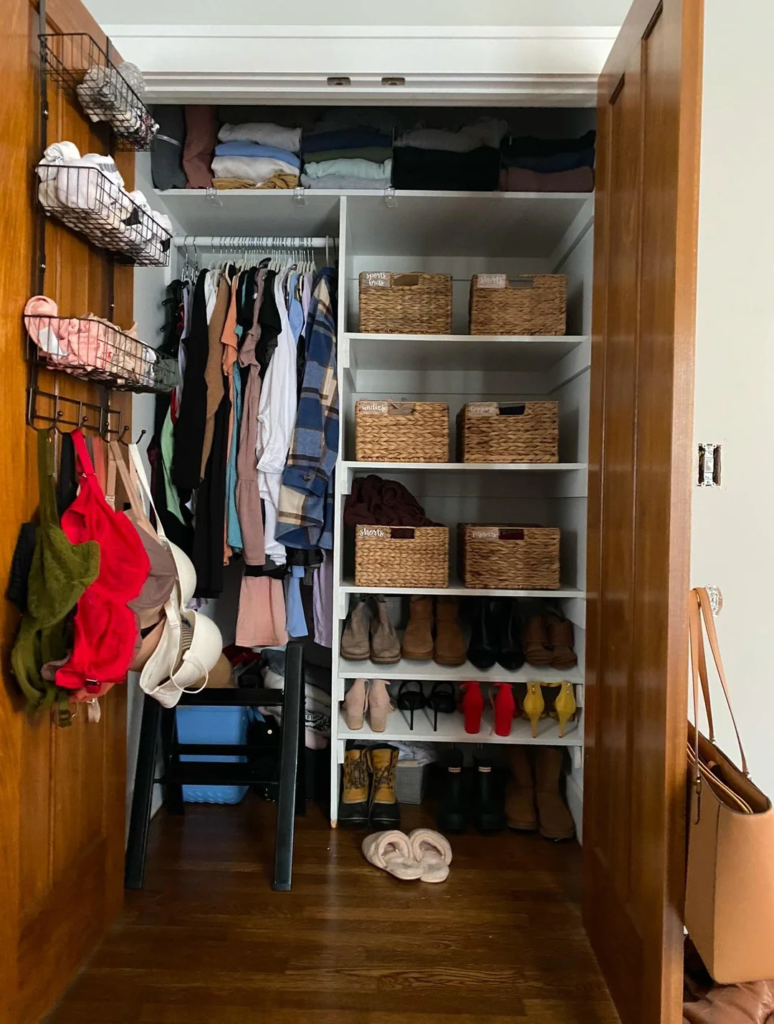
Why It Works
If your closet has shelves with more vertical space between them than you need for any single item, shelf risers create a second level within that space. They effectively turn one shelf section into two, doubling the storage in that zone.
How to Do It
Shelf risers, typically small metal or acrylic platforms, sit on top of the existing shelf and provide a raised platform for a second row of items. One riser section lets you store folded shirts in two rows, shoes in two layers, or accessories in stacked sections. The cost is minimal and the space created is immediate.
11. Use the Floor Space Intentionally
Why It Works
Closet floors are often either completely unusable (piled with things that have no other home) or completely empty. Neither is optimal. The floor zone of a small closet can be one of its most valuable spaces when used with intention.
How to Do It
Assign the floor space a specific purpose: a single row of frequently worn shoes on a slim rack, a laundry hamper, a drawer unit, or a small set of stacking cubes. The floor should have one clear use, not be a catch-all. When the floor zone has a defined purpose and organization, the rest of the closet behaves better too.
12. Stackable Clear Drawers for Folded Items

Why It Works
Stackable clear drawers in a small closet provide folded-item storage without requiring a separate dresser. They’re clear, so you can see everything without opening each drawer, and stackable, so they use vertical space efficiently. They’re one of the most space-efficient storage products available for small closets.
How to Do It
Measure your closet floor or shelf space and choose stackable drawers that fit. Use them for folded T-shirts, underwear, socks, gym wear, items that don’t need to hang. Label each drawer or group by category so the system stays organized after the first week. Clear drawers with consistent content are one of the cleanest-looking small closet solutions available.
13. Tension Rods for Vertical Dividers
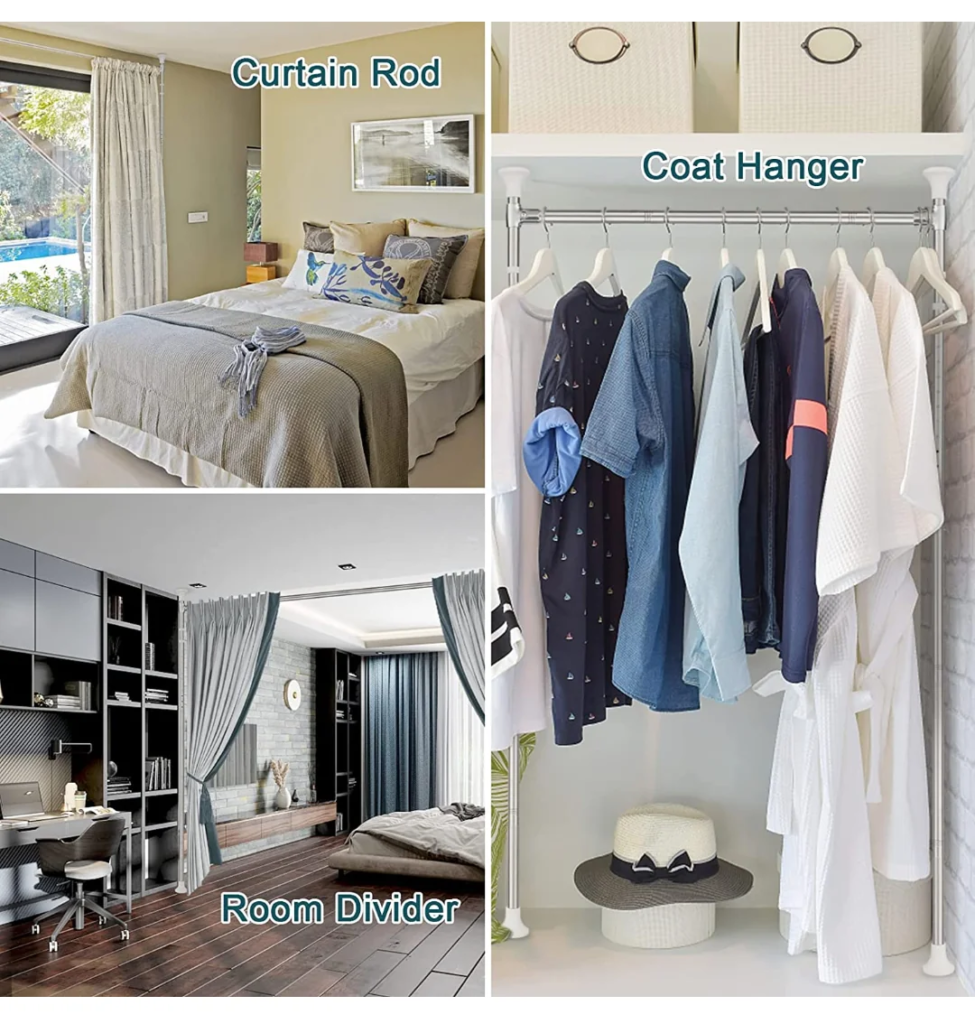
Why It Works
Tension rods installed vertically inside a shelf create dividers that keep tall items, handbags, clutches, boots stored on their sides, from leaning and falling. They’re adjustable, require no installation, and transform a shelf of toppling items into an organized row.
How to Do It
Place tension rods vertically between the shelf surface and the shelf above, spacing them 8-10 inches apart. Bags and boots stand between the dividers, upright and accessible. The system looks intentional and keeps things visible without stacking or piling.
14. Hooks Inside the Closet Walls
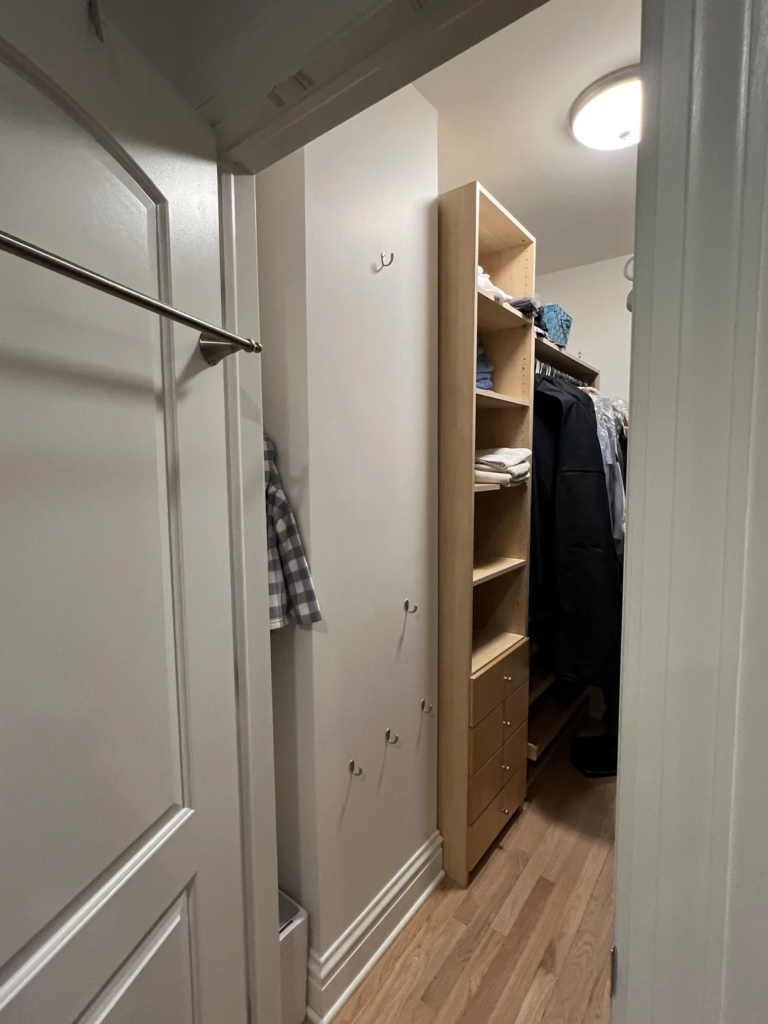
Why It Works
The interior walls of a small closet, above the hanging rod, beside the shelves, on the side walls, are often completely bare and unused. Adding adhesive or screw-in hooks to these walls creates storage for bags, belts, ties, hats, and accessories without using any shelf or floor space.
How to Do It
Command hooks in various sizes can hold surprising amounts of weight and remove without damaging walls, important for renters. Organize hooks by category: one section for bags, one for belts, one for scarves. The vertical wall space in a closet, when fully utilized with hooks, can store dozens of accessories that would otherwise occupy floor or shelf space.
Insider Tip
Hanging bags on hooks rather than on the floor or a shelf preserves their shape and makes them immediately accessible. A row of bags on hooks inside the closet door or side wall looks organized and intentional, like a well-designed boutique rather than a crammed wardrobe.
Drawer and Folded Clothing Ideas
How you fold and store non-hanging clothes makes a massive difference in usable drawer and shelf space.
15. The Vertical Folding Method for Every Drawer

Why It Works
Standard horizontal stacking of folded clothes means you can only see and access the top item without disturbing the entire pile. Vertical folding, where each item stands on its folded edge like a file, lets you see and access every item instantly. In a small closet with limited drawer space, this method can effectively double the usable capacity of every drawer.
How to Do It
Fold each item into thirds lengthwise, then fold into a compact rectangle sized to stand upright in your drawer. Place items in rows across the drawer, folded edge facing up. The first time you see a fully vertical-folded drawer, with every item visible at a glance, the effect is genuinely satisfying. The drawer also stays organized after use because each item is independent rather than stacked.
16. Drawer Dividers for Every Section
Why It Works
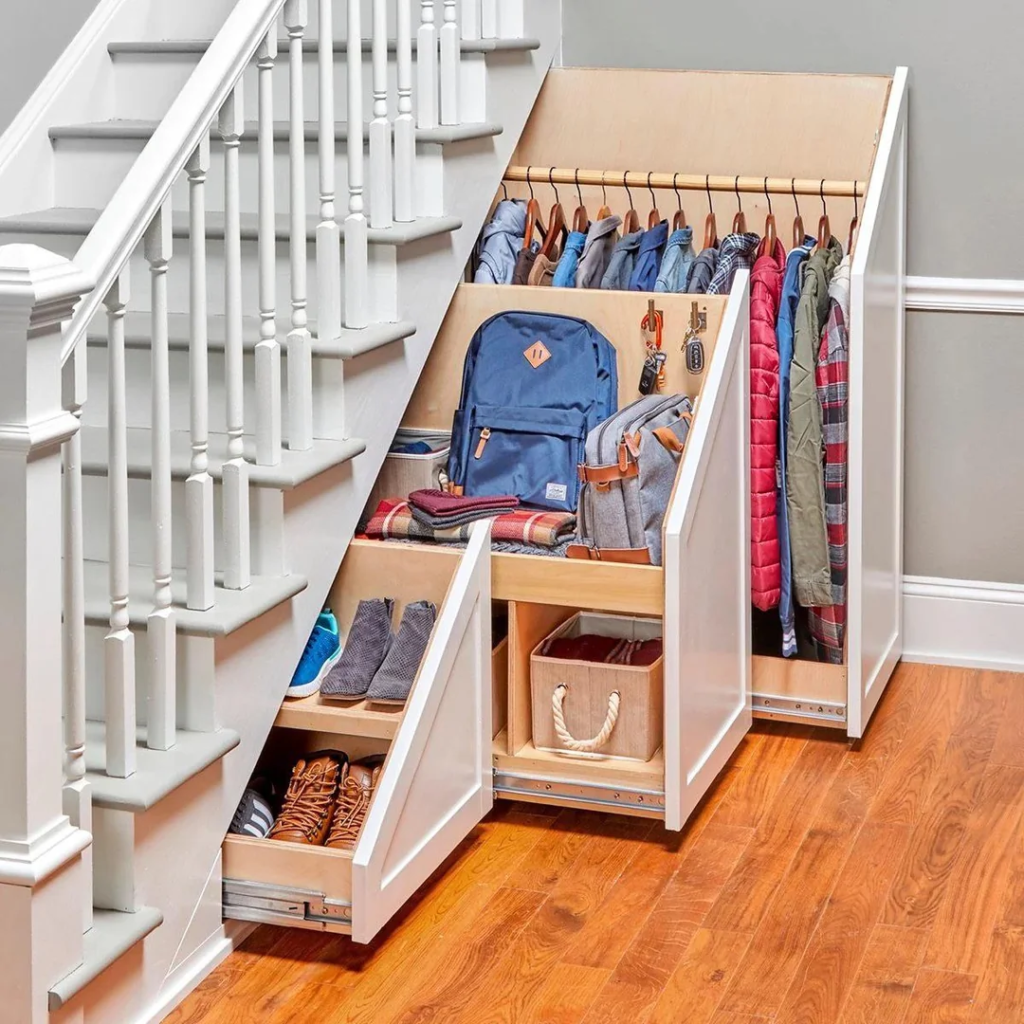
Drawers without dividers fill and collapse into chaos, regardless of how carefully they were initially organized. Dividers maintain the organization by giving each category of item a defined zone within the drawer that it returns to every time.
How to Do It
Use expandable drawer dividers (adjustable to fit any drawer width) to section each drawer by category. Tops in one section, bottoms in another. Within each section, organize by color or frequency of use. The dividers hold each category in place even when the drawer is used daily, which means the organization maintains itself rather than requiring constant re-sorting.
17. Vacuum Storage Bags for Seasonal Clothing
Why It Works
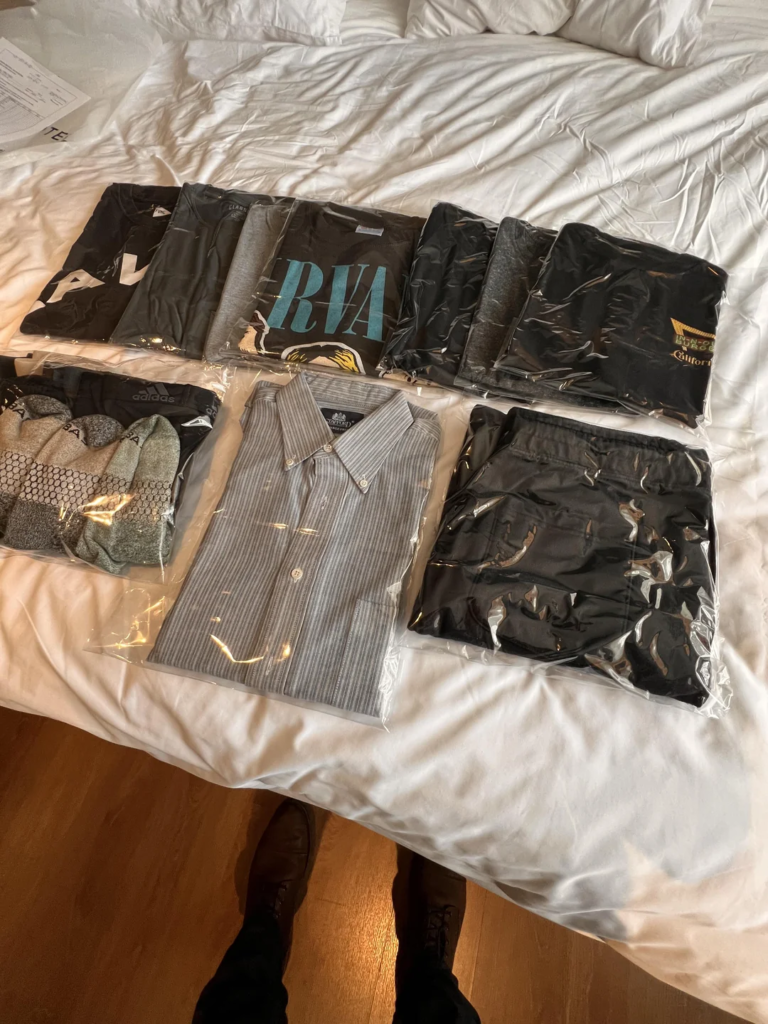
Seasonal clothing, winter coats, heavy sweaters, thick blankets, occupies an enormous volume of closet space for months when they’re not needed. Vacuum storage bags compress bulky items to a fraction of their original size, freeing closet space dramatically for the current season’s clothing.
How to Do It
Place off-season items in vacuum storage bags, seal, and compress with a vacuum cleaner. Store compressed bags on the high shelf or under the bed. When the season changes, retrieve and expand. The space freed by removing one season’s worth of bulky clothing from a small closet is often enough to make the whole system work significantly better.
Common Mistake
Vacuum storing clothes that aren’t fully clean. Storing unwashed items creates permanent odors and can encourage mildew. Always wash or dry clean before compressing for storage.
Accessories and Small Items Organization
The small things, belts, scarves, jewelry, ties, hats, are often the most disorganized elements of a small closet. These ideas bring them under control.
18. A Belt and Tie Organizer
Why It Works
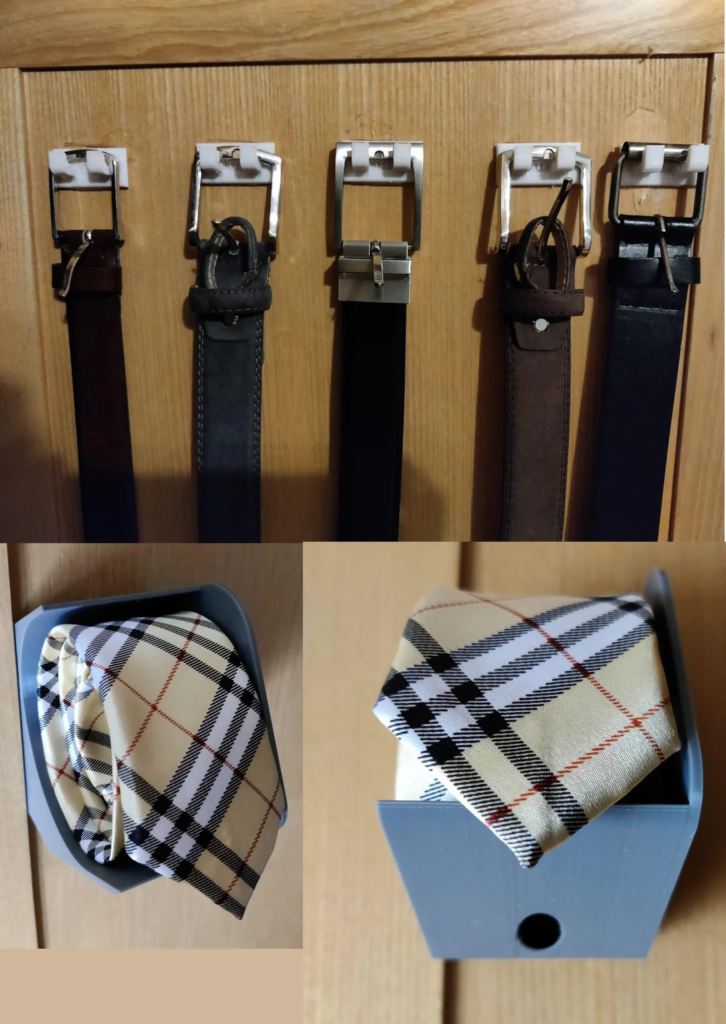
Belts and ties coiled or draped over a single hanger create a tangled mess that makes finding a specific belt or tie require unwinding the entire collection every time. A dedicated organizer, a belt rack or a multi-hook tie bar, keeps each item individual, visible, and accessible.
How to Do It
A slim over-rod belt organizer with individual hooks for each belt stores 10-15 belts in the space of two regular hangers. A rotating tie rack similarly keeps 20+ ties individual and accessible. Both mount on the rod without any installation. The investment is small, the daily time saving is consistent.
19. Clear Bin Organizers for Accessories on Shelves
Why It Works
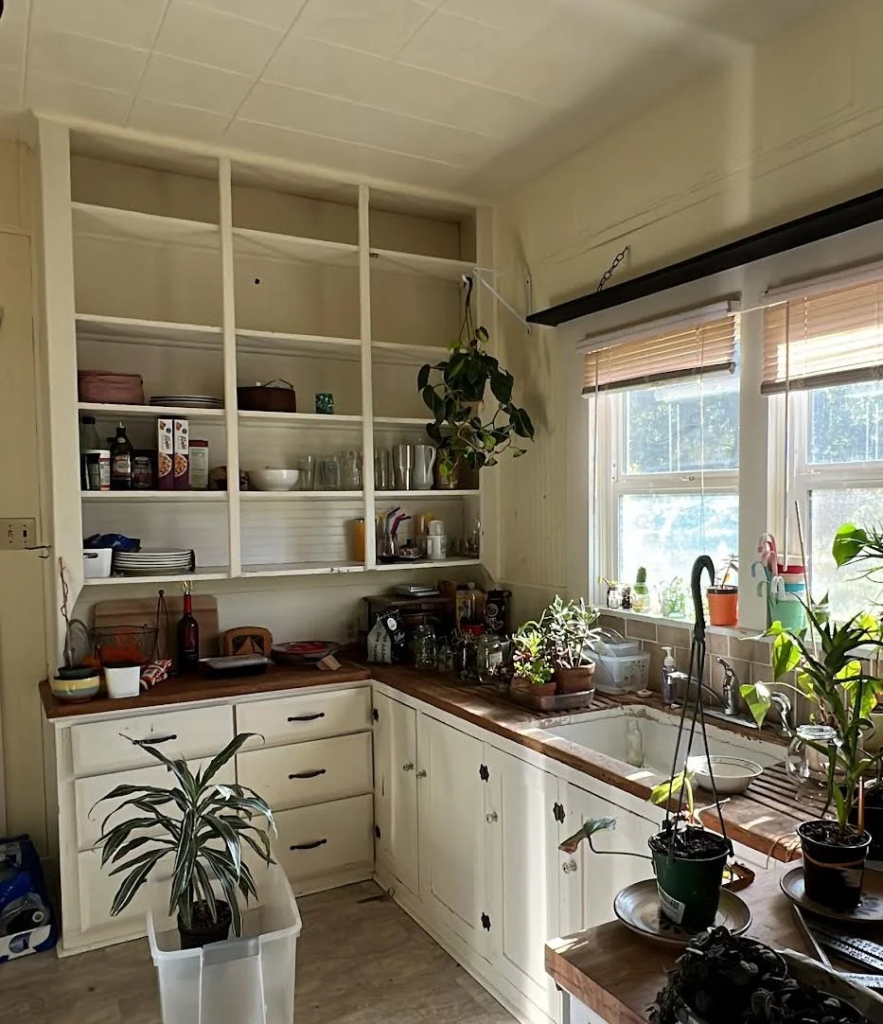
Accessories, hair items, sunglasses, small bags, rolled scarves, pile up on shelves in ways that make everything invisible and inaccessible. Clear bins of consistent size turn a chaotic shelf into a clean row of organized, visible categories.
How to Do It
Choose clear acrylic or transparent bins in one or two sizes that work with your shelf depth. Label each bin by category. One bin for sunglasses and cases. One for hair accessories. One for rolled scarves. The bins contain the items and the clear sides mean you never have to empty a bin to find something, you can see through it.
20. A Hat Storage System
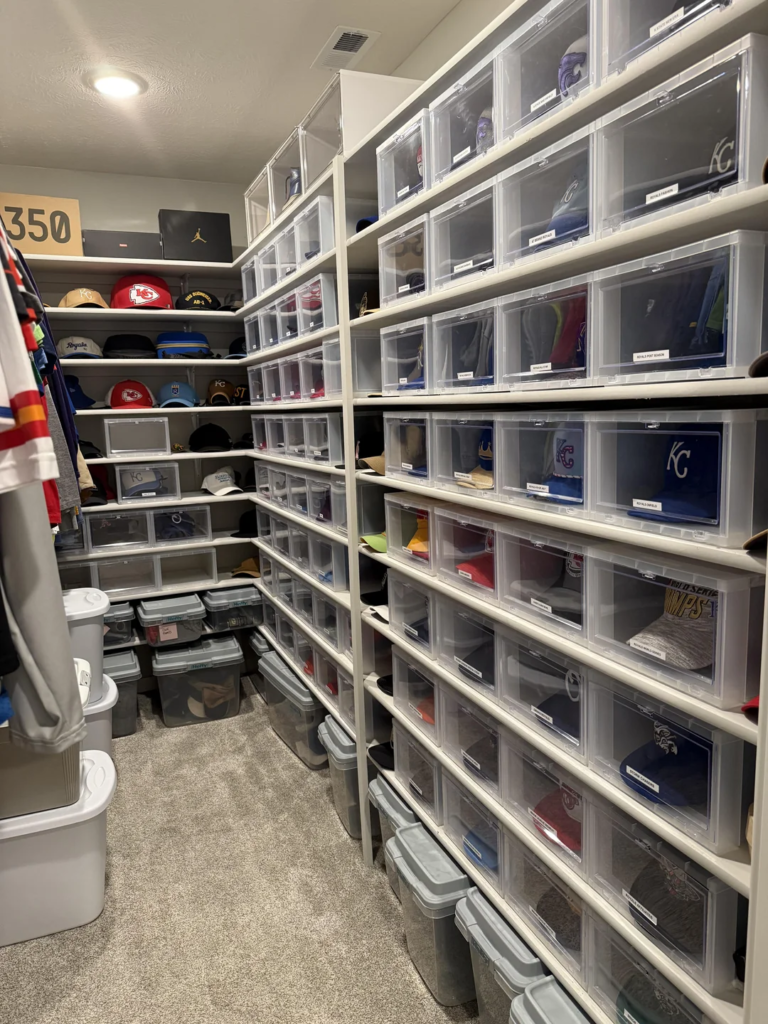
Why It Works
Hats are one of the most awkwardly shaped items to store. Stacking them crushes the lower ones. Hanging them on a hook changes their shape over time. A dedicated hat storage system solves this by keeping each hat in its correct shape and making every hat individually accessible.
How to Do It
Hat hooks on the inside wall of the closet at varying heights store hats individually without crushing. A hat box on the high shelf stores formal hats safely. Clear hat boxes with lids are ideal for hats accessed occasionally, visible, protected, and stackable. The system you choose depends on how many hats you have and how frequently you access them.
The Finishing Touches That Make a Small Closet Beautiful
21. Consistent Labeling Throughout

Why It Works
A well-organized small closet stays organized when everything has a clear designated home and that home is labeled. Labels prevent the gradual drift that causes organized closets to revert to chaos, when everything is labeled, returning items to their correct place takes no decision-making effort.
How to Do It
Use a consistent label style throughout, printed labels look cleaner than handwritten ones. Label every bin, box, drawer section, and storage container. The labels don’t need to be elaborate, clear, legible, consistent. When someone else (a partner, a family member, a guest) needs to find or return something in your closet, the labels make the system self-explanatory.
Insider Tip
Label shelves and zones as well as containers. “Short hanging” and “long hanging” on the rod. “Current season” and “off season” on shelf sections. Zone labels make the system navigable at a glance and make daily use genuinely effortless.
22. A Light Source Inside the Closet
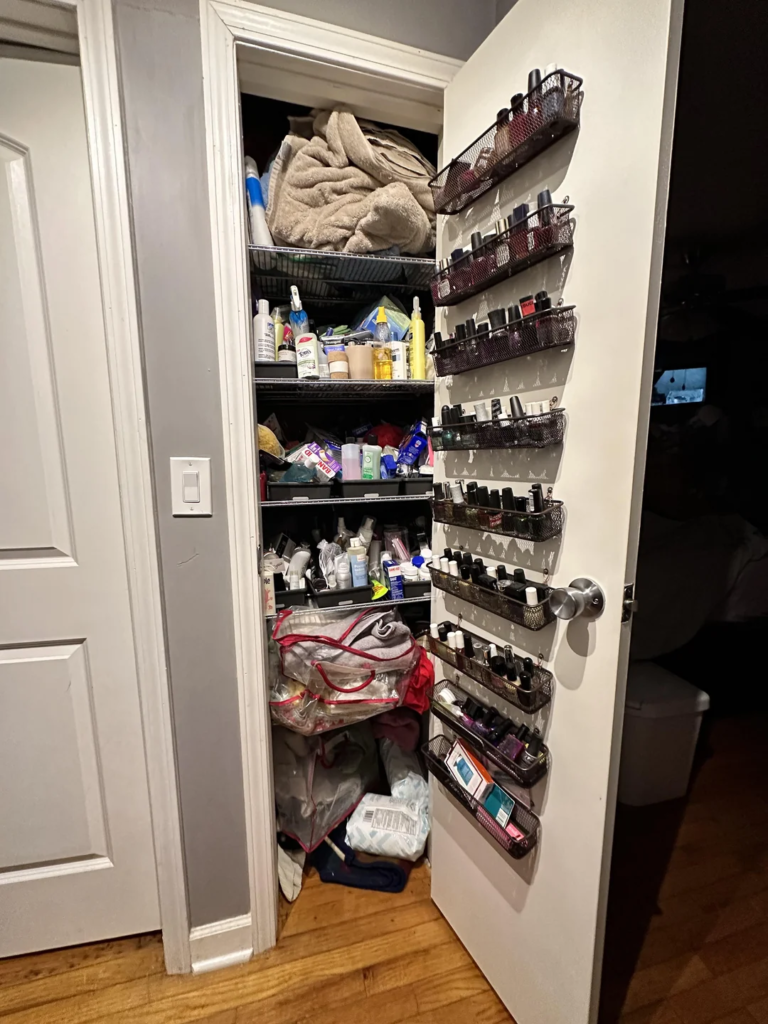
Why It Works
Dark closets are disorganized closets, not because darkness causes clutter, but because poor visibility makes using the space harder than it needs to be. When you can’t clearly see what’s inside, you reach for familiar items and ignore the rest, which leads to underuse of the full wardrobe and a daily experience of frustration.
How to Do It
Battery-operated LED strip lights or motion-activated LED puck lights require no wiring and can be attached with adhesive mounts inside any closet. They turn on automatically when the door opens and provide clear, even illumination throughout the space. The investment is typically under twenty dollars and it transforms how the closet feels and functions daily.
Common Mistake
Installing one light directly overhead that creates shadows in the corners. Two or three small LED lights positioned at different points, inside the top of the closet, on the side walls, or under shelves, provide even illumination throughout the space without shadows.
Your Small Closet Has More to Give Than You Think
Here’s the truth that every professional organizer knows: there is no such thing as a closet that’s too small to be organized beautifully. There are only closets that haven’t had the right system applied to them yet.
The square footage doesn’t change. But what you do with every inch of it, the hanging levels, the vertical walls, the door backs, the floor zones, the high shelves, the drawer depth, determines whether your closet feels like a daily obstacle or a daily convenience.
You’ve just read 22 ideas for making every one of those inches work harder. You don’t need all 22 to make a real difference. Start with three or four that address your most frustrating current problems. Add a second hanging rod. Switch to slim velvet hangers. Install one over-door organizer. Get a set of stackable clear drawers for the floor.
Each change builds on the last. Each small win creates momentum for the next. And one day you’ll open that closet door expecting something to fall out, and nothing will. Everything will be exactly where it belongs.
Because a small closet isn’t a limitation. It’s just a space that’s waiting to be fully understood.