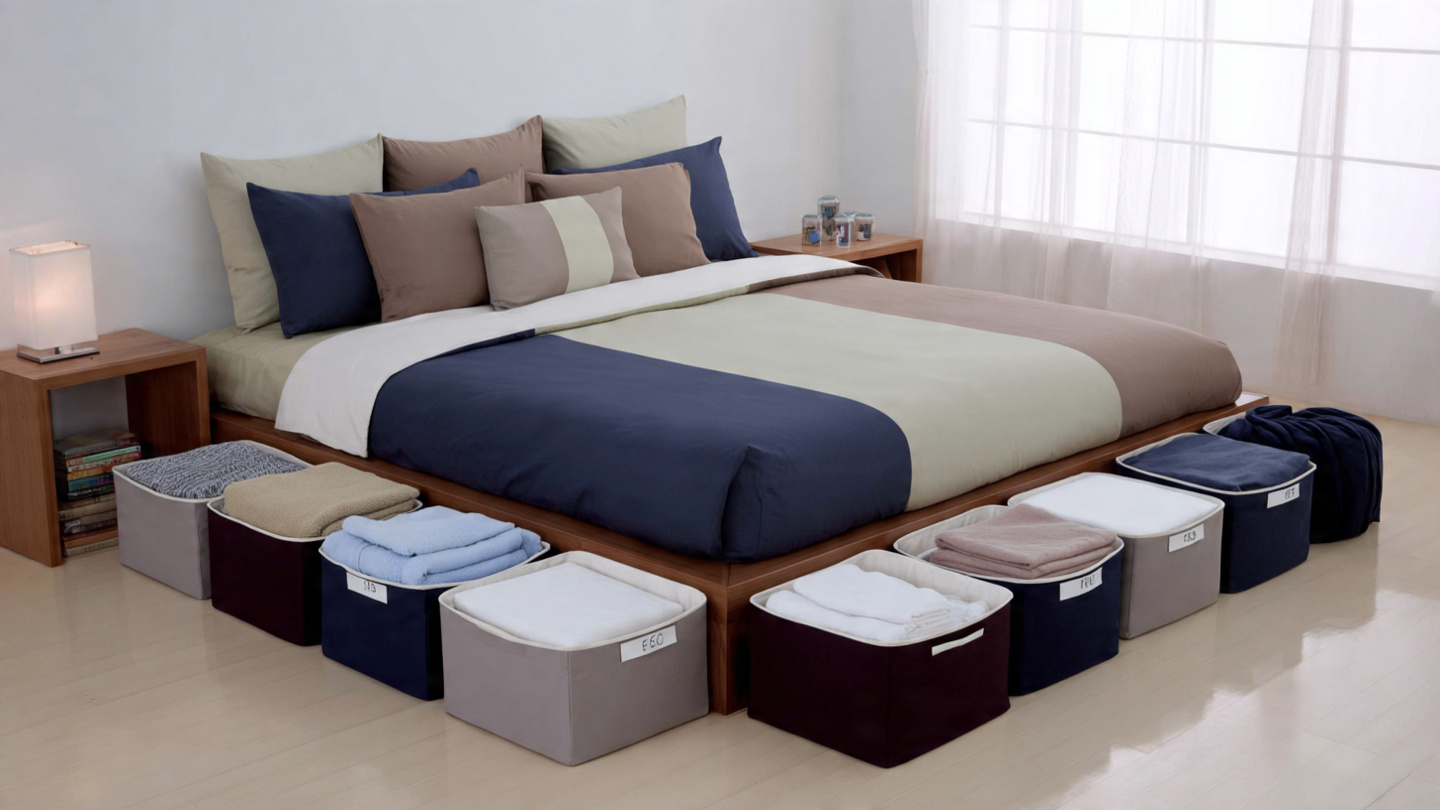
26 Under Bed Storage Ideas That Maximize Hidden Space and Keep Your Home Clutter Free

You’ve reorganized the wardrobe. You’ve edited the bookshelves. You’ve cleared the kitchen counter and found homes for the things that were floating around without one. And yet your bedroom still feels like it’s holding its breath, tight, slightly too full, not quite the calm retreat you’re after.
Here’s what most people overlook: the largest untapped storage zone in most bedrooms is already right there. It’s been there the whole time. It’s under your bed.
The space beneath a standard bed frame is substantial, often the equivalent of one or two large dresser drawers per side, multiplied across the full length and width of the bed. In a queen bed, that’s roughly 24 square feet of potential storage. In a king, even more. Yet most people either leave it completely empty, toss random things under there with no system, or let it become the place where things go to be forgotten.
Under bed storage ideas have become one of the most popular home organization topics across the US, Canada, the UK, and Australia, and with good reason. Done well, under bed storage is invisible, functional, and genuinely transformative for small bedrooms. This guide covers all 26 ideas: the containers, the systems, the categories, the mistakes, and the finishing touches that make the whole thing work beautifully.
Why Under Bed Storage Deserves Your Attention
The Underused Room in Your Room
Think of the space under your bed as a room you’ve never decorated. It has a floor (your bedroom floor), walls (the sides of the bed frame), and a ceiling (the underside of the mattress support). It’s sheltered, dry, and completely out of sight. For the right categories of belongings, it’s close to ideal.
The key words are the right categories. Under bed storage works beautifully for items used occasionally rather than daily, items that are flat or compressible, and items that benefit from being out of sight but within reach. It works poorly for things you need every day or things that require being on display.
Understanding what belongs under the bed, and what doesn’t, is half the work. The ideas ahead cover both.
What Makes Under Bed Storage Work or Fail
Under bed storage fails when it becomes a catch-all. When things go under the bed because there’s nowhere else for them, rather than because under the bed is genuinely the right place for them. The result is an archaeological layer of forgotten objects that creates stress every time you think about it.
Under bed storage succeeds when it’s intentional. When each container has a category, that category makes sense in the bedroom, and the storage is easy enough to access that items actually get returned rather than abandoned.
Choosing the Right Container: The Foundation Ideas
The container you choose determines how functional and how long-lasting your under bed system will be. These ideas cover the main categories.
1. Flat Wheeled Storage Drawers
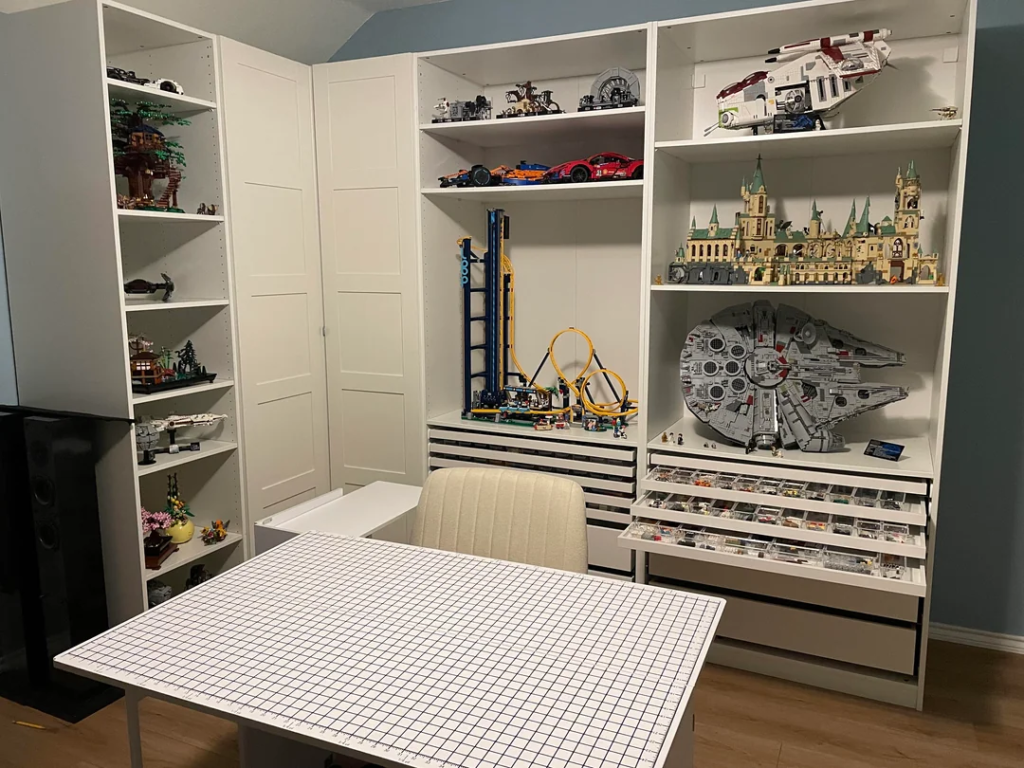
Why It Works
Flat, wheeled storage drawers are the most functional under bed storage solution available for most people. They roll in and out on casters, making access effortless, no kneeling, no fishing around, no blind reaching. They typically have a lid or a clean open top, they stack with themselves, and they look intentional when visible from the side.
How to Choose One
Measure the clearance under your bed before purchasing anything. Standard under bed clearance ranges from 4 inches to 12 inches depending on the bed frame. Look for drawers with a height at least half an inch less than your clearance measurement. Choose drawers with smooth-rolling casters rather than fixed feet for daily-use accessibility.
Common Mistake
Buying drawers that are the maximum height for your clearance. If the drawer is exactly the right height when empty, it won’t fit once filled and the lid is on. Leave a comfortable margin, at least an inch of clearance when the drawer is loaded.
Also Read: 22 Small Closet Organization Ideas That Double Your Storage and Eliminate Clutter Fast
2. Flat Storage Boxes With Lids
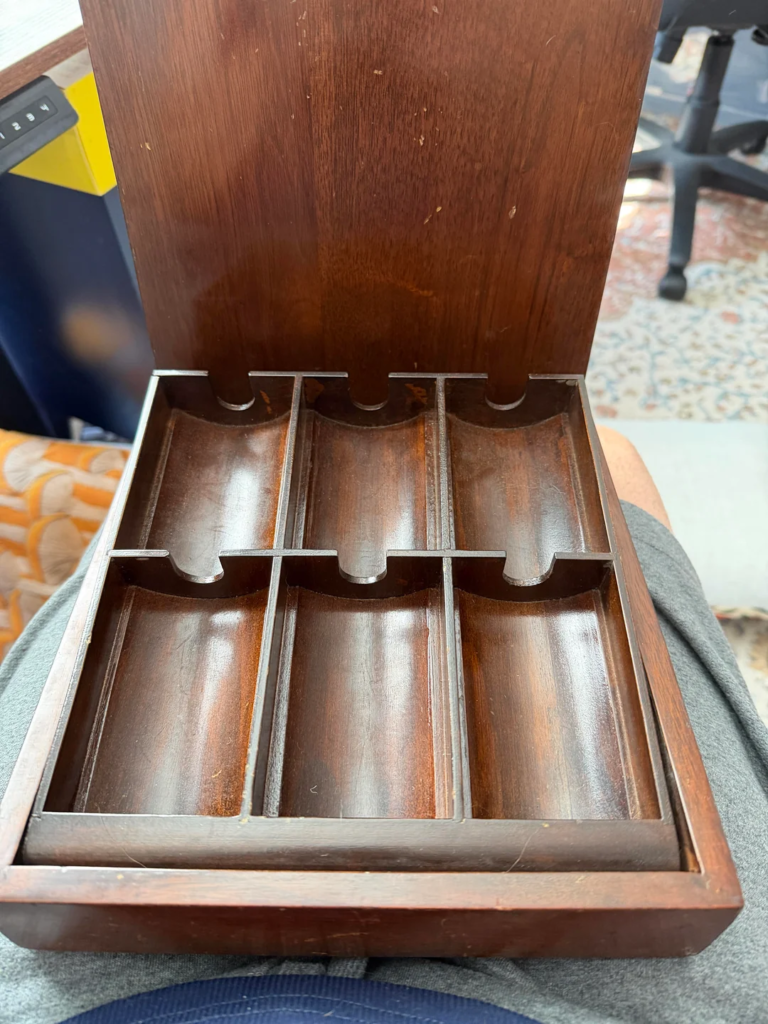
Why It Works
Simple flat storage boxes with secure lids are the most versatile under bed storage option. They’re available in every material, canvas, woven seagrass, plastic, cardboard with fabric covering, at every price point. They slide rather than roll, which makes them slightly less immediately accessible but perfectly functional for items accessed occasionally.
How to Choose One
Choose boxes with lids rather than open tops to prevent dust accumulation on stored items. Canvas and fabric-covered boxes look beautiful when visible from the side of the bed, a consideration if your bed frame is elevated enough to show under storage. Clear plastic boxes with lids provide visibility without opening, which makes finding things significantly faster.
Insider Tip
Buy boxes in sets of matching sizes and colors. The visual consistency of identical boxes under a bed reads as organized and intentional, even if nobody else ever sees them. You see them every morning, and that matters.
Read More: 29 Bedroom Organization Ideas That Make Your Room Look Bigger, Cleaner and Pinterest Worthy
3. Clear Plastic Under Bed Storage Containers
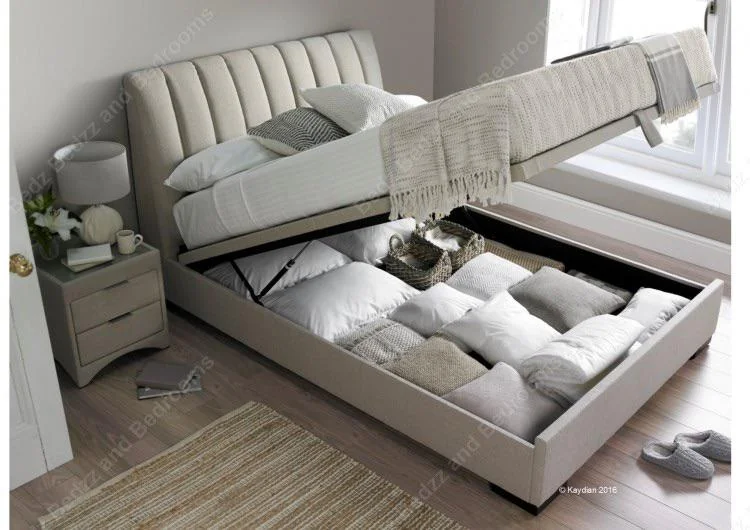
Why It Works
Clear containers solve the most common under bed storage frustration: not knowing what’s inside without pulling everything out. When you can see the contents at a glance, the space is genuinely functional rather than aspirationally organized.
How to Choose One
Look for containers specifically designed for under bed use, they’re proportioned to be flat and wide rather than tall and narrow. Containers with flip-top or lift-off lids are easier to use than those with snap lids. A container that’s clear on all sides, including the ends, is most useful under a bed because you can identify contents from any approach angle.
Common Mistake
Using standard storage bins not designed for under bed use. Regular tote bins are typically too tall for under bed clearance. Under bed containers are specifically designed to be 4-6 inches tall with a much larger footprint, this proportion is intentional and important.
4. Zippered Fabric Storage Bags
Why It Works
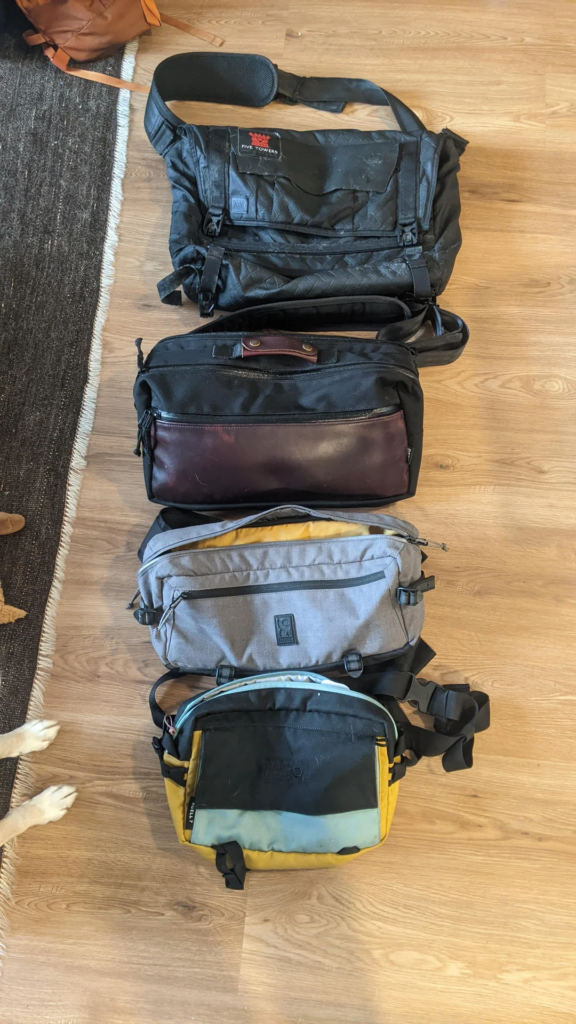
Soft-sided zippered storage bags, typically made from breathable fabric, are ideal for items that don’t need rigid protection: extra blankets, spare pillows, seasonal duvets, bulky sweaters. They compress slightly to fit available space, they’re lightweight to pull in and out, and they protect contents from dust without creating a hard edge that makes them difficult to maneuver.
How to Choose One
Choose bags made from breathable fabric (cotton canvas or non-woven fabric) rather than plastic, which can trap moisture and create a musty smell over time. Bags with a window panel or label slot make identifying contents easy without unzipping. Look for bags with handles at both ends so pulling them from under the bed doesn’t require reaching to the very center.
5. Vacuum Storage Bags for Bulky Items
Why It Works
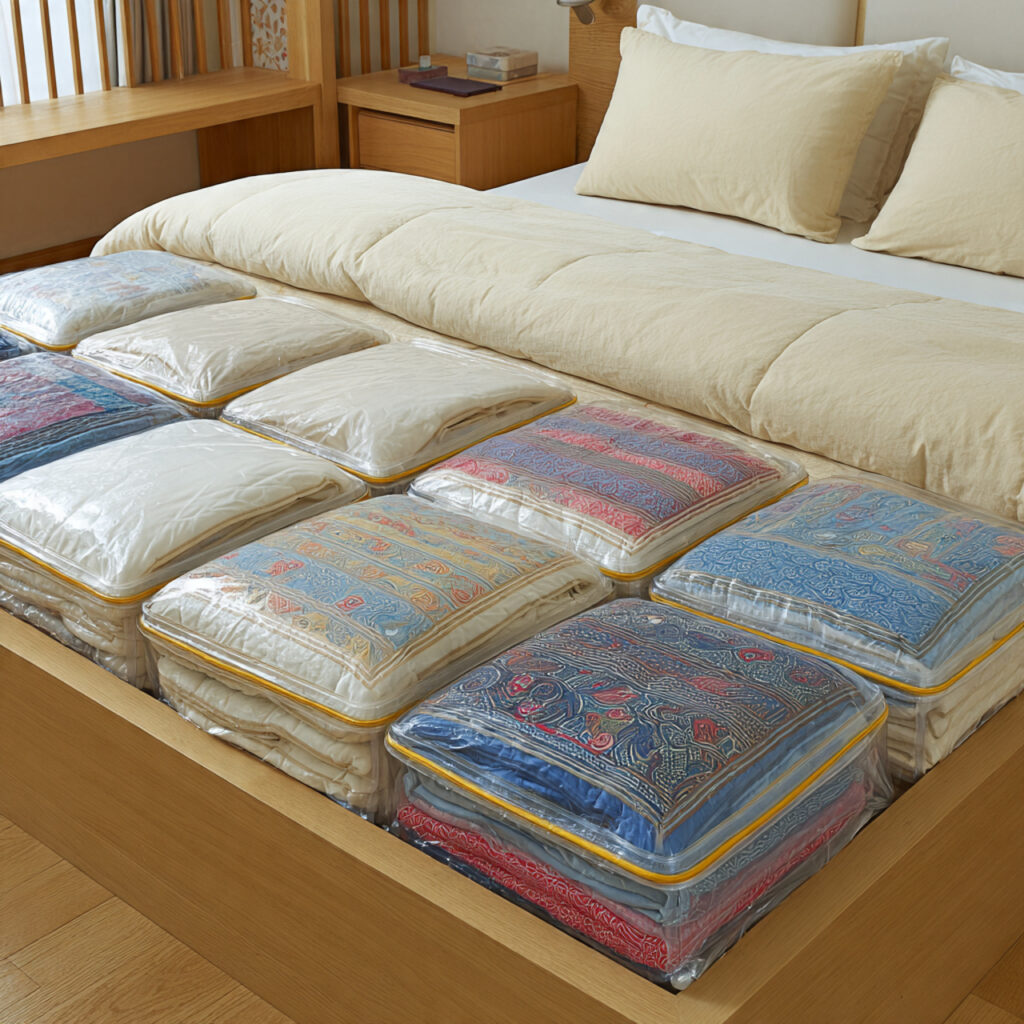
Vacuum storage bags compress bulky items, winter duvets, heavy blankets, large sweaters, coats, to a fraction of their normal volume. A standard king duvet that would normally fill an entire under bed space can be compressed into a flat package the size of a large book. They’re one of the most space-efficient under bed storage tools available.
How to Do It
Place clean, dry items in the bag, seal the zip closure, and attach a vacuum cleaner nozzle to the valve. The air is removed and the bag compresses dramatically. Store the compressed bags flat under the bed. When you retrieve them, the items need a few hours to fully expand to their original loft.
Common Mistake
Storing items that aren’t completely clean and dry. Any moisture sealed into a vacuum bag can create mildew during storage. Any soil creates permanent staining. Wash and fully dry everything before vacuum sealing.
The right containers make the system possible, the right categories make it practical and lasting. Let’s look at what actually belongs under the bed.
What to Store Under the Bed: Category Ideas
The most important decision in under bed organization isn’t which containers to use, it’s what to put in them. These ideas cover the best categories for under bed storage.
6. Seasonal Clothing and Accessories

Why It Works
Seasonal clothing is the most universally appropriate under bed storage category. Winter coats and sweaters in summer, summer dresses and shorts in winter, these items take up significant wardrobe and closet space for months when they’re not needed, and then need to be immediately accessible when the season changes.
How to Do It
Dedicate one or two under bed containers specifically to seasonal clothing. When the season changes, wash everything before storing, pack carefully, label clearly, and slide them under. The closet opens up immediately. When the season changes again, pull the container out and swap.
Insider Tip
Store an entire outfit’s worth of early-season clothes on top of the seasonal storage, the first cool-weather outfit on top of the winter storage, the first warm-weather outfit on top of the summer storage. When you pull the container out at season change, the first thing you need is right there.
7. Extra Bedding and Spare Linens
Why It Works
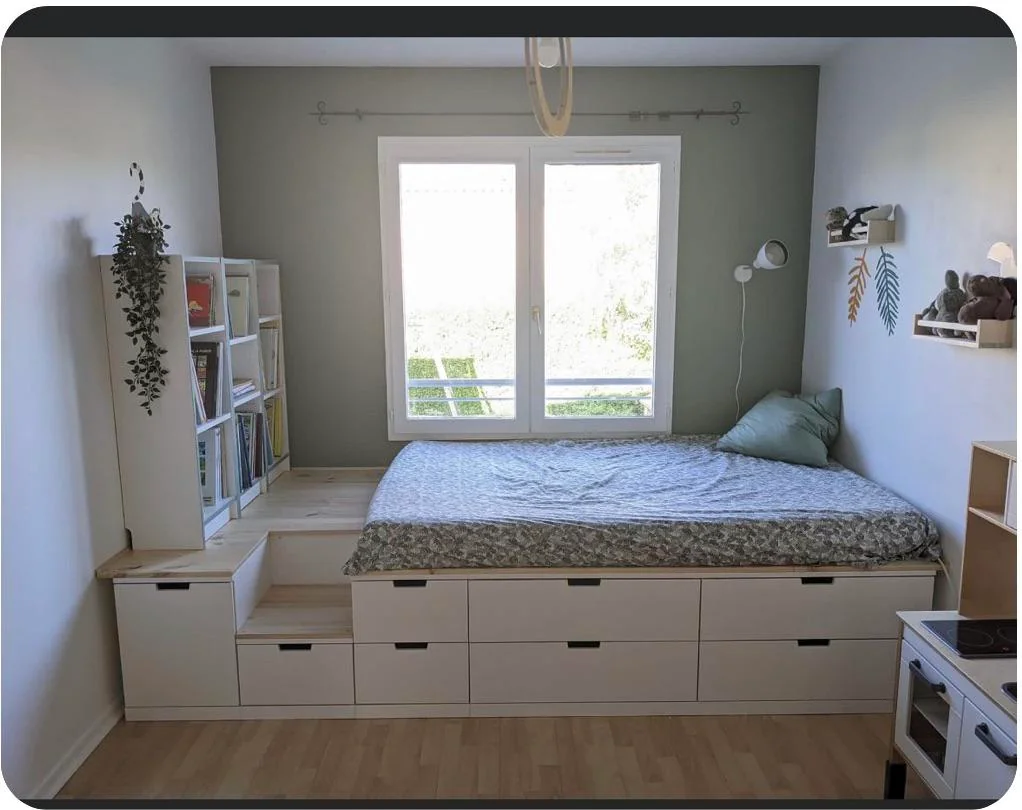
Spare sheet sets, extra pillowcases, a backup duvet cover, these items are used regularly (when the current set is in the wash) but don’t need to be in the wardrobe or a linen closet. Under the bed where they’re used is a logical, convenient home.
How to Do It
Store spare bedding in flat fabric bags or boxes, folded neatly. Keep the most-used spare set in the most accessible position, nearest the side of the bed you get out on. A complete set stored together (fitted sheet, flat sheet, pillowcases) in a pillowcase of the same set keeps everything together without any searching.
8. Off-Season or Infrequently Worn Shoes
Why It Works
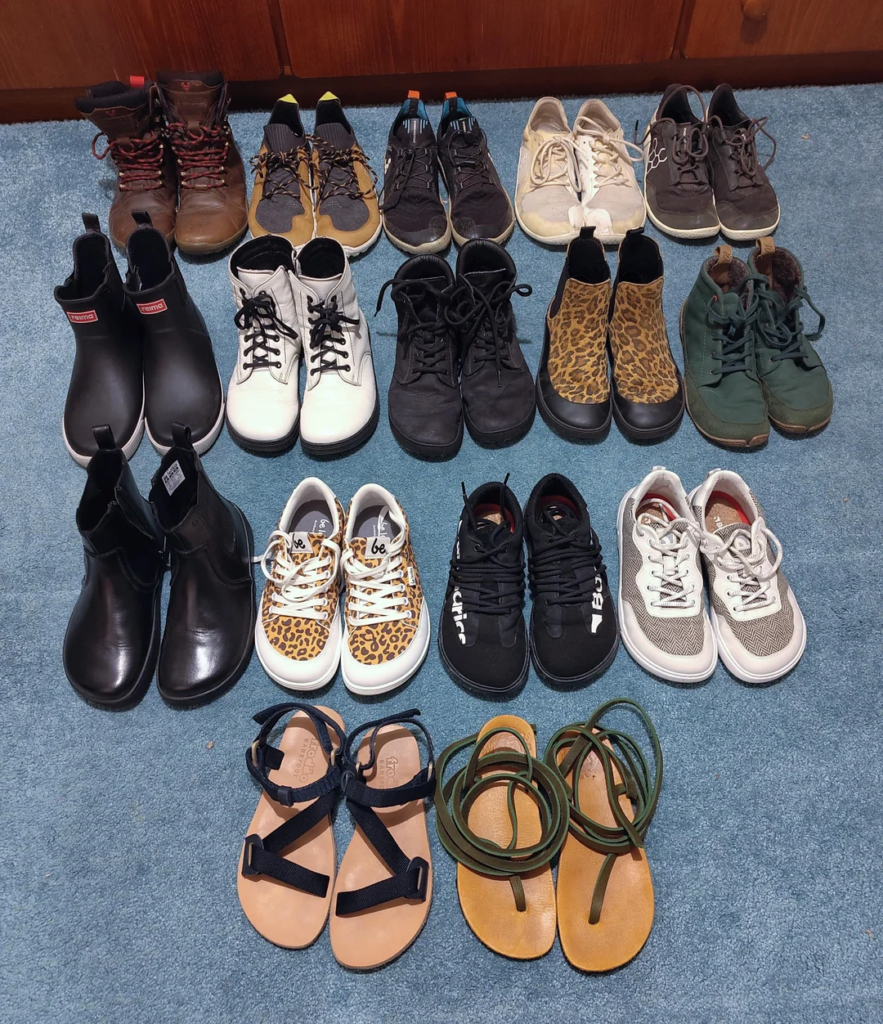
Shoes are awkward to store, they’re rigid, oddly shaped, and take up disproportionate floor and shelf space for their size. Under bed shoe storage in clear boxes or a slim rolling shoe drawer keeps footwear protected, visible, and out of the main closet system.
How to Do It
Individual clear shoe boxes, the stackable kind with clear lids, fit perfectly under most beds and allow you to see which pair is which without opening any boxes. A shoe photograph taped to the front of each box provides even faster identification. Store off-season shoes and occasion shoes under the bed; keep only currently worn shoes in the main closet.
Common Mistake
Storing shoes without stuffing them or boxing them properly. Shoes stored loosely in a bag or box get crushed and lose their shape. Each pair should be stored upright in its own box, stuffed with tissue paper or a shoe form to maintain structure.
9. Books, Magazines, and Reading Material

Why It Works
For avid readers, the accumulation of books and magazines outpaces available shelf space remarkably quickly. Under the bed is an excellent secondary library for books that have been read but not donated, reference books, and magazine archives.
How to Do It
Flat, wheeled drawers are ideal for books, the weight is distributed across the bottom of the drawer, and rolling access makes retrieving a specific book easy. Organize books by genre, author, or however you’d find them most quickly. Don’t exceed the weight limit of any wheeled container, books are heavy and overloaded casters fail quickly.
Insider Tip
If you have a genuine book overflow problem, the under bed zone is also a good holding space for the “donate” category, books you’ve read and loved but are ready to pass on. A designated donation box under the bed fills gradually and goes to a charity shop or library when full.
10. Children’s Toy Storage
Why It Works
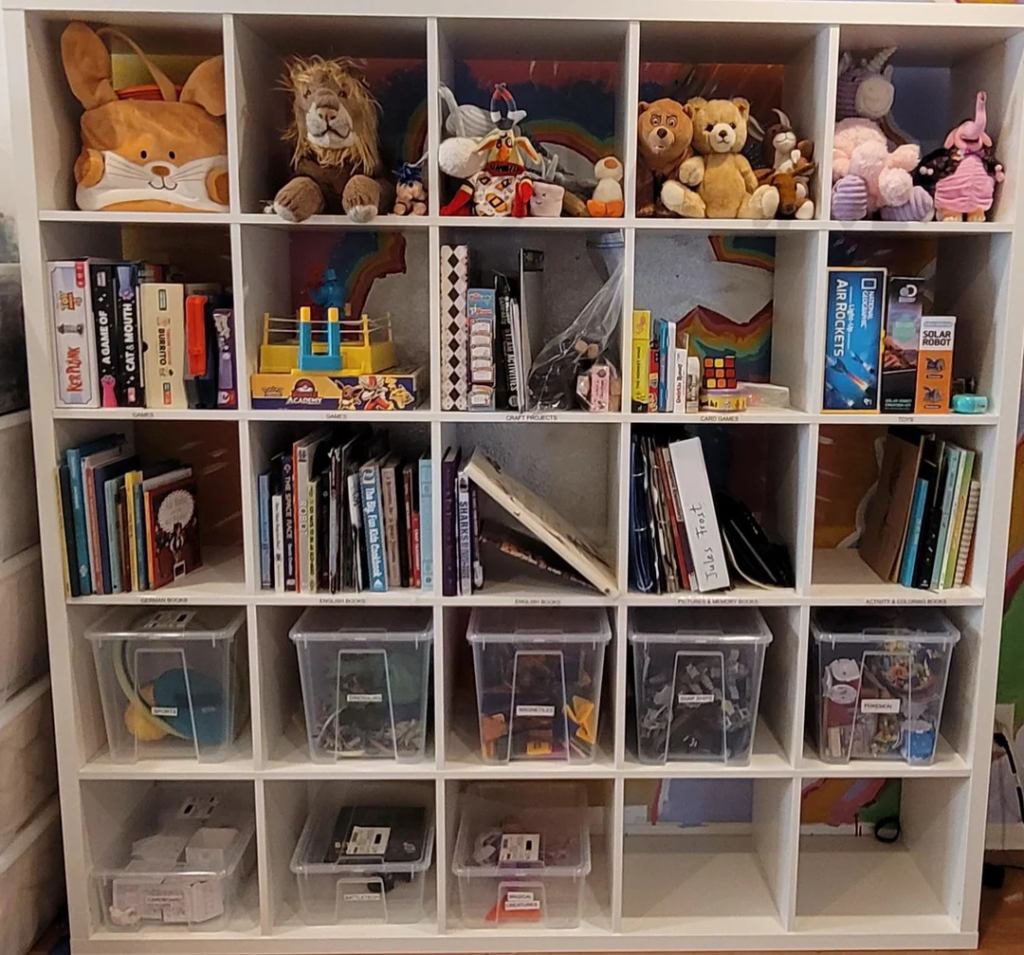
Children’s bedrooms often have the least storage and the most stuff. Under bed storage for toys, particularly the larger, less frequently used toys or puzzles and games with many pieces, frees floor and shelf space for daily play while keeping everything organized and accessible.
How to Do It
Use clearly labeled bins with lids for puzzle and game pieces to prevent spilling. Flat wheeled drawers that children can access themselves are ideal, the independence of a child being able to retrieve and return their own toys without adult assistance is both practical and developmental. Use pictures on labels rather than text for pre-readers.
11. Gift Wrapping Supplies and Seasonal Decor

Why It Works
Gift wrap, ribbons, tape, tags, and small seasonal decorations are used infrequently but take up significant space in whatever drawer or cupboard they currently live in. Under the bed is an ideal home for these items, out of the way for most of the year, but easy to access when needed.
How to Do It
A flat, long under bed container stores rolls of gift wrap perfectly horizontal without crushing them. A separate smaller container holds accessories, tape, tags, ribbons, tissue paper. Label both clearly. You’ll find gift wrapping becomes significantly more enjoyable when the supplies are organized and accessible rather than buried somewhere.
This is a great moment to save or bookmark ideas that feel most relevant to your space, the more specific ideas ahead include some of the most practical solutions in this guide.
Specialty Under Bed Storage Ideas
These ideas address specific items and situations that standard advice often overlooks.
12. Luggage Stored Inside Luggage

Why It Works
Large suitcases are one of the most awkward items to store in a bedroom, they’re too large for most closets, too occasional to warrant prime shelf space, and often end up wedged somewhere difficult. Under the bed is the logical home for flat suitcases that fit the clearance.
How to Do It
Measure your largest suitcase height against your under bed clearance. Many large suitcases laid flat fit comfortably under standard bed frames. Store smaller bags inside larger ones, a carry-on inside a large checked bag, to maximize the use of the luggage storage space. Fill remaining space inside suitcases with off-season clothing for double storage efficiency.
Common Mistake
Storing luggage under the bed while it’s still packed or partially packed from a recent trip. An organized under bed space requires every container to have a clear, single purpose. Luggage that slides under the bed with last trip’s toiletries still inside becomes a dusty holding zone rather than organized storage.
13. Craft and Hobby Supplies
Why It Works
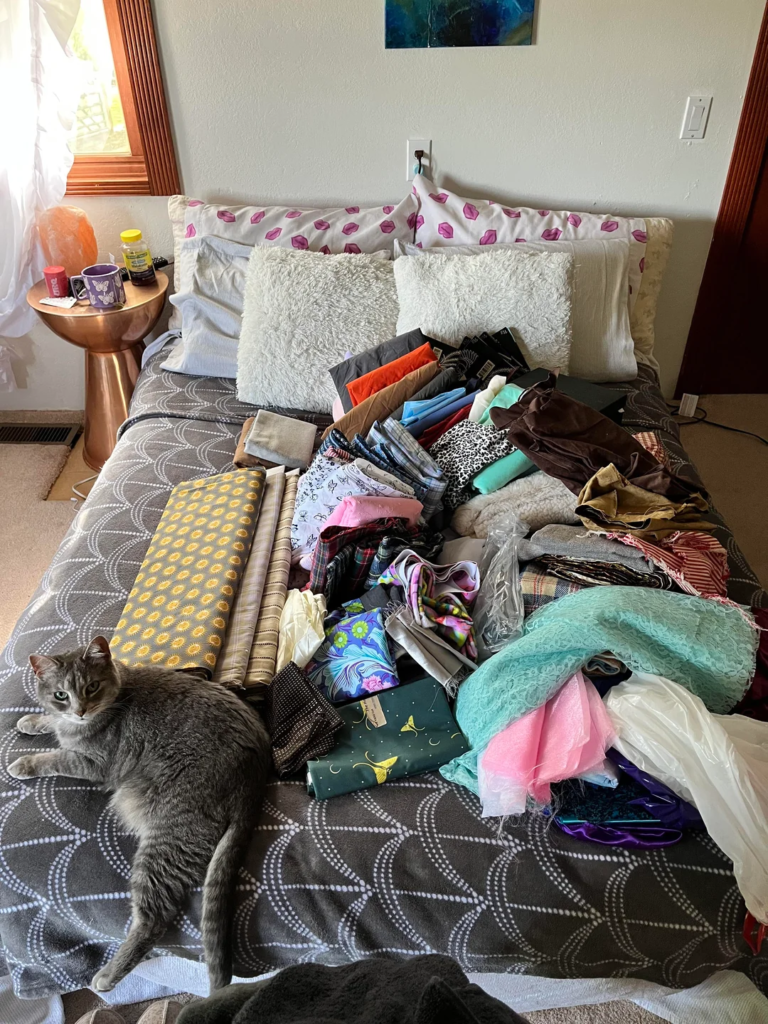
Craft supplies, fabrics, yarn, sewing tools, art supplies, project materials, tend to accumulate beyond available storage. For people whose bedroom is also their creative space, under bed storage provides project-specific organization that keeps supplies accessible without taking over the room.
How to Do It
Designate one container per active project or craft type. A container for current knitting project materials. A container for fabric and sewing supplies. A flat drawer for art supplies. The project-based organization means you can pull out the relevant container when you’re working on something and push it back when you’re done, without disturbing anything else.
14. Sports and Exercise Equipment

Why It Works
Smaller sports equipment, resistance bands, yoga blocks, foam rollers, ankle weights, jump ropes, often has no obvious home and ends up scattered across a wardrobe floor or pushed into a corner. Under the bed consolidates these items in one accessible location.
How to Do It
Use a single clearly labeled under bed container for exercise equipment used at home. If you have a morning workout routine, position this container on the side of the bed you get out on so it’s immediately accessible. Keep it limited to what actually gets used — this category is particularly prone to accumulating aspirational equipment rather than actual daily-use items.
15. A Dedicated “In Progress” Storage Zone

Why It Works
Most organized people have a category of items that are genuinely in progress, a project being worked on, items to be returned or exchanged, things waiting for a specific moment. These items often end up on surfaces because they need to be visible and accessible. A labeled under bed container specifically for “in progress” items keeps them accessible without cluttering visible surfaces.
How to Do It
One flat container labeled “in progress” or “pending.” Items go in when they’re waiting for something to happen and come out when that thing is done. The container is reviewed monthly, anything that’s been in there for three months without progress needs a decision made about it.
16. Wrapping Paper and Tall Items in a Horizontal Bag
Why It Works
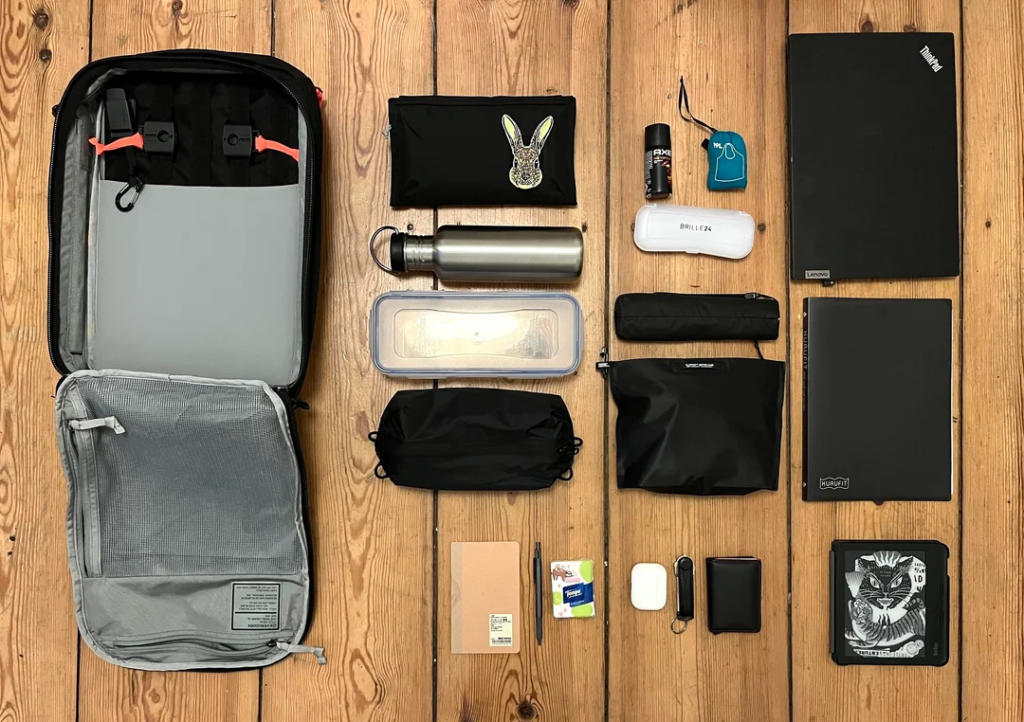
Rolls of wrapping paper, yoga mats, and similar long, cylindrical items have no good home in most bedrooms. A long, cylindrical under bed bag designed specifically for wrapping paper and similar items fits the full length of a standard bed frame and stores multiple rolls flat without bending or crushing.
How to Do It
These specialty bags are available from most home organization retailers and are typically 30-40 inches long with a zip closure. They keep rolls organized, protected, and together so that tape, ribbons, and tags can be stored in the same general zone for a complete gift-wrapping station that slides under the bed.
Making Under Bed Storage Work Long-Term
Having the right containers and categories is one part of the equation. Making the system sustainable is the other.
17. Label Every Single Container

Why It Works
The most common reason under bed storage reverts to chaos is that unlabeled containers get opened, items get removed, other items get placed inside, and the original category is gradually forgotten. Labels prevent this entirely.
How to Do It
Label every under bed container on the end that faces outward when slid under the bed. The label should be visible without pulling the container out, so when you’re looking for something, you can identify the right container at a glance. Use large, clear labels. For containers with multiple categories (seasonal shoes and accessories, for example), list all categories on the label.
Insider Tip
Color-code labels by season or by person if multiple people share the bedroom. Blue labels for winter storage, orange for summer. Or one color per family member. The visual coding makes the system navigable at a glance without reading every label.
18. Raise Your Bed for More Clearance
Why It Works
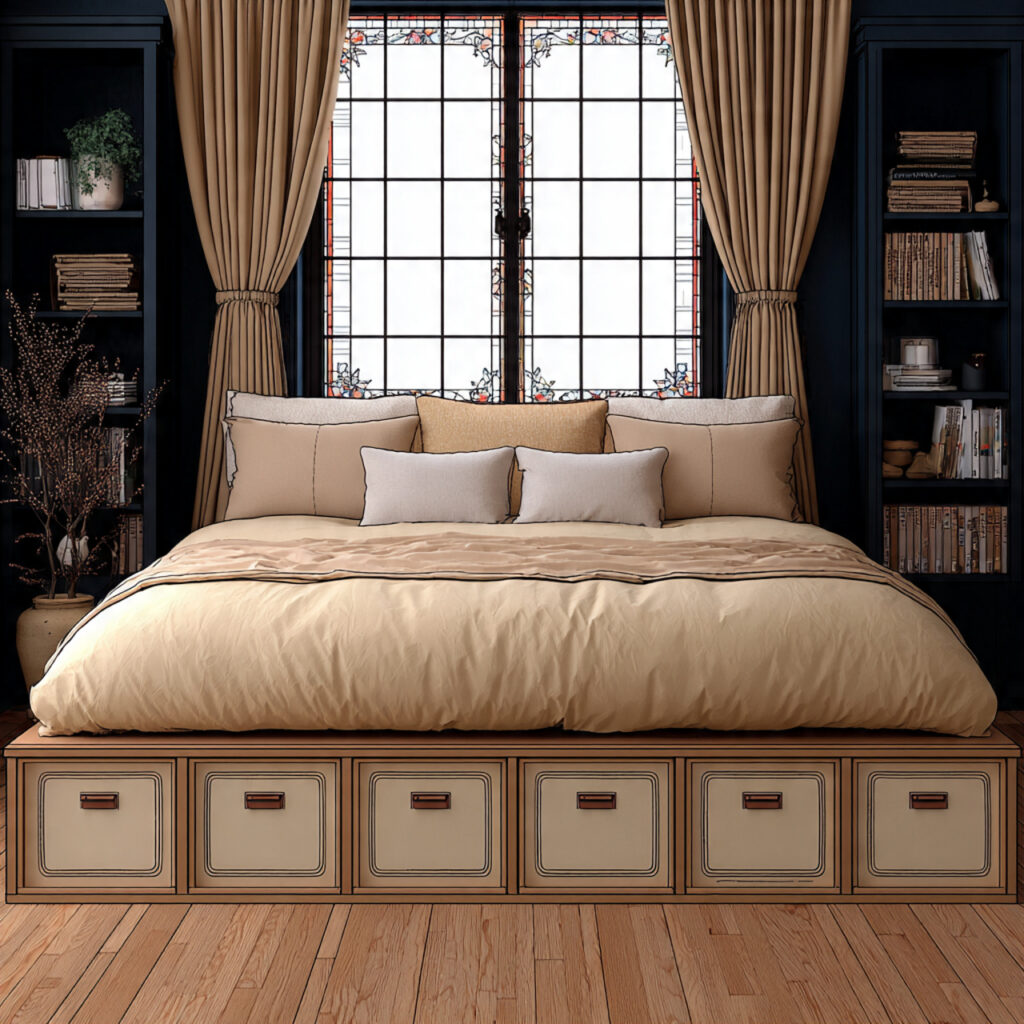
Many beds have only 4-6 inches of clearance beneath the frame, enough for very flat containers only. Bed risers elevate the frame by 2-6 additional inches, which dramatically expands what can be stored beneath and how easily it can be accessed.
How to Do It
Bed risers are plastic or wooden blocks that sit under each leg of the bed frame. A standard set of 3-inch risers converts 4 inches of clearance to 7, enough to accommodate a much wider range of storage solutions including full-height wheeled drawers. Choose risers rated for the weight of your bed plus mattress plus bedding plus people.
Common Mistake
Raising the bed without considering the visual proportion of the room. A bed raised very high can look awkward and make getting in and out difficult. 3-4 inches is typically the practical maximum for most people, enough to meaningfully expand storage without creating a bed you need to climb into.
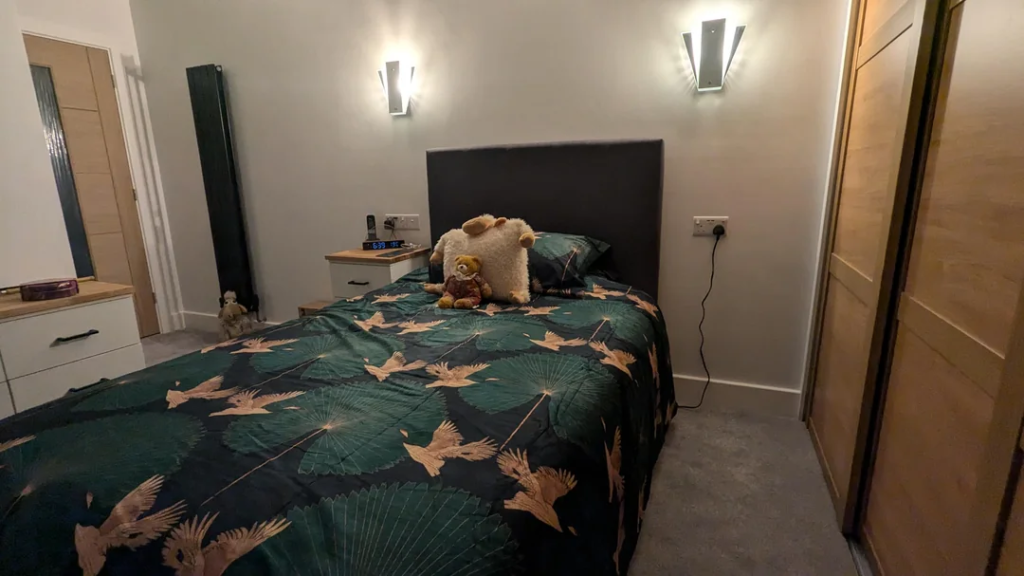
19. Use Bed Skirts or Valances to Conceal Storage
Why It Works
Under bed storage that’s well-organized is still best kept out of sight, partly for aesthetics and partly because visibility encourages additions that gradually undermine the organization system. A bed skirt or valance conceals everything under the bed behind fabric, making the bedroom look cleaner and the storage completely invisible.
How to Do It
Choose a bed skirt that reaches the floor (or to within half an inch of it) and is long enough to wrap all four sides. For beds with risers, measure the actual distance from the top of the box spring or platform to the floor, this is longer than a standard bed skirt and may require a longer or adjustable alternative. Tuck the bed skirt so it’s even and smooth all the way around.
Insider Tip
A bed skirt also reduces the amount of dust that accumulates under the bed, because it restricts the airflow that carries dust under the frame. Less dust under the bed means less frequent cleaning of under bed containers, a practical benefit beyond the aesthetics.
20. Implement a Seasonal Review System
Why It Works
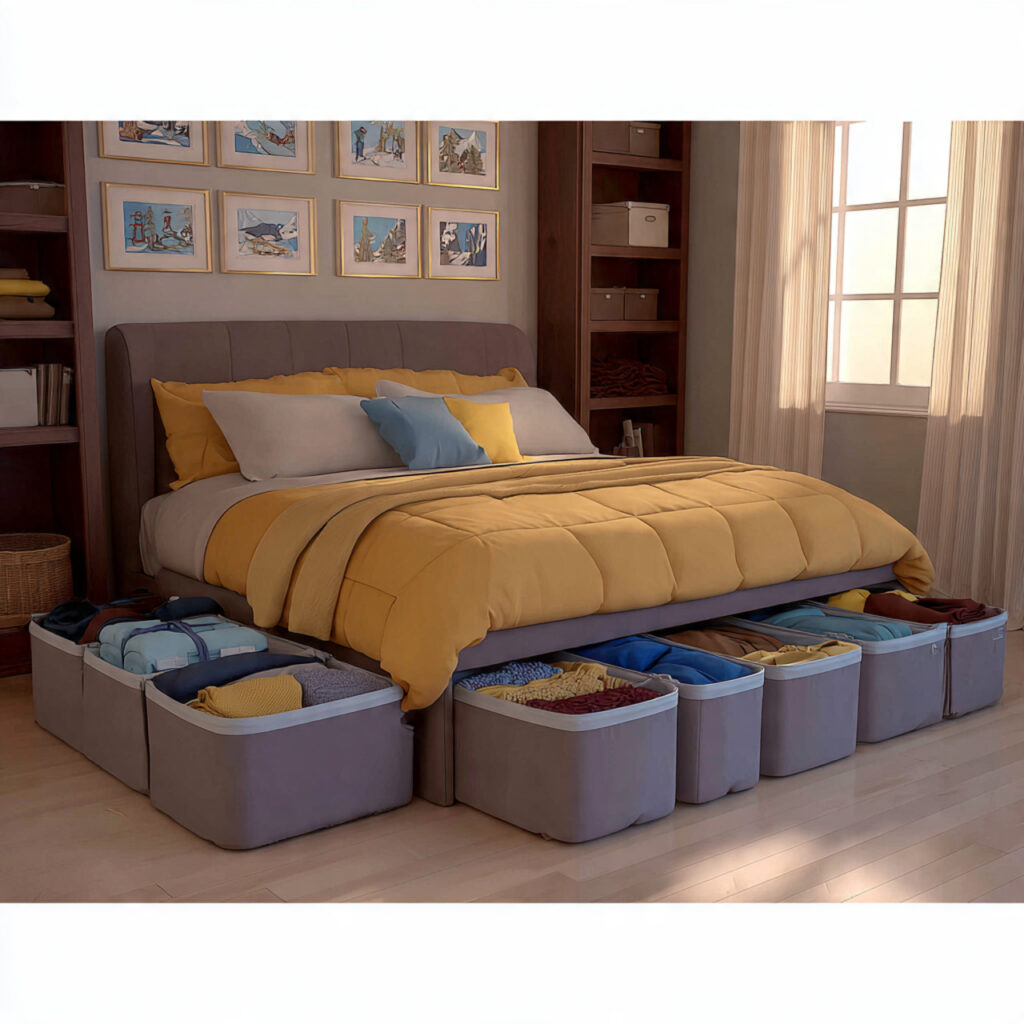
Under bed storage that isn’t reviewed periodically gradually fills with things that no longer belong there. A twice-yearly review, at each season change, keeps the system current, removes items that should be donated, and ensures the categories are still appropriate for current life.
How to Do It
When the seasons change and you’re swapping seasonal clothing, use that moment to review every under bed container. Remove anything that’s been there since last season’s review and hasn’t been accessed. Donate items that aren’t being used. Update labels if categories have changed. The review takes thirty minutes twice a year and keeps the system working indefinitely.
21. Match Your Under Bed Storage to Your Bedroom Aesthetic
Why It Works
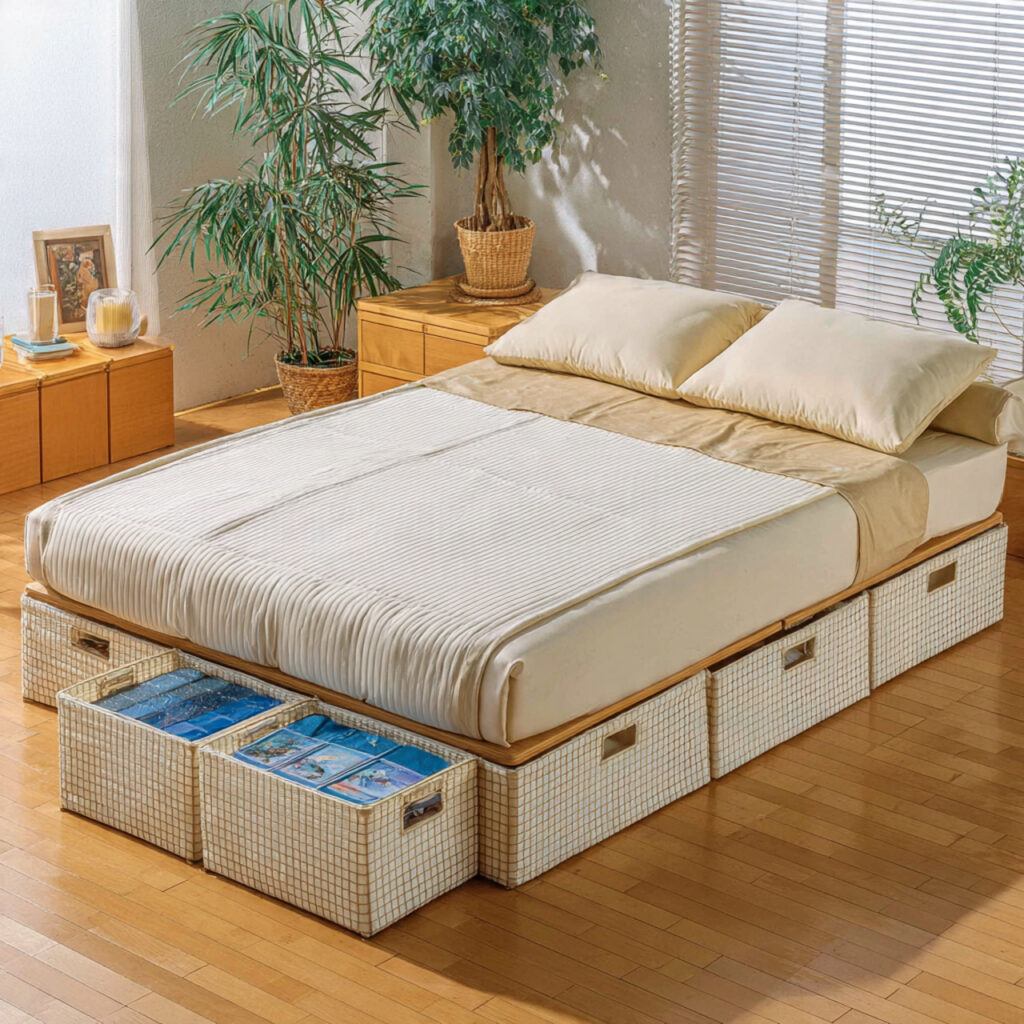
Under bed storage that’s visible, because the bed frame is elevated and there’s no skirt, contributes to or detracts from the overall bedroom aesthetic. Choosing containers that suit the room’s color palette and style makes the storage feel designed rather than utilitarian.
How to Do It
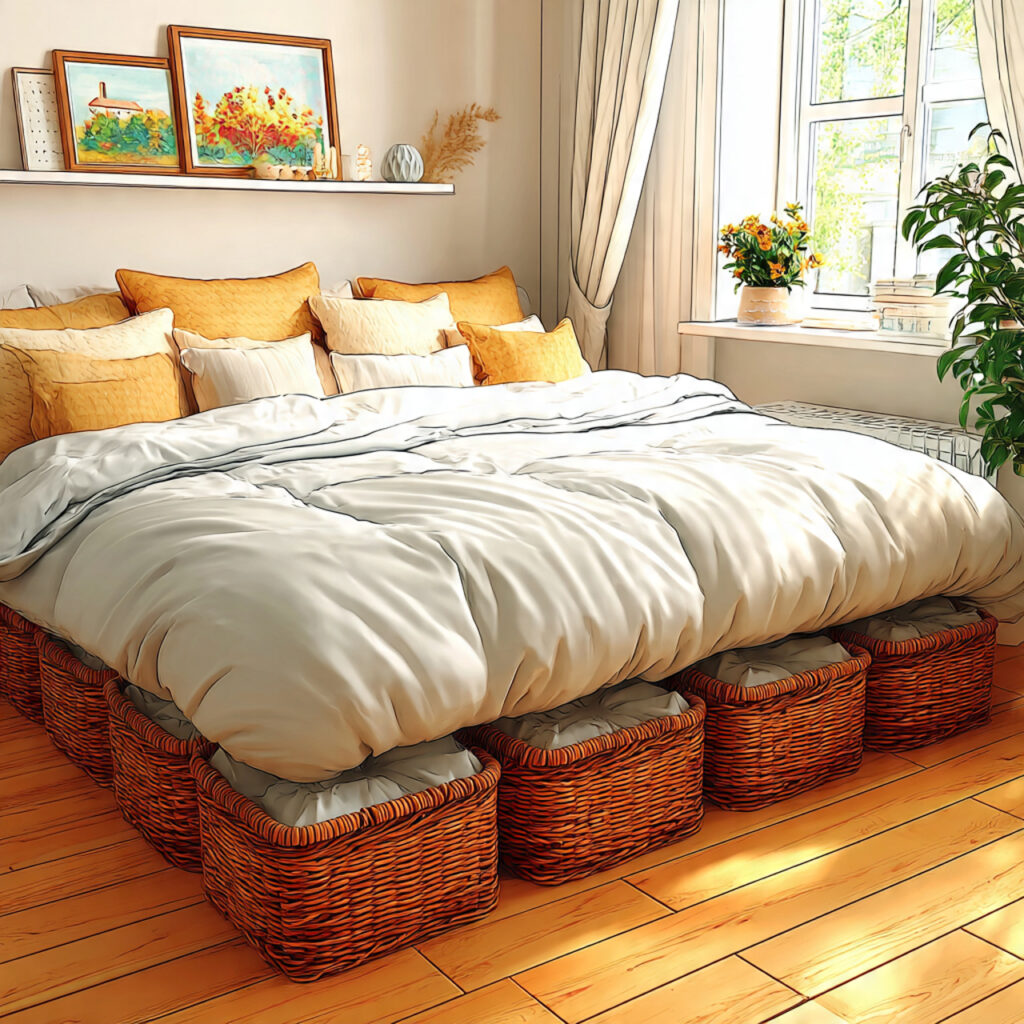
In a neutral, linen-toned bedroom, natural canvas or woven fabric boxes in cream or warm grey look intentional when visible. In a darker, more dramatic bedroom, charcoal or black containers disappear visually. In a bright, colorful room, containers in a coordinating accent color add to the aesthetic. The containers don’t need to be expensive, they need to be consistent with the room’s existing color story.
22. Children’s Under Bed Access Height Consideration
Why It Works
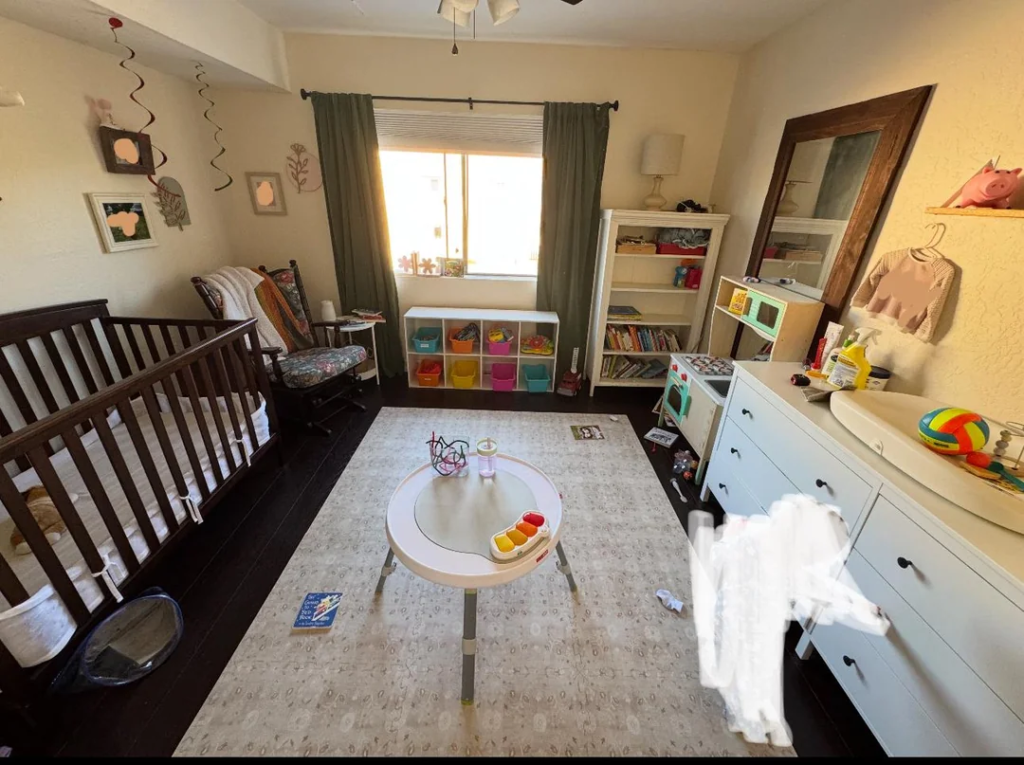
Children’s beds typically have lower clearance than adult beds, and children using under bed storage need to be able to access it independently without assistance. The height of the container, the weight when loaded, and the ease of the opening mechanism all need to be calibrated for the child’s size and strength.
How to Do It
Choose the lightest-weight containers suitable for the storage category. Soft-sided fabric bags are much easier for children to pull and push than solid plastic boxes. Containers with loop handles rather than grip recesses are easier for small hands. Keep the contents of children’s under bed storage light enough that a child can genuinely manage independently.
23. Don’t Store Daily-Use Items Under the Bed
Why It Works
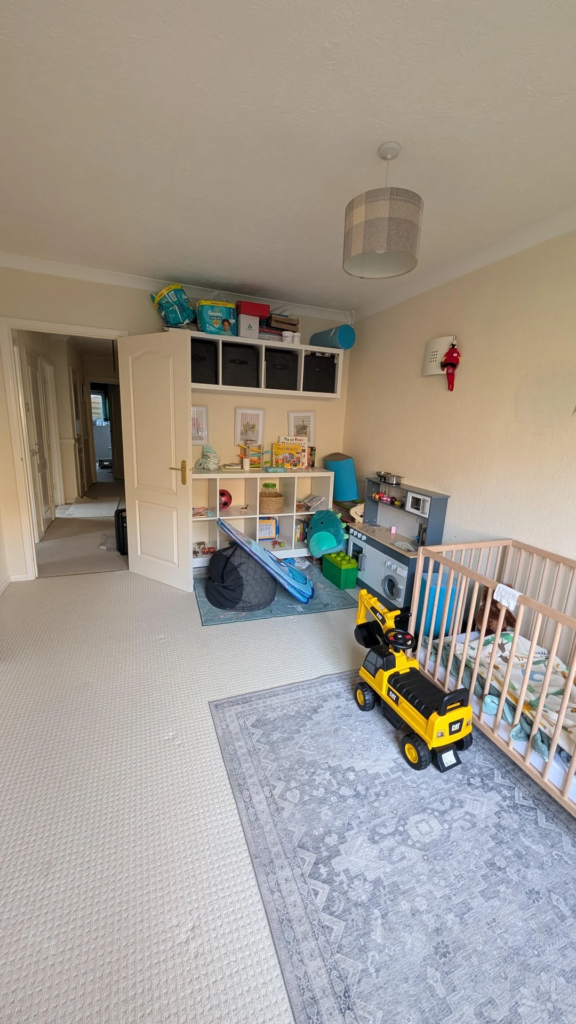
Under the bed is inconvenient for daily access. Kneeling, sliding, pulling, pushing, these aren’t actions anyone wants to perform for something needed every morning. Under bed storage fails most reliably when it’s used for things that need to be quickly and easily accessible multiple times a day.
What to Store Instead
Reserve under bed storage for weekly-or-less access items: seasonal clothing, spare bedding, occasion shoes, hobby supplies for weekend projects. Daily-use clothing belongs in the wardrobe. Daily-use accessories belong on a tray or in a drawer. The under bed zone is powerful precisely because it’s for the right category of items, not everything.
24. Make One Side of the Bed the Primary Storage Side
Why It Works
If you share a bed, each person typically exits from their own side. Organizing under bed storage so that each person’s most-needed containers are on their side reduces the shared access friction and makes daily routines smoother for both people.
How to Do It
Assign storage zones by person on shared beds. Person A’s seasonal clothing and hobby supplies under the left side. Person B’s spare bedding and off-season shoes under the right. Each person manages their zone independently. The shared middle zone (if the bed is wide enough) can hold truly shared items, spare bedding for the whole bed, gift supplies, seasonal decor.
25. Cedar or Lavender in Fabric Storage for Moth Prevention
Why It Works
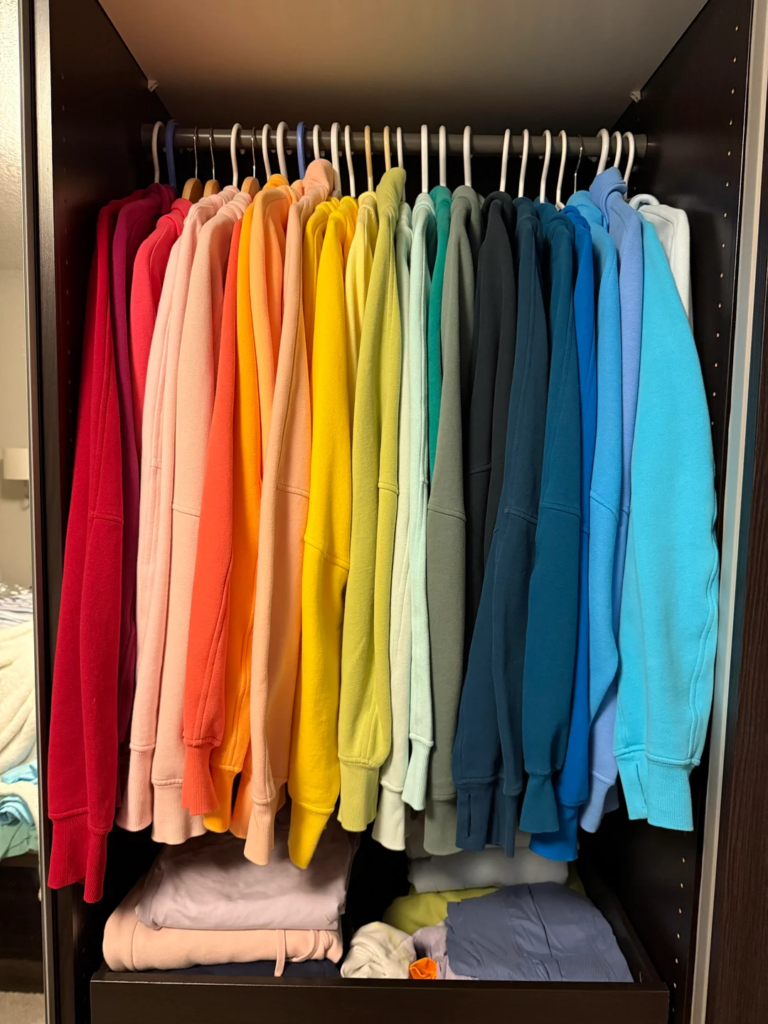
Clothing stored under the bed for months, particularly wool, cashmere, and natural fiber items, is vulnerable to moth damage. Cedar blocks or sachets of dried lavender placed inside fabric storage containers repel moths naturally without chemicals.
How to Do It
Place two or three cedar blocks or lavender sachets inside each under bed container that holds clothing or natural fiber items. Replace or refresh cedar every six months (a light sanding restores the scent). Replace lavender sachets annually. The protection is passive, continuous, and genuinely effective for clothing stored for long periods.
Insider Tip
Cedar and lavender also make the under bed area smell clean and pleasant, a small but genuinely lovely detail that makes retrieving seasonal items a slightly more pleasant experience than it might otherwise be.
26. The Final Rule: Only Store What You’d Give a Real Home
Why It Works
The principle that makes the difference between under bed storage that works and under bed storage that becomes a problem is this: if you wouldn’t give an item a real, organized home elsewhere in your house, it doesn’t belong under the bed either.
What This Means in Practice
Under bed storage is not the solution for things that don’t have a clear purpose in your life. It’s not where broken items wait to be repaired. It’s not where things you might use someday accumulate. It’s where genuinely useful, clearly categorized, regularly reviewed belongings live because under the bed is the most sensible home for them.
When this principle is applied, under bed storage becomes one of the most efficient and satisfying organizational tools in any home. And the bedroom above it feels lighter, calmer, and more like the retreat it was always meant to be.
The Space You Needed Was Waiting Right There
Here’s the thing about under bed storage: it’s not a clever trick or a workaround. It’s a legitimate, significant, beautiful extension of your living space that most people simply haven’t learned to use properly yet.
The space under your bed has been there every night as you slept. Patient, available, completely unused or chaotically overloaded. Ready to be transformed into something that actually serves your life, your seasonal wardrobe organized and rotating, your spare bedding easily retrieved, your hobby supplies waiting without cluttering your closet, your bedroom feeling lighter and larger for the first time in years.
You don’t need a bigger home. You need to know every inch of the home you already have.
And some of those inches are right beneath you.
Start with one container, one category, and one clear label. Then close the bedroom door, turn off the light, and sleep well, knowing you’ve found the storage you’ve been looking for all along.