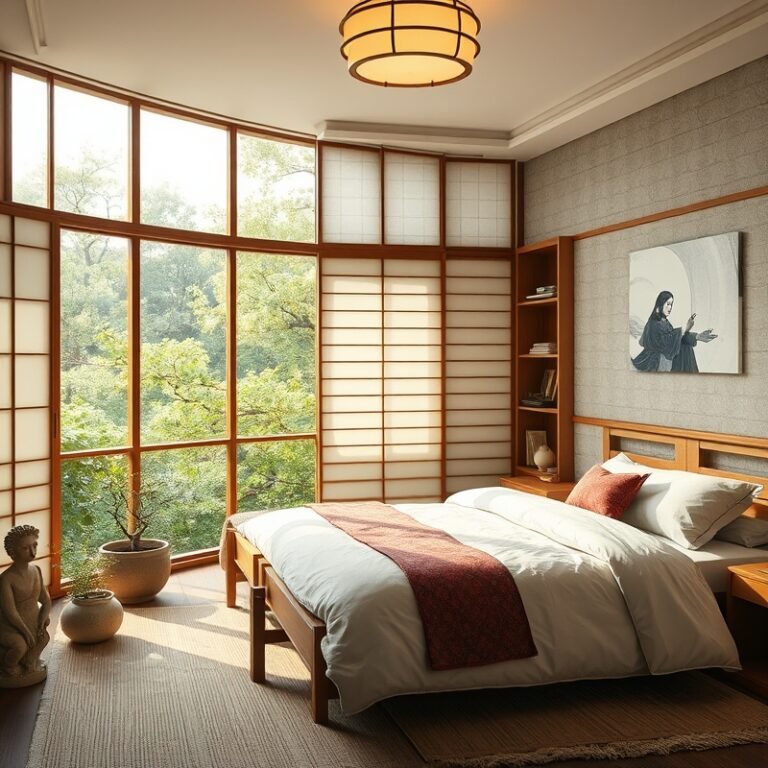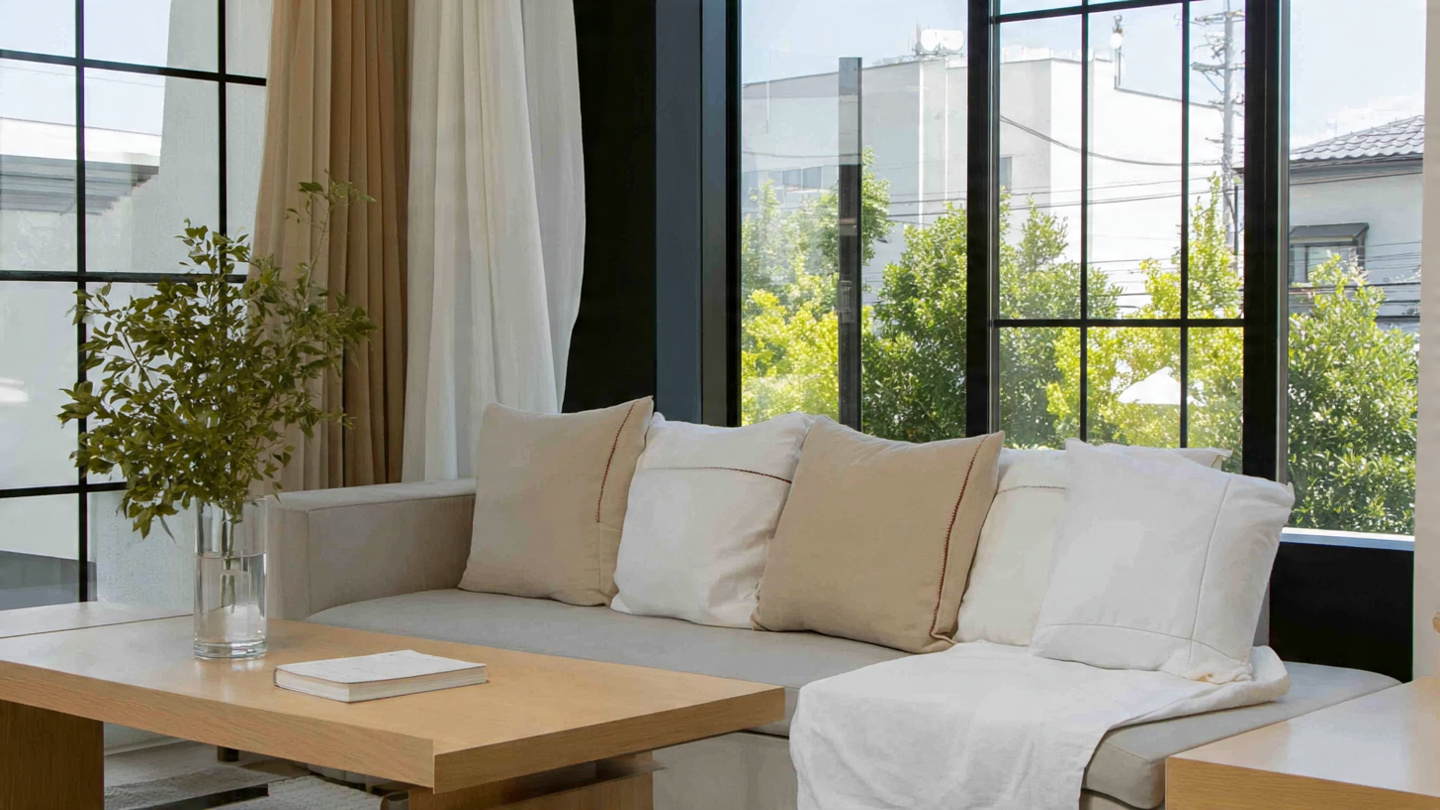
23 Light and Airy Living Room Ideas That Make Your Space Feel Bright, Fresh, and Beautiful — Try This Look Today

Picture yourself stepping into a living room where the light seems to come from everywhere at once. The walls are soft and pale. The curtains billow gently near an open window. There’s a plant catching the afternoon sun, a white linen throw folded over the sofa arm, and the whole space has that particular quality of rooms that feel like they’re breathing.
You want to spend time in that room. You want to live in it.
A light and airy living room isn’t just beautiful to look at, it genuinely changes how you feel inside it. Research on environmental psychology consistently links bright, open, naturally-lit spaces to lower stress levels, improved mood, and greater sense of wellbeing. It’s not a coincidence that the most sought-after living room aesthetic globally, consistently topping design searches across the US, Canada, the UK, and Australia, is one built around light, openness, and calm.
The good news? You don’t need a north-facing wall of glass or an architect-designed renovation to achieve this aesthetic. You need a thoughtful approach to color, light, furniture, and the specific details that make a room feel open rather than enclosed. These 23 ideas cover all of it.
What Makes a Living Room Feel Light and Airy
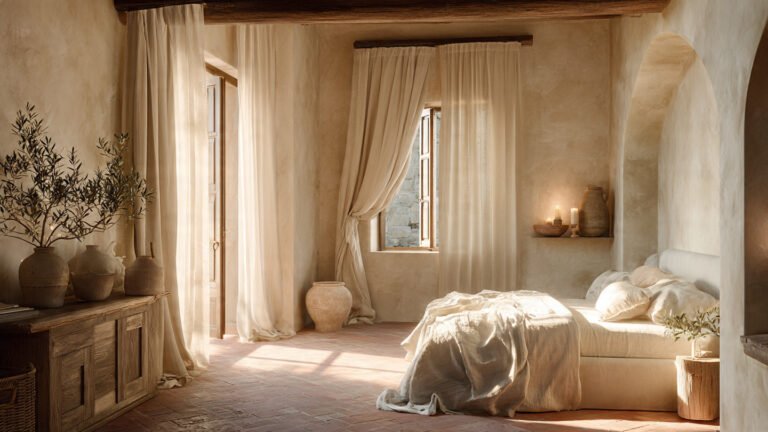
It’s Not Just About Natural Light
Many people assume a light and airy living room is only possible with abundant natural light, large windows, a sunny aspect, or the kind of light that only certain directions and certain houses provide. That’s a myth worth dispelling early.
A light and airy atmosphere is created by a combination of factors: color palette, the quality and layering of artificial light, furniture scale, visual clarity, reflective surfaces, and the careful management of what the eye encounters when it scans the room. Rooms with modest windows can feel genuinely light and open when these elements are handled well. Rooms with large windows can feel heavy and dim when they aren’t.
The Three Pillars of the Aesthetic
Every light and airy living room, regardless of style or budget, rests on three foundational pillars: pale, warm tones that reflect light rather than absorb it; furniture that doesn’t dominate or crowd the space; and surfaces that stay clear enough to let the room breathe. The 23 ideas ahead build on each of these pillars in specific, actionable ways.
You can visit this article for more info https://myhavenvibes.com/minimalist-home-organization/
Color and Paint Ideas That Open a Room
Color is the most powerful and least expensive tool for creating a light and airy living room. These ideas use it strategically.
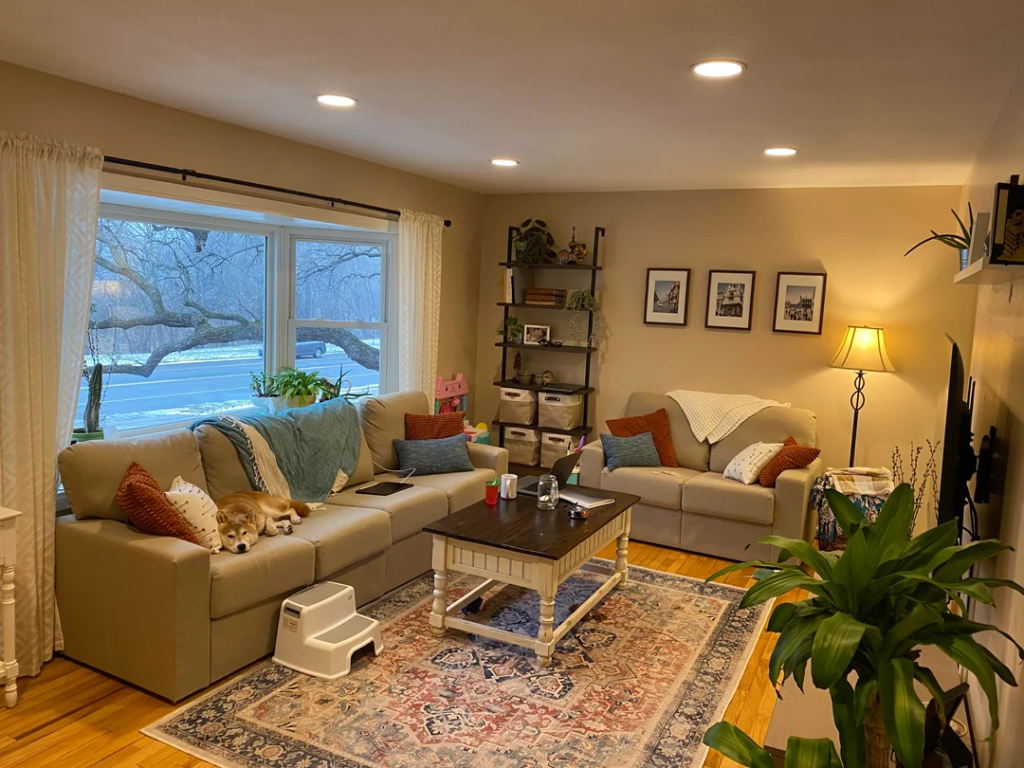
1. Warm White Walls
Why It Works
Pure bright white can feel cold and clinical in a living room, it reflects light intensely but without warmth, creating a space that looks bright in photos but feels slightly harsh in person. Warm white, white with subtle undertones of cream, ivory, or the palest blush, reflects light generously while adding the warmth that makes a room feel genuinely inviting.
How to Choose One
Look for whites described as “warm white,” “off-white,” “linen,” or “antique white.” Test paint swatches in your specific room light before committing, the same white reads differently under north-facing versus south-facing light. Paint a large swatch (at least A4 size) and observe it at different times of day before finalizing.
Common Mistake
Choosing a white that’s too cool or too grey for the existing warm elements in the room, wooden floors, warm textiles, natural materials. A cool white against warm wood floors creates a visual dissonance that undermines the airy quality. The white and the warmth in the room should feel like they belong together.
Also Read: https://myhavenvibes.com/tiny-entryway-storage-ideas/
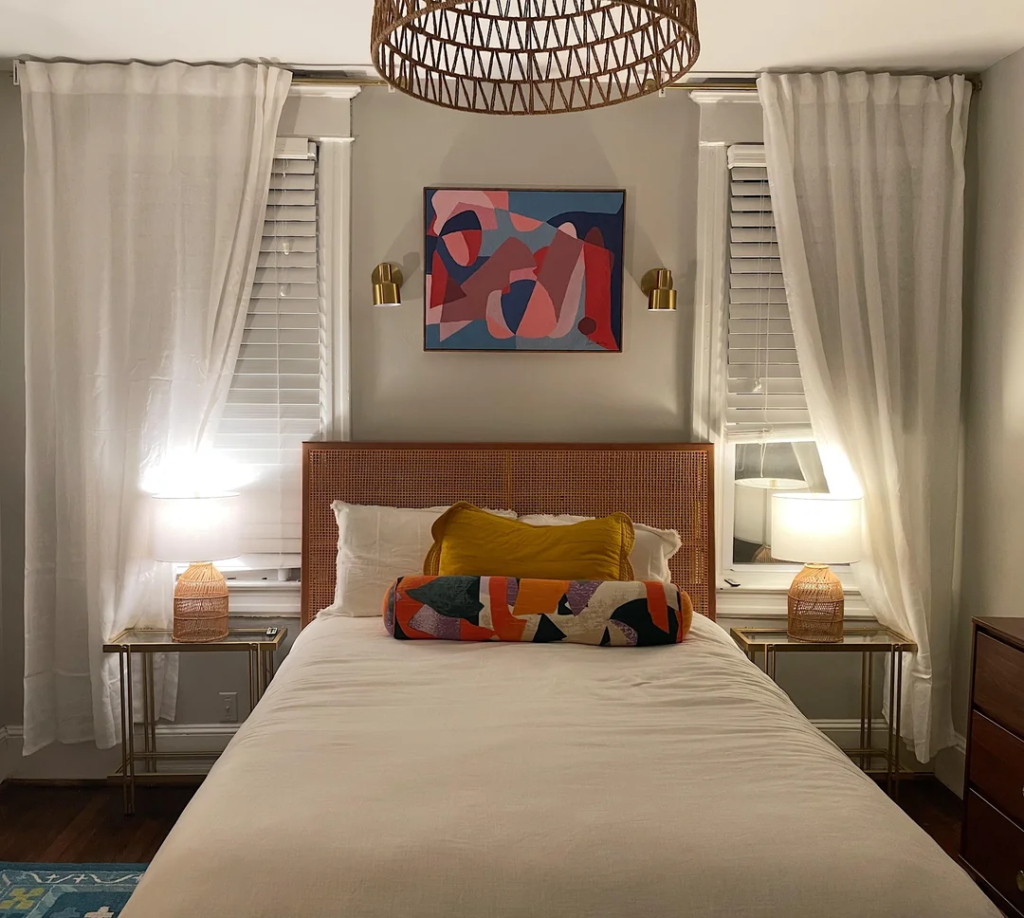
2. A Pale Neutral Palette Throughout
Why It Works
A light and airy living room uses a narrow, pale color palette rather than multiple competing tones. When walls, larger furniture pieces, and major textiles sit within the same pale neutral family, creams, warm whites, soft greiges, pale linens, the eye reads the room as spacious and unified rather than busy and contained.
How to Apply It
Choose a base color for the walls. Select upholstery and large textiles within two to three tones of that base. Add warmth and interest through texture, linen, cotton, jute, rattan, rather than through color contrast. The result is a room that feels calm, cohesive, and genuinely light.
3. Paint the Ceiling a Shade Lighter Than the Walls

Why It Works
A ceiling painted the same shade as the walls anchors the room but can make ceilings feel lower. Painting the ceiling one shade lighter than the walls creates the optical effect of height, the eye perceives the ceiling as further away than it is, and the room feels taller and more open.
How to Do It
If your walls are a warm cream, choose a white or near-white for the ceiling. If your walls are a pale greige, choose a very light warm white above. The difference doesn’t need to be dramatic, one shade lighter is enough to create the effect. This simple technique makes a measurable visual difference, especially in rooms with standard ceiling heights.
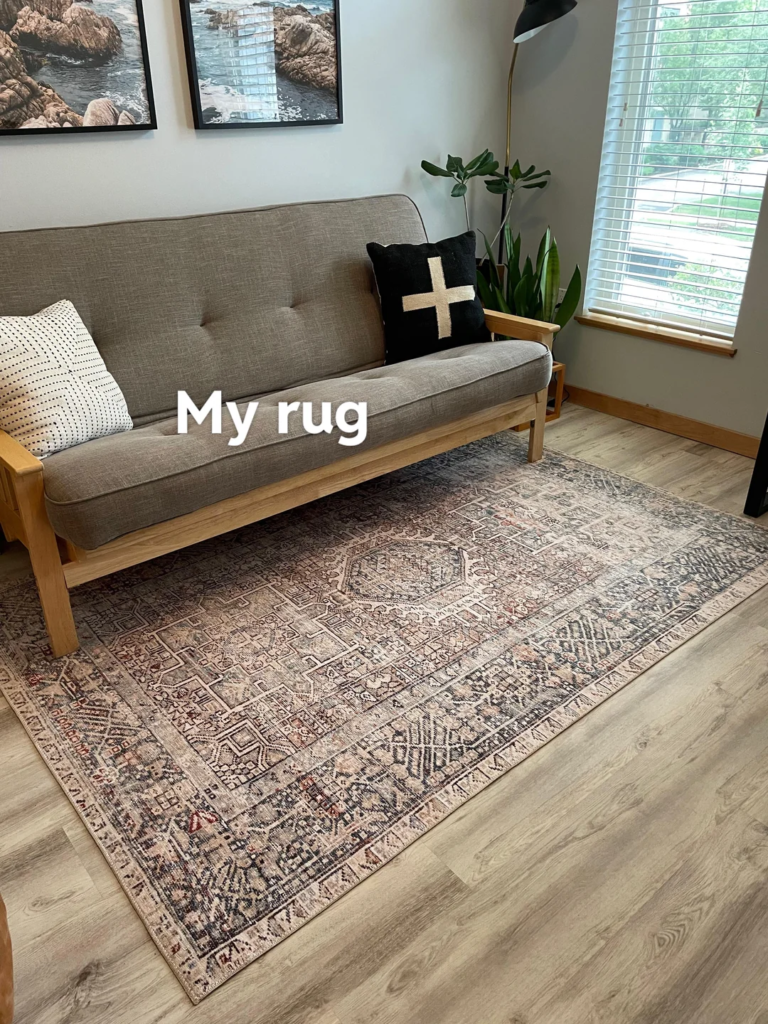
4. Light-Toned Flooring or Rugs
Why It Works
Dark floors absorb light. Light floors, pale timber, whitewashed wood, light stone, or natural fiber, reflect it back into the room from below, effectively adding a second light source at floor level. The visual effect on room brightness is significant.
How to Do It
If you can’t change existing dark floors, a large light-toned rug in natural jute, pale linen, or cream cotton achieves a similar effect in the main living zone. Size the rug to cover the majority of the floor visible in the seating area, a rug that’s too small doesn’t change the floor’s contribution to the room’s light quality enough to matter.
Insider Tip
A flatweave rug in natural fiber reflects more light than a thick, textured one. In a room where light levels are a priority, texture in the textiles is better added through cushions and throws rather than the rug, which covers the largest floor area.
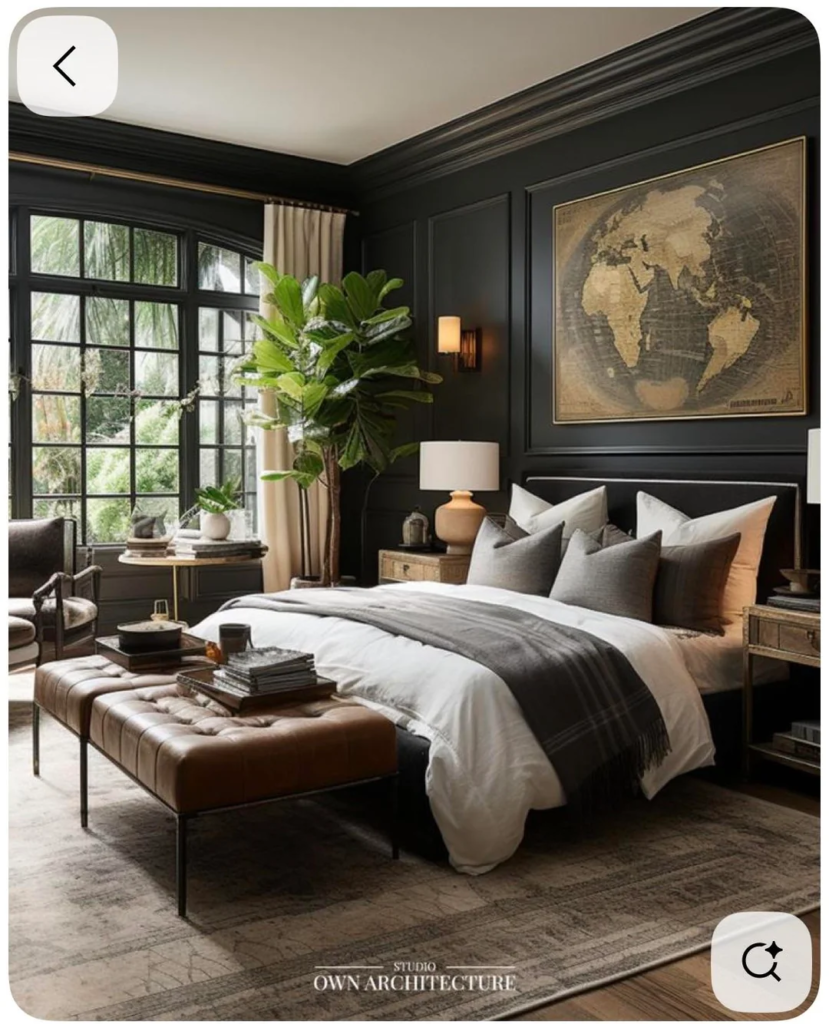
5. Color-Drenching in Pale Tones
Why It Works
Color drenching, painting walls, woodwork, and ceiling in the same color, sounds counterintuitive for a light and airy aesthetic. But when the color is very pale, a soft warm white, a barely-there blush, a whisper of sage, drenching creates a seamless, immersive quality that makes rooms feel larger rather than smaller. The absence of contrasting trim removes the visual interruptions that make a room feel more defined and therefore more enclosed.
How to Do It
Choose one pale tone and apply it to all surfaces, walls, skirting boards, door frames, and ceiling. The room becomes a single tonal environment that the eye reads as expansive. In a compact living room especially, this technique can create a genuinely transformative effect.
The color foundation is set. The light and furniture ideas ahead build on it in ways that take the aesthetic from good to genuinely breathtaking.
Light and Window Ideas That Transform a Room
How you manage both natural and artificial light determines whether a living room reads as truly airy or just pale.
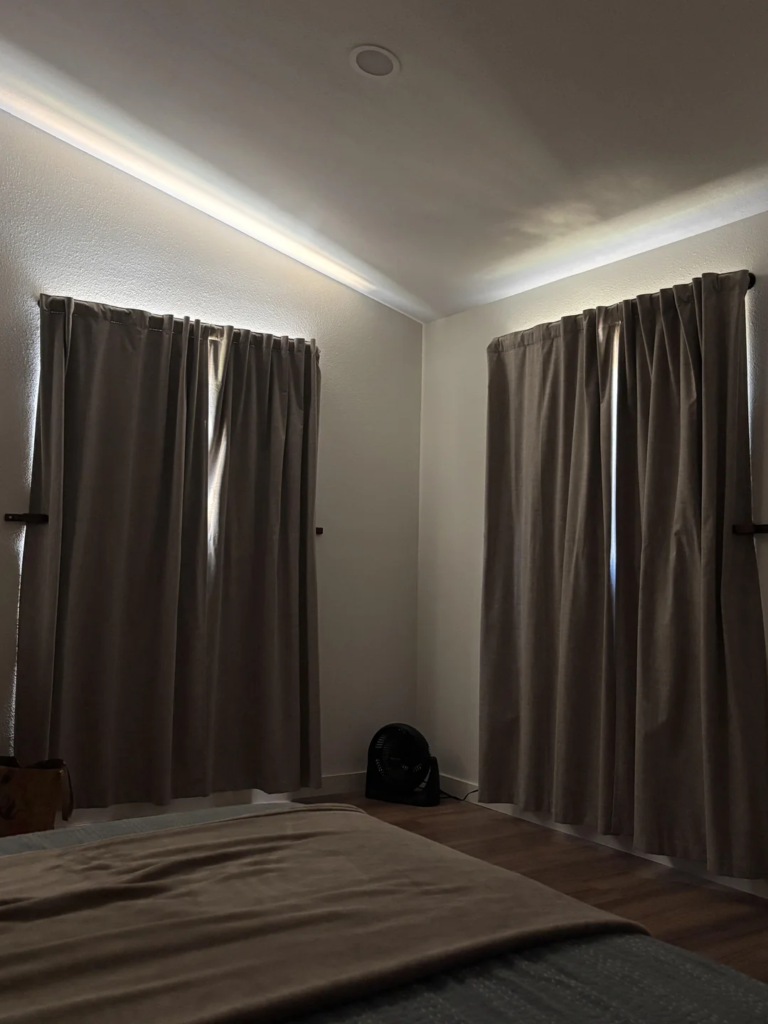
6. Sheer Curtains That Diffuse Rather Than Block Light
Why It Works
Heavy curtains, even in light colors, block a significant proportion of incoming natural light. Sheer curtains filter light rather than blocking it, allowing the room to be softly illuminated even when the curtains are closed. The diffused quality of light through sheer fabric is particularly beautiful, it creates the soft, gentle room light that characterizes the best light and airy living rooms.
How to Choose Them
Natural linen sheers or white cotton voile in a semi-sheer weight are the most versatile options. Choose curtains that extend well beyond the window frame on both sides (allowing them to be pulled completely clear of the glass when open) and that reach from ceiling to floor rather than window-frame height. Both of these sizing choices make windows look larger and rooms feel taller.
Common Mistake
Choosing curtains that are exactly window width. Curtains that only cover the window look mean and make windows appear smaller. Always extend curtain tracks or rods at least 12 inches beyond the window frame on each side so that when open, the curtain sits entirely beside the window and no glass is covered.
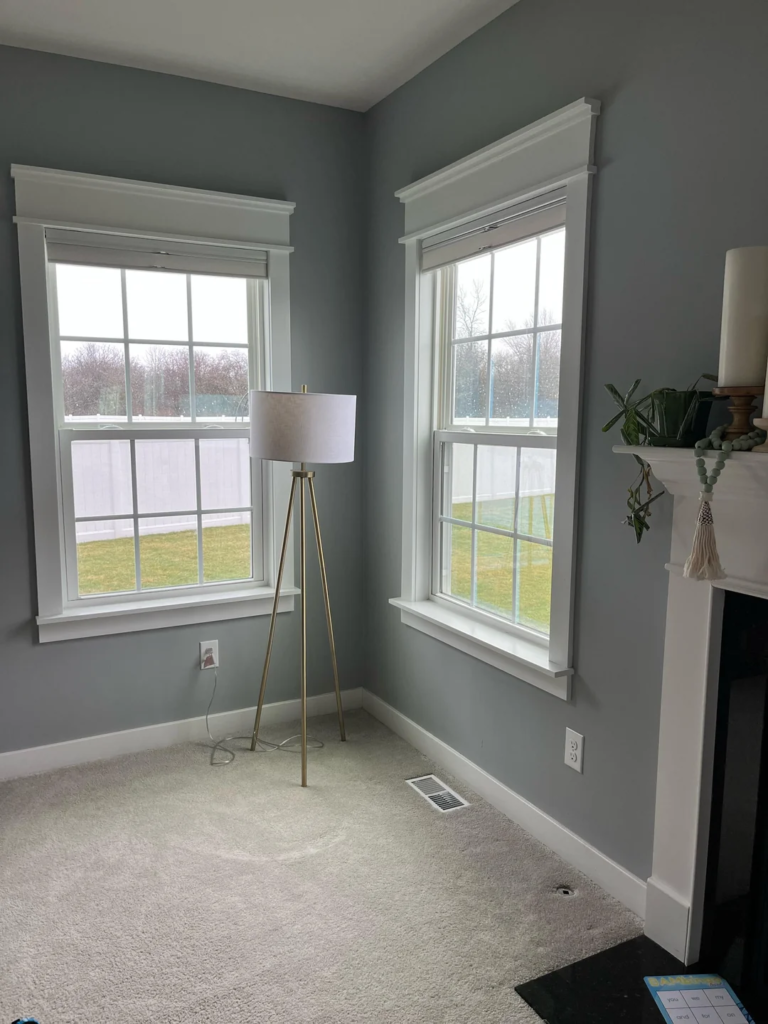
7. Curtains Hung at Ceiling Height
Why It Works
Where curtain rods are positioned makes an enormous difference to the visual height of a room. A curtain hung at window-frame height keeps the eye focused on the window. The same curtain hung at ceiling height draws the eye all the way up, creating the impression of taller ceilings and a more generous, airy room.
How to Do It
Mount curtain tracks or rods as close to the ceiling as possible, regardless of where the actual window top falls. The gap between the curtain top and the window top will be visible, but the visual effect on room height outweighs this significantly. This is one of the most consistent, reliable room-improvement techniques in interior design, inexpensive to implement and immediately effective.
8. Layered Artificial Lighting in Warm Tones
Why It Works
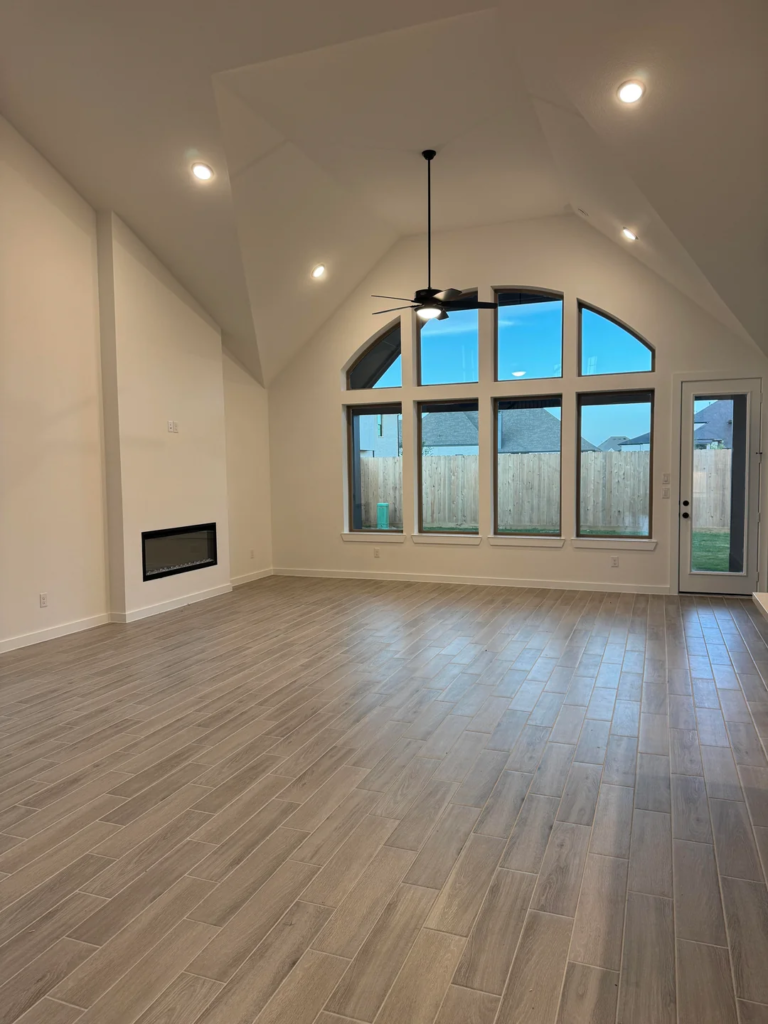
A single overhead light creates flat, shadowless illumination that makes a room feel functional rather than warm. Layered lighting, combining overhead, floor lamps, table lamps, and possibly accent lighting, creates depth, warmth, and the kind of light quality that makes a room genuinely beautiful to be in at any time of day.
How to Do It
Replace cool or bright overhead bulbs with warm white LEDs (2700K). Add a floor lamp in a corner, its upward and outward throw of light makes ceilings feel higher. Add a table lamp on the console or side table for soft focused warmth. The combination of multiple low-intensity light sources creates the luminous, inviting quality that a single overhead source cannot.
9. Mirrors to Double the Light
Why It Works
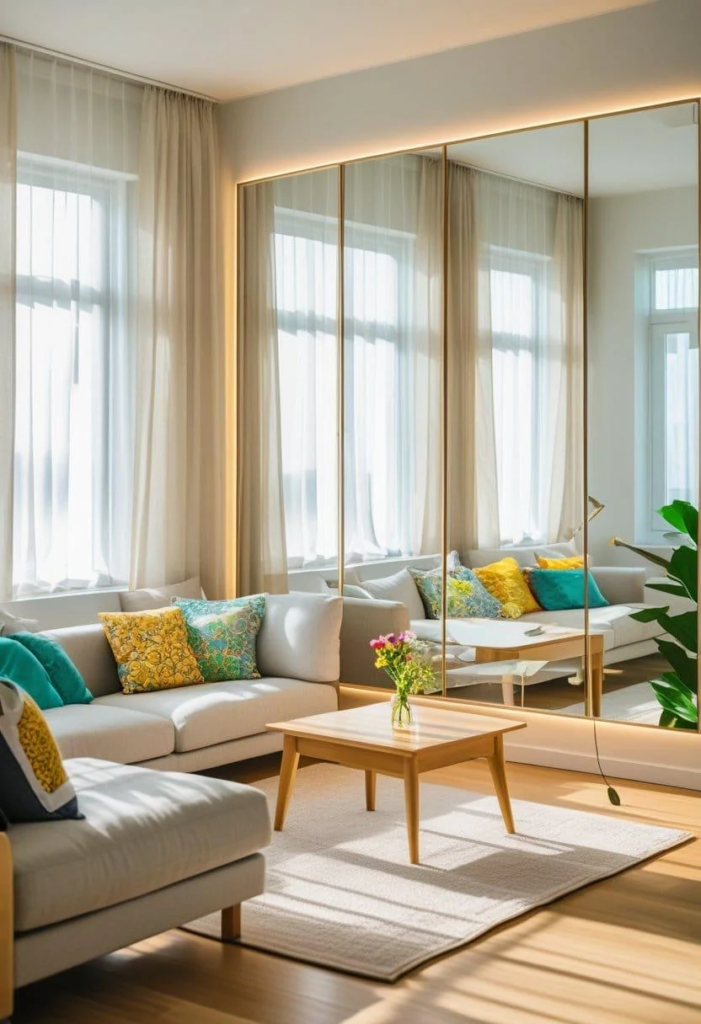
A mirror placed opposite or adjacent to a window reflects incoming natural light back into the room, effectively doubling the light source. In rooms with limited natural light, this technique makes a measurable difference to actual light levels, not just the appearance of them.
How to Do It
Position a large mirror on the wall directly opposite your main window. The mirror should be large enough to capture a meaningful proportion of the reflected light, a small mirror reflects a small amount. A full-length mirror leaned against the wall, or a large framed mirror hung at standing height, provides the most effective light reflection.
Insider Tip
The mirror doubles whatever is reflected in it, so position it to reflect your best view (a window, a plant, an attractive lamp) rather than a cluttered corner or an uninspiring door.
10. Replacing Heavy Blinds With Roller or Roman Shades in Light Fabrics
Why It Works
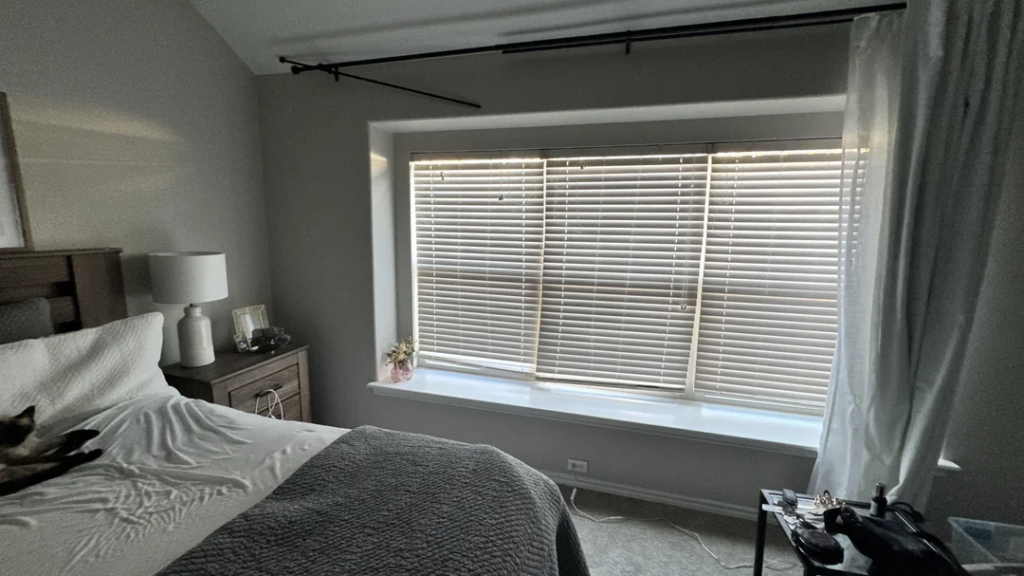
Venetian blinds and heavy roller blinds in dark colors are among the most common light-blockers in living rooms. Replacing them with simple roller shades or Roman blinds in white or pale linen dramatically increases the light quality of a room while maintaining privacy when needed.
How to Do It
Choose a sheer or semi-sheer fabric in white or natural linen. Roman blinds in a simple, clean fold look elegant and unobtrusive. When raised, they stack neatly above the window with minimal visual bulk, unlike venetian blinds that remain visibly present even when open. The clean top line of a raised Roman blind contributes to the airy quality of the room even when the window treatment is fully open.
This is a wonderful moment to bookmark or save a few ideas you love, the furniture and finishing detail ideas ahead complete the full picture of a genuinely light and airy living room.
Furniture Ideas That Keep a Room Open
Scale, placement, and proportion matter enormously in creating a living room that feels spacious and light.
11. Furniture With Visible Legs
Why It Works
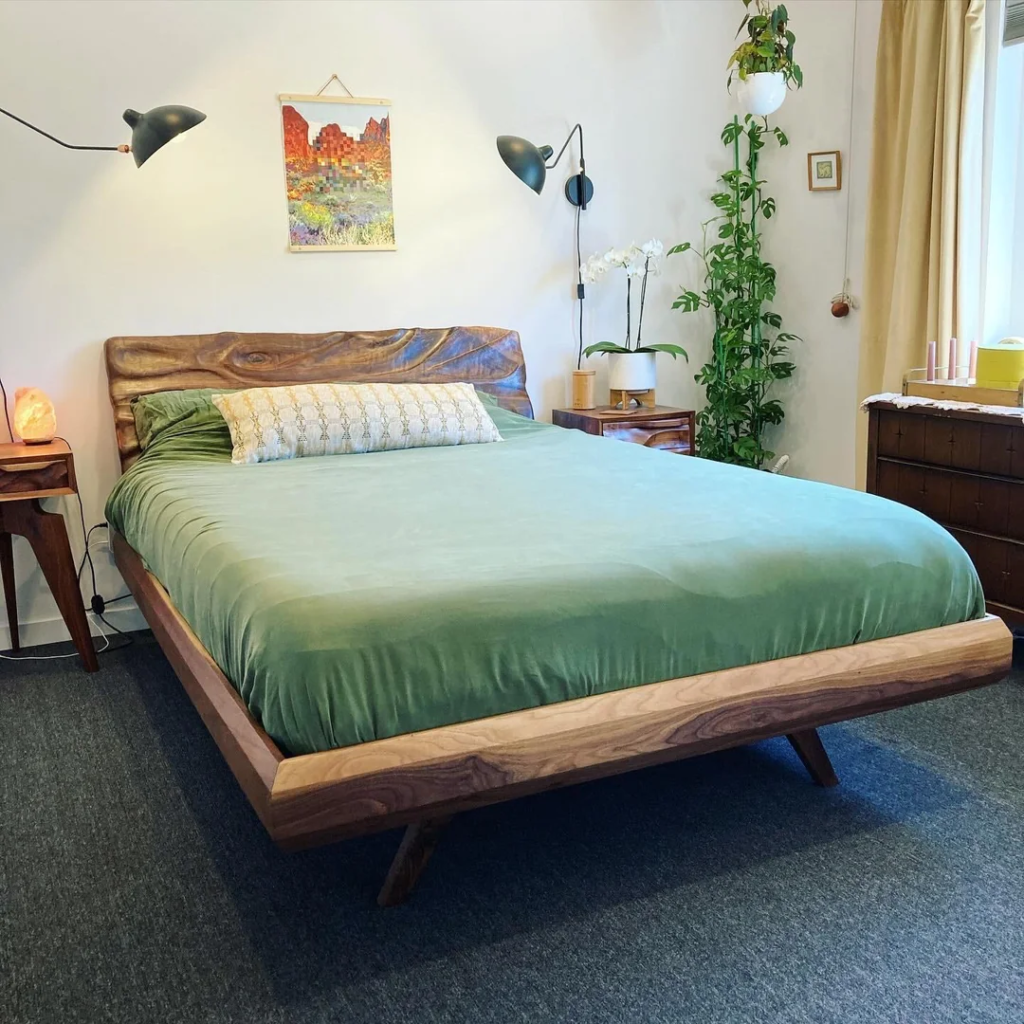
Sofas, chairs, and side tables that sit directly on the floor create a visually heavier, more grounded feel. The same pieces raised on visible legs, even just a few inches, allow light and the eye to pass underneath, which creates a sense of space and airiness that floor-sitting furniture cannot provide.
How to Choose Furniture With Legs
Look for sofas and armchairs with slender legs in natural wood or metal rather than upholstered bases that reach the floor. A sofa raised even 5 inches on wooden legs looks and feels lighter than the same sofa with a floor-touching base. The floor visible beneath furniture is a visual breathing room, and breathing room is exactly what an airy living room needs.
12. A Sofa in Natural Linen or Light Upholstery
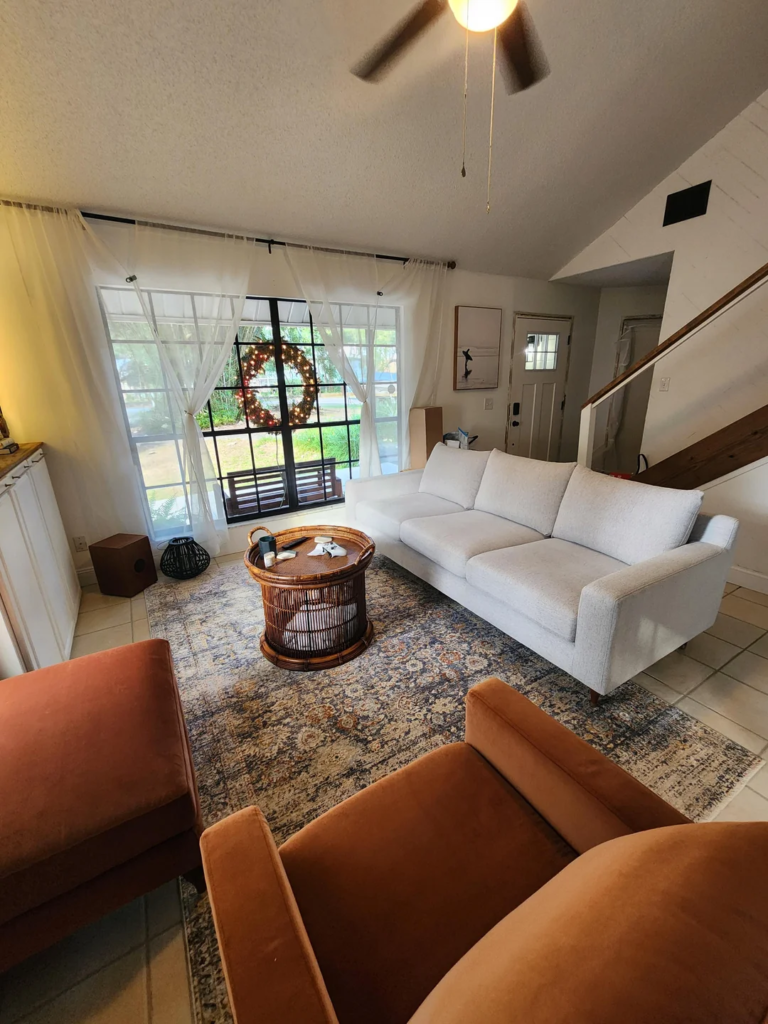
Why It Works
A large sofa in a dark, heavy fabric or color anchors a room visually in a way that works against the light and airy aesthetic. A sofa in natural linen, warm cream, or pale greige becomes part of the pale palette rather than a point of contrast, allowing the room’s lightness to extend across its largest piece of furniture.
How to Choose One
Natural linen sofas are the most aligned with the airy aesthetic, the texture is warm and organic, the color naturally pale, and the material photographs beautifully. Alternatively, a sofa with removable covers in a light-toned fabric achieves the same visual effect with the practical benefit of washability.
Common Mistake
Choosing a light sofa without considering maintenance. A pale linen sofa in a high-use family room needs either an easy-clean finish or a forgiving attitude about patina. Both are valid, but the decision should be made honestly before purchase rather than regretted afterward.
13. Scaled Furniture That Fits the Room
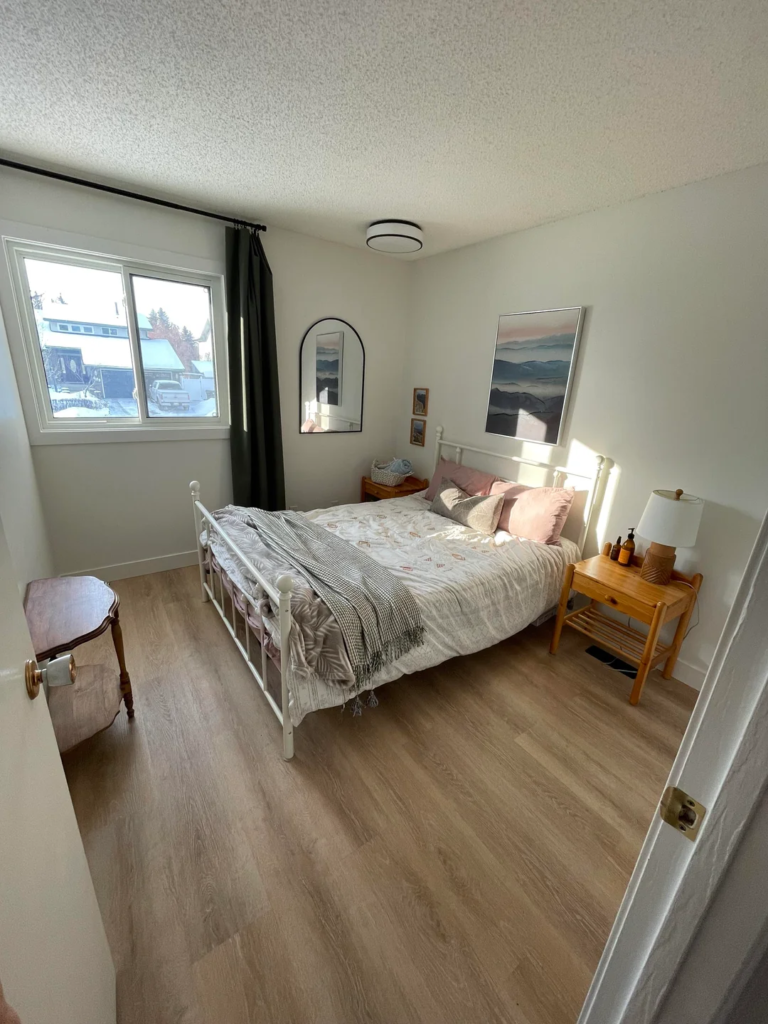
Why It Works
Oversized furniture in a modest-sized room makes the room feel smaller and heavier, the proportional imbalance crowds the eye. Appropriately scaled furniture, pieces sized for the actual room dimensions rather than the aspirational room dimensions, creates the sense of space that the light and airy aesthetic depends on.
How to Do It
Measure your room before shopping and take measurements with you. Look for sofas that allow at least 24 inches of circulation space on each walkable side. Choose a coffee table that leaves a comfortable passage around it. In a small living room, one properly sized sofa and two chairs creates more space than an oversized sectional that fills every corner.
14. Low-Profile Furniture to Emphasize Ceiling Height
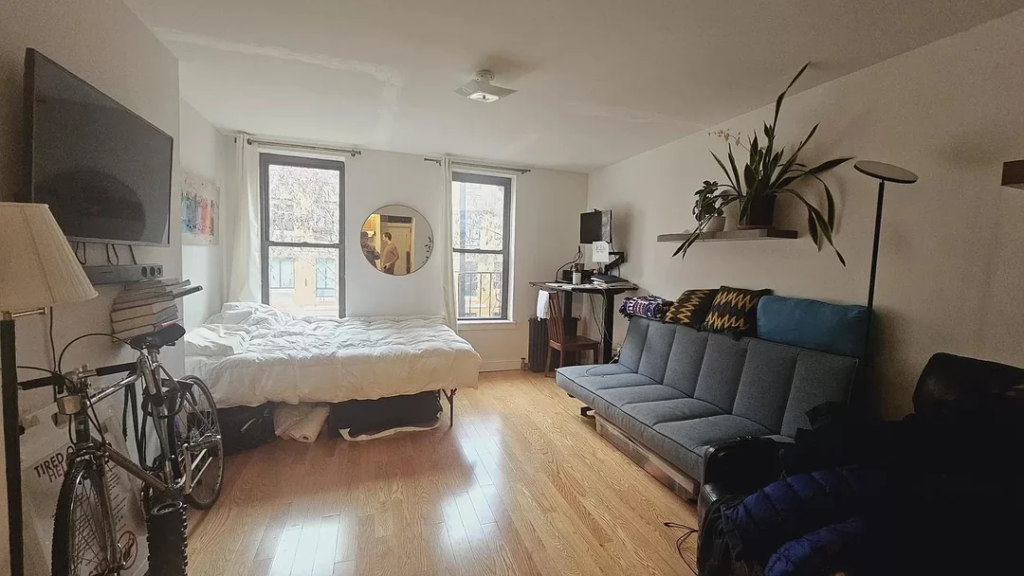
Why It Works
Furniture that sits low, a low-profile sofa, a coffee table at ankle height, side tables that don’t rise above the sofa arm, keeps visual weight at floor level and allows the eye to travel upward freely. The more unobstructed vertical space above the furniture line, the taller the room feels.
How to Do It
Choose a sofa with a seat height of 16-18 inches rather than a higher, firmer one. Position coffee tables at or below the sofa seat height. Use side tables that sit at sofa arm level rather than above it. The visual effect is a room where furniture seems to float rather than loom, which is precisely the quality that creates an airy feel.
15. Glass or Lucite Accent Pieces
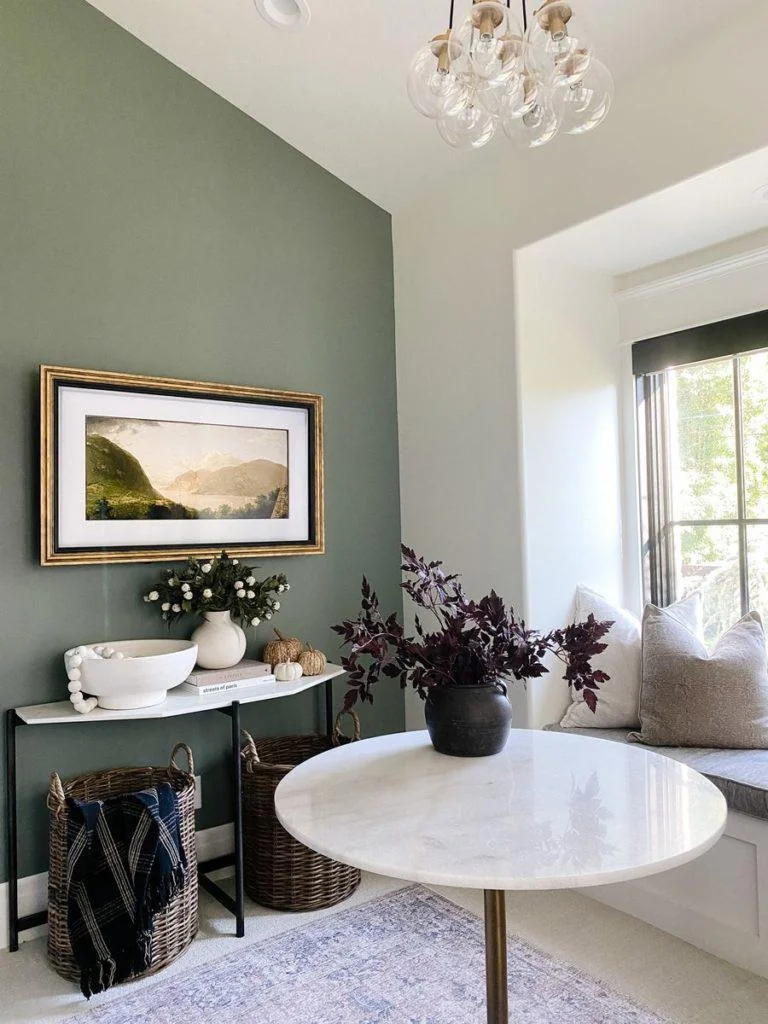
Why It Works
Glass and clear acrylic furniture pieces, a glass coffee table, lucite side tables, glass candleholders, take up physical space but no visual space. Light passes through them. The eye reads them as near-transparent. In a light and airy living room, glass and lucite accents create visual interest without adding visual weight.
How to Use Them
A glass or lucite coffee table in a pale living room is one of the most effective single furniture swaps available for immediately increasing perceived space. The floor remains visible through the table surface, which adds to the sense of openness. Pair with warm materials, a linen sofa, a jute rug, wooden side tables, so the room retains warmth alongside its airiness.
The Details and Finishing Touches That Complete the Look
16. Natural Plants for Organic Life and Color

Why It Works
Plants bring the one element a pale, neutral palette doesn’t naturally provide: organic, living color. But in a light and airy living room, the right plants add to the brightness rather than darkening it. Light-filtering greenery, trailing plants, delicate leaf plants, feels naturally aligned with the airy aesthetic.
How to Choose Them
Pothos, string of pearls, monstera, and fiddle leaf figs all have a light, botanical quality that suits this aesthetic. Avoid very dark, heavy-leaved plants that add visual weight. Place plants where they can catch window light, they’ll look their best and thrive simultaneously. A cluster of three plants at different heights near the window creates a miniature indoor garden effect that’s one of the most beautiful finishing touches in a light room.
17. Textured Neutrals in Throws and Cushions
Why It Works
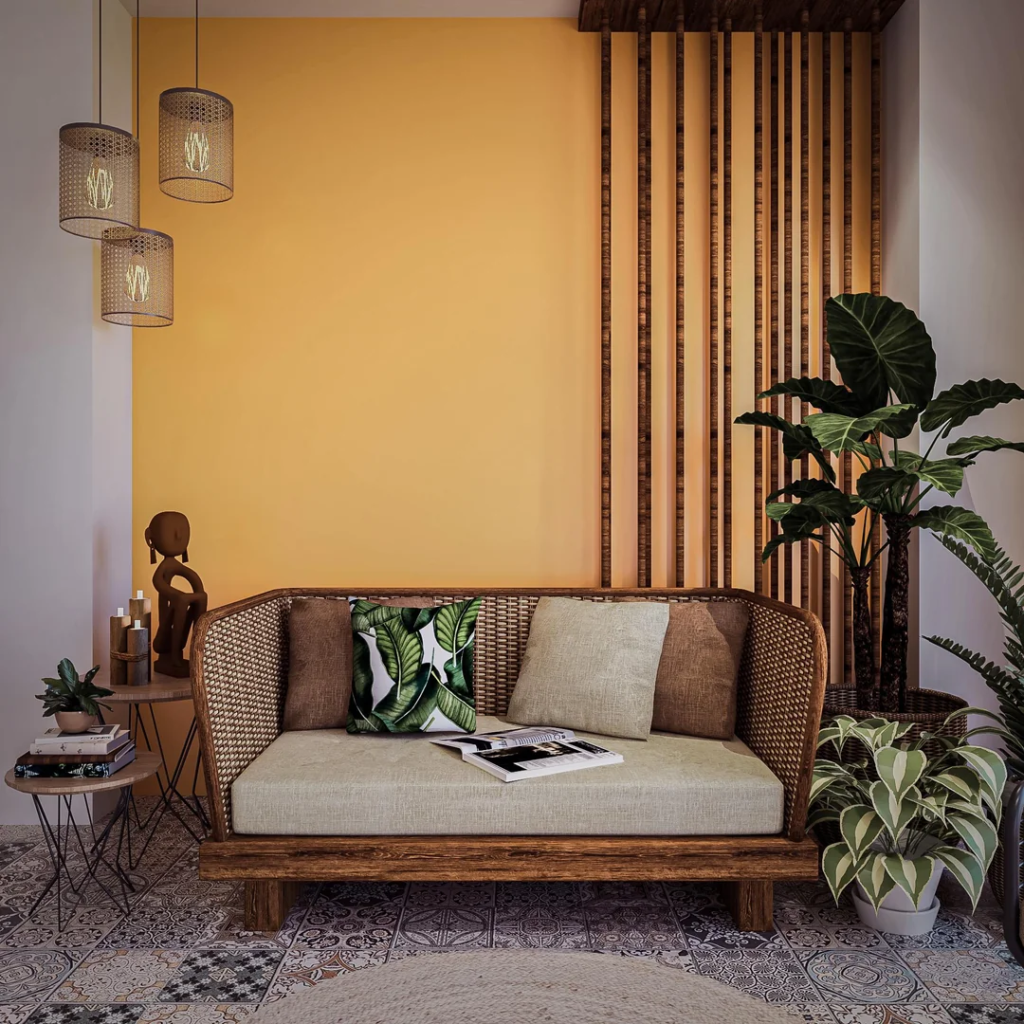
A pale, neutral living room risks feeling flat or monotonous without texture to add depth and warmth. Throws and cushions in tactile neutral materials, linen, bouclé, chunky cotton, waffle knit, add dimension through feel and light-catching texture rather than through color contrast.
How to Choose Them
Stay within the room’s color palette, warm creams, natural linens, soft whites, warm greys, but vary the textures significantly. A smooth linen cushion beside a chunky bouclé cushion beside a woven cotton throw creates the layered richness that keeps a pale room from looking stark. The texture reads as warmth even when the color palette is narrow.
18. Warm Wood Accents Throughout
Why It Works
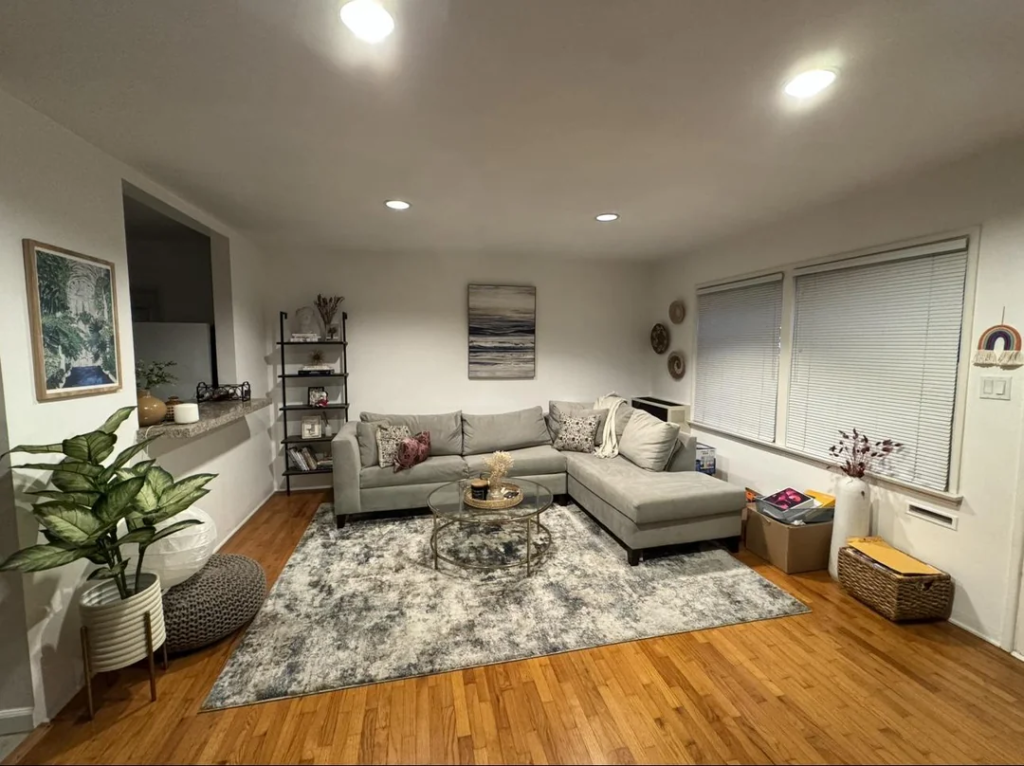
Natural wood in warm, honey, or light blonde tones adds the organic warmth that prevents a light living room from feeling cold or sterile. Side tables, shelving, a wooden coffee table, decorative bowls, wood anchors the lightness with something natural and grounding.
How to Use It
Choose wood tones that sit in the warm-to-neutral range, light oak, blonde beech, natural pine, whitewashed wood. Very dark or very red wood tones add heaviness rather than warmth. The wood should feel like it belongs to the same tonal family as the textiles and walls.
19. Rattan, Wicker, and Natural Fiber Accents
Why It Works
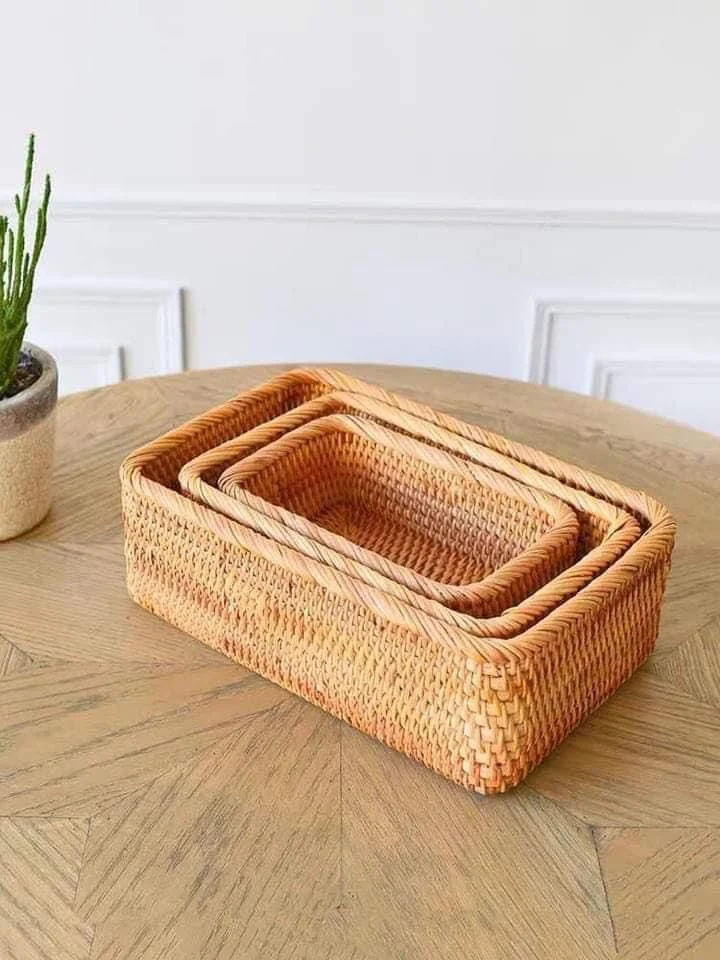
Rattan, wicker, and woven natural fiber have a light, organic quality that’s completely aligned with the airy aesthetic. A rattan pendant light, a wicker side table, a woven basket for throws, these pieces add texture and visual interest without adding weight.
How to Use Them
Natural fiber accents are most effective in small doses throughout the room, a few pieces that add texture to specific zones rather than every item being natural fiber. The contrast between smooth linen upholstery and a woven rattan side table, for example, creates the kind of textural interest that makes a pale room feel considered rather than blank.
20. Minimal Artwork in Light Frames
Why It Works
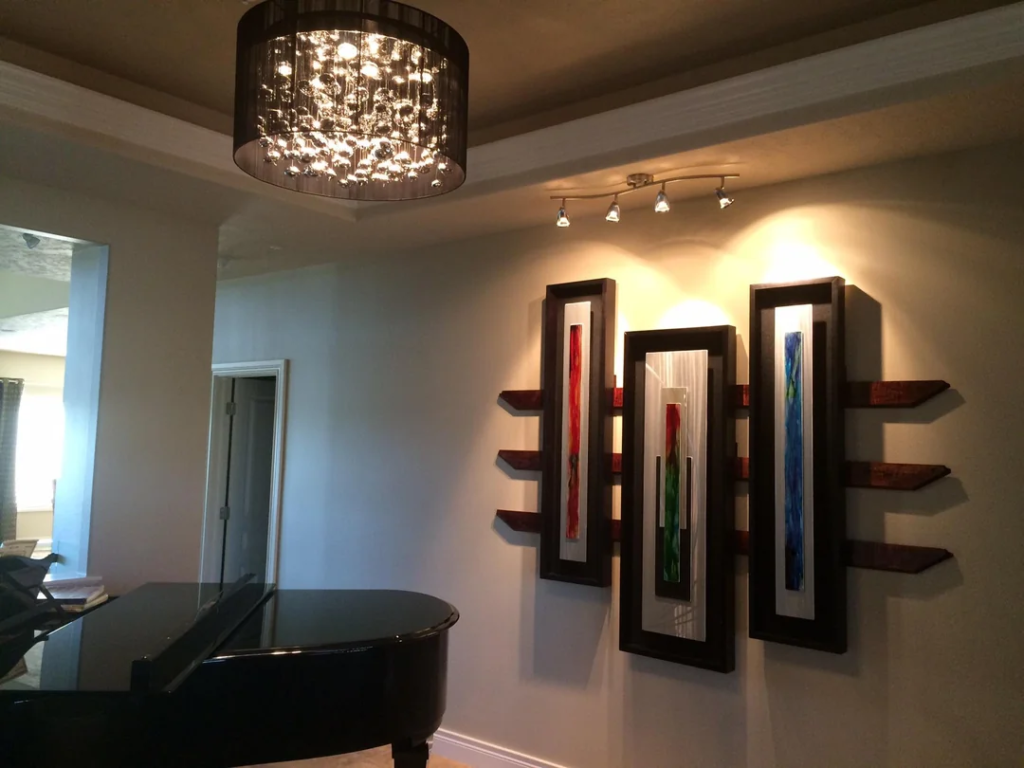
Heavy, dark-framed artwork in a light living room pulls the eye strongly and creates visual anchors that work against the airy quality. Lightweight artwork, watercolors, botanical prints, simple line drawings, in thin natural wood or white frames contributes to the light palette rather than contrasting with it.
How to Choose It
Look for artwork in pale tones, soft colors, or minimal line illustrations. Abstract washes in cream, sage, and blush. Delicate botanical illustrations. Soft landscape photography with large areas of light sky. The artwork doesn’t need to be pale, a small piece of bolder color can work beautifully as a focal point, but the frame should be thin and light-toned.
21. Decluttered Surfaces With Breathing Room
Why It Works
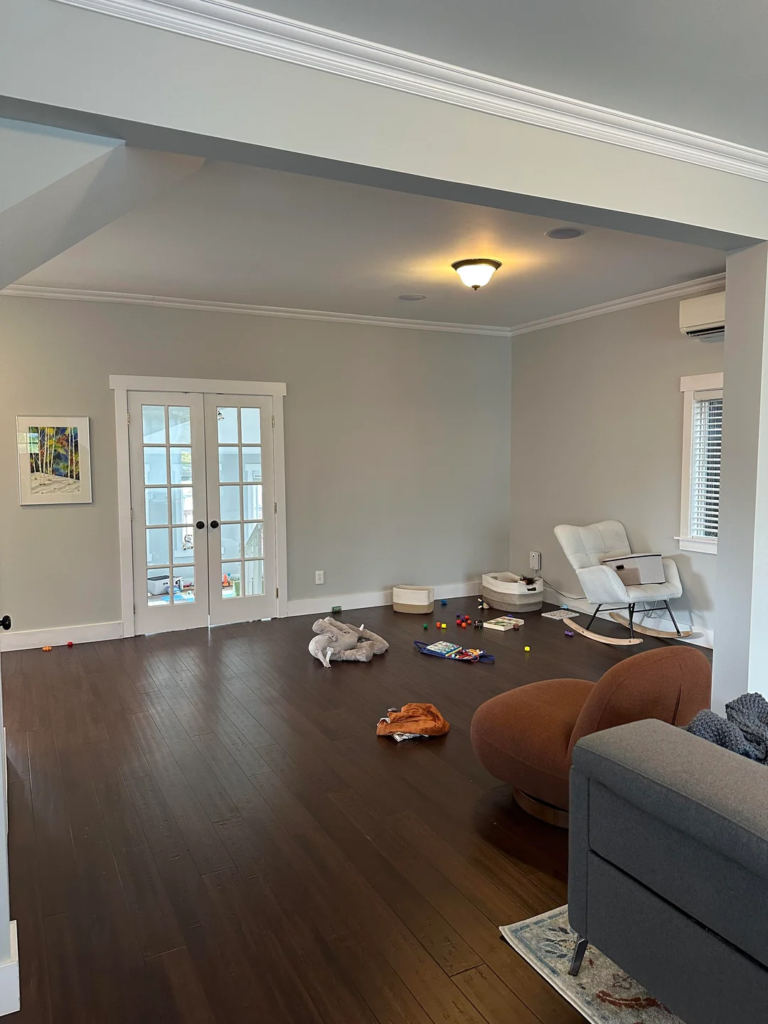
A light and airy living room is undermined by cluttered surfaces regardless of how well the color and lighting have been handled. Visual noise on surfaces creates a psychological sense of density and enclosure. Clear surfaces with a few intentional objects create the openness that defines the aesthetic.
How to Do It
Apply the three-object rule to every surface: a maximum of three items per table, shelf, or console. Group items on a tray to contain them visually. Leave visible surface area around every object. The empty space between objects is not wasted, it’s what makes each object beautiful and what makes the room feel genuinely light.
22. An Unobstructed Window View
Why It Works
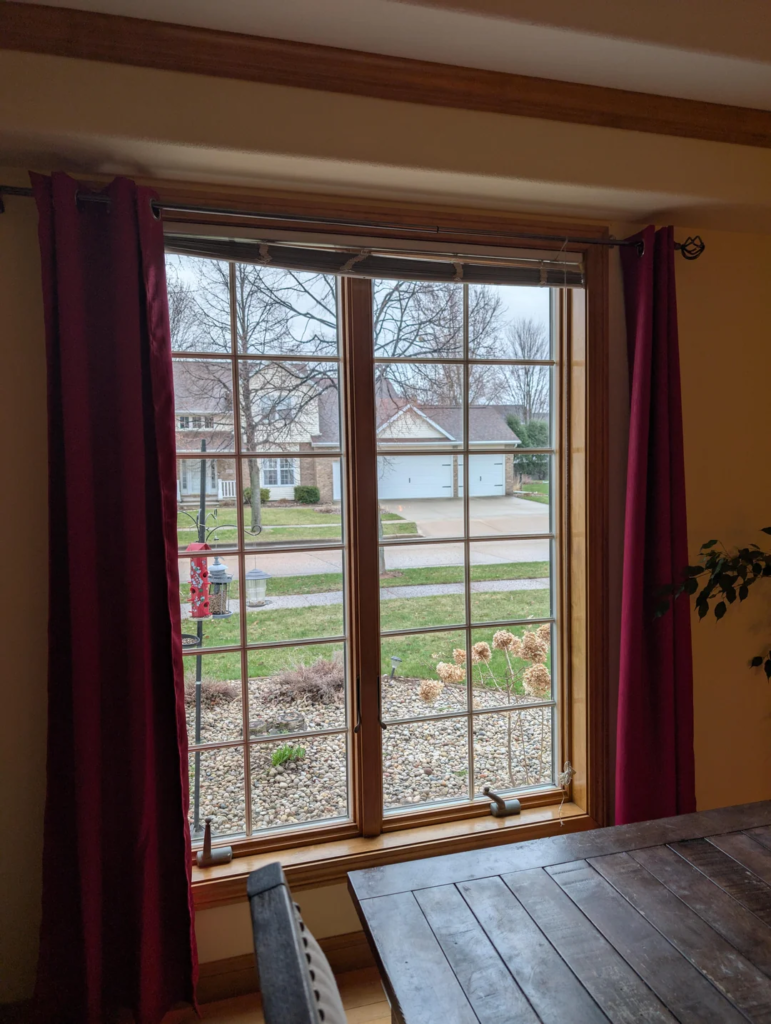
The window is the primary light source in most living rooms, and anything that partially blocks it reduces the room’s light quality proportionally. Furniture placed in front of windows, large plants positioned to block the lower panes, or decorative items on windowsills that interrupt the glass view all reduce incoming light unnecessarily.
How to Do It
Keep the floor zone immediately in front of windows clear. Position seating to catch window light rather than block it. Keep windowsills either completely clear or occupied only by small, transparent objects that don’t significantly interrupt light transmission. The window should be the room’s most prominent feature, not something to arrange around.
23. A Considered, Consistent Scent
Why It Works
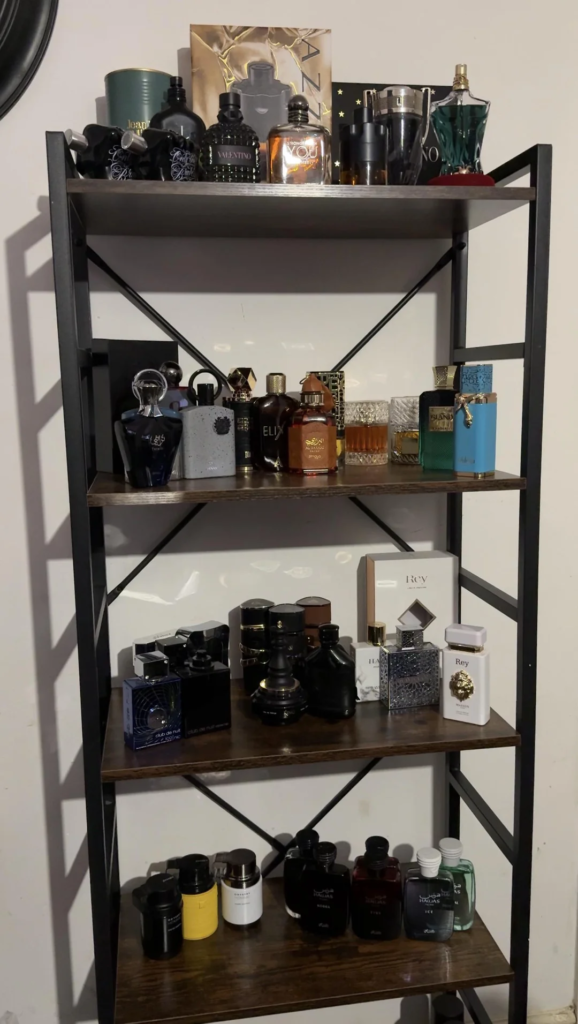
The light and airy aesthetic is sensory, not just visual. A room that looks airy but smells musty or stale undermines the whole effect. A clean, light scent, white linen, eucalyptus, clean cotton, soft citrus, completes the experience of a room that feels genuinely fresh and open.
How to Do It
A reed diffuser in a light, clean scent provides continuous ambient fragrance at a level that’s noticed upon entering rather than constantly. Choose a scent that complements the visual palette, nothing heavy, spiced, or dark. The scent should make a person think: this room feels like fresh air. That alignment between what the eye sees and what the nose registers creates the most complete, immersive version of the light and airy living room experience.
The Living Room You’ve Been Picturing Is Possible
Here’s what’s worth knowing as you plan your light and airy living room: every idea in this guide is achievable without a renovation, without a large budget, and without starting from scratch.
The light and airy aesthetic builds on what you already have by editing rather than replacing, by adjusting rather than rebuilding, and by making a series of small, considered choices that compound into something genuinely beautiful.
It starts with a light bulb swap and a curtain rod repositioned a few inches higher. It grows with a linen throw and a pale rug and a plant in the window. It completes with clear surfaces and warm layered light and the particular stillness that comes from a room that isn’t competing with itself for your attention.
Your living room is already capable of this. It just needs to be given space to breathe.
Because the most beautiful rooms aren’t decorated they’re cleared, and lit, and allowed to simply be.