27 Soft Spring Color Palette Home Ideas That Create a Calm and Dreamy Space You’ll Love Right Now

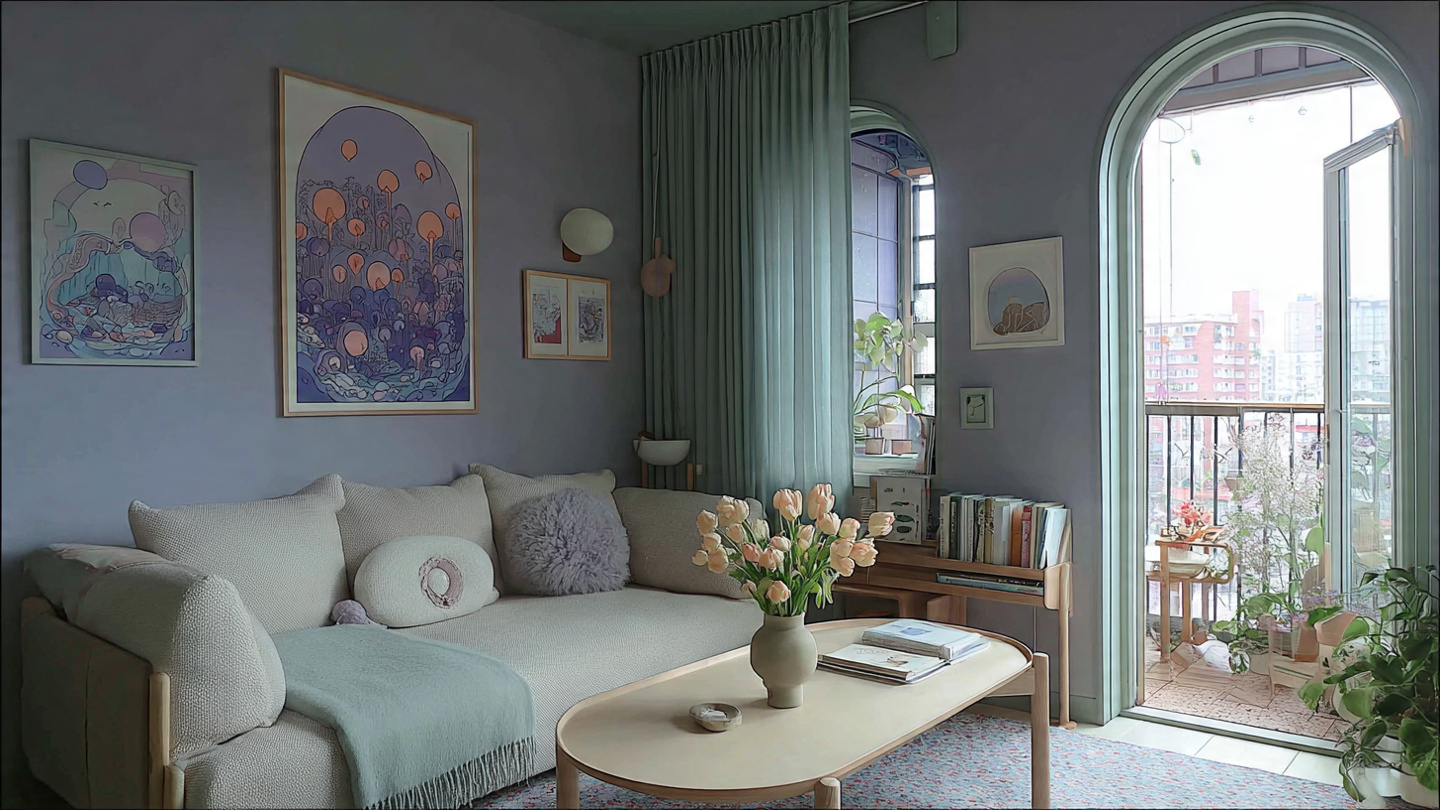
Imagine walking into a room where everything feels like a long exhale. The walls are the softest blush. There’s a sage green throw folded over the arm of a cream linen sofa. Pale yellow tulips sit in a simple ceramic vase near the window, and the whole space smells faintly of something clean and floral. The light is gentle. The room feels like the first warm weekend of spring made physical.
That feeling, that specific, beautiful, calm feeling, is exactly what a soft spring color palette creates in a home. And it’s more achievable than it might look.
Color psychology research consistently shows that soft, muted, nature-inspired tones reduce anxiety, improve mood, and create the sense of calm that most people are genuinely hungry for in their living spaces. Soft spring palettes, the blushes, sages, dusty lavenders, warm creams, and gentle yellows, have been dominating interior design conversations across the US, Canada, the UK, and Australia for good reason. They’re the antidote to the heavy, dark interiors of winter and the too-bright intensity of summer. They’re quiet, beautiful, and deeply livable.
These 27 ideas will show you exactly how to bring this palette into your home, room by room, layer by layer, detail by detail.
Understanding the Soft Spring Color Palette
What Colors Belong Here
A soft spring color palette is built from muted, slightly desaturated versions of the colors you’d find in a spring garden. Not bright, primary versions, the soft spring palette takes its cues from early-season flowers and new leaves, where colors are still delicate and gentle rather than fully saturated.
The core shades include: warm cream and ivory as the foundational neutrals; soft blush and dusty rose in the pinks; sage and celadon in the greens; dusty lavender and soft lilac in the purples; butter yellow and warm straw in the yellows; and pale sky blue and soft periwinkle in the blues. All of these shades share a quality, they’re muted, slightly greyed or creamed, gentle rather than intense.
Read More: https://myhavenvibes.com/light-and-airy-living-room/
How to Build a Cohesive Palette
The most beautiful soft spring interiors use three to five shades from this family rather than trying to incorporate every color simultaneously. Choose a foundational neutral (cream or warm white), one or two gentle accent colors (sage and blush, or lavender and butter yellow), and one additional supporting tone for smaller accents. Consistency across the palette is what creates the dreamy, cohesive quality that defines this aesthetic.
The Foundation: Walls and Large Surfaces
Where you put color first determines how everything else builds. These ideas address the largest surfaces in any room.
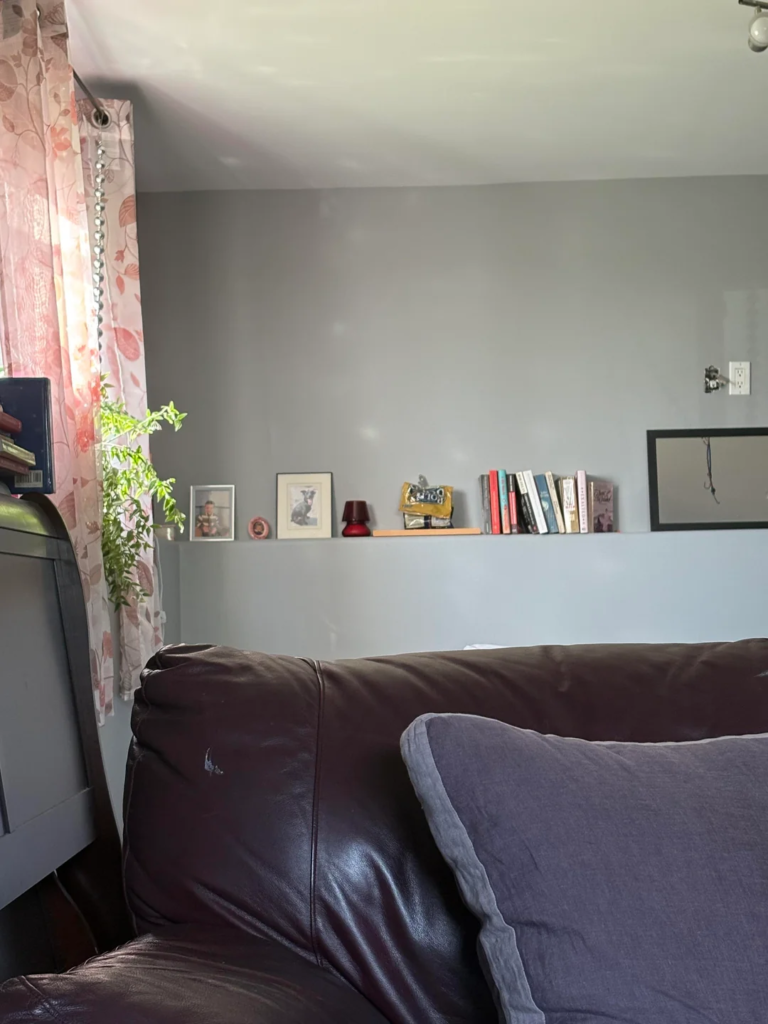
1. Warm Cream Walls as the Foundation
Why It Works
Warm cream is the most versatile and forgiving foundation for a soft spring palette. It’s warmer than white (which can feel cold and clinical against soft spring accents) and lighter than beige (which can feel heavy). Cream reflects light generously while adding a warmth that makes every accent color placed against it look its most beautiful.
How to Choose One
Look for creams with warm yellow, ivory, or barely-there pink undertones. Avoid creams with green or grey undertones, which fight against the warmth of the spring palette. Test swatches in your specific room’s light, cream looks very different in north-facing rooms compared to south-facing ones.
Common Mistake
Choosing a cream that’s too yellow in rooms with warm artificial lighting. Yellow-toned creams can read as quite orange under warm bulbs in the evening. Always view your paint swatch under the actual artificial lighting you use at night before committing.
Also visit this: https://myhavenvibes.com/minimalist-home-organization/
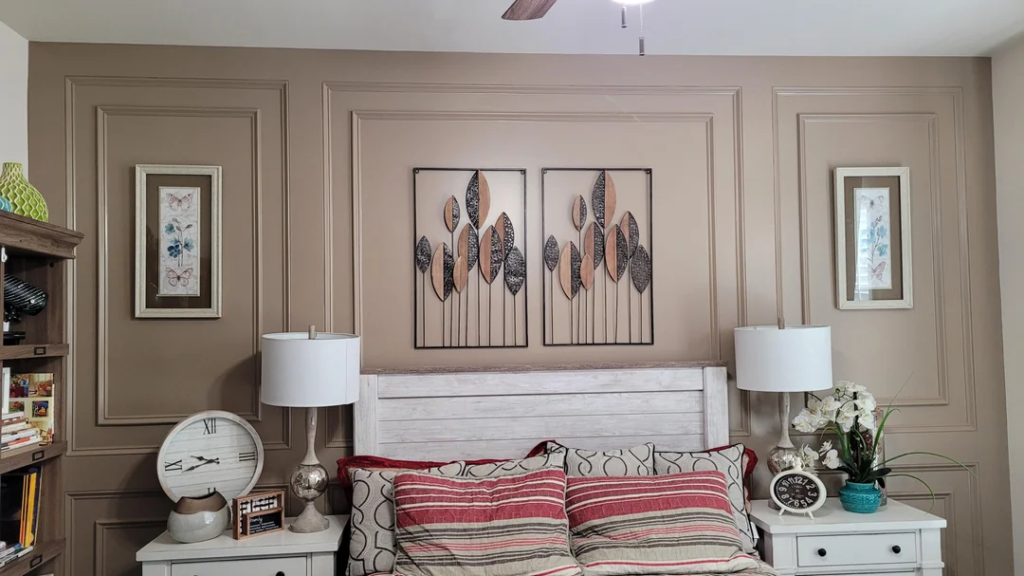
2. Soft Blush Accent Wall
Why It Works
A single wall in dusty blush, the pale, slightly desaturated pink that sits between rose and warm cream, creates a focal point of gentle color that anchors the room without overwhelming it. Behind a bed, behind a sofa, or as the wall your eye naturally goes to upon entering, a blush accent wall changes the entire emotional atmosphere of a room.
How to Do It
Choose a blush that reads as almost-neutral in certain lights, something you might describe as “pale dusty rose” rather than “pink.” The dustiness is the key quality that makes it feel sophisticated rather than saccharine. One coat of this shade on one wall transforms a room from pleasant to genuinely beautiful.
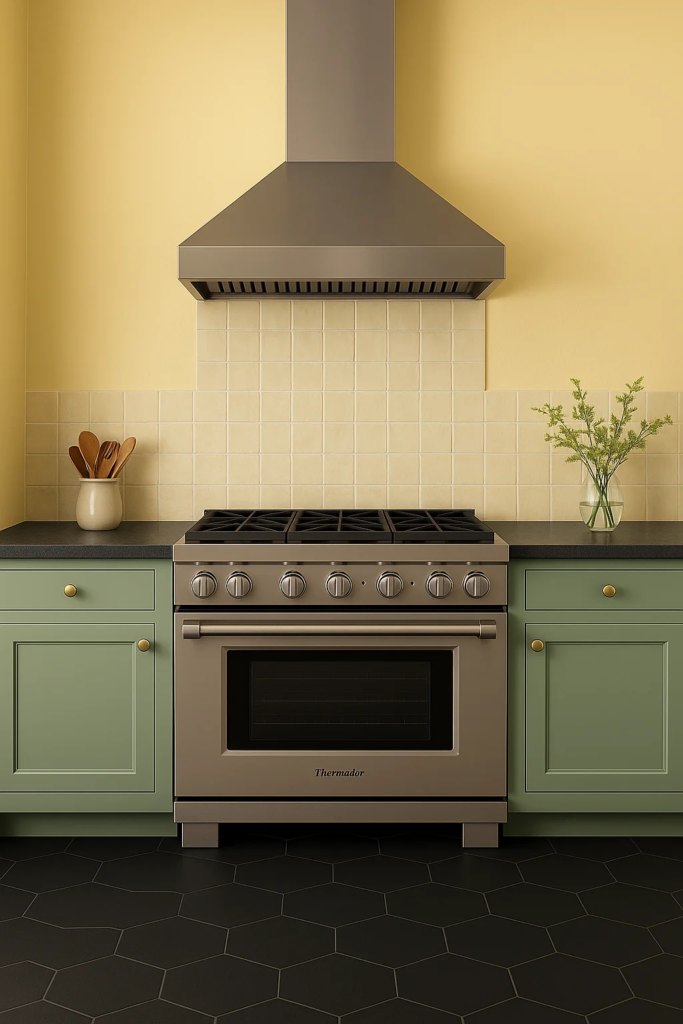
3. Sage Green in the Kitchen or Bathroom
Why It Works
Sage green is the most grounded and sophisticated color in the soft spring palette, earthy, botanical, and genuinely calming. In a kitchen or bathroom, sage works beautifully on cabinets, on tiles, or as a wall color in a space where the warmth of cream would feel slightly too domestic.
How to Use It
Sage kitchen cabinets against cream or white walls with brass or gold hardware is one of the most consistently beautiful combinations in contemporary interior design. In a bathroom, sage tiles or sage-painted walls with white fixtures and natural wood accents create a botanical spa quality that feels genuinely luxurious.
Insider Tip
Sage varies enormously between paint ranges, some read as grey-green, some as yellow-green, some as true earthy green. The most versatile sage for interior use has a warm, slightly grey-toned base that reads as green in most lights without ever looking too cool or too yellow.
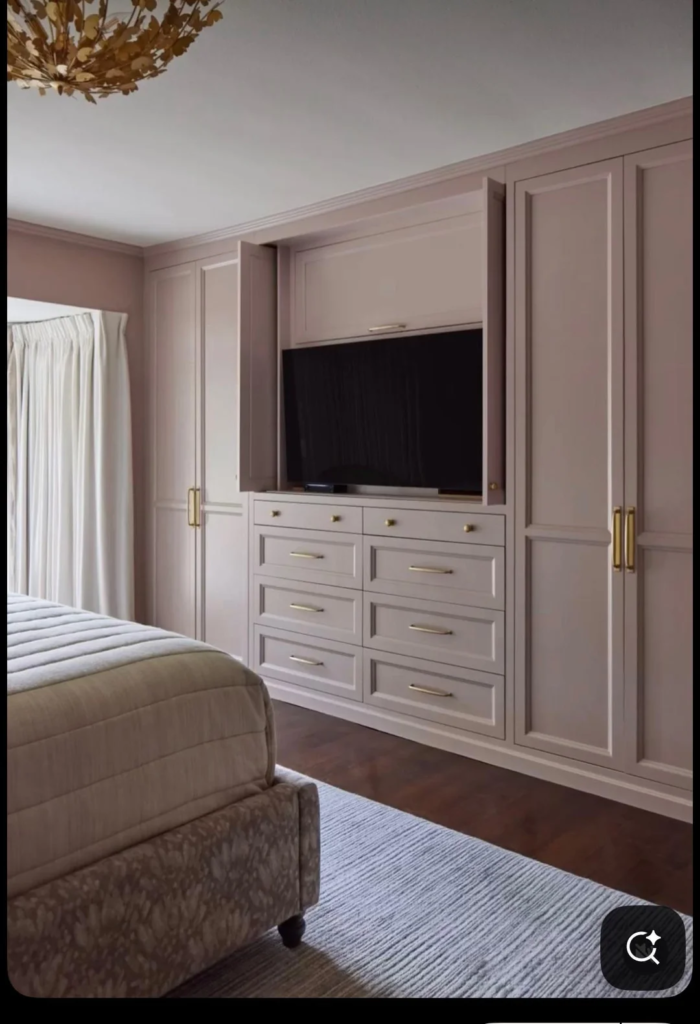
4. Dusty Lavender in the Bedroom
Why It Works
Lavender is one of the most psychologically impactful colors for sleep environments, research supports its association with reduced anxiety and improved sleep quality. A dusty, muted lavender, rather than a bright or purple-adjacent one, creates a bedroom atmosphere that feels dreamy and deeply restful.
How to Choose It
Look for lavenders described as “dusty,” “misty,” or “soft”, shades that have a significant grey or white component that reduces their intensity. The right dusty lavender looks almost grey in low light and reveals its purple quality in brighter conditions. Paired with cream bedding and natural wood, it’s one of the most beautiful bedroom combinations in the soft spring palette.
5. Butter Yellow as a Sunny Accent
Why It Works
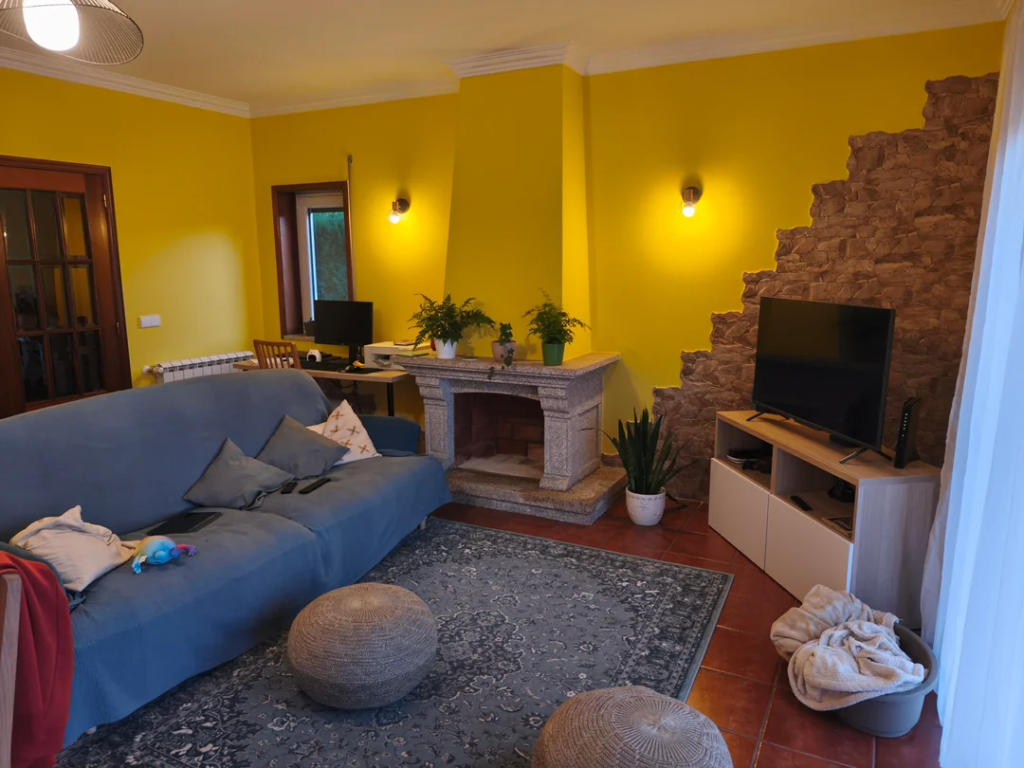
Pale butter yellow adds warmth and gentle happiness to a soft spring palette without introducing the visual intensity of a bright yellow. It’s the color of spring sunshine filtered through thin clouds, warm, soft, and quietly joyful. As a wall color in a breakfast nook, a reading corner, or a small room that benefits from warmth, butter yellow is deeply charming.
How to Apply It
Use butter yellow in spaces that benefit from its warmth, a north-facing room, a small study, and a breakfast area. In a south-facing room, butter yellow can feel too warm; in these cases, use it as an accent through textiles rather than on walls.
6. Pale Sky Blue for Freshness
Why It Works
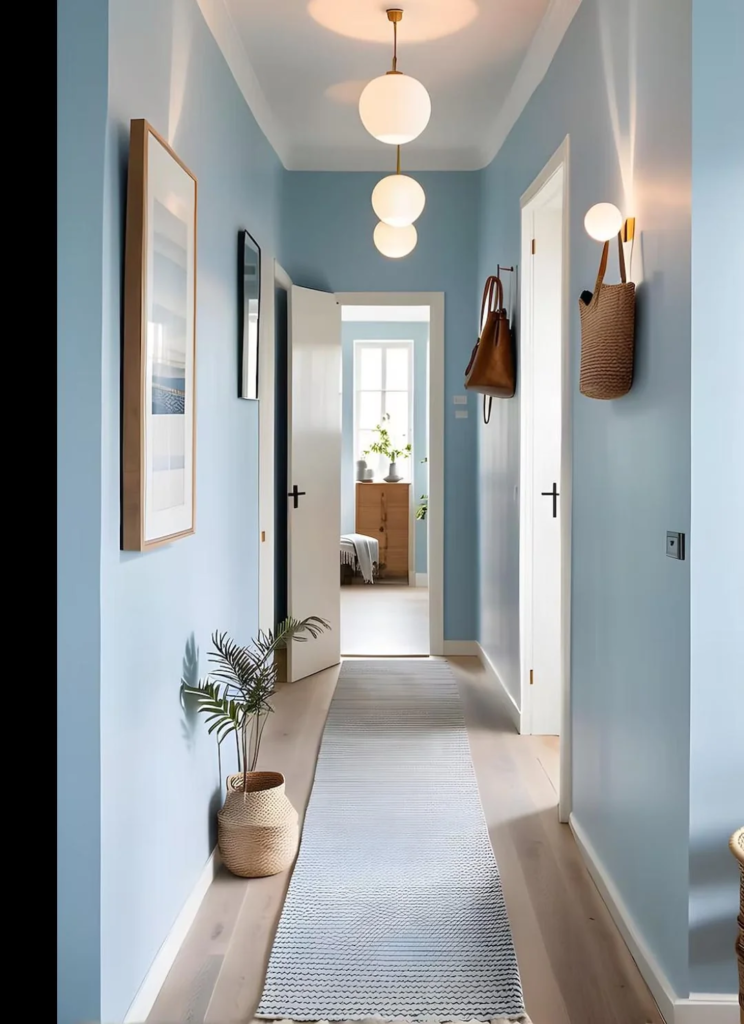
Soft sky blue is the freshest color in the spring palette, it brings the quality of clear spring air into a room. In a children’s room, a bathroom, or a room that needs visual cooling, sky blue in its palest, most muted form feels genuinely refreshing without being cold.
How to Use It
Pale sky blue works beautifully as a ceiling color, a “fifth wall” treatment that creates the impression of being outdoors with sky overhead. It also works as a bathroom tile color, a bedroom accent wall, or as painted furniture in a room that otherwise sits in warmer cream and blush tones.
These foundation color ideas transform the structural backdrop of your home. The furniture and textile ideas ahead bring the soft spring palette into the lived-in layer.
Furniture and Textiles in Soft Spring Tones
The most accessible way to bring a soft spring color palette into your home is through the furniture, fabrics, and textiles that you can change seasonally.
7. Cream Linen Sofa as the Living Room Anchor
Why It Works
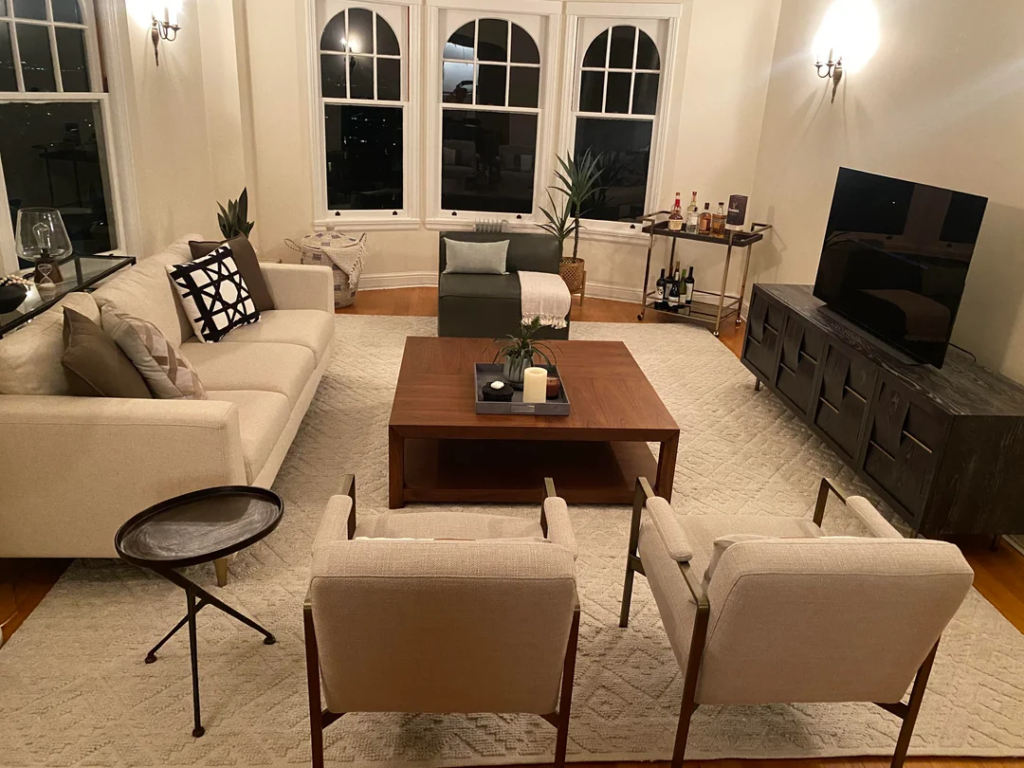
A cream linen sofa is the perfect anchor for a soft spring living room, it establishes the warm neutral foundation from which every accent color can radiate. Linen specifically has a textural quality that adds depth and warmth without adding color, keeping the palette grounded while the accent tones provide the seasonal quality.
How to Style It
Layer the cream sofa with cushions in two to three soft spring tones: a dusty blush cushion, a sage green throw, a butter yellow cushion. The cream base makes every accent color look its most beautiful, it’s the neutral that all soft spring tones love.
8. Sage Green Velvet Cushions

Why It Works
Sage green in velvet has an unexpectedly lush quality, the fabric catches light in a way that adds depth and dimension to a color that might otherwise look flat in a matte fabric. On a cream sofa, sage velvet cushions look immediately elevated and considered.
How to Style Them
Two sage velvet cushions paired with one blush linen cushion and a cream chunky knit throw creates the most balanced and beautiful soft spring cushion combination for a neutral sofa. The sage anchors the warmth, the blush adds femininity, and the cream tie creates visual harmony.
9. Dusty Rose Throw Blanket
Why It Works
A dusty rose throw, the muted, slightly greyed pink that defines the soft spring palette, draped over a sofa arm or folded at the foot of a bed adds one of the most impactful soft spring accent tones with minimal effort and minimal cost.
How to Choose One
Look for throws in natural fabrics, cotton, linen, or a natural-feel knit, in the most muted rose you can find. If it looks “pink” without qualification, it’s probably too saturated for the soft spring palette. It should look like rose-dusted cream rather than straightforward pink.
Insider Tip
A dusty rose throw looks particularly beautiful against warm wood tones, a natural timber bench, a rattan side table, or honey-toned wooden flooring. The combination of dusty rose and warm wood is one of the most consistently lovely pairings in spring home aesthetics.
10. Lavender Bedding for a Dreamy Bedroom
Why It Works
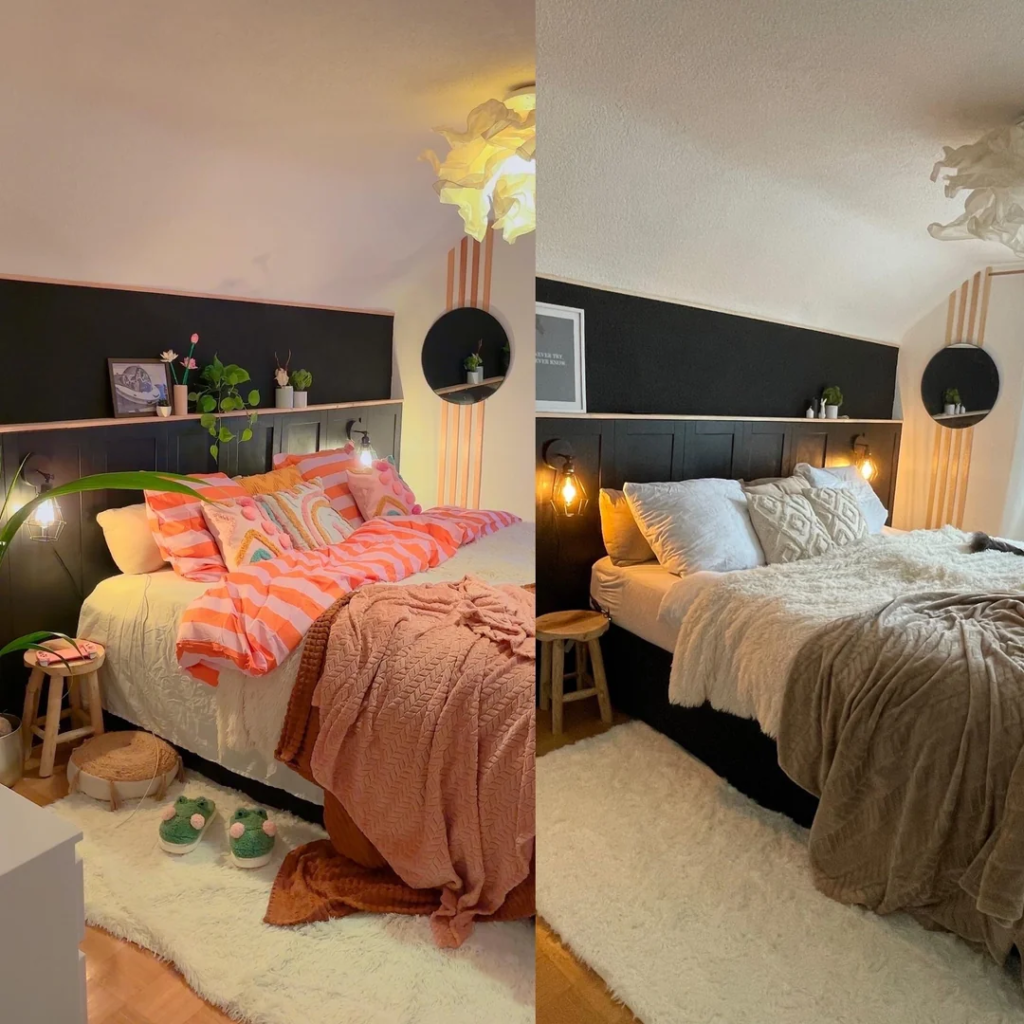
Lavender bedding transforms a bedroom into a spring sanctuary. The soft, floral quality of lavender, especially in a linen or washed cotton fabric that has a relaxed, lived-in feel, creates the dreamy, restful bedroom atmosphere that defines the best soft spring interiors.
How to Style It
Layer lavender with cream, a lavender duvet cover with cream cotton pillowcases, or a cream duvet with lavender throw pillows. Add a sage or dusty green plant nearby for the natural complement to lavender that makes both colors look their most beautiful.
11. Butter Yellow Linen Curtains
Why It Works
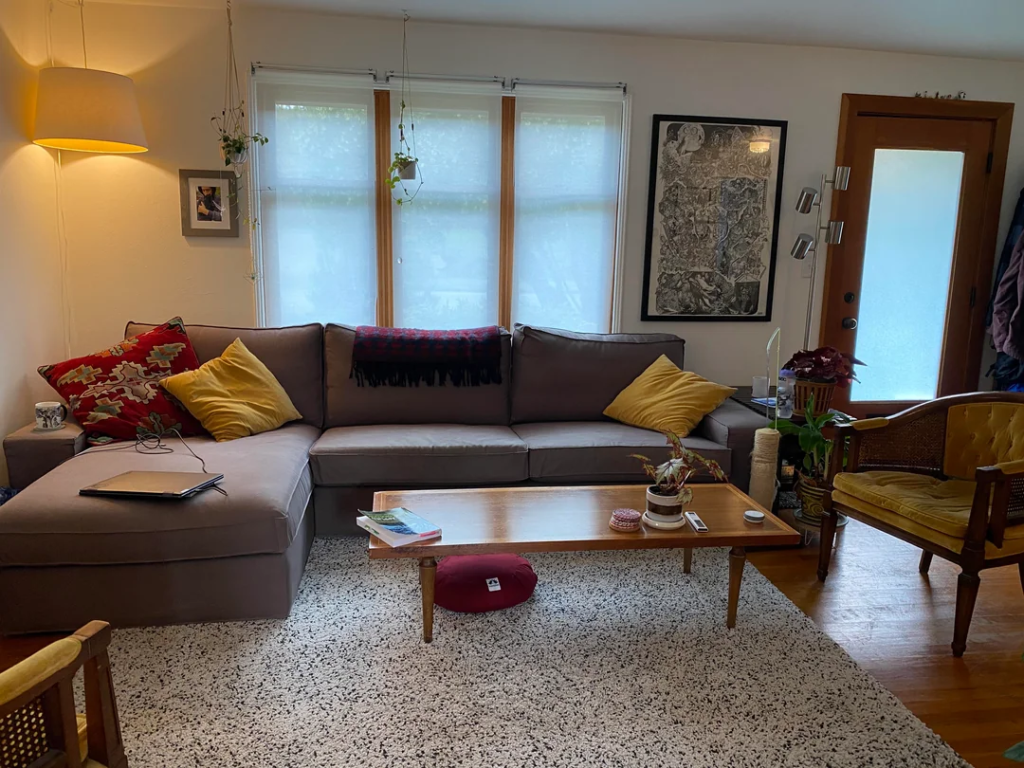
Pale butter yellow curtains in a sheer linen fabric filter light in the most beautiful way, the sunlight passing through them casts a soft, warm golden quality into the room that feels genuinely luminous. It’s one of the most subtle and impactful ways to add soft spring color to a room.
How to Choose Them
The curtains must be sheer or semi-sheer for the light-filtering effect to work. A solid butter yellow curtain blocks rather than filters light and loses the magical quality. Choose unlined linen or cotton voile in the palest yellow for the full effect.
12. Cream and Sage Striped Rug
Why It Works
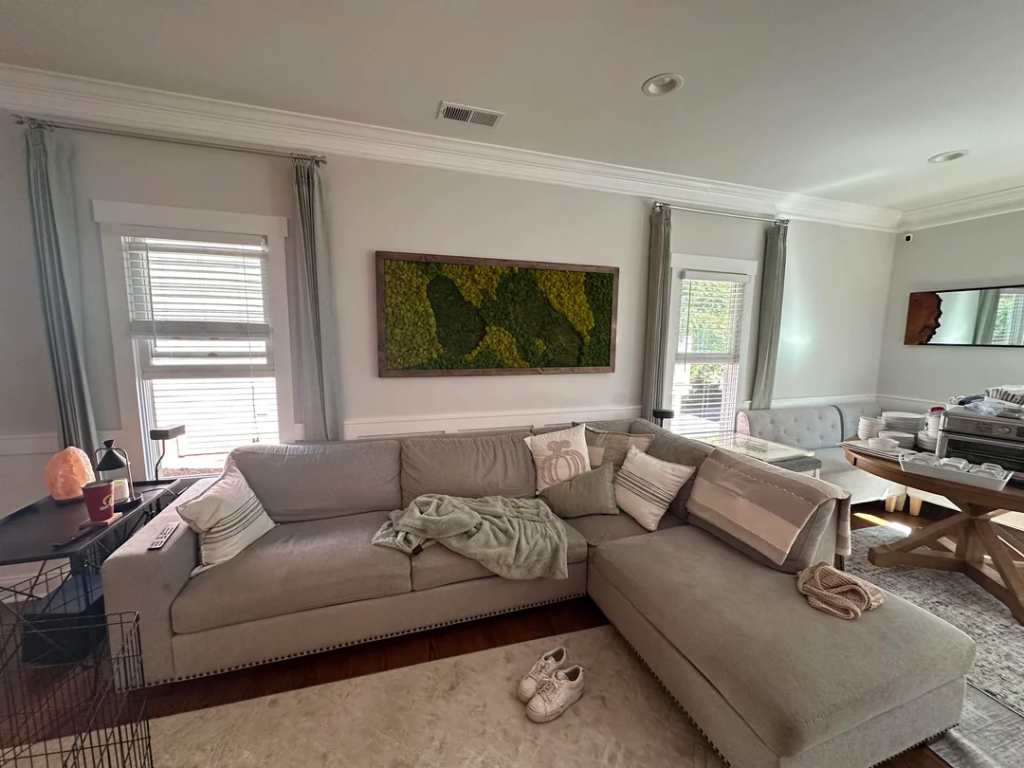
A rug in cream and sage stripes, thin, classic stripes in the two most foundational soft spring palette tones, anchors a room’s color story at floor level while adding the visual interest that a plain rug sometimes lacks.
How to Choose One
Natural fiber options, cotton flatweave, jute with stripe detail, feel most aligned with the soft spring aesthetic. The stripe should be gentle rather than bold, fine stripes or wide stripes in a low-contrast combination rather than a high-contrast graphic stripe.
This is a great moment to save your favorite ideas, the decor detail and room-by-room ideas ahead are where the soft spring color palette becomes a truly complete and cohesive home story.
Decorative Details That Carry the Palette Through
The smallest details in a home are often the ones that make the palette feel genuinely cohesive rather than loosely assembled. These ideas address the finishing touches.
13. Ceramic Vases in Soft Spring Tones
Why It Works
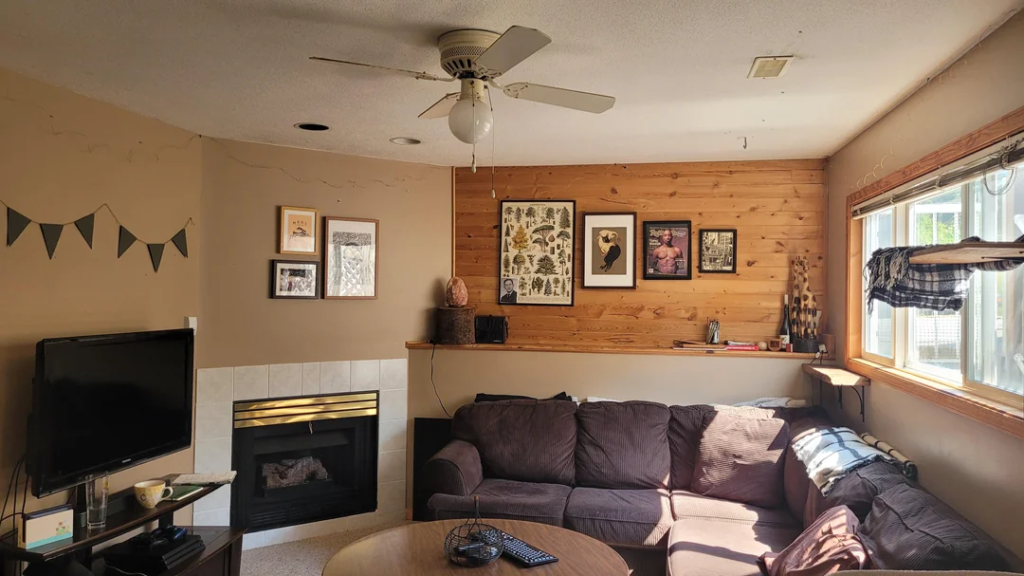
Ceramic vases in blush, sage, dusty lavender, or warm cream are one of the most beautiful and versatile ways to introduce soft spring color through decor objects. They hold fresh flowers, dried botanicals, or stand beautifully empty, contributing to the palette in any state.
How to Style Them
Group three ceramic vases of different heights in complementary spring tones on a shelf, a console table, or a windowsill. Two in tonal relationship (blush and cream, sage and pale green) and one slightly contrasting (a butter yellow among the pinks) creates the most interesting and balanced grouping.
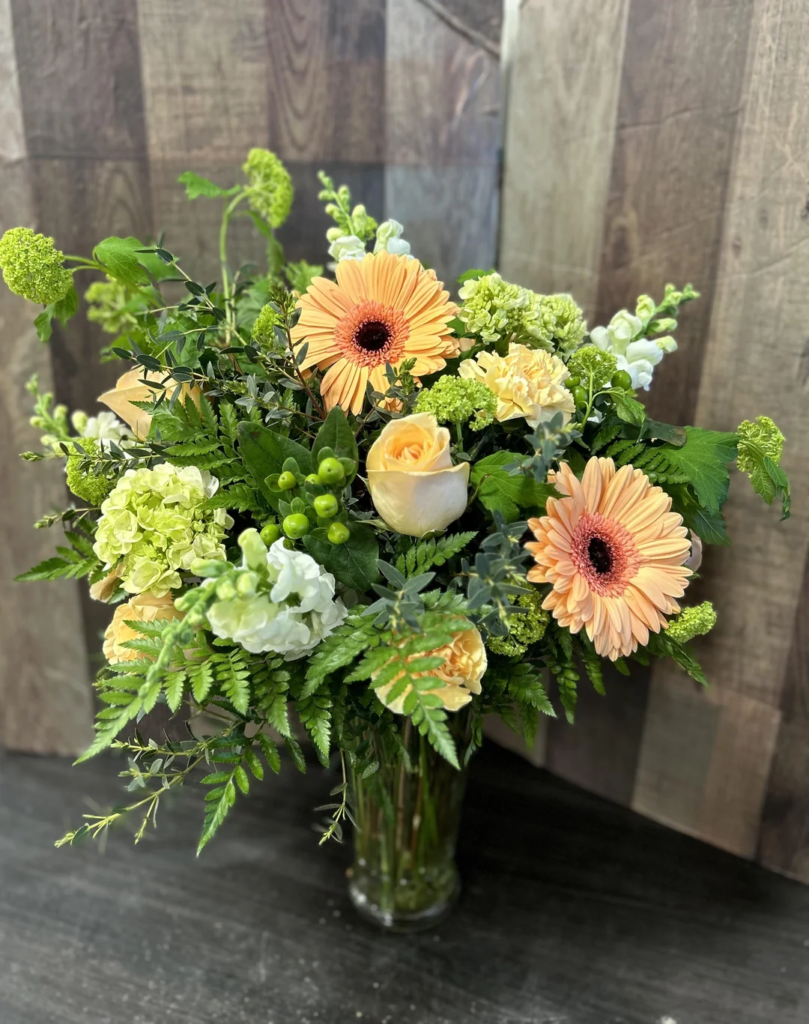
14. Fresh Flowers in Seasonal Colors
Why It Works
Fresh flowers in spring tones are the most direct, most beautiful, and most alive expression of the soft spring palette possible. Nothing artificial captures the quality of actual flowers, the slight translucency of petals, the organic variation of color across a bloom, in the way that a bunch of real tulips, ranunculus, or peonies does.
How to Do It
Choose flowers that naturally belong to the spring palette: pale pink tulips, white and blush ranunculus, lavender sweet peas, cream freesias, dusty mauve roses. Place them in simple ceramic or glass vases, the flowers are the star, the vessel should be quiet. Change them weekly for the ongoing infusion of spring energy that keeps the palette feeling fresh.
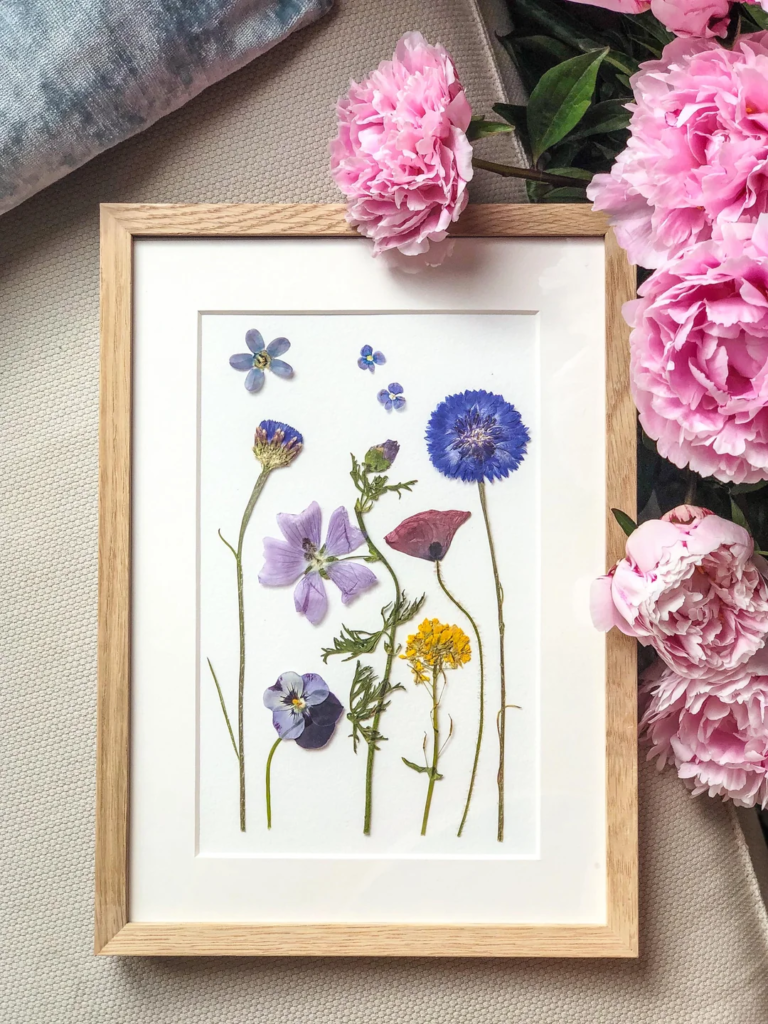
15. Dried Botanicals for Lasting Color
Why It Works
Dried flowers and botanicals in spring tones, pampas grass, dried lavender, preserved eucalyptus, dried rose heads, provide the palette’s botanical quality without the maintenance of fresh flowers. They also have a warm, slightly nostalgic quality that suits the dreamy aesthetic of the soft spring palette perfectly.
How to Style Them
A tall vase of dried pampas in cream or blush on the floor near a window. Dried lavender bundles in a small ceramic pot on a shelf. Preserved eucalyptus in a bud vase on a nightstand. These arrangements hold their beauty for months and continue to carry the palette long after fresh flowers have faded.
16. Woven Baskets in Natural Tones

Why It Works
Woven baskets, seagrass, rattan, jute, in natural straw and honey tones act as the warm neutral accent that grounds the softness of the spring palette. They’re inherently organic, inherently spring-like, and practically useful as storage while contributing significantly to the aesthetic.
How to Use Them
A large seagrass basket for throws in the living room. A rattan basket beside the bath for towels. A woven basket on the kitchen counter for fruit. Each placement serves a functional purpose while adding the natural, botanical warmth that makes the soft spring palette feel complete rather than merely decorative.
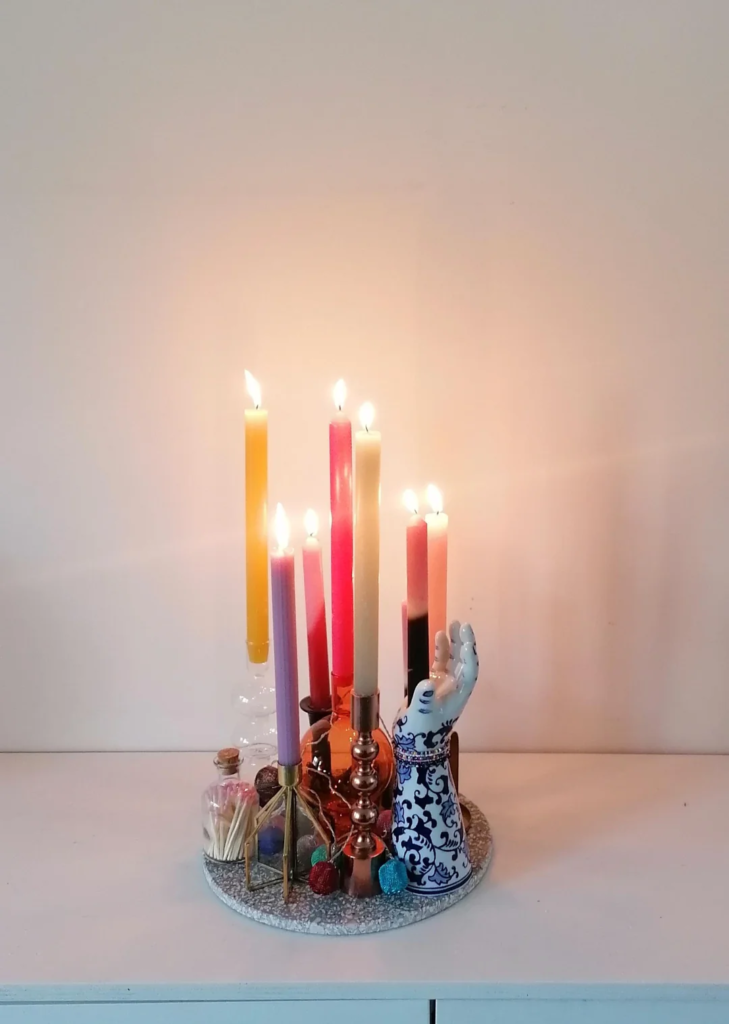
17. Soft Spring Candles in Beautiful Vessels
Why It Works
Candles in spring-adjacent scents, peony, jasmine, linen, lily of the valley, soft floral and green combinations, add the sensory dimension of the palette that visual elements alone can’t provide. When a room smells like spring, it feels like spring regardless of what the season is outside.
How to Choose Them
Look for candles in ceramic, glass, or stone vessels that suit the palette visually, cream vessels, sage green jars, blush tinted glass. The vessel remains as a beautiful object long after the candle is finished, continuing to contribute to the room’s aesthetic.
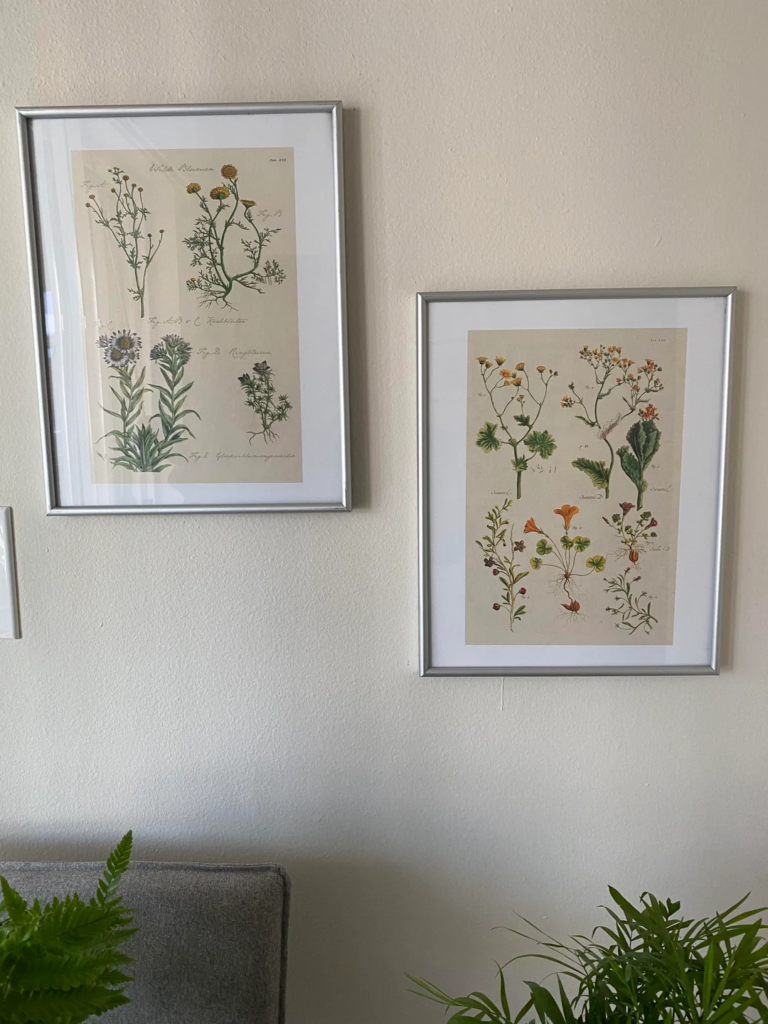
18. Pale Botanical Prints in Light Frames
Why It Works
Botanical illustration prints, delicate watercolor flowers, pressed botanical drawings, simple leaf studies, in pale spring tones contribute the palette’s visual language to walls without the commitment of paint. In thin natural wood or white frames, they look gentle, considered, and perfectly aligned with the soft spring aesthetic.
How to Style Them
Three prints in complementary spring tones arranged at the same height, with generous spacing between them. Or a single larger print, a loose watercolor of spring flowers in blush and sage, on a wall that needs a focal point. Either approach adds color and organic life to walls while maintaining the quiet quality of the overall aesthetic.
Room-by-Room Soft Spring Palette Application
19. The Living Room: Cream, Sage, and Blush
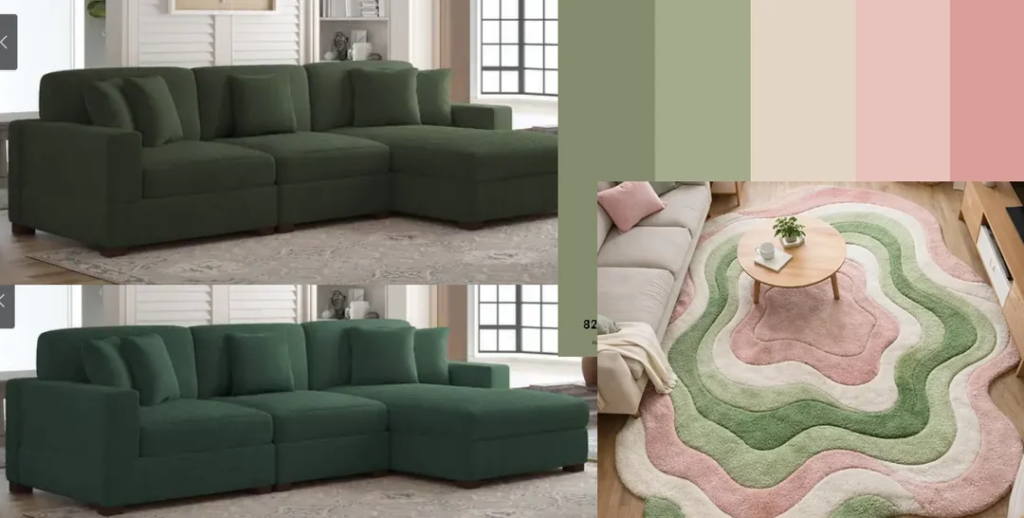
The Palette
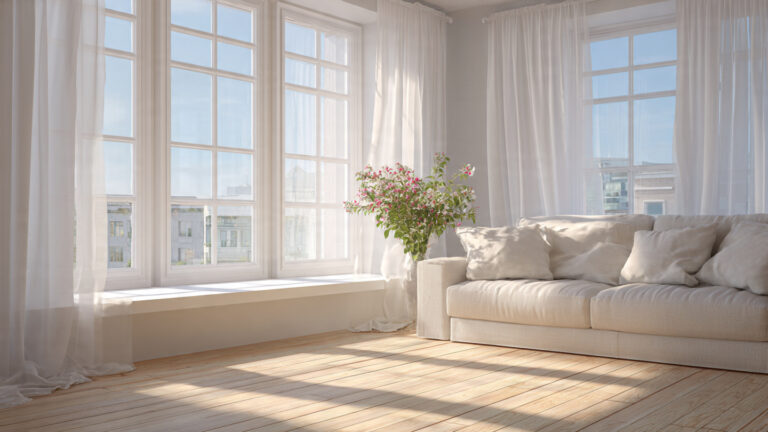
Warm cream walls. A cream linen sofa layered with sage cushions and a dusty rose throw. A natural jute rug. Warm wood side tables. A cluster of plants in ceramic pots. Dried botanicals in a tall floor vase.
Why It Works Together
Cream, sage, and blush are perfectly balanced within the soft spring palette, the cream provides warmth and light, the sage provides grounding and nature, and the blush provides femininity and gentle color. Together they create a living room that feels simultaneously stylish and deeply calming.
20. The Bedroom: Lavender, Cream, and Soft Green

The Palette
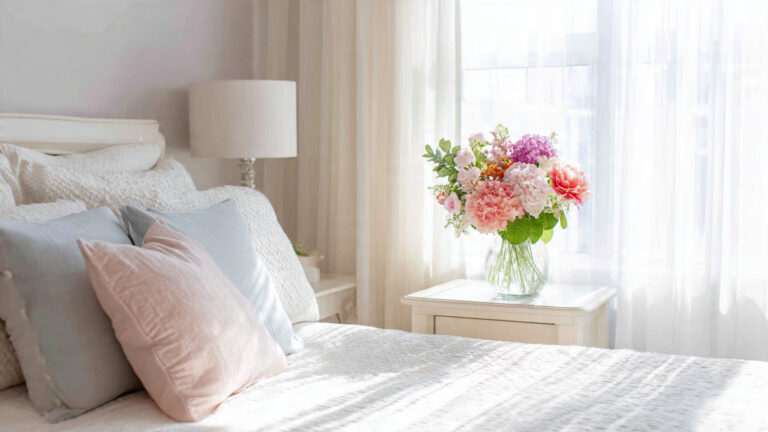
Dusty lavender walls. Cream linen bedding layered with lavender and blush cushions. A sage green plant on the nightstand. Warm wood furniture. Sheer cream curtains filtering morning light. A small dried lavender bunch in a pale ceramic vase.
Why It Works Together
The bedroom is the one room where lavender earns its place as a wall color, its sleep-supporting qualities make it functional as well as beautiful. Cream and soft green balance the purple tone with warmth and nature, creating a bedroom that feels genuinely restorative.
21. The Kitchen: Sage, Cream, and Warm Wood
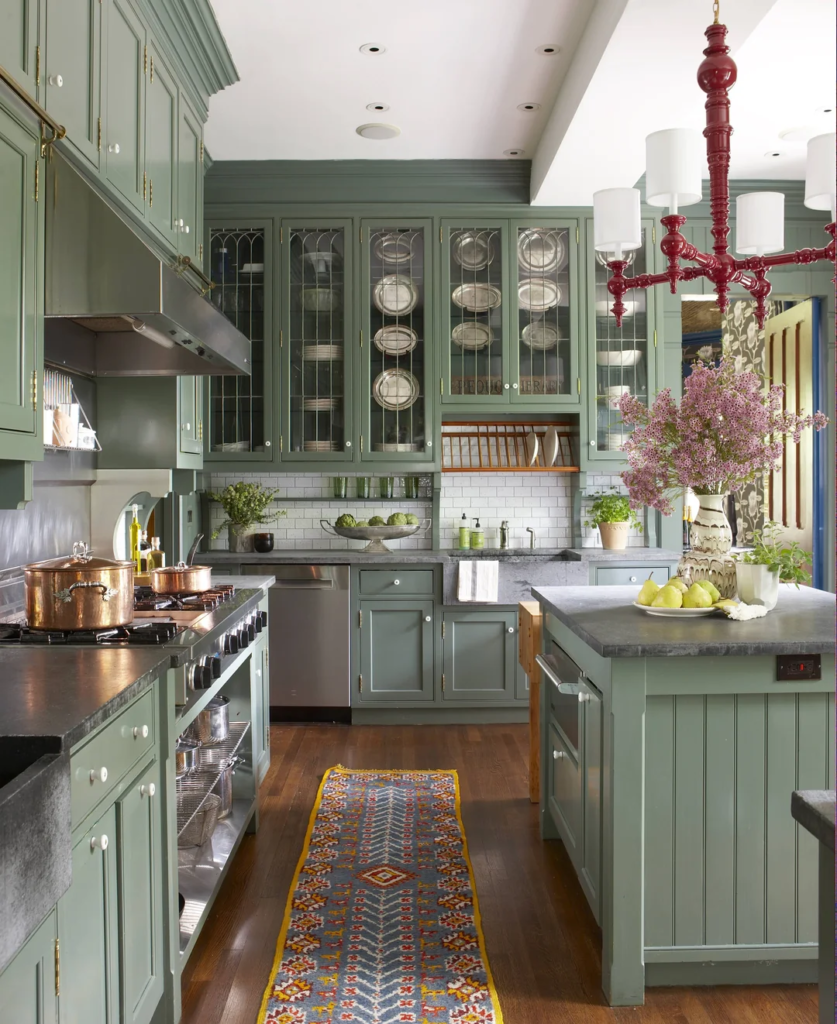
The Palette
Sage green cabinets. Cream or warm white walls. Warm wood open shelving. Brass or aged gold hardware. White ceramic dishes. Fresh herbs in terracotta pots on the windowsill.
Why It Works Together
The kitchen needs a palette that’s both calming and energizing, sage green provides the calm, warm wood and brass provides the energy. Cream ties both together. Fresh herbs add the botanical, living quality that the kitchen version of the spring palette most naturally supports.
22. The Bathroom: Pale Sky Blue, White, and Sage

The Palette
Pale sky blue tiles or paint. White fixtures. Sage or eucalyptus green accents in plants and towels. Natural wood accessories. A simple cream or natural fiber bath mat.
Why It Works Together
The bathroom benefits most from the freshest, lightest end of the spring palette, sky blue and white create a clean, clear atmosphere while sage and natural wood prevent the space from feeling clinical. The combination is botanical spa in the most achievable possible form.
23. The Dining Room: Butter Yellow, Cream, and Natural
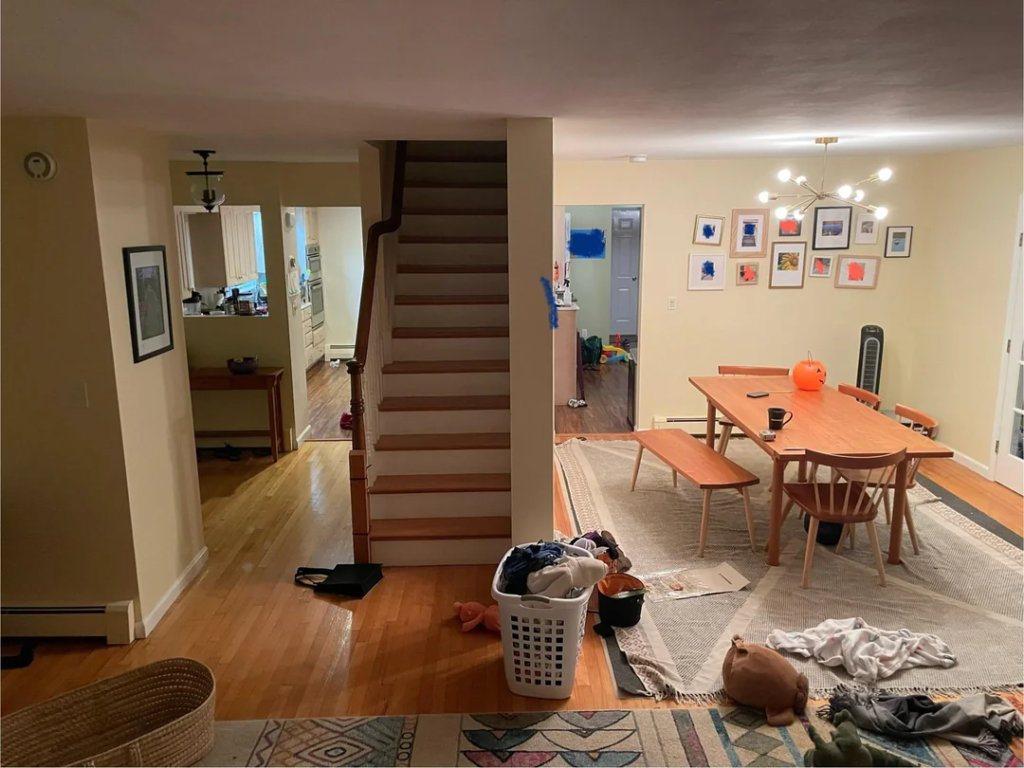
The Palette
Butter yellow walls or accent. Cream or natural linen tablecloth. Natural wood table and chairs. Simple white ceramics. Fresh flowers in a spring tone.
Why It Works Together
Butter yellow in a dining room creates the warmth and gentle happiness that makes mealtimes feel like a celebration. The natural and cream tones prevent the yellow from becoming too intense, and fresh flowers bring the botanical quality that anchors the spring palette in living nature.
24. The Home Office: Dusty Lavender, Cream, and Sage
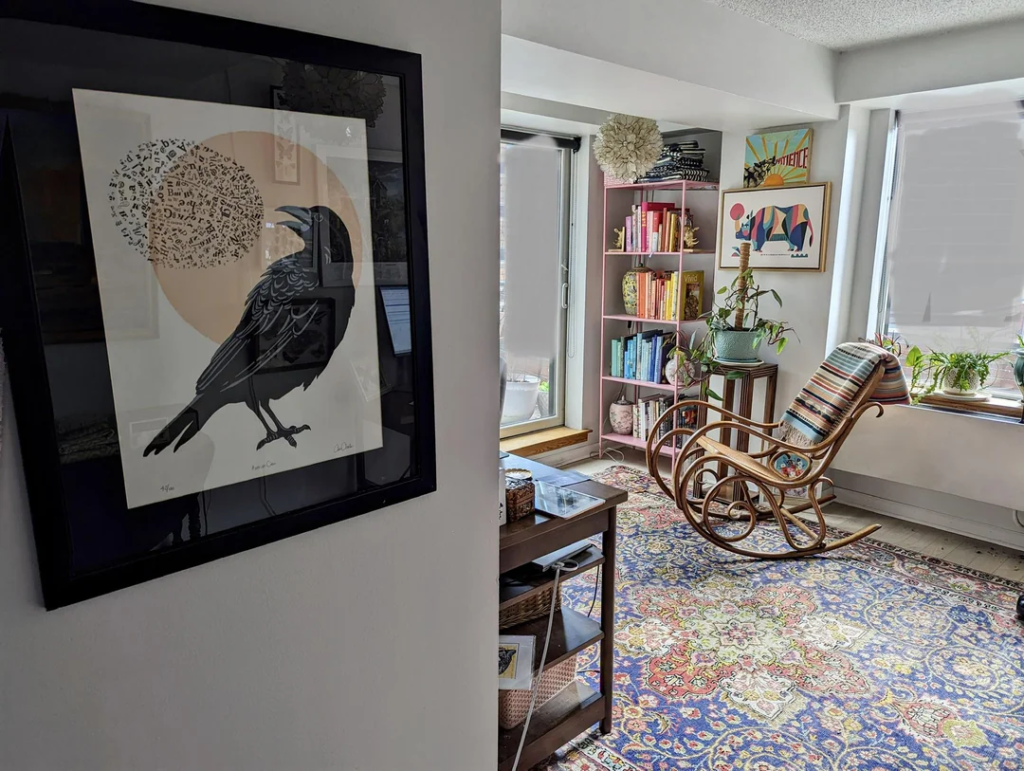
The Palette
Dusty lavender or sage walls. Cream or natural wood desk. A small collection of plants. Simple white or natural storage. Soft spring art prints on the walls.
Why It Works Together
A soft spring palette in a home office creates the calm that supports focus without the drowsiness that heavier, darker colors can create. Lavender and sage are particularly effective in work spaces, both are associated with cognitive clarity and reduced stress response.
Practical Tips for Building the Palette Successfully
25. Start With Textiles Before Paint

Why It Works
Textiles are the easiest and most reversible way to introduce a new palette, they can be changed seasonally, cost less than paint, and require no preparation or drying time. Starting with cushions, throws, and small textiles lets you live with the palette before committing to walls.
How to Do It
Choose one or two textile pieces in your chosen soft spring tones and live with them in the room for two to four weeks. Notice how the colors feel at different times of day and in different moods. If the palette feels right and you want to go further, add paint. If something isn’t working, swap the textile rather than repainting.
26. Layer Tones Within the Same Color Family
Why It Works
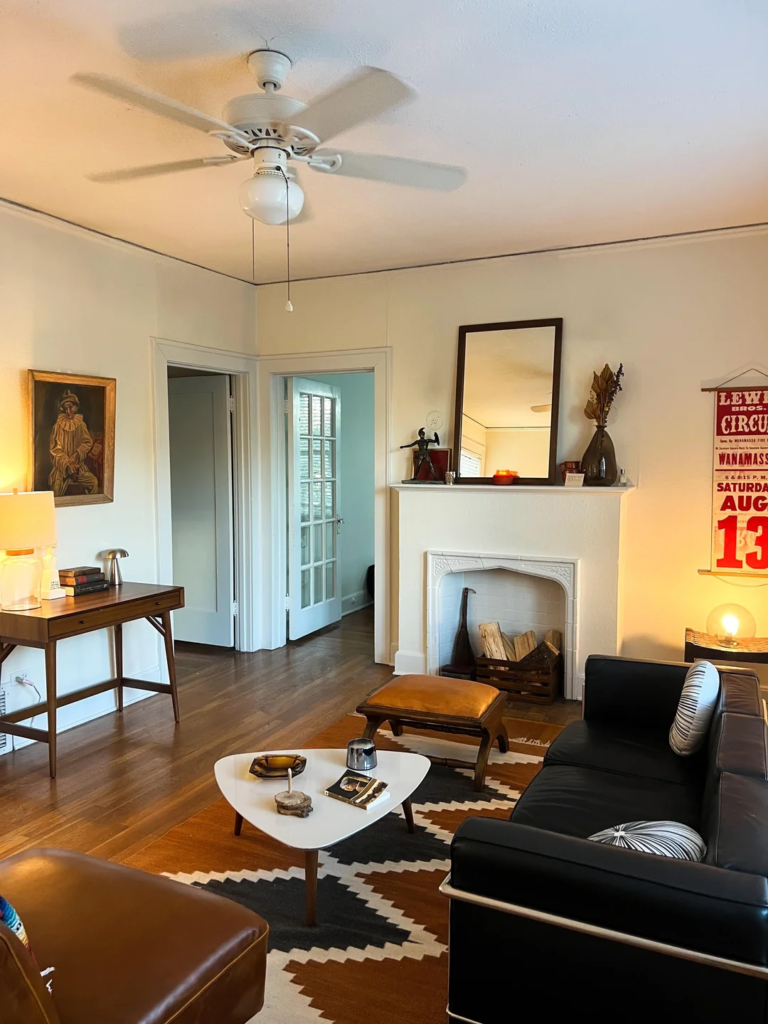
The most sophisticated soft spring interiors don’t use one flat shade of each color, they layer multiple tones within the same color family. Three different dusty blushes in cushions, a throw, and a vase look richer and more intentional than three items in exactly the same shade.
How to Do It
When shopping for palette items, look for slight variation within your chosen tones rather than perfect matches. A pale blush cushion alongside a slightly deeper dusty rose cushion alongside a warm cream with blush undertone cushion creates a layered, nuanced blush story that’s more beautiful and more sophisticated than uniformity.
27. Use Natural Light to Your Advantage
Why It Works
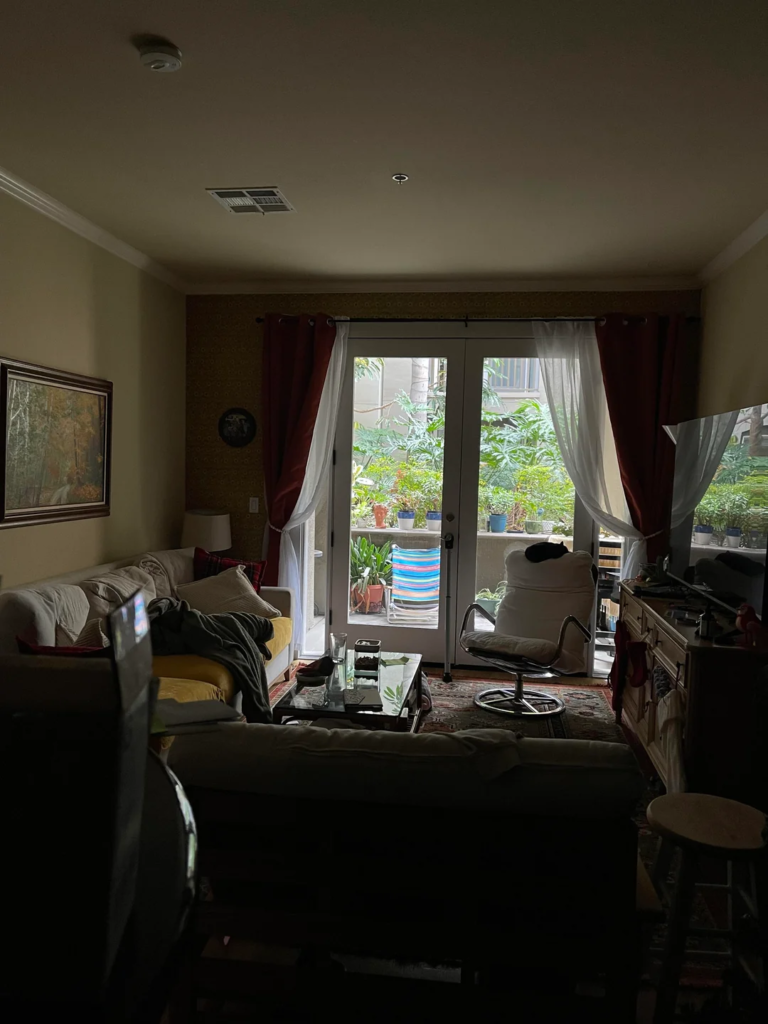
Soft spring colors change dramatically throughout the day under natural light, they look pale and cool in morning light, warm and golden in afternoon light, and soft and dreamy in evening light. Positioning the most important palette elements near natural light sources, near windows, where afternoon sun reaches, maximizes their beauty.
How to Do It
Place your most beautiful palette objects, a ceramic vase, a plant in a blush pot, a stack of linen cushions, where they’ll catch the best light. Notice at what time of day your room looks most beautiful and design around that moment, make that the time of day when the room is most used and most seen.
Insider Tip
Photograph your room during what you identify as its most beautiful light moment. This photograph becomes your reference point for all future palette decisions, add things that would look beautiful in that photograph, remove things that wouldn’t.
Your Home Can Feel Like the First Day of Spring, Every Day
Here’s the truth worth holding onto: the soft spring color palette isn’t a seasonal trend. It’s a permanent approach to how a home can feel, calm, beautiful, alive with gentle color, full of the quiet optimism that spring brings every year.
You can live in that feeling year-round. In a January bedroom that smells like dried lavender and looks like the palest pink morning. In a November kitchen where sage cabinets and the last of the fresh herbs make even short winter days feel a little warmer. In a home that carries the energy of the most hopeful season regardless of what the calendar says.
The palette is a choice. Not just about aesthetics, about how you want to feel in the place you spend most of your life.
Start with one thing. One cream throw. One sage plant. One bunch of pale pink tulips in a simple vase. Let the softness take hold.
Because a home that feels like spring doesn’t wait for April, it starts the moment you decide it should.