25 Neutral Aesthetic Home Decor Ideas That Make Your Home Look Elegant, Minimal, and Pinterest Perfect

There’s a particular kind of home that stops you mid-scroll. The walls are warm and creamy. The furniture is simple but beautiful. Every surface holds exactly the right objects, a linen-covered book, a single stem in a ceramic vase, a candle that looks like it belongs to the room. Nothing is fighting for your attention. Everything just belongs.
That’s not luck. That’s neutral aesthetic home decor done beautifully. And it’s far more achievable than it looks.
The neutral aesthetic has become one of the most enduring and widely loved interior design approaches globally, across the US, Canada, the UK, and Australia, and for a reason that goes deeper than trends. It creates homes that feel genuinely calm, genuinely elegant, and genuinely timeless. Interior designers consistently confirm that neutral spaces photograph beautifully, age gracefully, and feel better to live in day after day than more heavily styled alternatives. The Instagram appeal is real, but the lived experience is what keeps people devoted to this aesthetic for years.
These 25 ideas cover every element of the neutral home, from the foundational color and material choices to the finishing details that make the difference between a room that looks nice and one that makes people stop and stare.
What the Neutral Aesthetic Actually Means
More Than Beige
The word “neutral” in home decor covers a much richer range of tones than most people initially imagine. Neutral aesthetic home decor isn’t just beige walls and white furniture. It’s a considered palette built from warm whites, creamy ivories, soft greiges, warm taupes, sandy tones, gentle caramels, and the occasional deeper anchor in warm charcoal or soft black. It also incorporates the natural tones of materials, the honey of raw wood, the grey-brown of linen, the pale gold of jute, the cream of unbleached cotton.
Together, these tones create a palette that feels quietly rich and deeply layered rather than flat or empty.
Also Read: https://myhavenvibes.com/soft-spring-color-palette-home/
Why Neutral Works So Beautifully
The neutral aesthetic works because it removes visual competition. In a room where every element exists within the same tonal family, the eye moves through the space calmly rather than being pulled in multiple directions simultaneously. The result is a room that feels spacious, settled, and genuinely restful, qualities that transcend trends and explain why this aesthetic continues to grow in popularity regardless of what else is happening in the design world.
The Color and Wall Foundation Ideas
The walls and large surfaces are where the neutral aesthetic begins. These ideas build the foundation correctly.
1. Warm White Walls as the Universal Base
Why It Works
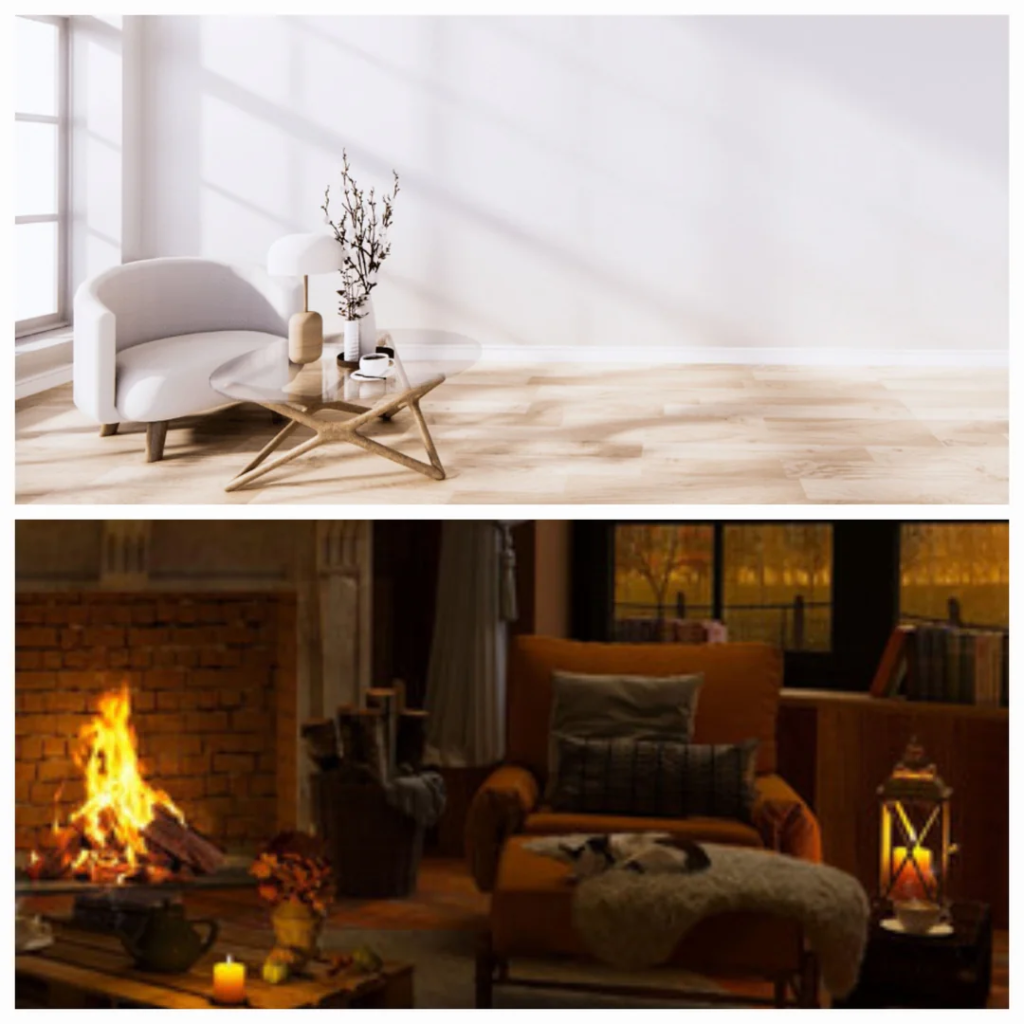
Warm white is the most versatile and universally flattering base for neutral aesthetic interiors. It reflects light generously, makes rooms feel larger and brighter, and provides the perfect backdrop against which every warm material and accent reads at its most beautiful. Unlike cool or bright white, warm white has yellow, ivory, or cream undertones that prevent the sterile clinical quality that pure white can create.
How to Choose One
Look for whites labeled “warm white,” “soft white,” “linen white,” or “antique white.” Test large swatches, at least A4 size, in your room’s actual light conditions at multiple times of day before committing. The same warm white reads very differently in a north-facing room versus a south-facing one, and in natural versus artificial light.
Common Mistake
Choosing a white with grey or blue undertones thinking it will look clean and minimal. Cool whites fight against the warm materials, wood, linen, jute, brass, that define the neutral aesthetic and create a visual dissonance that makes the room feel unsettled. Always lean warm.
Read More: https://myhavenvibes.com/light-and-airy-living-room/
2. Greige as the Sophisticated Neutral Wall Color
Why It Works
Greige, the warm, balanced blend of grey and beige, is the most sophisticated neutral wall color for interiors that want depth beyond white. It reads as both warm and cool depending on the light, making it extraordinarily versatile and able to complement a wide range of furniture tones and material finishes.
How to Choose It
The best greige for a neutral aesthetic has more beige than grey, it should feel warm rather than cool, and should never have strong purple or blue undertones that shift it into the cool grey family. Test with warm wood, cream linen, and brass, if all three look beautiful against it, the greige is right.
Insider Tip
Greige walls with slightly lighter greige trim create a seamless, sophisticated look that feels elevated without the stark contrast of white trim against colored walls. The monochromatic approach gives the room a quiet elegance that is central to the neutral aesthetic.
3. Warm Taupe for Depth and Richness
Why It Works
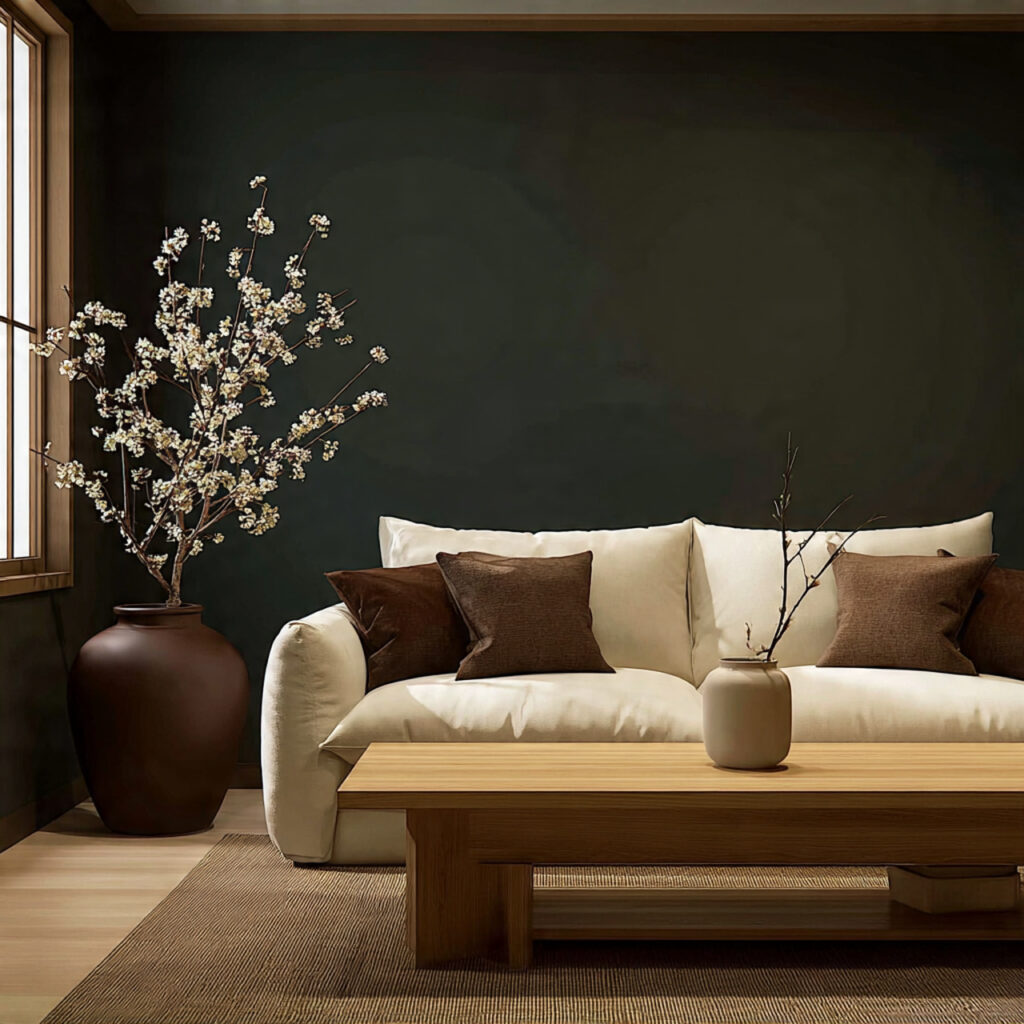
Warm taupe, a deeper, more caramel-toned neutral, adds depth and richness to spaces that might otherwise feel too pale or too washed out. In a bedroom, a dining room, or a cozy living room where intimacy is valued over brightness, warm taupe creates the enveloping quality that makes a room feel genuinely luxurious.
How to Use It
Taupe walls are most effective when paired with lighter, creamier furnishings, white or ivory bedding, cream upholstery, pale natural wood, that prevent the depth from becoming heaviness. The contrast between the deeper wall tone and the lighter furniture creates the layered, considered look that defines sophisticated neutral interiors.
4. Limewash or Textured Paint Finishes
Why It Works
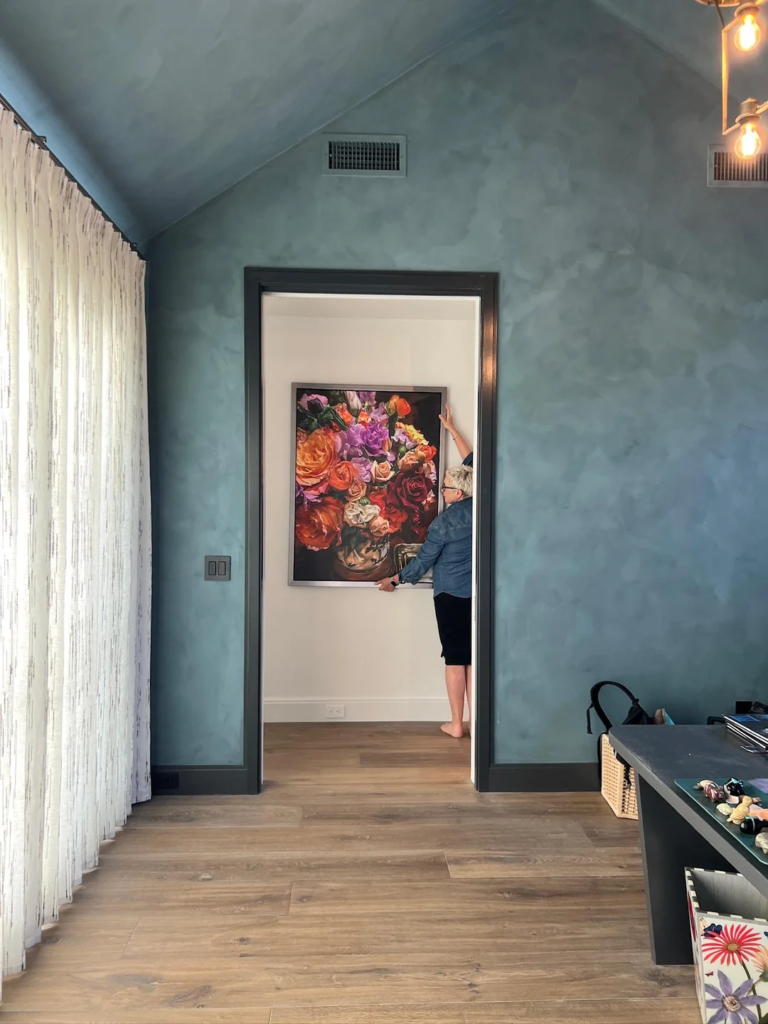
Flat paint on walls is one approach, limewash or textured finishes are another, and they add a dimension of visual richness to neutral walls that flat paint simply cannot provide. Limewash creates soft, cloudy variations in tone across a wall surface, adding depth, age, and organic beauty to what would otherwise be a uniform plane of color.
How to Apply It
Limewash is available as a ready-to-use wall paint from most quality paint suppliers, it’s applied with a large brush in overlapping, casual strokes and the application technique itself creates the natural variation. In warm white, cream, or pale greige tones, limewash walls are one of the most beautiful expressions of the neutral aesthetic available.
Common Mistake
Applying limewash too uniformly in an attempt to achieve a neat finish. The beauty of limewash is in its variation, irregular, organic, slightly uneven application creates the authentic aged quality that makes it so appealing. Trust the imperfection.
5. Tone-on-Tone Color Throughout
Why It Works
Tone-on-tone decorating, using multiple shades within the same neutral color family rather than introducing contrast, creates the cohesive, seamless quality that makes neutral aesthetic interiors feel so beautifully composed. When walls, trim, furniture, and textiles all sit within the same tonal range, the eye reads the room as a unified whole rather than a collection of individual elements.
How to Apply It
Choose a base tone for the walls. Select furnishings and large textiles within two to three shades of that base, slightly lighter or slightly darker, but never jumping outside the tonal family. Add interest through texture, rough linen against smooth wood, woven jute against matte cotton, rather than through color contrast. The result is a room that looks effortlessly composed.
The walls and color foundation are set. The furniture and material ideas ahead build the three-dimensional richness that takes a neutral aesthetic from pleasant to genuinely extraordinary.
Furniture and Material Ideas That Define the Aesthetic
The neutral aesthetic is as much about materials as it is about color. These ideas address both.
6. A Linen or Natural Fabric Sofa
Why It Works
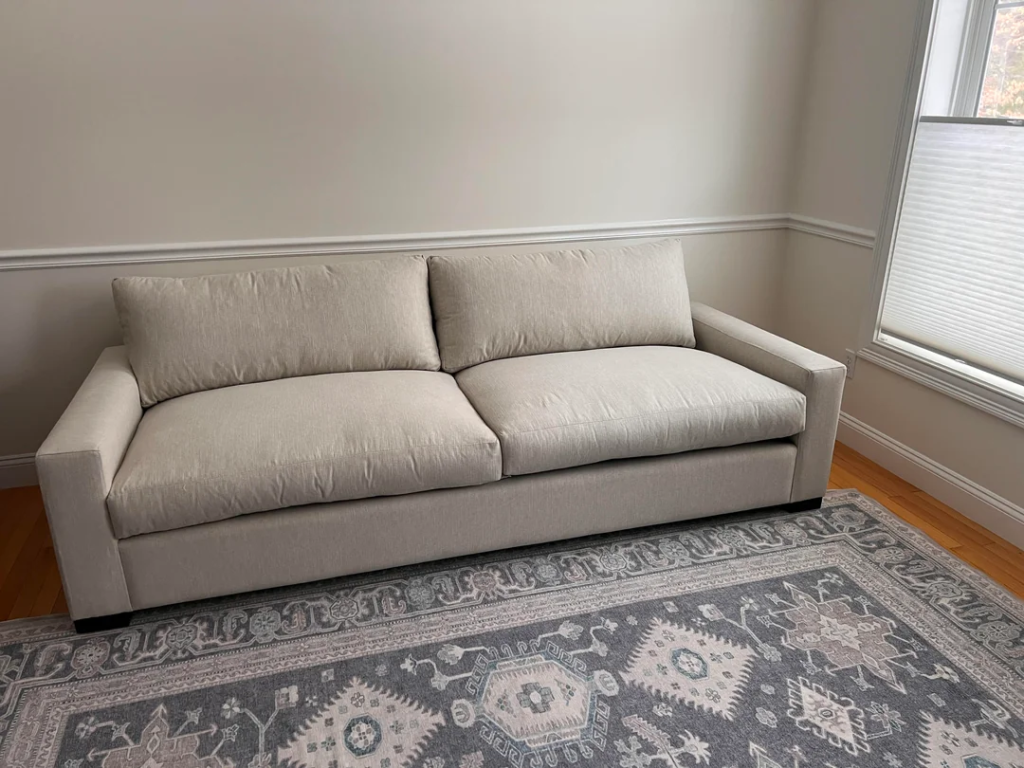
The sofa is the largest single piece of furniture in most living rooms, and in a neutral aesthetic interior, it sets the material tone for the entire space. A sofa upholstered in natural linen, slubbed cotton, or a linen-blend fabric in cream, warm grey, or natural oatmeal establishes the organic, tactile quality that the neutral aesthetic is built around.
How to Choose One
Look for sofas upholstered in natural fibers or natural-feel fabrics in the warm neutral range, oatmeal linen, cream cotton, warm greige velvet, natural bouclé. Avoid synthetic fabrics that mimic natural ones, they photograph less beautifully and feel less authentic in person. The touch of a linen sofa is part of the aesthetic experience.
Common Mistake
Choosing a sofa in a neutral fabric but with a heavy, upholstered base that reaches the floor. Furniture with visible legs, slender wooden or metal legs that lift the sofa, looks lighter, more considered, and more aligned with the neutral aesthetic than furniture that sits heavily on the floor.
7. Warm Wood Tones Throughout
Why It Works
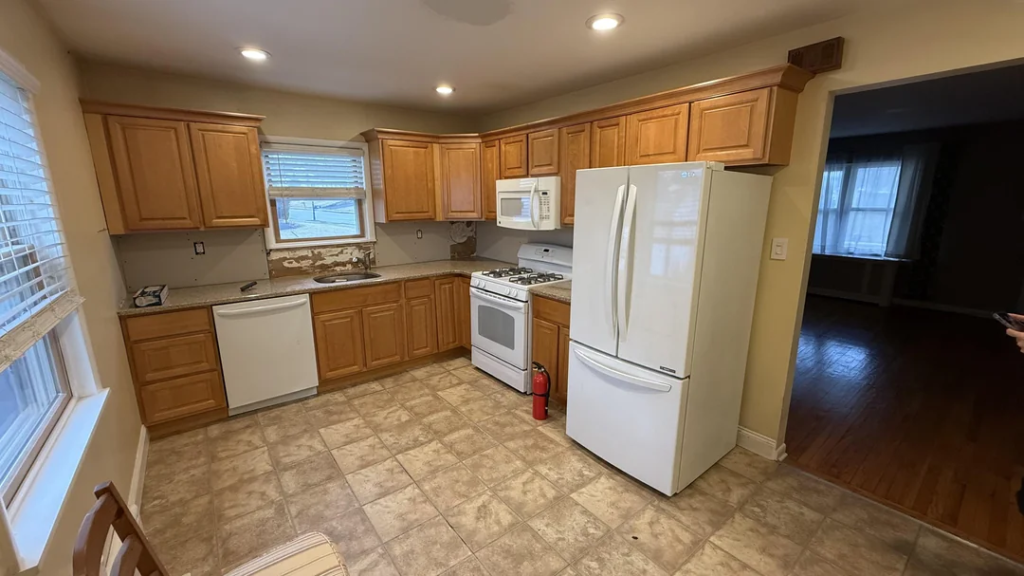
Warm wood is the most essential non-fabric material in neutral aesthetic home decor. It provides the organic, natural quality that prevents neutral palettes from feeling cold or sterile, and its warm honey, caramel, and amber tones sit beautifully within the neutral color family while adding depth and richness that painted surfaces alone cannot provide.
How to Use It
Choose warm-toned woods, light oak, natural pine, honey-toned birch, warm walnut, rather than very dark or very red woods that can feel heavy in a neutral scheme. Wooden side tables, floating shelves, a natural wood dining table, wooden frames, each piece contributes to the warm, organic foundation that makes neutral aesthetic interiors so genuinely beautiful.
Insider Tip
Mix wood tones deliberately. Having two or three different wood tones in the same room, provided they all sit in the warm range, creates more depth and interest than perfectly matching all wood to the same shade. The variety reads as curated rather than mismatched when the tones are harmonious.
8. Natural Fiber Rugs in Jute or Seagrass
Why It Works
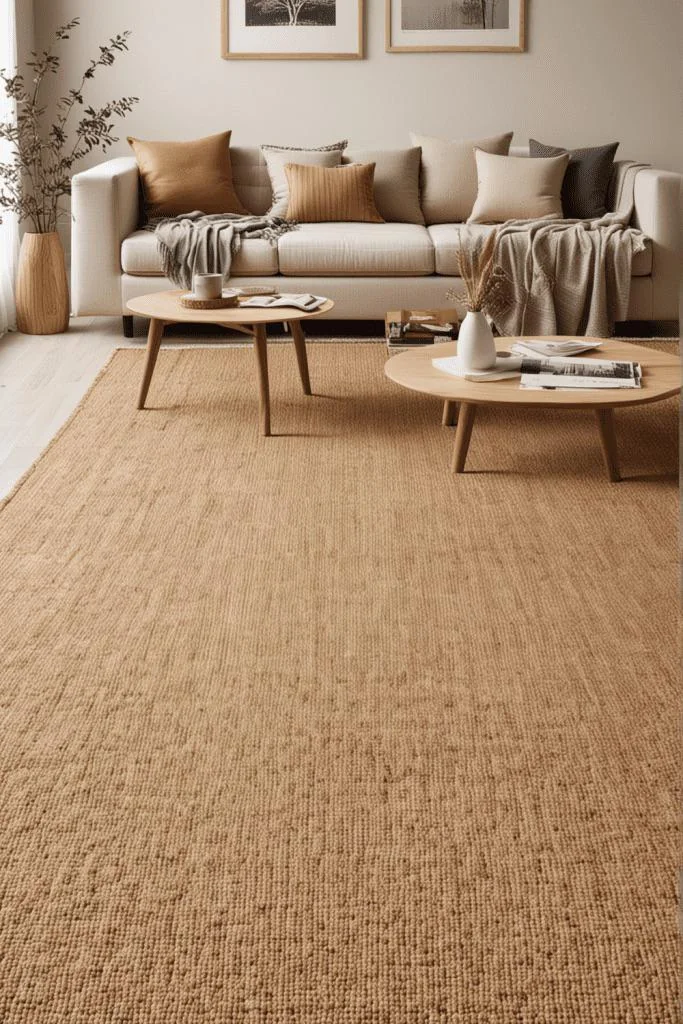
A jute or seagrass rug is one of the most powerful single additions to a neutral aesthetic interior. The natural, woven texture adds significant visual warmth and depth at floor level, the color sits perfectly within the neutral palette, and the organic quality aligns completely with the material philosophy of the aesthetic.
How to Choose One
Size the rug generously, a rug that’s too small looks like a mat and undermines the visual weight and grounding that a rug provides. For a living room sofa grouping, the rug should extend at least 12 inches beyond the sofa on each side. In a flatweave or low-pile weave, natural fiber rugs reflect more light and show less shedding than high-pile versions.
Common Mistake
Choosing natural fiber rugs without considering comfort underfoot. Pure jute can feel scratchy, a jute-cotton blend or a seagrass weave is softer and more comfortable for barefoot use while maintaining the natural aesthetic quality.
9. Rattan and Wicker Accent Pieces
Why It Works
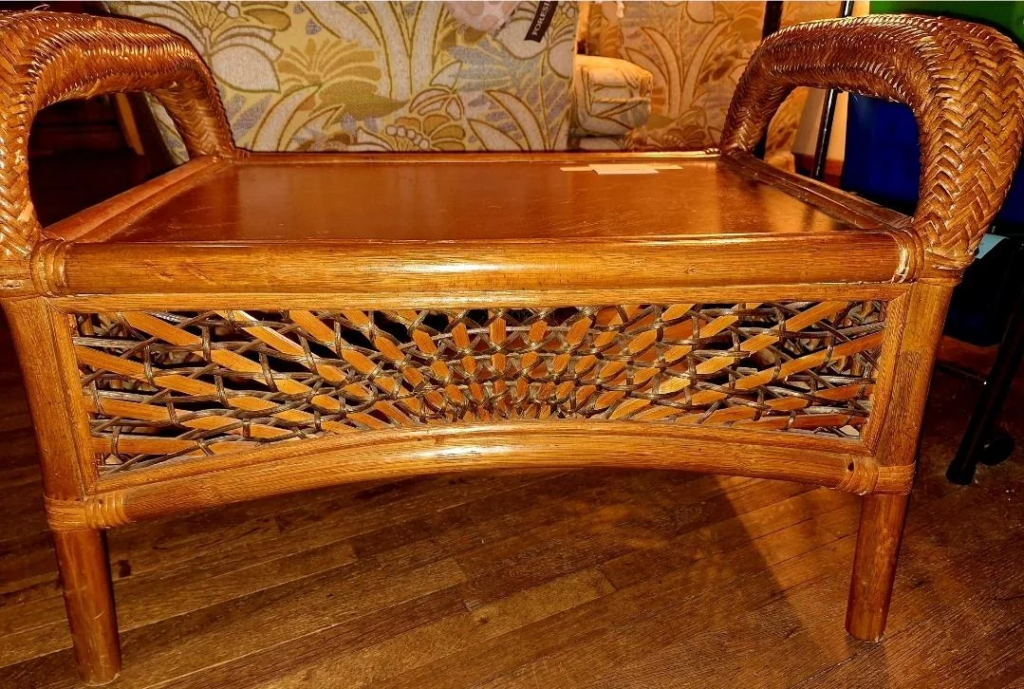
Rattan and wicker have a light, botanical, organic quality that contributes beautifully to the neutral aesthetic. A rattan pendant light, a wicker side table, a woven storage basket, each piece adds texture and natural warmth without introducing any color that steps outside the neutral palette.
How to Style Them
Use rattan and wicker as accent pieces rather than primary furniture, a rattan pendant over a dining table, a wicker side table beside a sofa, rattan-framed mirrors in a bathroom or bedroom. The organic texture of these materials adds the visual interest that keeps a neutral room from feeling flat.
10. Marble or Stone Accents
Why It Works
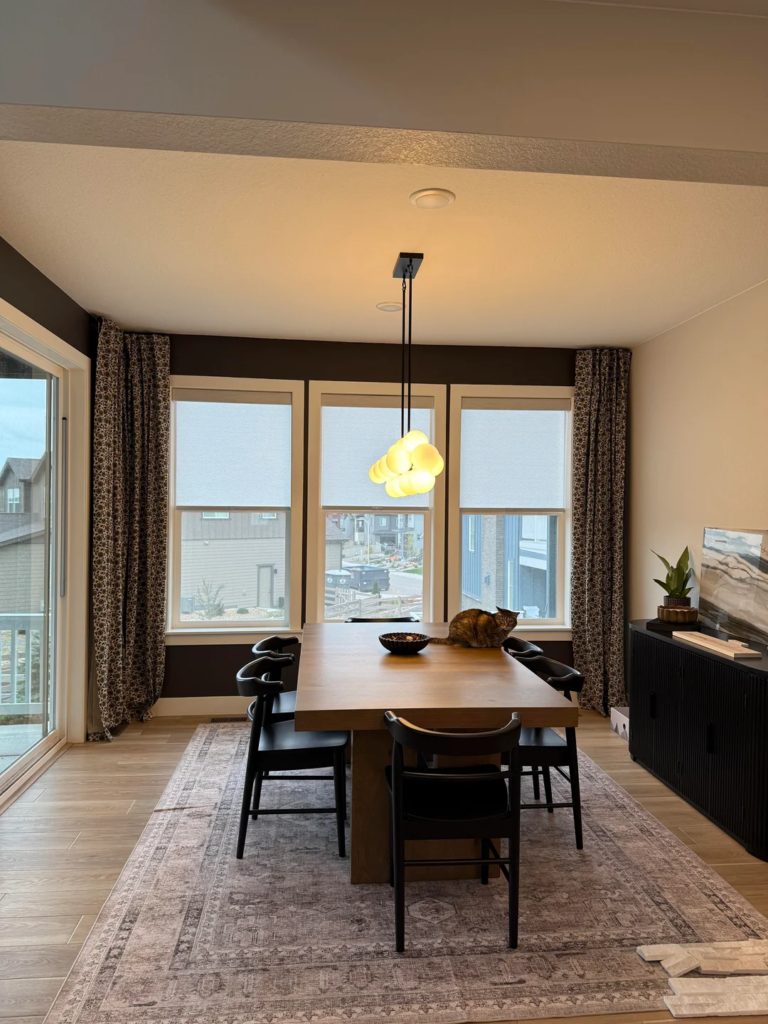
Marble and stone, in their naturally neutral tones of white, grey, warm cream, and soft black, are the most elevated material accents available for the neutral aesthetic. They add a sense of quality, permanence, and quiet luxury that no manufactured material quite replicates.
How to Use Them
A marble tray on the coffee table or console. A stone soap dish in the bathroom. A marble side table as a living room accent. Honed rather than polished finishes feel more relaxed and more aligned with the warm, organic quality of the neutral aesthetic than high-gloss surfaces. Even small marble accents, a single tray, a pair of bookends, add genuine sophistication to a neutral room.
Now’s a perfect time to save or bookmark the ideas that speak to you most, the styling and finishing detail ideas ahead are where the neutral aesthetic truly comes to life.
Textile and Layering Ideas That Add Depth
Textiles are where the neutral aesthetic gets its warmth, its comfort, and its layered richness. These ideas use fabric brilliantly.
11. Layered Neutral Cushions in Varied Textures
Why It Works
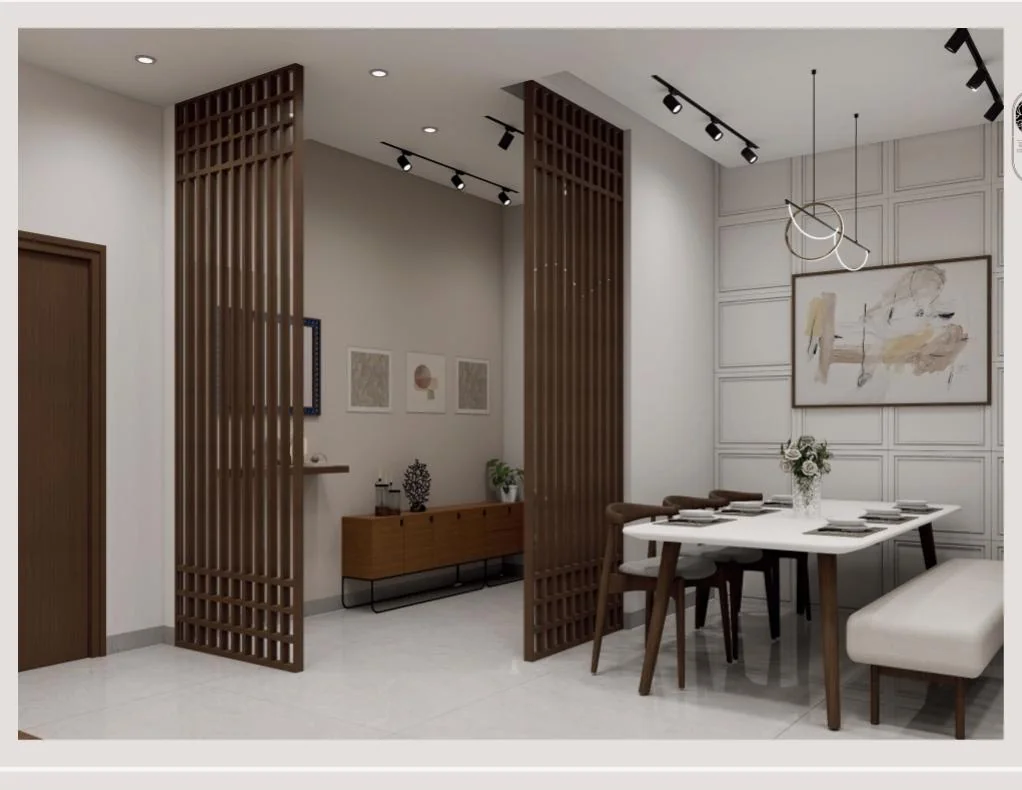
Cushions in a neutral aesthetic interior succeed not through color contrast but through textural contrast. A smooth linen cushion alongside a chunky bouclé one alongside a flat-woven cotton one creates visual and tactile richness within a single tonal range. The eye is interested not because the colors compete but because the textures do.
How to Style Them
Choose three to five cushions in the same neutral tonal family, cream, oatmeal, warm white, soft greige, but in genuinely different fabric types. Vary sizes as well as textures. The combination of size variation and texture variation within a consistent palette creates the polished, intentional cushion arrangement that defines beautiful neutral interiors.
12. Linen Throws Casually Placed
Why It Works
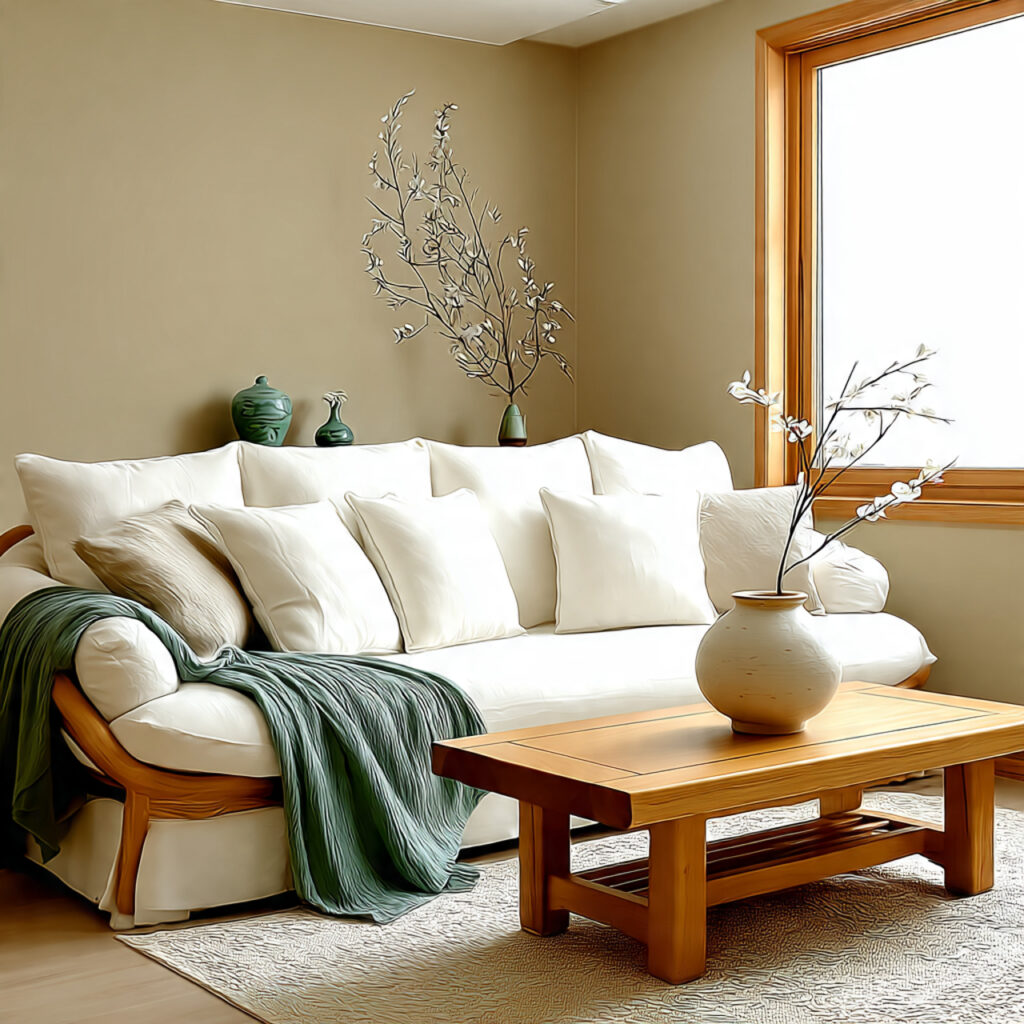
A linen throw, in cream, warm white, oatmeal, or natural undyed linen, casually draped over a sofa arm or folded at the foot of a bed adds the lived-in warmth and organic texture that prevents a neutral aesthetic interior from feeling staged rather than genuinely inhabited.
How to Choose One
Natural, undyed linen or a linen-cotton blend in the warm neutral range. The weight should be substantial enough to drape well and feel genuinely useful as a throw rather than purely decorative. Washed linen, pre-washed for softness, has the relaxed, slightly rumpled quality that looks most naturally beautiful in a neutral aesthetic context.
13. Sheer Linen or Cotton Curtains
Why It Works
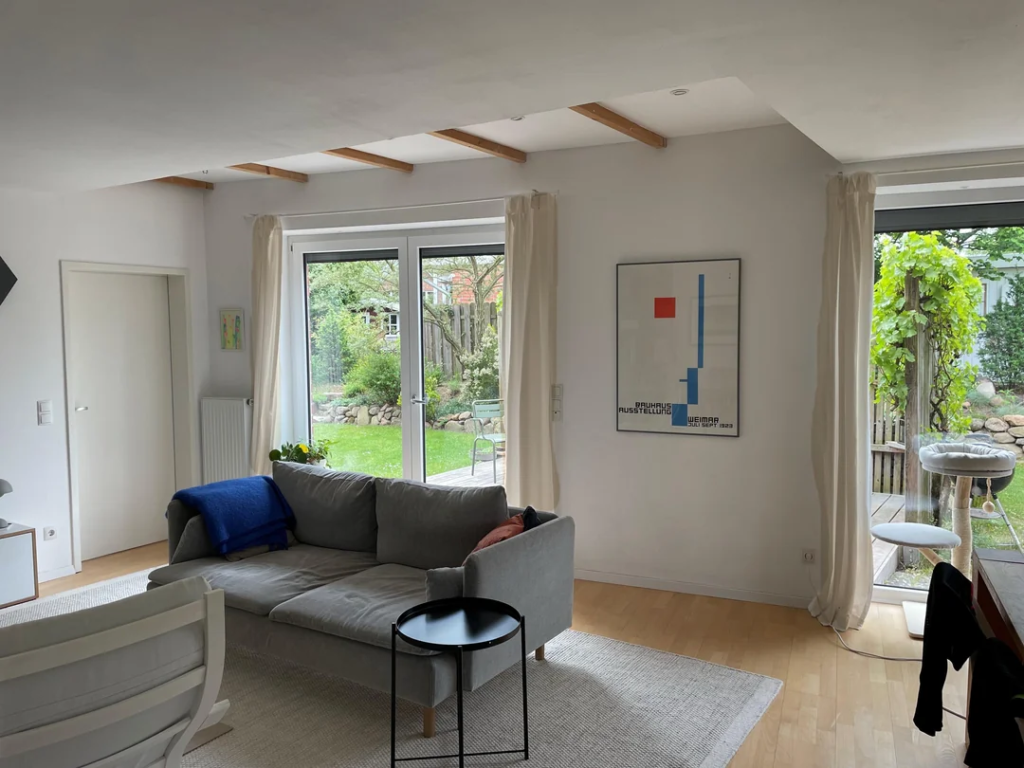
Curtains in sheer or semi-sheer natural linen or cotton filter light in the most beautiful way, casting a soft, diffused warmth through the room that enhances every neutral tone in the space simultaneously. They’re both functional and aesthetic, practical and beautiful.
How to Hang Them
Mount curtain rods as close to the ceiling as possible and choose curtains that reach the floor for maximum visual height. Extend the rod well beyond the window frame on both sides so the curtains can be pulled completely clear of the glass. Sheer curtains in natural linen look most beautiful and most neutral aesthetic when they’re full, two to three times the window width in fabric, rather than neat and flat.
14. Organic Cotton Bedding in Cream or Ivory
Why It Works
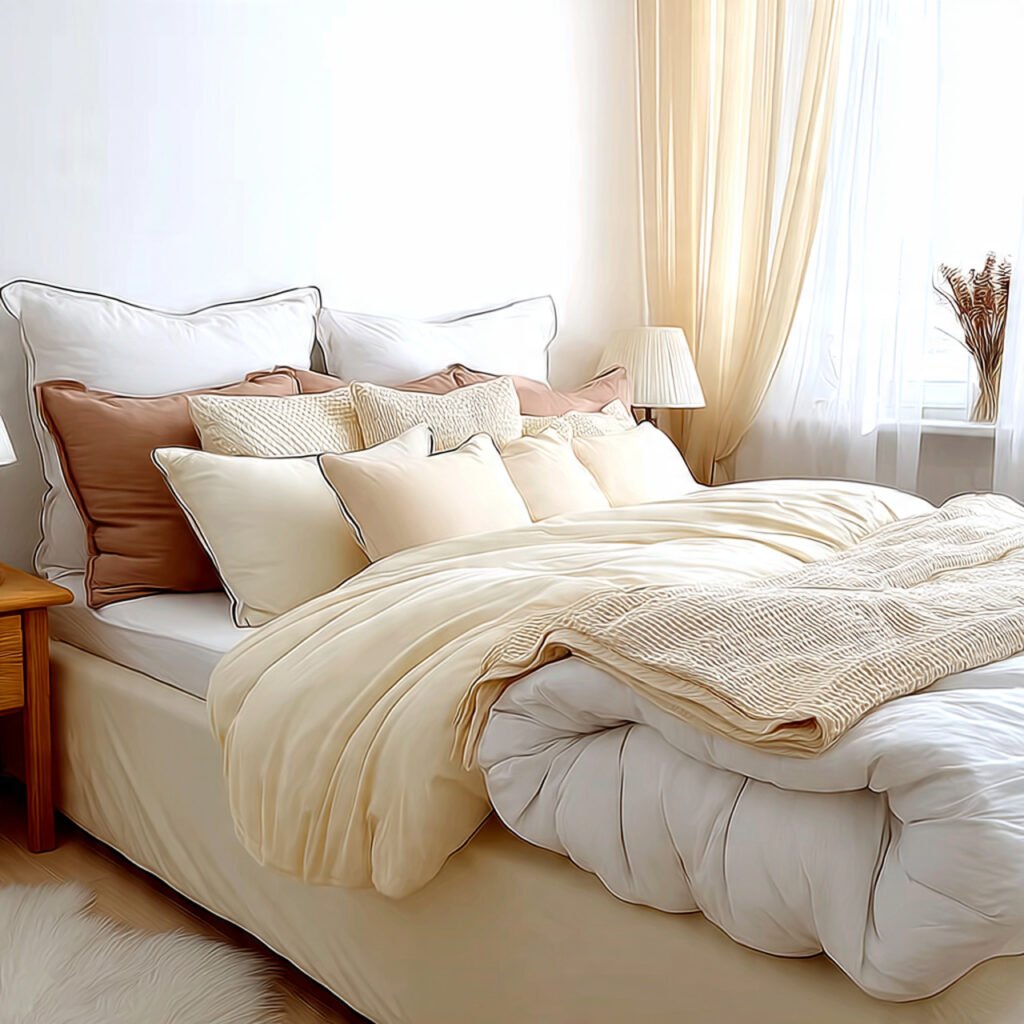
The bedroom is the most personal room in a neutral aesthetic home, and the bedding is its most important element. Organic cotton or linen bedding in cream, ivory, or warm white creates a bed that looks genuinely luxurious while contributing perfectly to the neutral palette.
How to Layer It
Start with a fitted sheet and a flat sheet in warm white or cream organic cotton. Add a duvet or comforter in a similar tone. Layer a waffle-weave or linen throw at the foot. Add three to four cushions in varied neutral textures at the head. The layering creates a bed that looks deliberately composed while remaining genuinely comfortable to sleep in.
15. A Jute or Natural Fiber Table Runner
Why It Works
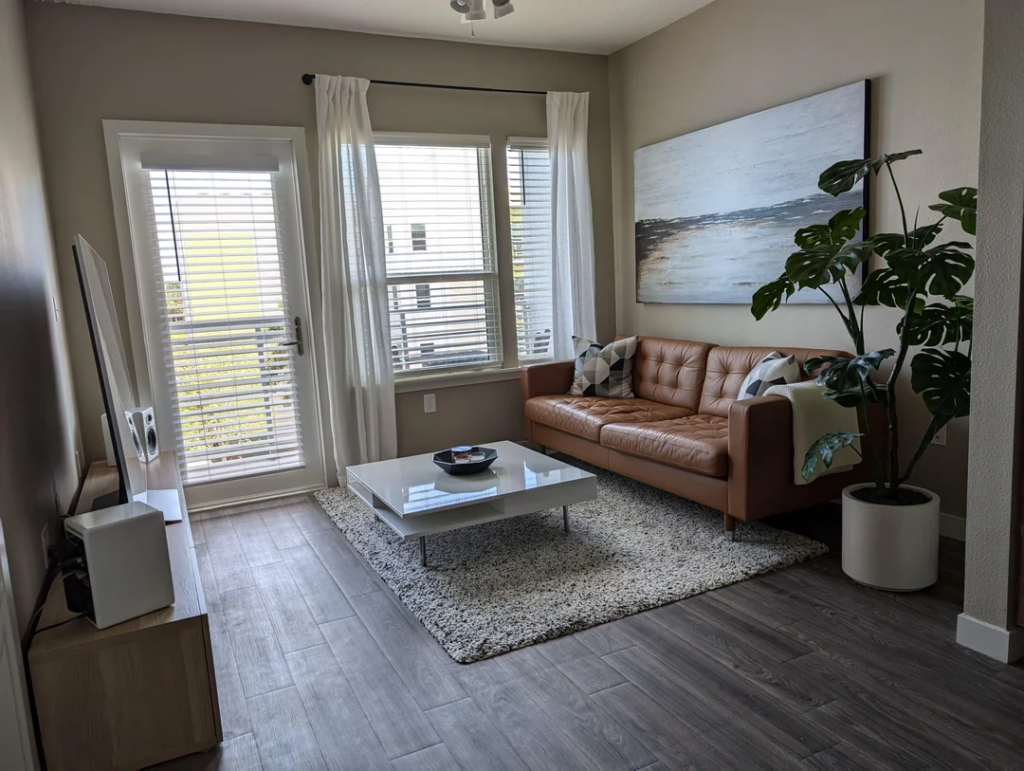
A jute or natural cotton table runner adds organic texture to a dining or console table surface while staying completely within the neutral palette. It defines the surface, protects it, and adds the natural material note that the neutral aesthetic depends on.
How to Style It
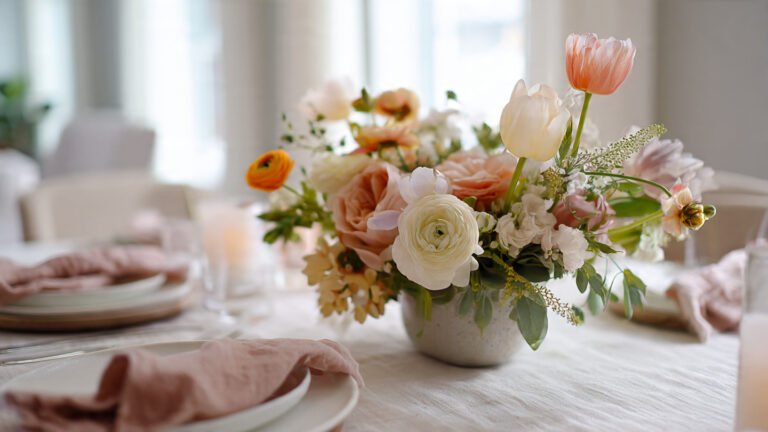
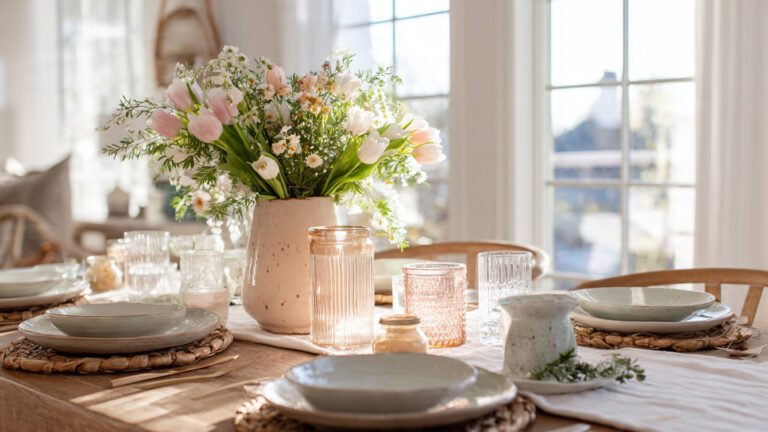
Choose a runner in natural undyed jute, cotton, or linen. Position it slightly off-center for a more casual, lived-in look than perfect centering provides. Style with neutral objects, ceramic vases, a candle in a stone vessel, dried botanicals, on and beside the runner. The combination is simple, natural, and genuinely beautiful.
Decor and Finishing Touch Ideas
16. Ceramic Vases and Objects in Natural Tones
Why It Works
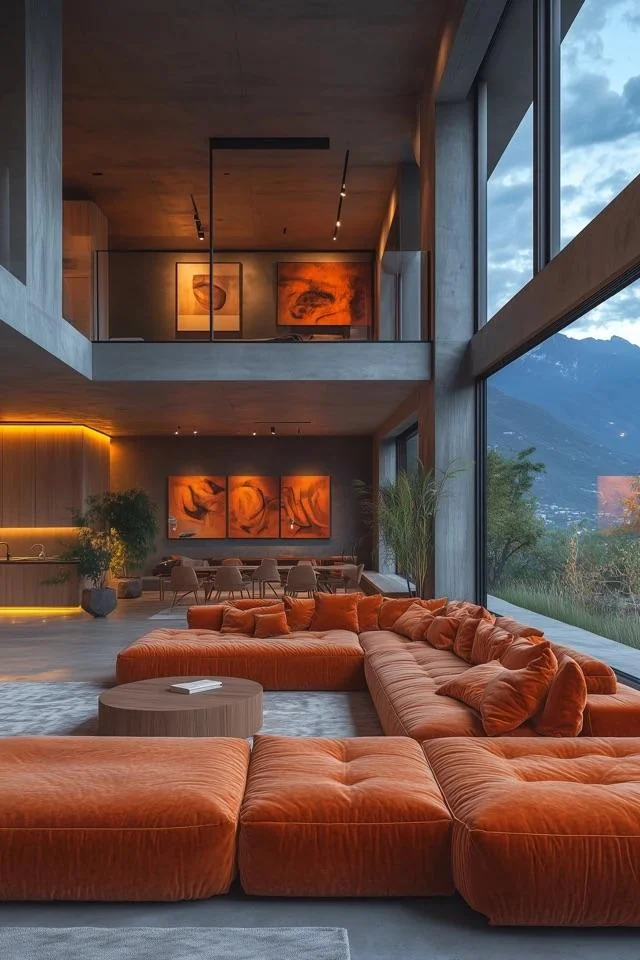
Handmade-looking ceramic vases and objects in cream, raw clay, warm white, and natural stoneware tones are among the most characterful and beautiful elements of neutral aesthetic home decor. Their slight irregularity, their organic forms, and their naturally neutral coloring contribute to the aesthetic at every scale, from a large floor vase to a small bud vase on a nightstand.
How to Style Them
Group ceramics in odd numbers, three vases of different heights, one candle holder, one small bowl, on shelves, consoles, and tables. The grouping should feel collected over time rather than purchased as a set. Slight tonal variation between pieces, one in raw clay, one in matte cream, one in warm white glaze, adds depth to the grouping.
17. Dried Botanicals and Pampas Grass
Why It Works
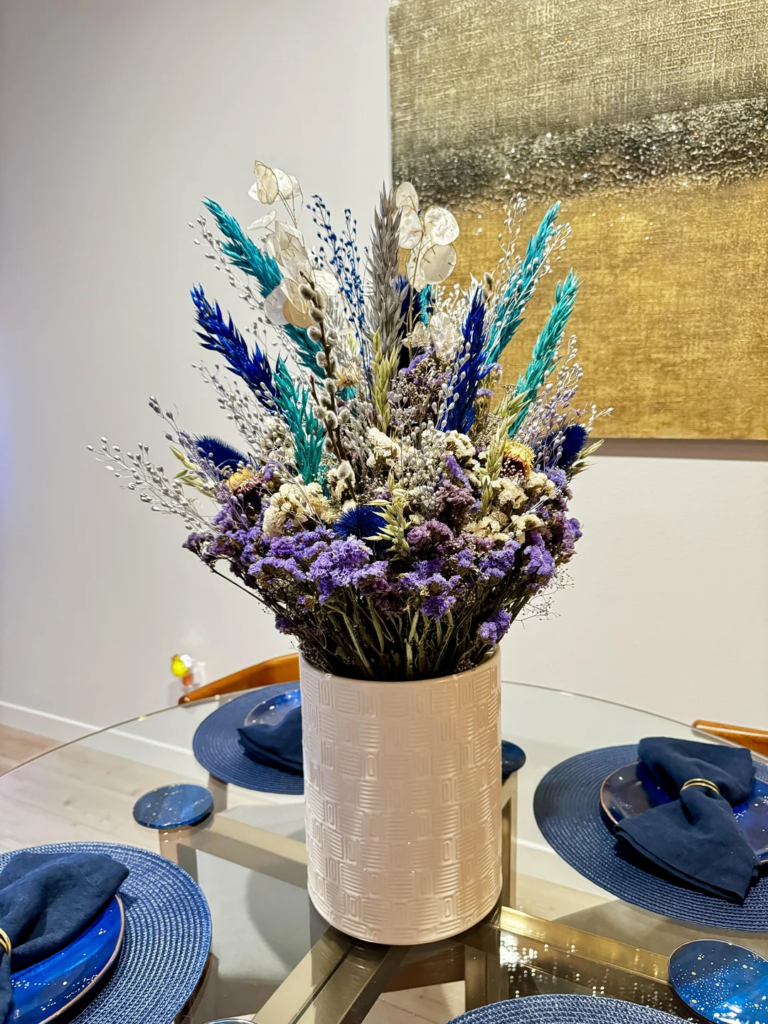
Dried botanicals, pampas grass, dried wheat, preserved eucalyptus, dried floral arrangements, add organic, natural texture and warmth to neutral aesthetic interiors in a way that maintains the palette perfectly. The muted, straw-toned colors of most dried botanicals sit beautifully within the neutral range.
How to Use Them
A large arrangement of cream or natural pampas in a tall floor vase creates a striking, sculptural focal point in a corner or beside a fireplace. Smaller dried floral arrangements in ceramic vases add texture to shelves and tables. Dried eucalyptus hung above a bath is both fragrant and beautifully aesthetic. Dried botanicals hold their beauty for months, making them an investment that earns its place continuously.
18. Beeswax or Pillar Candles in Simple Vessels
Why It Works
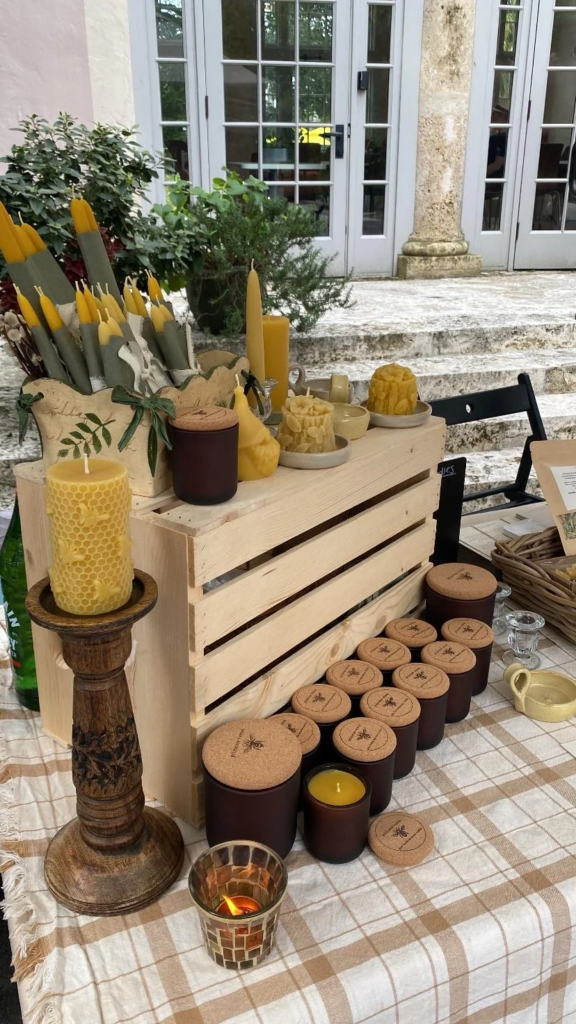
Candles add warmth, soft light, and sensory depth to a neutral aesthetic home in a way that no other single element quite matches. Beeswax candles have a natural honey tone that sits perfectly within the neutral palette. White or cream pillar candles in stone, ceramic, or natural wood holders are equally aligned.
How to Style Them
A cluster of three candles in varying heights on a tray, one pillar candle, one in a ceramic holder, one tealight in a glass vessel, creates a complete, styled vignette that looks intentional and beautiful. Position candle groupings on coffee tables, console tables, and bathroom surfaces for warm sensory interest throughout the home.
19. Minimal Artwork in Natural Frames
Why It Works
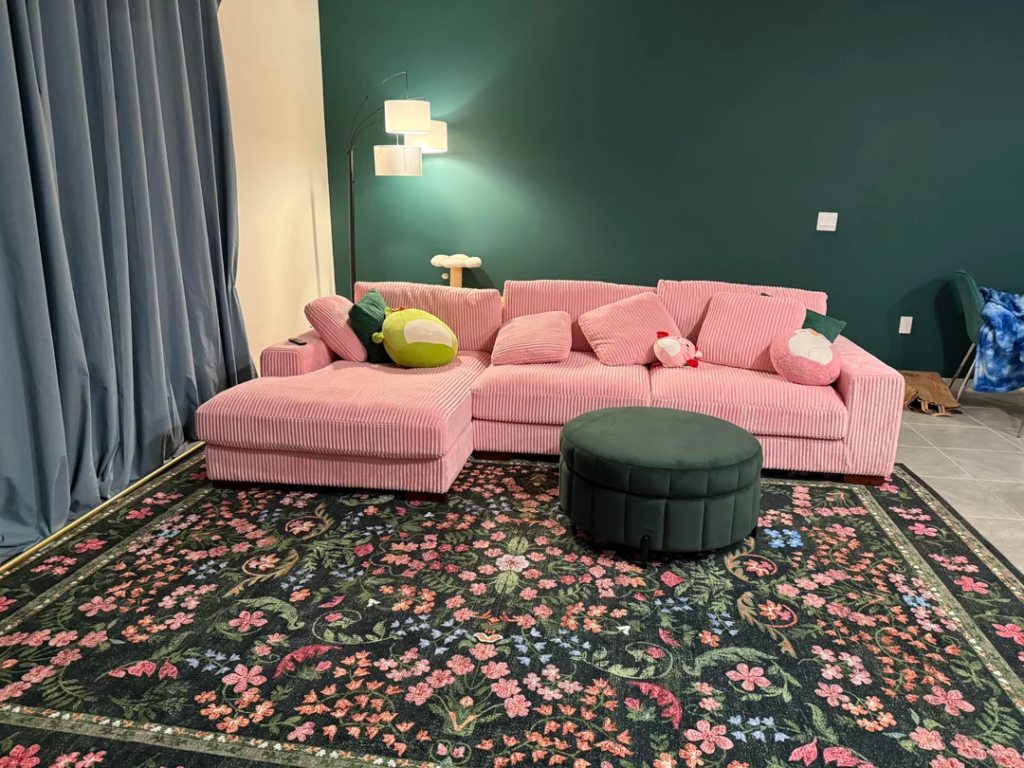
Artwork in a neutral aesthetic home should contribute to the palette rather than contrast it. Abstract work in cream, warm white, taupe, and black. Botanical illustrations in natural tones. Simple line drawings. Landscape photography with large areas of neutral sky and earth. These choices add visual interest to walls while maintaining the tonal unity of the aesthetic.
How to Frame Them
Natural wood frames, light oak, blonde wood, unfinished wood, feel most aligned with the neutral aesthetic. Simple black metal frames work in more minimal interpretations. White frames are clean and classic. All three work; the choice depends on which other frame tones already exist in the room. Consistency across frames in the same room creates the cohesive quality that defines the aesthetic.
20. A Gallery Wall in Neutral Tones
Why It Works
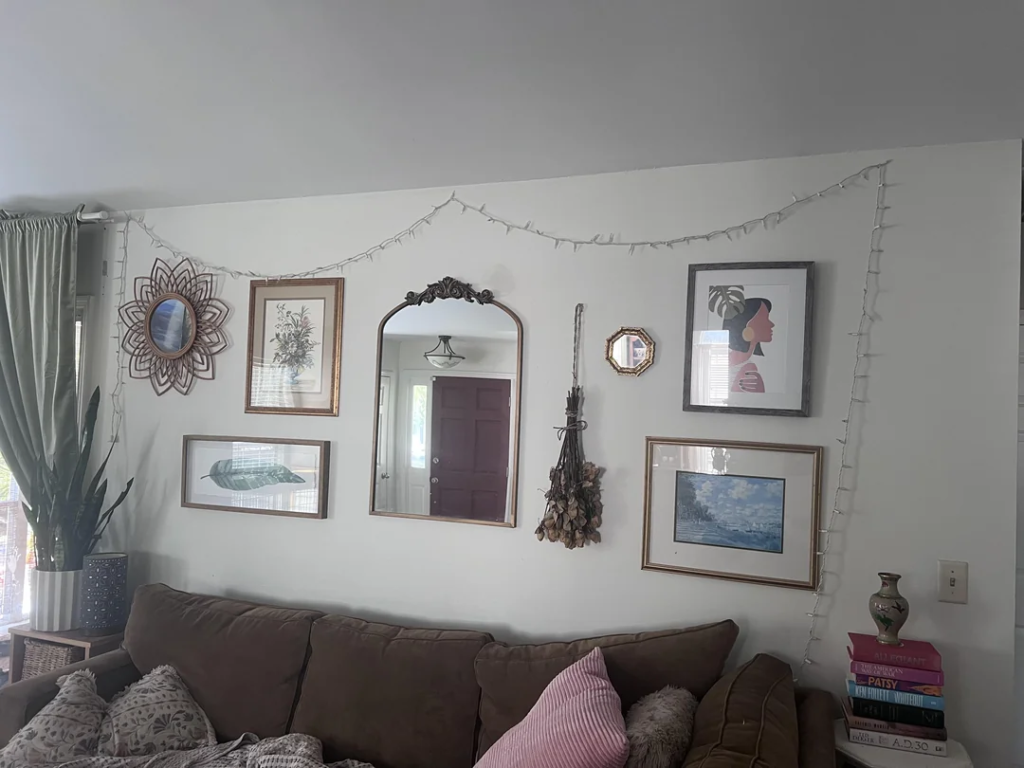
A gallery wall in a neutral aesthetic home isn’t about color and personality in the conventional gallery wall sense, it’s a composition of art, objects, and frames within the neutral palette that creates visual interest on a wall without breaking the tonal consistency of the room.
How to Create One
Choose artwork in cream, black, warm white, and natural tones. Mix different frame sizes but keep all frames within the same material family, all natural wood, or all thin black metal. Include a mix of art types, one abstract, one botanical illustration, one photograph, for textural variety within the tonal unity. Lay the arrangement on the floor before hanging to find a composition that feels balanced.
21. Plants in Neutral Ceramic Pots
Why It Works
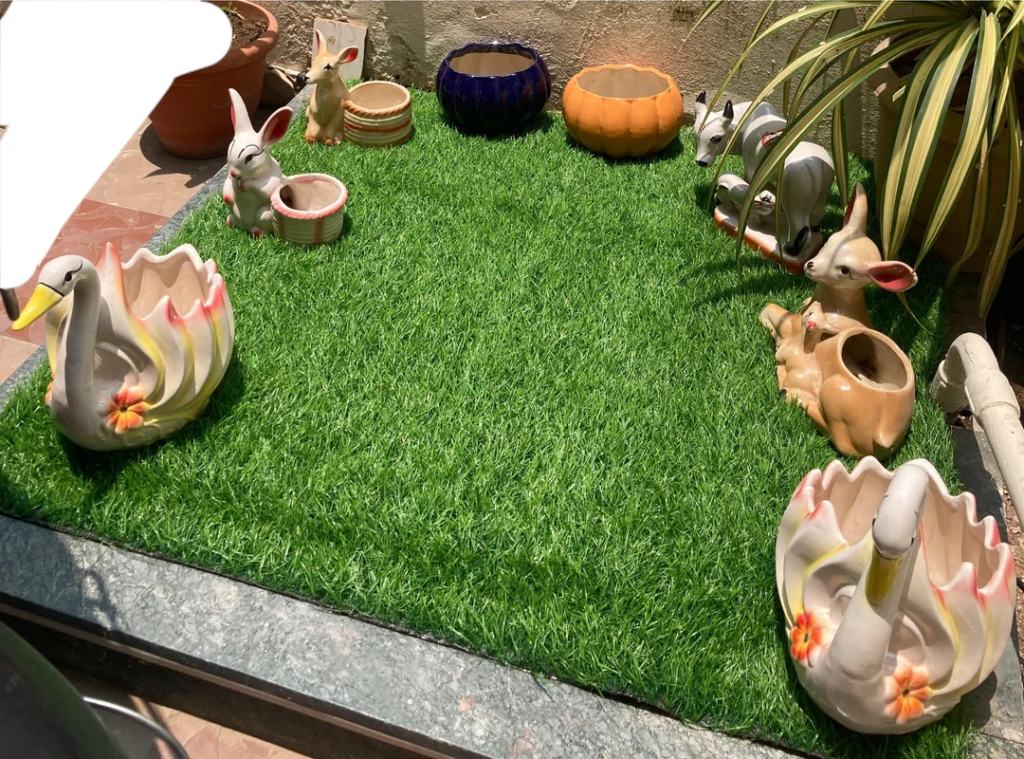
Plants bring the living, organic quality that a neutral aesthetic home absolutely needs, without them, neutrals can feel slightly lifeless. But the pots matter as much as the plants. A beautiful plant in a brightly colored plastic nursery pot works against the aesthetic. The same plant in a matte cream ceramic, a raw terracotta, or a warm stone pot becomes a genuine part of it.
How to Choose Pots
Matte finishes in cream, warm white, raw terracotta, and pale stone are the most versatile and most aligned with the neutral aesthetic. Matching pots of different sizes for a plant grouping look curated and intentional. The plant itself should have a form that suits the aesthetic, a trailing pothos, a sculptural snake plant, a soft olive tree, a structural fiddle leaf fig.
22. Books as Aesthetic Objects
Why It Works
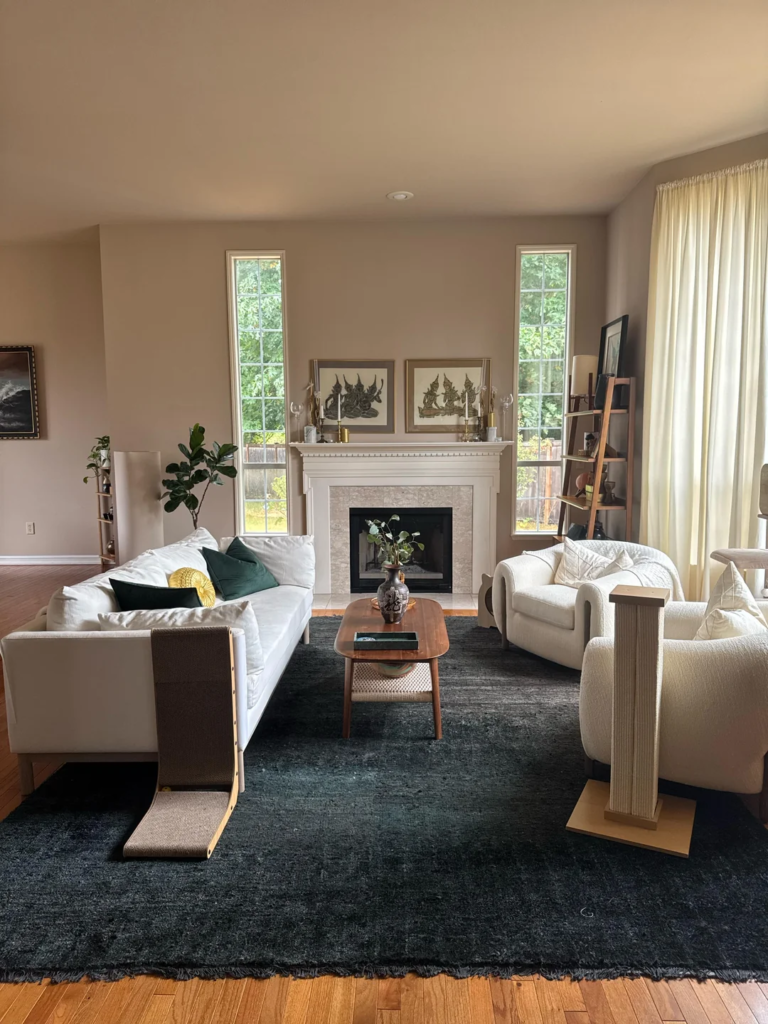
Books, when styled deliberately rather than stored randomly, are among the most beautiful objects in a neutral aesthetic home. Their spines, their stacked forms, their relationship with other objects on a shelf, all of these contribute visually as well as intellectually.
How to Style Them
Remove overly bright or garish covers from books displayed on open shelves, a plain cream or brown cover turned outward contributes to the palette. Stack books horizontally as well as standing them vertically for visual variety. Balance stacks of books with a small ceramic object, a candle, or a plant to create a shelf that looks curated rather than merely stored.
23. A Neutral Aesthetic Bathroom
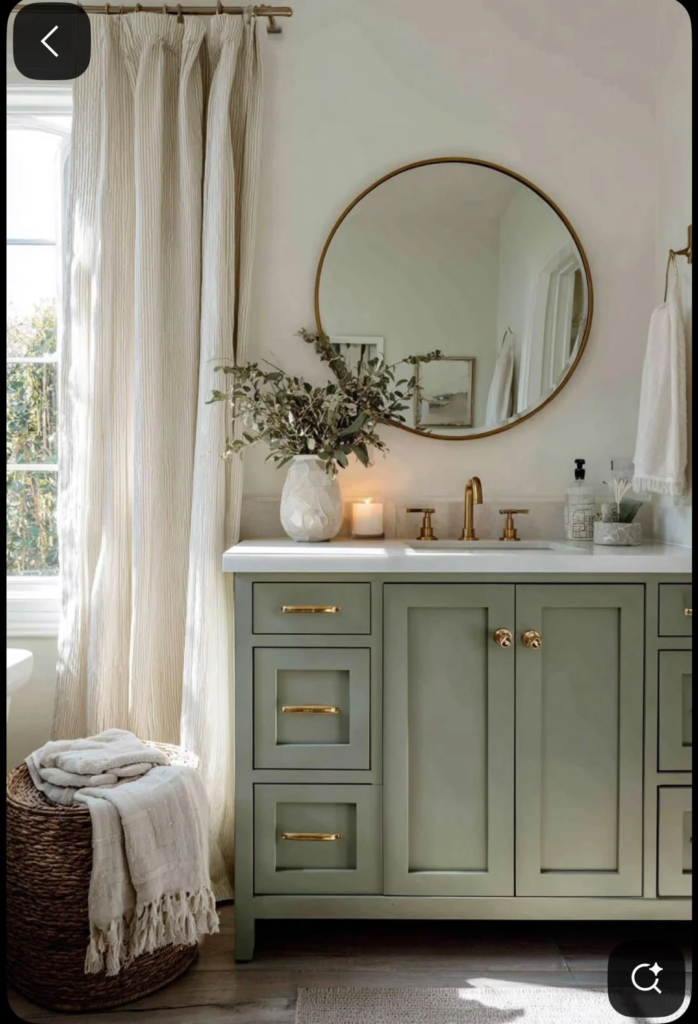
Why It Works
The bathroom is one of the easiest rooms to transform into a neutral aesthetic space because its existing fixtures, white porcelain, chrome fittings, already sit within the palette. The additions that complete the look are mostly small and affordable.
How to Create It
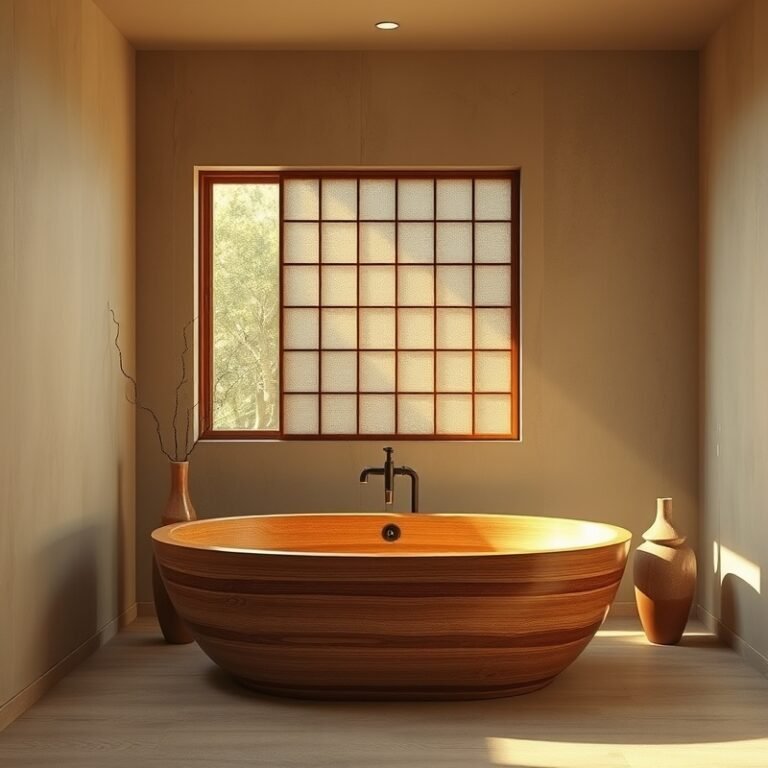
Replace mismatched plastic dispensers with matching ceramic or glass pump bottles in cream or white. Add a natural wood bath tray across the tub. Use white or cream towels folded and stacked on open shelving rather than random colors on towel hooks. A single plant in a matte ceramic pot, a stone soap dish, a simple white cotton bath mat. Each change is small; the collective effect is a bathroom that looks like a boutique hotel rather than a functional utility room.
24. The Styled Vignette: Three Objects, One Tray
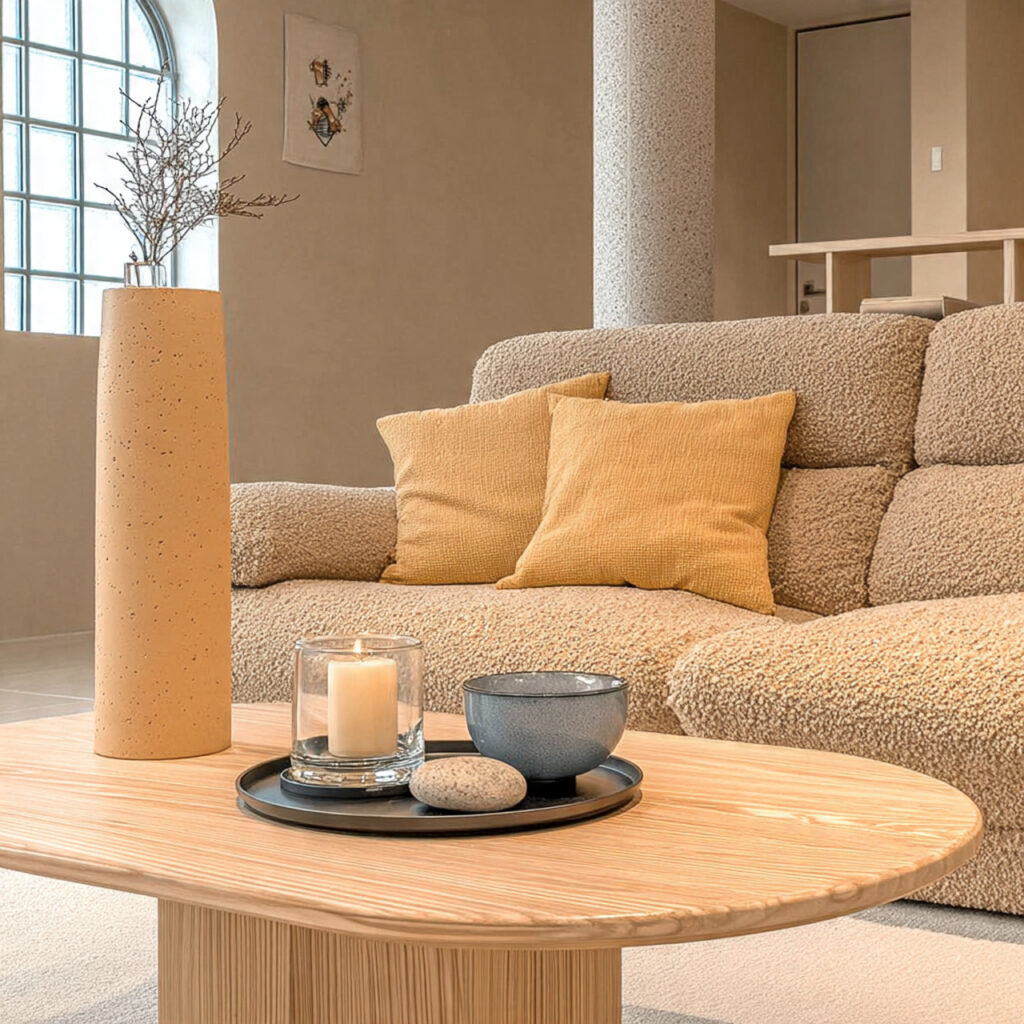
Why It Works
A vignette, a small, intentional grouping of objects that tells a visual story together, is the fundamental unit of neutral aesthetic home styling. On any surface in any room, a well-constructed vignette is what separates a space that looks styled from one that just looks clean.
How to Create One
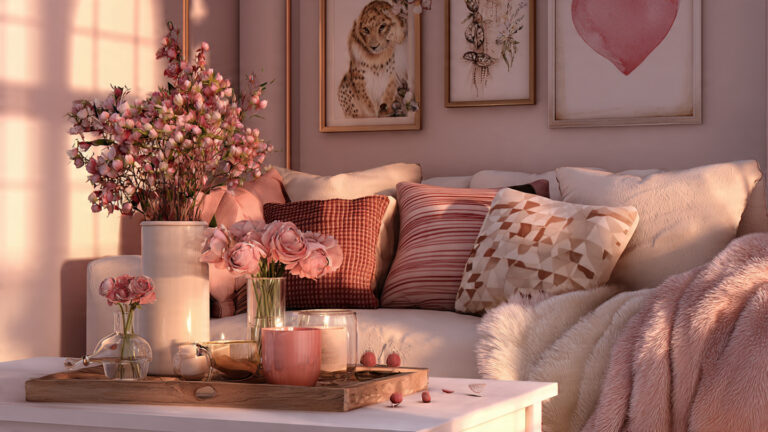
Choose one tray or natural surface as the base. Place three objects of different heights within it, a tall ceramic vase, a medium candle in a holder, and one small decorative object (a stone, a small bowl, a crystal). All three should belong to the neutral palette. The heights should vary. The tray contains them visually. That’s the complete formula, and it works on every surface in every room, every time.
25. Consistent Scent Throughout the Home
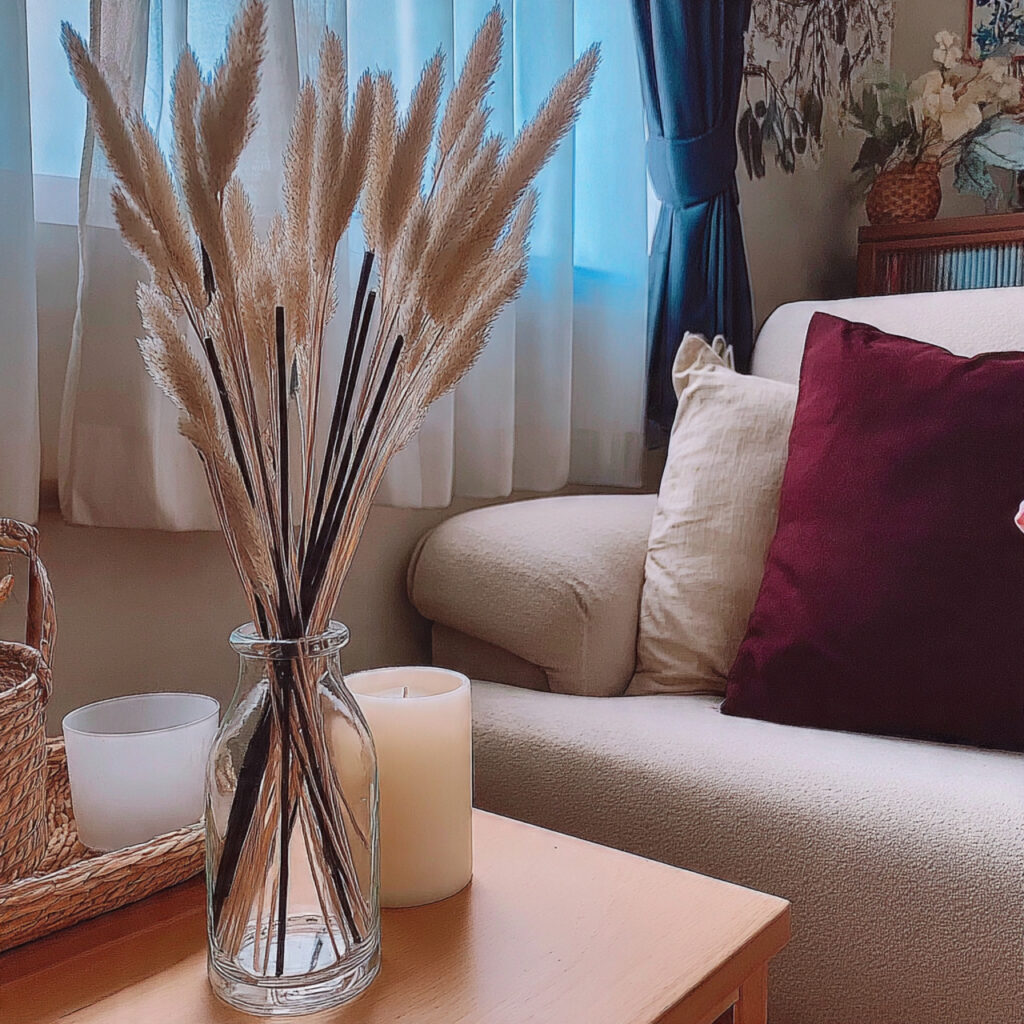
Why It Works
The neutral aesthetic is a complete sensory experience, not just a visual one. A home with beautiful neutral decor that smells like nothing, or worse, like a mix of competing scents from room to room, is missing the sensory layer that completes the atmosphere.
How to Create It
Choose one or two complementary scents and use them consistently throughout the home, the same reed diffuser scent in the living room and bedroom, a complementary candle scent in the bathroom. Warm, clean, natural scents, linen, sandalwood, cedar, beeswax, white tea, align most naturally with the neutral aesthetic. The goal is a home where the scent reinforces the visual calm rather than disrupting it.
Insider Tip
Layer scents subtly, a reed diffuser that operates continuously at a low level, plus a candle lit occasionally for a more intense but temporary scent experience. The layering creates depth without ever becoming overwhelming, which is exactly the neutral aesthetic’s approach to everything: considered, restrained, and genuinely beautiful.
The Home You’ve Always Wanted Was Always This Simple
Here’s what the neutral aesthetic comes down to: it’s the art of letting beautiful things breathe. Not crowding surfaces with objects that compete. Not filling walls with color that demands attention. Not buying more when less, chosen more carefully, does the work more beautifully.
A neutral aesthetic home doesn’t declare its personality loudly. It communicates it quietly, through the quality of its materials, the warmth of its tones, the thoughtfulness of its arrangement. It’s a home that says: I know who I am, and I don’t need to prove it.
You don’t need to overhaul everything at once. Start with the walls, or the sofa, or a tray of three beautiful objects on the coffee table. Let each change show you what the next one should be. Follow the warmth, the texture, the organic quality that the neutral aesthetic is always pointing toward.
Because the most beautiful homes aren’t the most decorated. They’re the most intentional and that’s something any home, at any budget, in any city, is completely capable of becoming.