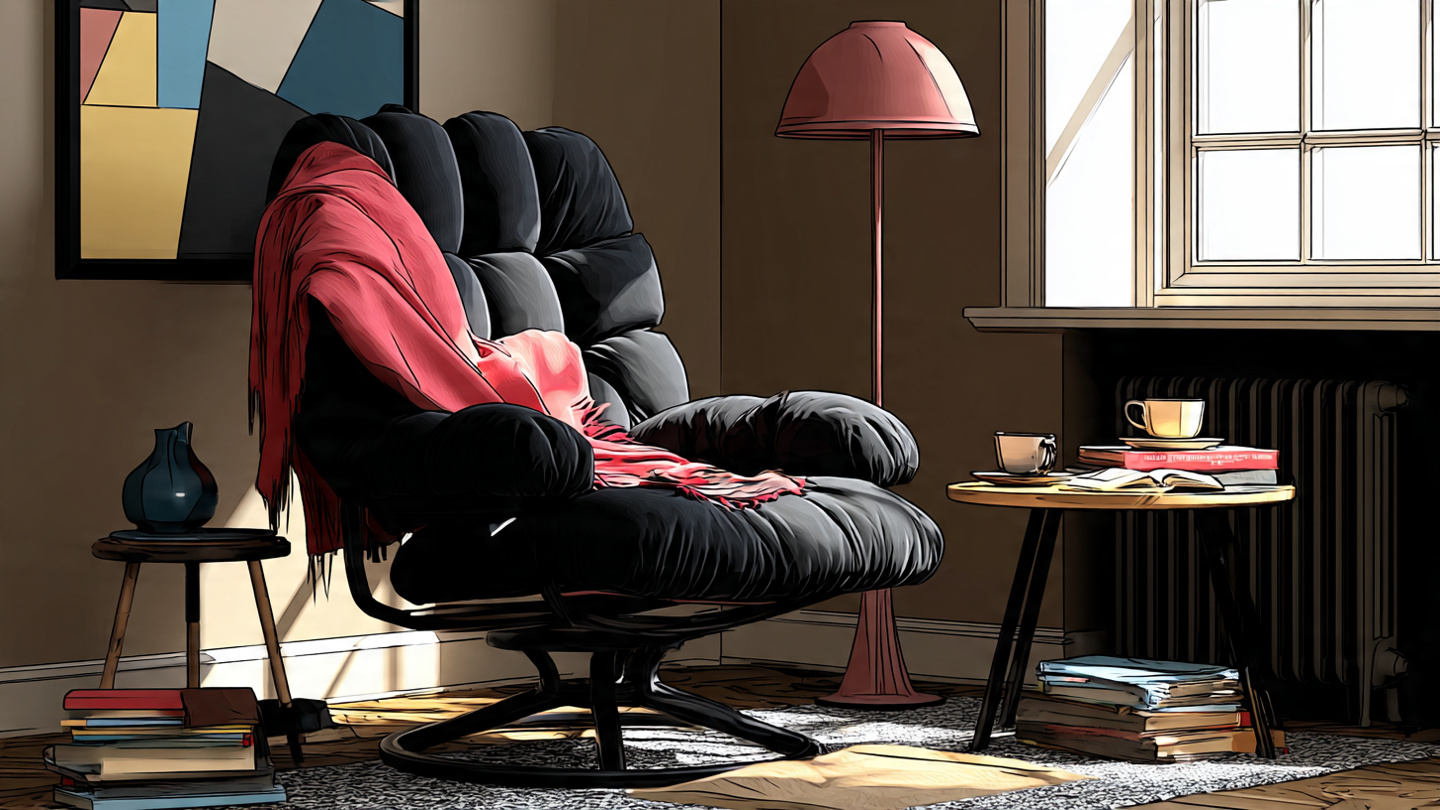
29 Cozy Reading Nook Ideas That Turn Any Corner Into a Relaxing Escape You’ll Never Want to Leave

You know that feeling when you finally sit down with a book and everything else just falls away? The noise of the day, the notifications, the to-do list, all of it dissolves the moment you tuck into a good chair, pull a soft blanket up around you, and let the story take over. That feeling is one of the best things a home can offer.
Now imagine having an entire corner of your home designed specifically to create that feeling, every single time.
A dedicated reading nook, even a small one, is one of the most transformative additions any home can have. It signals to your brain that this space is for rest and absorption, which makes it easier to actually relax the moment you sit in it. Psychologists who study restorative environments consistently confirm what readers already know intuitively: a clearly defined space for quiet, focused enjoyment improves the quality of the experience within it. And across the US, Canada, the UK, and Australia, reading nooks have become one of the most saved and sought-after home design ideas, appearing in everything from studio apartments to sprawling family homes.
You don’t need a bay window or a built-in alcove to create one. You need intention, a few well-chosen elements, and the 29 ideas ahead. Let’s build your escape.
Why a Reading Nook Changes Everything
The Psychology of a Defined Space
There’s a reason hotels and coffee shops with tucked-away corners always fill up first. Humans instinctively feel safer, calmer, and more focused in spaces that have some sense of enclosure, a corner, a partial wall, a ceiling that feels lower, a seat with a back. This is why a sofa pushed into a corner of a room already feels cozier than the same sofa in the middle of it.
A reading nook works with this instinct deliberately. It creates a small, defined, personally meaningful territory within a larger home, a place that belongs to you and to the particular pleasure of reading. When you sit there, your brain learns what’s expected of it, and it becomes progressively easier to drop into the focused, relaxed state that good reading requires.
Also Read: https://myhavenvibes.com/neutral-aesthetic-home-decor/
What Every Good Reading Nook Needs
Before specific ideas, here are the four fundamentals every reading nook needs to function beautifully: comfortable seating that supports your posture for extended reading, good reading light positioned correctly, a way to keep your books nearby, and enough physical comfort, warmth, softness, the right temperature, to stay put for an hour. Every idea ahead addresses one or more of these fundamentals.
Seating Ideas for the Perfect Reading Nook
The seat is the heart of the reading nook. These ideas cover every style, space, and budget.
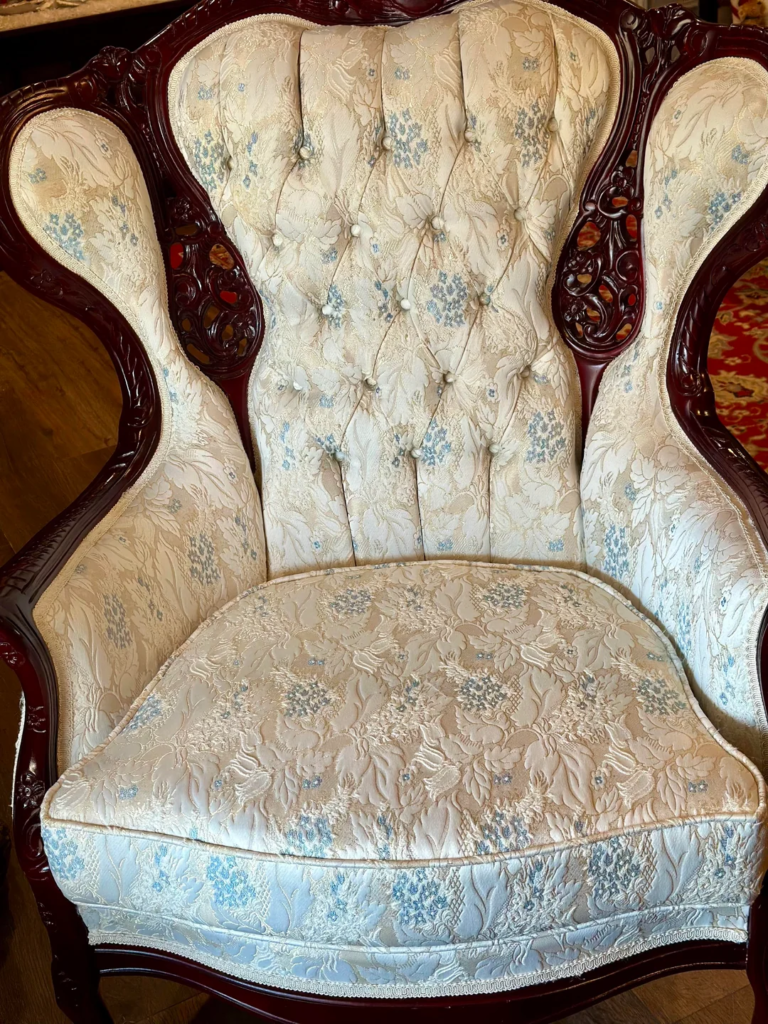
1. A Deep Armchair With Wide Arms
Why It Works
A deep, wide armchair is the most classic and most universally loved reading nook seat. The width allows you to sit sideways with legs draped over one arm, the unofficial universal reading position, while the depth supports your back without feeling confining. The arm provides a natural resting place for a mug, a book, or a forearm.
How to Choose One
Look for armchairs with seat depths of at least 24 inches and generous arms wide and flat enough to hold a mug without tipping. Upholstery in warm neutral tones, cream linen, warm grey bouclé, natural cotton, suits most reading nook aesthetics. A swivel base adds versatility; a fixed base feels more anchored and permanent.
Common Mistake
Choosing a chair that looks beautiful but sits too upright for comfortable reading. A reading chair needs a slightly reclined back angle, between 100 and 110 degrees from the seat, and enough depth to support the full length of the thigh. Too upright and you’ll find yourself migrating to the sofa within twenty minutes.
Read More: https://myhavenvibes.com/soft-spring-color-palette-home/
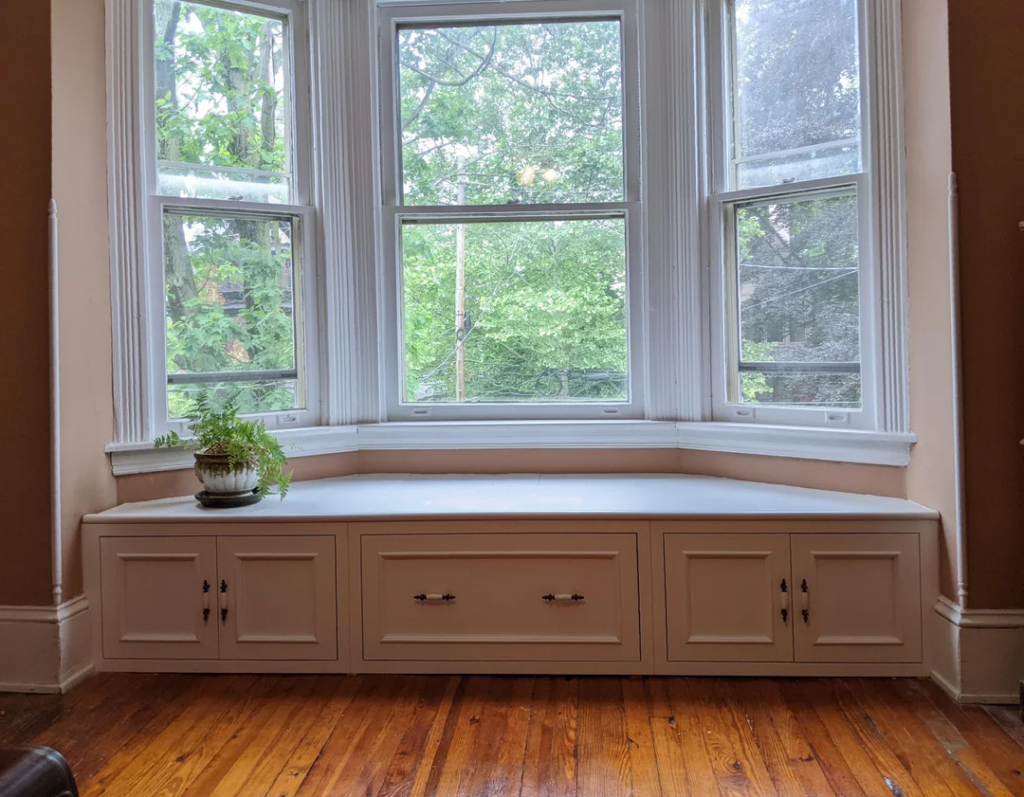
2. A Window Seat With Cushions
Why It Works
A window seat is the most romantic and most coveted reading nook configuration, the combination of daylight from above, the view beyond the glass, and the tucked-away alcove quality of a seat built into the window creates an experience that no freestanding chair fully replicates.
How to Create One
In a bay window or deep window recess, a simple platform built to seat height with a custom or fitted cushion on top creates a window seat at relatively low cost. For renters, a large floor cushion or bench cushion positioned directly in front of the window achieves a similar aesthetic without any construction.
Insider Tip
A window seat with storage beneath, accessible via a lift-top lid or pull-out drawers, solves both the reading nook seating and book storage problems simultaneously. Books store below, you sit above, and the entire unit takes up a space that was previously just floor in front of a window.
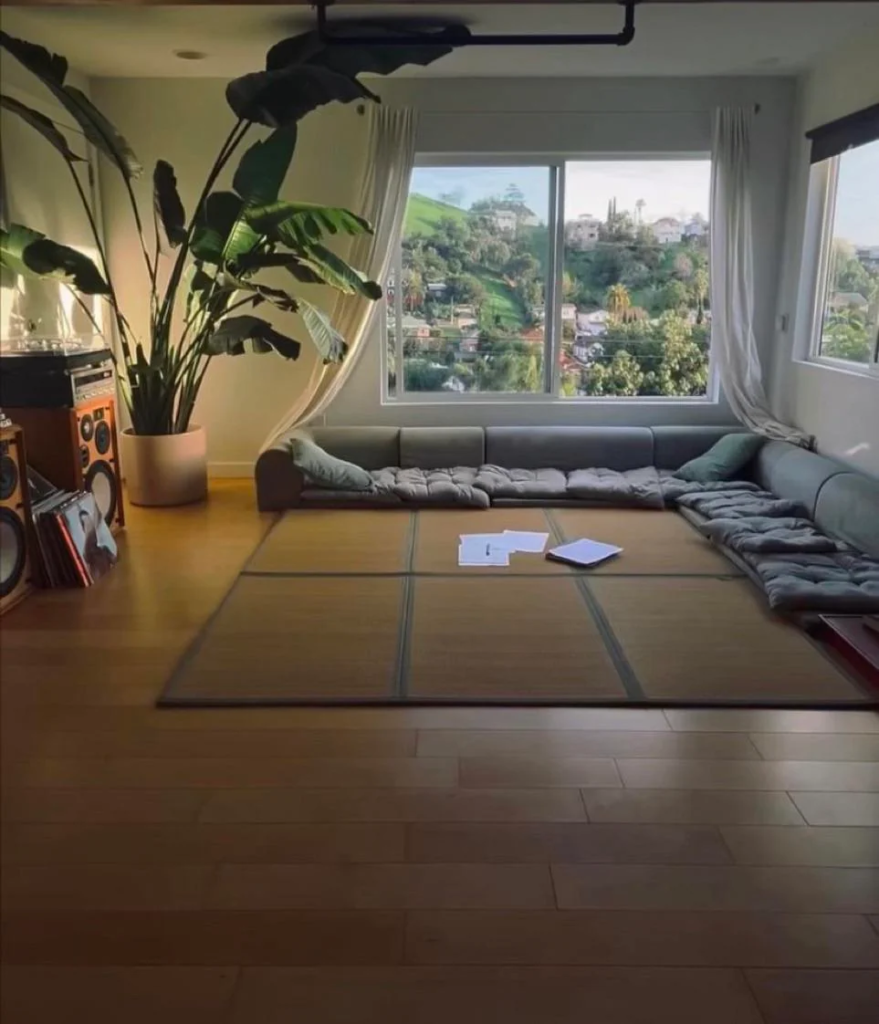
3. A Floor-Level Cushion Setup
Why It Works
Not every reading nook needs a chair. A floor-level setup, large cushions, a bolster, a low platform with cushions, creates a casual, relaxed reading space that feels particularly cozy in small corners and works beautifully for people who naturally prefer reading horizontally.
How to Create One
Stack two or three large floor cushions against a corner wall. Add a bolster cushion for lumbar support. Layer a soft rug underneath for warmth and to define the space. Position a small side table or a low stool beside the arrangement for a mug and a lamp. The low, layered quality of this setup has a particularly inviting, nest-like warmth.
4. A Hanging Chair or Swing Seat
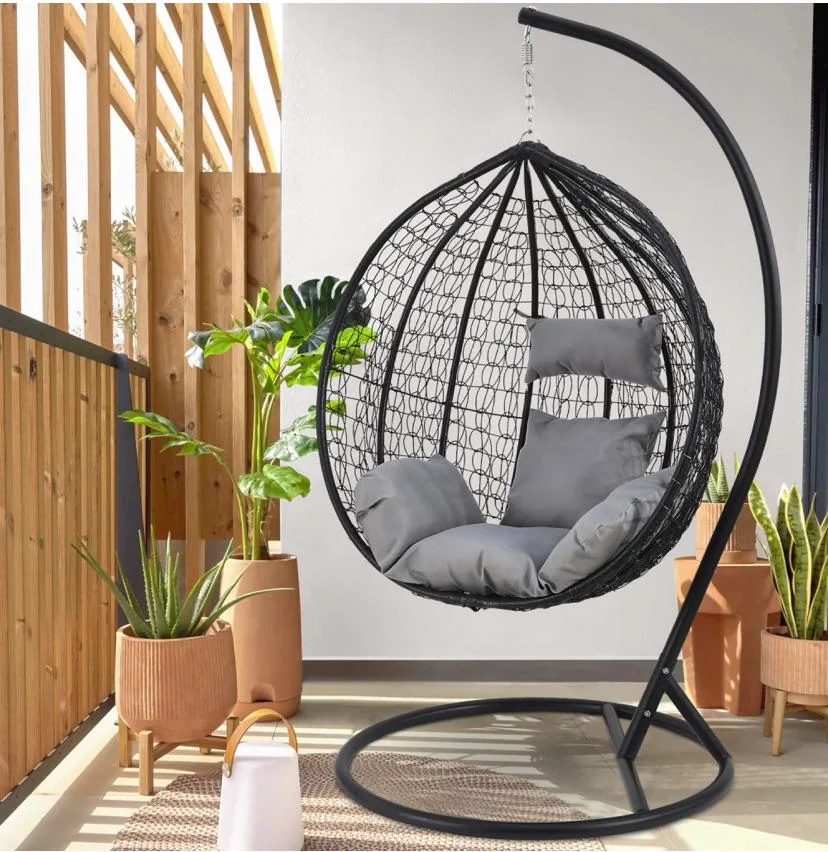
Why It Works
A hanging chair, suspended from a ceiling hook or a freestanding frame, adds gentle movement to the reading experience that most people find deeply relaxing. The slight sway creates the same calming effect as rocking, which is neurologically associated with rest and reduced anxiety.
How to Install One
Ceiling-mounted hanging chairs require a ceiling joist or beam strong enough to bear the combined weight of the chair and its occupant, a structural engineer or builder can confirm suitability quickly and inexpensively. Freestanding hanging chair frames require no installation and provide the same movement effect. Choose a chair with a generously sized, deeply cushioned seat for comfortable extended reading.
Common Mistake
Choosing a hanging chair purely for aesthetics without testing its comfort for actual reading. Many beautiful hanging chairs are too small or too upright for comfortable extended use. Sit in it for at least ten minutes before purchasing if possible, or choose a brand with a good return policy.
5. A Loveseat or Small Sofa in a Corner
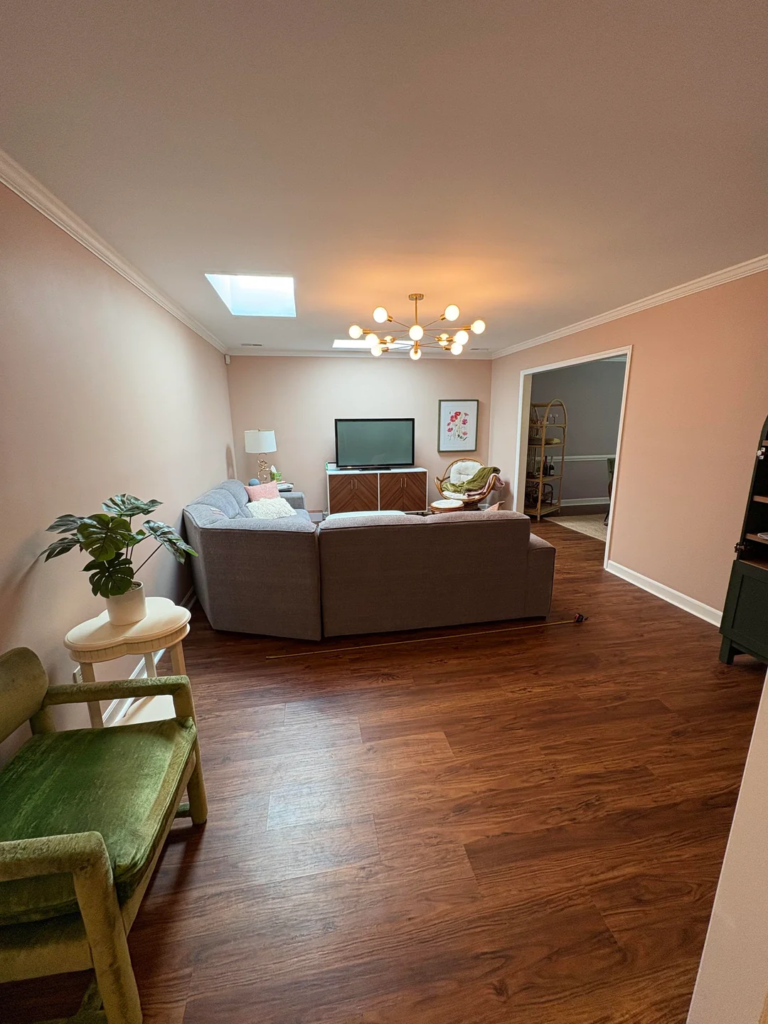
Why It Works
A two-seat loveseat or small sofa positioned in a corner, particularly with a side table, a lamp, and a small bookshelf nearby, creates a reading nook that can accommodate solo reading and shared reading in the same space. For couples or parents who read with children, a loveseat nook is the most versatile and family-friendly option.
How to Position It
Push the loveseat into the corner at a 45-degree angle to create maximum enclosure. Add a floor lamp behind one end, a side table at the other, and a small rug that extends in front of it. The angled position creates more of a tucked-away alcove quality than a loveseat positioned straight against a single wall.
6. A Built-In Banquette With Bookshelves
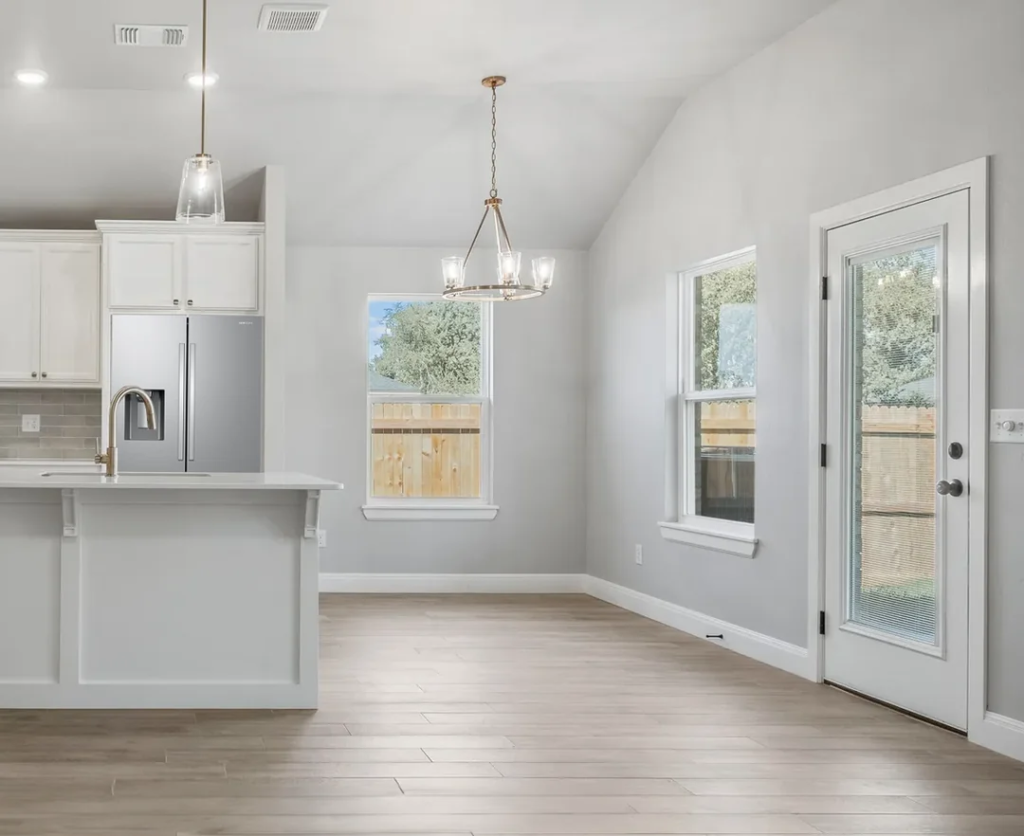
Why It Works
A built-in banquette, a bench seat with a cushion, built directly into a corner or alcove, with bookshelves incorporated above or beside it is the most complete and most architecturally satisfying reading nook solution. Everything is contained, everything is purposeful, and the built-in quality gives the nook a permanence and a presence that freestanding furniture cannot match.
How to Create One
Built-in banquettes can be DIY-ed relatively simply using basic cabinet-making techniques, a platform box with a hinged top for storage, painted or stained to suit the room, with a custom cushion on top. Bookshelves above can be wall-mounted rather than truly built-in to avoid any structural complexity. The combination is one of the most photographed and most loved of all reading nook configurations.
The seating is where the nook lives, but the lighting is where it truly comes alive. Keep reading, the light ideas ahead transform a comfortable seat into a genuine sanctuary.
Lighting Ideas That Make Reading a Pleasure
Bad light ruins reading. These ideas get it exactly right.
7. An Adjustable Arc Floor Lamp
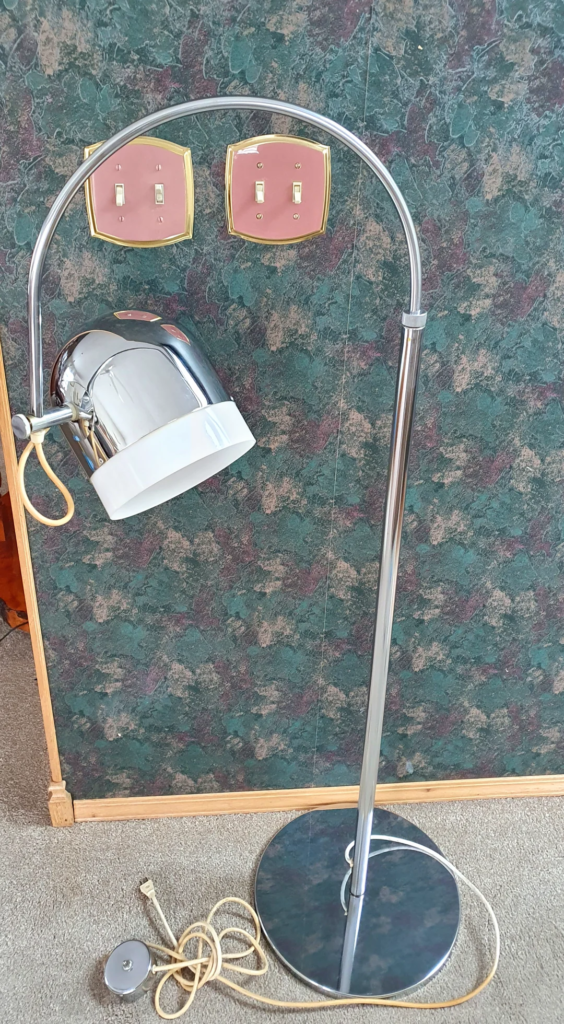
Why It Works
An arc floor lamp positioned to arc over the reading chair from behind, casting light down onto the book from above and slightly in front, provides the most natural and most comfortable reading light available without requiring any wall installation. The adjustability means the light can be positioned precisely for each reader’s height and preferred posture.
How to Choose One
Look for arc lamps with a shade that directs light downward rather than dispersing it in all directions, a downward-facing shade concentrates light exactly where it’s needed and creates the warm, focused pool of light that defines a truly cozy reading nook. A warm bulb (2700K) is essential; cool or bright bulbs are harsher on the eyes during extended reading.
Common Mistake
Positioning the floor lamp in front of the chair rather than behind it. Light from in front creates glare on the page. Light from behind and above, the same position as overhead reading light in a library, is the most natural and most comfortable angle for reading.
8. A Wall-Mounted Swing-Arm Reading Light
Why It Works
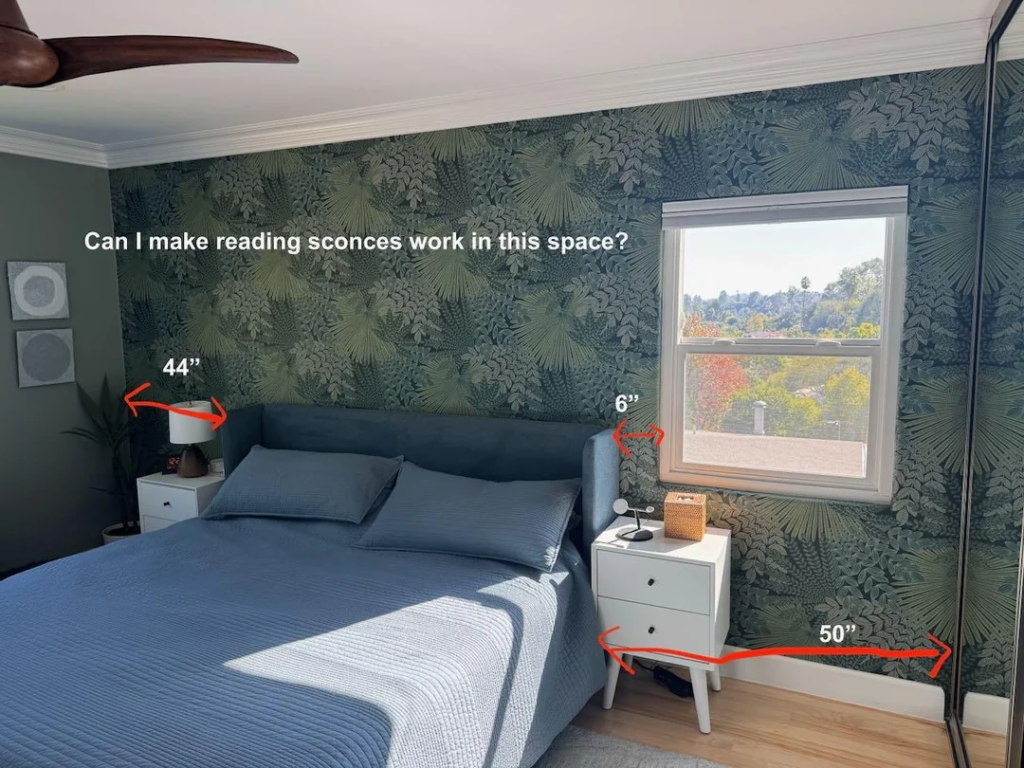
A wall-mounted swing-arm lamp, mounted beside or above the reading chair, with an articulating arm that can be positioned precisely, provides the most space-efficient and most adjustable reading light solution. It frees the floor around the chair entirely and allows the light to be positioned from any angle.
How to Install One
Most swing-arm wall lamps require only two screws into a wall stud and a connection to an existing electrical outlet (via a cord that runs down the wall and can be concealed in a cable channel) or direct hardwiring for a cleaner finish. Choose a style that suits the nook’s aesthetic, brass for warm and traditional, matte black for modern minimal, brushed nickel for contemporary neutral.
9. String Lights for Ambient Atmosphere
Why It Works
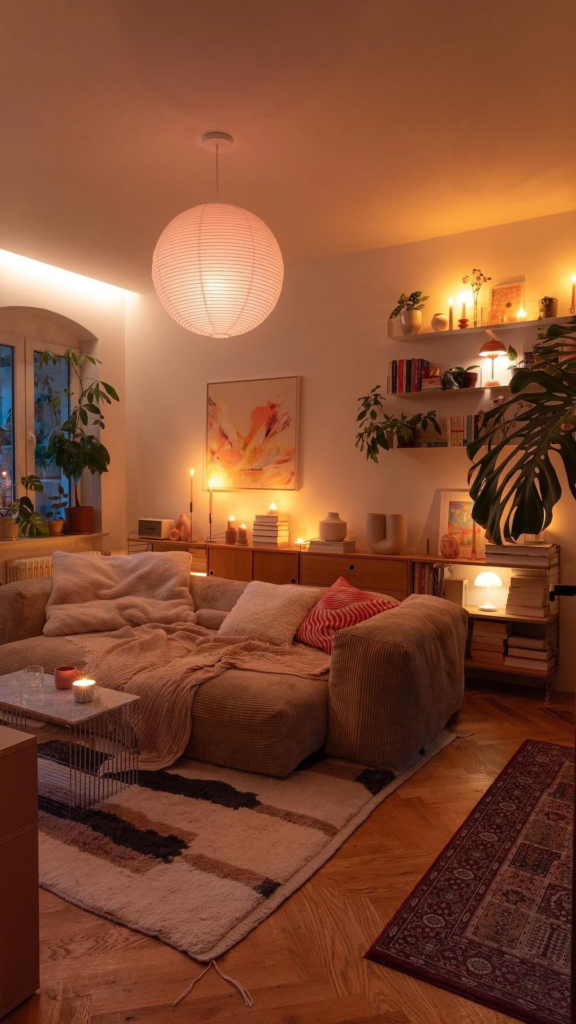
String lights draped above or around a reading nook create an ambient warmth that transforms the space from merely comfortable to genuinely magical. They’re not bright enough to read by, but layered with a proper reading light, they create the enclosure and atmosphere that makes the nook feel like a separate world.
How to Use Them
Drape warm white string lights along the edge of a ceiling above the nook, or along the wall behind the chair, or woven through a canopy above the seat. Battery-operated string lights eliminate the need for nearby outlets. The warm amber quality of filament-style bulb strings is more beautiful and more aligned with the cozy reading nook aesthetic than cool white string lights.
10. A Table Lamp on a Side Table
Why It Works
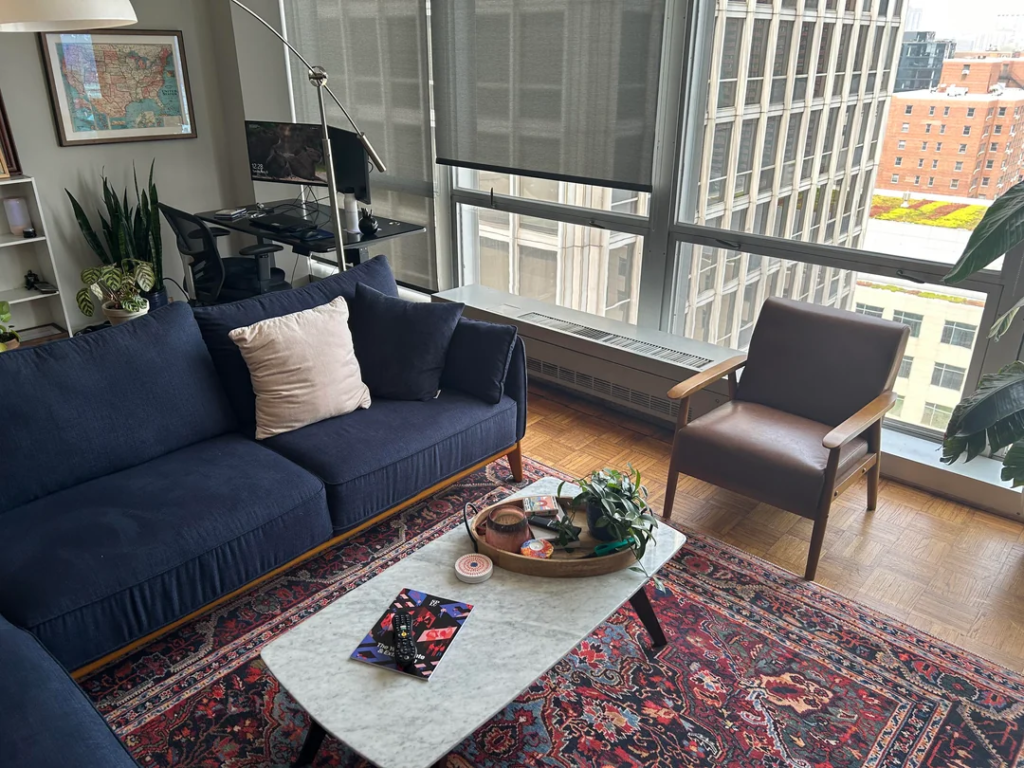
A table lamp on a side table beside the reading chair serves dual purpose: it provides warm ambient light that contributes to the nook’s cozy atmosphere, and at close range, it can supplement or serve as the primary reading light for seated reading in the right position.
How to Position It
The lamp base should sit at roughly the same height as the reader’s shoulder when seated, this means the shade and bulb position above shoulder height, casting light at the correct downward angle onto reading material. A lampshade that directs light rather than dispersing it equally in all directions gives the most useful reading light.
11. A Candle or Candle Grouping for Evening Atmosphere
Why It Works
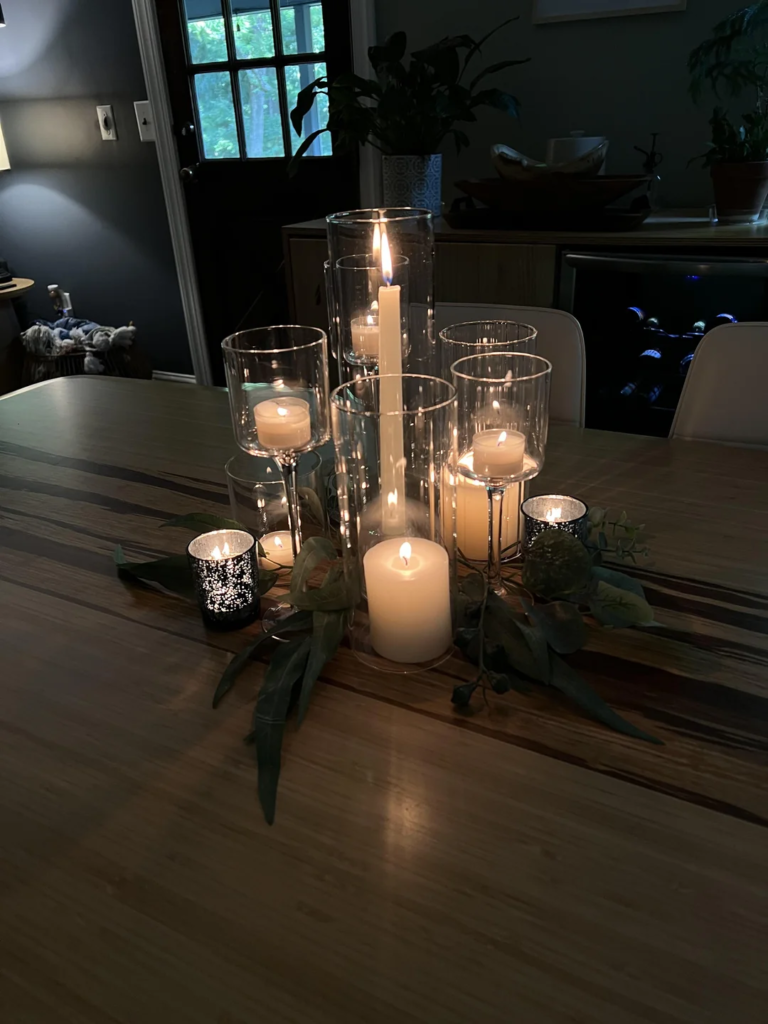
Candles aren’t reading lights, they provide far too little illumination for that, but as atmospheric additions to a reading nook in the evening, they contribute the warm, flickering quality that makes the space feel genuinely intimate and removed from the rest of the world.
How to Use Them
A cluster of candles in varying heights on a small tray beside the reading chair, or a single pillar candle in a beautiful holder on the side table, adds warmth and scent to the reading experience simultaneously. Choose scents that complement rather than overwhelm, soft wood, beeswax, warm linen, vanilla, and enjoy the ritual of lighting them as part of the transition into reading time.
This is a great moment to save your favorite ideas from this section, the book storage and comfort layer ideas ahead are some of the most satisfying and practical in this entire guide.
Book Storage Ideas That Keep Reads Within Reach
A reading nook without books nearby isn’t quite complete. These ideas solve storage beautifully.
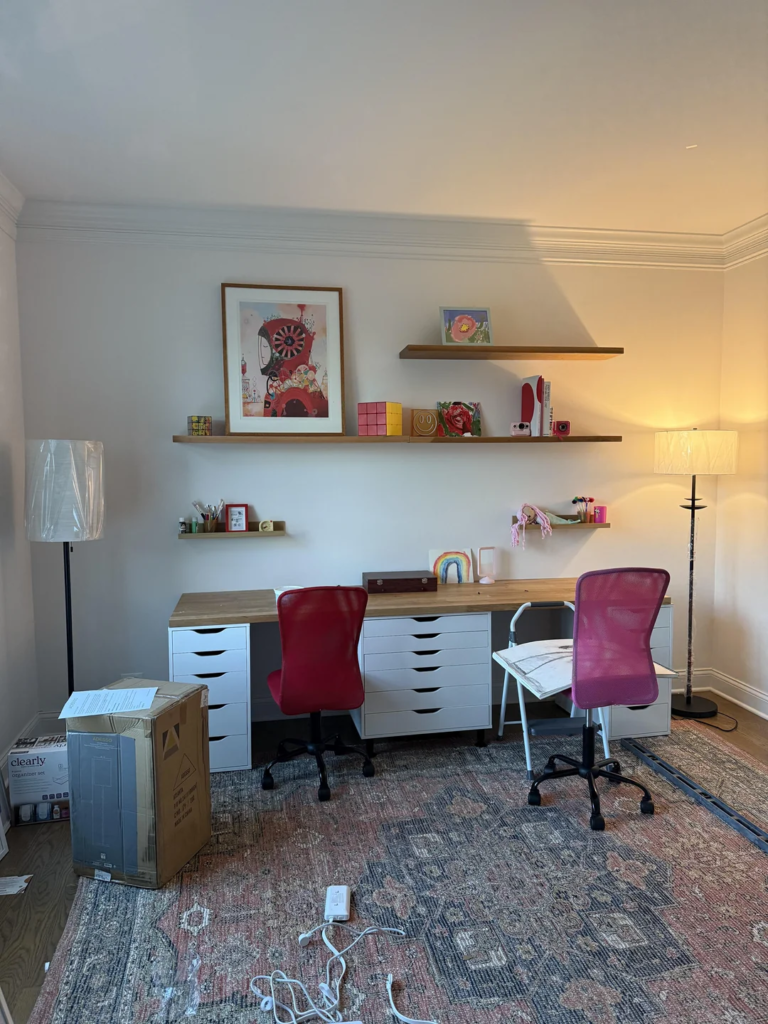
12. Floating Shelves Directly Above the Seat
Why It Works
Floating shelves mounted on the wall directly above or beside the reading seat create an intimate library within the nook, books within arm’s reach, always visible, always accessible. The vertical proximity of shelves to the seat creates the enclosed, surrounded-by-books quality that is the defining feature of the most beautiful reading nooks.
How to Style Them
Don’t fill every shelf completely. Leave some breathing room between books. Add one or two small objects per shelf, a small plant, a candle, a ceramic object, for visual interest. Organize books by color or height for the most visually beautiful result, or by genre or author for the most practically useful one.
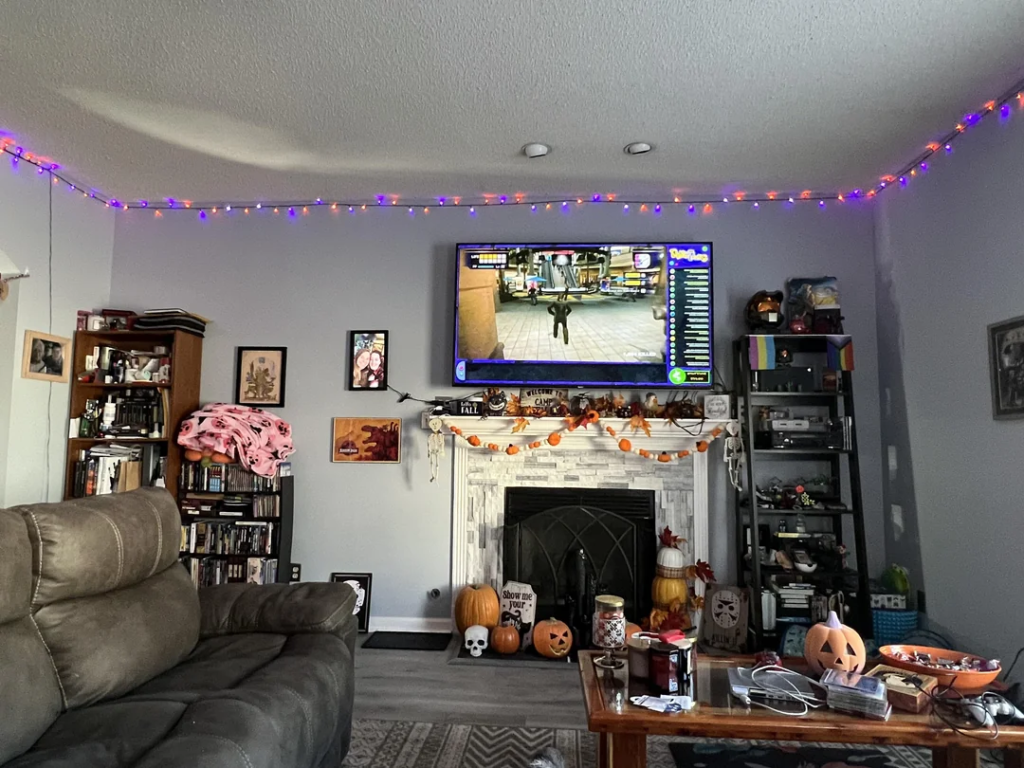
13. A Floor-to-Ceiling Bookshelf Wall
Why It Works
A full bookshelf wall flanking or framing the reading nook creates the most complete and most dramatic reading environment possible. Being surrounded by books on three sides creates an enclosure that feels genuinely library-like, intimate, focused, and absolutely purpose-built for reading.
How to Create It
Wall-mounted shelving systems, adjustable track shelving available from most home improvement stores, can cover an entire wall from floor to ceiling in a single weekend installation. Fill the shelves with books and a mix of decorative objects. Position the reading chair directly in front of or within the shelf wall’s embrace.
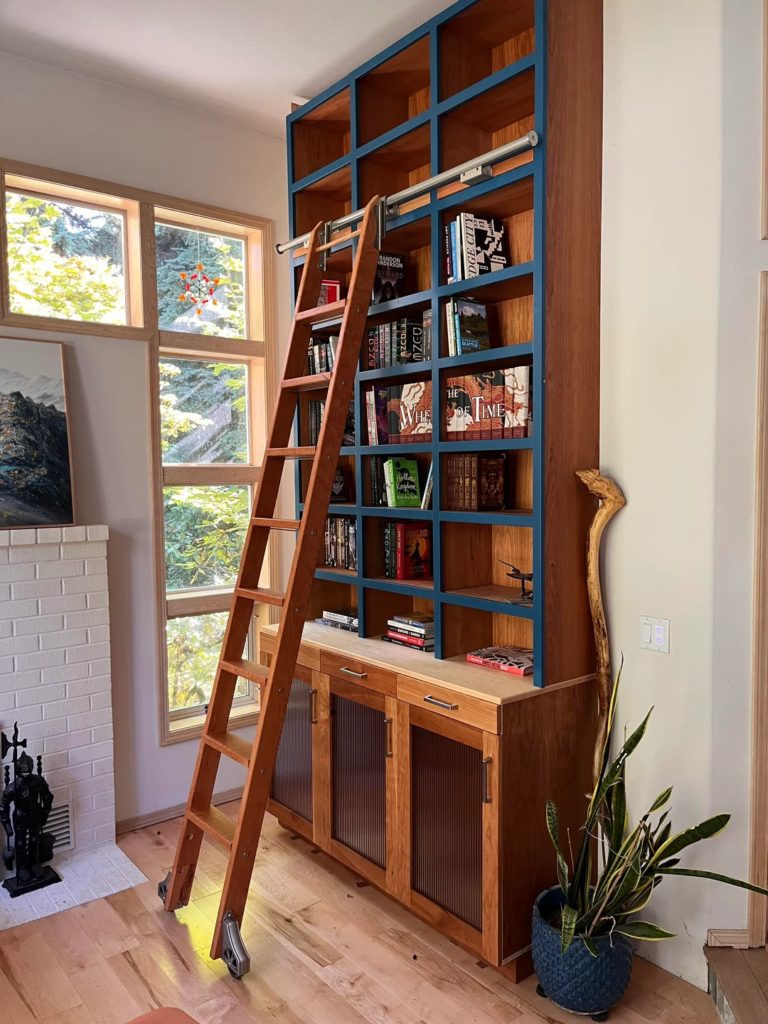
14. A Ladder Shelf Beside the Chair
Why It Works
A slim ladder shelf leaned against the wall beside the reading chair provides casual, flexible book storage that requires no installation and can hold a rotating selection of current reads alongside a few decorative objects. Its leaned quality gives it a casual, relaxed presence that suits the cozy reading nook aesthetic perfectly.
How to Style It
Keep the ladder shelf curated rather than crowded. A few books on each rung, a small plant at the top, a candle on the middle rung. The ladder shouldn’t try to store your whole library, it holds your current reads and your most-loved objects, within reach of the chair.
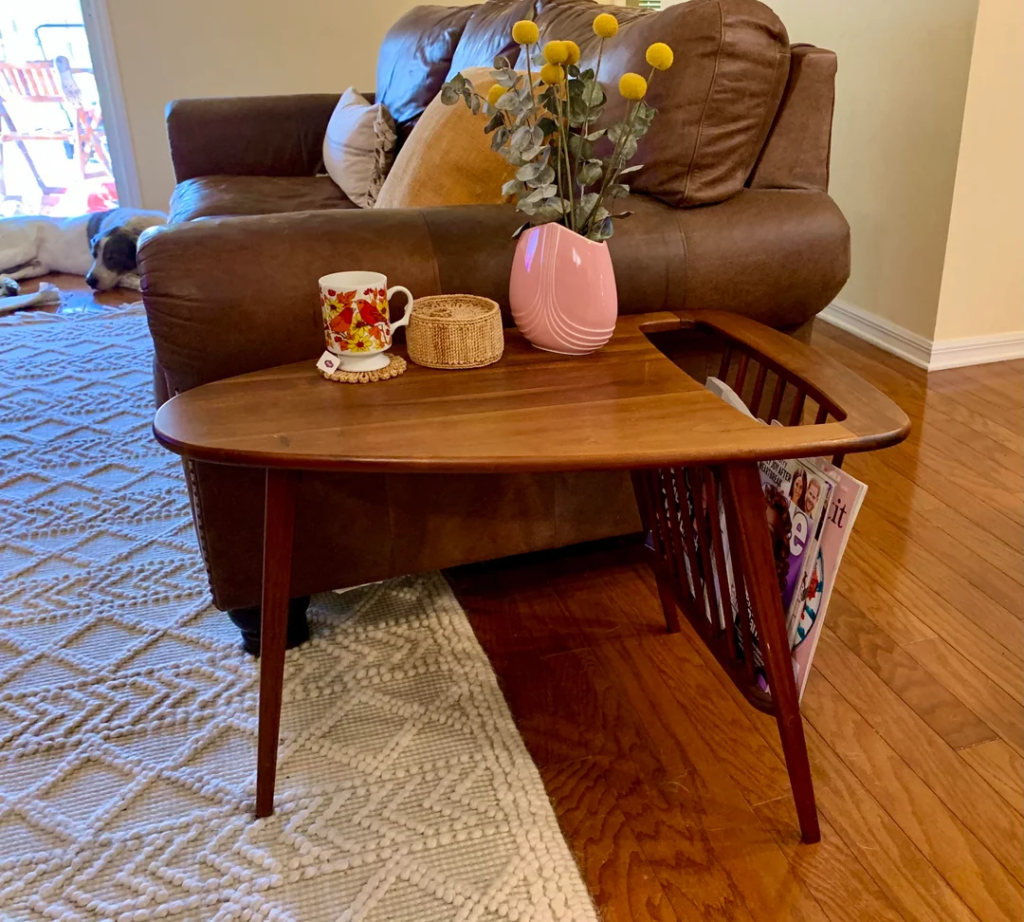
15. A Small Side Table With a Magazine Rack
Why It Works
A side table with an attached or nearby magazine rack keeps current reading material organized and accessible while providing a surface for the essential reading accompaniments, a mug, a reading light, and a pair of glasses. The combination is the most functional and compact reading nook support unit available.
How to Choose One
Look for side tables at a height that allows items to be reached comfortably without leaning forward, approximately arm height when seated, typically 22-26 inches from the floor. A table with a small lower shelf or an integrated magazine rack maximizes the function of the footprint.
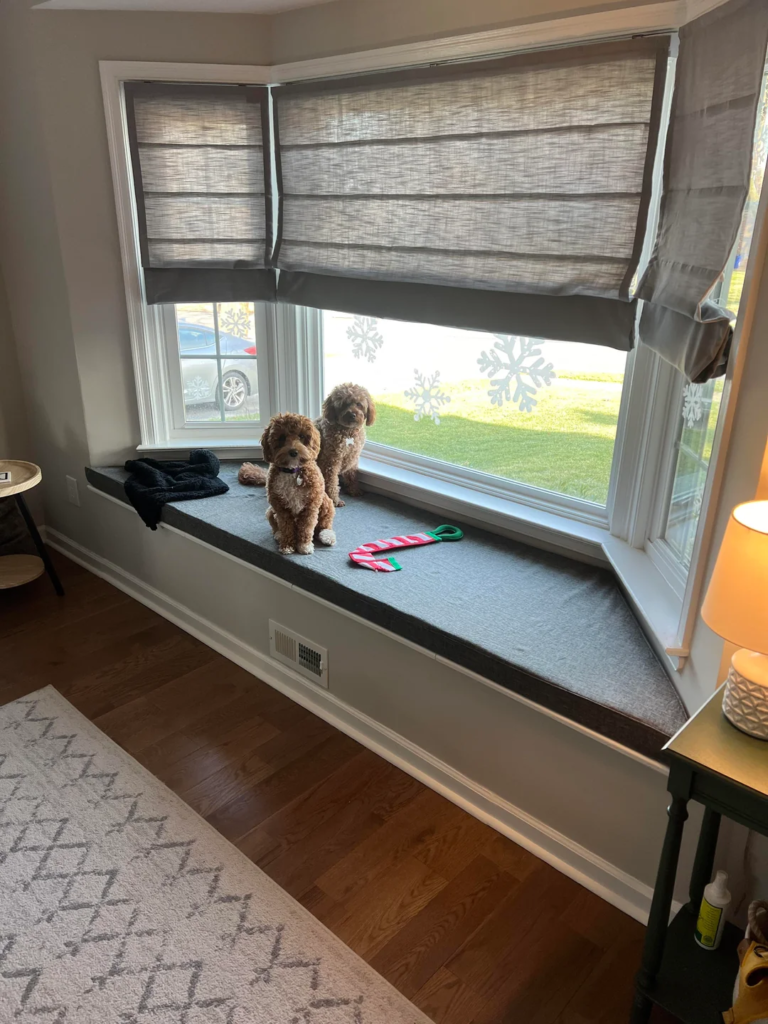
16. Built-In Shelves With a Window Seat Below
Why It Works
When bookshelves are built on both sides of a window with a seat below, the reading nook becomes an architectural feature, a complete, self-contained library bay that looks like it was always part of the house. Books on both sides, light from above, a cushioned seat below, it’s the most complete reading nook configuration possible.
How to Approach It
This is the most involved reading nook creation on this list, it requires either carpentry skills or a builder. But for a dedicated reader who intends to stay in a home for years, a built-in window seat with flanking bookshelves is one of the most meaningful and most value-adding home improvements available. The investment is in quality of life, measured in thousands of pleasant reading hours over decades.
The Comfort Layer: Making the Nook Irresistible
Storage and seating and light are the structure. Comfort is the soul. These ideas make the reading nook impossible to leave.
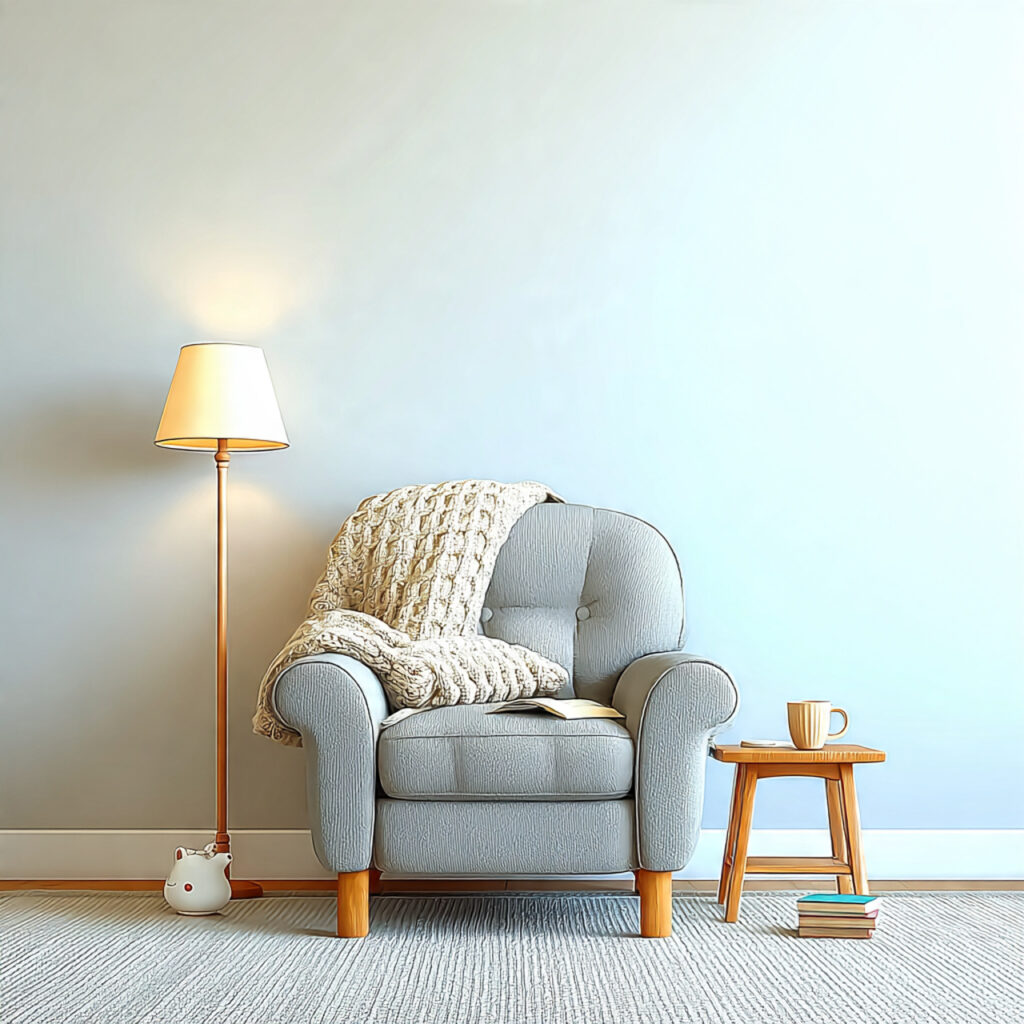
17. A Weighted or Chunky Knit Throw
Why It Works
A throw blanket is the most essential comfort element of any reading nook, it transforms good seating into great seating and extends the usability of the nook across seasons and temperatures. A chunky knit throw in a warm neutral tone is both beautiful to look at and deeply comforting to use.
How to Choose One
Natural fiber throws, wool, cotton, cashmere-blend, feel more luxurious and maintain temperature more effectively than synthetic alternatives. A throw that’s large enough to cover from shoulders to feet when tucked in the chair is the minimum useful size. Weight matters: a throw with some substance drapes better and feels more enveloping than a thin, lightweight alternative.
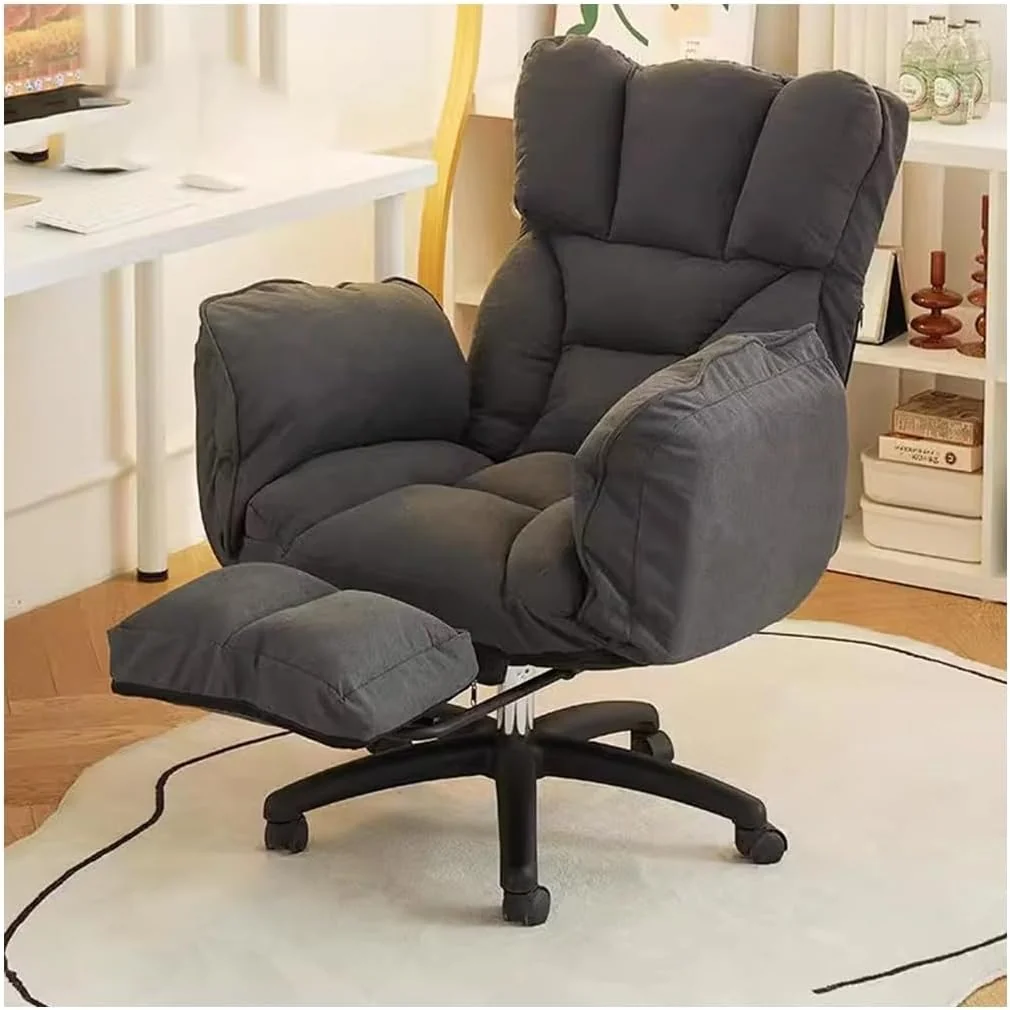
18. Layered Cushions for Every Comfort Scenario
Why It Works
Reading requires different body positions, upright, sideways, reclined, and different positions need different cushion support. A reading nook with layered cushions in different sizes and firmnesses supports every reading posture rather than just one.
How to Choose Them
Include at least one firm lumbar cushion for back support when sitting upright, one large softer cushion for tucking behind the back when reading sideways, and one flat cushion for resting an arm. The aesthetic grouping, varied sizes in tonal neutral fabrics, is also visually one of the most beautiful cushion arrangements in any chair.
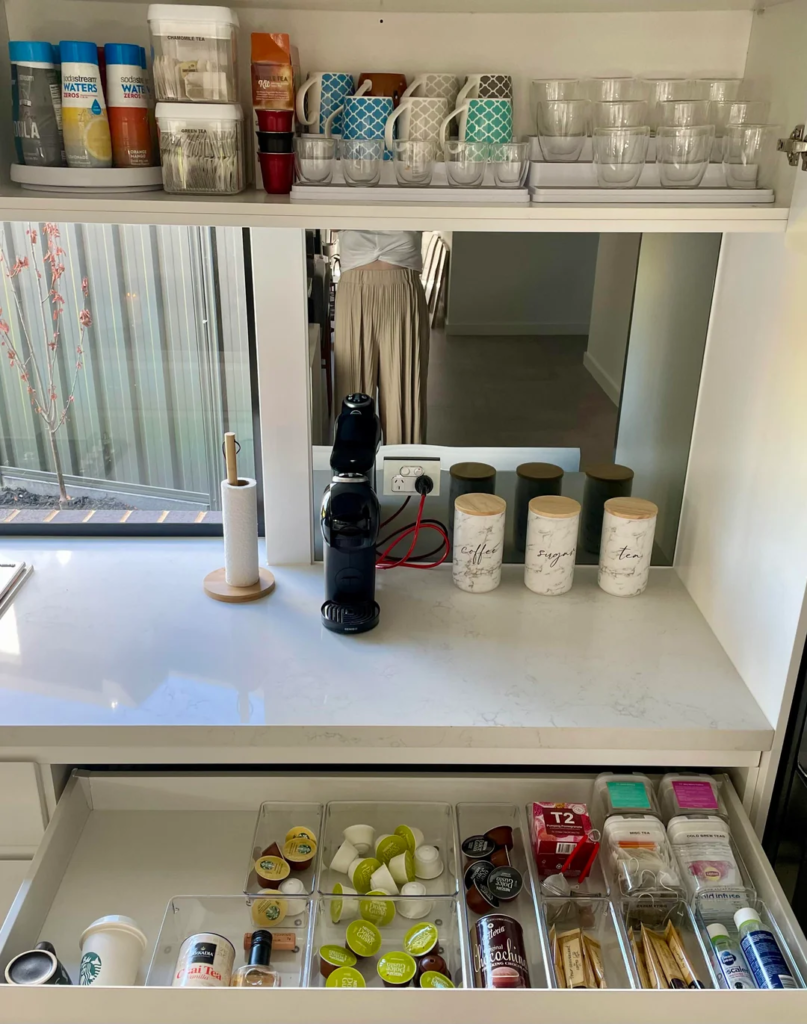
19. A Hot Drink Station Within Reach
Why It Works
Reading and a warm drink are one of the most universally beloved combinations in human leisure. A small tray on the side table with a coaster, a candle, and space for a mug, or in the most dedicated reading nooks, a small kettle and a selection of teas on a nearby shelf, elevates the reading experience from pleasant to genuinely restorative.
How to Create It
A tray beside the reading chair holds a mug, coaster, and a small candle. For a more complete setup, a small floating shelf at arm height beside the chair can hold a small French press, a selection of teas, or a thermos for extended reading sessions. The ritual of making a drink and settling into the nook is part of the pleasure.
20. A Soft Rug That Defines the Nook Space
Why It Works
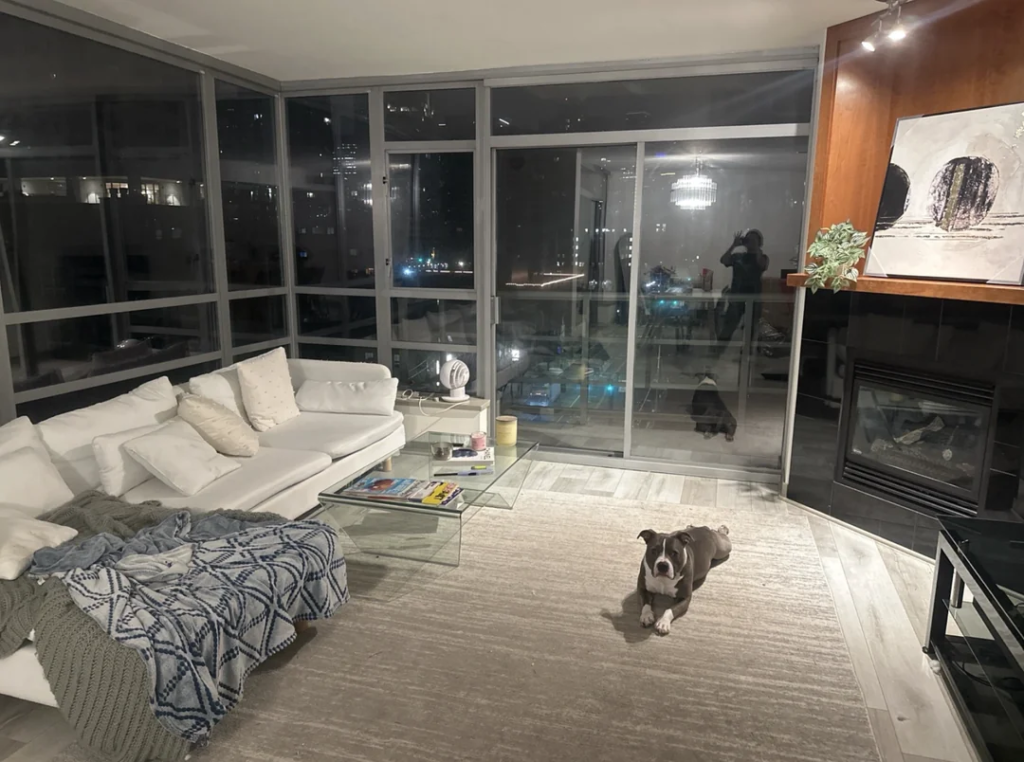
A rug placed under and around the reading chair does multiple things simultaneously: it defines the nook as a distinct space within the larger room, it adds warmth and acoustic softness, and it provides comfortable footing when entering and leaving the seat.
How to Choose One
A round rug works beautifully under an armchair, it centers the chair visually and creates a defined circular reading zone. A rectangular rug extending in front of the chair and beneath a side table grounds the arrangement. Either approach in a warm, soft material, high-pile wool, soft cotton shag, natural fiber, adds the tactile comfort layer that makes the nook genuinely inviting.
21. A Small Plant or Fresh Botanicals
Why It Works
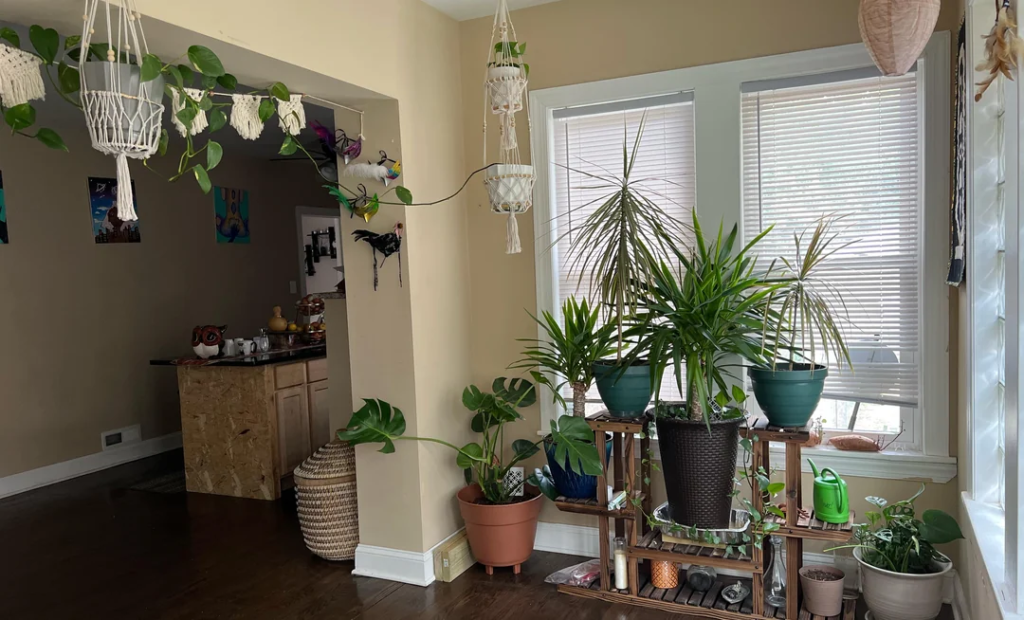
A plant in the reading nook adds the one quality that most other elements can’t provide: living, growing presence. A small plant on the side table, a trailing plant on the shelf above the chair, or a fresh bunch of flowers nearby adds organic warmth and gentle beauty that makes the space feel genuinely alive.
How to Choose One
For nooks with good natural light, near a window, a small pothos, a trailing string of pearls, or a compact peace lily all thrive. For darker corners, a snake plant or a ZZ plant handles lower light conditions well and still adds the botanical presence the nook benefits from.
Making It Personal: The Ideas That Make the Nook Yours
22. A Canopy or Curtain to Create Enclosure
Why It Works
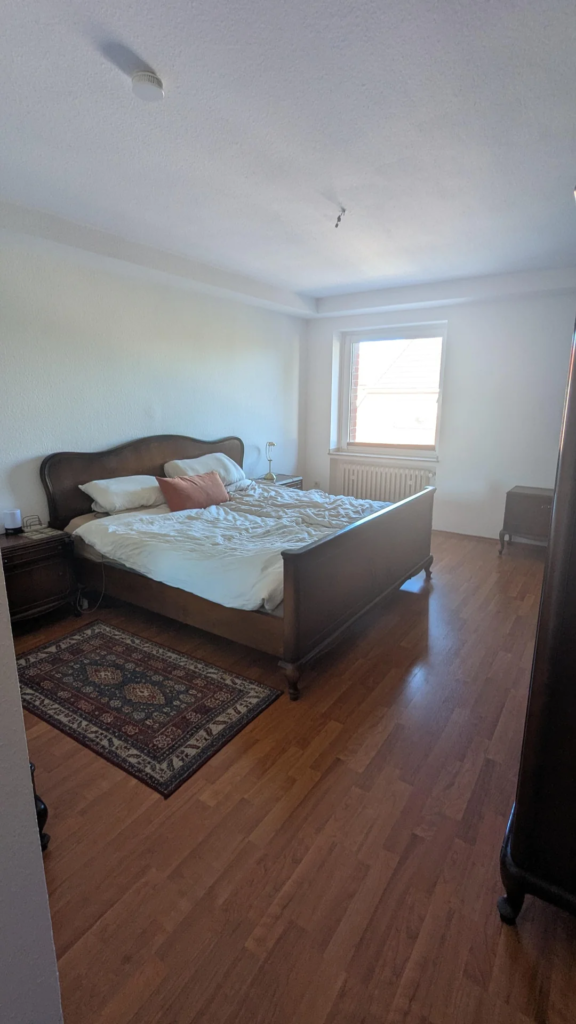
A canopy above the reading chair, a simple fabric panel hung from the ceiling, or curtains on a rod that can be partially drawn, creates a sense of enclosed, private space that intensifies the nook quality dramatically. The canopy provides a visual ceiling that makes the chair feel more like a room within a room.
How to Create One
A ceiling-mounted curtain rod with sheer or semi-sheer fabric panels on three sides of the chair creates a canopy effect without requiring any permanent construction. Macramé canopies, fabric panels hung from a wooden dowel, or a simple four-poster-style arrangement using curtain rods at ceiling height all achieve the same enclosing, cocooning quality.
23. Wallpaper or Paint Behind the Nook Only
Why It Works
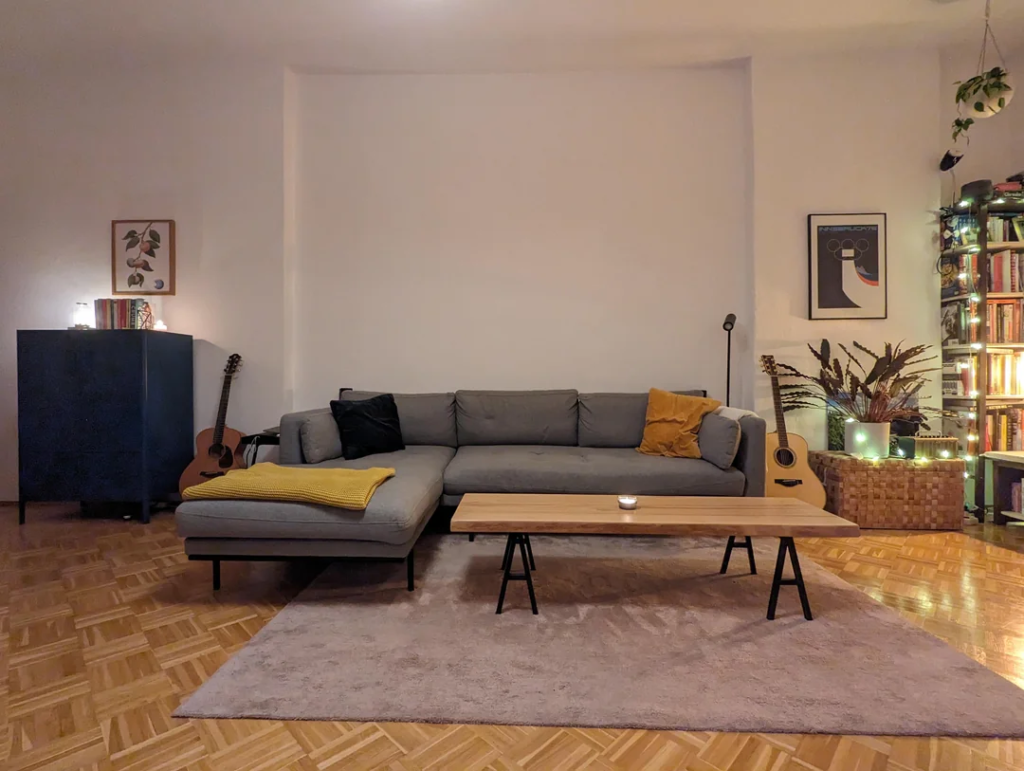
Treating the wall immediately behind and around the reading nook differently from the rest of the room, a different paint color, a section of wallpaper, or a painted mural, creates a visual frame that defines the nook as a distinct space without any structural change.
How to Do It
A section of dark, moody wallpaper behind a reading chair, deep navy, forest green, or a warm charcoal, creates an enveloping, intimate backdrop that makes the whole nook feel more defined and more purposeful. Alternatively, a single wall painted in a richer tone than the rest of the room frames the nook beautifully without requiring wallpaper.
24. Personal Objects That Belong Only to the Nook
Why It Works
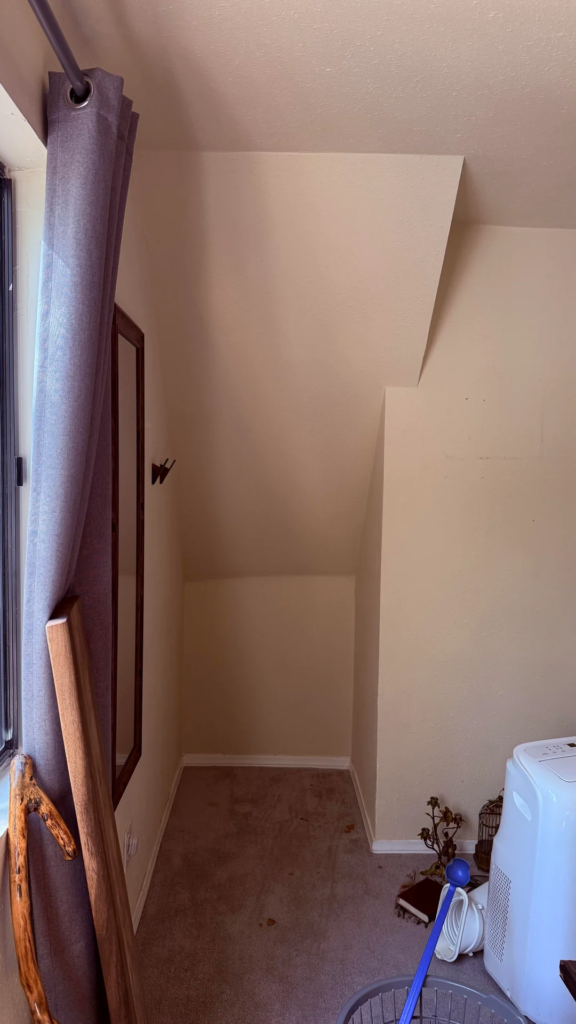
The most beloved reading nooks have a quality of personalness, objects that belong specifically to that space and feel meaningful to their owner. A reading journal. A particular candle that only gets lit during reading time. A small piece of art on the nook wall. These personal touches transform a comfortable chair into your reading nook specifically.
How to Choose Them
Think about the objects that enhance your particular reading experience, the rituals, the small pleasures, the things that signal to your mind and body that it’s time to rest and enjoy. Build the nook around those things rather than around a generic idea of what a reading nook should contain.
25. An Aromatherapy or Scent Element
Why It Works
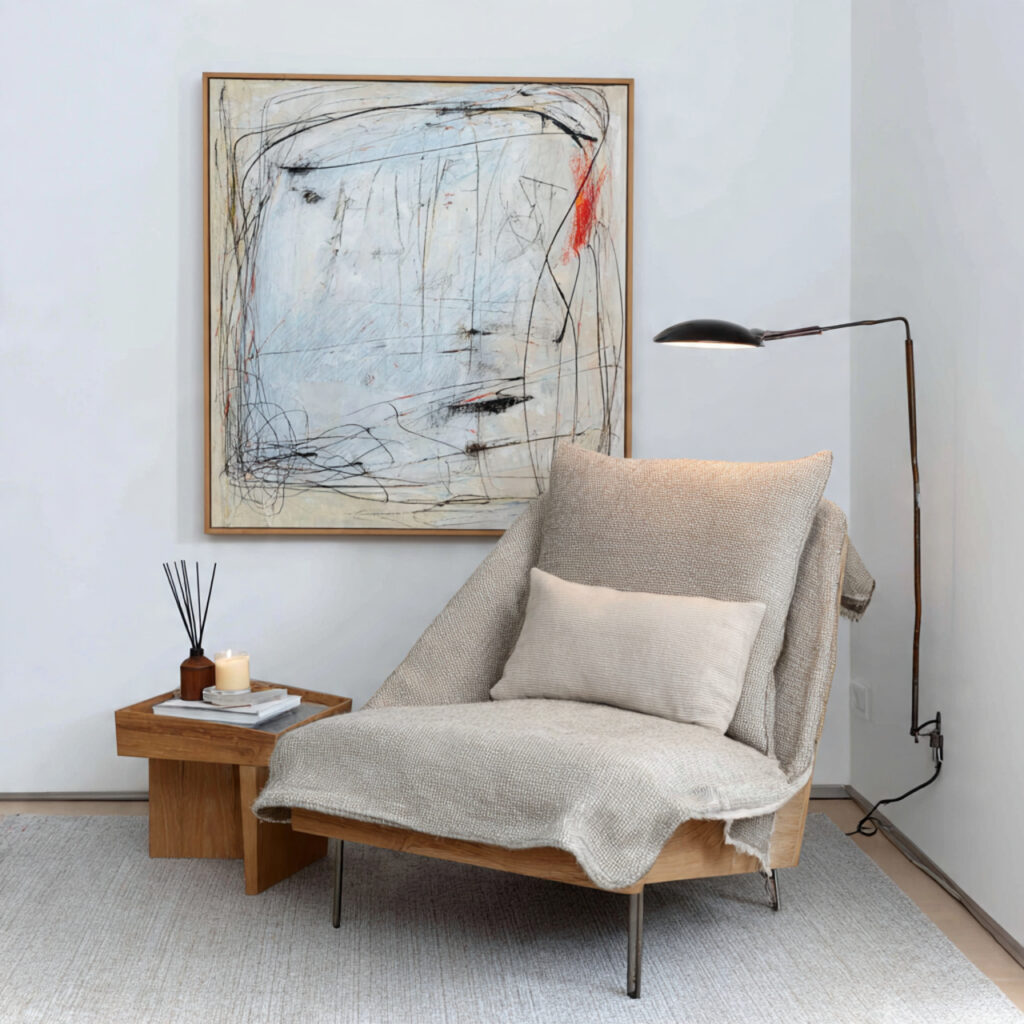
Scent is the most powerful sensory trigger for memory and association. A consistent scent in the reading nook, a particular candle, a reed diffuser, a sachet of dried lavender, becomes associated with reading, relaxation, and the particular pleasure of the nook, reinforcing the psychological signal that this space is for deep enjoyment.
How to Use It
Choose one scent for the nook and use it consistently. Cedar and vanilla for a warm, literary atmosphere. Lavender for the most relaxing reading environment. Eucalyptus for something fresh and clarifying. The scent becomes part of what reading in that nook feels like, an invisible but powerful layer of the complete experience.
Reading Nook Ideas for Every Home Type
26. The Under-Stair Reading Nook
Why It Works
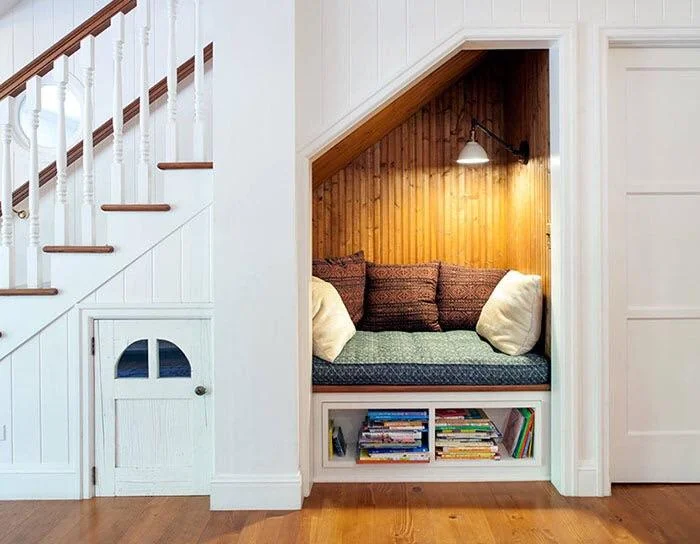
The space under a staircase is one of the most underused areas in any home that has one. In many homes, it’s either a cupboard or simply empty. Built out with a bench seat, bookshelves along the back wall, and a small lamp, it becomes one of the most charming and most spatially efficient reading nooks possible.
How to Create It
The sloped ceiling that follows the stair angle is part of the charm rather than a problem, it creates the low, enclosed quality that makes under-stair reading nooks feel particularly cozy and cave-like. Keep the furnishing minimal: a fitted bench cushion, a couple of good cushions, wall-mounted shelves for books, a floor lamp at the entrance.
27. The Bay Window Reading Nook
Why It Works
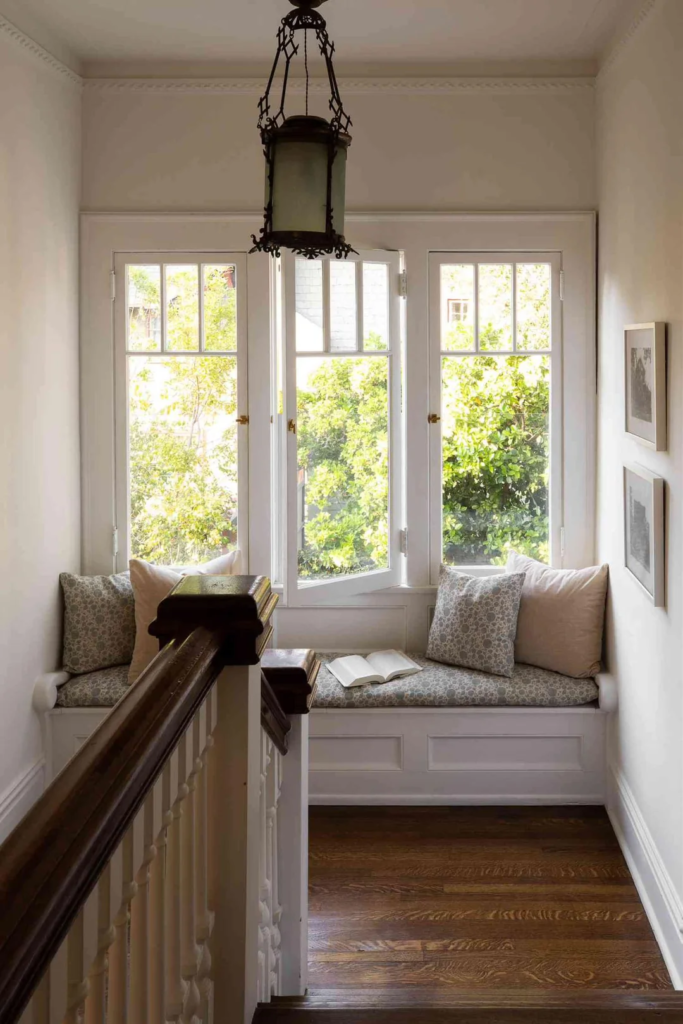
A bay window provides the trifecta of reading nook qualities: natural light, a view, and a naturally defined alcove space. Adding a seat cushion fitted to the bay width, storage beneath the seat, and curtains on each side that can be drawn for privacy creates the most naturally occurring and most beloved reading nook configuration in residential architecture.
How to Style It
A custom cushion fitted to the exact width and depth of the bay window seat, in a durable fabric that handles sunlight without fading, is worth the investment for a permanent solution. Add three to four cushions for back support and comfort. Mount small shelves on the bay walls beside the seat for books and accessories. The bay window nook is the reading space that sells houses, and for good reason.
28. The Closet Conversion Reading Nook
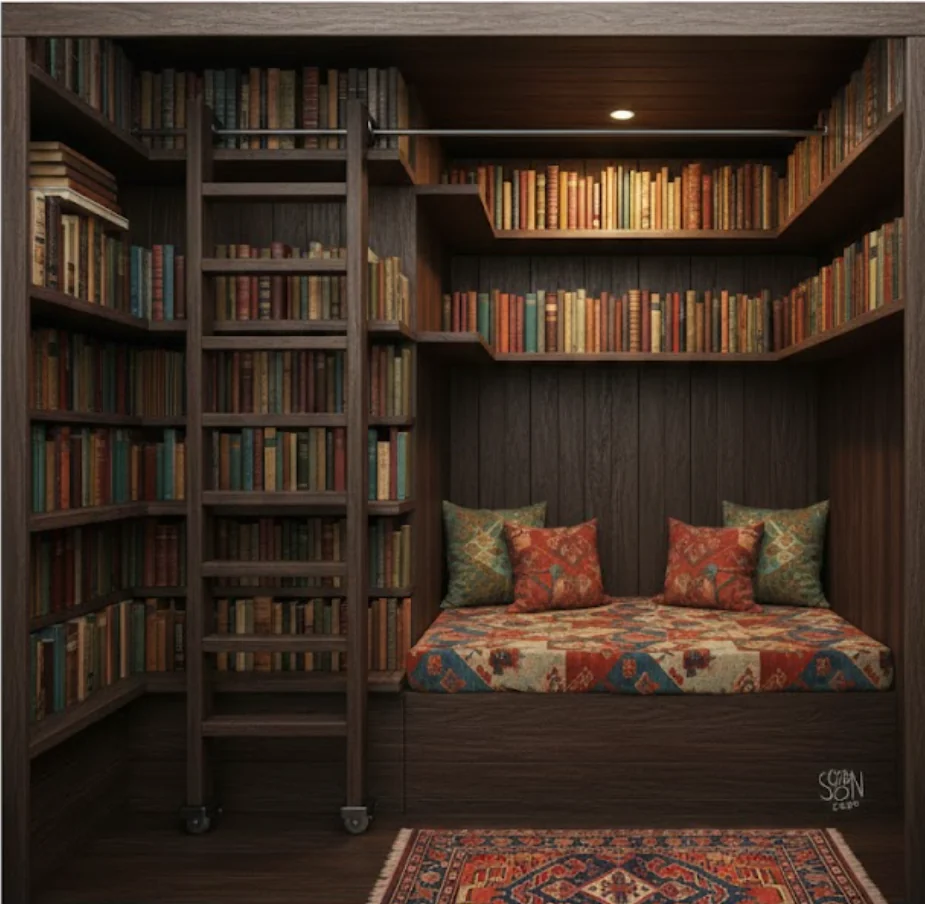
Why It Works
An unused wardrobe or shallow closet can be converted into a reading nook with minimal effort, the enclosed three-sided space already provides the cave-like enclosure that makes nooks so psychologically appealing. Remove the closet doors, add a bench seat or floor cushion, mount shelves on the side walls, and add a small lamp.
How to Create It
The conversion requires removing existing clothes rails, adding a cushioned seat at the back of the closet at bench height, mounting shelves on both side walls for books, and installing lighting. A battery-powered LED strip light along the top of the opening provides excellent reading light without any electrical work. Paint the interior a rich, warm tone for maximum coziness.
29. The Bedroom Corner Reading Nook
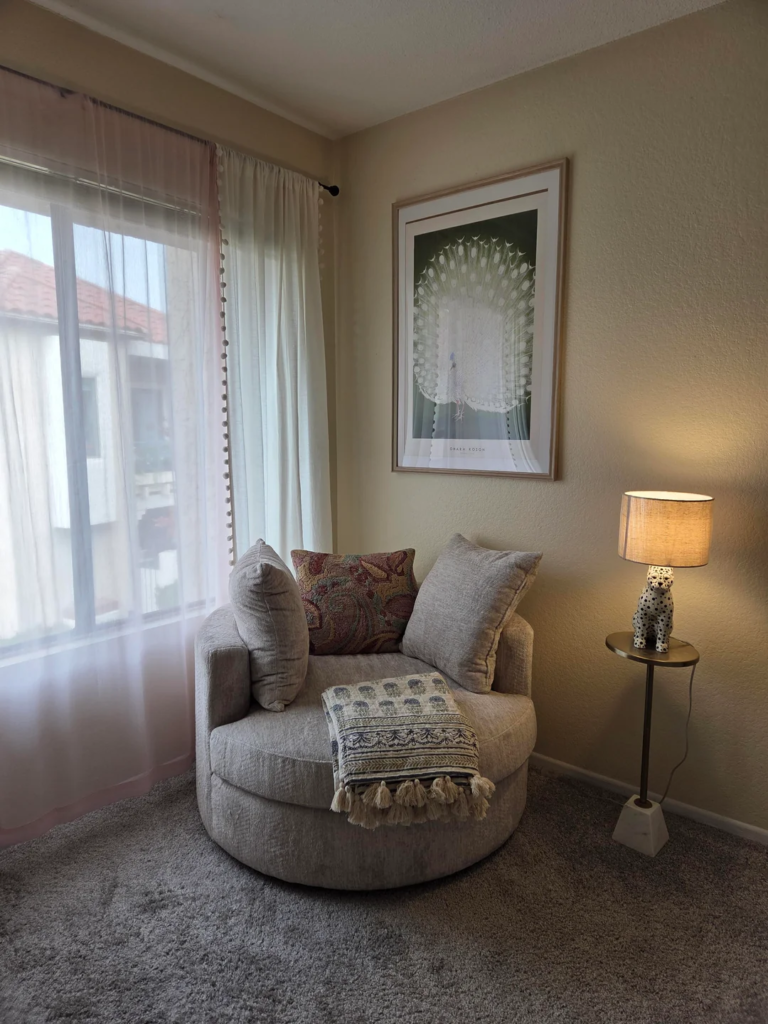
Why It Works
A bedroom corner reading nook creates the most private and most intimate reading environment in the home, close to the bed for late-night reading, removed enough from the sleep space to feel distinct, and naturally the quietest room in most homes during the evening hours when reading most often happens.
How to Create It
Push a comfortable armchair into the bedroom corner. Add a floor lamp behind it, a side table beside it, a small floating shelf above for books, and a soft rug beneath it. This arrangement takes up approximately 5 square feet of floor space and requires no installation whatsoever, it’s a completely rearrangement-based reading nook that can be created in an afternoon and enjoyed that same evening.
Insider Tip
Place the bedroom reading nook facing away from the bed rather than toward it. When you read facing the bed, the bed’s visual presence creates a subtle pull toward sleep that shortens reading sessions. Reading facing a wall, a bookshelf, or a window keeps the mind engaged with the book for longer.
Your Reading Nook Is Waiting
Here’s the truth that every idea in this guide points toward: the reading nook you’ve been picturing doesn’t require a renovation, a large budget, or the perfect home. It requires a corner, a comfortable seat, a good light, and the decision to create it.
Start with what you have. Push a chair into a corner. Add a lamp. Put your current books within reach. Fold a throw over the arm. Sit down and open your book.
That’s the reading nook. Everything else, the built-in shelves, the window seat cushion, the canopy above, those are beautiful additions you can build toward over time. The experience, the escape, the deep pleasure of a space that belongs entirely to reading, that starts the moment you decide it should.
Because the best reading nooks aren’t designed. They’re claimed, one quiet evening, one good book, one perfect corner at a time.