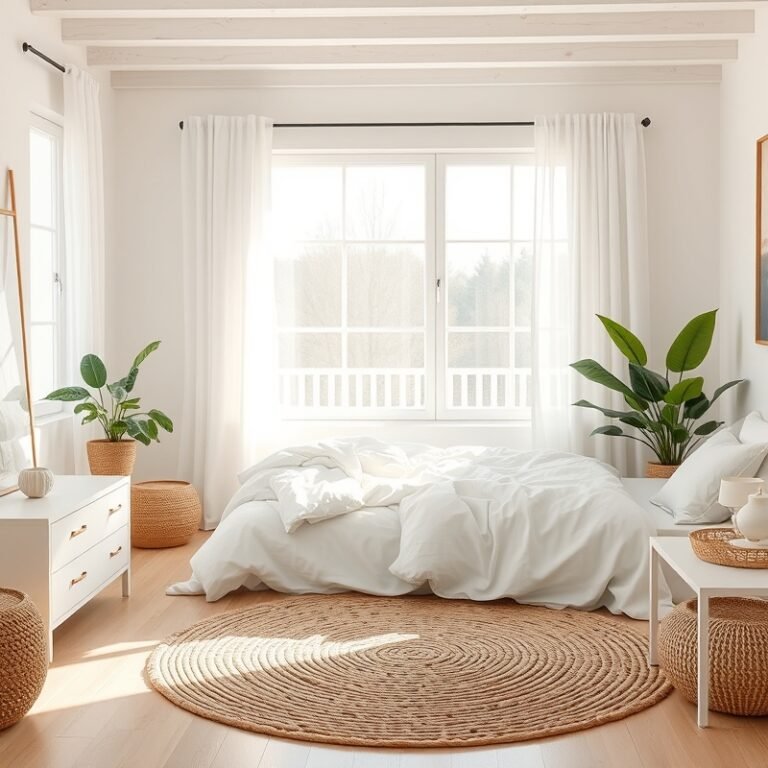
27 Contemporary Coastal Living Room Ideas That Look Fresh and Airy

Contemporary coastal living room design has evolved far beyond traditional nautical themes and beachy clichés to embrace sophisticated, refined aesthetics that capture the essence of seaside living. This modern approach to coastal design combines fresh white palettes, natural textures, and clean lines with subtle nods to ocean inspiration, creating spaces that feel both relaxed and elevated. Whether you live by the water or simply want to bring that breezy, vacation-like atmosphere into your home, contemporary coastal style offers the perfect balance between casual comfort and polished elegance.
The appeal of contemporary coastal living rooms lies in their ability to create bright, airy spaces that promote relaxation and connection to the natural world. These designs emphasize light, space, and natural materials while avoiding the heavy-handed nautical motifs that can make rooms feel themed rather than thoughtfully designed. This comprehensive guide explores 27 stunning contemporary coastal living room ideas that will help you transform your space into a fresh, airy sanctuary that captures the tranquil beauty of coastal living without feeling predictable or overdone.
1. All-White Foundation with Natural Textures

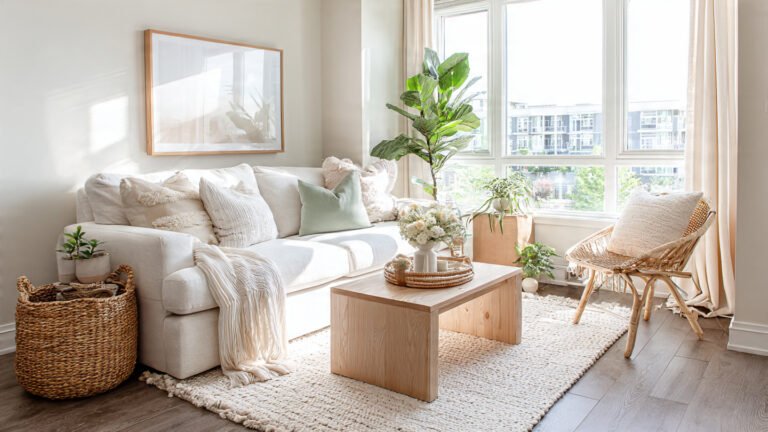
An all-white color palette creates the perfect foundation for contemporary coastal living rooms by maximizing light and creating that essential airy feeling. This approach uses various shades of white from warm ivory to cool bright white, layering tones to add depth and prevent the space from feeling flat or sterile. White walls, ceilings, and larger furniture pieces establish a clean canvas that allows natural textures and subtle coastal elements to shine without competing for attention.
The key to successfully executing an all-white coastal living room lies in incorporating abundant natural textures that add warmth and visual interest. Layer in jute rugs, linen upholstery, rattan furniture, and woven baskets that introduce organic elements while maintaining the light, bright aesthetic. These natural materials prevent all-white spaces from feeling cold or clinical, instead creating inviting environments that feel both sophisticated and comfortable for everyday living.
Balance your white foundation with touches of natural wood in coffee tables, shelving, or accent furniture that adds warmth without disrupting the airy feel. Include plenty of white or cream textiles in various fabrics like cotton, linen, and wool that create subtle tonal variations throughout the space. This layered approach to all-white design creates contemporary coastal living rooms that feel fresh, timeless, and effortlessly elegant while remaining practical for real life.
Also Read: 25 Sage Green Bedroom Ideas That Feel Calm and Aesthetic
2. Large-Scale Windows and Natural Light
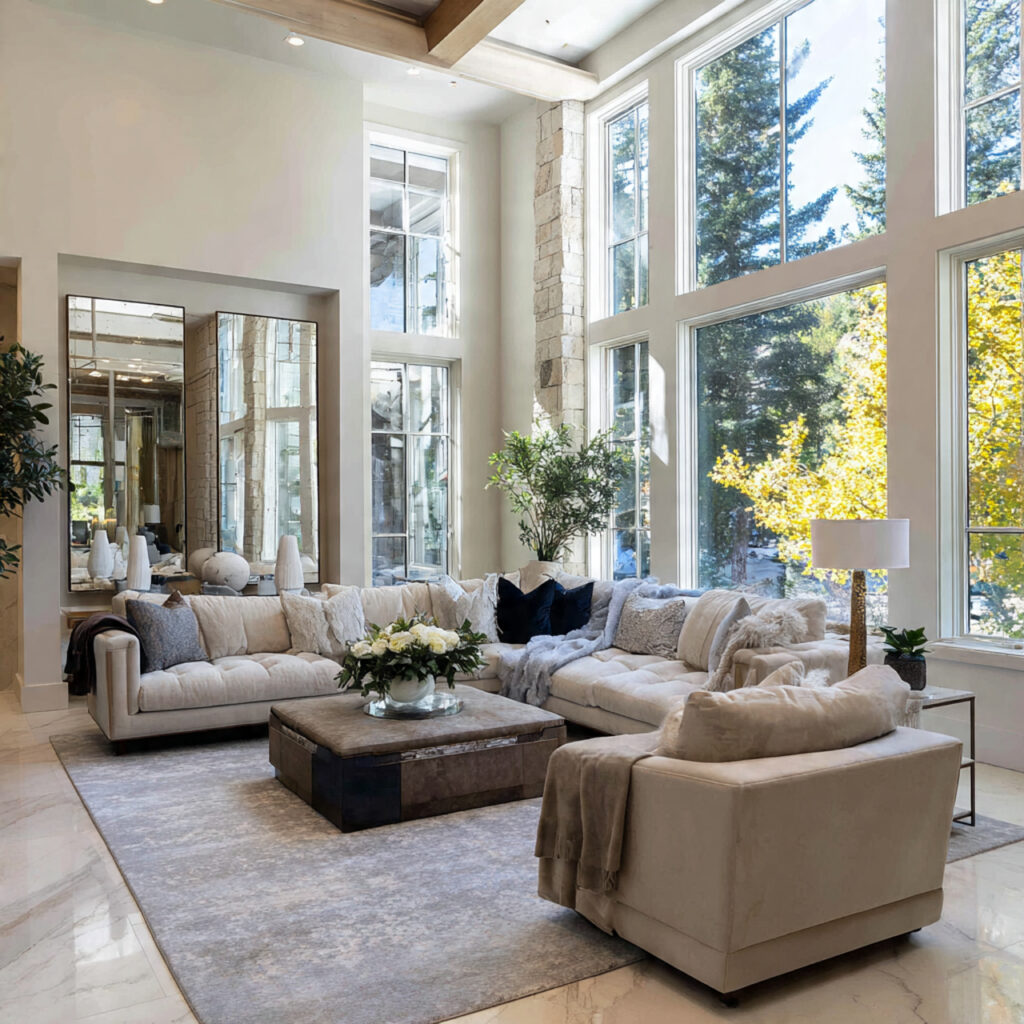
Maximizing natural light through large windows or glass doors is essential for achieving authentic contemporary coastal living room aesthetics. Floor-to-ceiling windows or expansive sliding doors blur the boundaries between indoor and outdoor spaces while flooding rooms with sunlight that enhances the fresh, airy quality. If your living room features substantial windows, treat them as architectural assets that deserve to be showcased rather than covered with heavy treatments.
Keep window treatments minimal and functional in contemporary coastal living rooms to preserve natural light and maintain clean, uncluttered lines. Choose sheer white curtains, light linen drapes, or simple roller shades in neutral colors that can be fully opened during daylight hours. Consider motorized shades or blinds that disappear completely when raised, ensuring nothing blocks your natural light or views when you want maximum brightness and openness.
Position furniture to take advantage of natural light rather than blocking windows or creating dark corners in your living room. Place seating arrangements where occupants can enjoy views while benefiting from natural illumination for reading or other activities. Add mirrors strategically across from windows to reflect light deeper into the room, effectively doubling your natural light and making the space feel even more open and airy than its actual dimensions.
Read More: 26 Sage Green Living Room Ideas That Look Calm and Elegant
3. Neutral Color Palette with Blue Accents
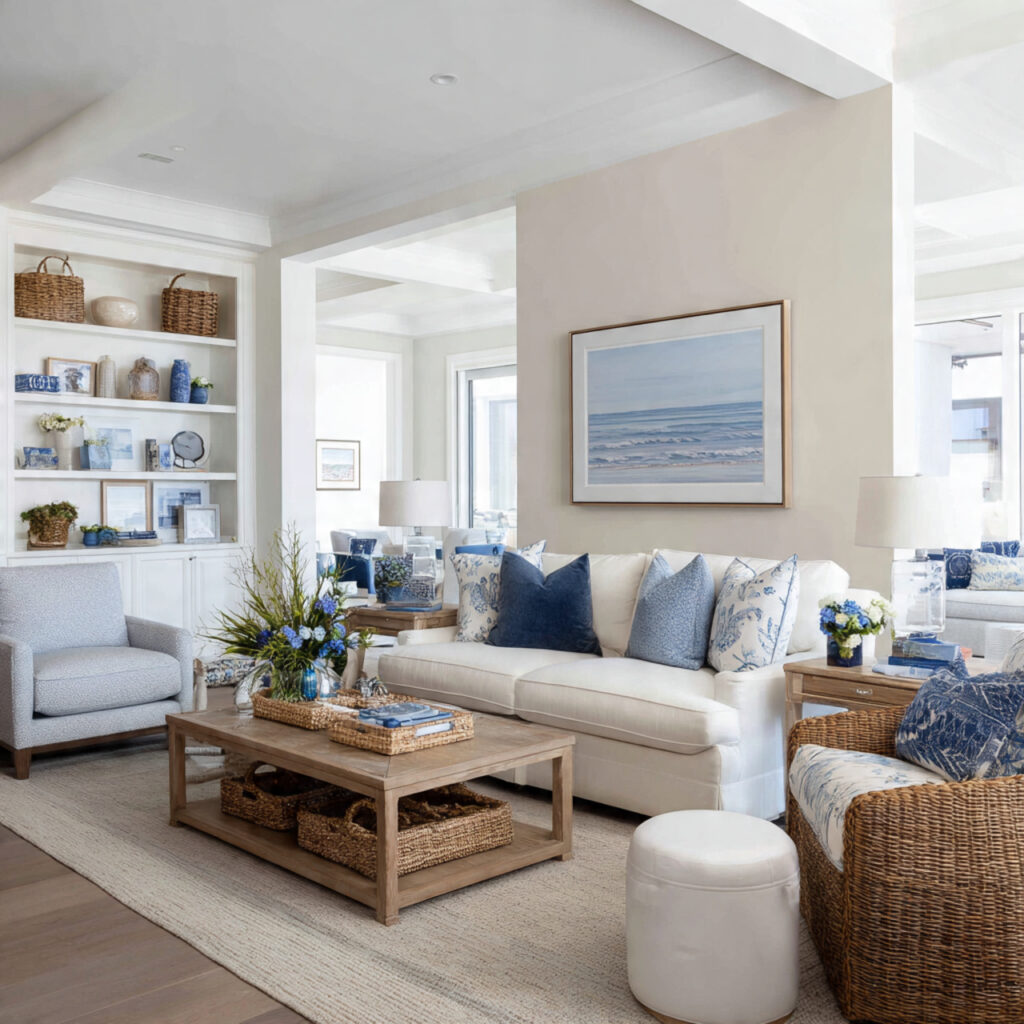
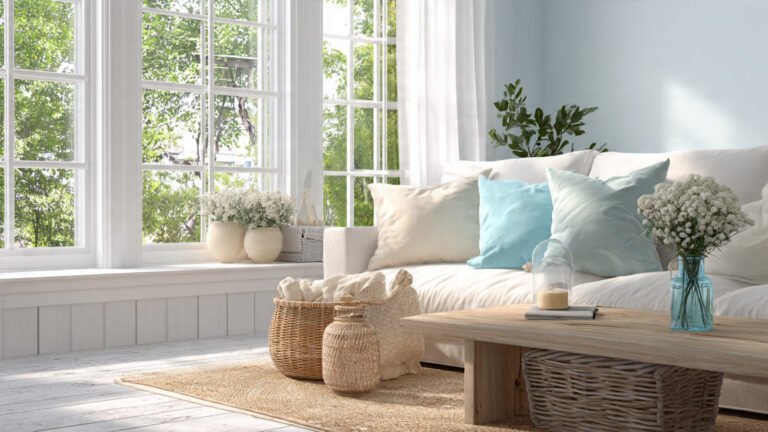
A neutral color palette punctuated with soft blue accents creates sophisticated contemporary coastal living rooms that reference the ocean without being literal. This refined approach uses shades of white, cream, beige, and warm gray as the foundation, then layers in blues from pale sky to deeper navy in carefully measured doses. The result feels cohesive and calming while clearly nodding to coastal inspiration through thoughtful color selection.
Introduce blue through throw pillows, artwork, area rugs, or accent chairs that add color without overwhelming your neutral foundation. Choose muted, sophisticated blues like powder blue, slate blue, or soft denim rather than bright, saturated shades that can feel too bold or childish. Vary the shades of blue throughout your space to create depth and interest, perhaps using lighter blues in larger doses and deeper navy as smaller accent points.
Balance blue accents with plenty of warm neutral tones including sand, taupe, and warm white that prevent the space from feeling too cool or cold. Natural materials in tan and brown tones like jute, rattan, and weathered wood add essential warmth that grounds the blue and white palette. This measured approach to color creates contemporary coastal living rooms that feel sophisticated and current rather than stereotypically beachy or themed.
4. Casual Linen Upholstery
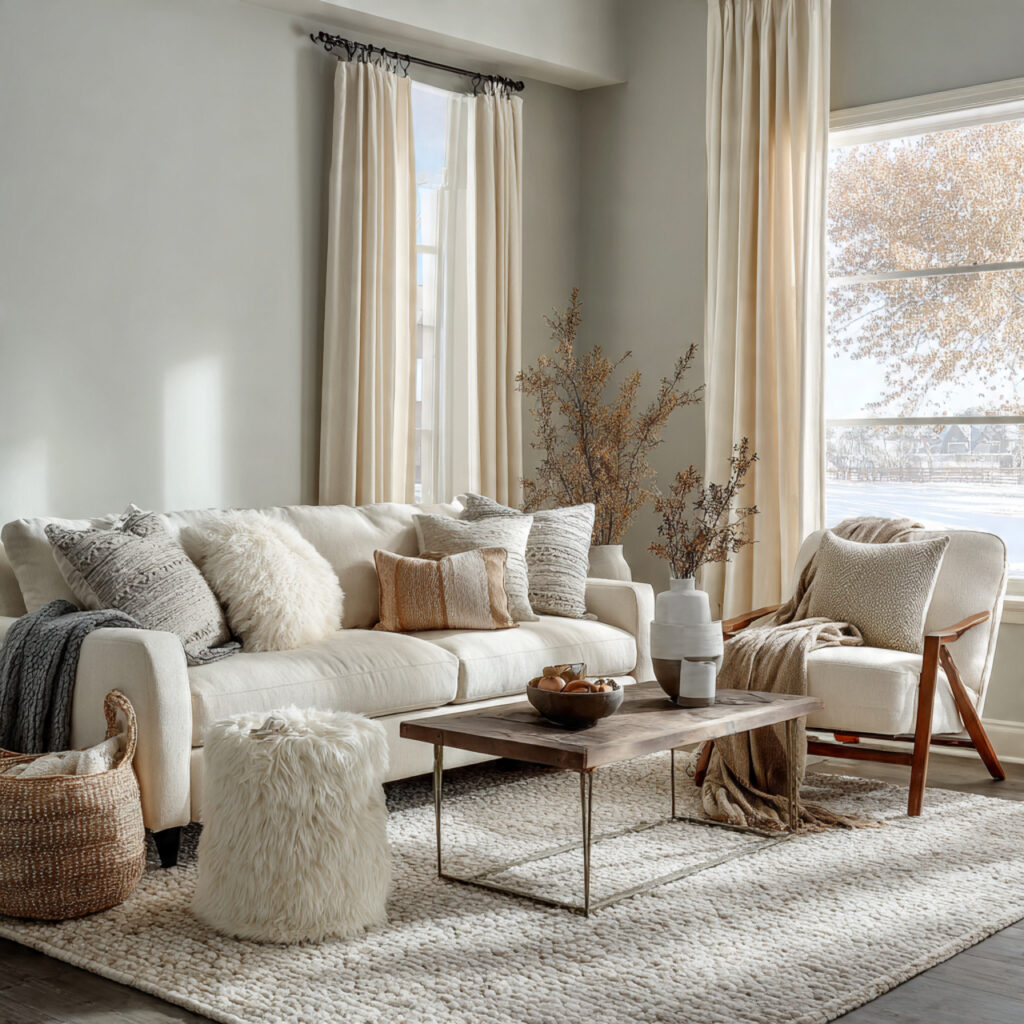
Linen upholstery embodies contemporary coastal style through its relaxed texture, natural appearance, and perfectly imperfect character. This breathable natural fabric creates comfortable seating that feels appropriate for both casual everyday use and more formal entertaining. Linen’s tendency to wrinkle slightly adds to its relaxed coastal charm rather than detracting from it, making it ideal for families who want beautiful furniture without constant maintenance stress.
Choose linen sofas and chairs in neutral colors like white, cream, oatmeal, or soft gray that maintain the light, airy aesthetic essential to coastal design. The texture of linen adds visual interest even in solid colors, preventing neutral furniture from appearing boring or flat. Consider slipcover options in linen that can be removed for cleaning, offering practical solutions for maintaining fresh, clean furniture in high-use living rooms.
Layer linen upholstered furniture with throw pillows in complementary fabrics like cotton, velvet, or textured weaves that add variety while maintaining coastal sensibility. Include linen curtains, throw blankets, or table runners that extend the natural fabric throughout your living room for cohesive design flow. This abundant use of linen creates contemporary coastal spaces that feel inherently relaxed and inviting while maintaining the refined aesthetic that separates modern coastal design from more casual beach house styles.
5. Natural Fiber Area Rugs
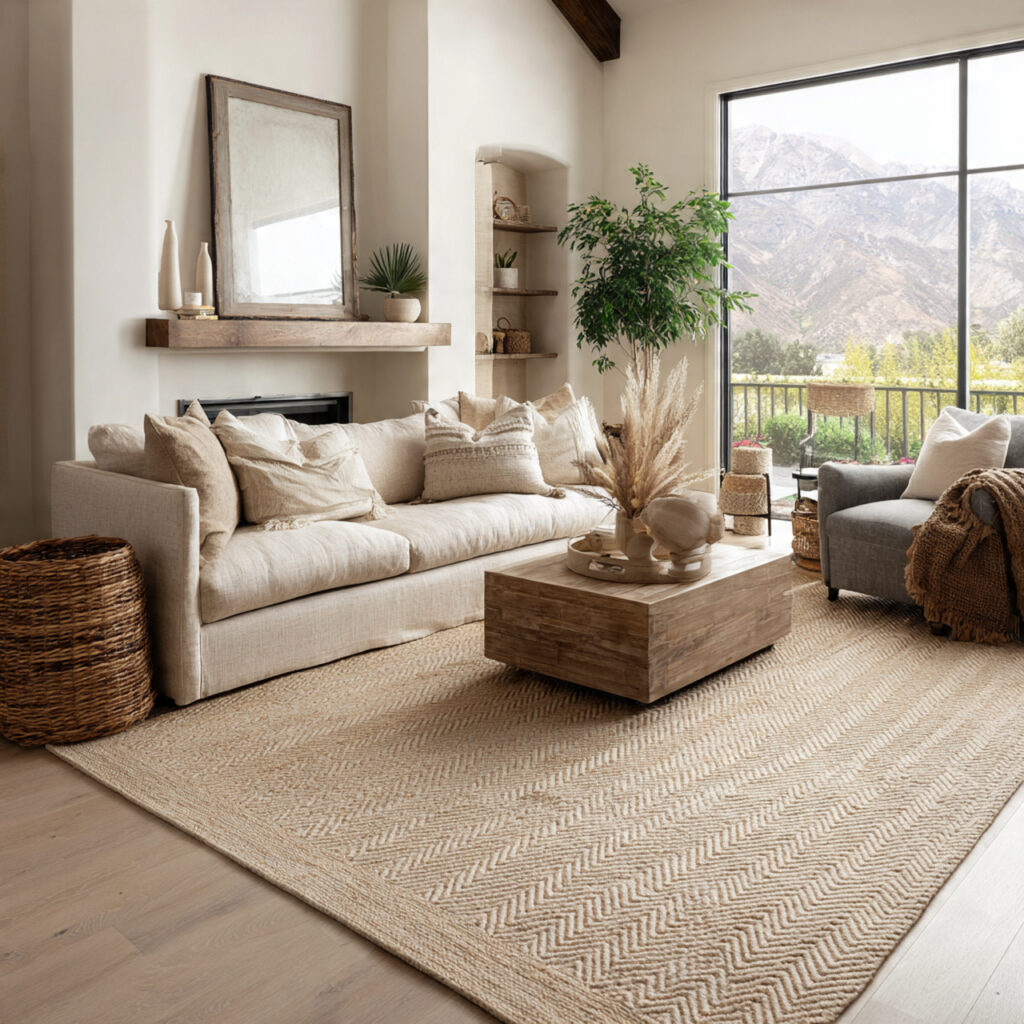
Natural fiber area rugs in jute, sisal, or seagrass anchor contemporary coastal living rooms while adding essential texture and warmth underfoot. These organic materials reference coastal landscapes through their sandy colors and natural origins while providing practical foundation layers for seating arrangements. Natural fiber rugs work beautifully in coastal design because they’re durable, casual, and maintain the light color palette essential for creating airy, bright spaces.
Layer natural fiber rugs with softer materials like wool or cotton for added comfort in seating areas where people walk barefoot. A large jute rug can serve as the base layer with a smaller, softer rug layered on top in the main conversation area, combining the aesthetic of natural fiber with the comfort of softer materials. This layering technique adds visual interest and depth while solving the practical concern that natural fiber rugs can feel rough on bare feet.
Choose natural fiber rugs in colors that complement your overall palette, from light natural tones that blend seamlessly to darker browns that add grounding contrast. Consider rugs with subtle patterns like herringbone weaves or bordered edges that add interest without introducing busy patterns that compete with other design elements. These organic floor coverings connect your contemporary coastal living room to nature while maintaining the clean, uncluttered aesthetic that defines modern coastal design.
6. Driftwood and Weathered Wood Accents
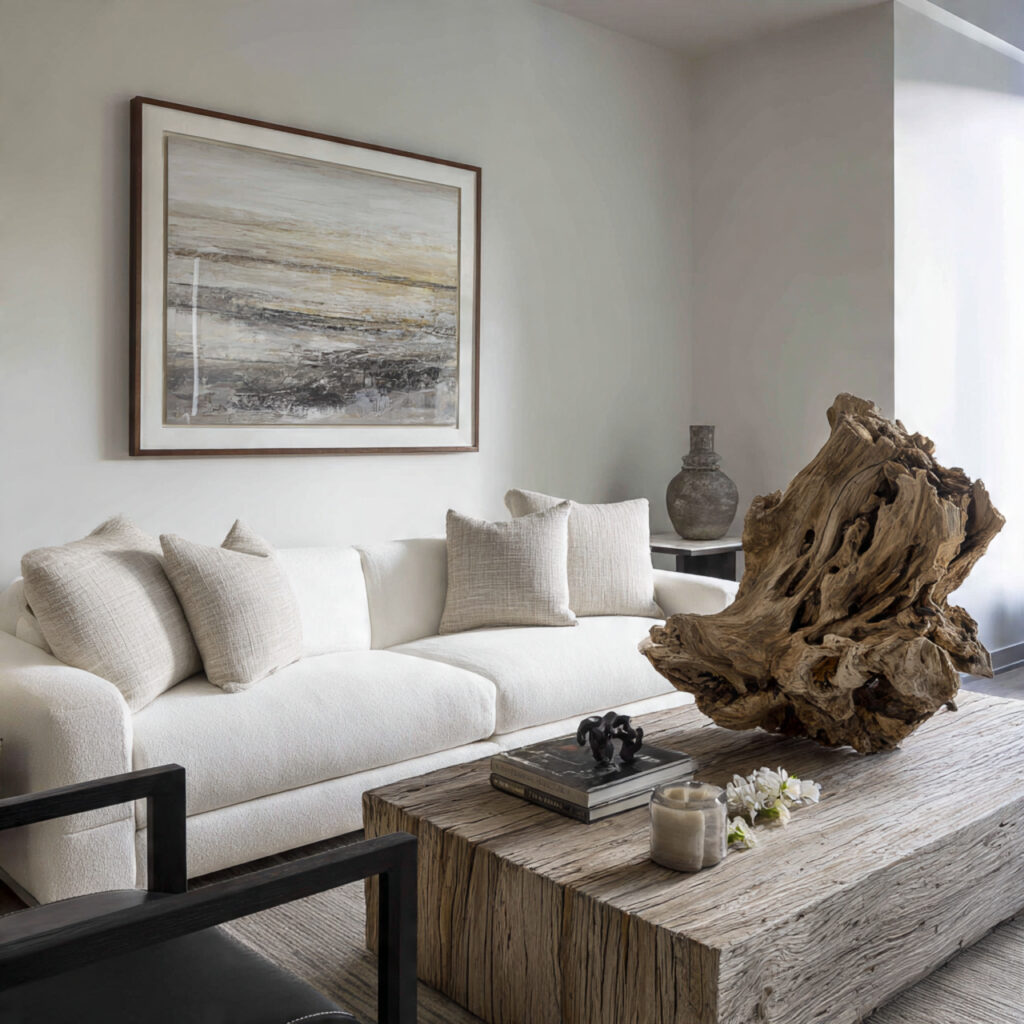
Incorporating driftwood and weathered wood accents brings authentic coastal character into contemporary living rooms through naturally aged materials. These organic elements add texture, visual interest, and connection to the seaside without relying on obvious nautical symbols or beach décor. Weathered wood’s soft gray tones and worn appearance complement contemporary coastal color palettes perfectly while adding warmth that prevents spaces from feeling too stark or cold.
Use weathered wood in coffee tables, side tables, console tables, or shelving that serves functional purposes while contributing to your coastal aesthetic. Driftwood pieces can become sculptural art elements displayed on shelves, mantels, or as wall-mounted installations that create focal points. Look for furniture with reclaimed or distressed wood finishes that mimic naturally weathered appearances, offering the aesthetic without the irregularities of actual found wood.
Balance weathered wood elements with cleaner, more refined pieces to maintain contemporary sophistication rather than overly rustic aesthetics. Pair a weathered wood coffee table with a sleek white sofa, or display driftwood sculpture alongside modern artwork for interesting contrast. This thoughtful mixing of weathered natural elements with contemporary pieces creates layered, interesting living rooms that feel collected and authentic rather than overly designed or predictable.
7. Glass and Lucite Furniture

Glass and lucite furniture maintains open, airy feelings in contemporary coastal living rooms by taking up visual space minimally despite being functionally present. These transparent materials allow light to flow through them, making rooms feel more spacious and less cluttered than solid furniture would. Coffee tables, side tables, or accent chairs in glass or lucite embody contemporary coastal design’s emphasis on lightness and visual breathing room.
A glass-topped coffee table with a driftwood or metal base combines coastal materials with contemporary transparency for perfect style fusion. Lucite accent chairs or bar stools disappear visually while providing necessary seating, making them ideal for smaller living rooms where every piece of furniture needs to work hard without overwhelming the space. These transparent pieces work particularly well in living rooms with spectacular views, as they don’t block sightlines to windows or outdoor spaces.
Style glass and lucite furniture carefully to prevent them from appearing too cold or austere in your coastal living room. Add warmth through textiles, natural materials, and organic accessories that balance the modern, sleek quality of transparent furniture. Keep glass surfaces clean and uncluttered to maintain the contemporary aesthetic – a few carefully chosen decorative objects create more impact than crowded arrangements on see-through surfaces.
8. Coastal-Inspired Artwork
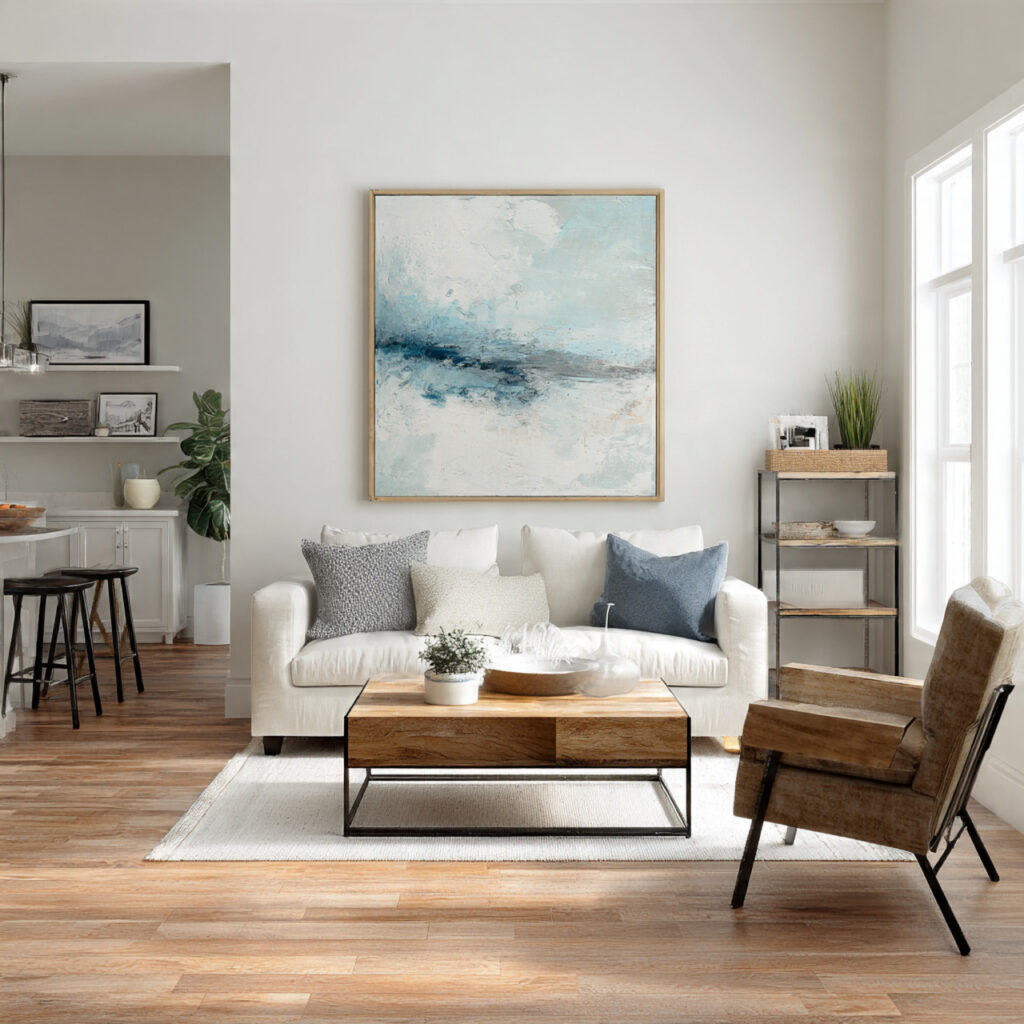
Coastal-inspired artwork brings personality and style to contemporary living rooms through abstract interpretations rather than literal beach scenes. Modern coastal art features ocean colors, organic shapes, and natural textures presented in sophisticated ways that complement contemporary design sensibilities. Choose artwork that suggests rather than depicts coastal elements – abstract paintings in blues and whites, minimalist photography, or modern line drawings that evoke rather than illustrate seaside themes.
Large-scale artwork makes powerful statements in contemporary coastal living rooms, serving as focal points that anchor seating arrangements and establish color palettes. Consider oversized abstract paintings featuring ocean-inspired colors, black and white coastal photography, or minimalist prints that capture the essence of water, sky, or sand through simple, modern compositions. Scale matters significantly – small pieces get lost on large walls and fail to create the impact contemporary spaces require.
Create gallery walls with multiple pieces in coordinating frames for layered, collected looks that add personality without overwhelming contemporary aesthetics. Mix coastal-inspired pieces with other artwork that shares similar color palettes or styles, preventing your living room from feeling too themed or one-note. Frame selections should be simple and clean in white, natural wood, or black to maintain contemporary sensibilities while allowing the artwork itself to command attention.
9. White Shiplap or Tongue and Groove Walls
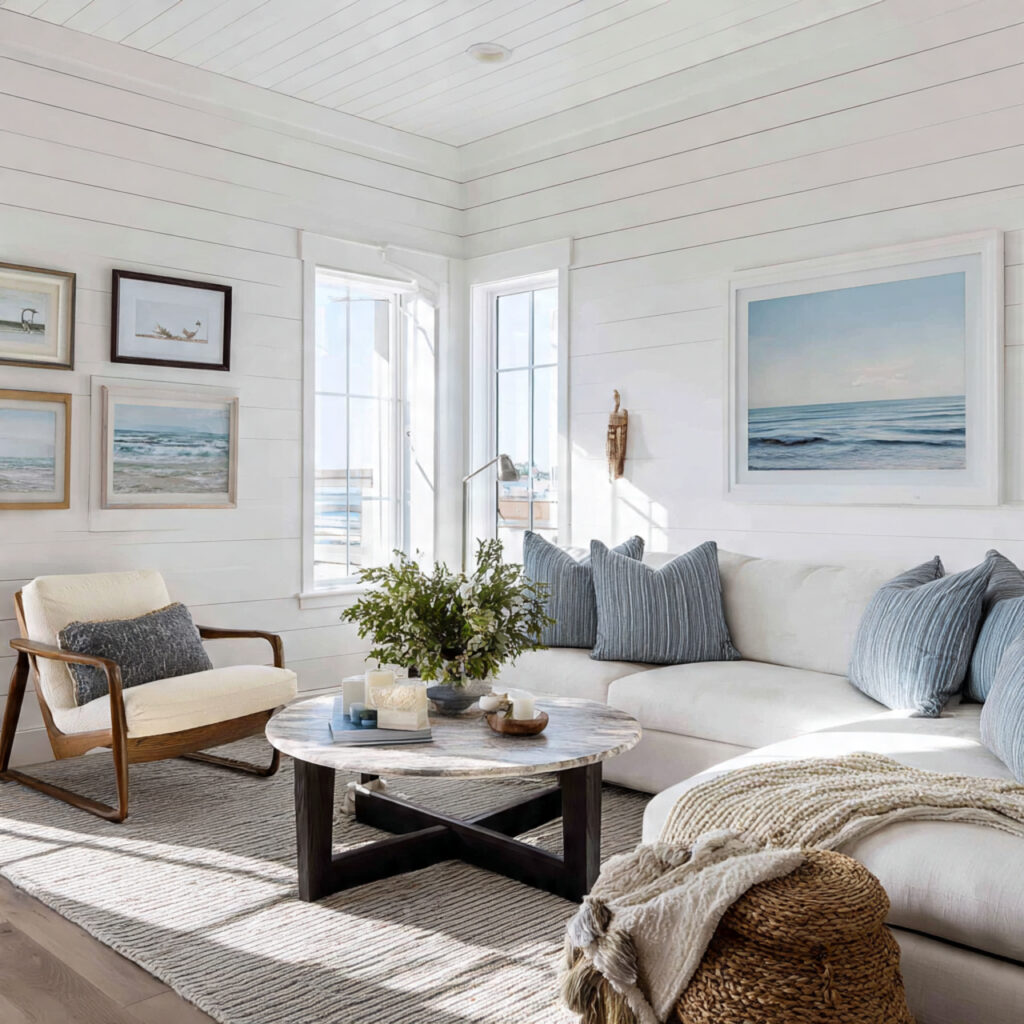
White shiplap or tongue and groove walls add architectural interest and subtle texture while maintaining the bright, airy quality essential to contemporary coastal design. These wall treatments reference traditional coastal architecture in modern, refined ways that add character without feeling rustic or overly casual. The horizontal lines of shiplap create visual width that can make living rooms feel more expansive, while the subtle texture adds dimension that prevents all-white walls from appearing flat.
Install shiplap on a single accent wall to create a focal point without overwhelming your space with texture. The wall behind your sofa or the wall featuring your fireplace or television are ideal candidates for this treatment, as they naturally draw the eye and benefit from added architectural interest. Paint shiplap in the same white as your other walls for subtle texture, or choose a slightly different shade to create gentle tonal variation.
Balance shiplap walls with smooth surfaces throughout your living room to prevent textural overload and maintain contemporary cleanliness. Keep the overall look refined by avoiding distressed or heavily weathered shiplap finishes that can skew too rustic. This architectural element works beautifully in contemporary coastal living rooms when executed with restraint and paired with modern furniture and accessories that prevent the space from reading as farmhouse or cottage style.
10. Rattan and Wicker Furniture
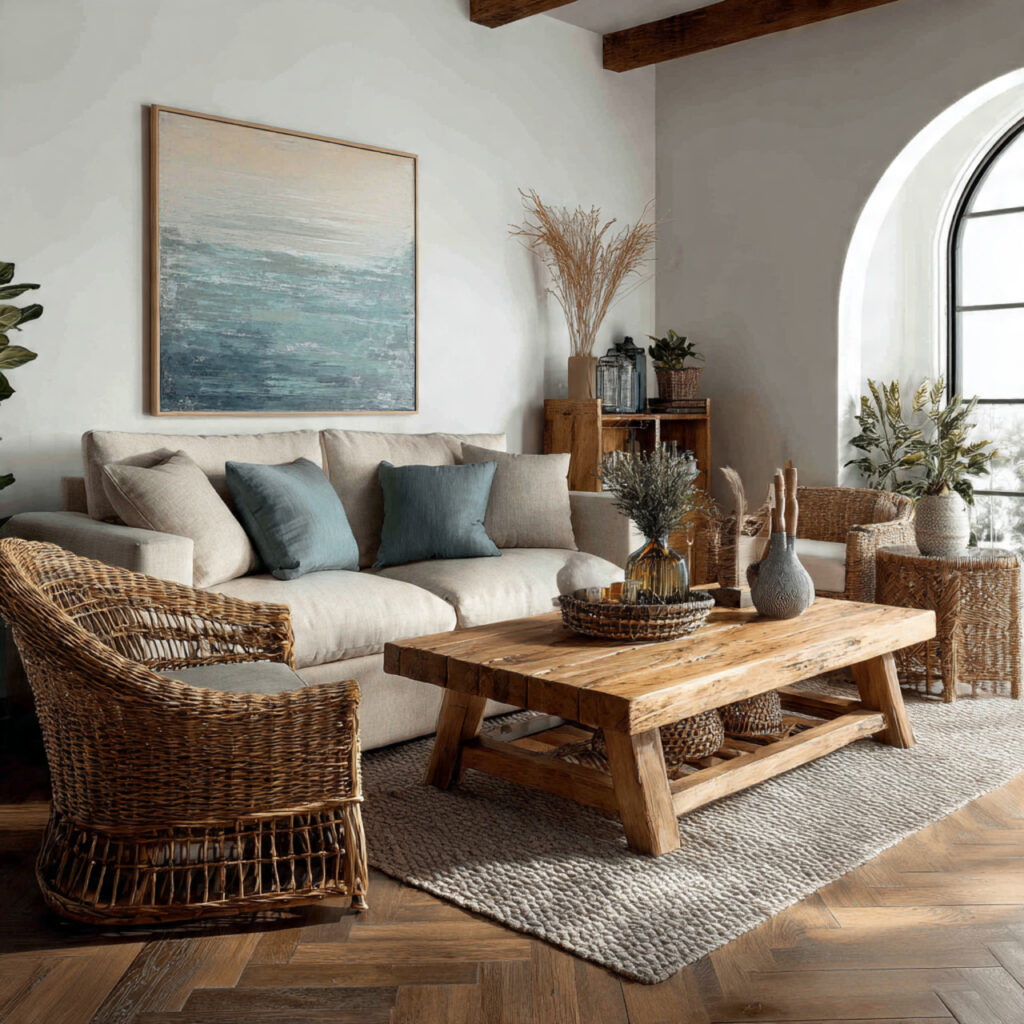
Rattan and wicker furniture brings organic texture and casual sophistication to contemporary coastal living rooms through these natural materials. Modern interpretations of rattan and wicker move beyond traditional porch furniture to include sleek accent chairs, modern coffee tables, and sophisticated side tables that blend seamlessly with contemporary design. These natural materials add warmth and texture while maintaining the light, airy quality coastal spaces require through their open, woven structures.
Choose rattan and wicker pieces in natural tones or painted white to coordinate with contemporary coastal color palettes. Modern rattan chairs with clean lines and contemporary silhouettes provide seating that’s both comfortable and stylish without appearing dated or overly casual. Wicker baskets offer practical storage solutions while adding texture and organic elements throughout your living room for cohesive design.
Balance rattan and wicker furniture with more substantial upholstered pieces to create contrast and prevent your living room from feeling too casual or lightweight. A rattan accent chair pairs beautifully with a linen sofa, or wicker side tables complement a substantial wooden coffee table. This mixing of materials creates layered, interesting spaces that feel collected over time rather than purchased all at once from a single source.
11. Whitewashed Brick or Stone Features

Whitewashed brick or stone architectural features add texture and character while maintaining contemporary coastal brightness through their lightened appearance. These surfaces provide interesting backdrops that add depth and visual interest without introducing color or pattern that might complicate your design scheme. Whitewashing allows the natural texture and irregularity of brick or stone to show through while dramatically lightening these typically heavy materials to suit airy coastal aesthetics.
Fireplaces with whitewashed brick or stone surrounds become stunning focal points that ground living rooms while maintaining lightness. Accent walls in whitewashed brick add substantial texture and architectural interest that elevates spaces beyond standard painted walls. The process of whitewashing rather than painting solid white allows the material’s natural character to remain visible, creating more interesting and authentic-looking results than simply covering brick or stone completely.
Style whitewashed architectural features with modern furniture and accessories that emphasize their contemporary rather than rustic qualities. Keep mantel styling minimal and sophisticated with a few carefully chosen pieces rather than cluttered arrangements. These textured surfaces provide sufficient visual interest on their own and benefit from restraint in surrounding décor to prevent spaces from feeling too busy or overwhelming.
12. Striped Patterns in Soft Colors
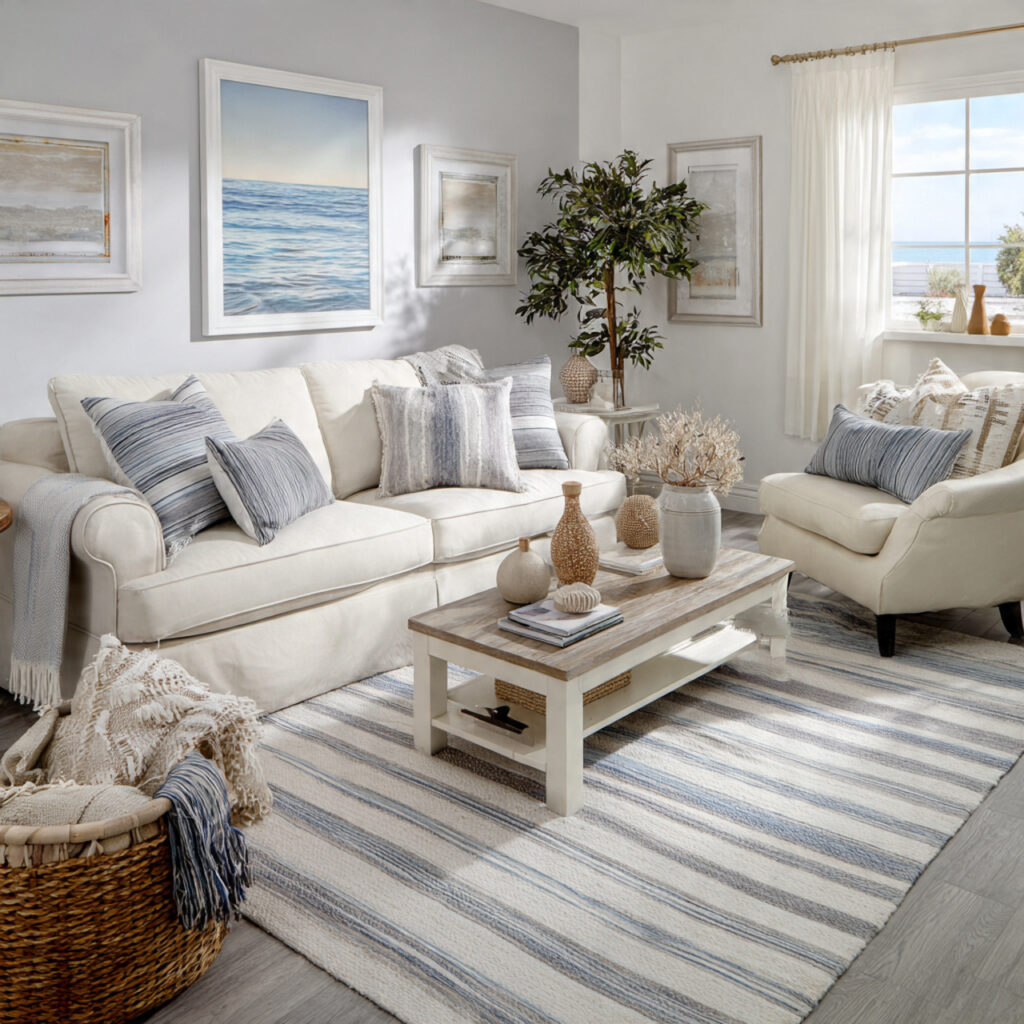
Soft striped patterns introduce classic coastal style into contemporary living rooms through refined, sophisticated applications. Modern interpretations of stripes use muted colors, varied stripe widths, or subtle tonal variations that feel fresh rather than predictable. These patterns add visual interest and gentle movement to spaces without the boldness of traditional navy and white sailor stripes that can feel too literal or theme-driven in contemporary settings.
Introduce stripes through throw pillows, area rugs, window treatments, or upholstered furniture that adds pattern without overwhelming your space. Choose stripes in neutral colors like cream and white, soft blues and whites, or gray and white combinations that maintain coastal color palettes while providing subtle pattern interest. Vary stripe widths throughout your room – thin pinstripes on pillows, wider stripes on rugs – to create visual variety and prevent pattern from feeling repetitive or monotonous.
Balance striped patterns with plenty of solid colors and natural textures to prevent pattern overload in your contemporary coastal living room. Use stripes as accent elements rather than dominant features, allowing them to add interest without becoming the focal point. This measured approach to pattern creates sophisticated spaces that reference coastal tradition through subtle nods rather than obvious, heavy-handed applications.
13. Indoor Plants and Greenery
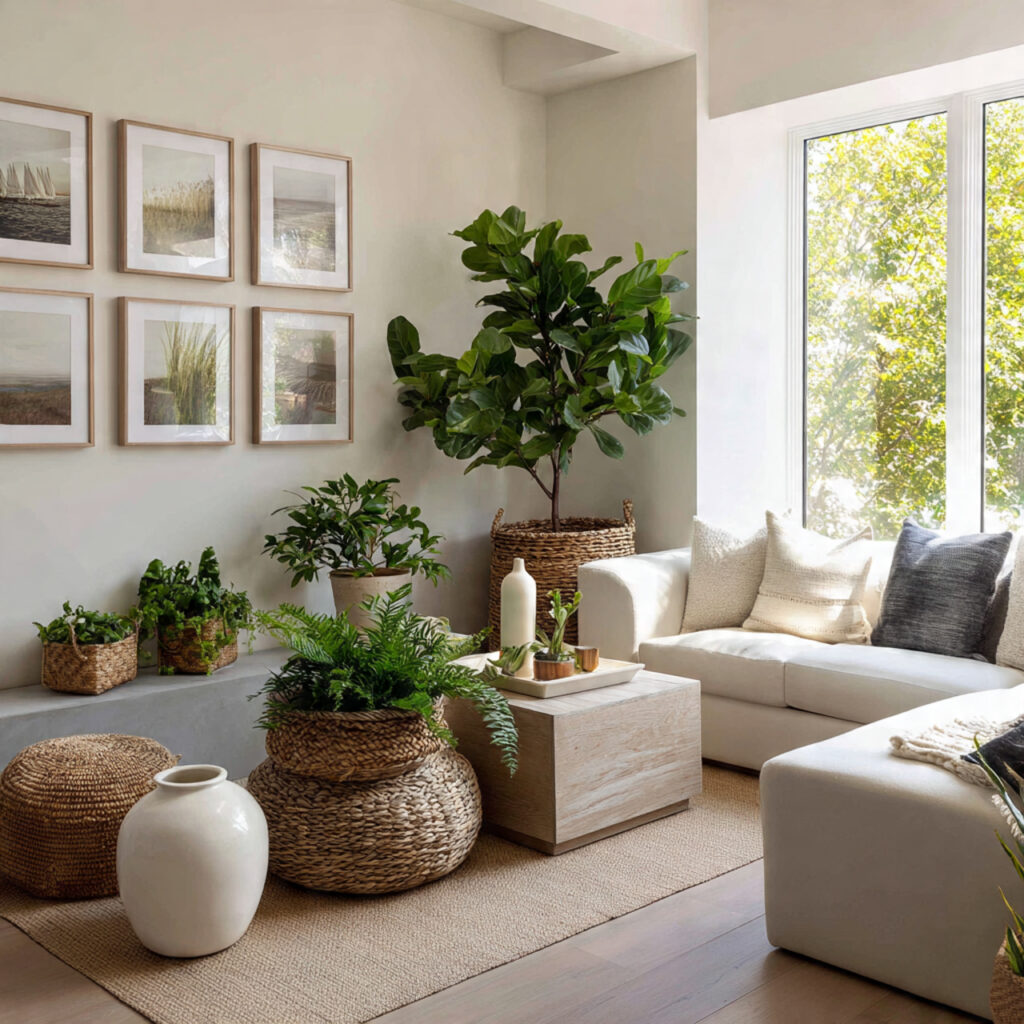
Indoor plants bring life, color, and natural elements into contemporary coastal living rooms while improving air quality and creating connections to the outdoors. The organic shapes and fresh green colors of living plants complement coastal color palettes beautifully while adding essential vitality to spaces that might otherwise feel too neutral or monochromatic. Plants in various sizes create vertical interest and fill empty corners with living sculpture that changes and grows over time.
Choose plants that thrive in your living room’s specific light conditions to ensure they remain healthy and beautiful rather than struggling or declining. Large floor plants like fiddle leaf figs, birds of paradise, or palms make dramatic statements in corners or beside seating areas. Medium-sized plants on side tables, shelves, or plant stands add greenery at various heights throughout the room for layered, natural beauty.
Display plants in containers that complement your contemporary coastal aesthetic including white ceramic pots, natural woven baskets, or modern concrete planters. Group plants in odd numbers for more natural, organic arrangements rather than rigid, symmetrical placements. The organic, irregular forms of living plants provide beautiful contrast to the clean lines and structured shapes of contemporary furniture, creating balanced spaces that feel both designed and naturally evolved.
14. Open Floor Plans with Defined Zones

Open floor plans enhance contemporary coastal living rooms by maximizing light flow and creating the spacious, airy feeling central to coastal design. These layouts allow natural light from windows to penetrate deep into living spaces while creating visual connections between rooms that make homes feel larger than their actual square footage. However, successful open plans require thoughtful furniture arrangement that defines distinct zones for different activities while maintaining flow and openness.
Use area rugs to visually define your living room space within larger open floor plans without building physical barriers that block light or views. Position furniture to create conversation areas that feel intimate despite being part of larger open spaces. Consider the sightlines from each area of your open plan, ensuring furniture placement creates attractive views rather than awkward arrangements when viewed from different angles.
Maintain consistent color palettes and design styles throughout open floor plans to create cohesive flow between living, dining, and kitchen areas. This doesn’t mean everything must match perfectly, but rather that elements should coordinate and complement each other for visual harmony. The openness essential to contemporary coastal design benefits from this cohesive approach, creating homes that feel intentionally designed rather than haphazardly decorated.
15. White or Light Wood Flooring
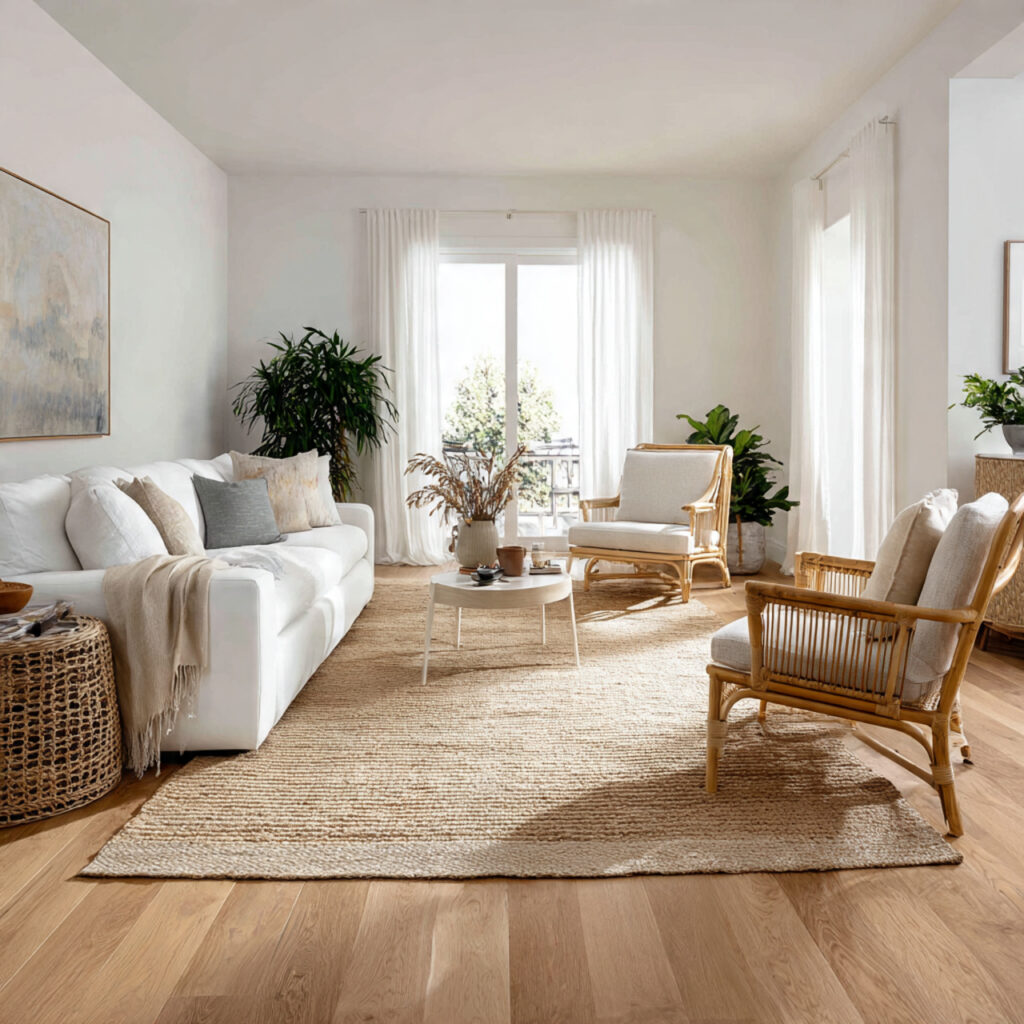
White or light wood flooring establishes bright, airy foundations for contemporary coastal living rooms while providing the neutral backdrop these spaces require. Light floors reflect natural light upward, making rooms feel larger and brighter than darker flooring options would. These floor colors also provide the visual continuity that makes spaces feel cohesive and flowing, particularly important in open floor plans where flooring runs throughout multiple areas.
Wide-plank white oak, light ash, or whitewashed pine flooring offers natural wood beauty while maintaining contemporary coastal brightness. White-painted wood floors create even lighter appearances perfect for smaller living rooms where maximum brightness is desired. Consider matte or satin finishes rather than high gloss options that can feel too formal or slippery for comfortable, casual coastal living rooms where people move around barefoot.
Protect light flooring with area rugs in high-traffic zones while allowing the beautiful floor to show around the edges and in less-used areas. The combination of light flooring with natural fiber rugs creates layered, textured foundations that add warmth without sacrificing brightness. This flooring choice creates lasting impact in contemporary coastal living rooms, providing the perfect neutral foundation that allows other design elements to shine without competing for attention.
16. Built-in Shelving and Storage
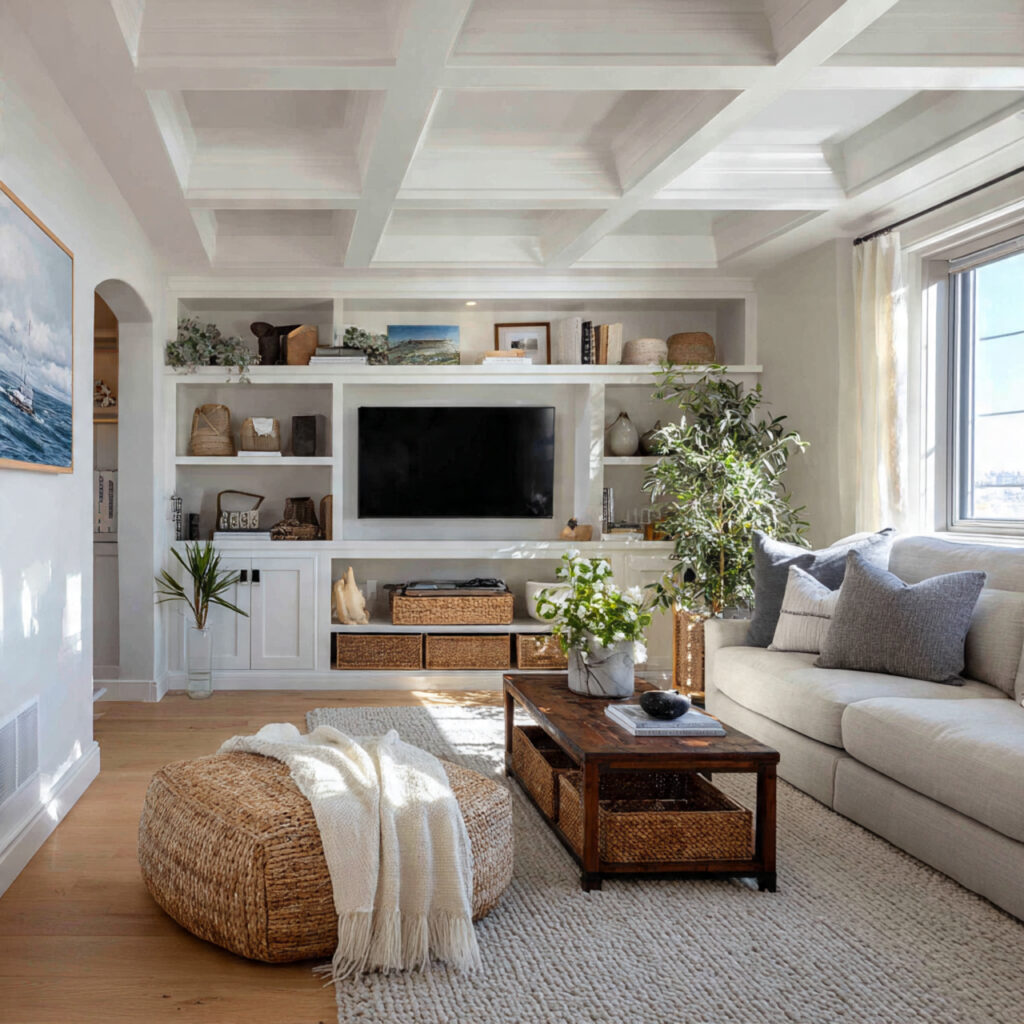
Built-in shelving and storage solutions maximize functionality while maintaining the clean, uncluttered aesthetic essential to contemporary coastal design. Custom built-ins can be designed to fit your space perfectly, utilizing awkward alcoves or framing fireplaces with storage that looks architecturally intentional rather than added as an afterthought. Painted white or in soft neutral tones, built-in shelving provides display and storage opportunities while maintaining visual lightness.
Style built-in shelves with a curated mix of books, decorative objects, and coastal-inspired accessories that add personality without creating clutter. Leave some shelves partially empty to maintain the breathing room contemporary design requires – every shelf doesn’t need to be filled completely. Incorporate closed storage in lower cabinets to hide less attractive necessities while keeping open shelving for beautiful objects you want to display.
Design built-in shelving with clean lines and simple profiles that complement contemporary aesthetics rather than ornate traditional styling. Consider incorporating lighting within built-ins to highlight displayed objects and create ambient illumination in your living room during evening hours. These custom storage solutions add substantial value to your home while creating the organized, serene environment coastal living rooms need to feel truly relaxing and restorative.
17. Slipcovered Furniture
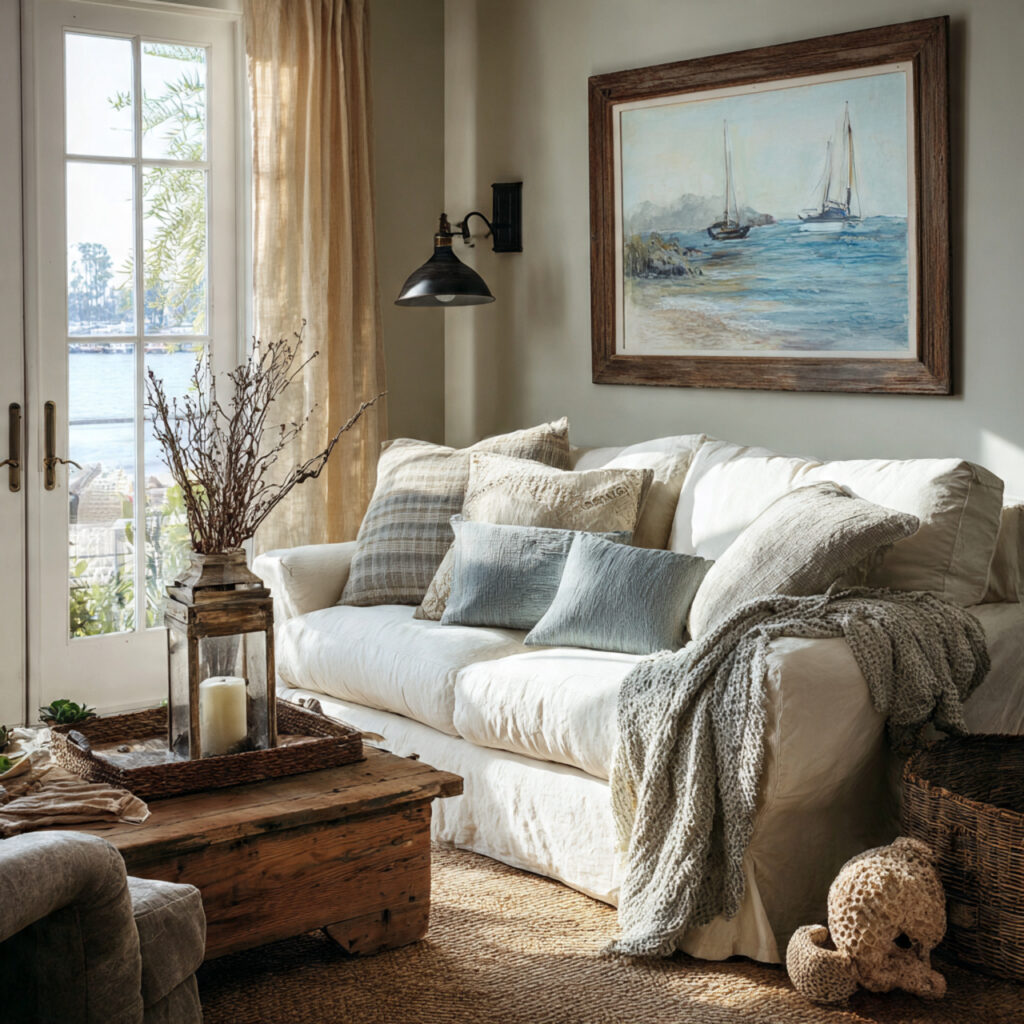
Slipcovered furniture embodies casual coastal elegance through its relaxed appearance and practical benefits. Removable slipcovers in white, cream, or natural linen create the perfect look for contemporary coastal living rooms while offering the practical advantage of easy cleaning. This furniture style feels inherently relaxed and welcoming, inviting people to sit and stay awhile without worrying about perfection or formality.
Choose slipcovers with tailored fits rather than overly loose, baggy styles that can appear sloppy rather than casually elegant. Modern slipcovered sofas and chairs feature clean lines and contemporary proportions that differentiate them from traditional overstuffed styles. Multiple slipcover sets allow you to change colors seasonally or refresh your look without replacing entire furniture pieces, offering flexibility that permanently upholstered furniture cannot match.
Style slipcovered furniture with textured throw pillows and cozy blankets that add layers and personality while maintaining coastal comfort. The slightly rumpled, lived-in appearance of quality slipcovers adds to their charm rather than detracting from it, creating spaces that feel welcoming rather than uptight. This furniture choice perfectly captures the relaxed sophistication that defines contemporary coastal design at its best.
18. Metallic Accents in Brass or Bronze

Metallic accents in warm brass or bronze tones add sophisticated contrast and subtle glamour to contemporary coastal living rooms. These warm metals complement coastal color palettes beautifully while preventing spaces from feeling too cool or cold. Small doses of metallics through lighting fixtures, hardware, picture frames, or decorative accessories create visual interest and catch light beautifully throughout the day.
Choose brass or bronze lighting fixtures including floor lamps, table lamps, or pendant lights that provide necessary illumination while adding warm metallic elements. Cabinet hardware, curtain rods, and decorative accessories in matching metals create cohesive design flow throughout your living room. The key lies in distribution – scatter metallic accents throughout the space rather than clustering them in single areas for balanced visual weight.
Balance warm metallics with plenty of cool-toned elements including white walls, blue accents, and natural materials that prevent the space from skewing too warm or yellow. The contrast between warm metals and cool coastal colors creates dynamic, layered spaces that feel sophisticated and thoughtfully designed. This measured approach to metallic accents adds just enough shine and interest without overwhelming the serene, natural quality contemporary coastal living rooms require.
19. Vaulted or High Ceilings
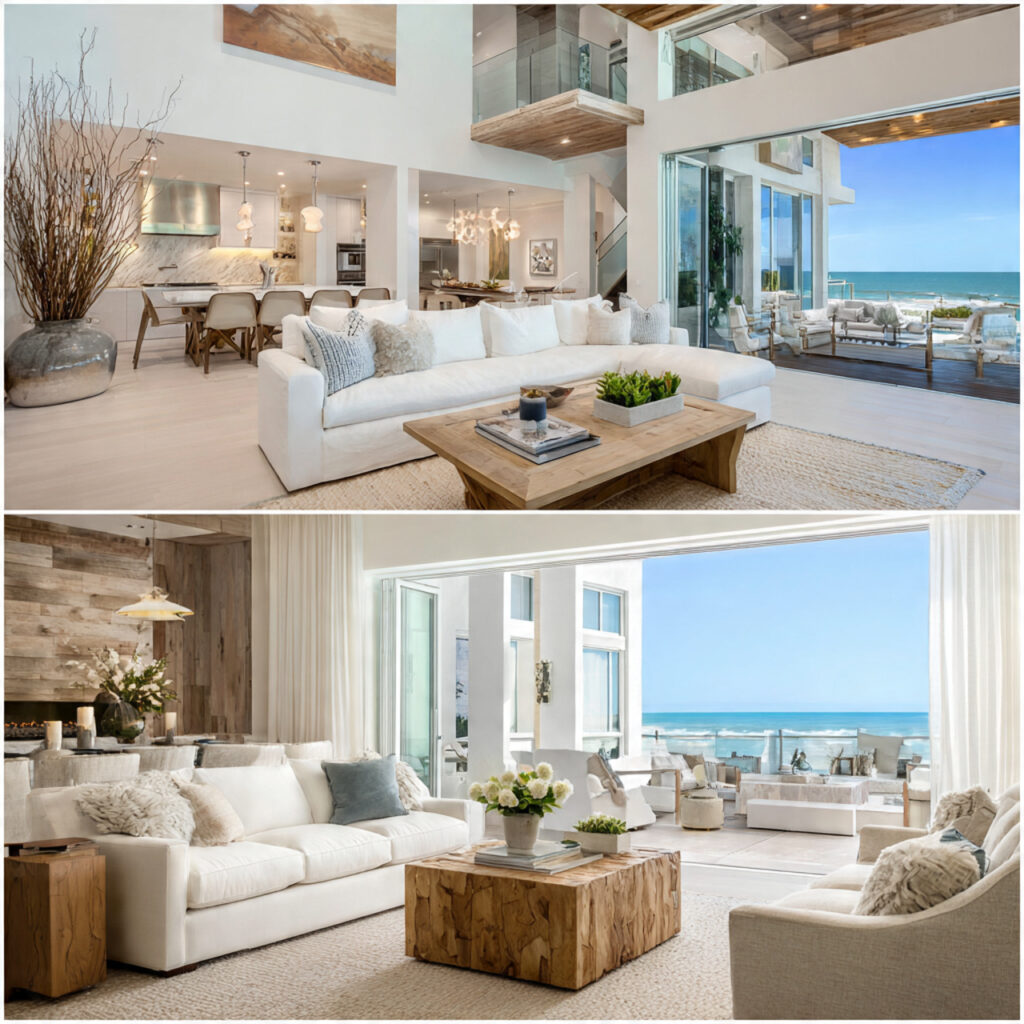
Vaulted or high ceilings enhance contemporary coastal living rooms by creating dramatic vertical space and emphasizing the airy quality essential to this design style. These architectural features allow for larger windows that flood spaces with natural light while creating volume that makes rooms feel spacious and breathable. If your living room features high ceilings, embrace them as assets that support and enhance coastal design principles rather than challenges to overcome.
Paint ceilings white to maximize light reflection and maintain the bright, airy feeling high ceilings naturally create. Expose beams in white, natural wood, or light painted finishes adds architectural interest while drawing the eye upward to appreciate the full vertical volume. Consider the scale of furniture and artwork in rooms with high ceilings, ensuring pieces are substantial enough to feel proportionate rather than dwarfed by vertical space.
Use vertical elements like tall plants, floor-to-ceiling curtains, or vertically oriented artwork to connect floor and ceiling visually while emphasizing the impressive height. Lighting becomes particularly important in rooms with high ceilings – combine overhead fixtures with table and floor lamps at various heights to ensure adequate illumination at living level. These architectural features create naturally dramatic contemporary coastal living rooms that feel spacious, open, and incredibly appealing.
20. Minimalist Fireplace Design
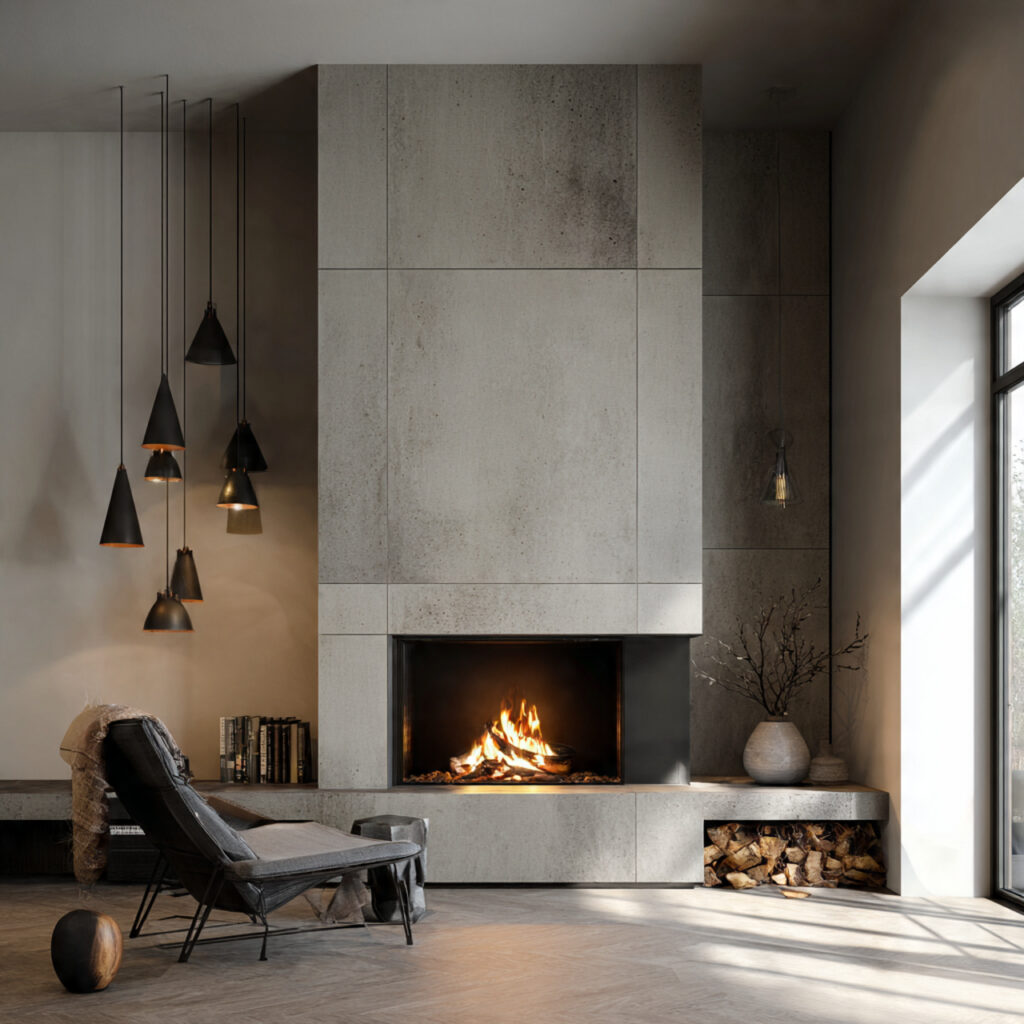
Minimalist fireplace designs serve as focal points in contemporary coastal living rooms without the ornate mantels and surrounds of traditional styles. Clean-lined fireplaces with simple surrounds in white, concrete, or stone maintain contemporary aesthetics while providing the warmth and gathering point living rooms need. These pared-down designs allow the fire itself to be the feature rather than elaborate architectural elements that can feel too heavy or formal for coastal spaces.
Linear gas fireplaces with sleek surrounds create modern focal points that complement contemporary coastal furniture and décor beautifully. White-painted brick or stone fireplaces offer texture while maintaining lightness and simplicity. Consider fireplaces that extend vertically rather than horizontally to emphasize ceiling height and create dramatic architectural moments without consuming excessive wall space.
Style minimalist fireplace mantels sparingly with a few carefully chosen objects rather than crowded collections that compete with the fireplace’s simple beauty. A single piece of artwork, a sculptural object, or a simple arrangement of candles creates sufficient visual interest without clutter. This restrained approach to fireplace design and styling supports the serene, uncluttered quality that makes contemporary coastal living rooms feel so relaxing and restorative.
21. French Doors and Transoms

French doors and transom windows maximize natural light while creating elegant architectural features in contemporary coastal living rooms. These elements blur boundaries between indoor and outdoor spaces, allowing easy flow to patios, decks, or gardens that extend living space beyond interior walls. The divided light pattern of French doors adds classic architectural interest while maintaining the brightness and openness coastal design requires.
Choose French doors with minimal muntins or larger glass panes that maximize views and light transmission while maintaining structural integrity. Paint door frames white or in soft neutral colors that coordinate with your interior palette without creating harsh contrast. Consider double French doors that open fully to create wide passages to outdoor spaces, effectively expanding your living room square footage during pleasant weather.
Dress French doors with simple white curtains, sheer panels, or woven shades that can be drawn for privacy without permanently blocking light or views. Transom windows above doors or along upper walls capture additional natural light while adding architectural interest and vertical emphasis. These architectural elements perfectly support contemporary coastal design goals of brightness, airiness, and connection to outdoor environments.
22. Whitewashed or Light-Stained Wood Beams

Whitewashed or light-stained wood beams add architectural character and warmth to contemporary coastal living rooms while maintaining lightness through their pale coloring. These structural or decorative elements create visual interest on ceilings that might otherwise be blank expanses of white, adding dimension without heaviness. The horizontal lines of beams can make rooms feel wider while adding coastal character that references traditional seaside architecture in refined, contemporary ways.
Choose beam treatments that complement your overall design direction – whitewashed beams feel softer and more casual, while light natural stains appear more organic and less processed. The spacing and size of beams significantly impacts their visual weight in your space. Larger, more substantial beams make stronger statements appropriate for spacious living rooms, while more delicate beams suit smaller spaces where heavy elements might feel overwhelming.
Balance ceiling beams with clean, simple furniture and minimal décor to prevent spaces from feeling too busy or cluttered. The architectural interest beams provide means you can maintain simpler, more pared-down furnishing choices while still achieving dynamic, interesting spaces. This architectural element works beautifully in contemporary coastal living rooms when color and scale are thoughtfully considered to enhance rather than overwhelm the space.
23. Coastal-Inspired Lighting Fixtures
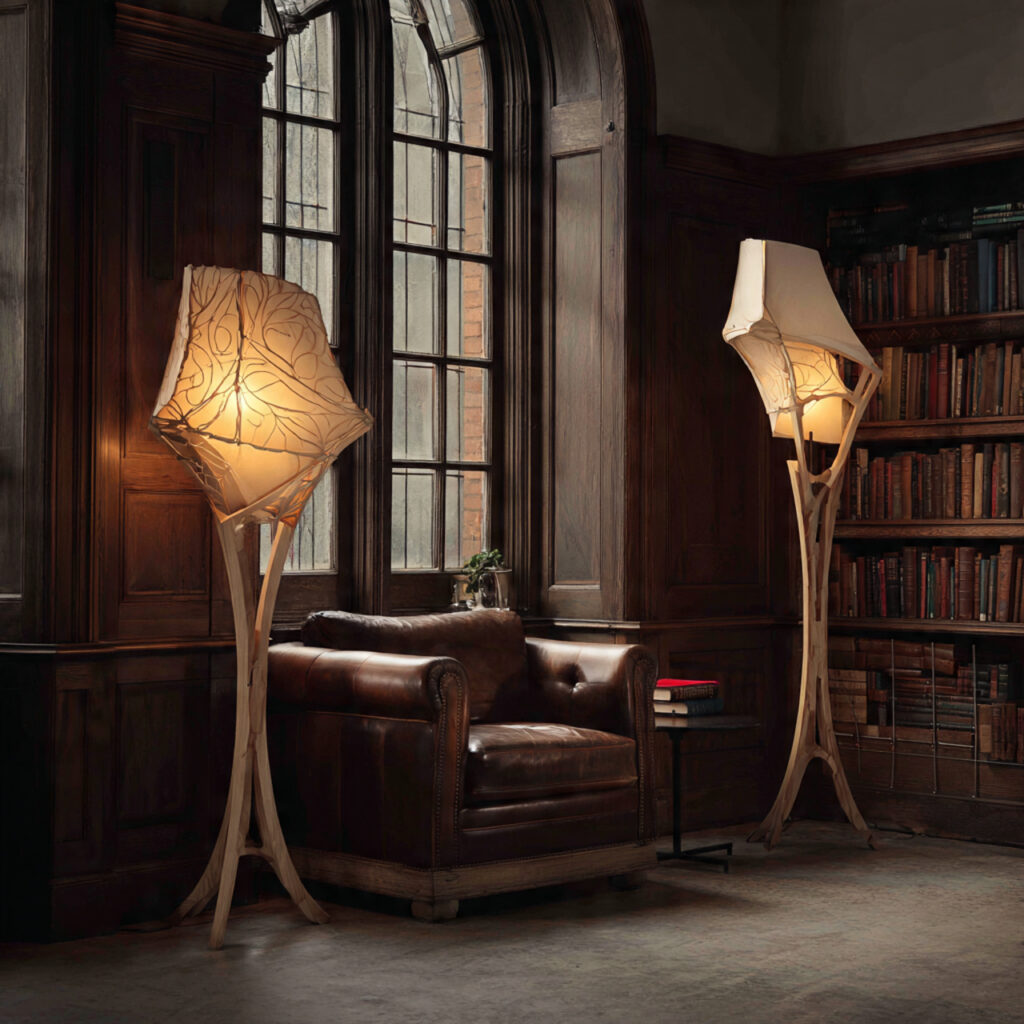
Coastal-inspired lighting fixtures combine function with style, providing necessary illumination while adding design interest to contemporary living rooms. Modern interpretations of coastal lighting move beyond traditional lantern styles to include sleek pendants, sculptural floor lamps, and sophisticated chandeliers that suggest rather than literally depict seaside themes. Look for fixtures in natural materials like rope, rattan, or bleached wood, or modern designs in white, brass, or glass that complement coastal aesthetics.
Layer different types of lighting including overhead fixtures, table lamps, and floor lamps to create ambient, task, and accent lighting that serves various needs. Dimmer switches allow you to adjust lighting levels for different activities and times of day, creating flexibility important in multi-purpose living rooms. Consider the visual weight and style of light fixtures carefully, ensuring they complement rather than compete with other design elements in your space.
Choose lighting fixtures with clean lines and contemporary proportions even when incorporating natural materials or coastal elements. Oversized woven pendant lights make dramatic statements while maintaining the organic, natural quality coastal design celebrates. Sculptural floor lamps in interesting shapes add functional art elements while providing necessary illumination for reading or other activities requiring focused light.
24. Textured White Walls
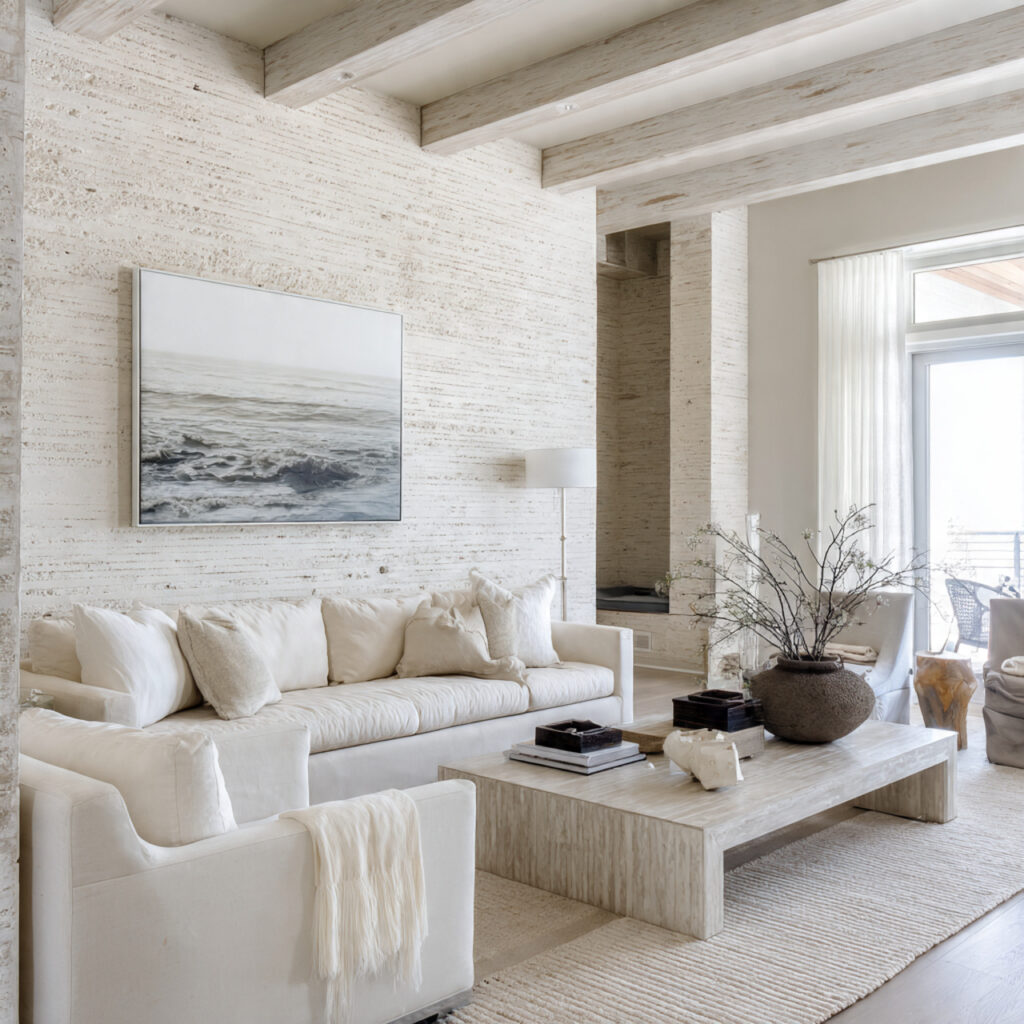
Textured white walls add subtle dimension and interest to contemporary coastal living rooms beyond what smooth painted walls provide. Techniques like Venetian plaster, limewash, or textured paint create depth that catches light beautifully throughout the day, adding visual interest without color or pattern. These treatments maintain the bright, airy quality essential to coastal design while preventing white walls from feeling flat or institutional.
Limewash creates soft, mottled appearances with subtle color variations that add organic, natural quality perfect for coastal aesthetics. Venetian plaster offers more refined, polished finishes that feel sophisticated and luxurious while maintaining textural interest. Consider the level of texture carefully based on your overall design direction – heavy texture can feel too rustic, while subtle texture adds interest without drawing excessive attention.
Balance textured walls with smooth surfaces in furniture upholstery and window treatments to prevent textural overload. These subtle wall treatments work beautifully as backgrounds for artwork, allowing pieces to pop while adding sufficient interest that walls don’t disappear entirely. Textured white walls represent sophisticated approaches to creating interesting, dimensional spaces while maintaining the bright simplicity contemporary coastal design requires.
25. Low-Profile Furniture
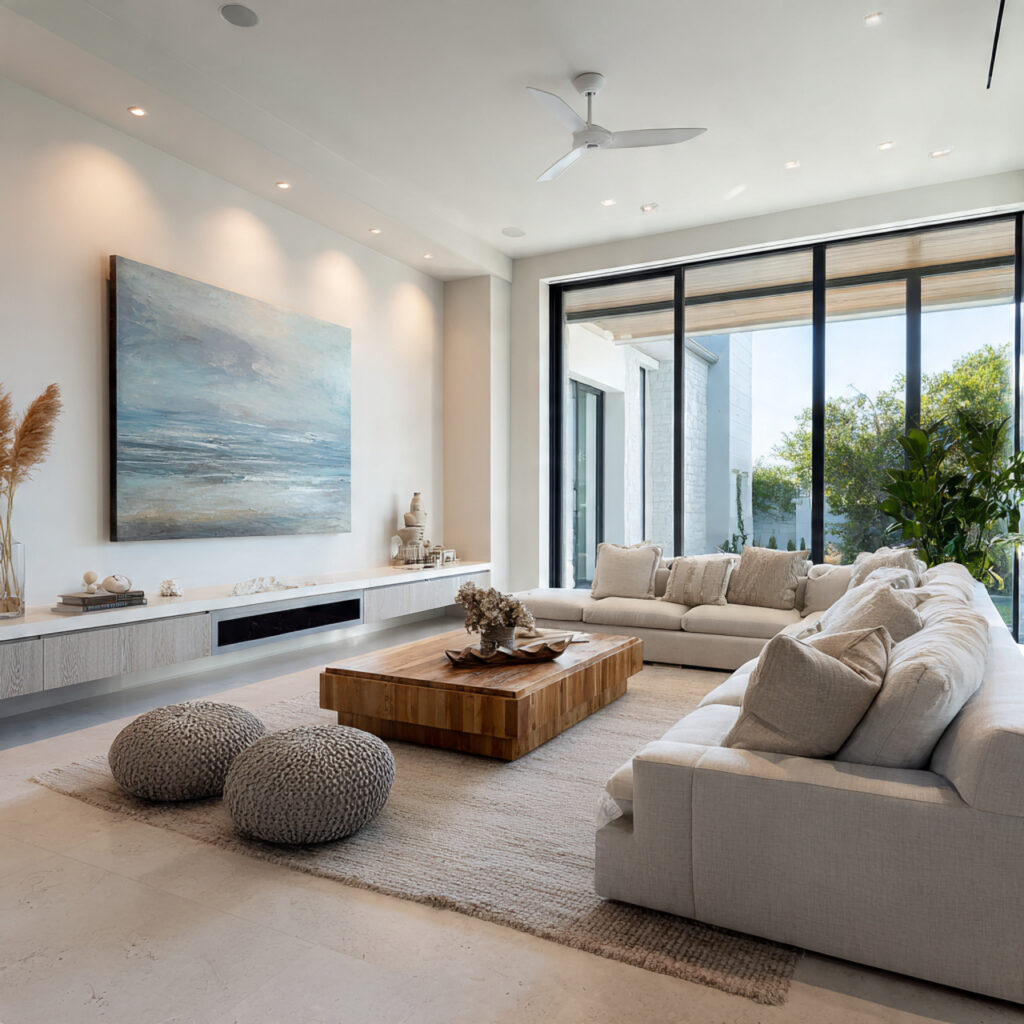
Low-profile furniture enhances the spacious feeling in contemporary coastal living rooms by maintaining low visual weight and creating breathing room above seating pieces. Modern sofas, chairs, and tables with lower heights emphasize horizontal lines while allowing sightlines to flow freely through spaces rather than being blocked by tall furniture backs. This furniture style makes rooms feel larger and more open while supporting the uncluttered aesthetic contemporary coastal design embraces.
Choose sofas and chairs with lower backs and arms that don’t obstruct views or make spaces feel closed in. Low coffee tables maintain openness while providing functional surface space for drinks, books, or decorative objects. This furniture style works particularly well in living rooms with spectacular views, ensuring furniture doesn’t block windows or interfere with enjoying outdoor scenery from seated positions.
Style low-profile furniture with plenty of comfortable cushions and throws that maintain comfort despite the more minimal aesthetic. The key lies in balancing contemporary sleekness with coastal comfort, ensuring your living room remains inviting and relaxing despite its modern proportions. This furniture choice creates contemporary coastal spaces that feel both stylish and livable, proving that design sophistication and everyday comfort can coexist beautifully.
26. Organic Sculptural Elements

Organic sculptural elements add artistic interest and natural beauty to contemporary coastal living rooms through carefully chosen decorative objects. These might include coral specimens, driftwood sculptures, smooth stone collections, or organic ceramic pieces that reference natural forms. Sculptural elements create focal points on shelves, coffee tables, or console tables while reinforcing the connection to nature central to coastal design philosophy.
Choose sculptural pieces with clean, simple forms that feel contemporary rather than cluttered or busy. A single large piece makes more impact than multiple small objects that can create visual clutter. Display sculptural elements against clean backgrounds with plenty of negative space that allows each piece to be appreciated individually without competing for attention.
Source authentic natural objects or high-quality reproductions that capture organic beauty without feeling cheap or artificial. Avoid overtly nautical objects like anchors or ships wheels that can make spaces feel themed rather than sophisticated. This curated approach to sculptural elements creates contemporary coastal living rooms that feel collected and personal rather than decorated from a catalog.
27. Seamless Indoor-Outdoor Flow

Creating seamless indoor-outdoor flow maximizes the fresh, airy quality contemporary coastal living rooms strive to achieve by extending living space beyond interior walls. This design principle uses consistent flooring materials, coordinated color palettes, and strategic furniture placement to blur boundaries between interior and exterior spaces. Large doors that open fully, minimal transitions between inside and outside flooring, and outdoor furniture that coordinates with interior pieces all contribute to this integrated approach.
Design outdoor living spaces as extensions of your interior living room with similar color schemes and design sensibilities. Use weather-resistant fabrics in coastal colors for outdoor cushions and pillows that coordinate with interior textiles. Consider covered outdoor areas that provide protection from sun and rain while maintaining the open connection to nature and fresh air.
Position interior furniture to encourage movement toward outdoor spaces while ensuring outdoor areas remain visible and inviting from inside. This physical and visual connection between indoor and outdoor living creates the ultimate contemporary coastal experience, allowing you to enjoy fresh air and natural surroundings while maintaining the comfort and convenience of interior spaces. The seamless flow embodies coastal living at its best, creating homes that truly celebrate their relationship to the natural environment.