29 Bedroom Organization Ideas That Make Your Room Look Bigger, Cleaner and Pinterest Worthy

You wake up in the morning and the first thing you see is the pile on the chair. You know the one. The chair that slowly became a second wardrobe, a landing spot for everything that didn’t have anywhere better to go. The floor has its own geography of things. The dresser has approximately four layers of life on it.
And somewhere under all of that is the bedroom you actually want, calm, clear, and genuinely beautiful.
Here’s the truth that interior stylists and sleep researchers both agree on: your bedroom environment directly affects your sleep quality, your morning mood, and your stress levels throughout the day. A disorganized bedroom doesn’t just look messy, it feels heavy, even when you’re not consciously aware of it. The visual clutter creates mental noise that follows you from the moment you open your eyes.
The good news? The bedroom is one of the most satisfying rooms to transform. The changes are visible immediately. The impact is felt morning and night, every single day. And most of the 29 ideas ahead don’t require a major renovation or a significant budget, just intention, the right approach, and this guide.
Let’s turn your bedroom into the room you’ve been wanting it to be.
Why Bedroom Organization Changes More Than Just the Look
The Science Behind a Calm Bedroom
Multiple studies have shown that people who sleep in cluttered bedrooms take longer to fall asleep and report lower sleep quality than those who sleep in organized, visually calm spaces. The connection between visual environment and mental state isn’t a design preference, it’s a measurable physiological response.
When your brain registers clutter, it registers unfinished tasks and unresolved decisions. That low-level alertness is the opposite of what you need for restful sleep. An organized bedroom tells your nervous system: everything is in its place. You can relax. That message, received twice a day every day, has compounding effects on how you feel.
What Organized Doesn’t Have to Mean
Organized doesn’t mean minimal. It doesn’t mean empty. It doesn’t mean getting rid of everything you love. It means everything you love has a home, is arranged with intention, and the space functions as well as it looks. The ideas ahead honor that distinction, they help you build a bedroom that’s both organized and beautifully yours.
Start With the Fundamentals: Declutter Before You Organize
Before any organizational system can work, the excess has to go. These ideas establish the foundation.
1. The Wardrobe Edit: Keep Only What You Actually Wear
Why It Comes First
A wardrobe overstuffed with unworn clothes makes every organizational system fail before it starts. There simply isn’t room for systems when the capacity is exceeded. The wardrobe edit isn’t about minimalism, it’s about reclaiming your own space from clothes that stopped serving you.
How to Do It
Empty your wardrobe completely. Try on anything you’re uncertain about. If it fits, you love it, and you’ve worn it in the past twelve months, it stays. Everything else, items kept out of guilt, items waiting for a body you used to have, items that seemed like a good idea at the time, leaves. Donate clothes in good condition immediately. The speed of donation prevents second-guessing.
Common Mistake
Keeping a “maybe” pile for review later. The maybe pile almost always goes back into the wardrobe unchanged. Make the decision in the moment and commit to it.
Also Read: 25 Declutter Home Ideas That Will Transform Your Space and Help You Finally Get Organized
2. Clear Every Horizontal Surface First
Why It Works
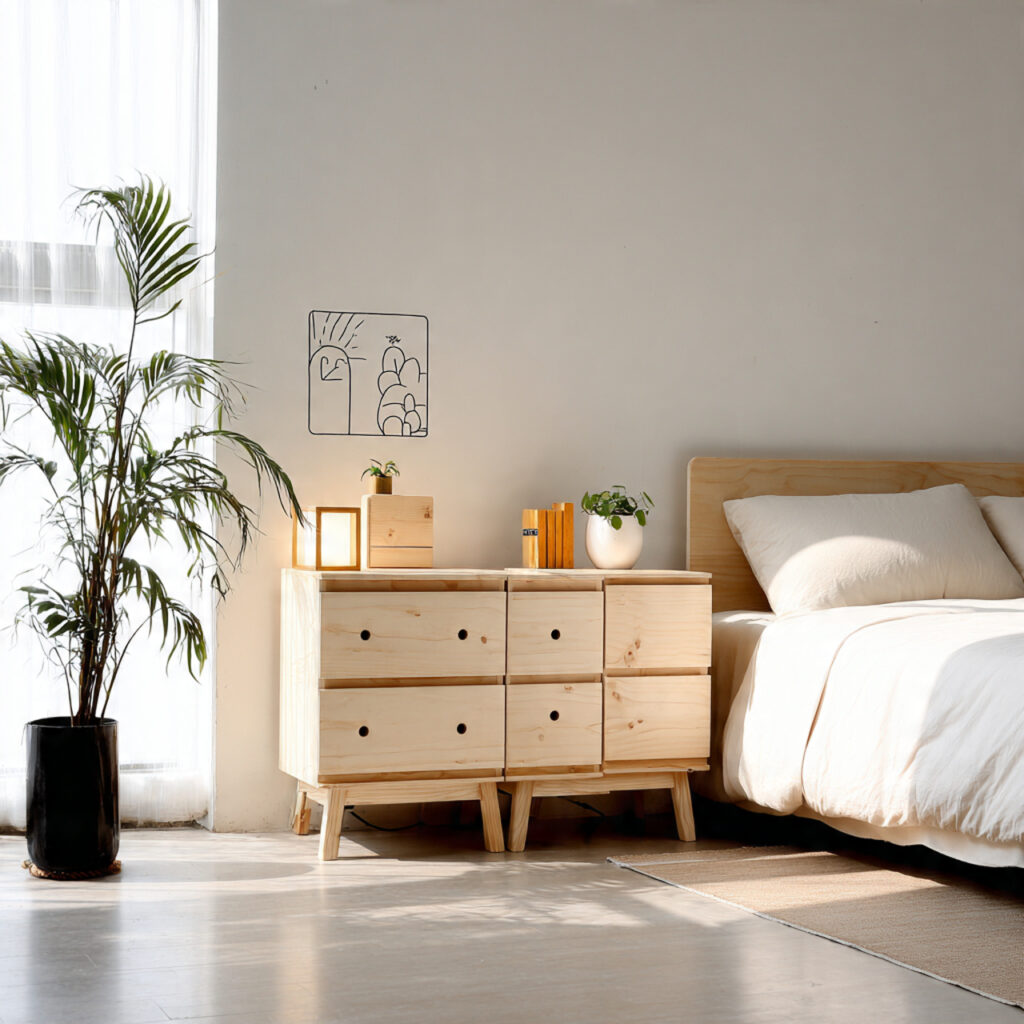
Horizontal surfaces in a bedroom, the dresser top, the nightstand, the top of the wardrobe, the bookshelf, are clutter magnets. They collect items that were placed there temporarily and never moved. Clearing them completely before doing anything else reveals the actual volume of belongings and creates an immediate visual reset.
How to Do It
Remove everything from every surface in the bedroom. Put it all in one place, the bed works well temporarily. Then, with everything gathered, sort into three categories: belongs in this room and needs a proper home, belongs in another room, and can be donated or discarded. Return only what belongs with intention.
Insider Tip
The act of seeing everything from every surface collected in one place is usually the most clarifying moment in any bedroom organization project. It shows you what you actually have versus what you vaguely imagined you had.
Read More: 27 Simple Spring Cleaning Aesthetic Ideas That Make Your Home Feel Calm, Fresh and Beautiful Fast
3. Address the Chair
Why It Matters
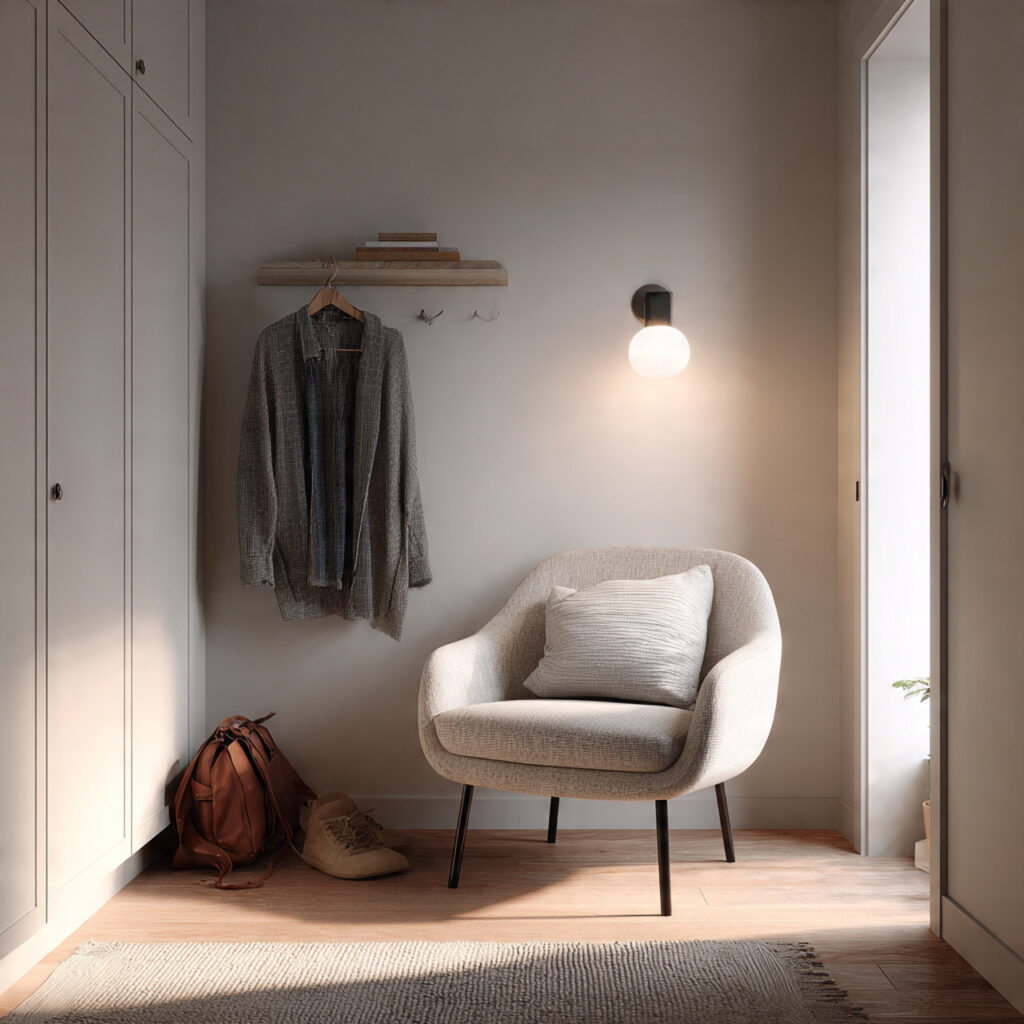
The chair, or the corner, or the section of floor, that slowly became a textile dumping ground exists in approximately 80% of bedrooms. It accumulates because it’s convenient and because deciding where things actually go requires mental energy in the moment. The solution isn’t discipline. It’s a system that makes the right behavior as easy as the wrong one.
How to Do It
Designate a small hook, a slim valet stand, or a specific section of the wardrobe for “worn but not ready for washing” clothes. Give tomorrow’s outfit a specific spot, a hook near the door, a dedicated chair with a single use. When the alternative home is as convenient as the chair, the chair gradually clears itself.
Common Mistake
Thinking you just need more willpower to stop using the chair. You don’t. You need a better system than the chair. Systems beat willpower every time.
The decluttering foundation makes everything else work better, and the ideas ahead transform that cleared space into something genuinely beautiful.
Wardrobe and Clothing Storage Ideas
The wardrobe is where most bedroom organization begins and most bedroom chaos originates. These ideas make it work properly.
4. Matching Hangers Throughout
Why It Works
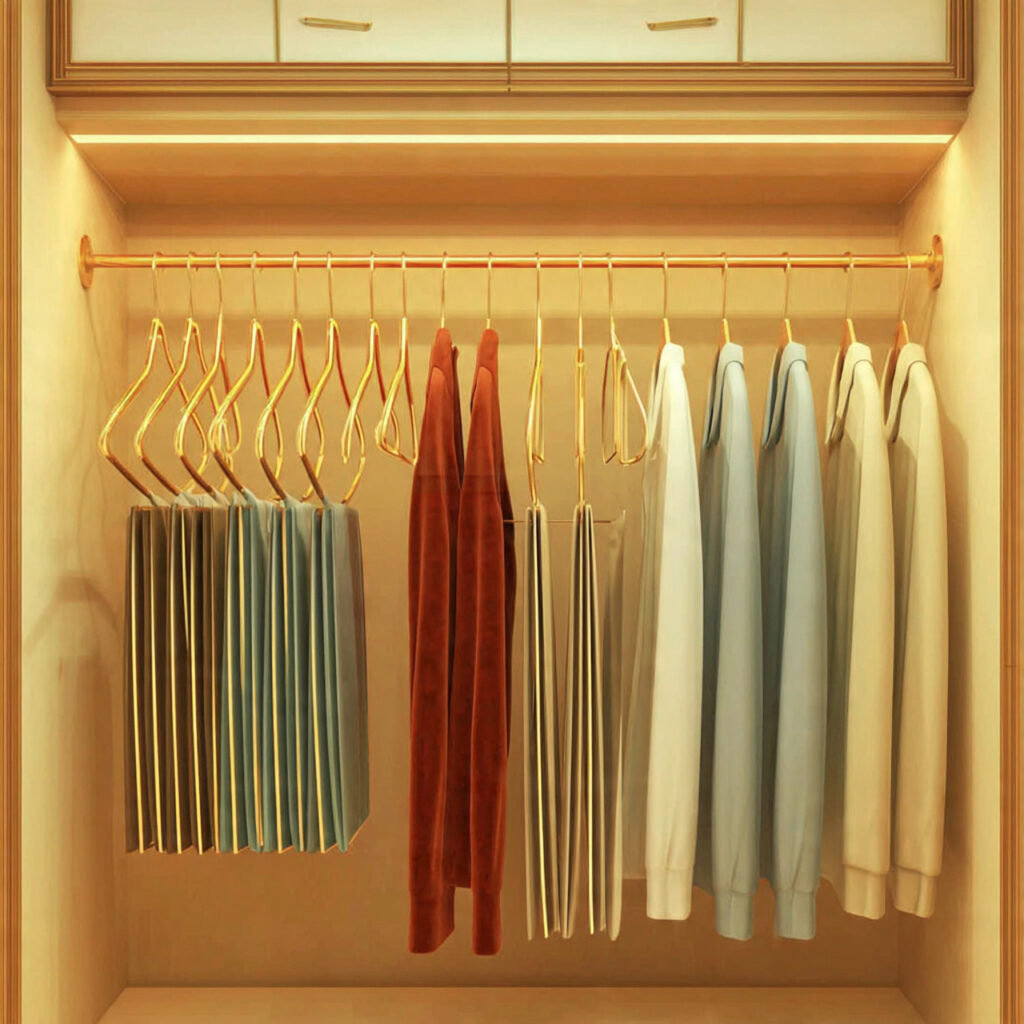
Mismatched hangers, plastic, wire, velvet, wooden, all different sizes and colors, create visual noise even inside a closed wardrobe. When you open it, the chaos reads as disorder even if the clothes themselves are organized. Switching to a consistent hanger type takes about twenty minutes and transforms how the wardrobe looks and feels to use.
How to Do It
Slim velvet hangers are the most widely recommended for most wardrobes, they’re slim enough to fit more clothes, grippy enough to prevent slipping, and the uniformity they create looks genuinely clean. Replace all hangers at once rather than gradually for maximum impact.
Insider Tip
Face all hangers in the same direction, hooks pointing toward you. When something is worn, return it with the hook pointing away. After three months, anything still facing away hasn’t been worn and can be considered for donation. This is the passive version of the “worn in 12 months” rule.
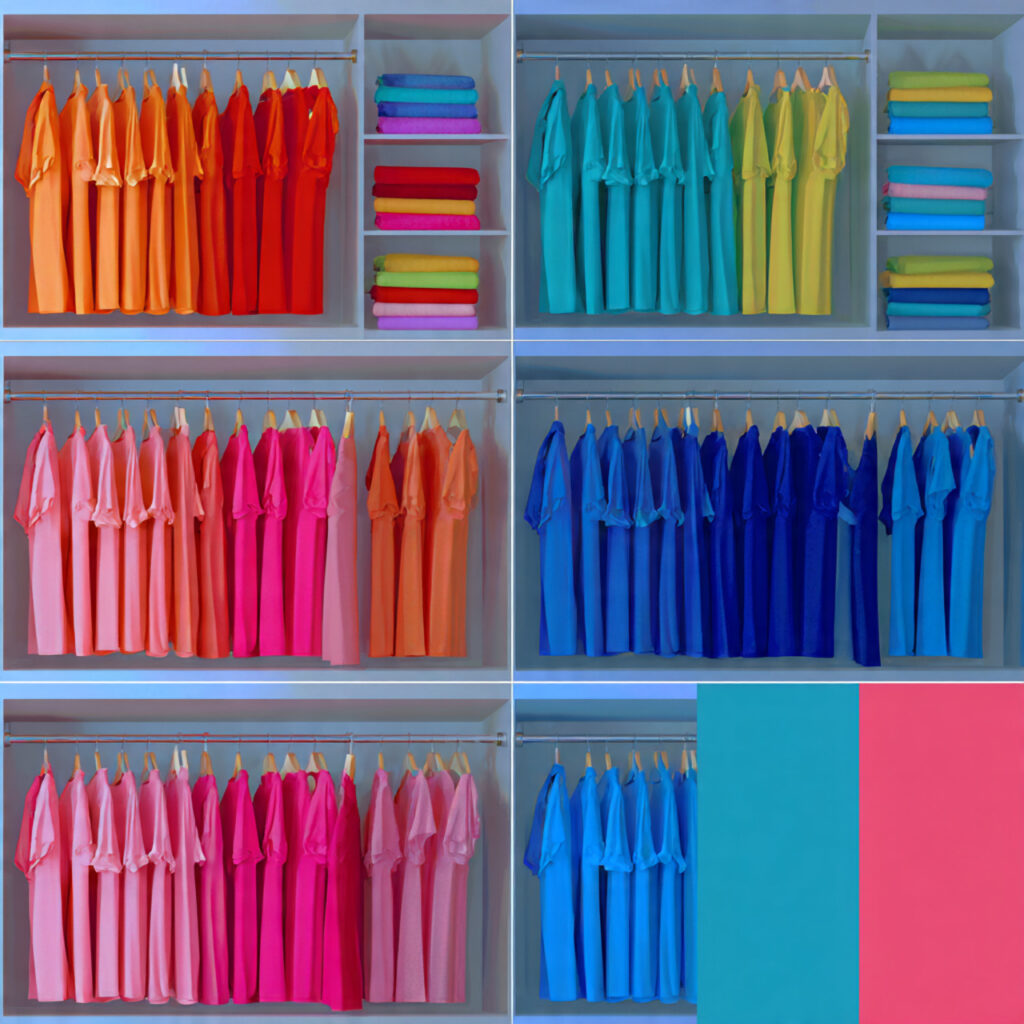
5. Organize Clothes by Category, Then Color
Why It Works
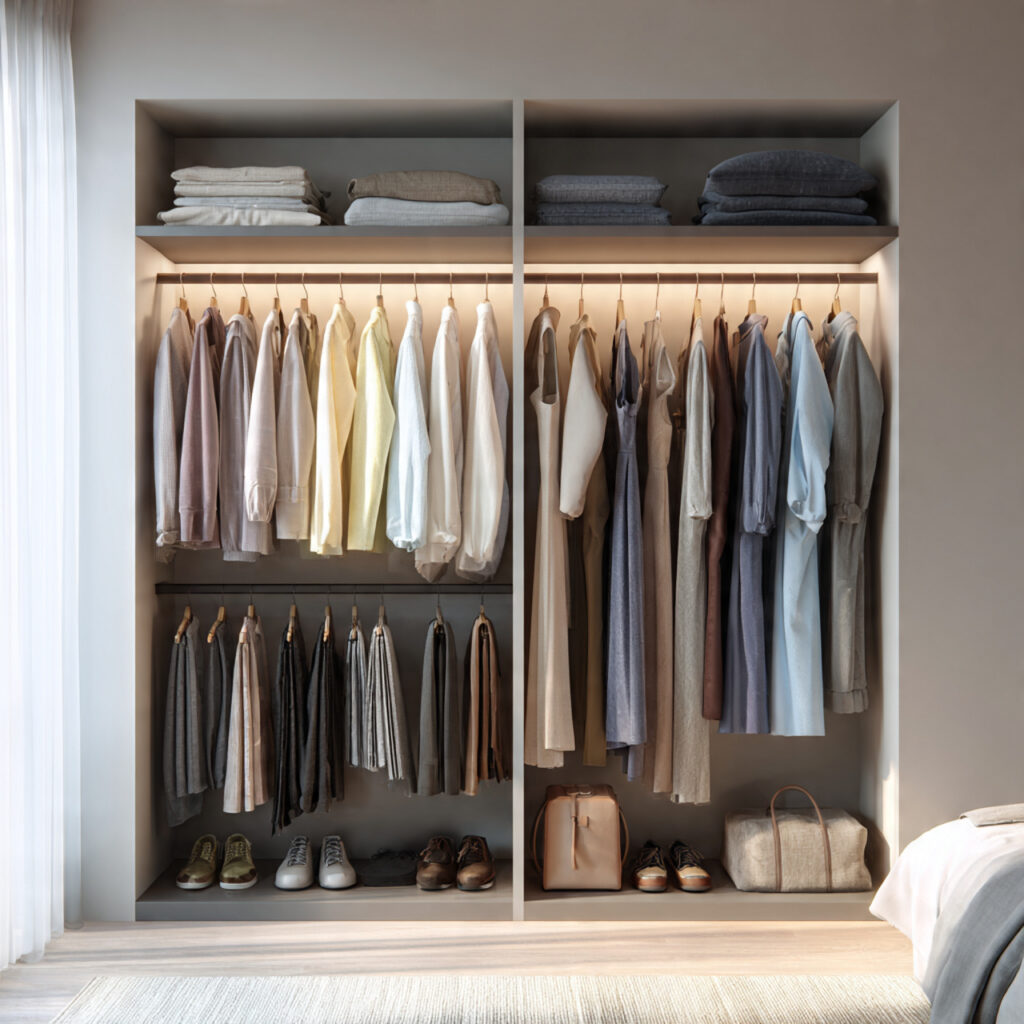
Organizing first by category (all shirts together, all trousers, all dresses) and then by color within each category creates a wardrobe that works like a visual index. You can find exactly what you’re looking for in seconds, and the color gradient within each section looks genuinely beautiful, like a curated boutique rather than a random collection.
How to Do It
After the wardrobe edit and hanger swap, arrange all remaining clothes by category. Within each category, sort from light to dark or dark to light, choose one direction and keep it consistent. The color arrangement takes an extra ten minutes and makes the wardrobe look significantly more organized than any other single step.
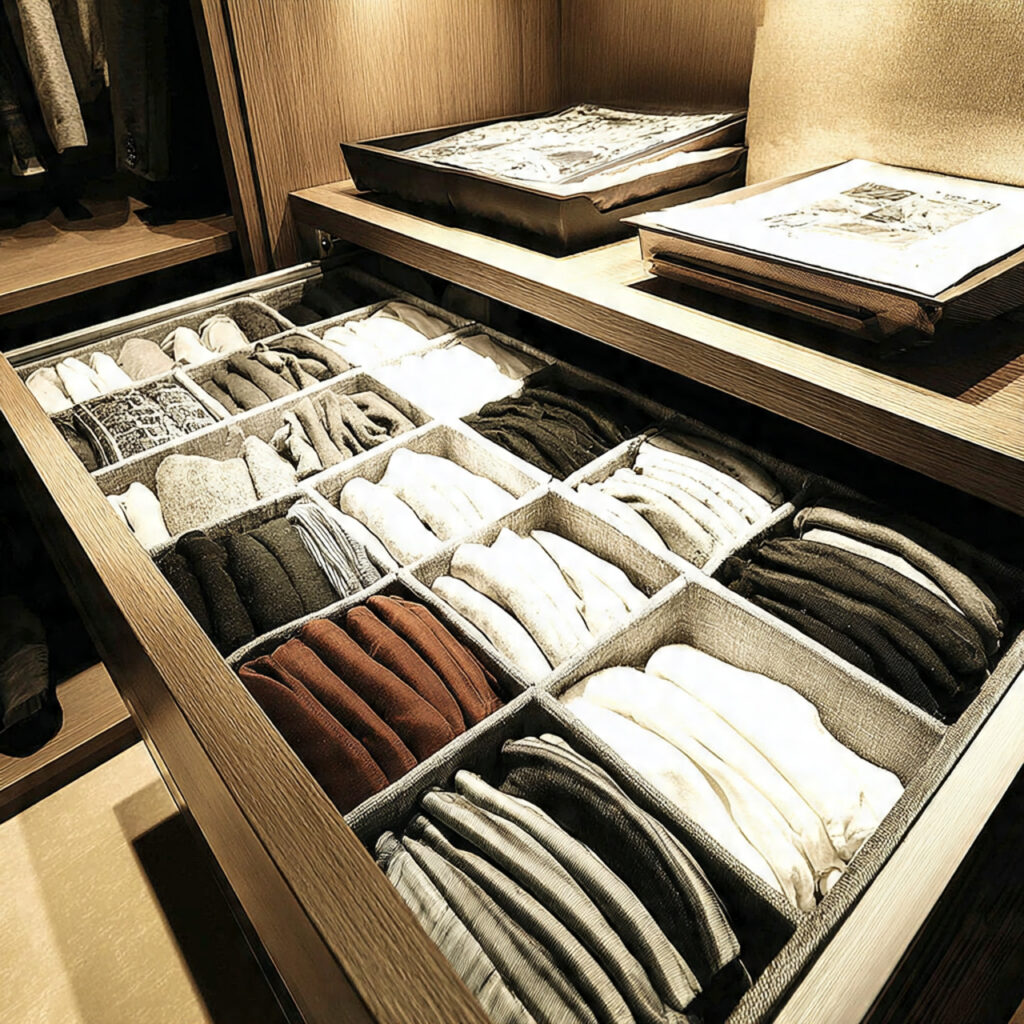
6. Fold Using the Vertical Method for Drawers
Why It Works
Traditional horizontal folding, items stacked on top of each other, means you can only see and access the top item without disturbing the whole pile. Vertical folding, where items stand on their folded edge like files in a filing drawer, lets you see and access every single item without creating a mess.
How to Do It
Fold items into thirds lengthwise, then fold into a rectangle small enough to stand upright. Place them in rows across the drawer with the folded edge facing up. The first time you open a drawer organized this way, the difference is immediately apparent, you can see everything, reach anything, and the drawer stays organized rather than collapsing after the first use.
Common Mistake
Attempting this with clothes that aren’t folded consistently or into the right size. Take time to fold each item to the same dimensions before filing, the uniformity is what makes the method work.
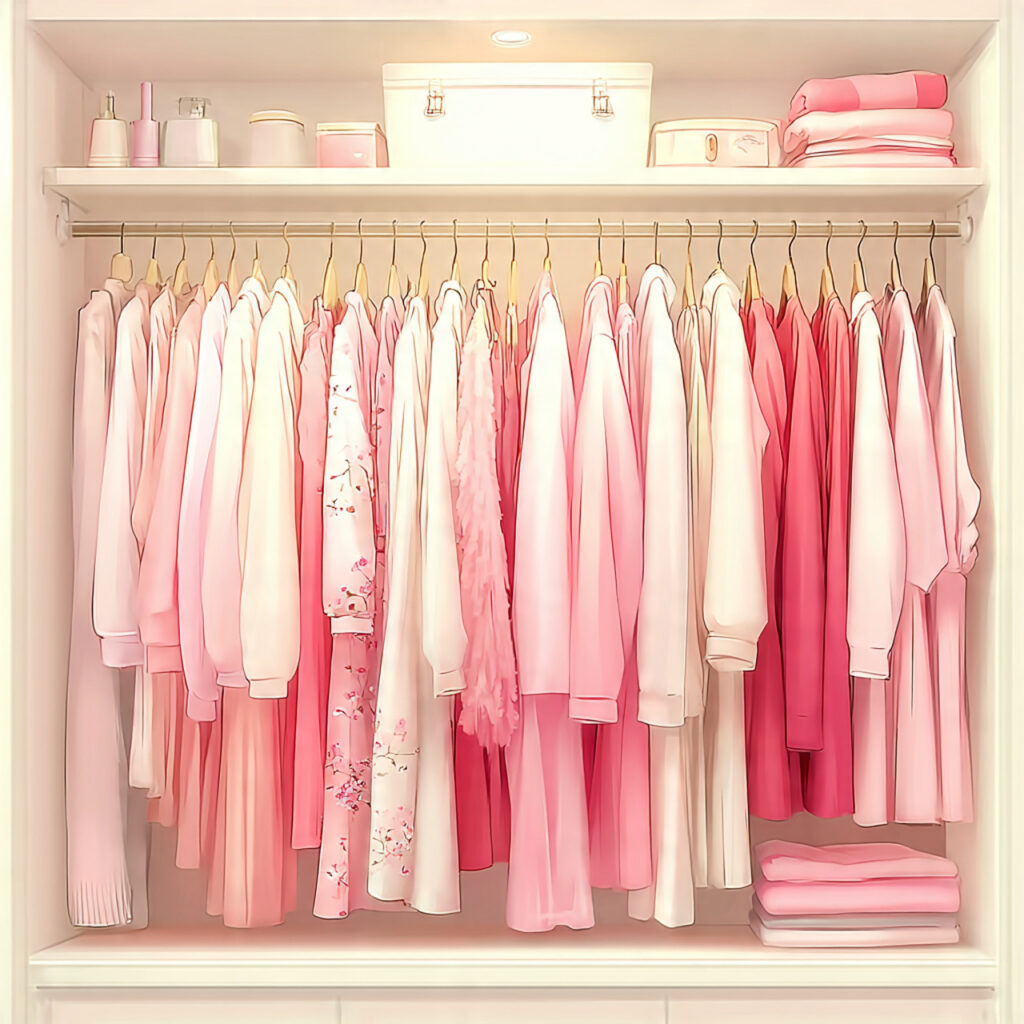
7. Add a Second Hanging Rod for Short Items
Why It Works
Most wardrobes have one hanging rod that extends the full height of the space, leaving empty air beneath short hanging items, shirts, jackets, folded trousers. A second rod hung below the original doubles the hanging capacity for short items and uses the vertical space that was previously wasted.
How to Do It
Measure the space below your current hanging rod for short items, typically shirts, jackets, and trousers folded over a hanger. Install a second rod at the right height for those items. This works particularly well on one side of a double wardrobe: one side stays for full-length items (dresses, long coats), the other doubles up.
8. Use the Top Shelf for Seasonal Storage

Why It Works
The top shelf of most wardrobes is the hardest to access regularly, which makes it perfect for seasonal items: winter coats when it’s summer, summer dresses when it’s winter, holiday or special occasion pieces used only a few times a year. Clearing the top shelf of daily-use items and dedicating it to seasonal storage frees up more accessible space for what you actually need.
How to Do It
Store seasonal items in clearly labeled fabric boxes or zip storage bags. Vacuum storage bags compress bulky winter items (sweaters, coats, duvets) to a fraction of their normal size, freeing up significant shelf space. Label everything clearly so you’re not unpacking multiple boxes to find one item.
9. A Shoe Organization System That Actually Works

Why It Works
Shoes on the wardrobe floor create a chaotic visual base that undermines even the most organized clothing above them. A consistent shoe storage system transforms both the look of the wardrobe and the daily experience of finding what you need.
How to Do It
The best system for most people is a combination of approaches: a low shoe rack at the bottom of the wardrobe for current season shoes, clear stackable boxes for shoes worn less frequently, and over-door shoe pockets for accessories and flat shoes. Limit the number of shoes kept in the bedroom to those worn regularly, seasonal and occasion shoes stored elsewhere.
Insider Tip
Photograph each pair of shoes and tape the photo to the front of its storage box. You can immediately see what’s inside without opening anything. This sounds simple and is genuinely useful, especially for boxes stored out of easy reach.
This is a great moment to save your favorite ideas so far, the surface styling and furniture sections ahead are where the bedroom-of-your-dreams really comes together.
Furniture and Space Maximizing Ideas
How your furniture is arranged and used makes as much difference as any organizational system. These ideas use your existing furniture more intelligently.
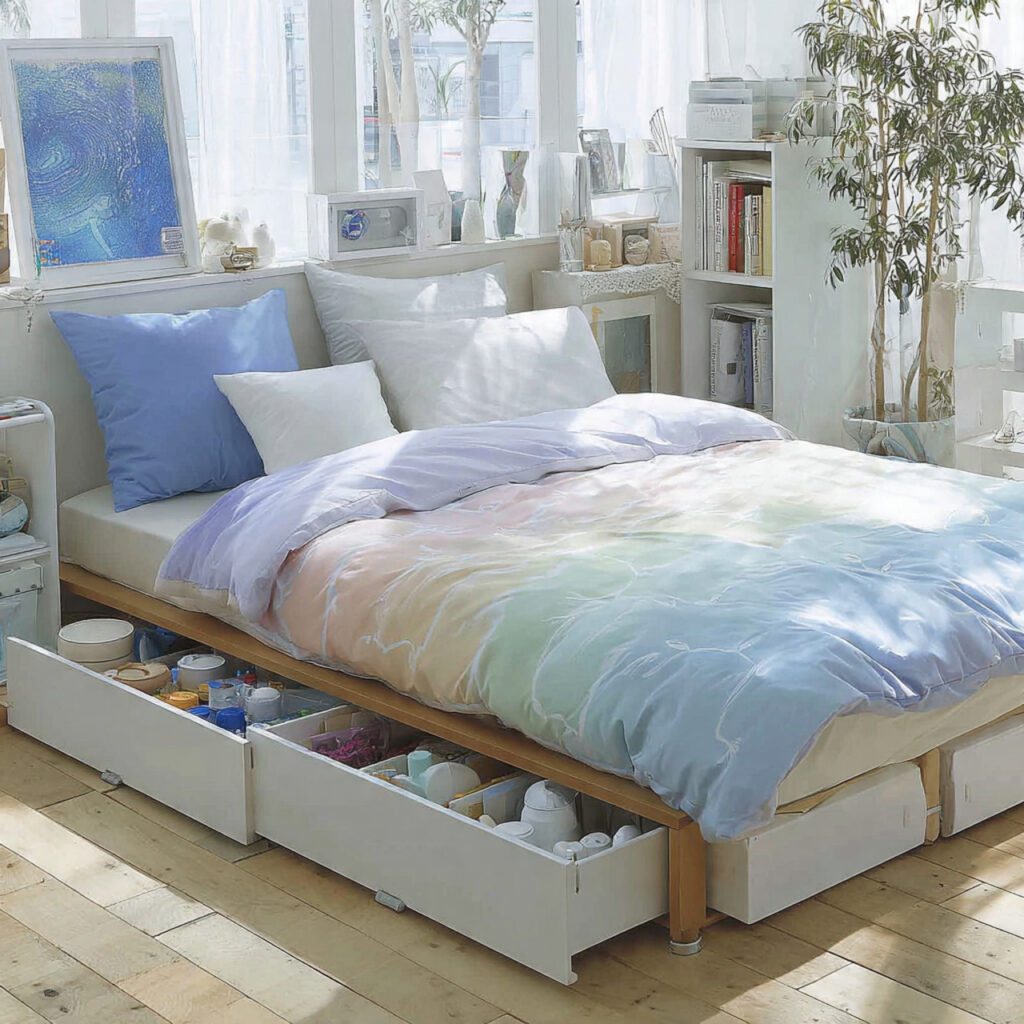
10. Bed With Built-In or Under-Bed Storage
Why It Works
Under the bed is often the largest unused storage volume in a bedroom. Using it intelligently for items accessed infrequently can clear significant space from wardrobes and other storage areas, space that then opens up for better organization throughout.
How to Do It
Use flat, wheeled storage drawers for items accessed occasionally, extra bedding, seasonal clothing, spare pillows. Use closed containers rather than open bins so dust doesn’t accumulate on stored items. Label each container clearly. Leave a clear path around the bed so the space doesn’t feel congested.
Common Mistake
Storing items under the bed that you need regularly. Under-bed storage works best for infrequent-access items only. If you find yourself pulling containers out constantly, those items need a more accessible home.
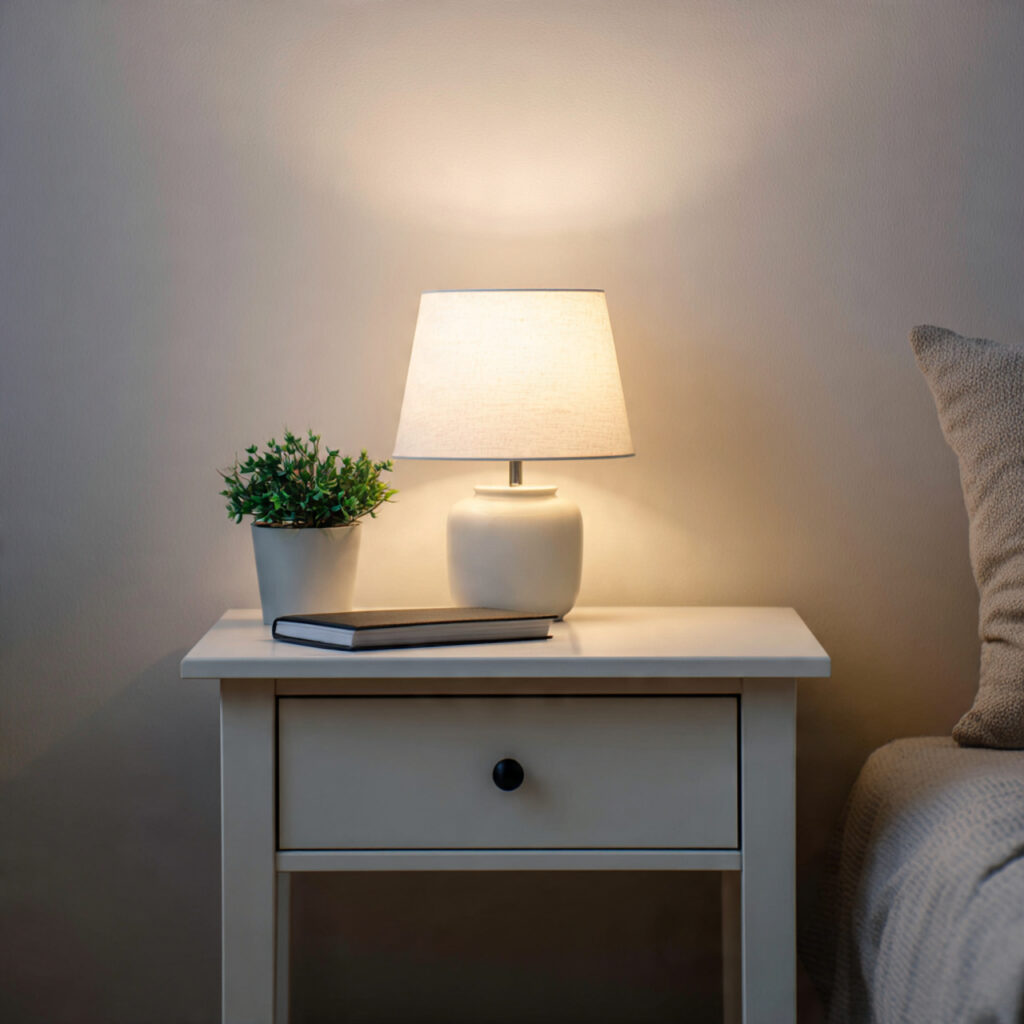
11. A Bedside Table That Works Harder
Why It Works
Most nightstands are used for one or two things (lamp and phone) but have drawers or shelves that accumulate miscellaneous items because there’s no clear system for them. A nightstand with a thought-out organizational approach becomes a calm, functional space that supports your sleep routine rather than adding to visual clutter.
How to Do It
Keep the nightstand surface to three items maximum: your lamp, a small plant or single object you love, and your current book or water glass. Use the drawer for sleep-specific items only: lip balm, hand cream, earplugs, a sleep mask. Nothing else lives in the nightstand drawer. This clarity means you can find what you need in the dark without creating a mess.
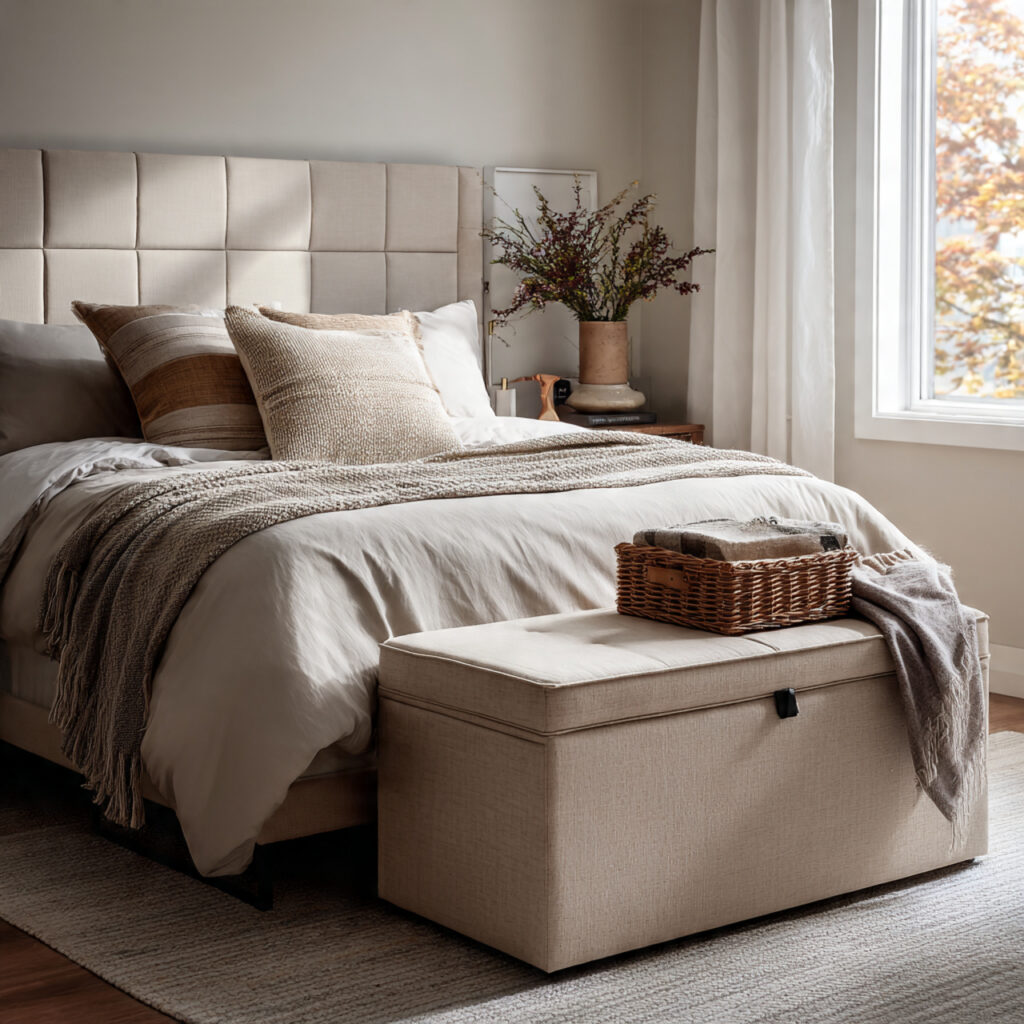
12. A Bedroom Bench or Ottoman With Storage
Why It Works
A bench at the foot of the bed with hidden storage inside is one of the most space-efficient bedroom furniture pieces available. It solves the “chair problem”, providing a place to sit while dressing or lay out tomorrow’s clothes, while also providing hidden storage for extra bedding, throws, or seasonal items.
How to Do It
If you’re choosing new bedroom furniture, a storage ottoman bench is worth prioritizing. If you already have a bench, adding neat storage underneath, a flat basket or two, makes use of the dead space while keeping the area looking clean.
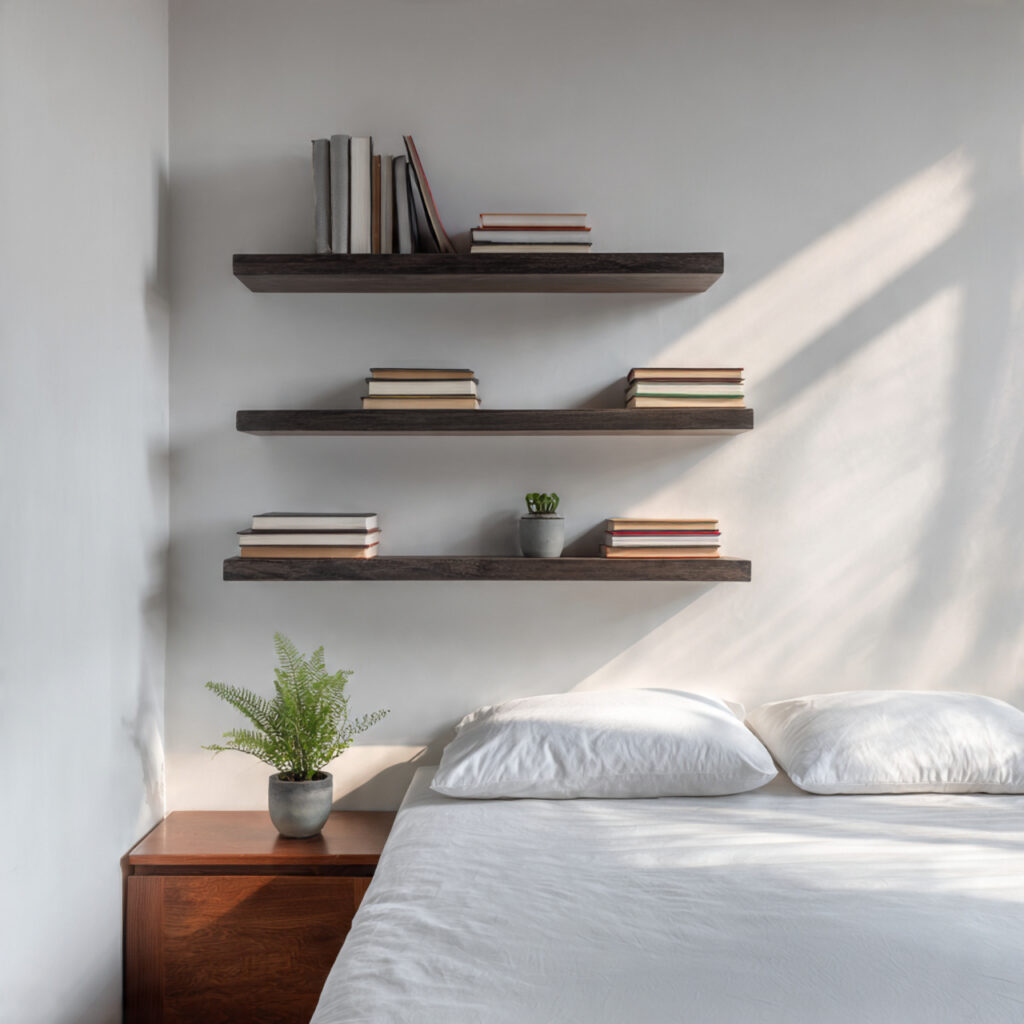
13. Floating Shelves Instead of Bulky Furniture
Why It Works
Floating shelves provide storage and display space without taking up floor space, which has a dramatic effect on how large a bedroom feels. Rooms with less floor furniture look and feel bigger, the visual continuity of the floor creates a sense of space that bulky freestanding furniture interrupts.
How to Do It
Install floating shelves above the bed (for a headboard-like display), beside the bed (as floating nightstands), or along a wall (for books, plants, and objects). Keep shelving lightly loaded, a few intentional items per shelf rather than filling every inch. The breathing room between objects is as important as the objects themselves.
Common Mistake
Overloading floating shelves with too many items. Floating shelves that are completely full look cluttered. The rule of thumb is no more than 70% full, the remaining 30% of visible shelf surface is what makes the arrangement look curated rather than crammed.
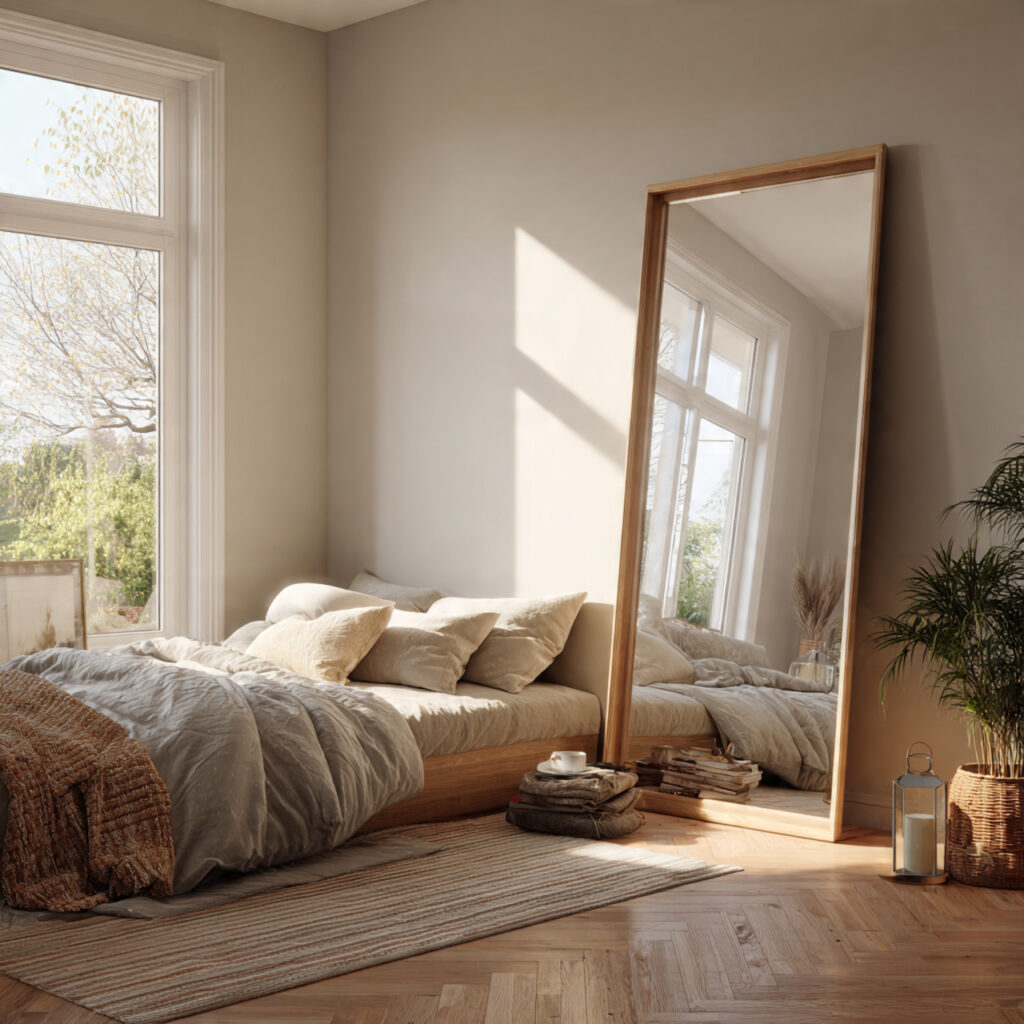
14. Mirrors to Make Small Bedrooms Feel Larger
Why It Works
A full-length mirror or a large framed mirror reflects light and creates the visual impression of additional space, making a small or medium bedroom feel significantly larger without any physical changes. Mirrors are one of the most powerful and affordable space-expanding tools in bedroom design.
How to Do It
Lean a large mirror against a wall opposite or adjacent to the window. The reflected window doubles the perceived light in the room. A floor-to-ceiling mirror on a wardrobe door achieves the same effect with zero additional space required. Frameless or thin-framed mirrors look most sleek. Bold or ornate frames look beautiful but should be chosen deliberately to suit the room’s aesthetic.
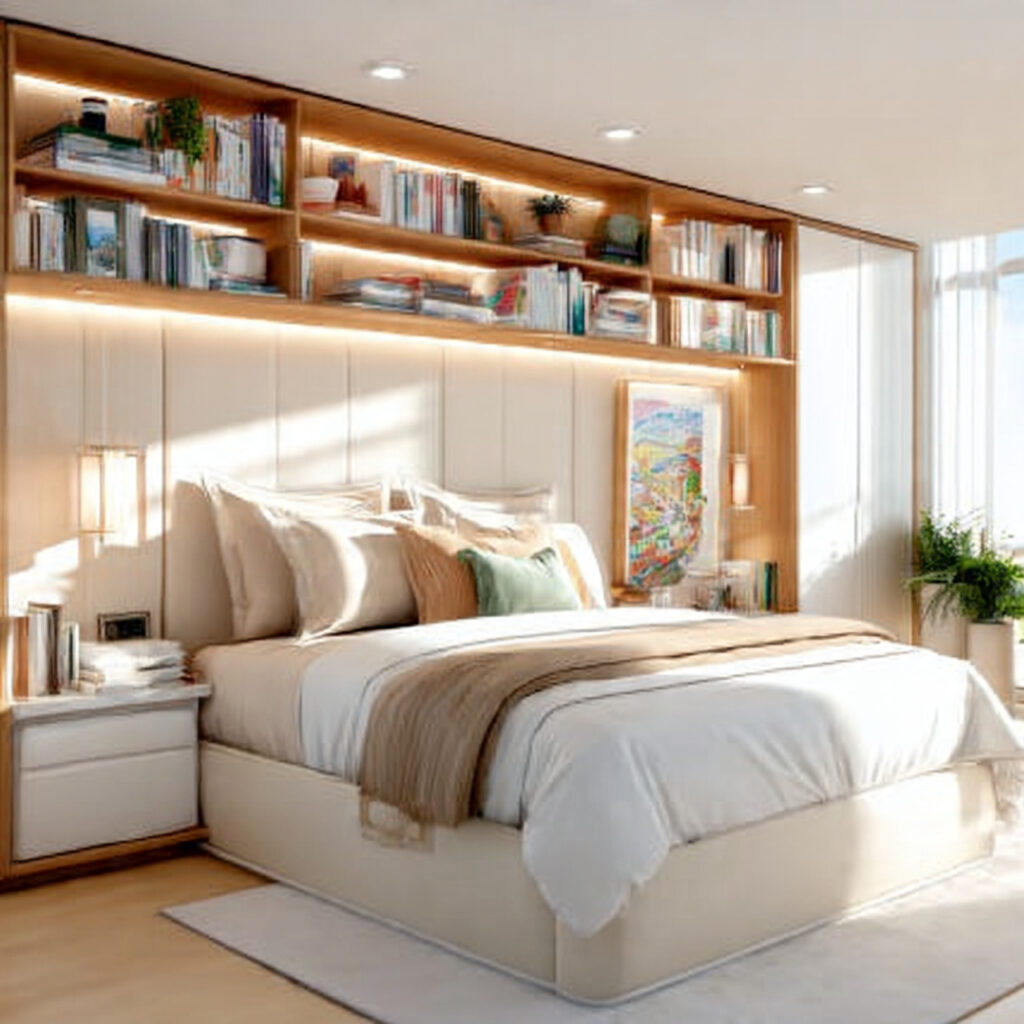
15. A Wall-Mounted Bedhead With Integrated Storage
Why It Works
Bedhead storage systems, built-in shelving that surrounds and integrates with the bed frame, eliminate the need for nightstands entirely while providing more storage in a slimmer footprint. They look modern and architectural and solve the bedside clutter problem structurally rather than systemically.
How to Do It
If you’re open to a furniture investment, integrated bedhead storage systems are available from IKEA, Muji, and numerous custom furniture makers at various price points. For a simpler version, two floating shelves positioned at the same height on either side of the bed create a similar effect at a fraction of the cost.
Surface Styling: Making Organization Look Beautiful
Organization and beauty aren’t opposites. These ideas make the organized spaces in your bedroom look genuinely lovely.
16. The Dresser Top as a Curated Vignette
Why It Works
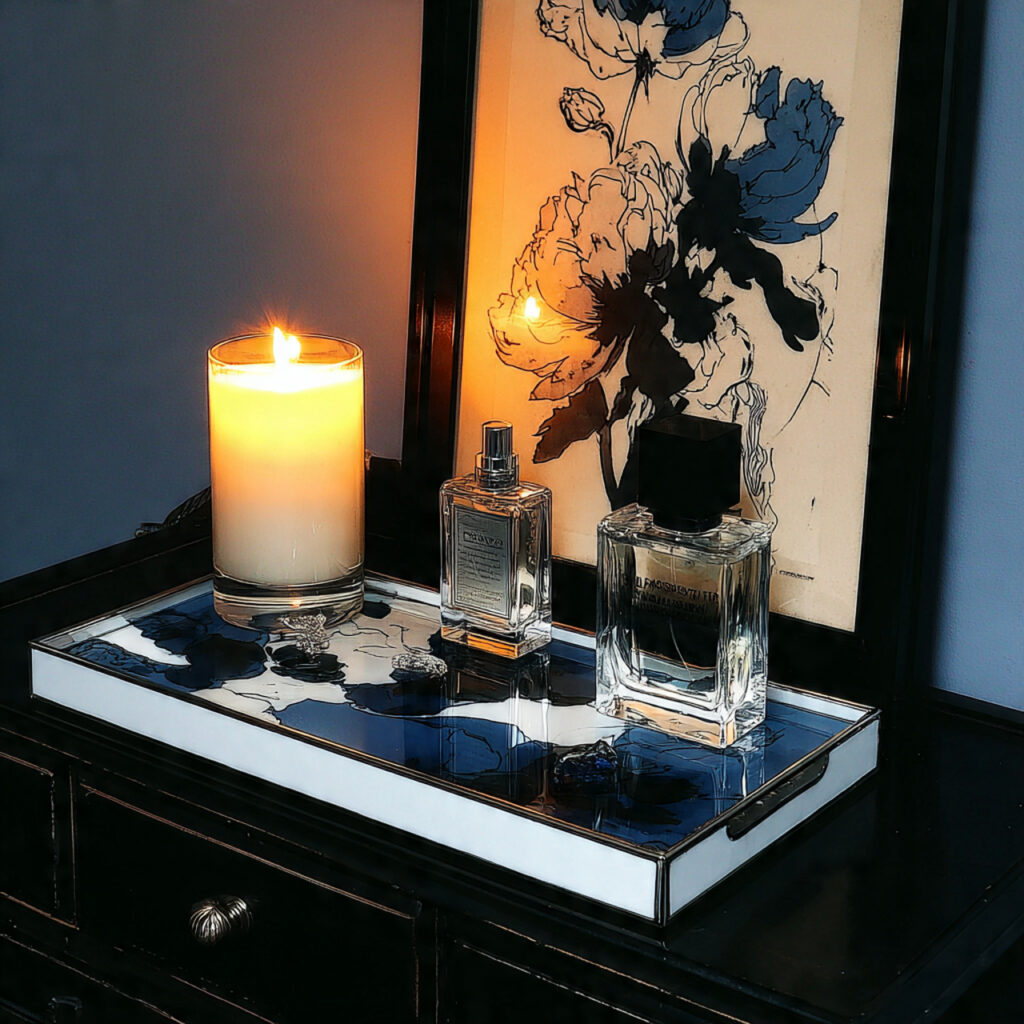
A dresser top that’s been completely cleared and then styled intentionally, with three to five objects arranged with care, looks completely different from one that accumulates things randomly. One is a surface. The other is a design feature.
How to Do It
Decide on a maximum of five items for the dresser top. A tray to contain smaller items (perfume, jewelry, a small candle). One small plant or vase with a single flower. One personal object that means something. Everything else lives in a drawer or elsewhere. The tray is the key, it groups smaller objects and gives the surface a defined boundary that communicates “this is styled” rather than “this is where things land.”
17. A Jewelry Organization System That Displays Beautifully
Why It Works
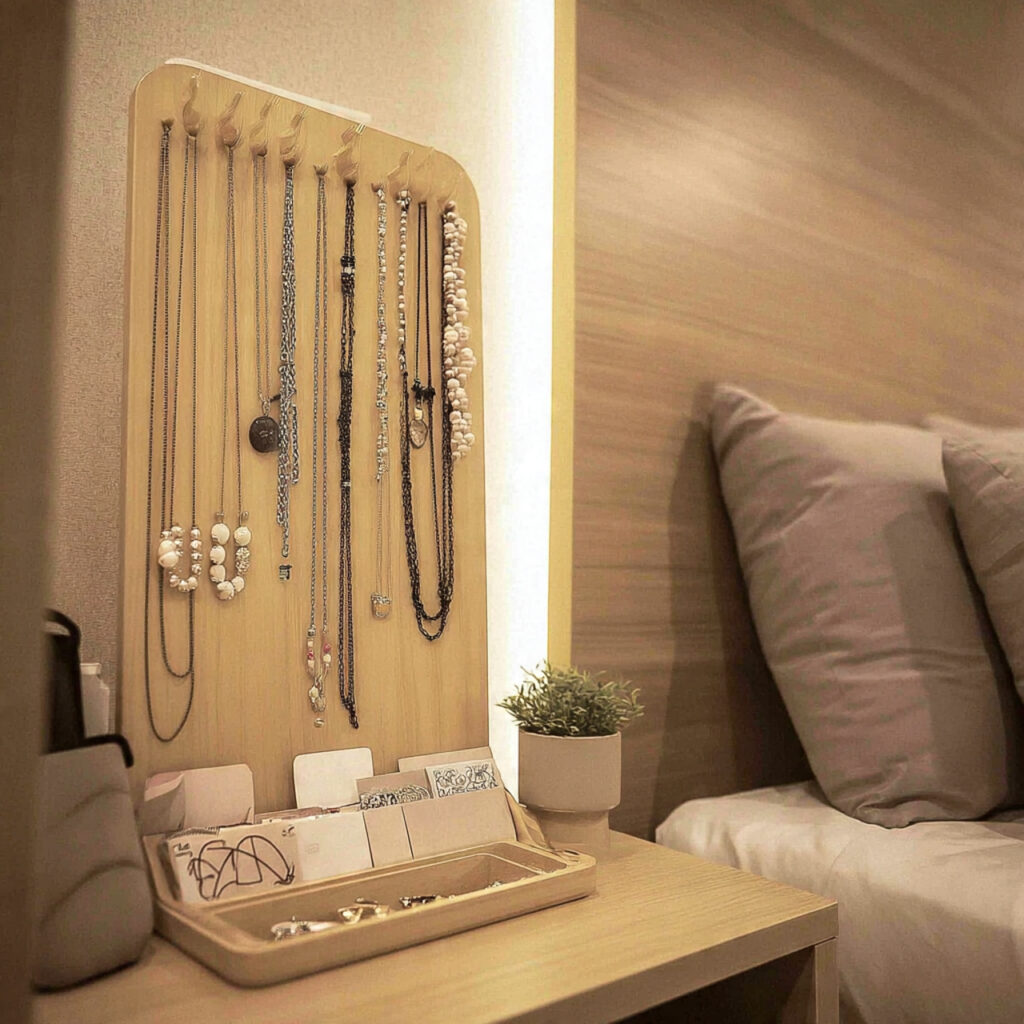
Jewelry tangled in a drawer or piled in a bowl is both inaccessible and visually chaotic. Jewelry stored on a stand, in a clear organizer, or hung on a wall-mounted display is accessible, visible, and genuinely decorative.
How to Do It
Choose a display method that works for your jewelry type: a tiered stand for rings and earrings, hooks for necklaces, small trays for bracelets. Keep only everyday jewelry on display. Special occasion or fine jewelry stores safely in a lined jewelry box in a drawer. The display jewelry becomes part of the room’s aesthetic, choose an organizer that’s beautiful as well as functional.
Insider Tip
A small ceramic dish or decorative tray on the nightstand for the jewelry removed at bedtime solves the problem of jewelry ending up in random spots throughout the bedroom. One tray, one location, every piece of jewelry has a consistent nightly home.
18. Bookshelf Organization That Looks Intentional
Why It Works
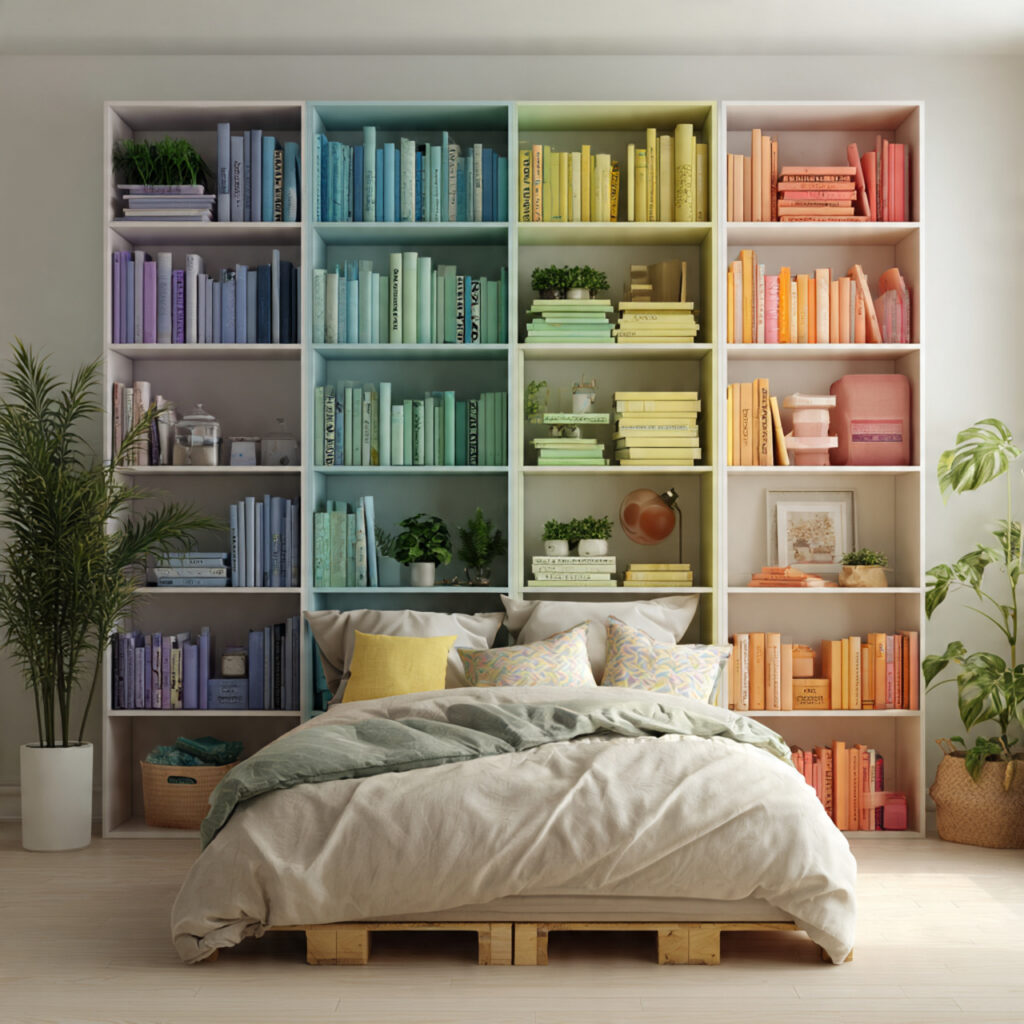
Books organized randomly look like a library that nobody curates. Books organized by color, by size, or by alternating horizontal and vertical stacks look like a design choice. The same books, the same shelf, completely different visual effects.
How to Do It
Choose your organizing principle: color gradient (rainbow arrangement looks beautiful and vivid), size (tallest to shortest creates clean lines), or mixed stacking (some vertical, some horizontal). Add one or two non-book items per shelf section, a small plant, a candle, a meaningful object. Leave some shelf space visible and empty. The result is a bookshelf that looks styled rather than just full.
19. Cable Management Behind the Bed
Why It Works
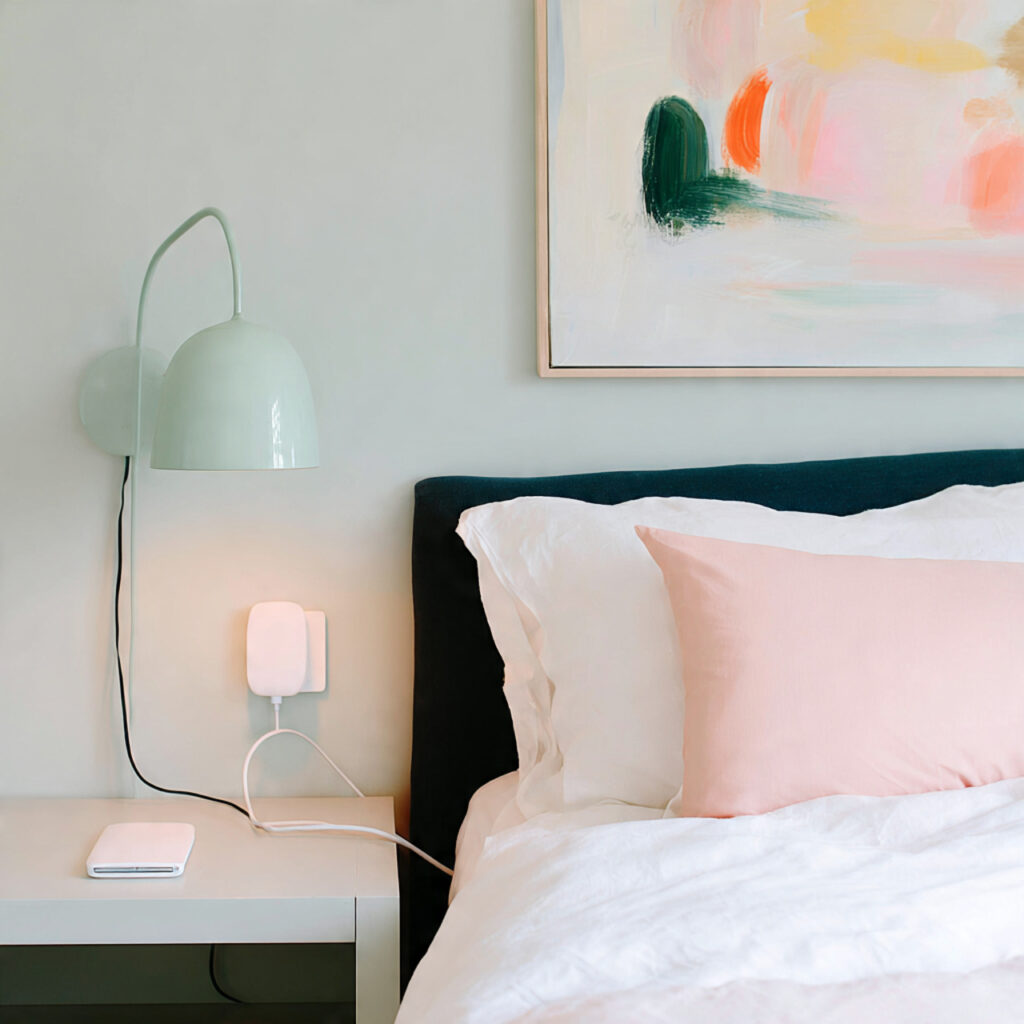
Charging cables, lamp cords, and device cables trailing visibly from the nightstand create visual clutter that’s surprisingly distracting in an otherwise organized space. Cable management is a finishing touch that elevates the overall look significantly.
How to Do It
Use adhesive cable clips to route charging cables under the nightstand and up through the back. A charging station with a single cord to the wall consolidates multiple device cables. Wireless charging pads eliminate cables entirely for compatible devices. A small strip of velcro cable wrap tames any cord that must remain visible. The investment is minimal and the visual improvement is immediate.
20. Decorative Storage: Baskets, Boxes, and Beautiful Bins
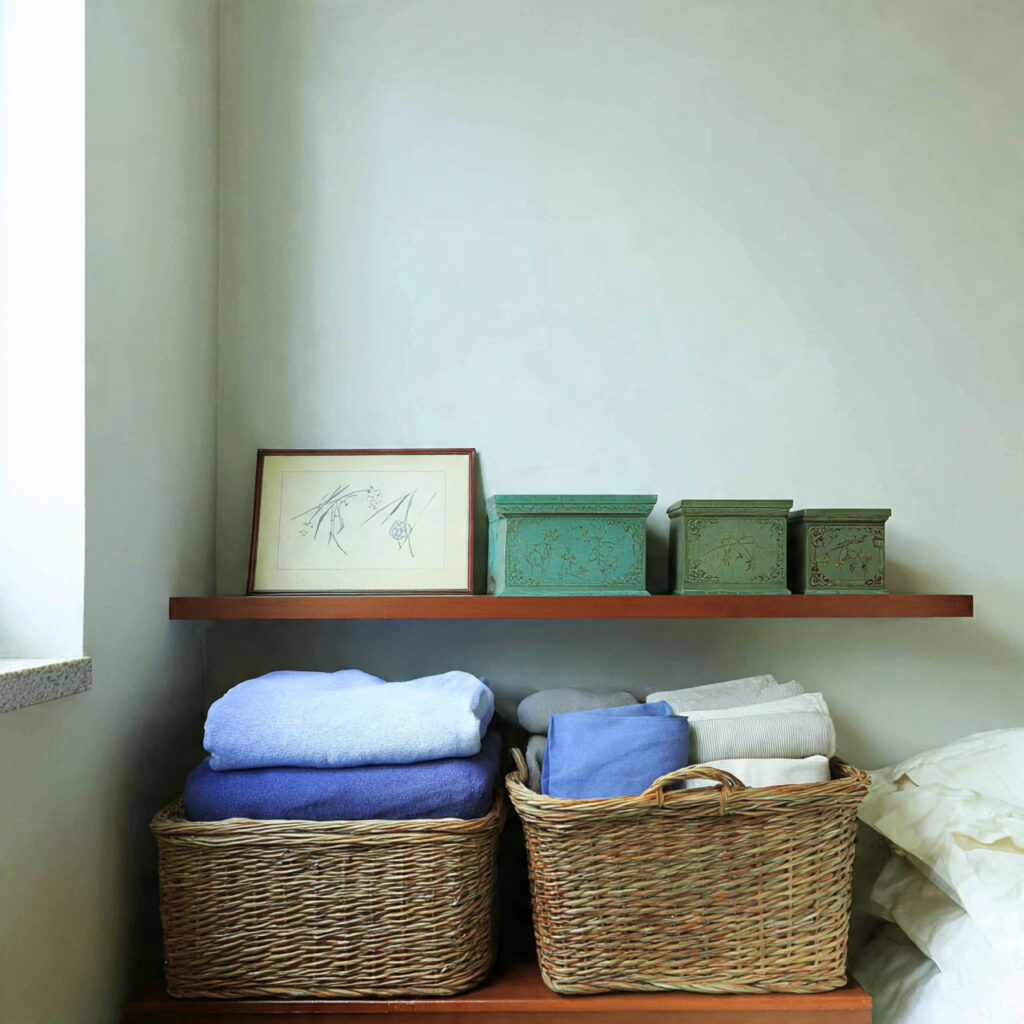
Why It Works
Not all storage needs to be hidden. Decorative storage, beautiful baskets, lidded boxes in complementary colors, woven bins, contains items that would otherwise be loose while contributing to the room’s aesthetic rather than working against it.
How to Do It
Use a large woven basket under the window for extra blankets and throws. Use lidded decorative boxes on shelves for items that need containing but don’t need to be visible. Use small ceramic or wooden boxes on the dresser for everyday items like hair ties and small accessories. Choose storage pieces that work with your room’s color palette and texture story, when storage is beautiful, using it is a pleasure rather than a chore.
The Bedroom Aesthetics That Make Organization Look Stunning
These final ideas address how the room looks as a whole, the visual environment that makes all the organization feel genuinely worthwhile.
21. A Cohesive Color Palette Throughout
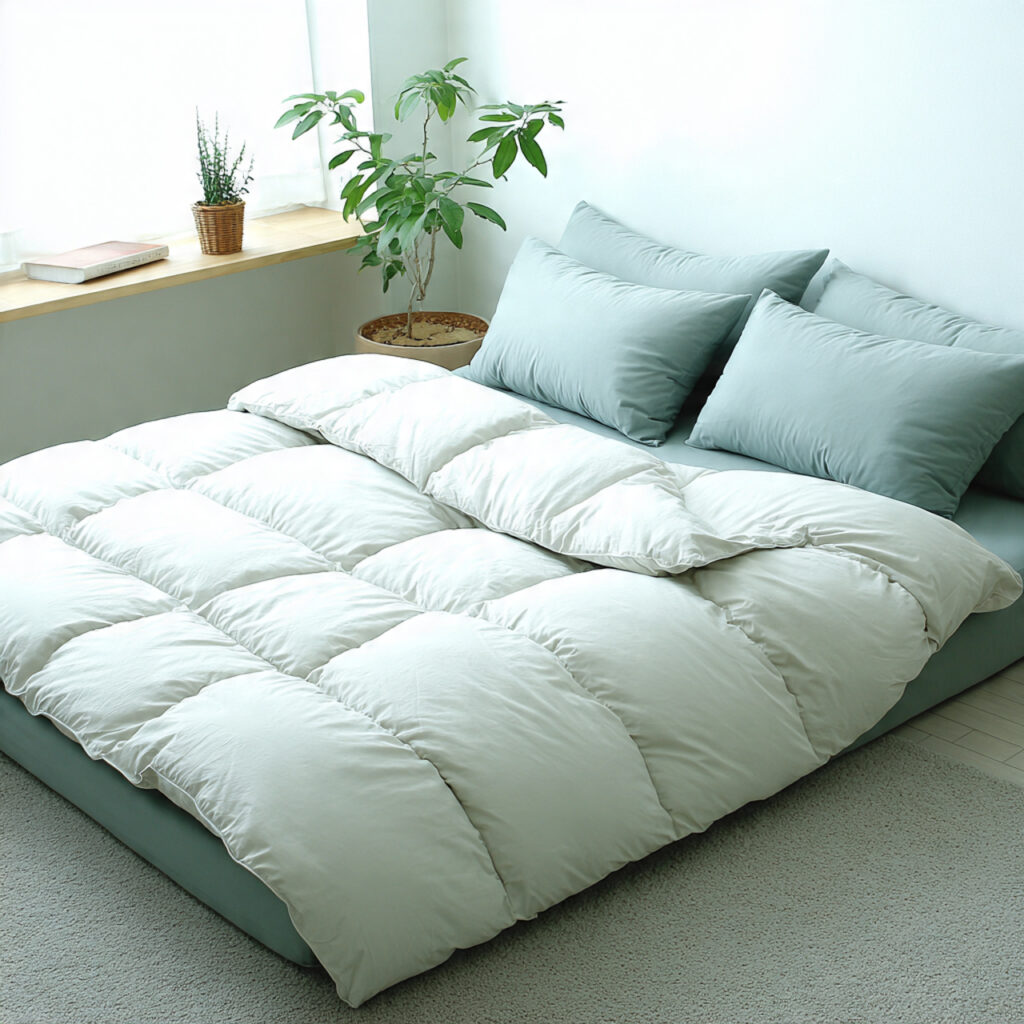
Why It Works
A bedroom with a clear color palette, two or three tones that appear consistently throughout the textiles, furniture, and accessories, looks organized even before a single drawer has been sorted. Color cohesion creates visual harmony that reads as intentionality.
How to Do It
Choose a base color (typically a neutral, white, cream, warm grey, sage), a main accent color, and one additional supporting tone. Apply these consistently: bedding in the base color, cushions in the accent, a plant or throw in the supporting tone. Introduce new items only if they fit the palette. This single principle makes a bigger visual difference than almost any organizational system.
22. A Made Bed Every Morning
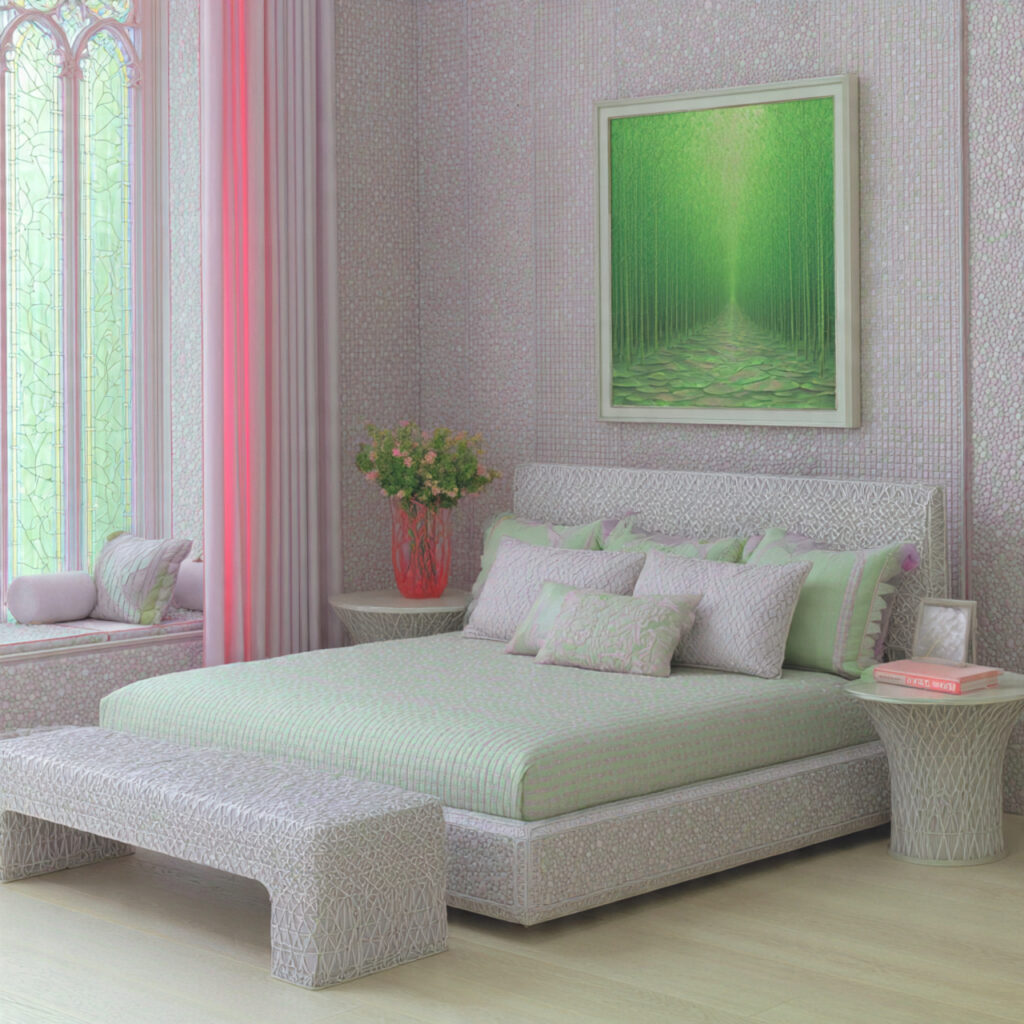
Why It Works
The bed is the largest piece of furniture in the room, it occupies the most visual space. A made bed makes an entire room look organized even when it isn’t. An unmade bed makes a tidy room look slightly chaotic. The morning bed-making habit takes three minutes and returns more visual value per minute than almost anything else.
How to Do It
Simplify your bedding to make daily making faster and easier. A duvet with a cover requires only a shake and a smooth to look made. Multiple layers, flat sheet, blanket, duvet, throw, require more time. Assess whether your current bedding setup is one you’ll actually make daily, and simplify if not. A bed that’s made every morning is better than a bed with beautiful layers that’s never made.
23. Thoughtful Lighting for Morning and Evening

Why It Works
Lighting transforms the quality of every other organizational and decorative choice in the bedroom. A beautifully organized room under harsh overhead lighting loses much of its warmth. The same room under warm, layered lighting looks genuinely inviting and calm.
How to Do It
Replace cool or bright overhead bulbs with warm white LEDs (2700K). Add a bedside lamp on each side of the bed for reading and evening light. Consider a floor lamp in a corner for ambient warmth. Dimmable options give you control over the mood of the room at different times of day. Lighting is often the last thing people address in bedroom organization and the first thing that should be.
24. A Reading Corner That Earns Its Space
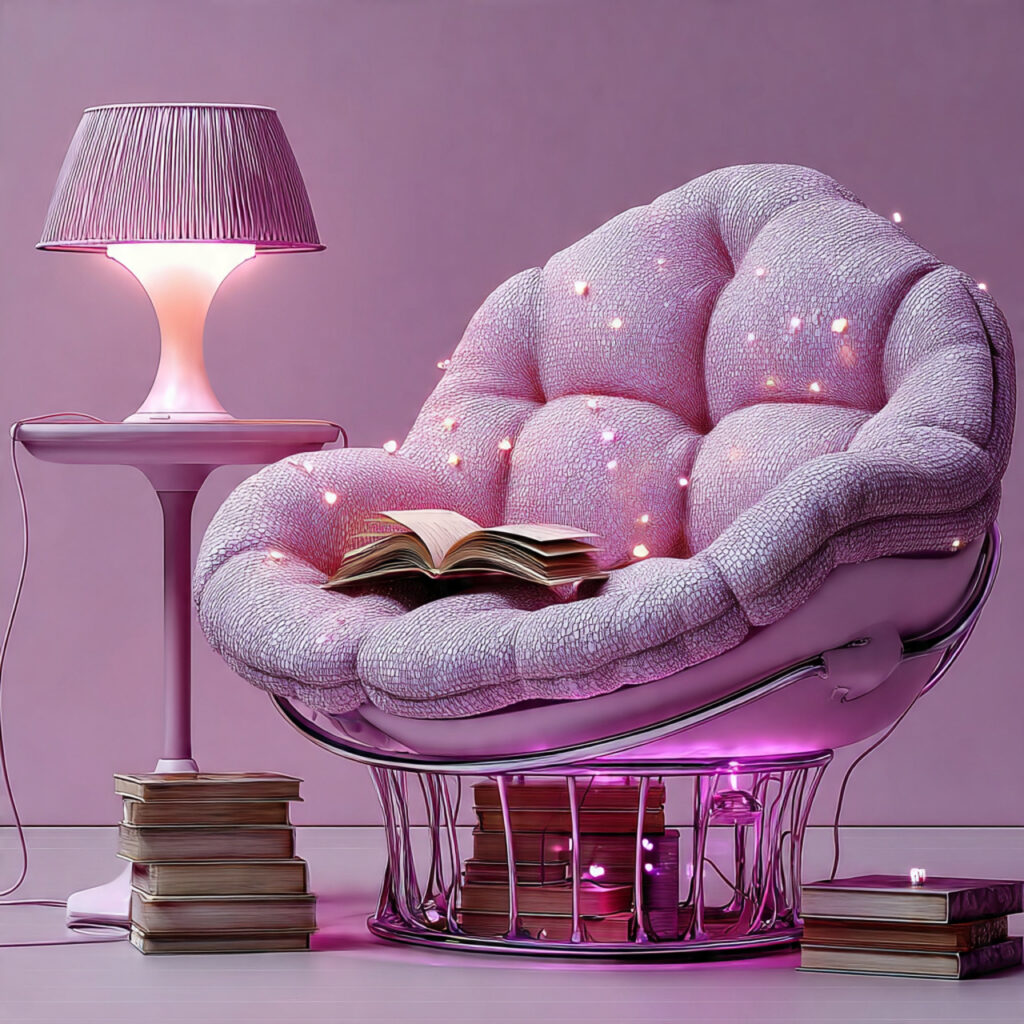
Why It Works
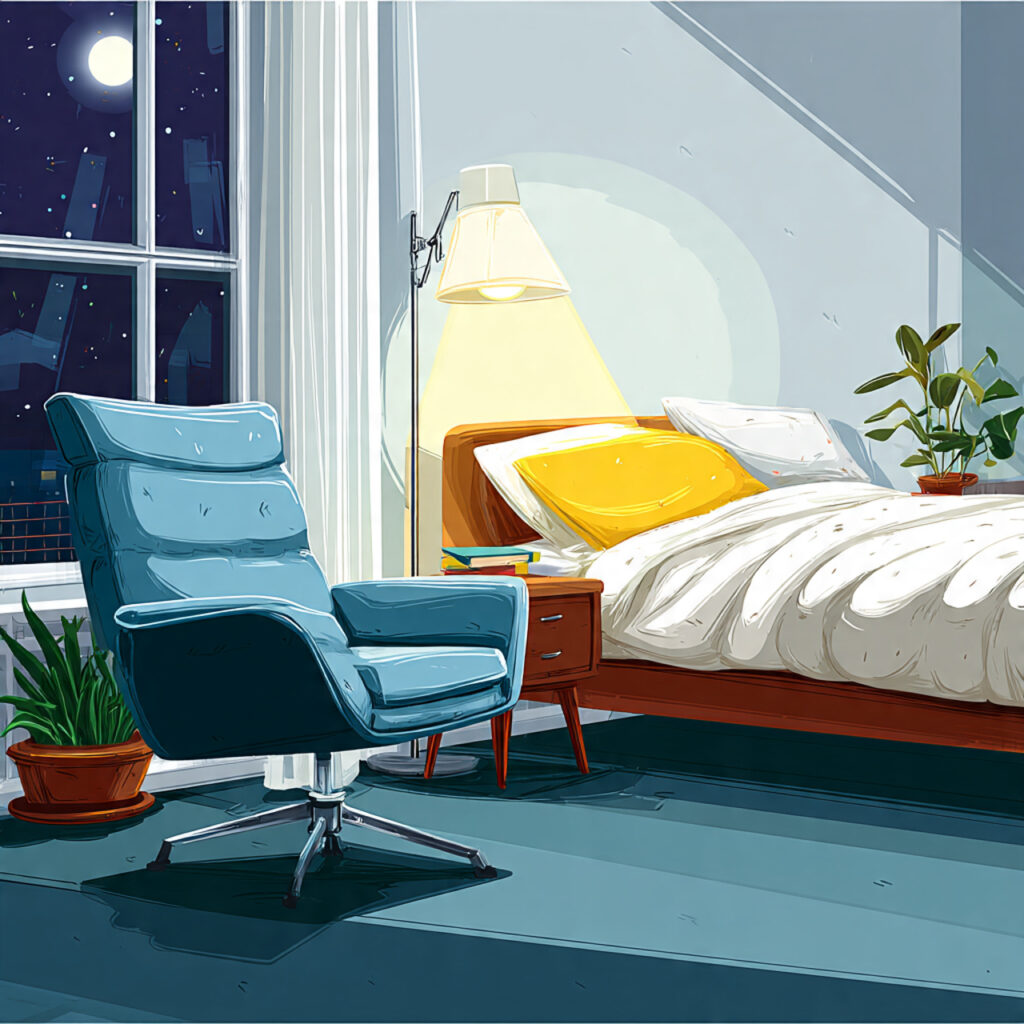
A small reading corner, a comfortable chair, a side table with a lamp, a basket of books nearby, makes a bedroom feel like a considered, multi-functional retreat rather than just a room with a bed in it. It also provides a landing zone for the “I was just reading this” items that often end up scattered across other surfaces.
How to Do It
You need a chair (comfortable, appropriately sized for the space), a lamp (floor or table), and somewhere immediate to put your current book and a drink. A small basket next to the chair for two or three books prevents the “books everywhere” problem. This corner, styled well, becomes one of the most beautiful and functional spots in the bedroom.
25. Fresh Flowers or a Living Plant
Why It Works
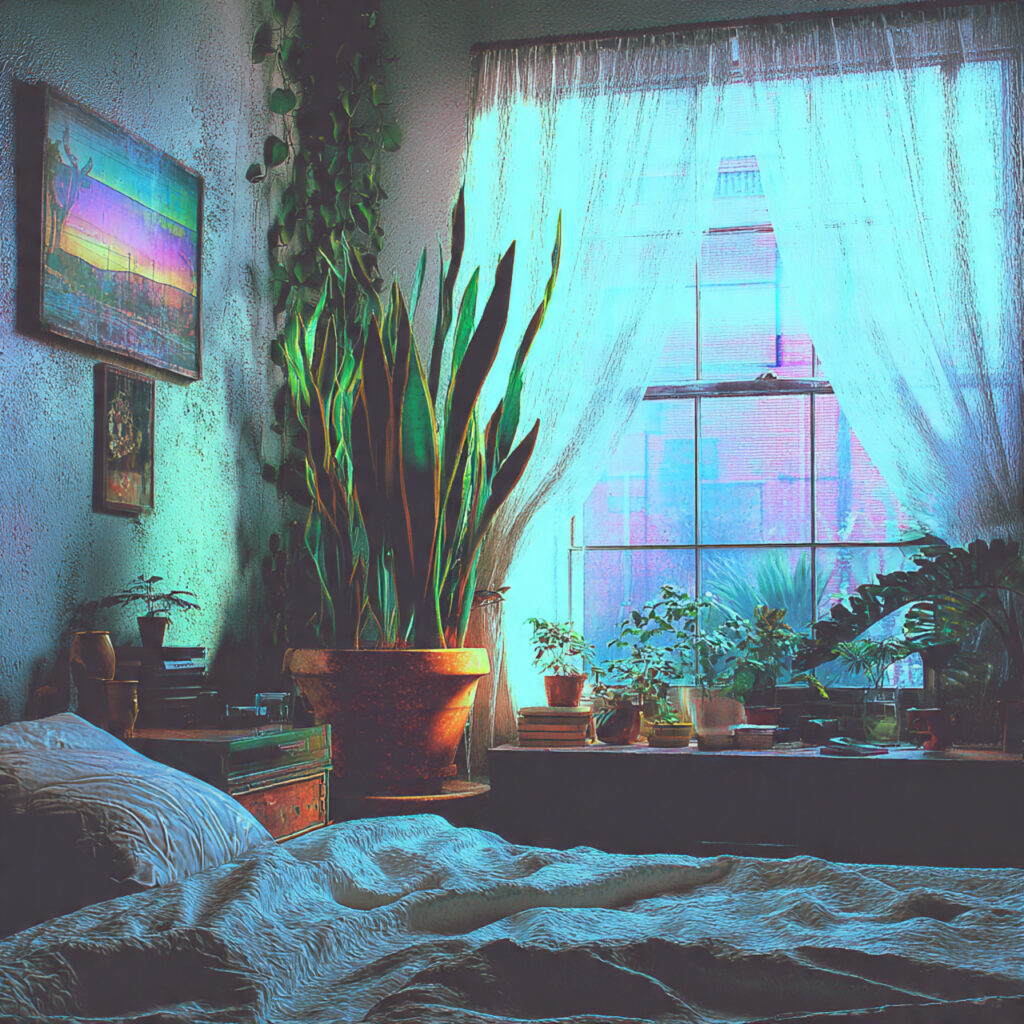
A single living plant or fresh flowers in a bedroom adds organic color, natural texture, and, in the case of some plants, genuine air quality improvement. It also signals that the room is tended with care, which is the essence of the beautiful organized bedroom aesthetic.
How to Do It
Choose plants that work with bedroom conditions, typically lower light than other rooms. Snake plants, pothos, peace lilies, and ZZ plants all thrive in bedrooms. A small succulent on the dresser or a trailing pothos on a floating shelf requires minimal care and delivers consistent beauty. Fresh flowers changed weekly make the room feel like a place that someone actively loves.
26. A Scent That Belongs to the Bedroom

Why It Works
Scent is the most underutilized tool in bedroom organization and one of the most powerful. A consistent bedroom scent, lavender for sleep, linen for freshness, soft sandalwood for warmth, creates a sensory signature for the space that signals rest and calm whenever you enter.
How to Do It
A reed diffuser is ideal for bedrooms, it operates continuously at a low level without requiring attention. Place it on the dresser or a shelf. Choose a scent that you associate with calm and rest. The consistency is what creates the effect, your bedroom scent works over time as a conditioned relaxation trigger.
27. A Dedicated Place for Tomorrow’s Outfit
Why It Works
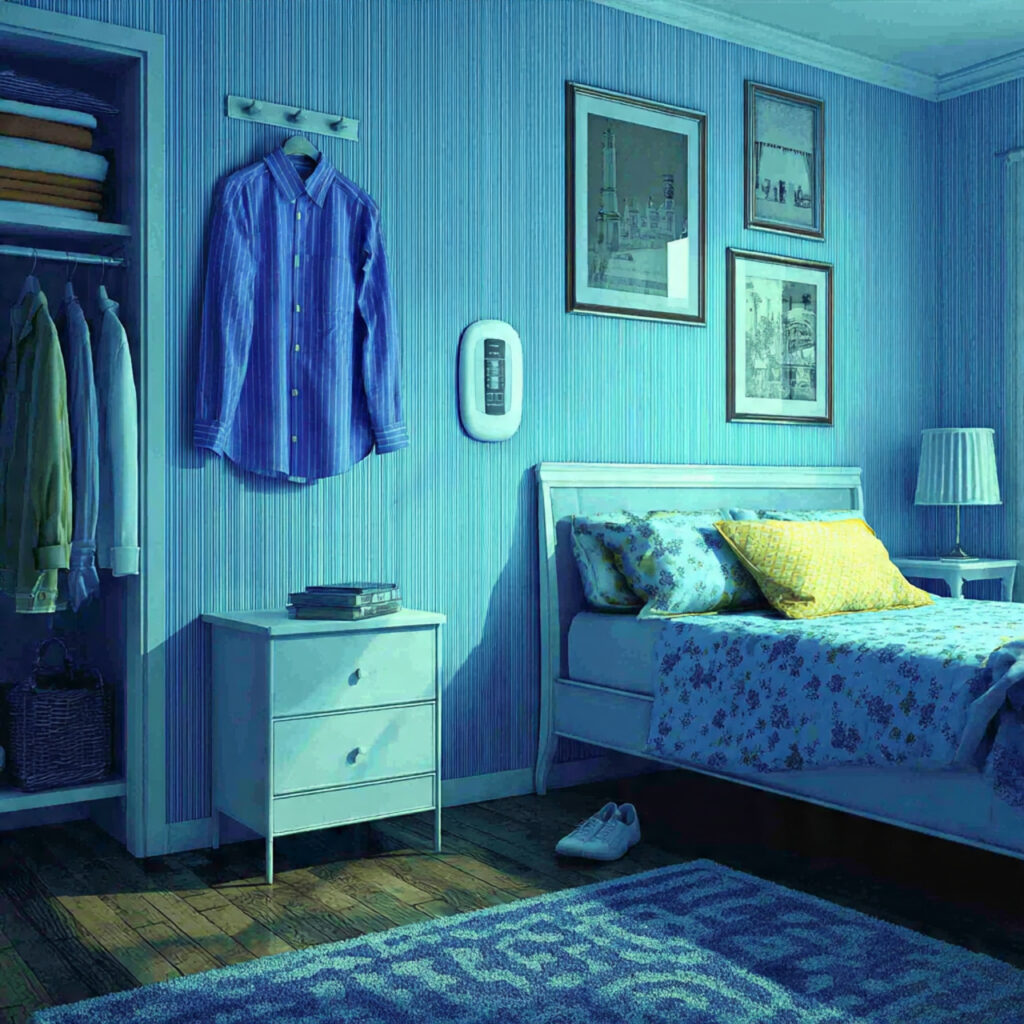
The habit of laying out tomorrow’s outfit the night before has been cited by productivity experts and morning routine advocates consistently as one of the most impactful small habits for starting the day well. It also prevents the “trying on six things before 8am” scenario that creates clothes chaos on every surface.
How to Do It
Designate one specific location for tomorrow’s outfit, a valet hook, a specific hanger with a designated spot in the wardrobe, and a small chair used for this purpose only. The dedicated location makes the habit consistent and prevents the outfit from migrating to random surfaces throughout the room.
28. A Consistent Evening Reset Routine
Why It Works
The most beautifully organized bedroom gradually loses its organization if there’s no maintenance routine. A short, consistent evening reset, five to ten minutes before bed, preserves the organized state you’ve worked to create and ensures you wake up to the calm bedroom you want to start every day in.
How to Do It
Return everything to its home. Put today’s clothes in the wardrobe or the wash. Clear the chair. Put used glasses or cups in the kitchen. Make any notes, check tomorrow’s outfit, put your phone on its charger in its designated spot. Straighten the bedside table. The routine ends with a bedroom that’s ready for morning and a mind that’s beginning to let go of the day.
Insider Tip
Do the evening reset before you get into bed, not after you’re already cozy and reluctant to move. The temptation to skip it is much smaller when it’s part of the pre-bed sequence rather than something that interrupts the winding-down process.
29. Personalize With Intention, Not Accumulation
Why It Works
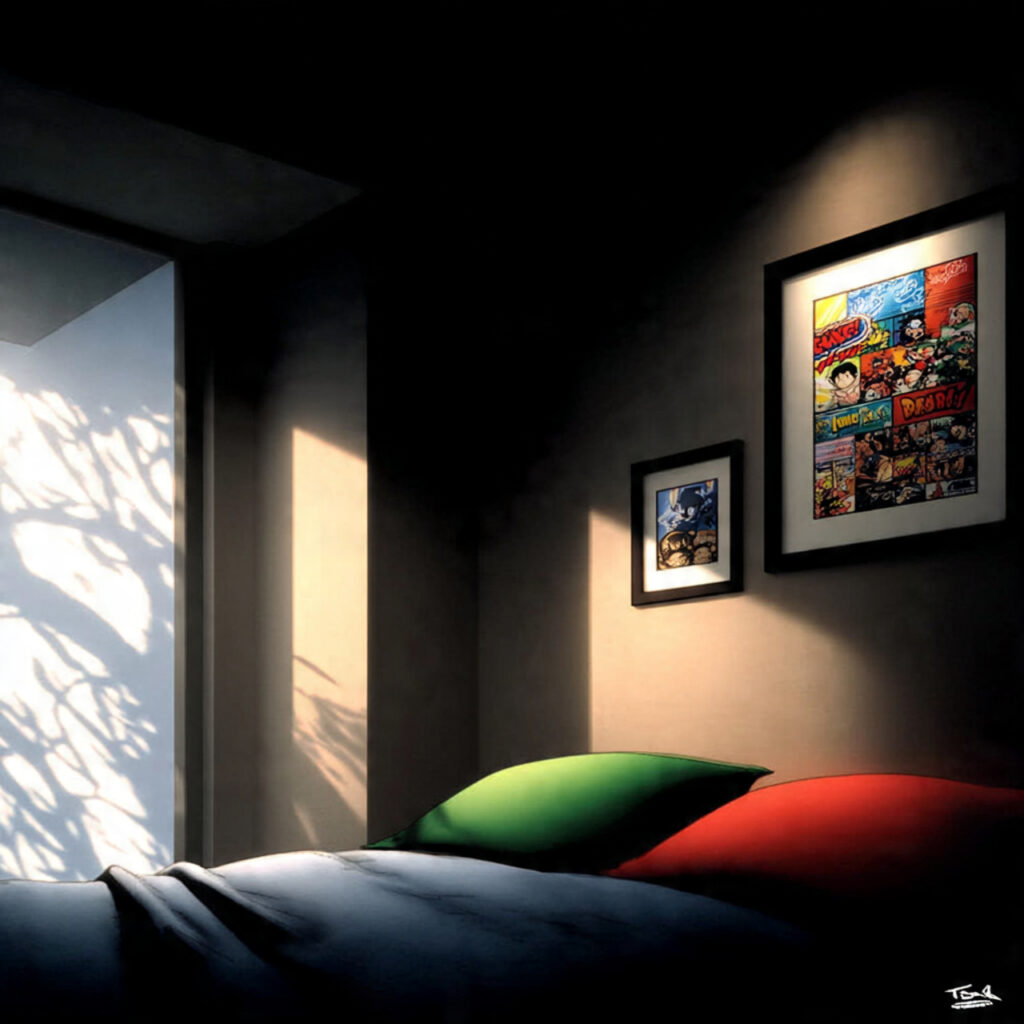
An organized bedroom that has no personality feels like a hotel room rather than a home. The goal isn’t sterility, it’s intentional personal expression. A few objects that genuinely reflect who you are, chosen carefully and displayed with space around them, create a room that feels both organized and deeply yours.
How to Do It
Choose three to five personal objects for the bedroom, something that makes you feel happy when you look at it. A photograph in a beautiful frame. A small piece of art that means something. A collection of three stones from a beach you love. A candle in a scent that reminds you of somewhere wonderful. These items aren’t clutter. They’re the texture of your life, displayed thoughtfully.
The difference between clutter and curation is intention. Everything in your bedroom should be there because it serves a purpose, brings you joy, or adds beauty. Everything else is just noise waiting to be cleared.
The Bedroom You Deserve Is Waiting to Be Revealed
Here’s what a beautifully organized bedroom ultimately is: a gift you give yourself every single morning and every single night.
It’s the room you come home to. It’s where you begin and end every day. It’s the space that sets the tone for your sleep, your rest, and your first conscious moments of each new day. That room deserves your care and intention, not someday, not when you have more space or more time or a bigger budget, but now, with what you have and what you know.
You don’t need to do all 29 ideas this weekend. Start with one. Start with the made bed or the chair system or the matching hangers. Let the first small win create momentum for the next. Organize one drawer beautifully. Style one shelf with intention. Add one plant.
Then wake up tomorrow morning and look at what you’ve created.
Because the most beautiful bedroom isn’t the most expensive one, it’s the one where someone decided, deliberately and lovingly, to make their space worthy of the life they’re living in it.