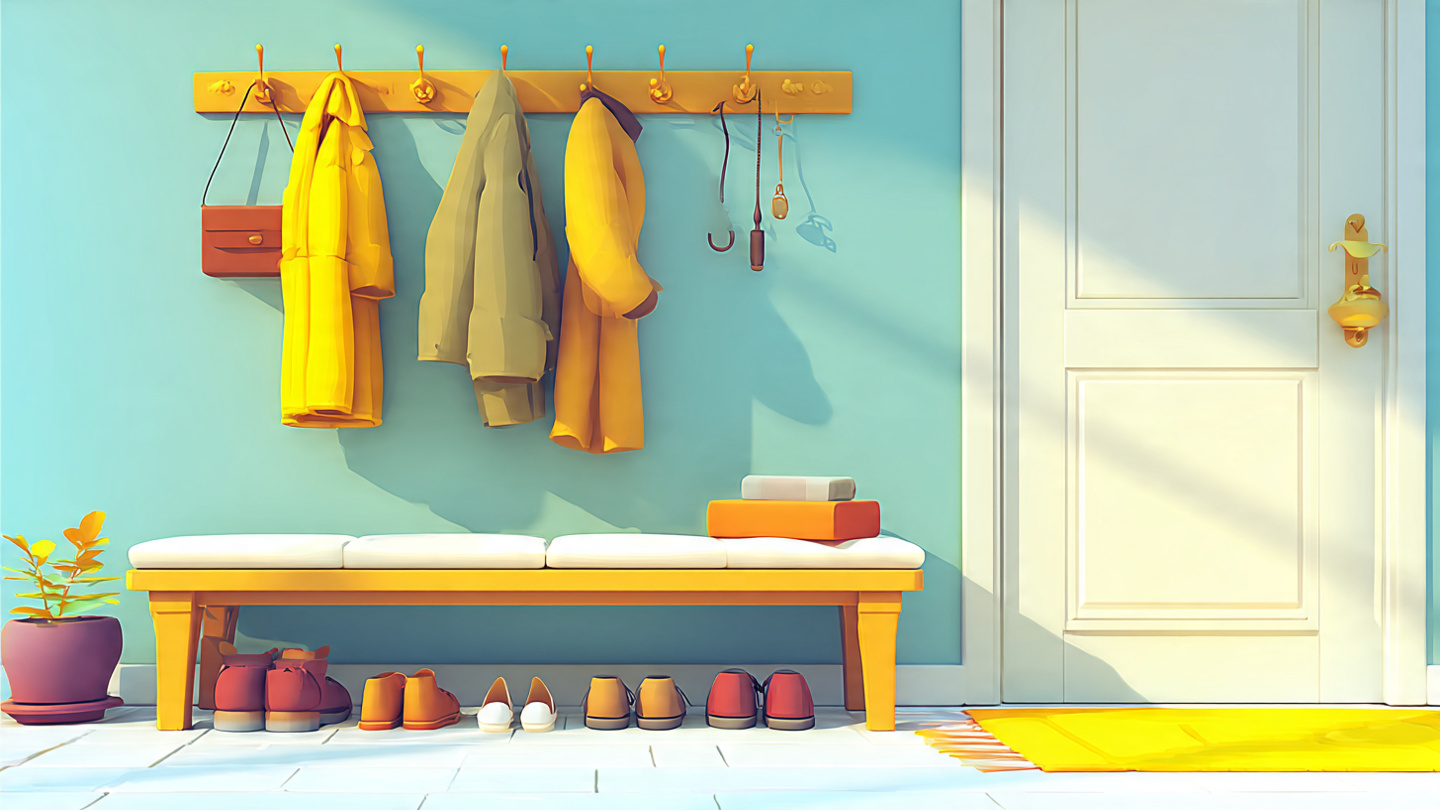
You come home after a long day, arms full, and the first thing you encounter is a pile of shoes you have to navigate around, a mountain of coats draped over the one available hook, and the faint anxiety of not remembering where you left your keys, again. You drop everything on the nearest surface, add to the pile, and carry that low hum of household chaos with you into the rest of your evening.
Now imagine the opposite. You open the door and everything is exactly where it belongs. There’s space to breathe. A hook waits for your coat. Your keys have a home. The space is calm, clear, and quietly welcoming, and that feeling follows you into every room beyond it.
Your entryway sets the emotional tone for your entire home experience, both coming and going. It’s the first thing you see when you arrive and the last thing you interact with before you leave, and yet it’s often the most neglected space in the house. Interior designers and home organization experts consistently rank the entryway as the highest-return area for organizational investment: small changes here create disproportionately large improvements to daily life quality.
These 24 entryway organization ideas work for every size and style of entry, from a dedicated foyer to a narrow hallway to a single wall beside an apartment door. Let’s create the entrance your home deserves.
Why Your Entryway Matters More Than You Think
The Psychology of First Impressions — Including Your Own
Most people think about entryways in terms of what guests see. That matters. But what you see when you come home matters more, and it matters every single day.
Research on environmental psychology consistently shows that the visual state of the first space we enter affects our mood and stress levels for the minutes and hours that follow. A cluttered, chaotic entryway creates low-level anxiety. A clean, organized one communicates: everything is under control here. You can exhale.
Your entryway isn’t just a room. It’s a transition zone between the outside world and your interior life. When it’s organized, that transition feels smooth, calm, and good. When it isn’t, it feels like the house is already working against you before you’ve even sat down.
What Every Entryway Needs to Function
Before the styling and the beautiful details, every functional entryway needs to solve four basic problems: somewhere to hang coats and bags, somewhere to put shoes, somewhere to land daily carry items (keys, wallet, phone), and somewhere to deal with incoming items like mail. When these four functions have a home, the entryway organizes itself in daily use. The ideas ahead address each function and then go further.
The Coat and Bag Solutions
This is the most visible entryway function, and the most likely to create chaos without the right system.
1. A Wall-Mounted Coat Hook Rail
Why It Works
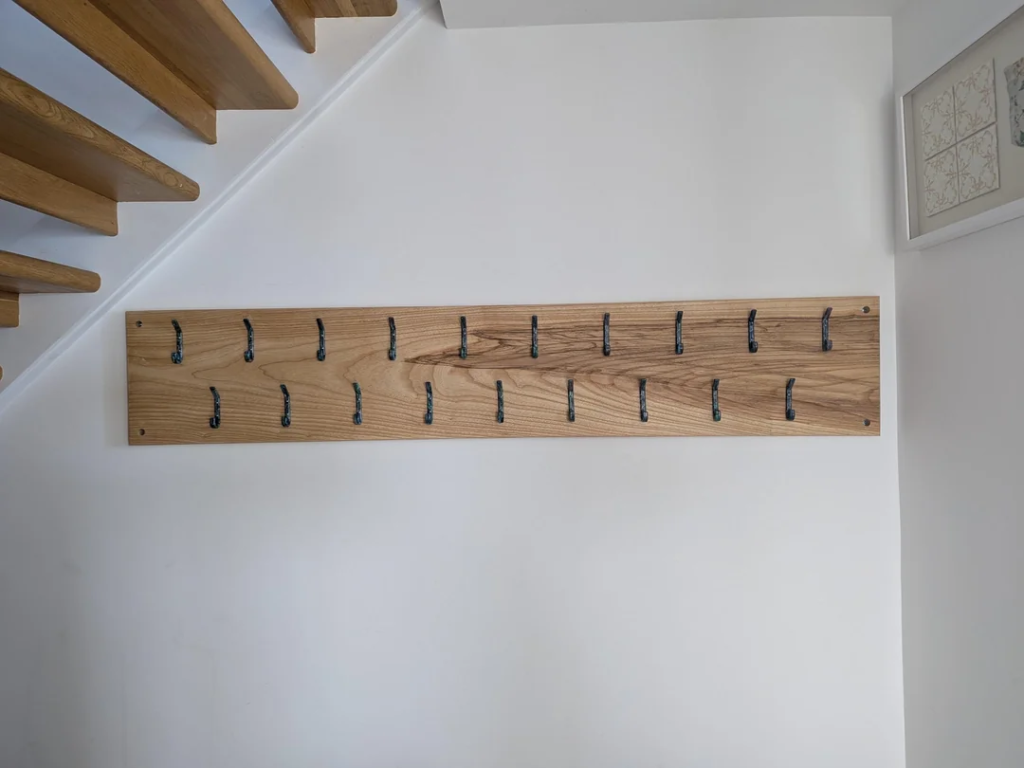
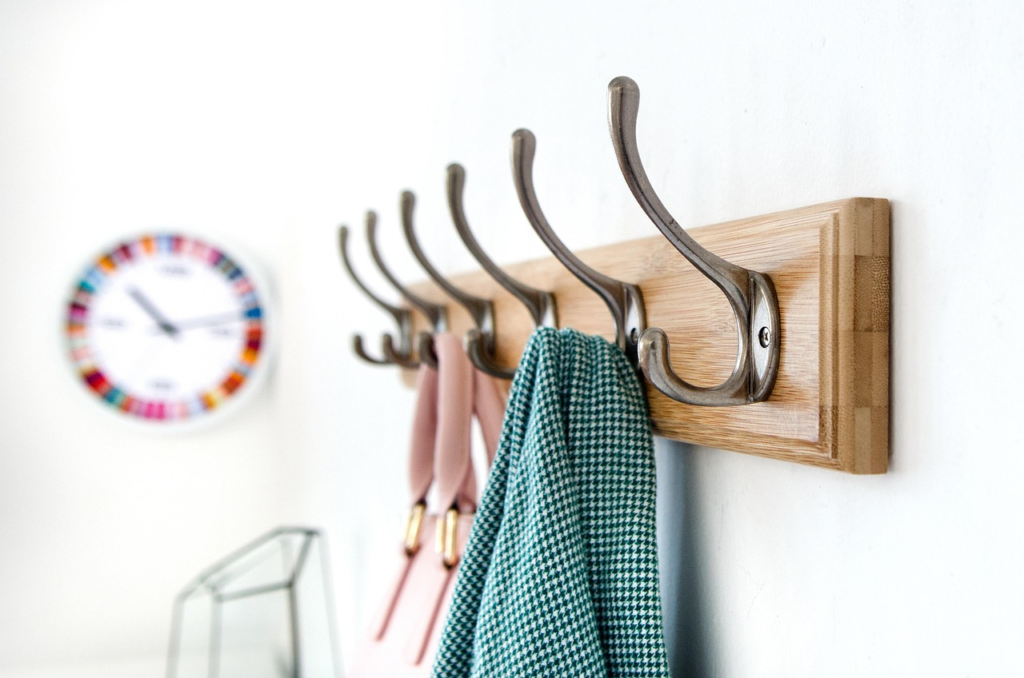
A row of wall-mounted hooks is the simplest, most space-efficient way to handle coats, bags, and everyday outer layers. Unlike a freestanding rack (which takes floor space) or a single hook (which creates a pile), a rail of individual hooks gives each item its own designated space and keeps everything at an accessible, organized level.
How to Choose One
Choose a rail with at least one hook per household member, plus one or two additional hooks for guests or overflow. Wooden rails with metal hooks look warm and classic. All-metal rails look modern and minimal. Both work beautifully. Mount the rail at a height accessible to everyone in the household, typically 60-66 inches from the floor for adults, lower if children need independent access.
Common Mistake
Mounting the rail with too little space between hooks. Coats need room to hang freely, hooks spaced 6-8 inches apart allow coats to hang without cramming. Hooks that are too close together result in coats being piled on top of each other, which recreates the problem you were solving.
Also Read: 26 Under Bed Storage Ideas That Maximize Hidden Space and Keep Your Home Clutter Free
2. Double-Layer Hook System for Families
Why It Works
A double-layer hook system, with a row of hooks at adult height and a second row below at child height, gives every family member independent access to their own items without anyone needing to reach or ask for help. This independence keeps the entryway organized in daily use because everyone can participate in maintaining it.
How to Do It
Install two parallel rows of hooks on the same wall section, the upper row at standard adult height and the lower at a child’s comfortable reach, typically 36-40 inches from the floor. Assign specific hooks to specific people and maintain those assignments consistently. The lower hooks also work beautifully for bags and backpacks regardless of family status.
Read More: 22 Small Closet Organization Ideas That Double Your Storage and Eliminate Clutter Fast
3. A Freestanding Coat Rack for Renters or Flexible Spaces
Why It Works
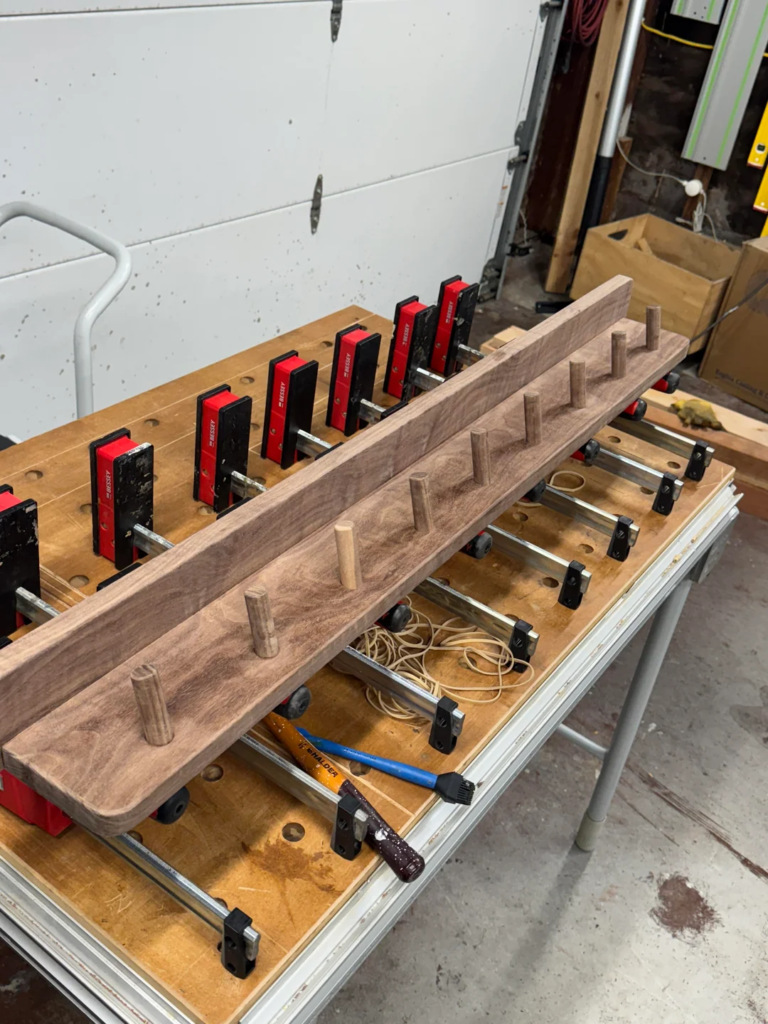
For renters or anyone who can’t or won’t drill into walls, a well-designed freestanding coat rack provides the same function as wall-mounted hooks without any installation. A slim, attractive rack beside the door gives coats and bags an immediate home that keeps them off surfaces and floors.
How to Choose One
Look for a rack with a small footprint but substantial height, you want maximum hooks without using floor space unnecessarily. Rounded hooks hold bags better than pointed ones. A rack with an umbrella stand base solves two problems at once. Choose a style that suits the entryway aesthetic, rattan for natural warmth, black metal for modern spaces, aged brass for traditional ones.
Insider Tip
A freestanding rack positioned directly beside the door, visible immediately upon entering, becomes the natural landing spot for coats and bags because it’s the first thing you reach. Placement is the whole secret to this working in daily use.
4. Built-In or Fitted Hooks With a Shelf Above
Why It Works
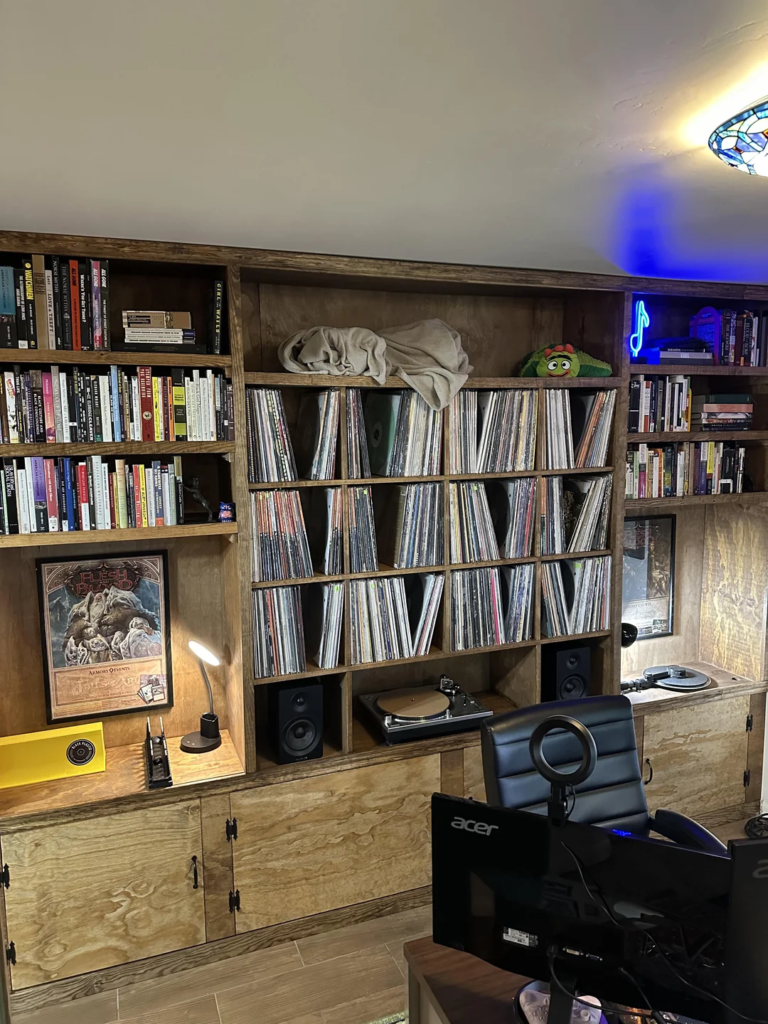
Hooks paired with a shelf directly above them create a two-level system: bags and coats on the hooks, hats, sunglasses, and small items on the shelf. The combination dramatically increases the organizational capacity of a small wall section and gives every category of entryway item an appropriate home.
How to Do It
Install a floating shelf 10-12 inches above the top of your hooks. The shelf stores items that don’t hang, hats, sunglasses, a small plant, seasonal items. A basket or small tray on the shelf contains smaller items without them cluttering the shelf surface. The look is intentional and composed, like a built-in without the built-in cost.
5. A Mudroom Bench With Hooks Above
Why It Works
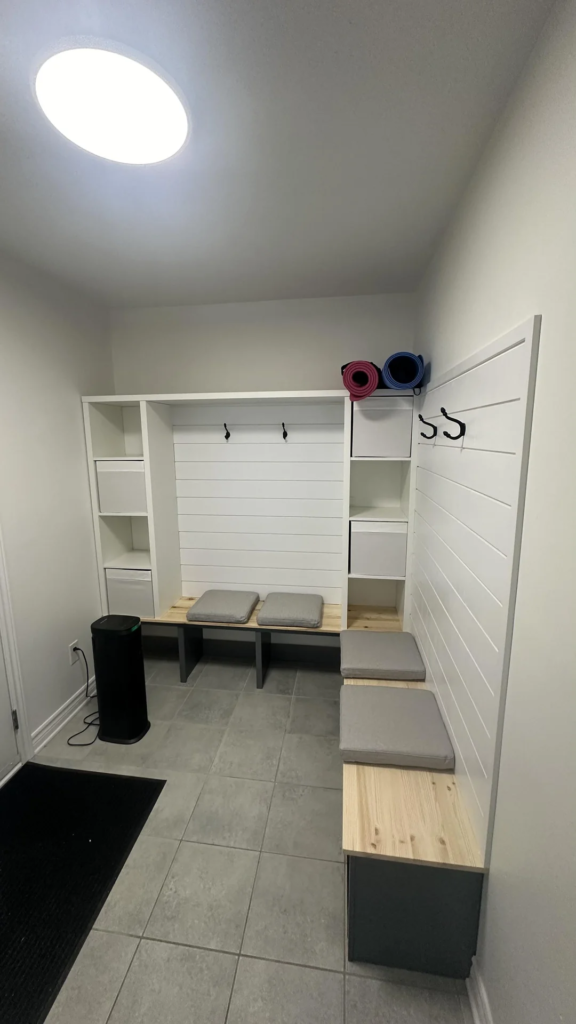
The classic combination of a bench with hooks directly above it solves three entryway problems simultaneously: somewhere to sit while removing shoes, hooks for coats and bags, and the visual anchor that makes an entryway feel like a proper room rather than just a hallway.
How to Do It
A bench (storage or simple) positioned against the wall with hooks mounted 18-20 inches above the bench creates a fully functional entryway station. The bench should be comfortable to sit on for shoe removal, approximately 18 inches high. The hooks should be reachable while seated or from a standing position. This combination is the most comprehensive single-wall entryway solution available.
Insider Tip
Choose a bench with storage underneath, either open cubbies or a lift-top compartment, for additional shoe, boot, or seasonal item storage that stays hidden from view. The functional addition of storage under the bench makes this combination genuinely extraordinary in a small entryway.
These coat and bag solutions transform the most visible entryway challenge immediately. The shoe and floor storage ideas ahead complete the picture.
Shoe Storage Ideas That Keep Floors Clear
Shoes on the floor are the most common entryway organization problem. These ideas solve it cleanly.
6. A Slim Shoe Cabinet or Console
Why It Works
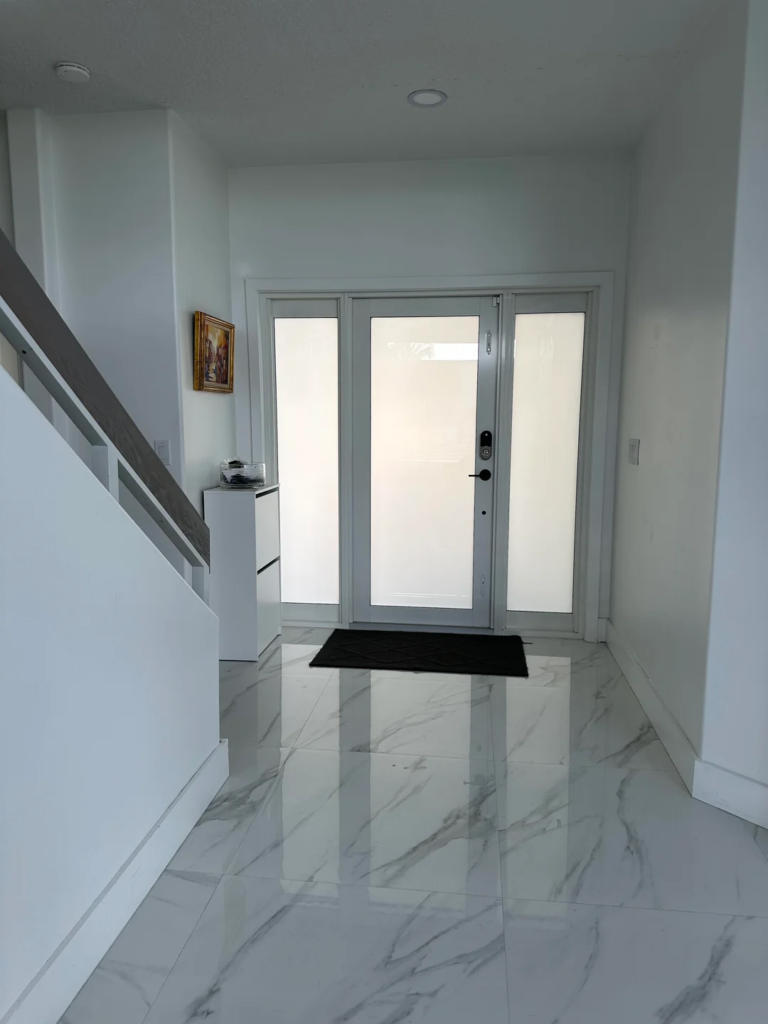
A slim shoe cabinet, one that contains shoes completely inside closed doors, is the most visually clean entryway shoe solution. The shoes are hidden, the surface looks tidy, and the cabinet top can serve as a shelf for keys, mail, and everyday items. For entryways where visual simplicity is the priority, a shoe cabinet is unmatched.
How to Choose One
Measure your entryway depth before purchasing, slim cabinets are available as shallow as 10 inches deep, which fits in most hallways without blocking passage. Look for cabinets with tilting compartments or angled shelves that allow shoes to store at an angle, fitting more pairs in less height than flat storage. A top surface large enough for a tray and small items makes the cabinet doubly functional.
Common Mistake
Buying a cabinet with insufficient capacity for your household’s actual daily shoe rotation. A cabinet that fits four pairs for a family of four fills immediately and creates more problems than it solves. Buy with realistic capacity, number of household members times two to three pairs is a reasonable minimum for daily shoes.
7. A Tiered Shoe Rack for Open Storage
Why It Works
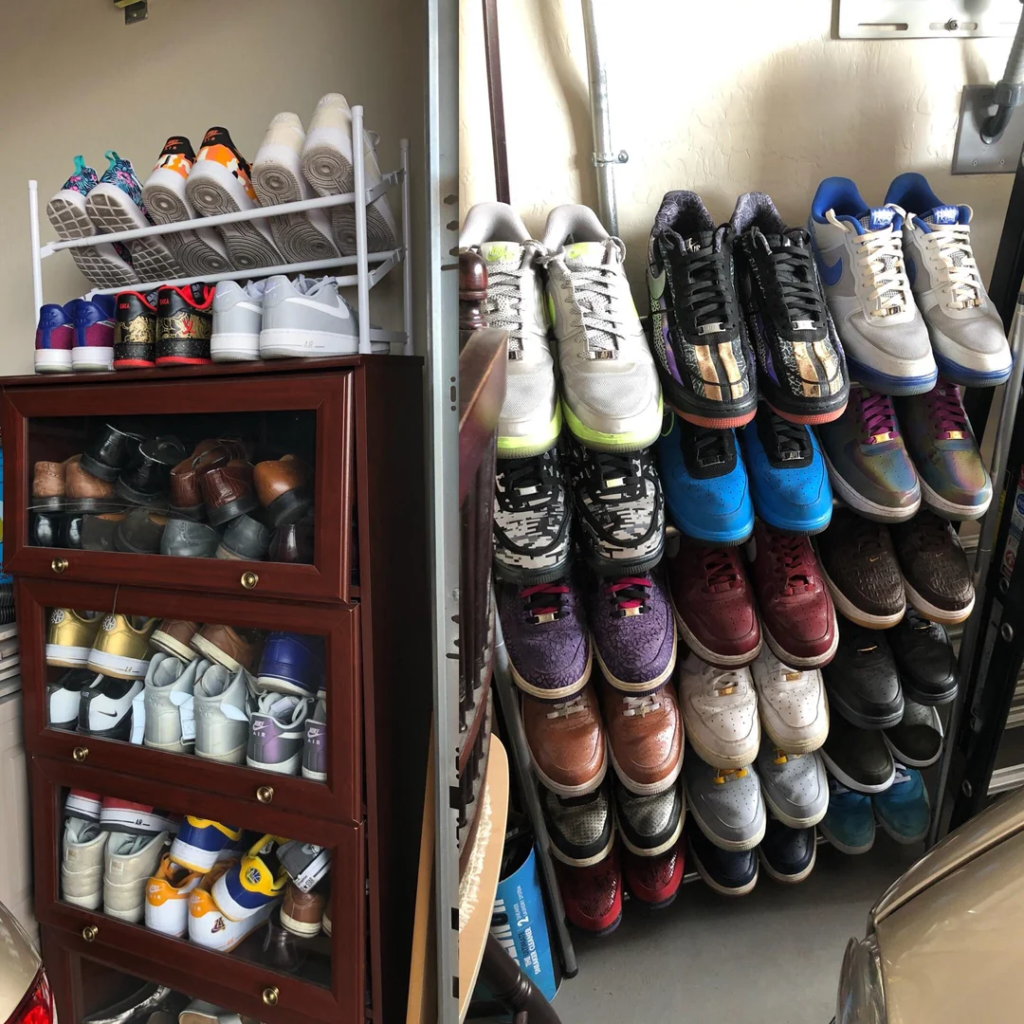
For entryways where floor space is available and visual organization (rather than concealment) is the goal, a tiered shoe rack stores 12-30 pairs in a compact footprint while keeping everything visible and accessible. It looks organized when every tier is used consistently and all shoes are paired and placed neatly.
How to Do It
Position the rack in the most convenient spot, directly beside the door so shoes come off and go directly onto the rack. Assign tiers by frequency of use: most-worn shoes at the most accessible level, occasionally worn shoes at the top or bottom. Limit the rack to current-season shoes only, seasonal footwear stores elsewhere.
8. Individual Cubbies for Each Household Member
Why It Works
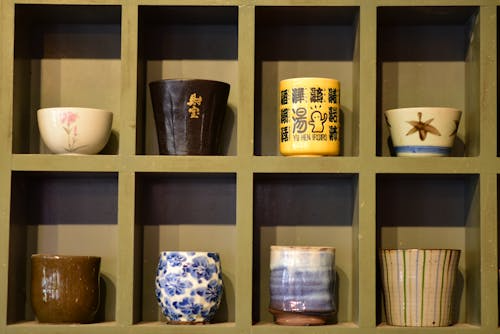
Assigned cubbies, one per person, create personal accountability in shared entryways. When each person has their own clearly defined shoe storage zone, the system maintains itself because the expectation is clear and the home is specific.
How to Do It
Open cubby shelving with one section per household member is available in many configurations and price points. Label or personalize each cubby clearly. Assign two to three pairs per person, the shoes most regularly worn. Keep the cubbies strictly one pair per space; overcrowding them defeats the purpose. This system works particularly well for families and shared households.
9. Boot Storage Solutions for Cold Weather
Why It Works
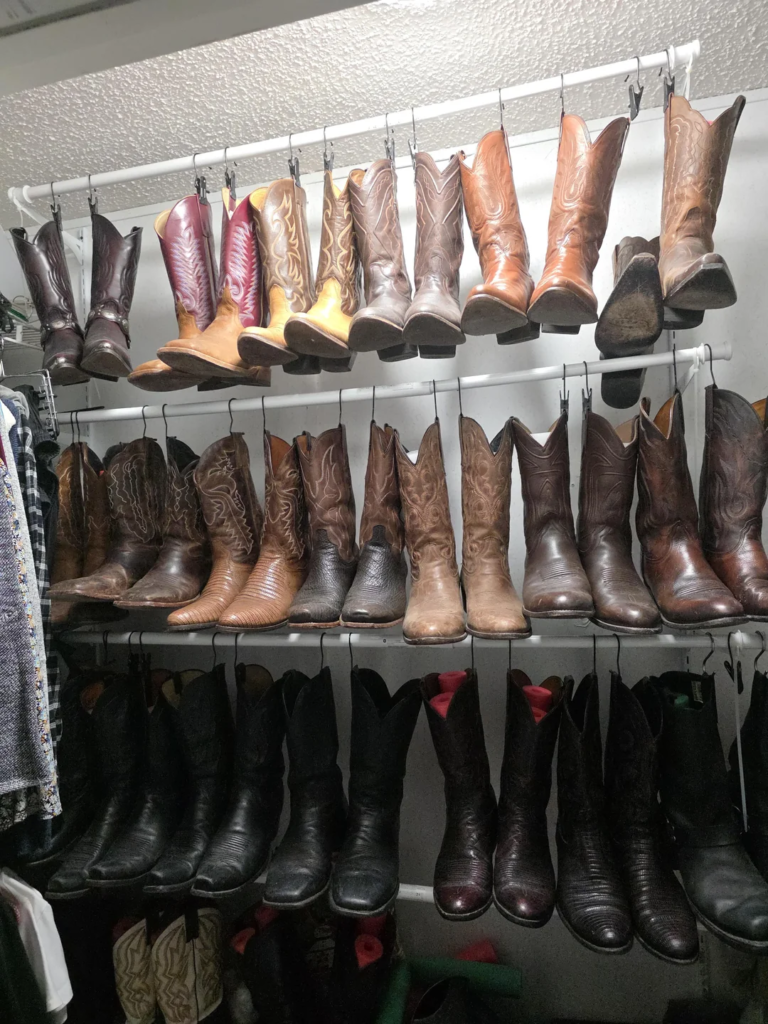
Boots present a unique entryway challenge, they’re tall, heavy, wet in winter, and take up disproportionate space. Dedicated boot storage that keeps them upright, draining, and out of the way solves the most frustrating seasonal entryway problem.
How to Do It
Boot inserts, simple curved pieces of plastic or foam that sit inside the boots to keep them upright, prevent floppy boot storage. A boot tray with raised ridges underneath the boots allows water and mud to drain away from the boot surface. Hooks mounted low on a wall can hold boots by their loop tabs, keeping them off the floor entirely. The combination of boot inserts and a draining tray is the most practical wet weather boot solution.
Insider Tip
A small boot dryer placed in the entryway during wet seasons makes a significant difference to both comfort and boot longevity. The boots are dry and ready each morning rather than damp and unpleasant. This single addition transforms the winter entryway experience.
10. An Over-Door Shoe Organizer for Small Spaces
Why It Works
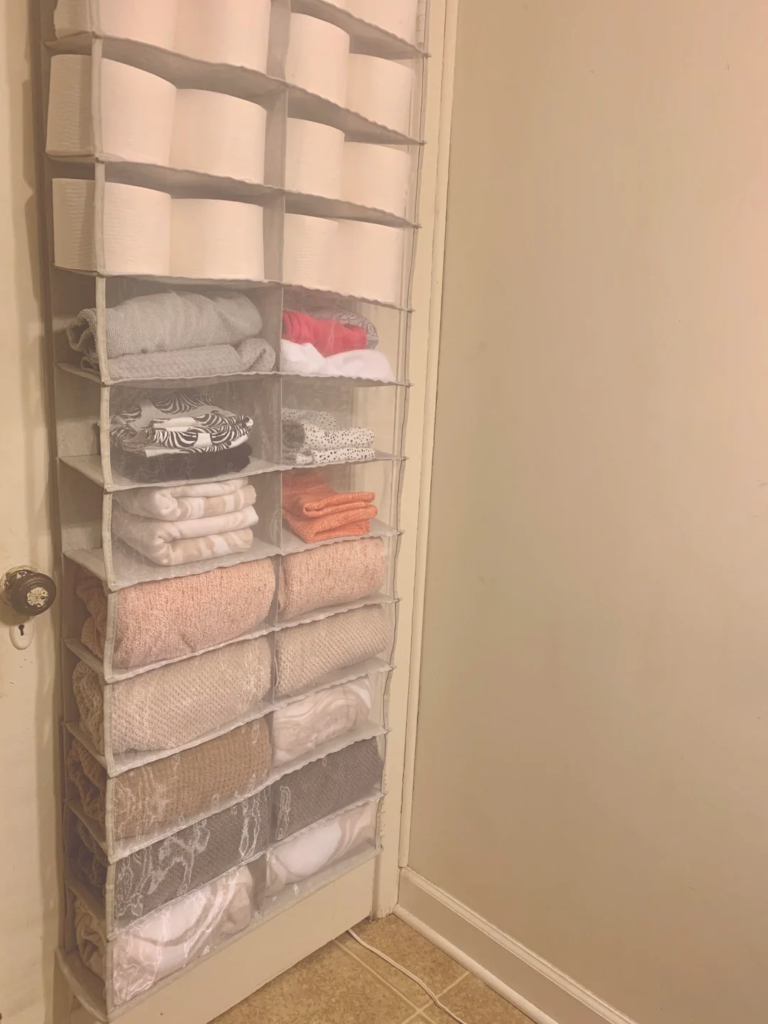
For entryways with no available floor space for a rack or cabinet, an over-door shoe organizer uses the back of the entry door to store footwear vertically. Each pocket holds one pair of shoes and the entire collection is visible and accessible without using any floor space at all.
How to Do It
Choose an organizer with deep, sturdy pockets sized for shoes rather than smaller items. Over-door organizers designed specifically for shoes have wider pockets than general-purpose versions. The organizer should clear the floor by at least an inch so shoes don’t drag when the door opens. This solution works for flats, sneakers, and smaller shoes, boots typically require floor storage.
The floor and shoe ideas form the practical core of the entryway. The ideas ahead address the daily carry items that make or break the morning routine, keep reading.
Daily Carry Station Ideas
Keys, wallets, phones, sunglasses, these small items cause disproportionate daily stress when they don’t have a consistent home. These ideas solve that entirely.
11. A Key Hook System Near the Door
Why It Works
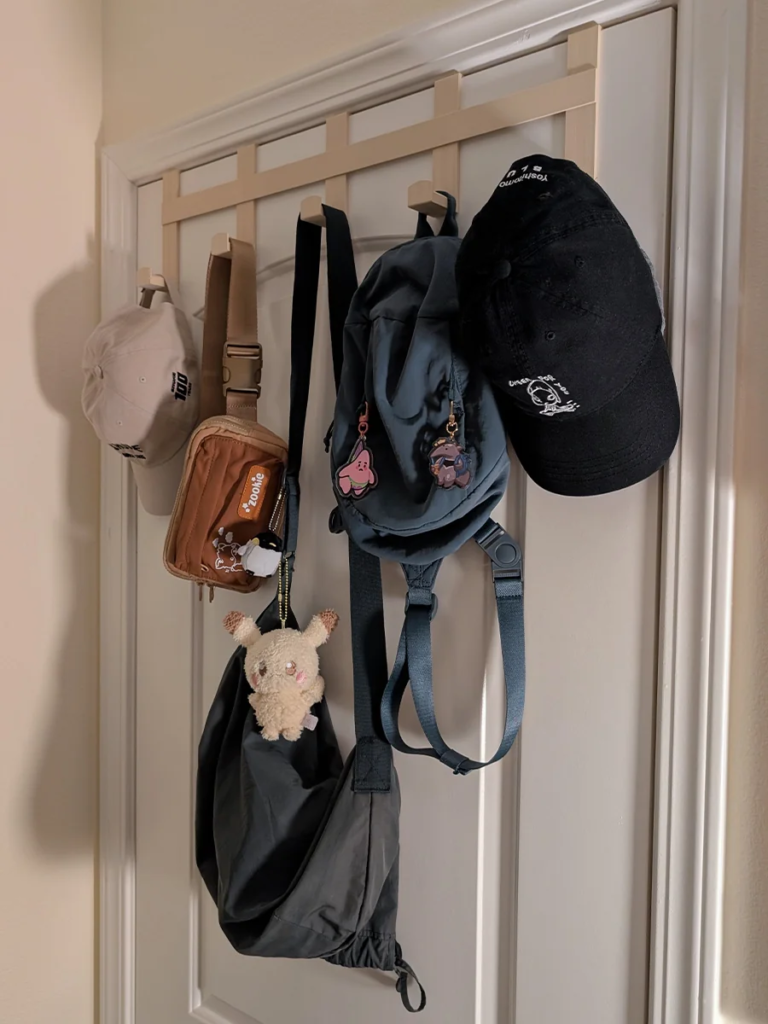
Keys on a dedicated hook beside the door, returned every single time you come home, eliminate the key-searching experience permanently. The habit is built by the proximity of the hook to the door, when hanging your key is the first natural action upon entering, the habit forms without effort.
How to Choose One
A small key hook rack with three to five individual hooks mounts near the door at a comfortable reaching height, typically beside the light switch or beside the main coat hooks. Choose a rack sized for your household’s actual number of keys plus one or two spare hooks for guests or additional sets.
Insider Tip
The hook must be immediately visible upon entering, not around a corner, not in a drawer, not on a surface where it gets buried. Visible and reachable from the door is the only configuration that makes the habit stick reliably.
12. A Tray or Bowl for Daily Carry Items
Why It Works
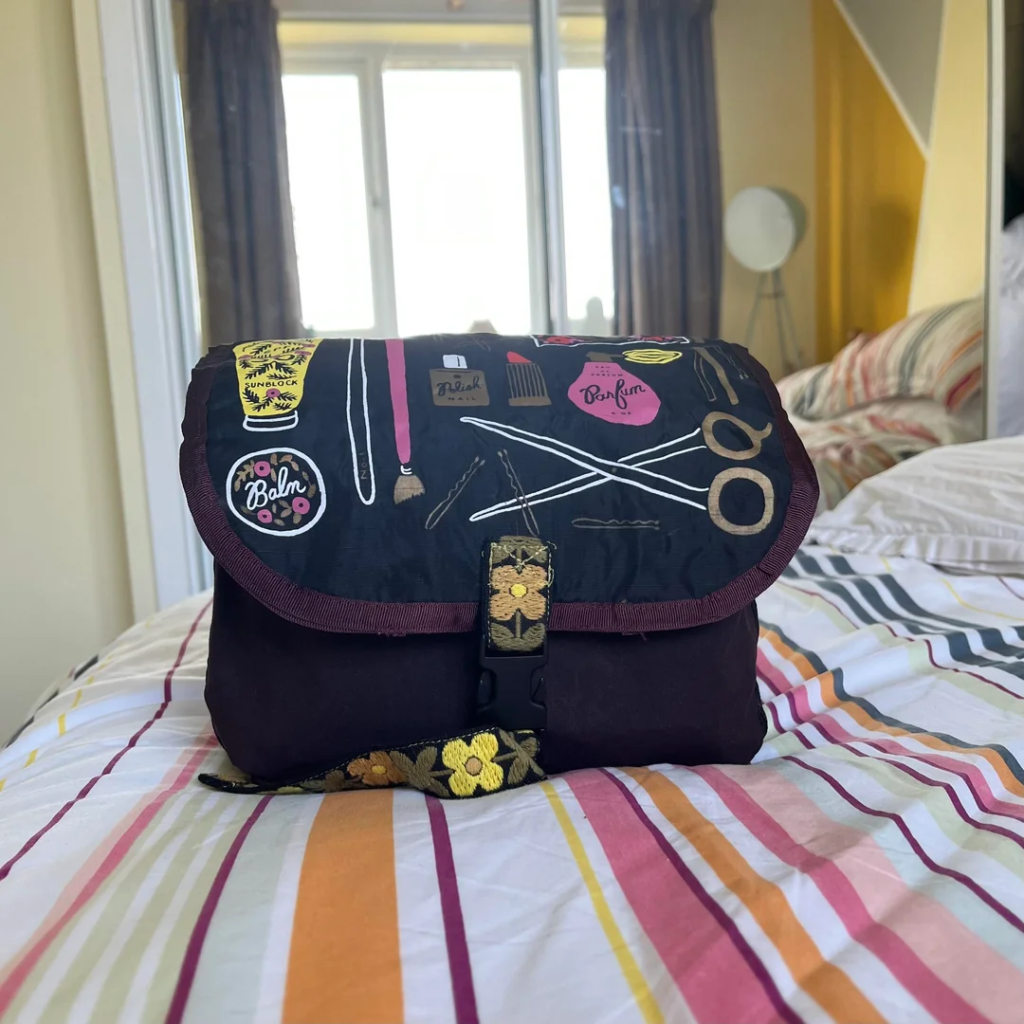
A single tray or shallow bowl on a console table or shelf near the door contains all the small daily items, wallet, sunglasses, loose change, lip balm, earphones, that otherwise scatter across every flat surface in the entryway. The tray gives them a collective home rather than separate spots.
How to Choose One
Choose a tray or bowl that’s beautiful enough to display but practical enough for daily use. A ceramic dish, a small wooden tray, a woven basket, or a leather tray all work beautifully. Size it for the actual items that live there, not so large it becomes a general dumping ground, not so small that overflow immediately becomes a problem.
Common Mistake
Using a beautiful tray but allowing everything to pile into it without editing. A tray with fifteen items in it is no longer a system, it’s a collection point. Edit monthly: anything that’s been in the tray for more than a week without being used probably doesn’t belong there.
13. A Charging Station in the Entryway
Why It Works
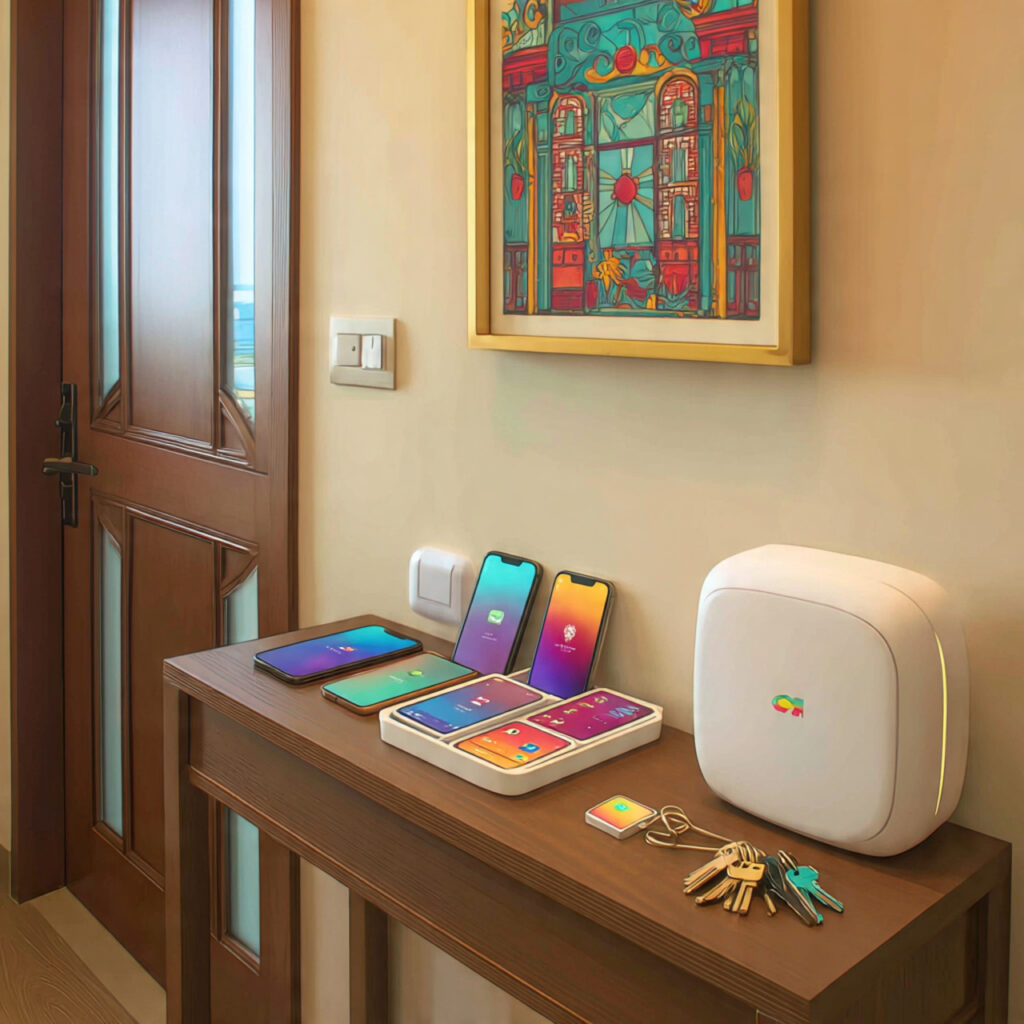
A small charging station in the entryway means phones are charged and ready by the door each morning, no scrambling to find the charger, no dead battery at the start of the day. For many people, this single addition to the entryway is the most practically impactful.
How to Do It
A small multi-port charger with a cable management system (adhesive clips or a cable tray) keeps the station tidy. A small box or compartment that conceals cables while charging keeps the visual clean. The charging station should be positioned close to a power point but not in a location where the trailing cable creates a trip hazard.
14. A Magnetic or Cork Board for Notes and Reminders
Why It Works
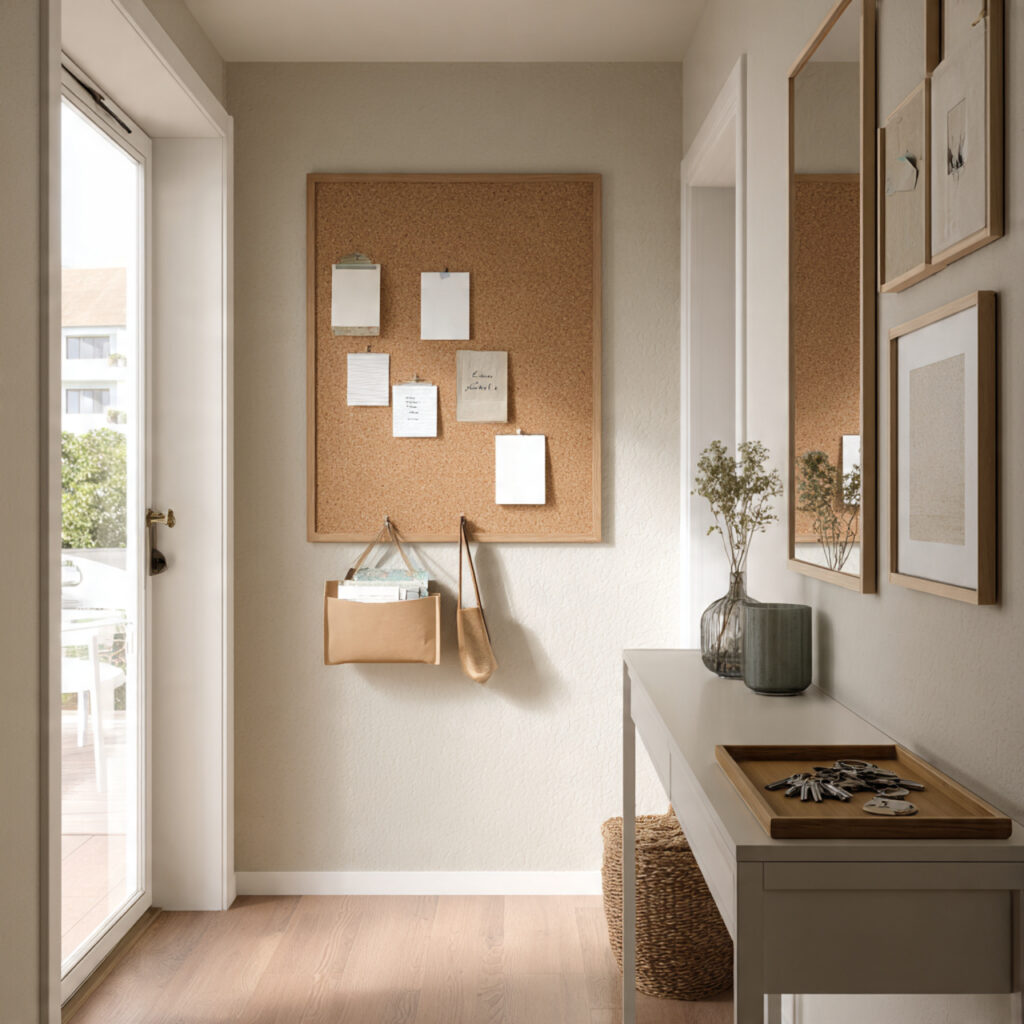
The entryway is the last place you look before leaving the house, which makes it the ideal location for reminders, school notes, appointment cards, and anything that needs to be remembered before or during the day. A magnetic board or small cork board mounted in the entryway keeps important information visible without cluttering other surfaces.
How to Do It
Keep the board minimal, no more than five active items at a time. When something is dealt with, it comes down immediately. An overcrowded board becomes visual wallpaper that the eye stops reading. A clean, curated board with only current, relevant items stays genuinely useful.
15. A Small Mirror for Final Checks

Why It Works
A mirror in the entryway has double value: it allows a quick final appearance check before leaving, and it reflects light back into what is often one of the narrower, darker spaces in a home. Both benefits are immediate and daily.
How to Choose One
A mirror sized appropriately for the entryway, not so large it dominates a small space, not so small it’s impractical, in a frame that suits the space’s aesthetic. Round mirrors feel soft and modern. Arched mirrors feel romantic and currently very popular. Traditional frames feel classic. The frame should feel like a deliberate choice rather than a default.
Insider Tip
Position the mirror at an angle where it reflects light from a window or lamp rather than just reflecting the opposite wall. The light reflection is what makes the mirror more than decorative, it actively brightens and enlarges the perceived space.
This is a great moment to save a few of your favorite ideas, the mail management and aesthetic finishing ideas ahead complete the picture of a truly organized, beautiful entryway.
Mail and Paper Management Ideas
Incoming paper is one of the most reliable sources of entryway clutter. These ideas deal with it immediately.
16. A Wall-Mounted Mail Sorter
Why It Works
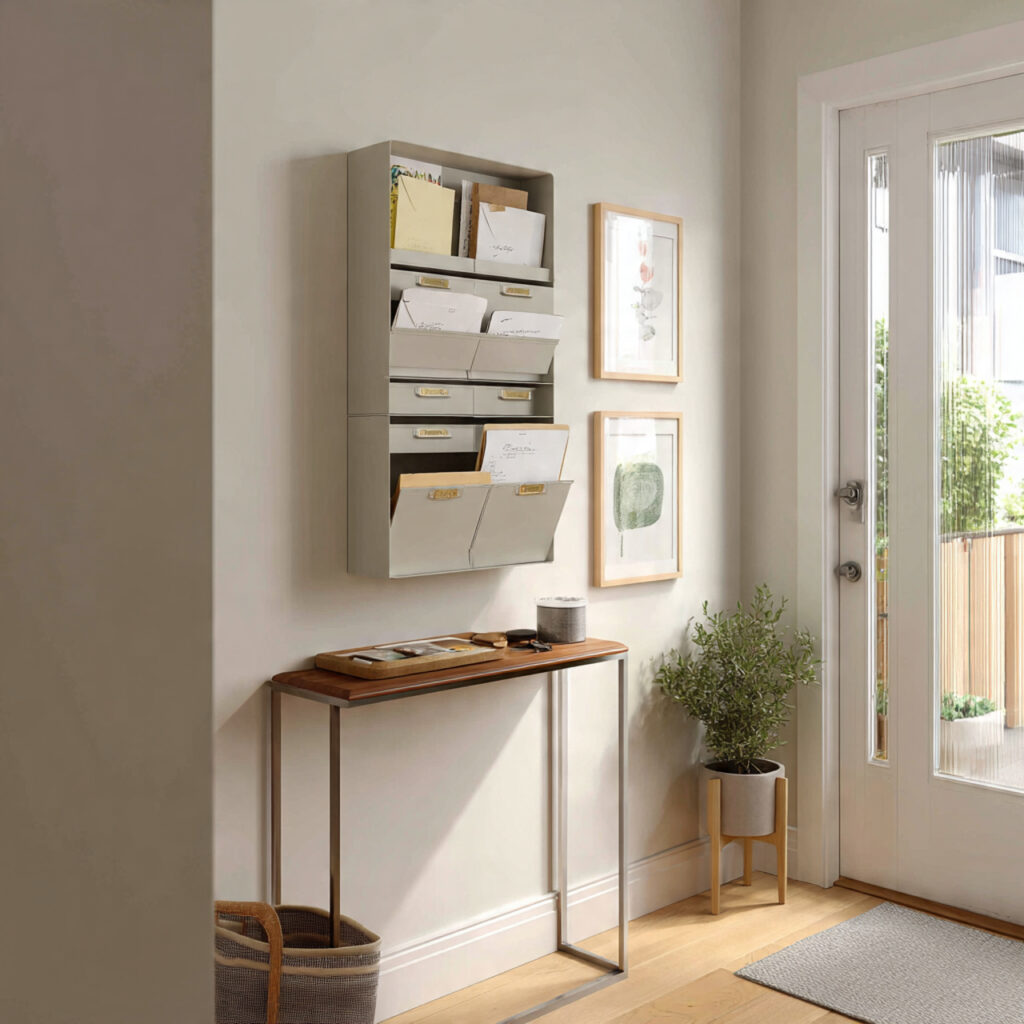
Mail and paper left on entryway surfaces accumulate faster than almost any other category. A dedicated wall-mounted mail sorter gives incoming paper a specific, contained home, so it doesn’t spread across every available surface while waiting to be dealt with.
How to Do It
A wall-mounted sorter with two or three sections, incoming, action required, and recycling or filing, creates a simple paper triage system at the entry point. Paper is sorted as it arrives rather than piled for sorting later. The sorting takes five seconds per piece and prevents the pile that would otherwise take twenty minutes to deal with once it becomes overwhelming.
Common Mistake
Using a single-slot sorter for everything. When all paper goes into one slot, the slot fills and becomes indistinguishable from a pile. The sorting value comes from multiple sections with different purposes, incoming, needs action, needs filing.
17. A Recycling Basket Immediately Inside the Door
Why It Works
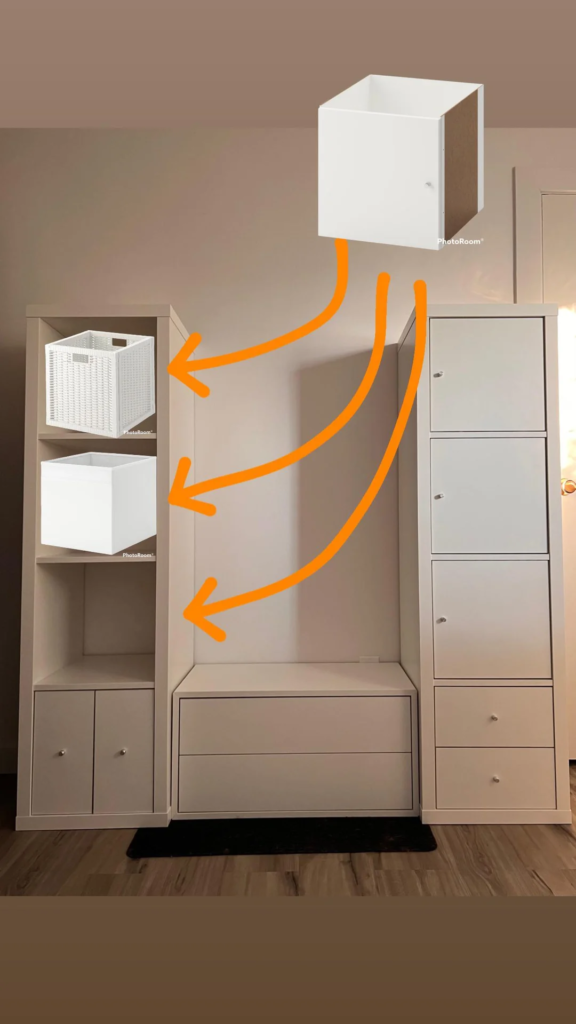
A significant percentage of mail is immediately recyclable, advertising, catalogs, flyers, unsolicited letters. If the recycling point is immediately visible and accessible as you walk through the door, junk mail goes directly there rather than being set down “just for a moment” and contributing to the pile.
How to Do It
A small, attractive bin or basket positioned just inside the door, visible from the entry point, specifically designated for immediate recycling of junk mail. It doesn’t need to be large. It needs to be consistently emptied into the main recycling and to be positioned so that using it is actually faster than putting paper down somewhere else.
18. A Command Center Wall for Families
Why It Works
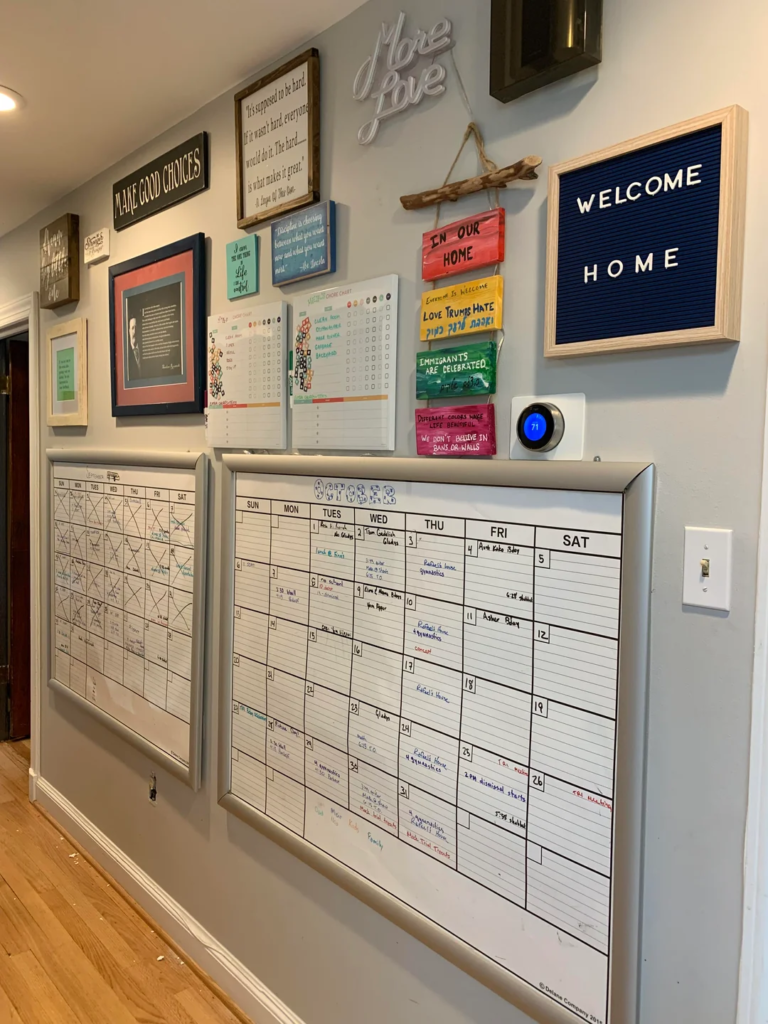
For family entryways that need to manage not just mail and keys but school schedules, activity calendars, permission slips, and shared family communication, a dedicated command center wall consolidates all information management in the one place everyone passes through daily.
How to Do It
A command center wall typically includes: a family calendar (monthly view), a cork or magnetic board for active notes, individual mail or paper slots per family member, a small whiteboard for daily reminders, and key hooks. Position everything at accessible heights for all family members. The command center doesn’t need to be elaborate, even a simple combination of a calendar, a small board, and a key rail achieves most of the function.
The Aesthetic Finishing Ideas
Organization and beauty together create the entryway that genuinely transforms the homecoming experience.
19. A Console Table as the Entryway Anchor
Why It Works
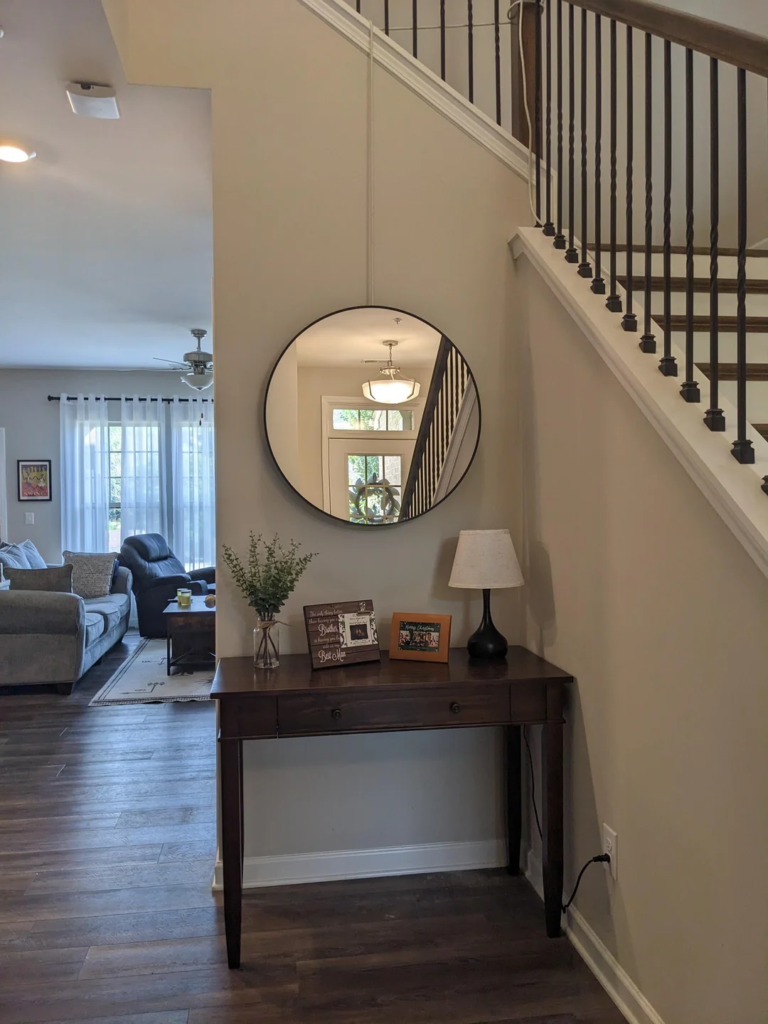
A console table, slim, at about waist height, provides the organizational and visual anchor that turns a hallway into a proper entryway. It holds the tray, the charging station, and small decor items above while potentially providing drawer or shelf storage below. It’s the piece of furniture that makes an entryway feel designed.
How to Choose One
Measure your available width carefully, console tables need to allow comfortable passage alongside them (at least 24 inches between table and opposite wall). Choose a depth of 10-14 inches for narrow hallways. A table with a drawer is more functional than one without. A lower shelf below the table surface provides additional storage for baskets or shoes.
20. A Runner Rug to Define the Space
Why It Works
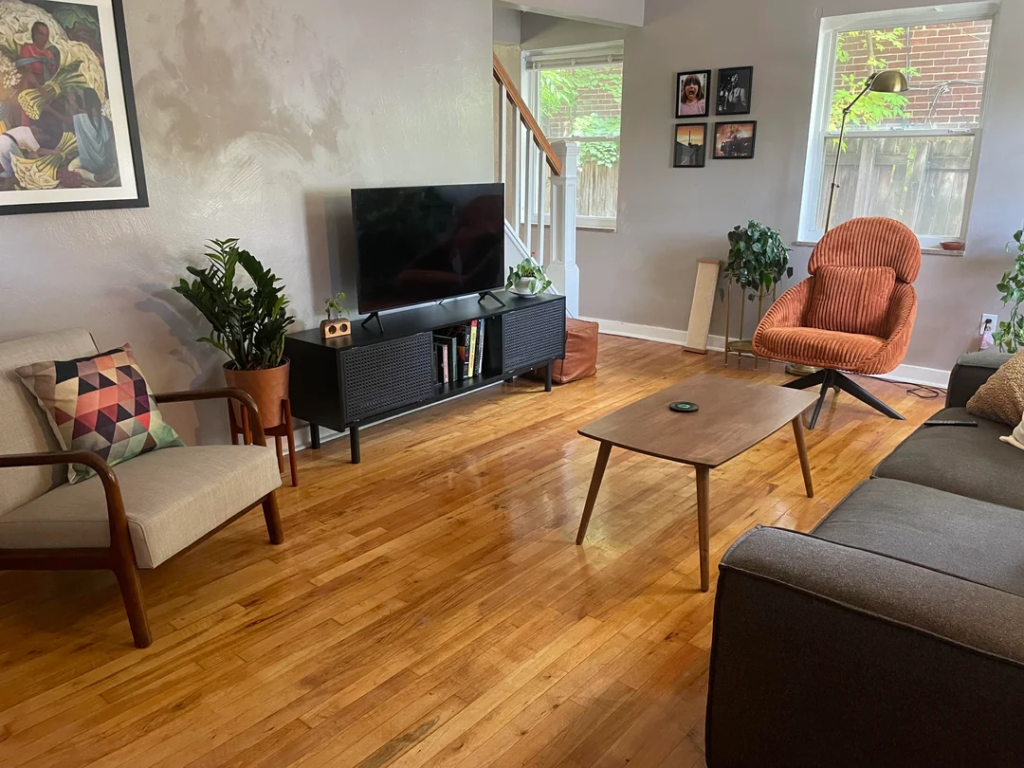
A runner rug in the entryway does three things simultaneously: it defines the space visually (creating the sense of a distinct room rather than just a transition zone), it protects the floor from high-traffic wear and incoming dirt, and it adds warmth and texture that makes the space feel genuinely welcoming.
How to Choose One
Choose a runner long enough to extend the full length of the entryway area, not just a small mat near the door. Patterns that hide dirt (geometric, botanical, or textured designs) are more practical than plain pale colors in a high-traffic entry zone. Natural fiber runners, jute, sisal, cotton, suit most aesthetic styles and are durable under heavy daily use.
Common Mistake
Choosing a rug that’s too small. An undersized rug in an entryway looks like a mat rather than a design choice. Go larger than your instinct suggests, the extra size is almost always right.
21. Layered Lighting for Welcome and Function
Why It Works
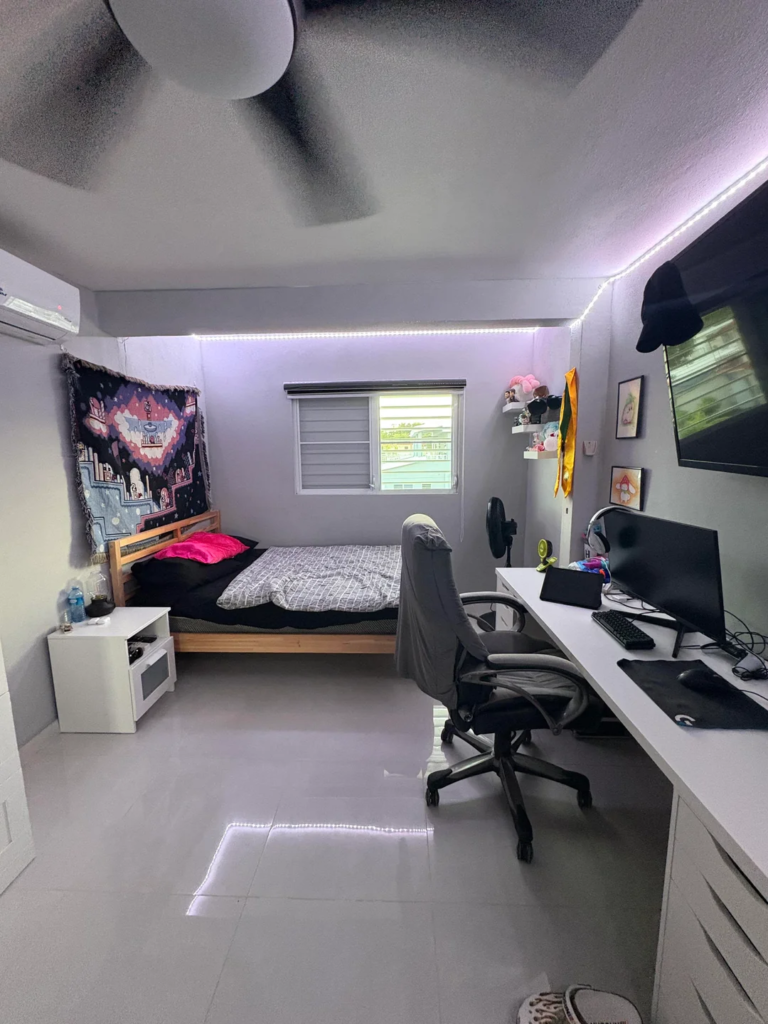
Most entryways rely on a single overhead fixture that provides adequate but uninviting light. Layered lighting, combining an overhead source with a table lamp on the console, or wall sconces that add warmth, transforms the entryway from a functional transit zone to a genuinely welcoming space.
How to Do It
Replace a harsh overhead bulb with a warm white equivalent (2700K). Add a small table lamp on the console table for warm ambient light in the evenings. If wall space permits, a pair of wall sconces on either side of a mirror adds soft, symmetrical light that feels designed and intentional. The warmth of layered lighting in an entryway is felt immediately upon entering.
22. A Small Plant or Fresh Flowers

Why It Works
A single small plant or a weekly bunch of flowers in an entryway adds life, color, and a signal of warmth that instantly communicates: someone cares about this space. It’s one of the most powerful and least expensive improvements available for any entryway.
How to Do It
Choose a plant that handles the entryway’s actual conditions, typically lower light and variable temperature. A small pot in a beautiful pot, a snake plant on the console shelf, or a trailing plant in a hanging position near the door all work well. For renters or those who prefer no maintenance, a single stem of eucalyptus in a bud vase lasts two to three weeks and looks elegant the entire time.
23. A Scent That Greets You
Why It Works
Scent is the most immediate and emotionally powerful welcome an entryway can offer. The smell that greets you when you walk through the door is the first thing your senses register, before you’ve seen the coat hooks or noticed the organized tray.
How to Do It
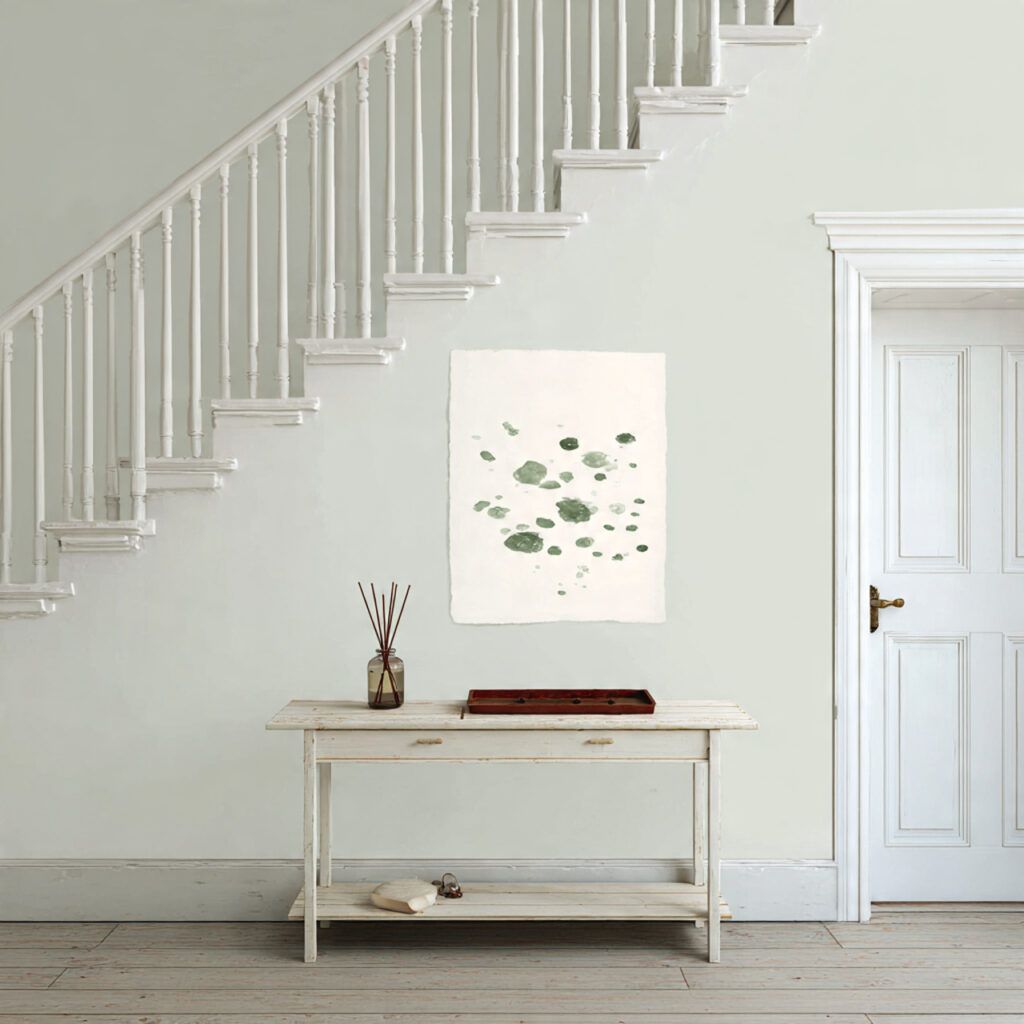
A reed diffuser in the entryway operates continuously at a low level, a fresh linen scent, soft florals, or citrus are all welcoming without being overpowering. An unlit candle in a beautiful vessel on the console table adds both scent and visual warmth. The specific scent matters less than its cleanliness and freshness, the goal is a home that smells like it’s well cared for.
24. A Daily Reset Habit for the Whole Entryway
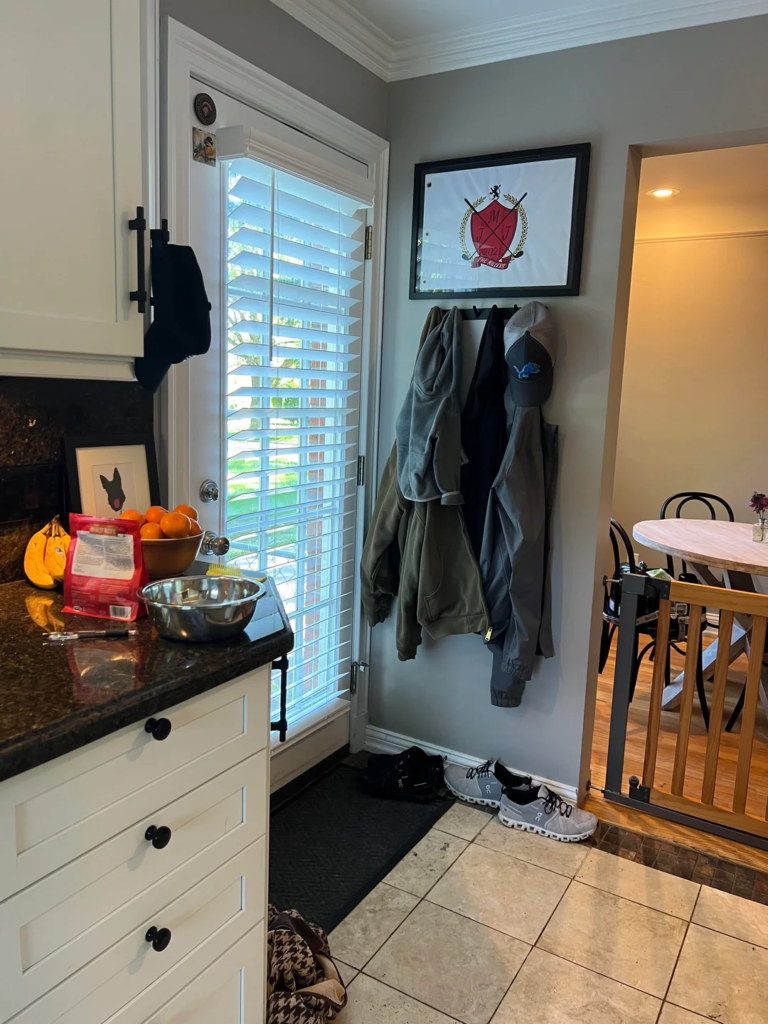
Why It Works
The most beautifully organized entryway gradually reverts to chaos without a consistent maintenance habit. A two-minute daily reset, returning everything to its home, clearing any surfaces that have gathered items, and emptying the mail recycling bin, keeps the system intact indefinitely.
How to Do It
Tie the reset to something that already happens daily, the moment before bed, after the children are settled, or when you return home and hang your coat. Two minutes at a consistent time is all it takes to maintain an organized entryway long term. The reset doesn’t clean the space, it returns it to the organized state you’ve created, which is a completely different task.
Insider Tip
Make the reset enjoyable rather than a chore. Light the candle. Straighten the tray. Appreciate the space for a moment. When the reset is associated with a pleasant sensory experience rather than a grudging task, it becomes one of those small daily rituals that contributes to the overall quality of daily life.
Your Home Deserves a Proper Welcome
Here’s what all of these ideas come down to: you deserve to come home to a space that says welcome rather than good luck with all of this.
Your entryway is not just a practical problem to solve, it’s a daily emotional experience that either supports or undermines how you feel in your own home. The difference between a chaotic entry and a calm, organized one isn’t just visual. It’s felt in the body, in the breath, in the mood you carry into the rest of your evening.
You don’t need to implement all 24 ideas to change how your entry feels. You need the ones that address your specific daily frustrations. Start with the key hook if losing your keys is your biggest pain. Start with the shoe storage if the pile at the door is what you dread most. Start with the runner rug if the space just needs to feel like a room rather than a corridor.
Each change compounds. One good idea implemented properly becomes the foundation for the next. And one day you’ll come home, arms full, tired, ready to exhale, and the door will open onto something genuinely welcoming.
Because the best homes don’t just look beautiful from the outside. They feel like home the moment you step in.