There’s a particular kind of aliveness that comes into a room the moment a plant is in it. Not just the green, although the green matters, but something more subtle. A sense that the space is breathing. That it’s inhabited by something growing and real and quietly thriving alongside you.
If your home has been feeling a little flat lately, a little too still, a little too curated and not quite alive enough, a plant is very likely the answer you haven’t tried yet.
Indoor plants have become one of the most powerful and most accessible home decor tools available, and their appeal goes well beyond aesthetics. Environmental researchers have documented measurable improvements in air quality, stress levels, and cognitive function in spaces with plants, and interior designers across the US, Canada, the UK, and Australia consistently list greenery as the single most impactful low-cost home refresh available. The right plant in the right place doesn’t just look beautiful. It changes how the room feels, how the light moves, and how you experience being in it.
These 24 indoor plant decor ideas cover every room, every skill level, and every aesthetic, from the dramatic floor plant that transforms a corner to the single small succulent that makes a windowsill feel curated and considered.
Why Indoor Plants Transform Spaces
The Science Behind the Beauty
The human attraction to plants is not accidental, it’s evolutionary. Humans spent the vast majority of their existence in natural environments, and our nervous systems still respond to green, growing things with a measurable relaxation response. Spaces with plants feel safer, calmer, and more restorative because our brains register them as signals of a healthy, life-supporting environment.
Indoor plants also improve air quality by absorbing carbon dioxide and releasing oxygen, and certain species process airborne pollutants through their root systems. The practical and psychological benefits compound, a plant is simultaneously beautiful, calming, and genuinely good for you.
The Three Plant Decor Principles
Before the specific ideas, three principles underpin all great indoor plant decor. First, the pot matters as much as the plant, a beautiful plant in an ugly pot undermines both. Second, grouping plants creates more visual impact than scattering them individually throughout a room. Third, the right plant for the right light condition is the difference between a thriving, beautiful plant and a struggling one that looks sad rather than alive. Every idea ahead builds on these three foundations.
Also Read: https://myhavenvibes.com/apartment-reading-nook/
Statement Plant Ideas That Transform a Room
These ideas use plants as the visual anchor, the piece that the room’s aesthetic is built around.
1. A Large Floor Plant as a Room Focal Point
Why It Works
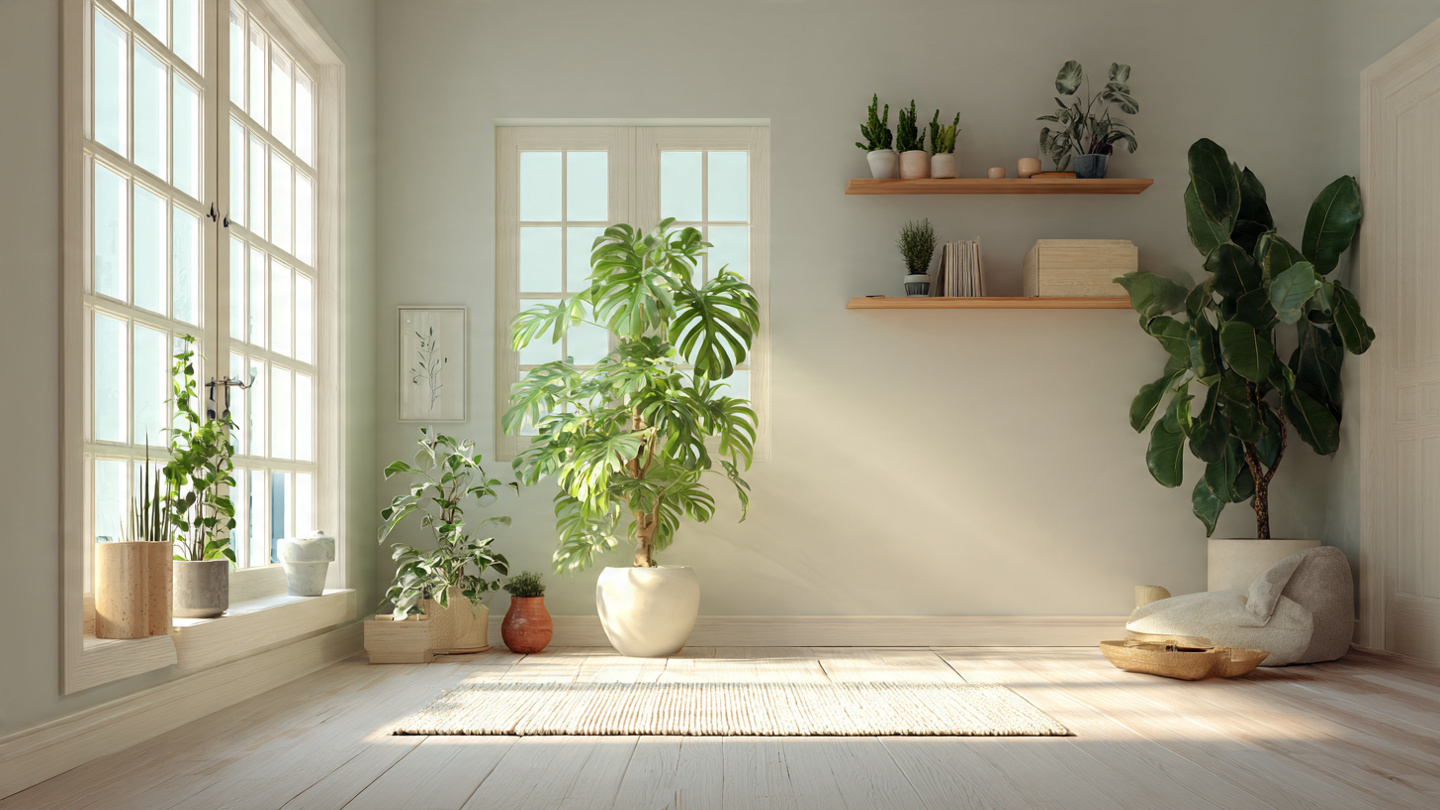
A large floor plant, a fiddle leaf fig, a large monstera, an olive tree, a tall snake plant, has the visual presence of a piece of furniture. Positioned in a corner or beside a sofa, it immediately draws the eye, fills visual space that would otherwise be empty, and adds the organic, living quality that no decorative object can replicate.
How to Style It
Place the plant in a pot that suits the room’s aesthetic, a large matte ceramic for a neutral or Scandinavian room, a handwoven basket planter for a bohemian or natural room, a sleek stone-look pot for a modern minimal room. The pot should be sized appropriately: for a large plant, a pot that looks too small is worse than one that’s slightly generous. Position with a saucer or felt pad beneath to protect the floor.
Common Mistake
Placing a large floor plant in a corner with insufficient light for its species. A fiddle leaf fig in a dark corner looks beautiful for approximately three weeks before it begins dropping leaves in protest. Research the specific light requirements of your chosen plant and match the plant species to the light available, not the decorative position to the plant you want.
Read More: https://myhavenvibes.com/small-reading-corner/
2. A Cluster of Three Plants at Different Heights
Why It Works
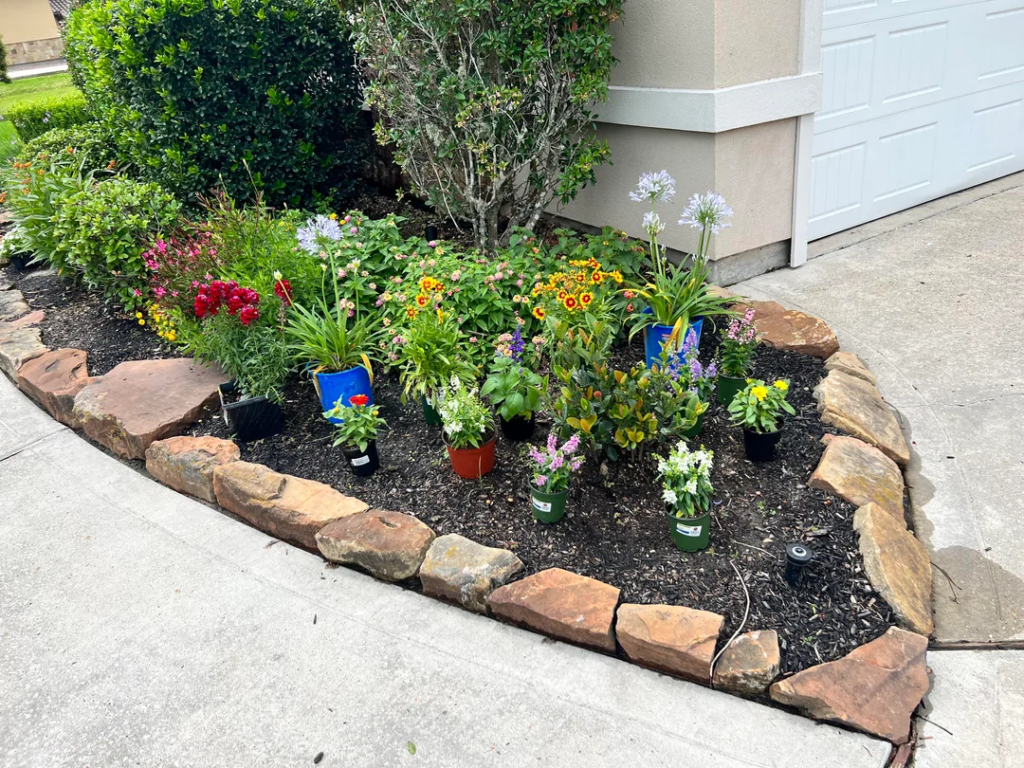
The most powerful plant display principle in interior design is the cluster, a group of three plants of different heights, different textures, and slightly different tones of green, positioned together to create a miniature indoor garden. One tall, one medium, one low, the varied heights create visual movement and depth that a single plant cannot provide.
How to Create It
Choose plants that thrive in similar light conditions (so they can share a position without compromise) but offer visual variety. A tall snake plant beside a medium pothos in a hanging pot beside a small trailing plant at floor level. A large monster beside a medium peace lily beside a small fern. The grouping looks designed, natural, and completely alive.
Insider Tip
Vary the pot materials as well as the sizes, one ceramic, one terracotta, one woven basket, for maximum textural interest within the grouping. The slight visual variety between pots prevents the cluster from looking like a shop display and makes it feel personally collected over time.
3. A Dramatic Tropical Plant as Living Sculpture
Why It Works
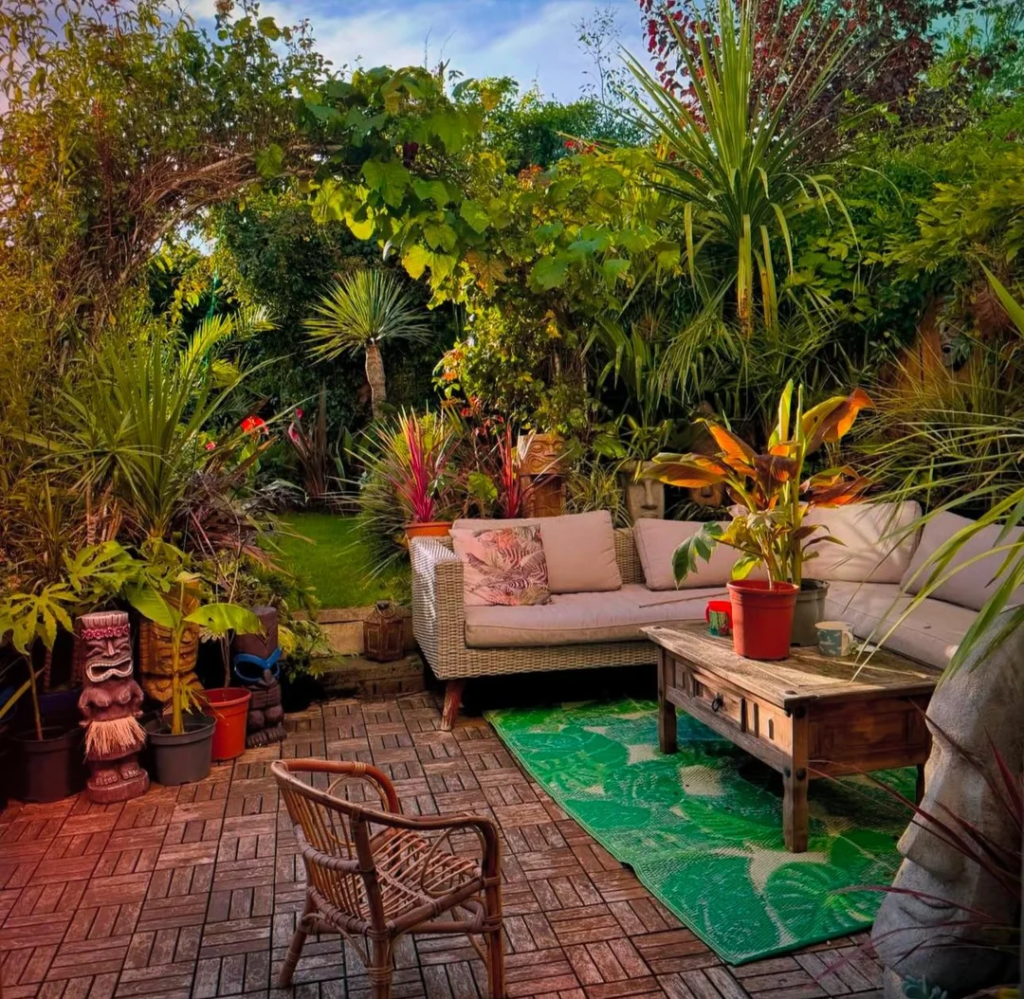
Certain plants have such a striking, architectural quality that they function as sculpture rather than just decoration. A large bird of paradise with its paddle-shaped leaves, a tall cactus with its graphic silhouette, a banana plant with its enormous tropical leaves, these plants don’t just add greenery. They add drama, structure, and a statement that no artwork or decorative piece quite replicates.
How to Choose One
Choose sculptural plants for rooms with strong natural light, most dramatic tropical plants need generous sun to thrive. Position where the plant’s silhouette is seen against a pale wall for maximum graphic impact. A single sculptural plant with space around it and nothing competing for visual attention creates more impact than multiple plants crowded together.
4. A Large Hanging Plant Above a Reading Chair or Sofa
Why It Works
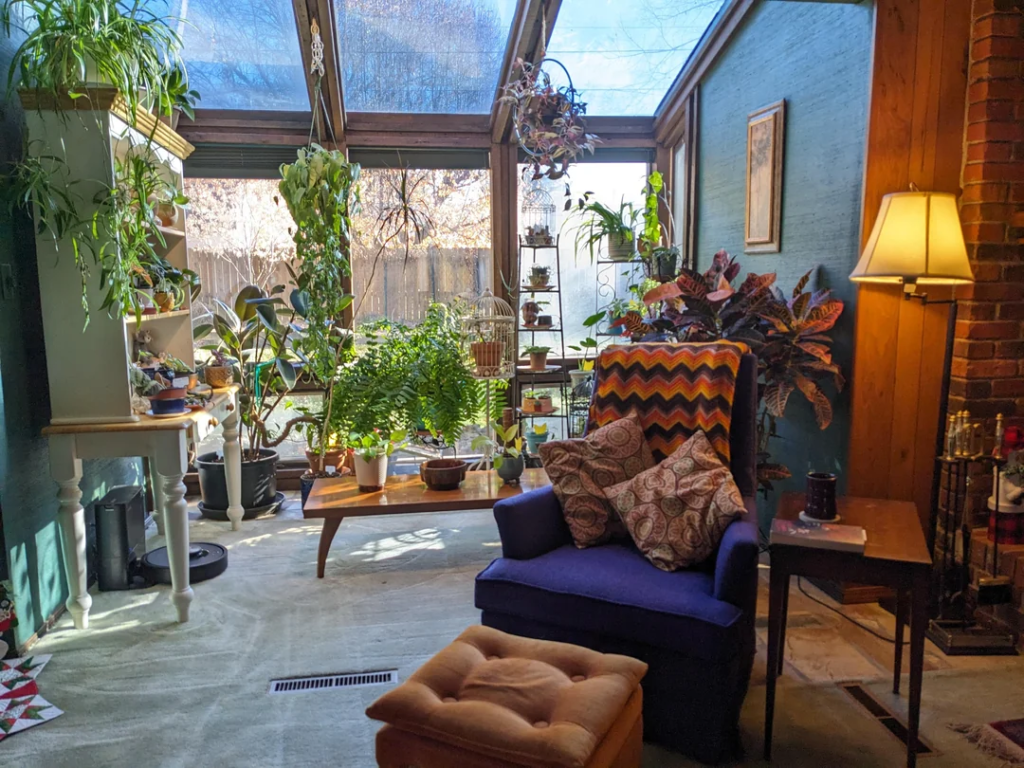
A trailing plant hung from the ceiling above a seating area, a large pothos, a string of hearts, a trailing philodendron, creates an overhead canopy quality that transforms the area beneath it into something genuinely intimate and botanical. The trailing leaves frame the seating below, creating a sense of enclosure and organic beauty.
How to Hang It
A ceiling hook with a secure anchor rated for the pot’s weight plus water. Swag hooks for heavy pots or a macramé hanger for lighter ones. Position the hanging point so the trailing stems fall naturally around but not onto the furniture below, typically 18-24 inches above the back of the sofa or chair.
Common Mistake
Choosing a hanging plant without considering watering access. A plant hung 8 feet up requires a step stool or ladder for watering, which means it gets watered less frequently than it should. Choose self-watering pots for ceiling-hung plants, or position them so they can be lowered to a counter for watering.
These statement plant ideas create the most dramatic transformations. The smaller, more detailed plant decor ideas ahead bring the same organic quality into every corner and every surface of the home.
Room-by-Room Indoor Plant Decor Ideas
5. Living Room: The Bookshelf Ecosystem

Why It Works
A bookshelf with plants woven through its contents, a trailing pothos on the top shelf, a small succulent beside a stack of books, a tiny air plant in a ceramic holder at eye level, creates the most layered and most personal shelf aesthetic available. The combination of books and living plants has an organic, intellectual quality that’s completely appealing.
How to Create It
Identify which shelves receive the most light and position the highest-light-requirement plants there. Trailing plants on upper shelves create the cascading quality that looks most beautiful. Small, compact plants, succulents, air plants, small ferns, tuck into smaller gaps between books. Leave visual breathing room between plants and books rather than crowding every available inch.
6. Living Room: Plants Flanking the Television
Why It Works
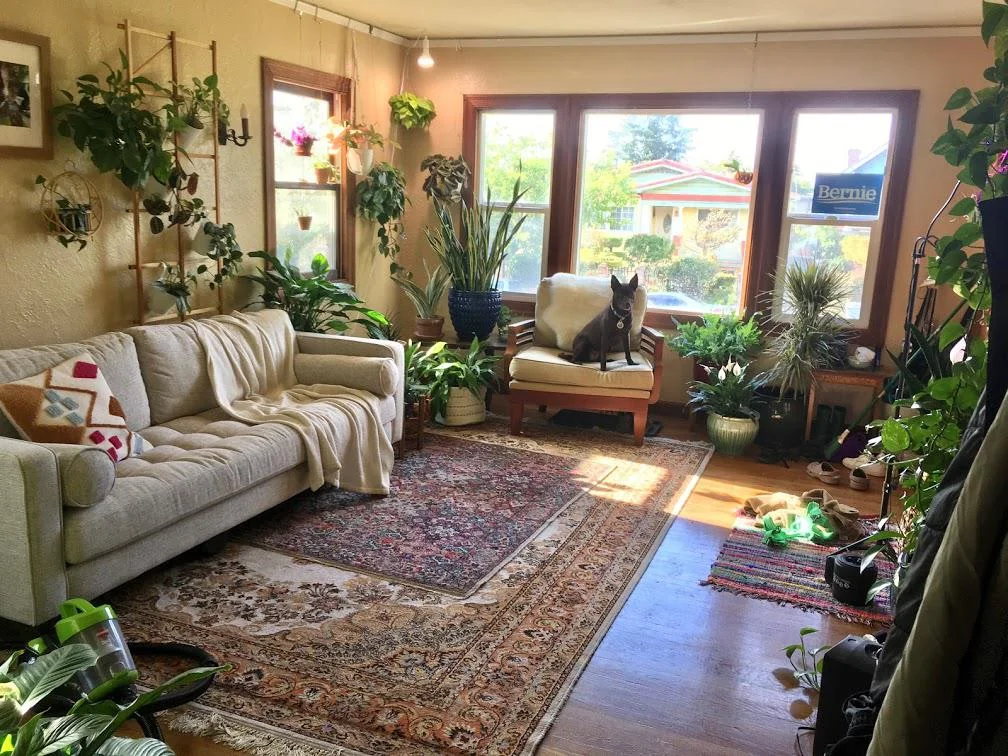
The television is often the most visually dominant and least beautiful element in a living room. Flanking it with two matching plants, identical or complementary species in matching pots, softens the technology’s visual dominance and creates a framed, intentional quality that makes the entire wall look considered.
How to Style It
Two plants of the same height on either side of the TV unit create perfect symmetry. Two plants of slightly different heights creates a more relaxed, organic version of the same idea. Both approaches work, the choice depends on whether your room’s aesthetic is more structured or more casual.
7. Kitchen: Fresh Herbs on the Windowsill
Why It Works
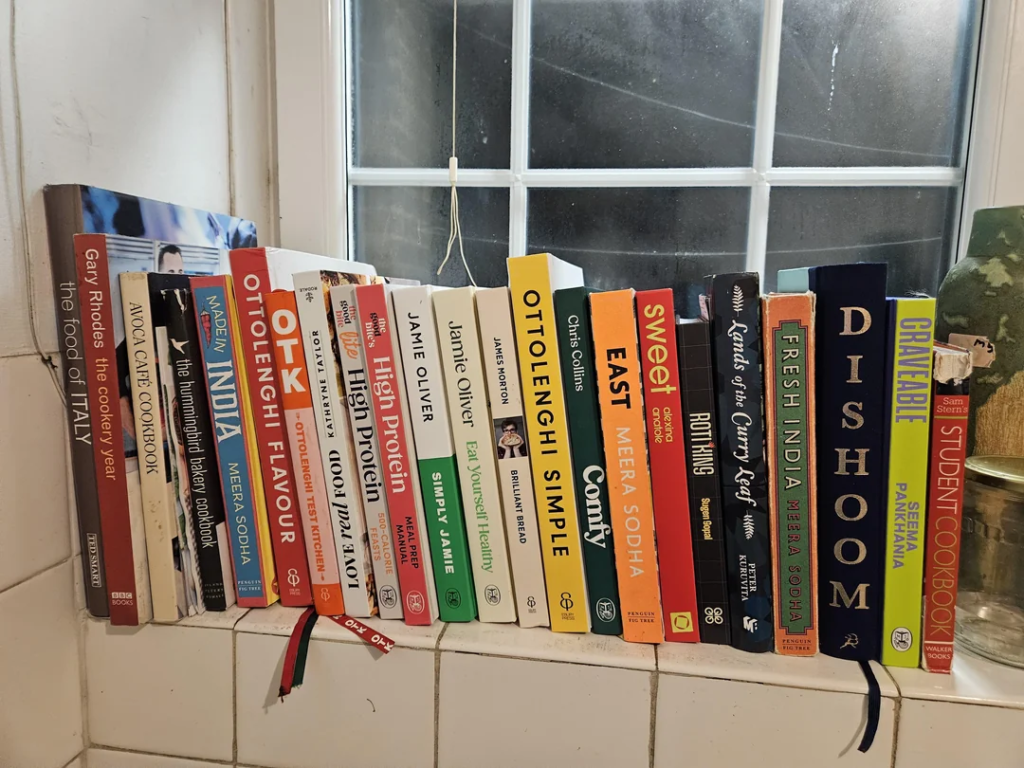
A row of fresh herb plants on the kitchen windowsill is the most practically useful and most atmospherically beautiful plant decor idea for the kitchen. Fresh basil, rosemary, mint, thyme, and chives all thrive on a sunny windowsill, smell wonderful, contribute to cooking, and look genuinely charming in simple terracotta or ceramic pots.
How to Set It Up
Choose herbs appropriate to your cooking habits, the herbs you actually use are the herbs worth growing. Three or four herbs in complementary pots on the sill, labeled with small stakes or small ceramic markers. Water consistently according to each herb’s specific needs (some, like mint, prefer consistent moisture; others, like rosemary, prefer to dry out between waterings).
Insider Tip
Terracotta pots for herbs on a windowsill look the most naturally charming and are the most practically appropriate, terracotta is breathable, prevents overwatering, and develops a beautiful aged patina over time. Avoid glazed ceramic for herbs that prefer drier soil.
8. Kitchen: A Trailing Plant Above the Cabinets
Why It Works
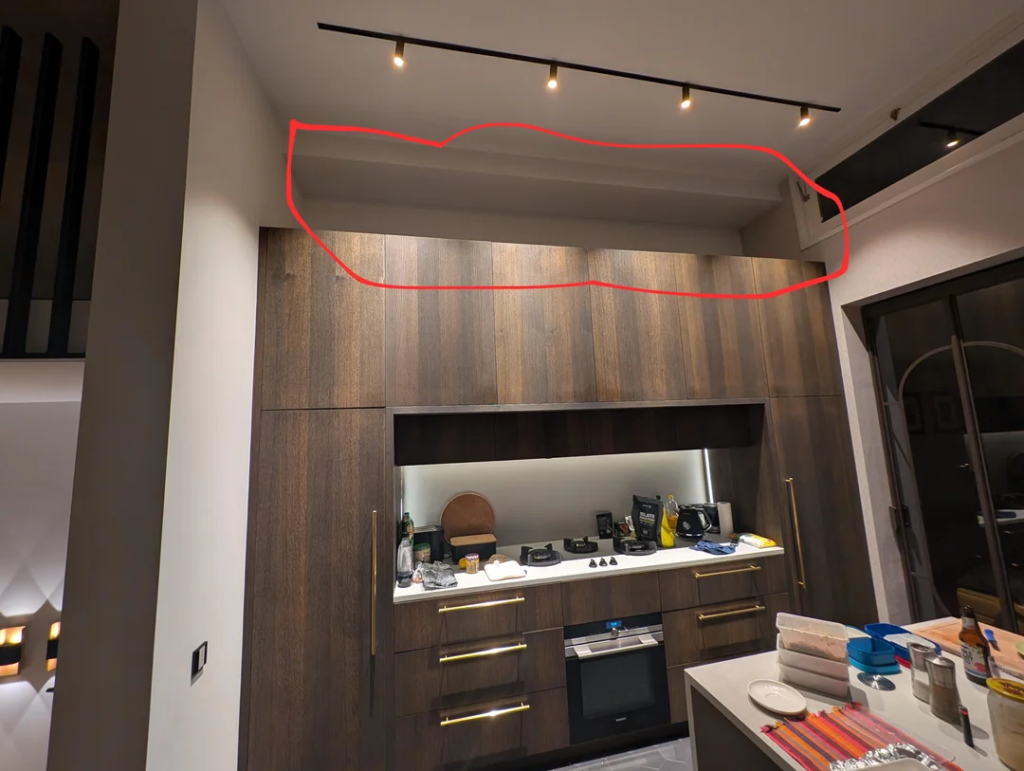
The space above kitchen cabinets is one of the most consistently underused and most visually awkward spaces in most homes. A trailing plant, a pothos is ideal, positioned on top of a cabinet and allowed to trail down the front or sides turns an awkward gap into a genuinely beautiful feature.
How to Care for It
Plants above cabinets are away from direct sight and often forgotten, which makes choosing a drought-tolerant, low-maintenance trailing plant essential. A golden pothos is the most reliably appropriate choice: it tolerates low light, grows vigorously even with irregular watering, and its trailing golden-green leaves look beautiful against kitchen tile or cabinet fronts.
9. Bathroom: A Spa-Like Plant Display
Why It Works
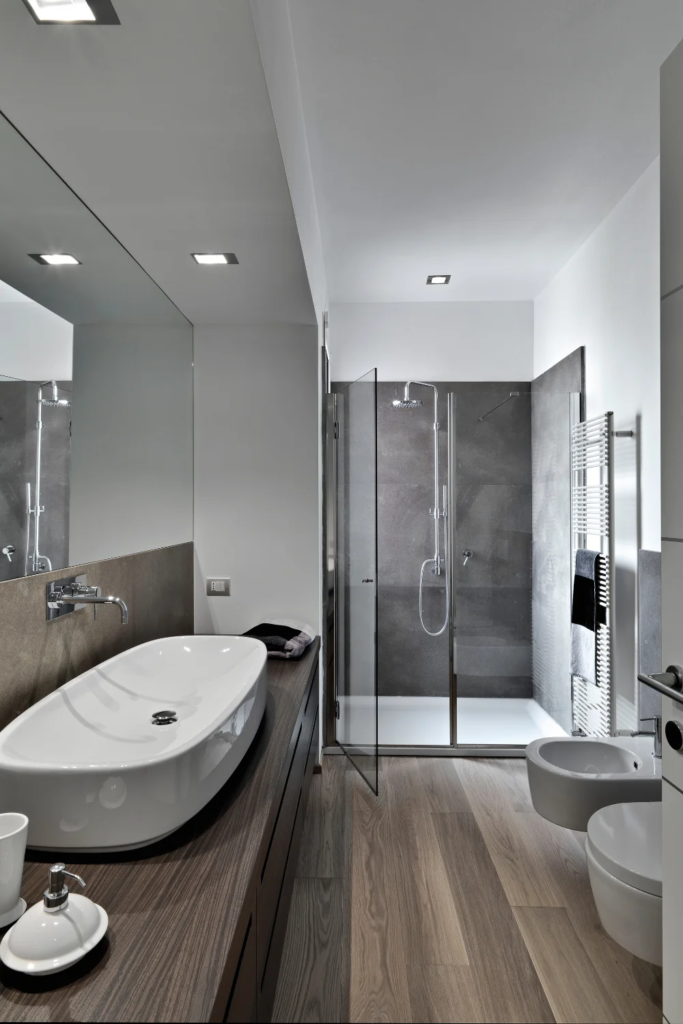
Plants in the bathroom create an immediate spa quality, the combination of steam from the shower, diffuse light, and green growing things creates an atmosphere that feels genuinely luxurious. Bathrooms are often ideal plant environments because of their humidity and the soft indirect light that many species love.
Which Plants to Choose
Ferns, orchids, peace lilies, and certain pothos varieties all thrive in bathroom conditions. A small fern on the vanity beside the sink, a larger plant on the floor beside the bath, and a trailing plant on a small shelf near the window creates a layered bathroom plant display that looks like a deliberate design choice rather than a random afterthought.
Common Mistake
Choosing plants that need more light than a bathroom window provides. Many bathrooms have frosted or small windows with limited light. Choose shade-tolerant species for bathrooms without strong natural light, ferns, peace lilies, and cast iron plants all do well in low-light, humid conditions.
10. Bedroom: A Calming Plant Collection for Better Sleep
Why It Works
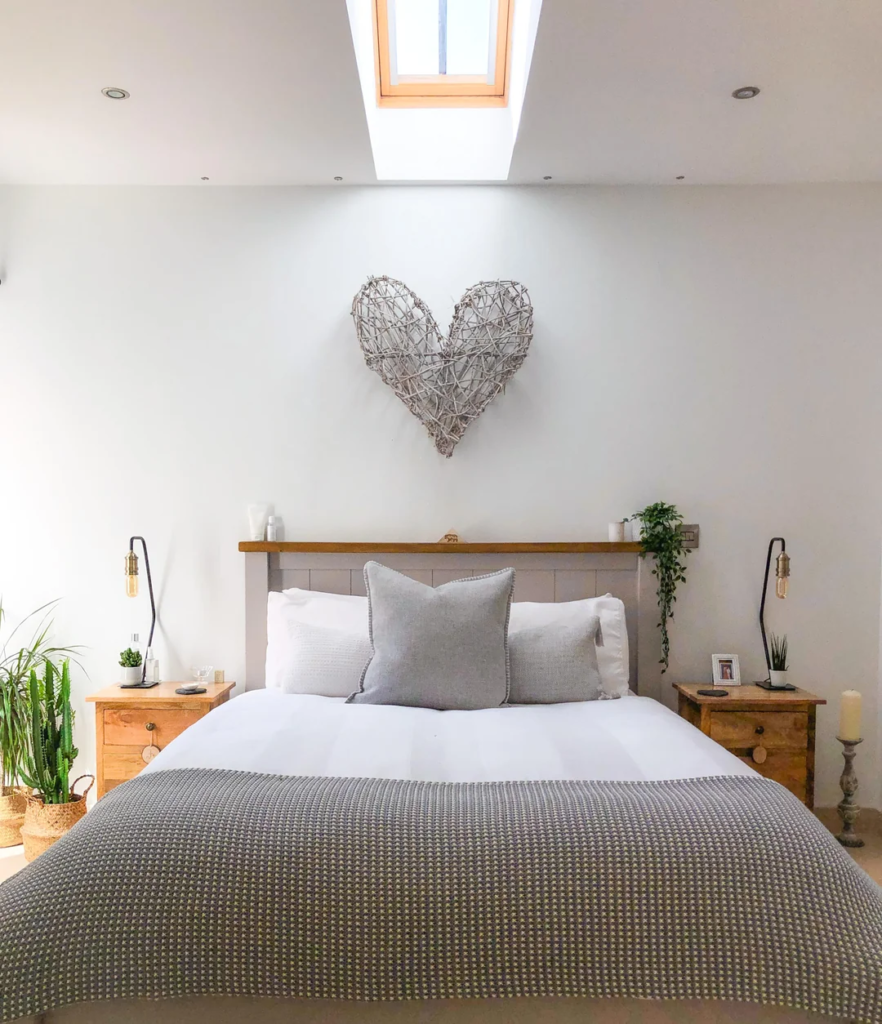
Certain plants have documented benefits for sleep environments, lavender’s scent has been shown to reduce heart rate and promote relaxation; snake plants and pothos improve air quality by releasing oxygen overnight; jasmine’s gentle fragrance has a calming effect. Beyond the science, a few beautiful plants in a bedroom simply make the space feel more alive and more restful.
How to Style Them
A small plant on each nightstand for visual symmetry. A larger plant in the corner that can be seen from the bed. A trailing plant on a shelf near the window. The bedroom plant collection should feel gentle and calming rather than overwhelming, a few beautiful, well-chosen plants rather than a densely populated botanical display.
This is a wonderful moment to save your favorite ideas, the display, pot, and styling details ahead bring everything together into a cohesive, beautiful whole.
Creative Display Ideas for Indoor Plants
11. A Tiered Plant Stand for Maximum Greenery in Minimal Floor Space
Why It Works
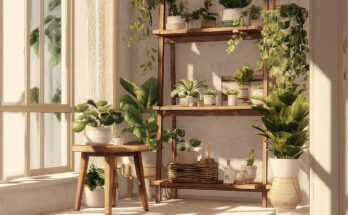
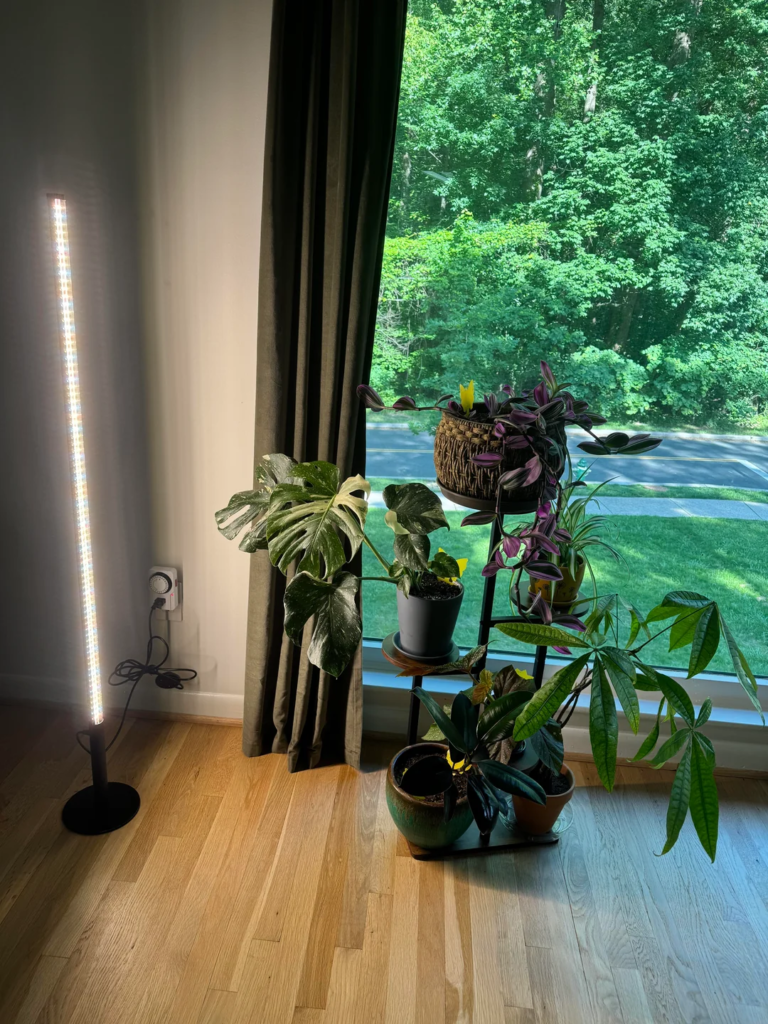
A tiered plant stand, three levels, each holding one or two plants at different heights, creates a vertical garden effect in a compact floor footprint. It’s the most space-efficient way to display multiple plants in one zone, and the resulting display looks like an intentional installation rather than random plant placement.
How to Style It
Place taller plants on the lower tiers and compact plants on higher tiers so the display reads clearly from the front. Mix trailing and upright growth forms for visual variety. Position the stand near a window for adequate light for most plants, or choose exclusively low-light species for darker positions.
12. A Plant Shelf Dedicated Entirely to Greenery
Why It Works
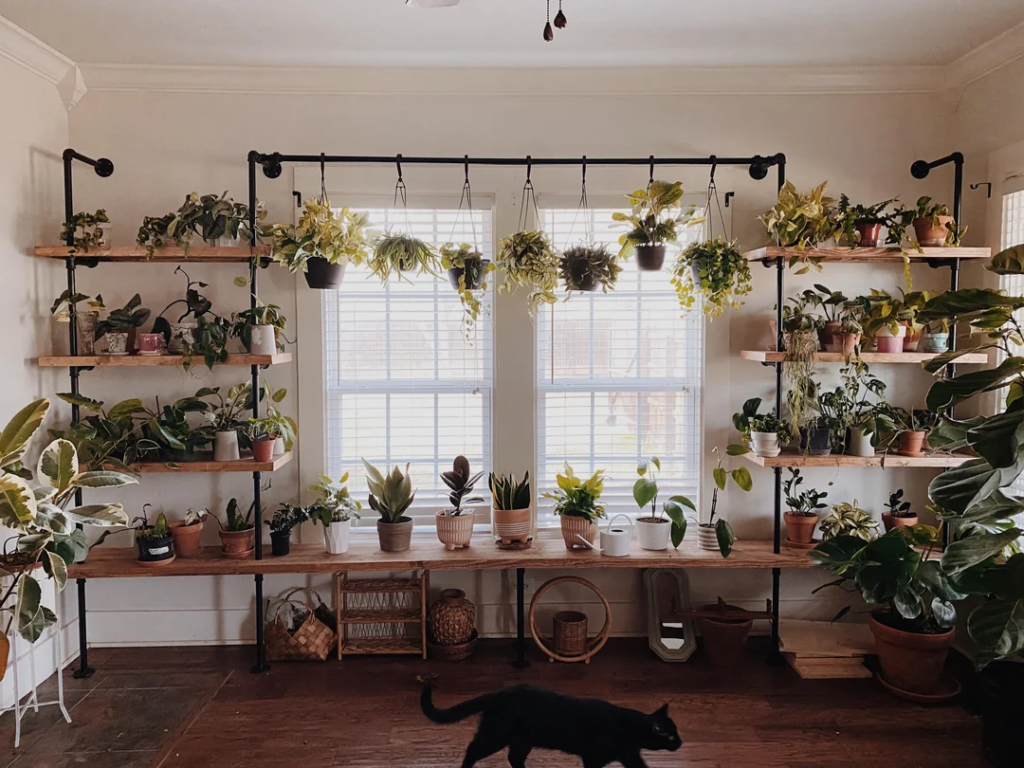
A single floating shelf dedicated entirely to plants, no books, no decorative objects, just an arrangement of plants in varied pots at varying heights, creates a living art installation on any wall. The commitment of giving one whole shelf exclusively to plants communicates a seriousness about greenery that elevates the entire room.
How to Create It
Choose a shelf 30-48 inches wide with a depth of at least 8 inches. Stock it with a mix of trailing plants (that spill over the front edge), compact upright plants (that stand cleanly on the shelf), and one statement plant (that rises above the shelf line). The display should feel lush but not crowded, each plant given enough space to be seen clearly.
13. Terracotta Pots in a Cluster on the Floor
Why It Works
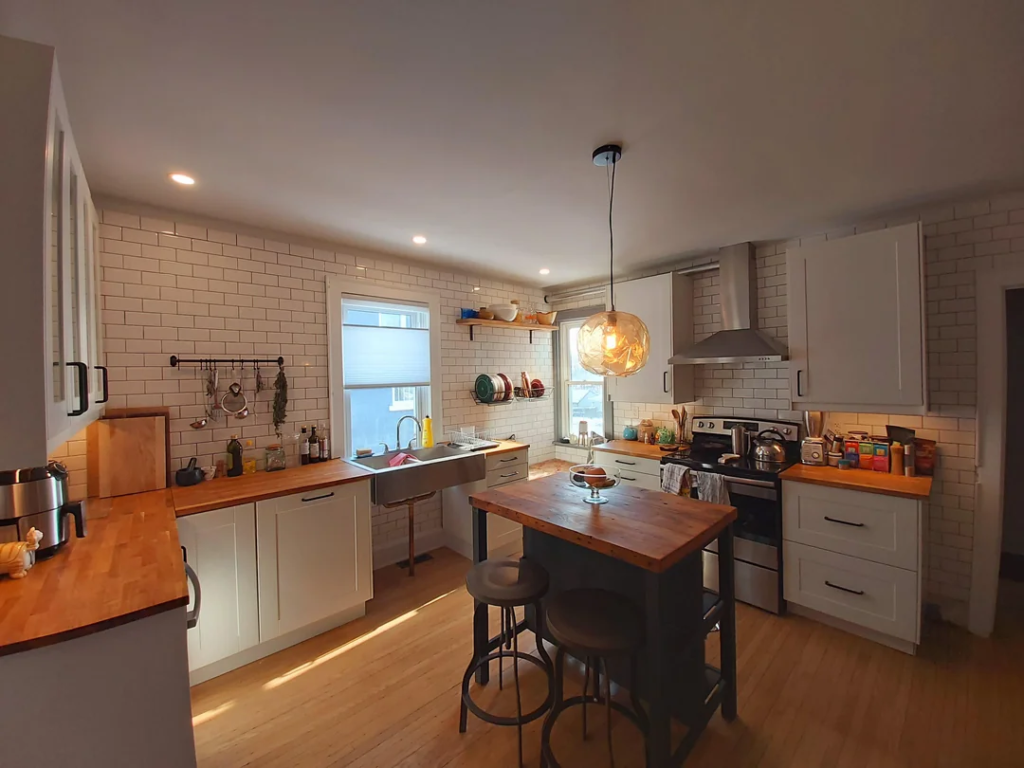
A collection of terracotta pots in varied sizes, from tiny to substantial, clustered together on the floor in a corner or beside a piece of furniture creates a warm, Mediterranean, organic display that feels both casually beautiful and deliberately styled.
How to Style It
Group odd numbers, three, five, or seven pots, in a loose cluster rather than a rigid line. Vary the heights by choosing plants of different sizes and standing some pots on small risers or upturned pots. Leave slightly irregular spacing between pots rather than measuring equal distances, the natural, slightly imperfect spacing reads as genuinely organic.
14. A Macramé Wall Planter for Bohemian Warmth
Why It Works
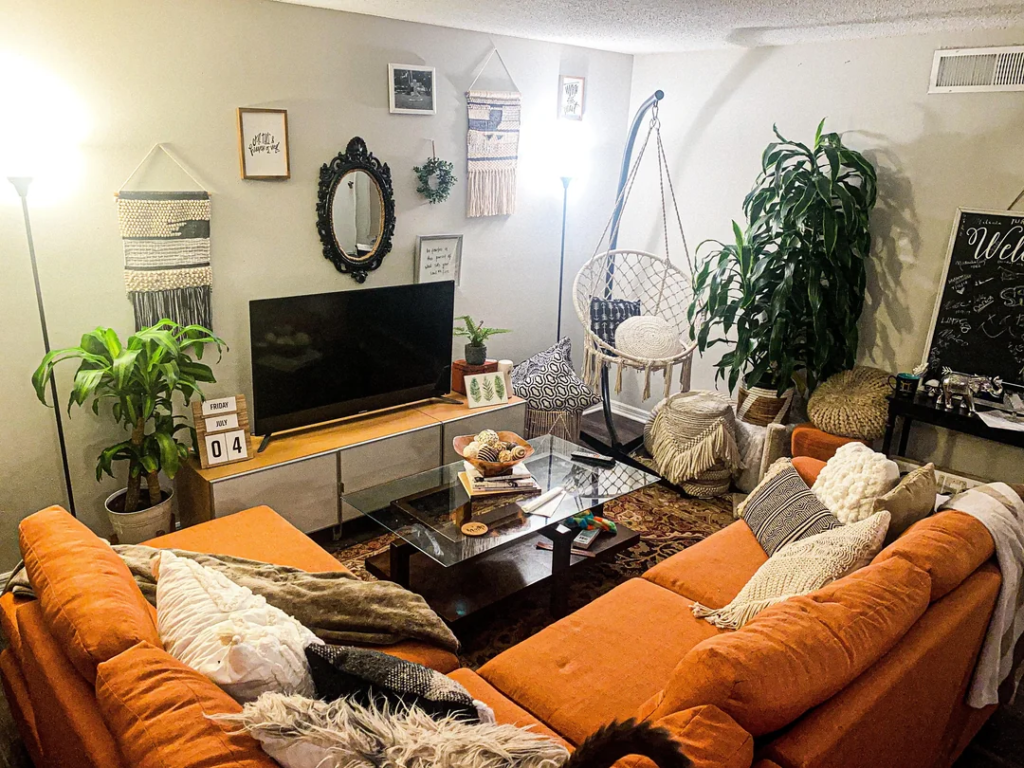
A macramé wall planter, a knotted textile hanger that holds a pot against the wall, adds texture, warmth, and the handcrafted quality that defines bohemian and natural aesthetics while solving the specific problem of displaying plants in rooms without floor or shelf space.
How to Use It
Wall planters work best with compact, trailing plants that don’t become too heavy as they grow, a pothos, a string of pearls, a small hoya. The macramé adds visual texture even before the plant grows large enough to dominate the display. Choose natural cotton or jute rope for the most organic, warm quality.
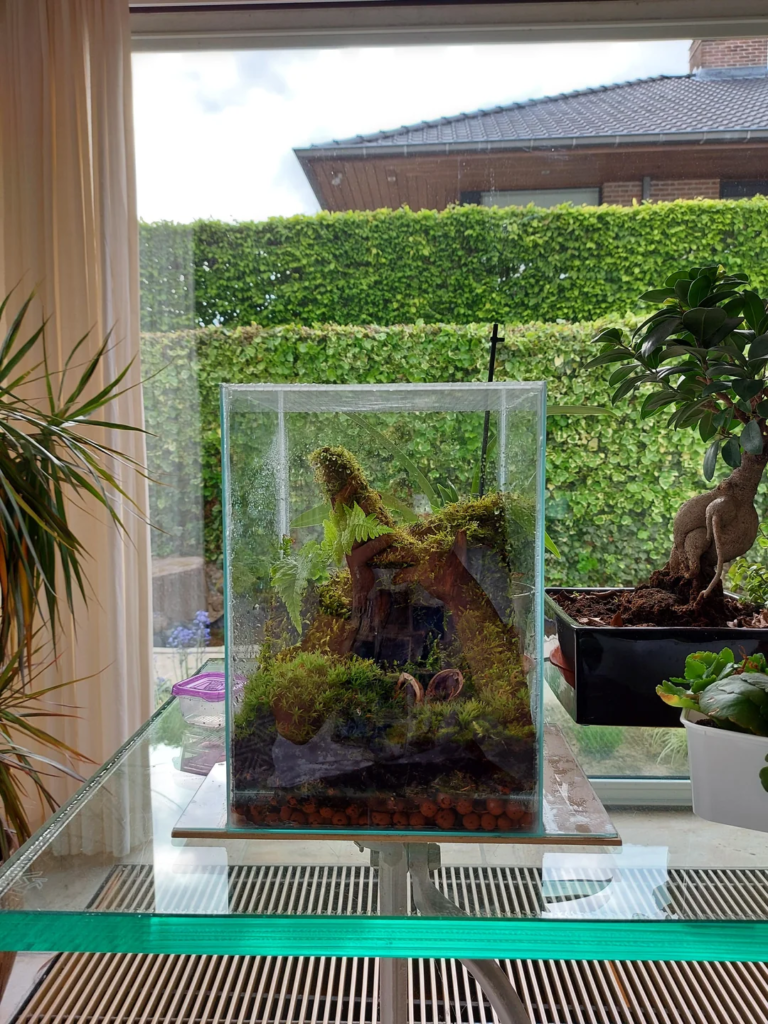
15. A Glass Terrarium for Miniature Landscapes
Why It Works
A glass terrarium, a geometric glass container housing a miniature planted landscape, is the most intimate and most visually captivating small-scale plant display available. The glass enclosure creates a window into a tiny, self-contained world that draws the eye and holds attention in a way that even larger plants sometimes don’t.
How to Create One
Geometric terrariums in glass with metal frames (widely available at home stores) can be filled with a layer of gravel, then activated charcoal, then potting mix, then planted with small ferns, moss, and slow-growing compact plants. Closed terrariums create their own humidity (ideal for ferns and moss); open terrariums suit succulents and air plants. Position in good indirect light.
Pot and Container Ideas That Elevate Every Plant
16. Matte Ceramic Pots in Neutral Tones
Why It Works
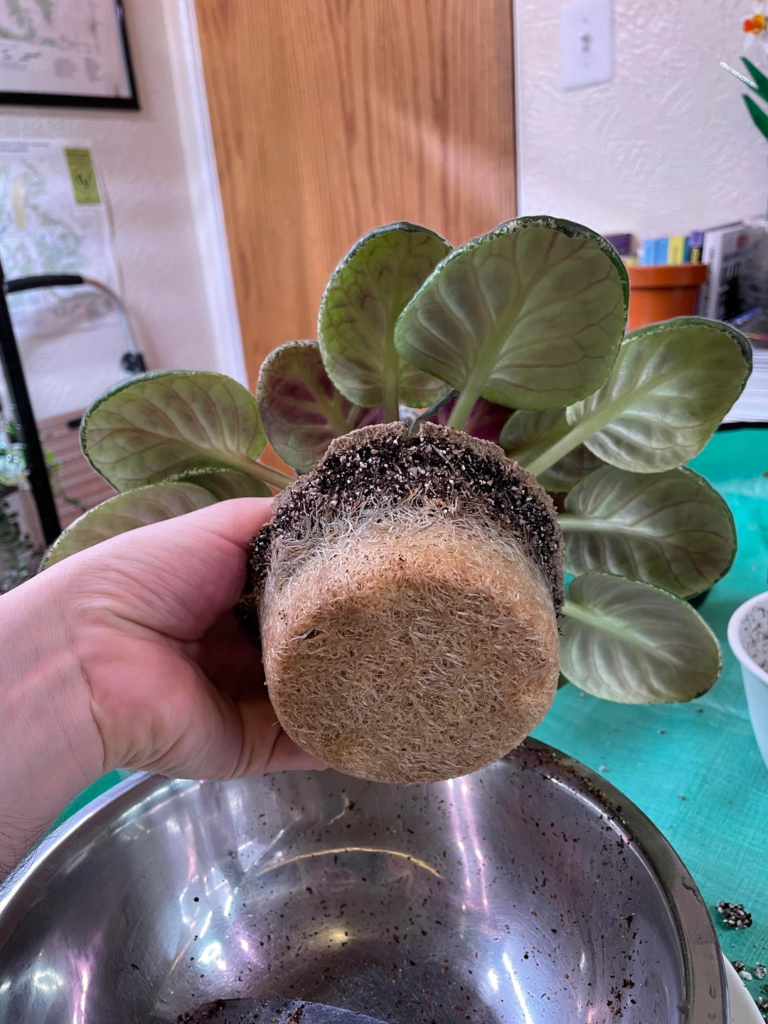
Matte ceramic pots in warm neutral tones, cream, warm white, soft terracotta, warm grey, are the most versatile and most universally beautiful containers for indoor plants. The matte finish doesn’t compete with the plant’s natural texture, and the neutral color palette suits every aesthetic from minimalist to maximalist.
How to Choose Them
Match pot size to plant: a pot with 1-2 inches of clearance around the root ball is typically correct for most indoor plants. Choose pots with drainage holes, or use them as outer decorative pots (cachepots) over a plain nursery pot with drainage. Consistent pot style across a room creates visual unity; slight variation in size and tone creates personality.
17. Woven Basket Planters for Natural Warmth
Why It Works
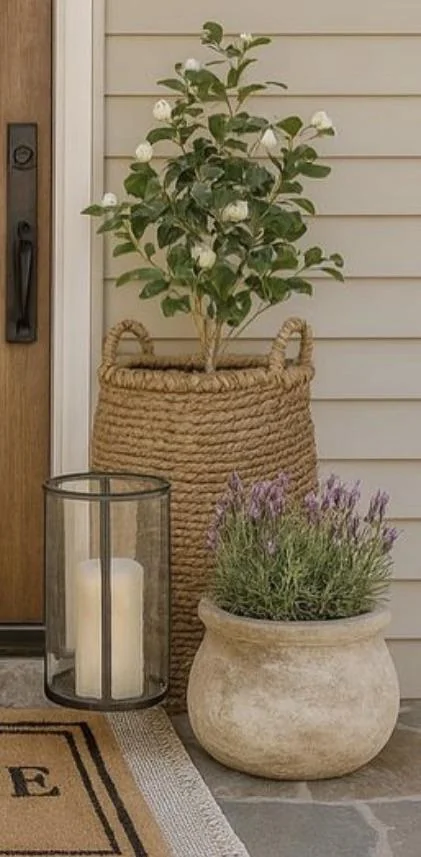
A woven seagrass, rattan, or jute basket used as a cachepot over a plain nursery pot adds immediate warmth and texture to any plant display. Basket planters are particularly effective for larger floor plants, the natural woven texture suits the organic quality of the plant and adds a material richness that ceramic and plastic pots can’t provide.
How to Use Them
Choose a basket slightly larger than the nursery pot, the nursery pot should slide in and out easily for watering without disturbing the basket. Line the basket with a plastic saucer to protect it from moisture. Baskets without drainage holes should always have the nursery pot inside rather than being planted directly.
18. Matching Pots Throughout One Room
Why It Works
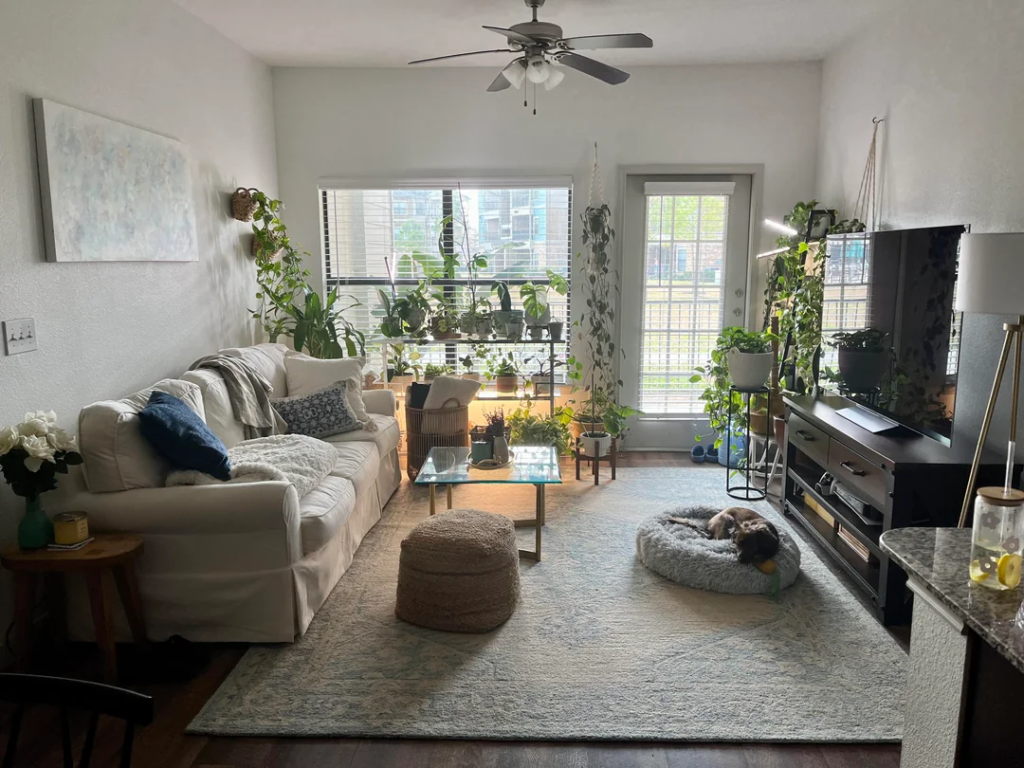
One of the simplest and most powerful indoor plant decor upgrades is committing to matching pots in a single room, choosing one pot style and using it consistently for all the plants in that room. The visual consistency of identical pots throughout a space creates a curated, intentional quality that immediately elevates the plant display from pleasant to genuinely designed.
How to Apply It
Choose one pot style, matte white, terracotta, black, or natural ceramic, and repot or cachepot all the plants in the room into that style. The plants themselves provide enough variety; the matching pots provide the unifying visual thread. This single change is one of the most impactful low-cost plant decor upgrades available.
Plant Care Basics That Keep Displays Beautiful
19. The Right Plant for the Right Light
Why It Matters
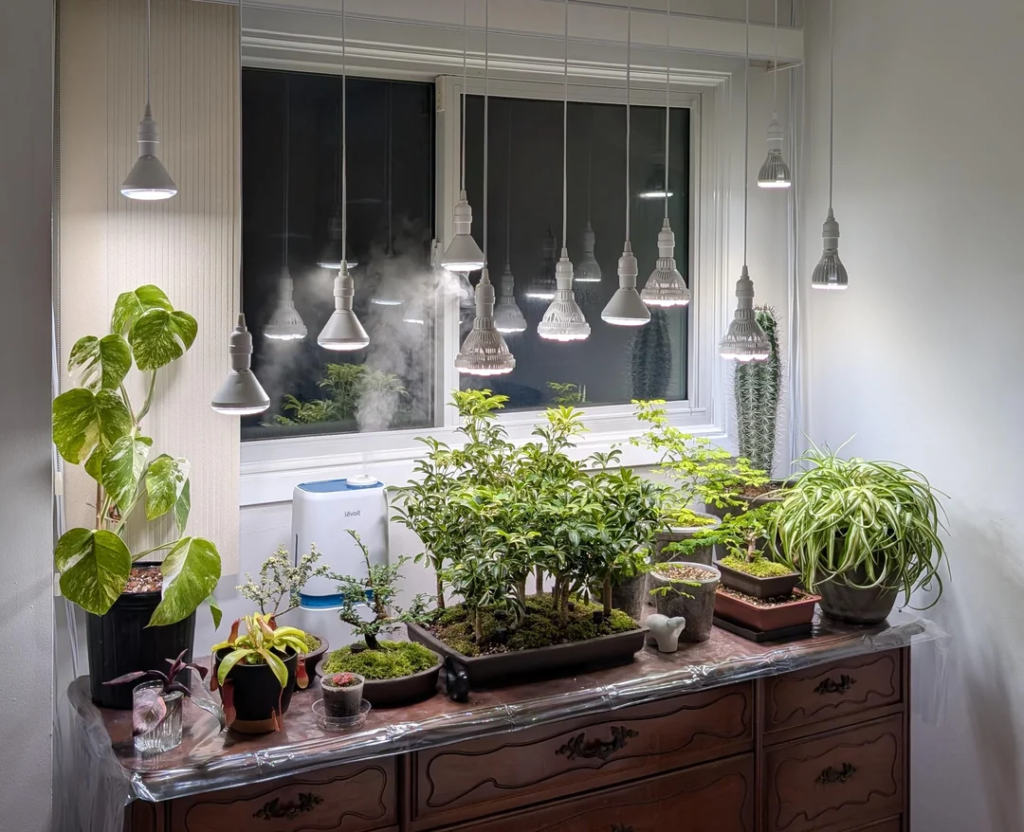
The single most important plant decor decision isn’t the pot or the placement, it’s matching the plant species to the actual light conditions of the position. A thriving plant is always more beautiful than a struggling one, regardless of how perfectly it was styled on arrival.
How to Assess Light
Observe your room at different times of day. Bright direct light means the sun falls directly on the position for several hours. Bright indirect means light but no direct sun. Low light means the position receives no direct sun and relatively little ambient light. Match plant species to conditions: succulents and cacti for direct sun; pothos, snake plants, and peace lilies for indirect to low light.
20. Watering Correctly — Less Is Usually More
Why It Matters
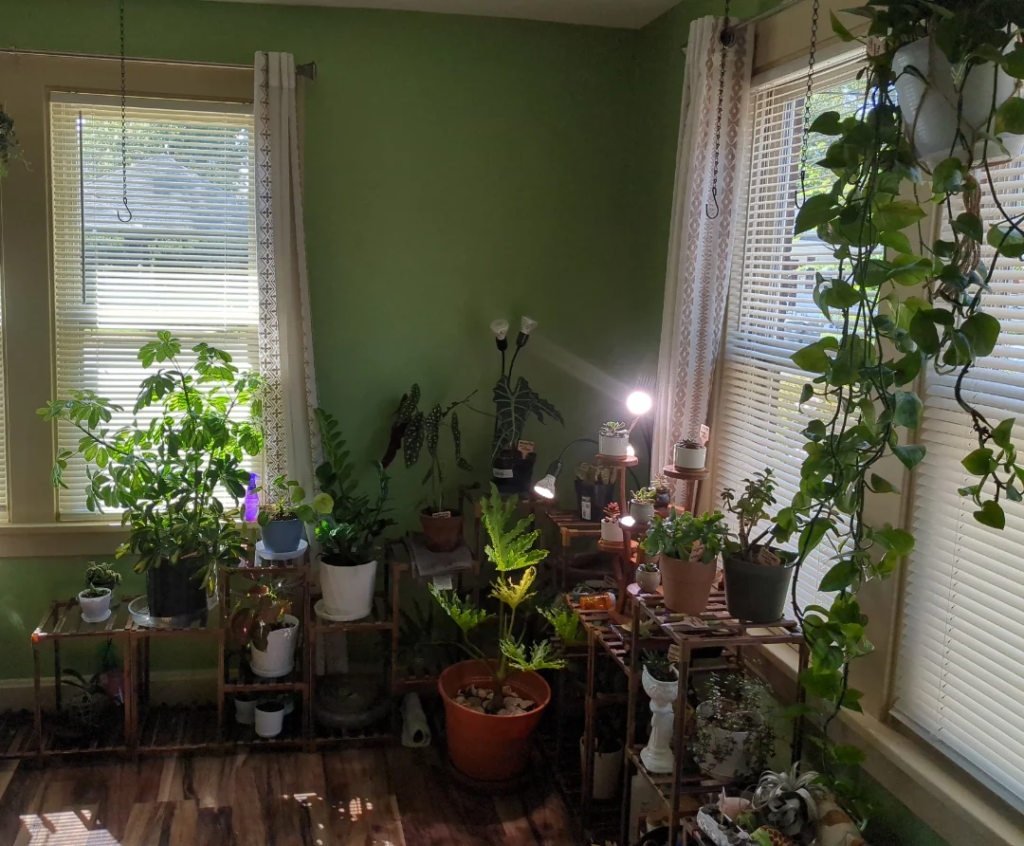
Overwatering kills more indoor plants than underwatering. Most indoor plant species prefer their soil to dry out partially between waterings rather than remaining constantly moist. A consistent light overwatering every few days is more damaging than a generous watering once the soil has appropriately dried.
How to Test
Push a finger 2 inches into the soil, if it feels moist, wait. If it feels dry, water thoroughly until water drains from the bottom. Most indoor plants in average room temperatures need watering once or twice per week in summer and less frequently in winter when growth slows.
21. Cleaning Plant Leaves for Maximum Visual Impact
Why It Matters
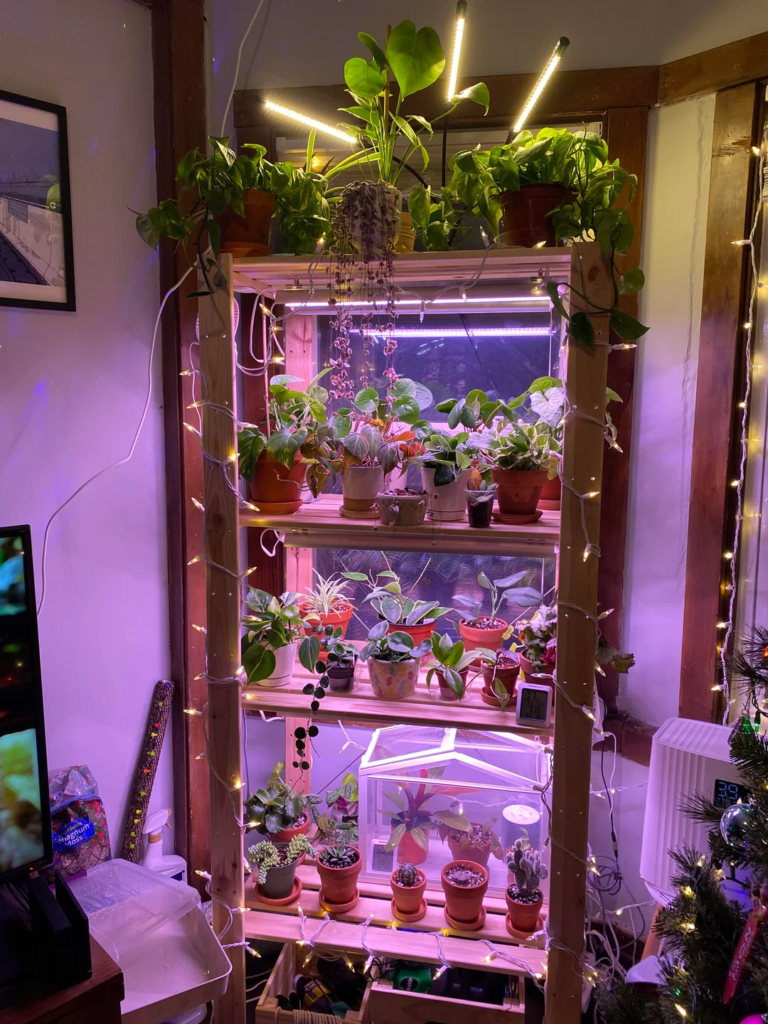
Dusty leaves are the most common and most easily fixed indoor plant decor problem. A plant with clean, glossy leaves looks dramatically healthier and more beautiful than the same plant with a layer of dust on its leaves, the dust prevents light absorption and reduces the very quality that makes the plant visually striking.
How to Do It
Wipe large leaves with a soft damp cloth once monthly. Mist smaller-leaved plants with clean water to rinse dust away. A very diluted neem oil solution applied to leaves adds a natural shine that makes plants look particularly healthy and vibrant.
The Finishing Details: Making Plant Decor Feel Curated
22. Seasonal Rotation of Plants and Positions
Why It Works
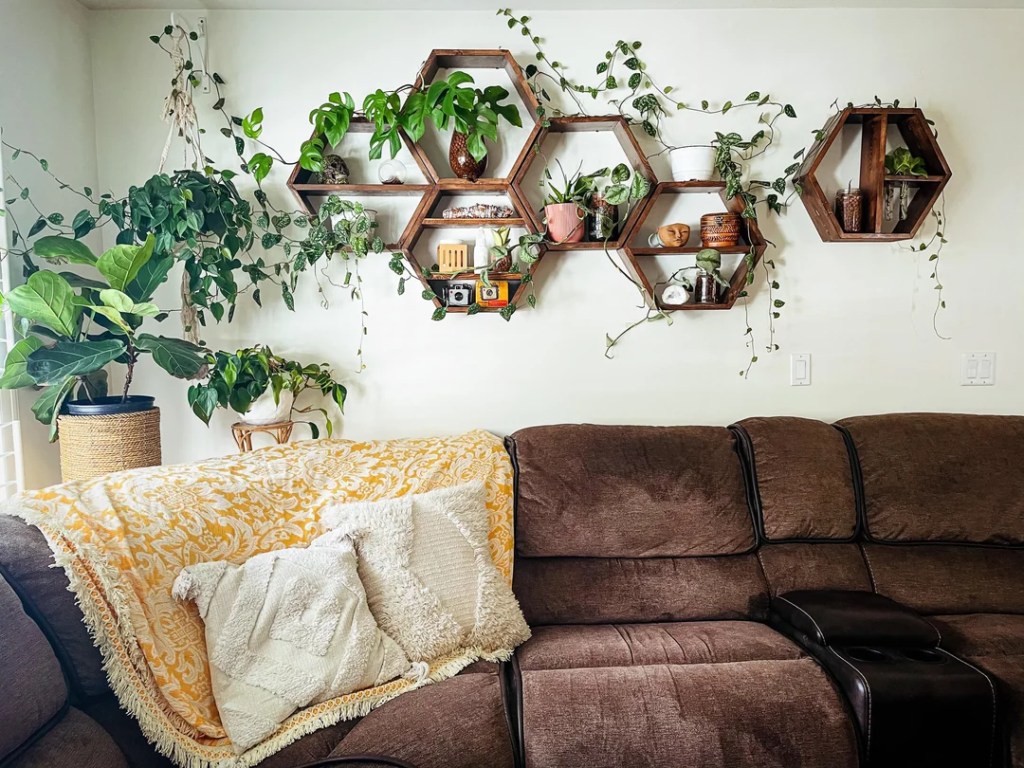
Moving plants seasonally, rotating their positions to follow the changing light conditions throughout the year, and occasionally changing which plants are displayed most prominently, keeps the home’s plant decor feeling fresh and considered rather than static and forgotten.
How to Do It
Twice a year, when the seasons change significantly, assess each plant’s position relative to the changing light and move accordingly. Rotate the most beautiful or most recently acquired plants to prominent positions. Store or relocate plants that aren’t currently at their best. The rotation keeps the display always showing the plants at their peak.
23. Propagation Displays in Glass Vessels
Why It Works
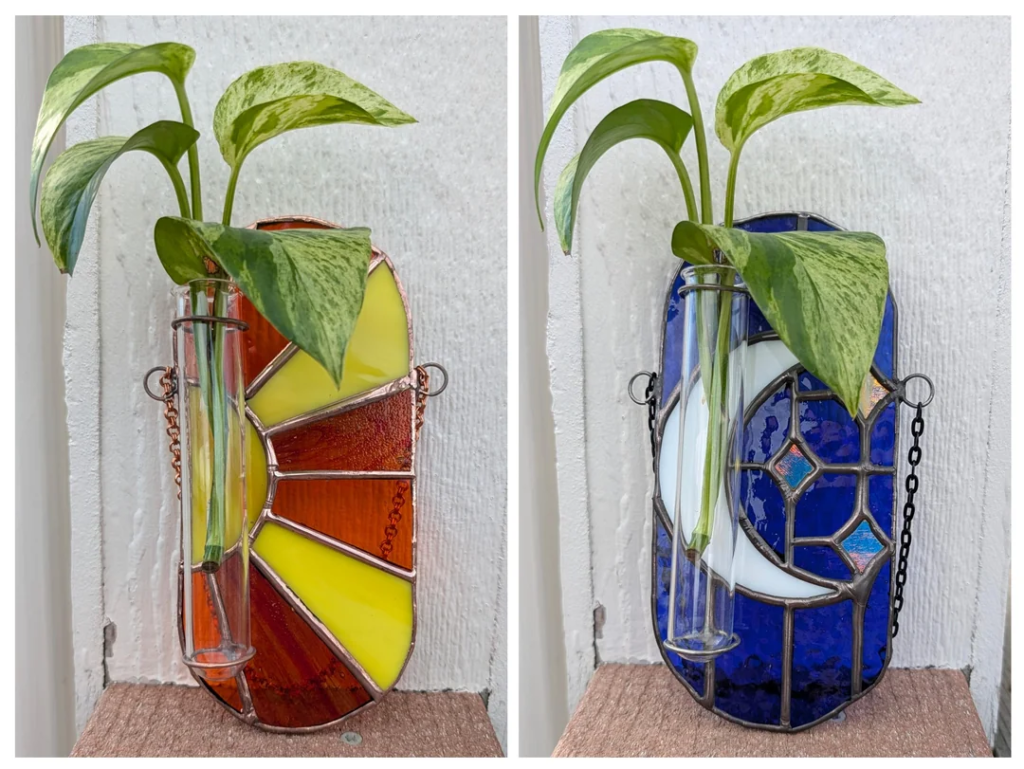
Propagating cuttings in glass vessels, small bottles, bud vases, or glasses filled with water holding plant cuttings as they root, is one of the most charming and most inexpensive plant decor ideas available. The visible roots growing through the glass add a botanical, laboratory-meets-nature quality that looks genuinely beautiful on a windowsill or shelf.
How to Create It
Take cuttings from healthy plants, pothos, tradescantia, and sweet potato vine root particularly easily in water. Place in small glass vessels with clean water, changing the water weekly to prevent stagnation. The rooted cuttings can eventually be potted or left as permanent water-rooted displays.
24. A Weekly Plant Tending Ritual

Why It Works
The most beautiful and most lasting indoor plant decor comes from plants that are genuinely thriving, and genuinely thriving plants come from consistent attention. A weekly tending ritual, watering what needs watering, wiping leaves, removing any dead foliage, observing which plants need moving, takes fifteen minutes and keeps the entire display looking intentionally maintained rather than occasionally attended.
How to Make It Enjoyable
Tie the tending ritual to a pleasant weekly moment, Sunday morning with music, Saturday afternoon with a podcast. The ritual of caring for living things in your home is itself a form of restorative activity, a chance to slow down, pay attention to something growing, and spend fifteen minutes in a purely gentle, unhurried task.
Insider Tip
Keep a simple plant journal, a small notebook or even a notes app, with each plant’s name, watering schedule, and any observations about growth or issues. The record prevents the mental effort of remembering each plant’s needs and builds a rewarding sense of horticultural knowledge over time.
The Living Home You’ve Been Looking For
Here’s the truth about indoor plant decor: it’s the one home refresh that grows more beautiful over time rather than staying the same or gradually dating. A new cushion looks the same on day one as it does on day three hundred. A plant you brought home as a small cutting looks more beautiful, more present, and more alive every month it thrives in your space.
That’s not just aesthetics. That’s a relationship. Between you and something growing. Between your home and the natural world outside it. Between the daily routine of caring for a living thing and the daily reward of living with something that responds by becoming more beautiful.
Start with one plant. Put it somewhere with the right light. Give it a beautiful pot. Water it when it needs it.
Then watch your home start breathing.
Because the most alive homes aren’t the most decorated ones, they’re the ones where something is genuinely, quietly, beautifully growing.