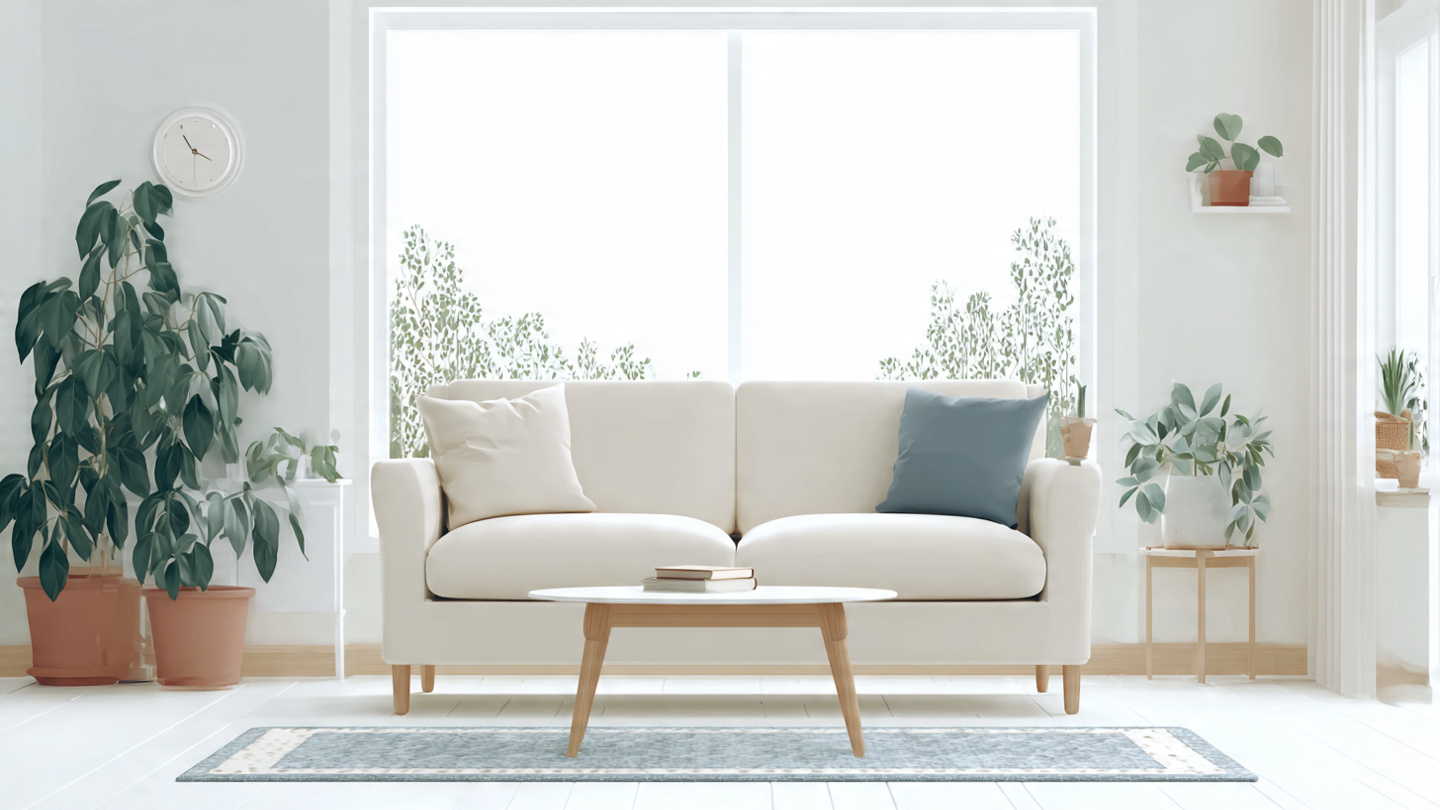
You walk into a room and something in your chest loosens. The surfaces are clear. The light moves freely across clean floors. There’s nothing competing for your attention, nothing half-finished on the counter, nothing that doesn’t belong exactly where it is. The room is doing exactly one thing: letting you breathe.
That feeling isn’t accidental. It isn’t luck. It’s the result of a specific, intentional approach to how a home is organized and maintained, and it’s available to you, in your actual home, starting with this guide.
Minimalist home organization has grown from a niche aesthetic into one of the most sought-after lifestyle approaches globally. Across the US, Canada, the UK, and Australia, people are moving away from accumulation and toward intentional simplicity, not because they want bare, cold spaces, but because they want homes that feel genuinely calm, functional, and like a true reflection of the lives they want to live. Research on environmental psychology consistently supports what our intuition already knows: visual clutter increases stress hormones, impairs focus, and reduces the quality of rest. The inverse is equally true.
These 28 ideas cover every room, every habit, and every approach you need to bring minimalist organization into your real life. Not a perfect life. Real life.
What Minimalist Home Organization Actually Means
It’s Not About Empty Rooms
The most common misconception about minimalist organization is that it requires having almost nothing, bare walls, one fork, a single decorative object placed with surgical precision on an otherwise untouched surface. That’s a design aesthetic. This guide is about something more livable and more personally meaningful than that.
Minimalist home organization means keeping what genuinely serves your life, what you use, what you love, what contributes to daily function and joy, and releasing everything else. It means every item has a home and returns to it. It means storage is clean and categorized. It means surfaces have breathing room.
The result looks beautiful because it is beautiful. But it’s not empty. It’s intentional.
Why This Approach Creates Lasting Calm
Minimalist organization creates calm not by removing personality from a space, but by removing the low-level cognitive load of managing excess. When you can’t find things, when surfaces are covered, when every drawer is overfull, your brain is constantly processing that incompleteness in the background. Clear the incompleteness and your mind quietens along with the room.
The 28 ideas ahead build that quiet, one thoughtful decision at a time.
Also Read: https://myhavenvibes.com/tiny-entryway-storage-ideas/
The Mindset Foundation Ideas
Before anything else, these ideas establish the approach that makes every other idea sustainable.
1. Define What “Enough” Means for Each Category
Why It Works
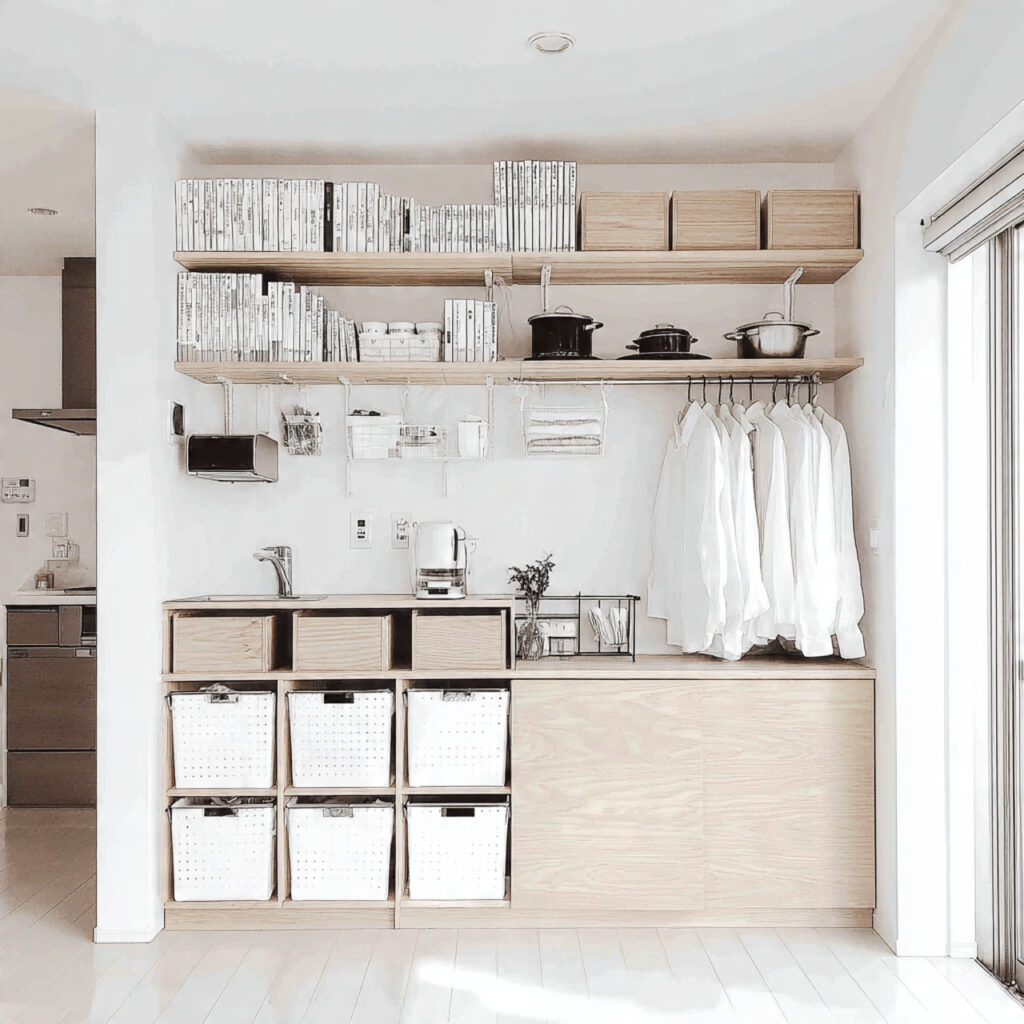
Minimalist organization isn’t about arbitrary restriction, it’s about clarity. Knowing how much of something is genuinely enough for your life prevents both excess and unnecessary lack. For books: a full but not overcrowded shelf. For kitchenware: every piece you actually use, nothing more. For clothing: a wardrobe you love wearing entirely.
How to Do It
Go through your home category by category, not room by room, but by type of item. For each category, ask: what is the right amount of this for my actual life? Write it down. That number becomes your guide for editing and maintaining. When something new comes in and exceeds the number, something existing leaves.
Common Mistake
Setting the number too low out of aspirational minimalism rather than realistic assessment. If you cook enthusiastically and you need eight different pots and pans, eight is your right number. Minimalism is about intention, not deprivation.
Read More: https://myhavenvibes.com/entryway-organization-ideas/
2. Edit First, Organize Second Always

Why It Works
Organizing without editing first simply creates tidier excess. Beautiful baskets filled with things you don’t use look organized from the outside but don’t function differently from a pile, you still have to search through things you don’t want to find things you do.
How to Do It
For any area you’re organizing, remove everything first. Then decide what genuinely belongs before buying a single organizational product. Most people find they need fewer containers, fewer drawer organizers, and fewer storage solutions than they anticipated once the editing is done.
Insider Tip
The question that makes editing fastest: if I had to start fresh and could only bring things that genuinely serve my life, would this come? If the answer requires hesitation, it probably doesn’t come.
3. The “One In, One Out” Maintenance Rule
Why It Works
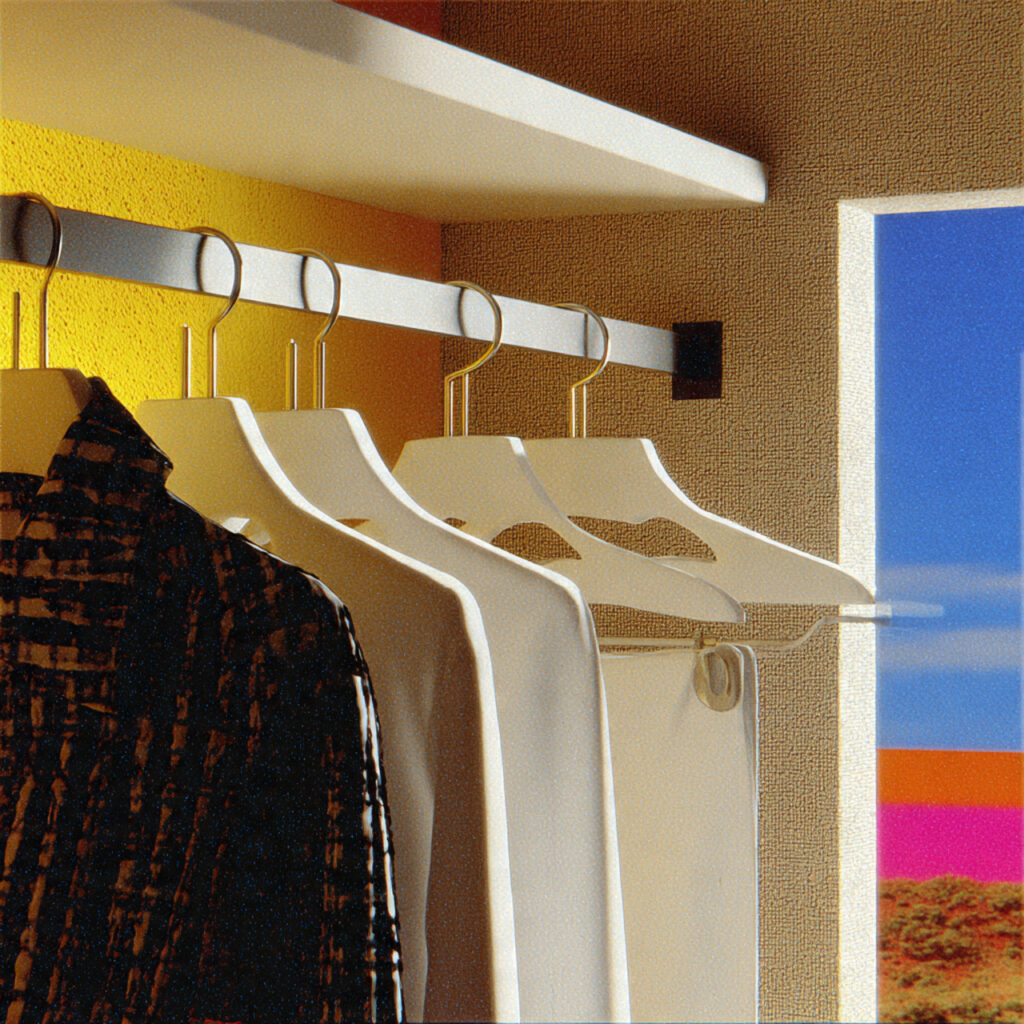
A minimally organized home doesn’t stay that way without a simple ongoing principle. The one-in-one-out rule prevents the gradual re-accumulation that undoes all organizational effort over time.
How to Apply It
Every time something new enters the home, a new book, a new kitchen item, a new piece of clothing, one existing item of the same category leaves. The rule isn’t about deprivation; it’s about maintaining the balance you’ve established intentionally. Applied consistently, it makes deep organizational sessions less necessary because the volume stays stable.
4. Create “Homes” for Every Item Before Organizing
Why It Works
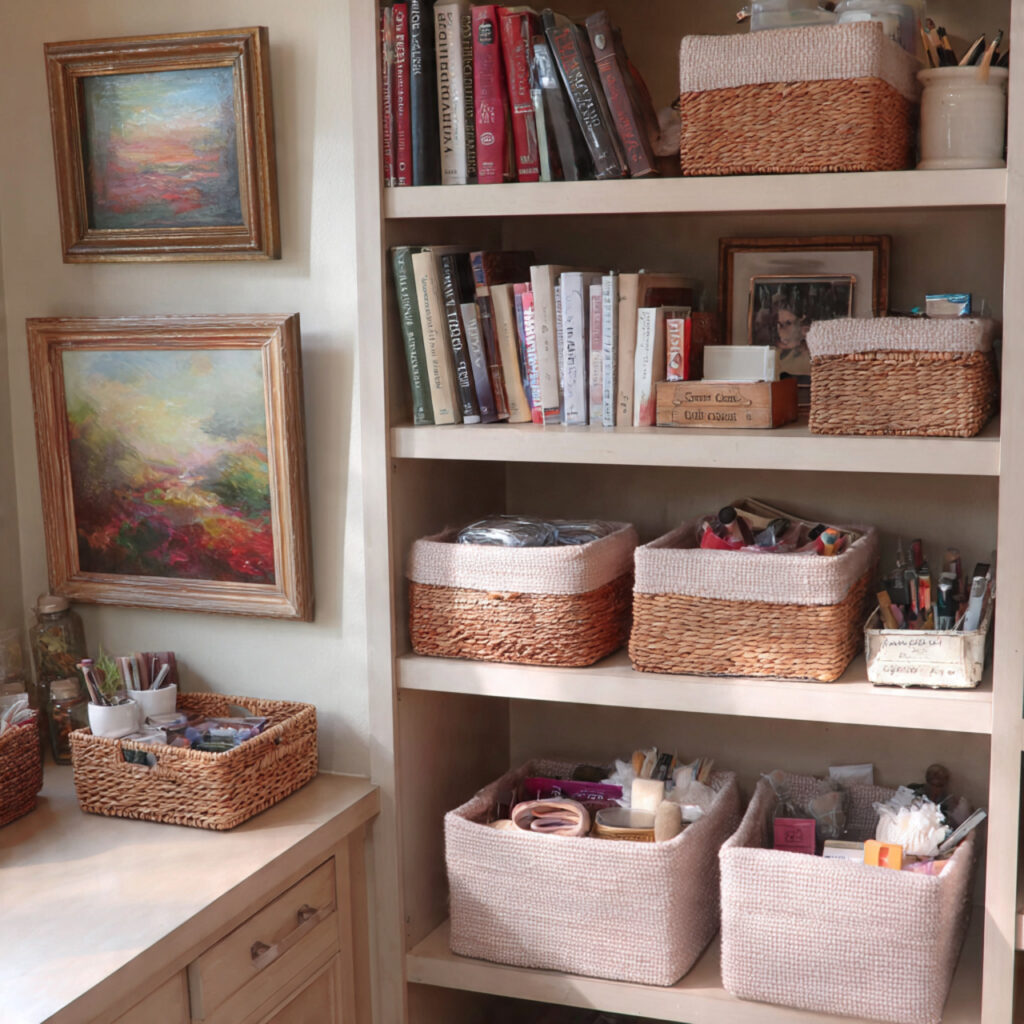
Clutter isn’t created by having things. It’s created by having things that don’t have a designated place to live. When something has a home, a specific, logical, consistent location it returns to after every use, it doesn’t accumulate on surfaces or create visual noise.
How to Do It
Before placing anything back after an edit, decide where it specifically lives. Not “in the kitchen” but “in the second drawer on the left.” Not “in the bedroom” but “on the third shelf of the bookcase.” Specific homes, made once and maintained consistently, are what make minimalist organization work in real daily life.
These foundational ideas make every other idea in this guide more effective. The room-specific ideas ahead apply this thinking concretely throughout your home.
Kitchen Minimalist Organization Ideas
The kitchen is where minimalist organization has the most daily impact, and where most homes carry the most excess.
5. The Clear Counter Commitment
Why It Works
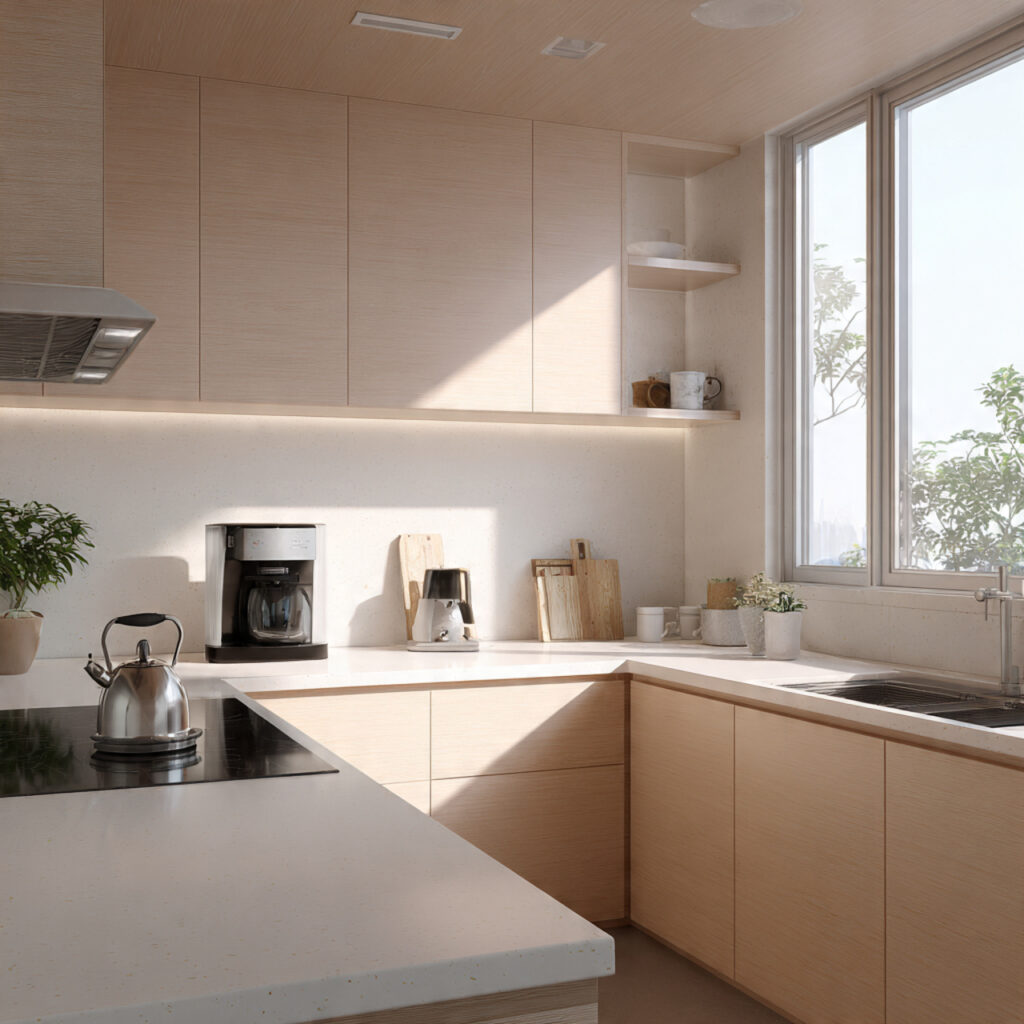
In minimalist kitchen organization, counters are reserved for daily-use appliances only. Everything else lives in a cabinet. The visual openness of a clear counter makes a kitchen feel significantly larger, cleaner, and more functional, and makes cooking easier because workspace is always available.
How to Do It
Remove every item from your counters. Apply the strict rule: only items used every single day earn counter space. For most kitchens, this means the coffee maker, the kettle, and almost nothing else. Everything else, the air fryer used weekly, the blender used monthly, the bread maker used once, lives in a cabinet. The return on this single commitment is visible immediately.
Common Mistake
Making exceptions for “pretty” items that aren’t functional. A decorative item that doesn’t serve daily function belongs either on a shelf (where it’s displayed intentionally) or elsewhere. The counter is functional real estate, not display space.
6. Decant Pantry Items Into Matching Containers
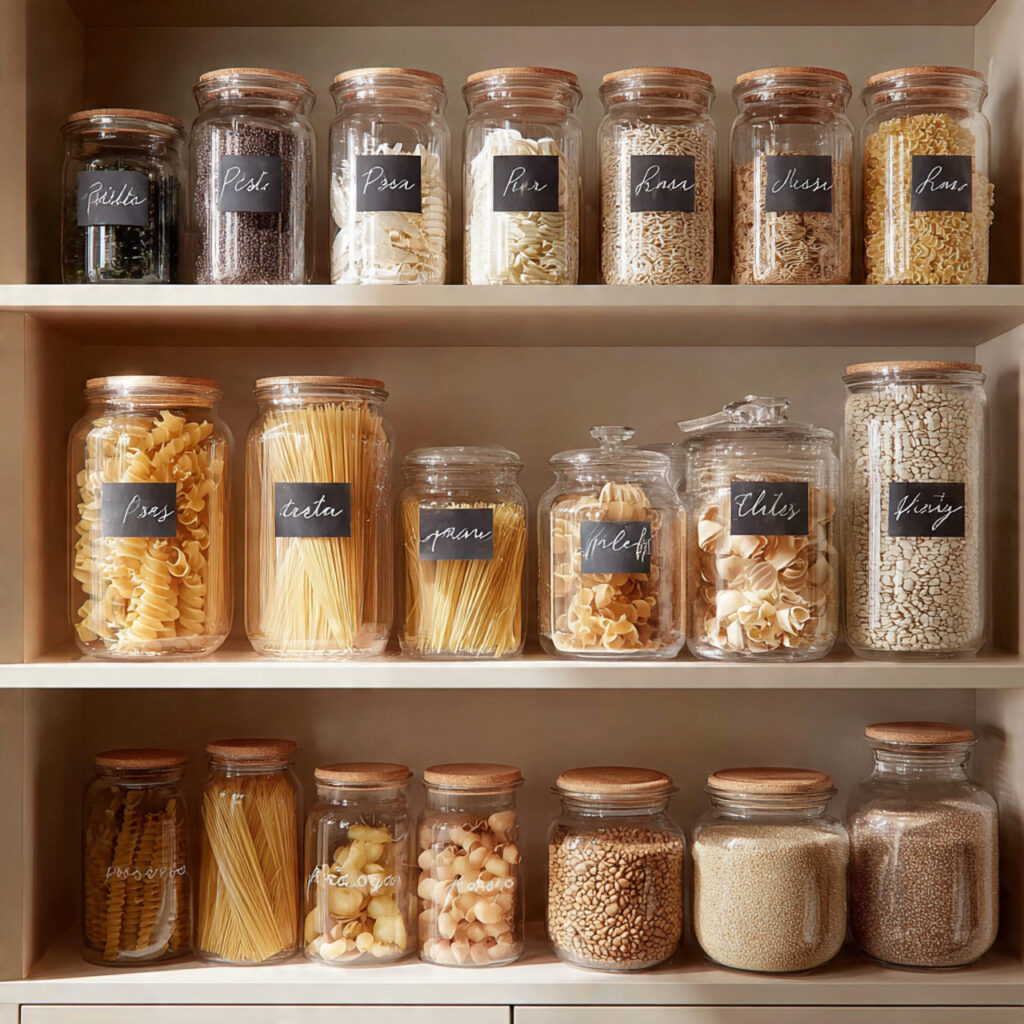
Why It Works
A pantry full of original packaging, cereal boxes, pasta bags, spice jars in different sizes and labels, creates visual noise that makes the space feel chaotic regardless of how organized the contents actually are. Decanting into matching containers creates visual consistency that reads immediately as calm and organized.
How to Do It
Choose a consistent container style, clear glass jars, clear acrylic canisters, or matching ceramic jars, and transfer dry goods consistently. Label every container in the same label style. The initial effort takes an afternoon and the result lasts indefinitely. The pantry becomes a space you open with pleasure rather than mild anxiety.
7. A Minimalist Utensil and Tool Approach

Why It Works
Most kitchen drawers contain multiples of tools that only need one, and special tools for tasks that a basic tool handles perfectly well. A minimalist approach to kitchen tools means keeping one excellent version of each genuinely needed tool and releasing duplicates and rarely-used gadgets.
How to Do It
Empty every kitchen drawer and utensil holder. Test each item: do I use this regularly? Does it do something that another tool can’t? Is this a quality piece worth keeping? What passes all three tests stays. What doesn’t go? The resulting drawer typically holds 40-60% of what it held before and everything in it is something you’re genuinely pleased to use.
8. A Disciplined Fridge Organization System
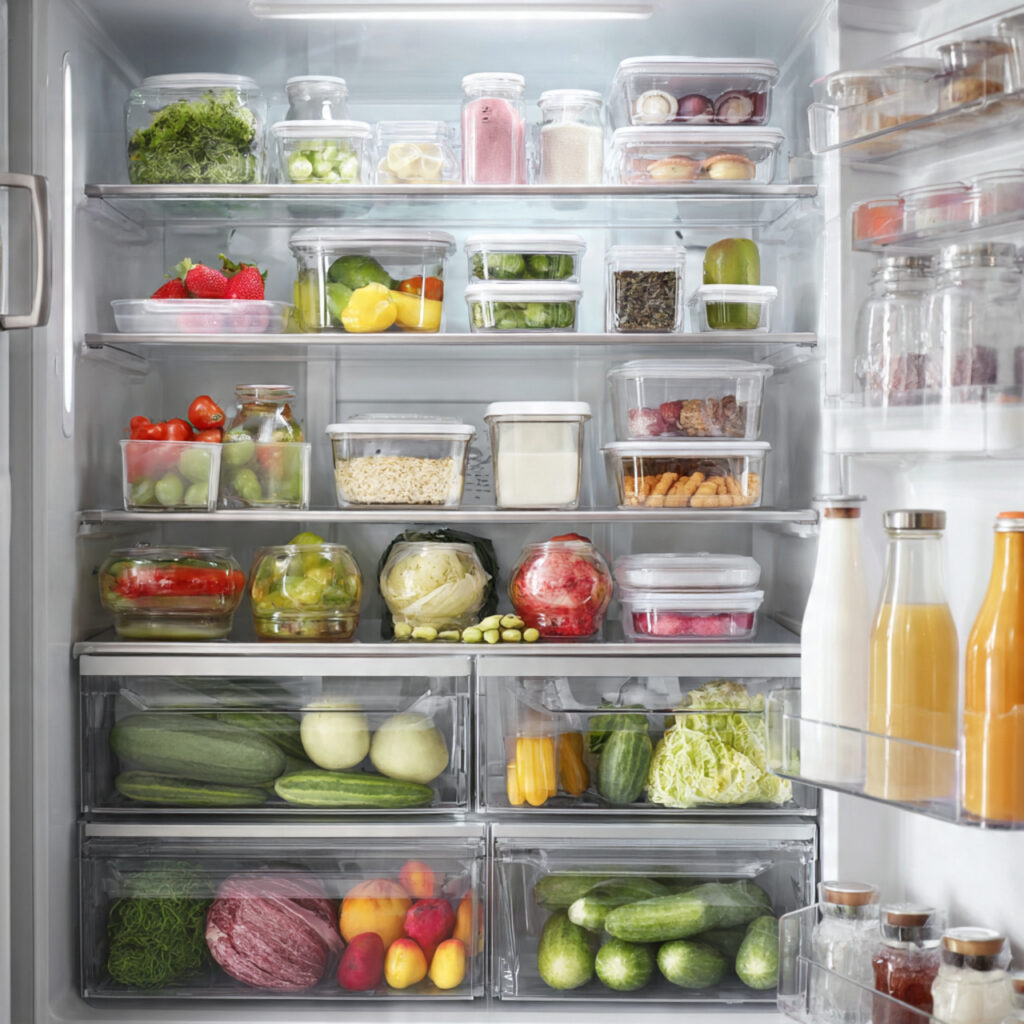
Why It Works
The minimalist approach to the fridge isn’t about having fewer foods, it’s about visible organization that prevents waste and makes daily cooking decisions easier. A fridge where everything is visible and categorized means nothing gets forgotten, nothing expires unnoticed, and the decision of what to cook is faster.
How to Do It
Dedicate specific zones to specific categories: produce in one area, dairy in another, leftovers in clear containers on one specific shelf, condiments grouped on the door. Clear containers make contents immediately visible. A weekly fridge audit, before the weekly shop, reviews what needs using first. The result is both more organized and more economical.
Insider Tip
The “eat me first” principle: place items close to expiry at the very front of every zone so they’re used before newer purchases. This single habit reduces food waste significantly and keeps the fridge from developing forgotten-item archaeology.
9. Limit Dishes and Glassware to What You Actually Use
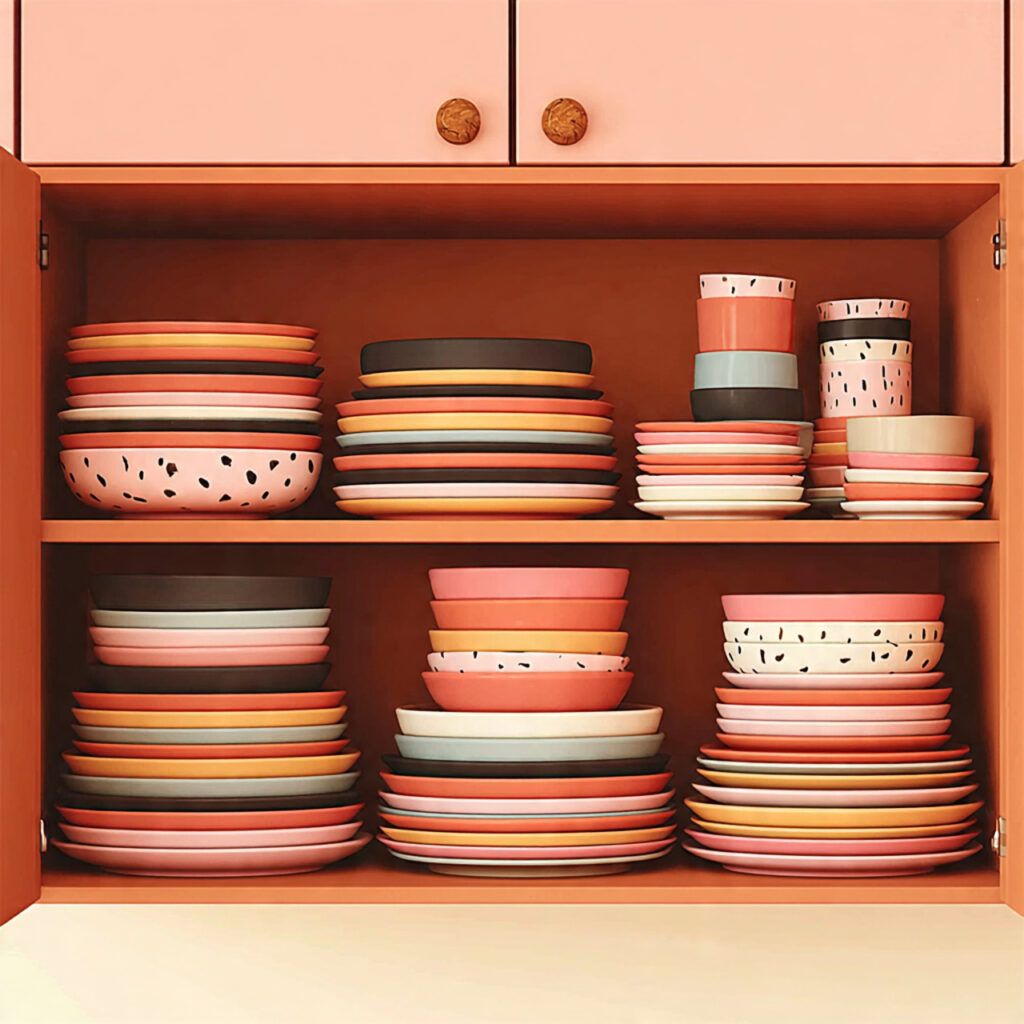
Why It Works
Most households own significantly more dishes, glasses, and cutlery than they ever use at once. The excess takes up cabinet space, makes accessing everyday items harder, and adds to washing and drying cycles without adding real value. A minimalist dish edit keeps the number that genuinely serves daily and entertaining life.
How to Do It
Count how many people eat in your household daily. That number plus a reasonable entertaining addition is your right number for dishes. If you regularly host large groups, keep enough for those occasions. If you don’t, be honest about that. Donate the rest. The resulting cabinet is easier to navigate, easier to stack, and easier to maintain.
These kitchen ideas create a room that functions better, looks calmer, and supports daily life more pleasantly. The living room and bedroom ideas ahead bring the same principles into the spaces where you actually rest.
Living Room Minimalist Organization Ideas
10. The One-Surface Rule for Living Room Flat Surfaces
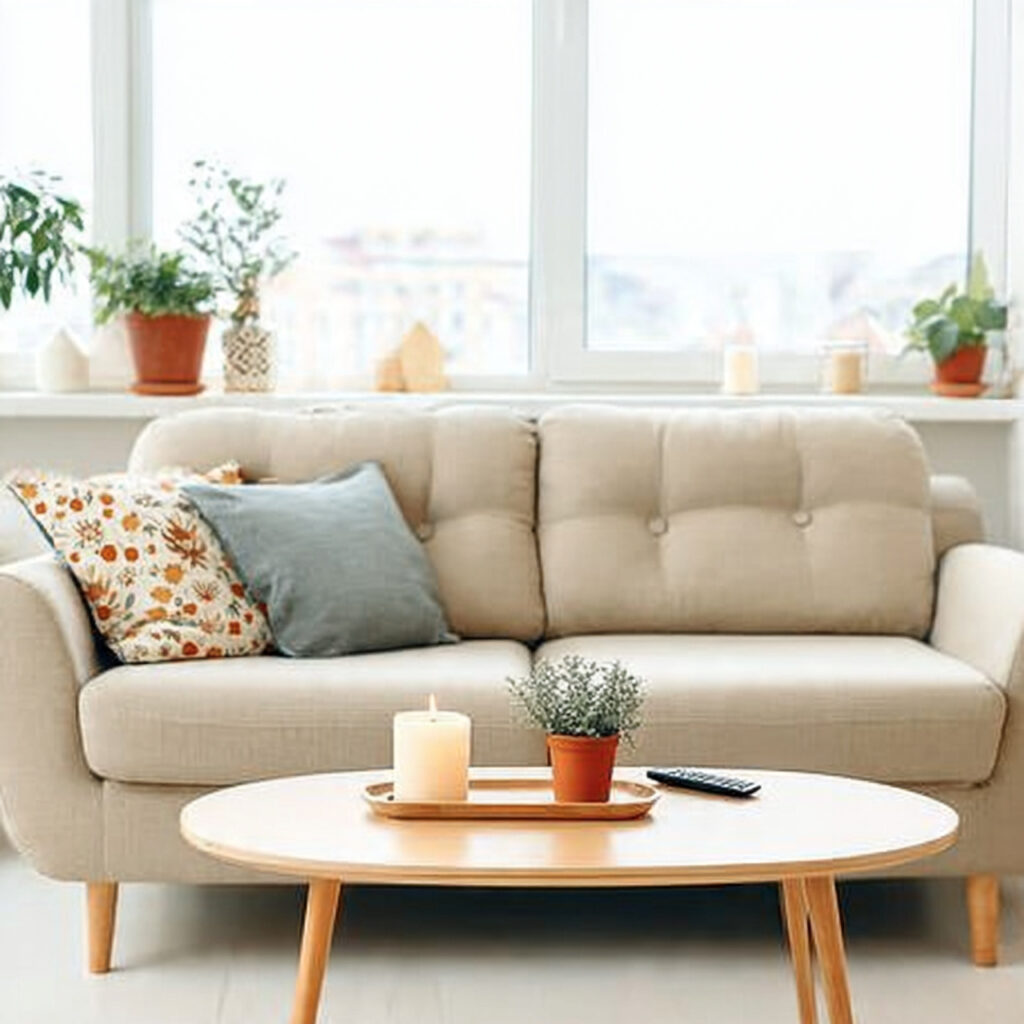
Why It Works
Coffee tables, side tables, and console surfaces in living rooms are the most visible clutter-accumulation points in most homes. A one-surface rule, one tray per surface, containing everything that lives there, gives each surface a visual container that limits spread and signals intentionality.
How to Do It
Choose one quality tray for the coffee table. Everything that lives on the table goes inside the tray, the remote, a candle, a coaster, a small plant. Nothing outside the tray. The tray becomes the visual boundary. Items outside the tray are items that need to be put somewhere else. This principle works on every flat surface in the living room.
11. A Minimalist Bookshelf Approach
Why It Works
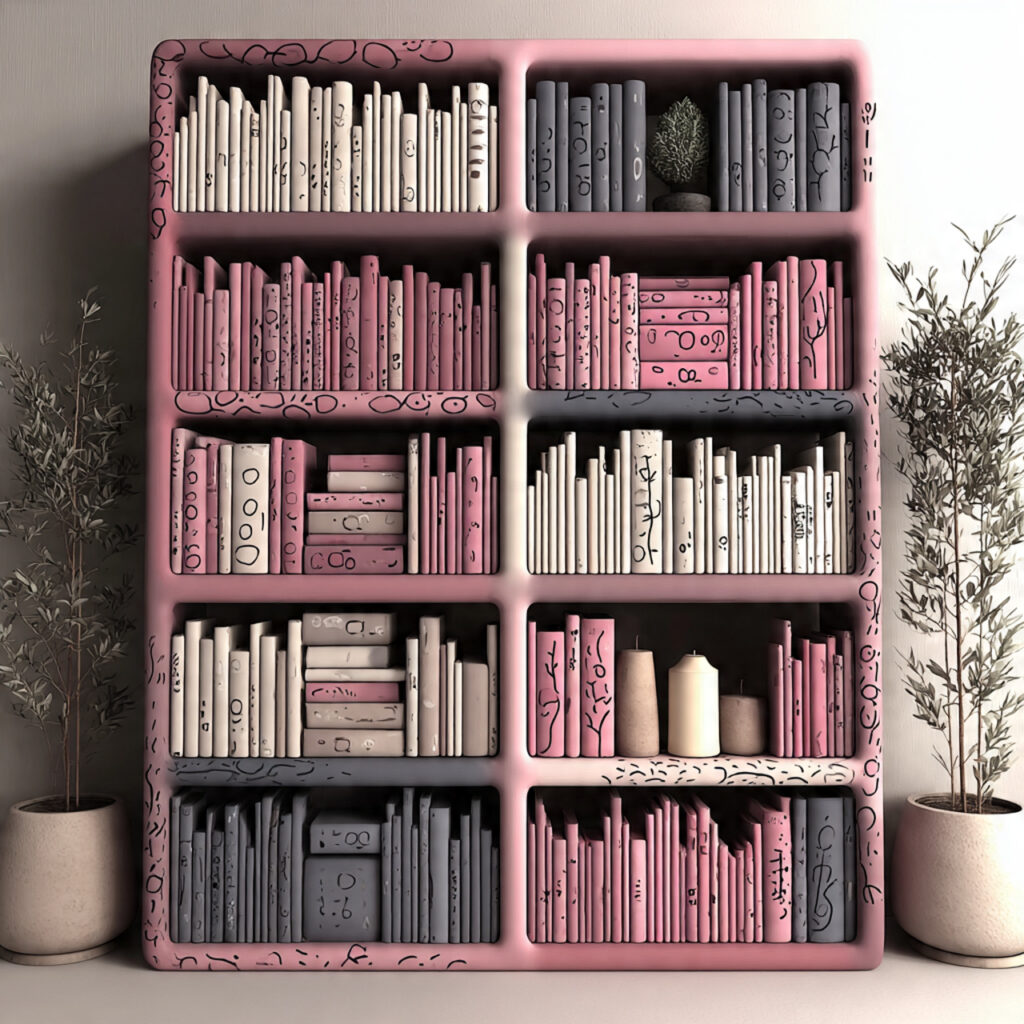
Books are one of the most emotionally complex categories to minimize, they carry memory, identity, and aspiration alongside their physical presence. A minimalist bookshelf doesn’t mean few books; it means books you actually read, love, or intend to read, displayed with breathing room rather than crammed together.
How to Do It
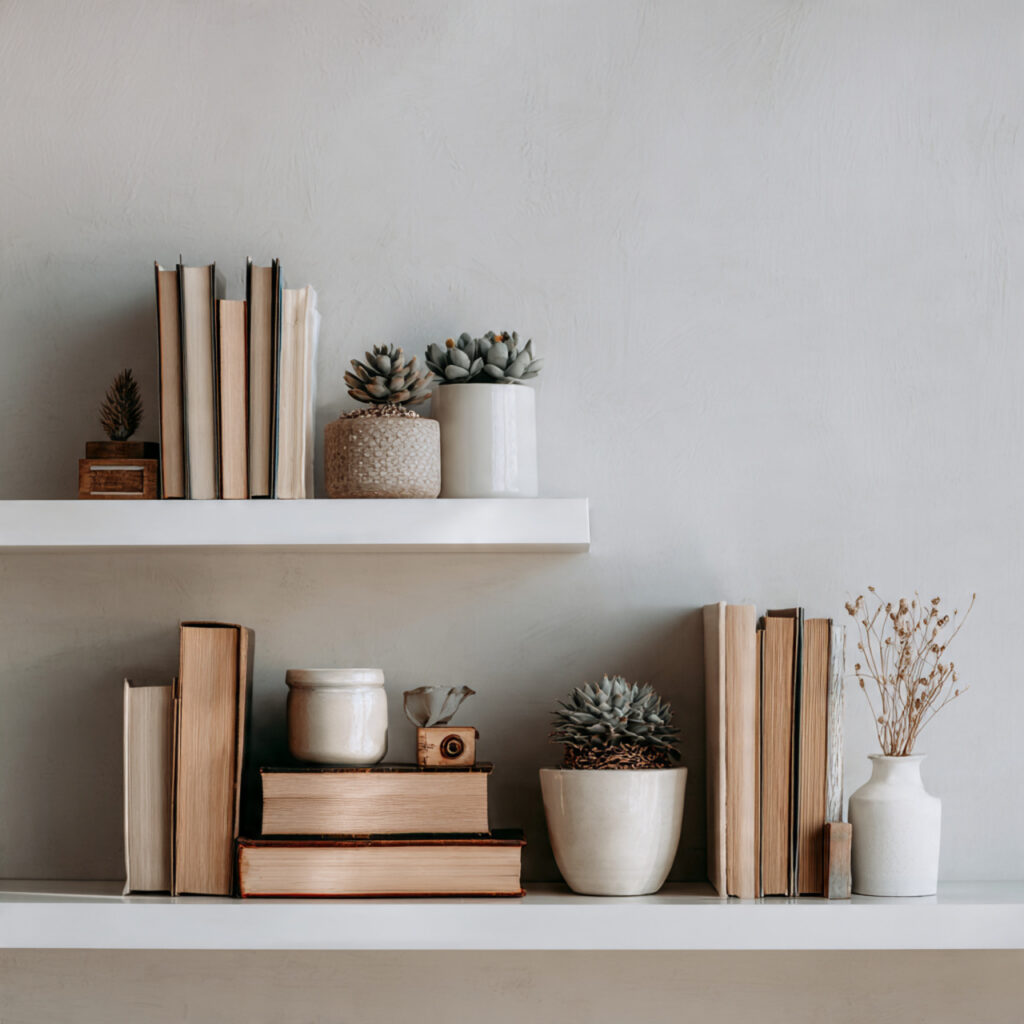
Edit the bookshelf by removing books you finished and didn’t love, duplicates, and books held from obligation. Rearrange what remains with deliberate spacing, not tightly packed. Alternate horizontal and vertical stacks. Add one non-book object per shelf section, a small plant, a candle, a stone. The shelf becomes art rather than storage overflow.
Common Mistake
Keeping books to signal an identity rather than because of genuine connection to the content. Your bookshelf should reflect who you actually are right now, not who you were or who you’d like to appear to be. Books that no longer represent you can be donated to someone who will love them as much as you once did.
12. Hidden Storage for Electronics and Cables
Why It Works
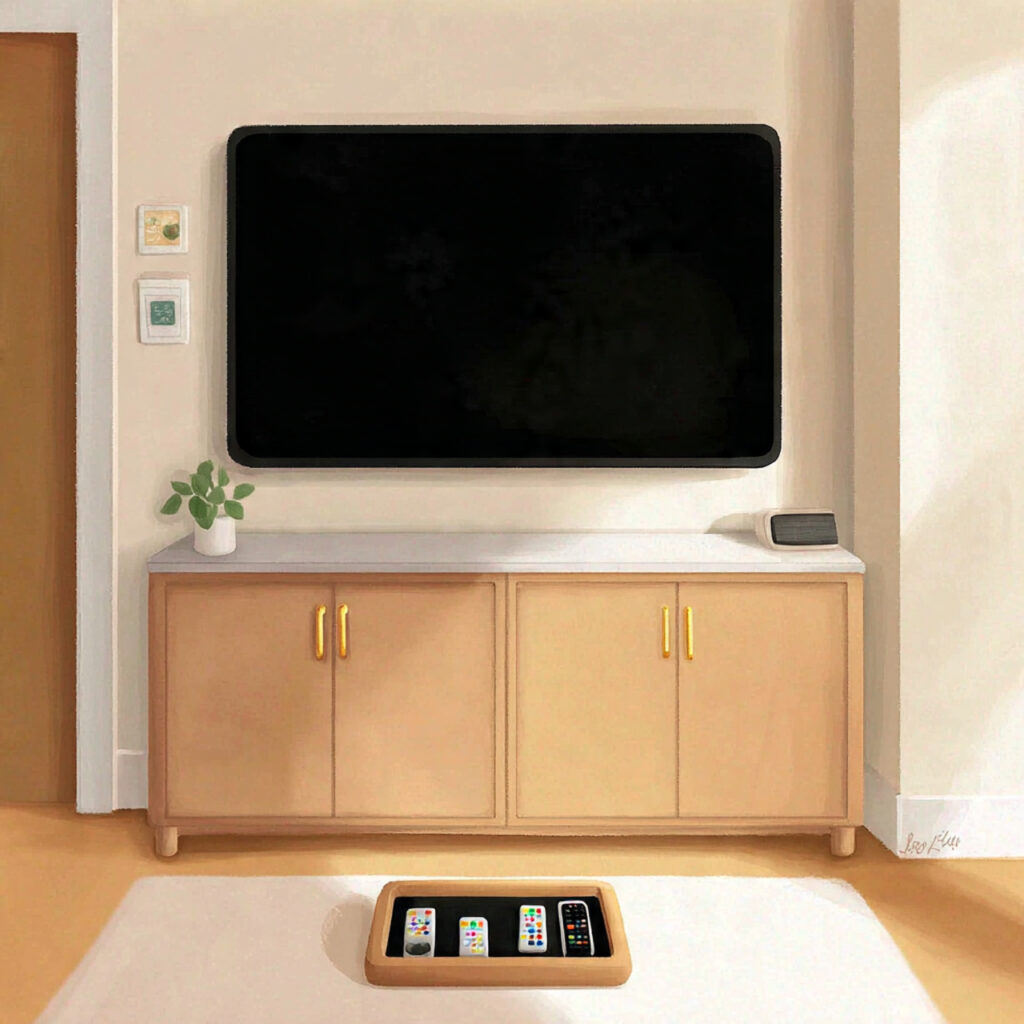
Electronics and cables are among the most visually disruptive elements in a minimalist living space. A television mounted cleanly on a wall, cables concealed in a cable management system, remotes contained in a small tray, each of these moves reduces visual noise significantly.
How to Do It
Cable management sleeves or adhesive cable tracks contain multiple cables in one clean unit. A media console or TV unit with doors conceals set-top boxes and game consoles entirely. A small lidded box or wooden tray corrals remotes so they’re accessible but contained. The goal is electronics that function without dominating the visual experience of the room.
13. Limit Decorative Objects to Three Per Surface
Why It Works
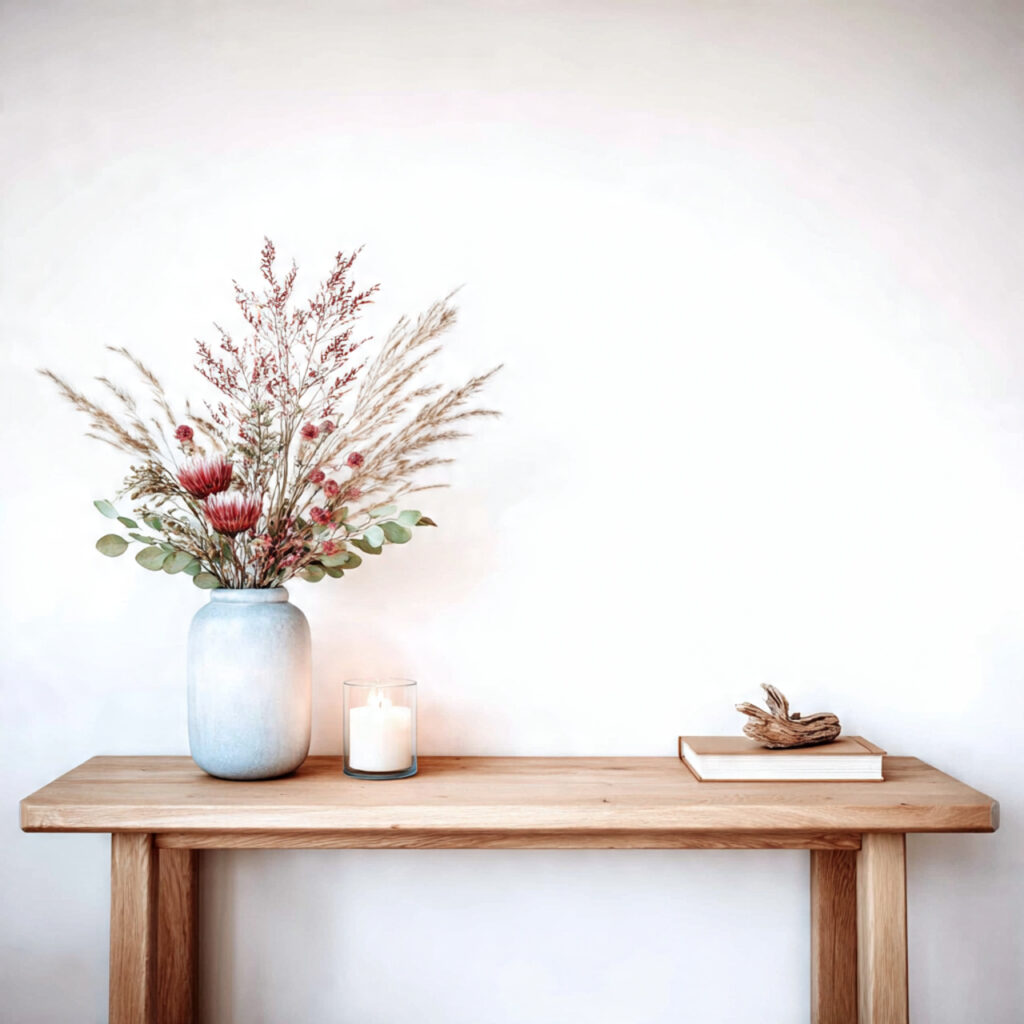
Decorative objects, beautiful individually, become visual noise when crowded together. The minimalist approach to decoration isn’t no objects; its three objects, chosen deliberately, with space between them. The space between objects is as important as the objects themselves.
How to Do It
For any shelf, console, or surface with decorative items, limit to three objects and assess whether each one is genuinely loved or just there by default. Remove anything kept out of obligation or habit rather than genuine appreciation. The three that remain look intentional, beautiful, and like you chose them, because you did.
This is a wonderful moment to save your favorites from this section, the bedroom and practical maintenance ideas ahead complete the picture beautifully.
Bedroom Minimalist Organization Ideas
14. A Wardrobe That Contains Only What You Wear
Why It Works
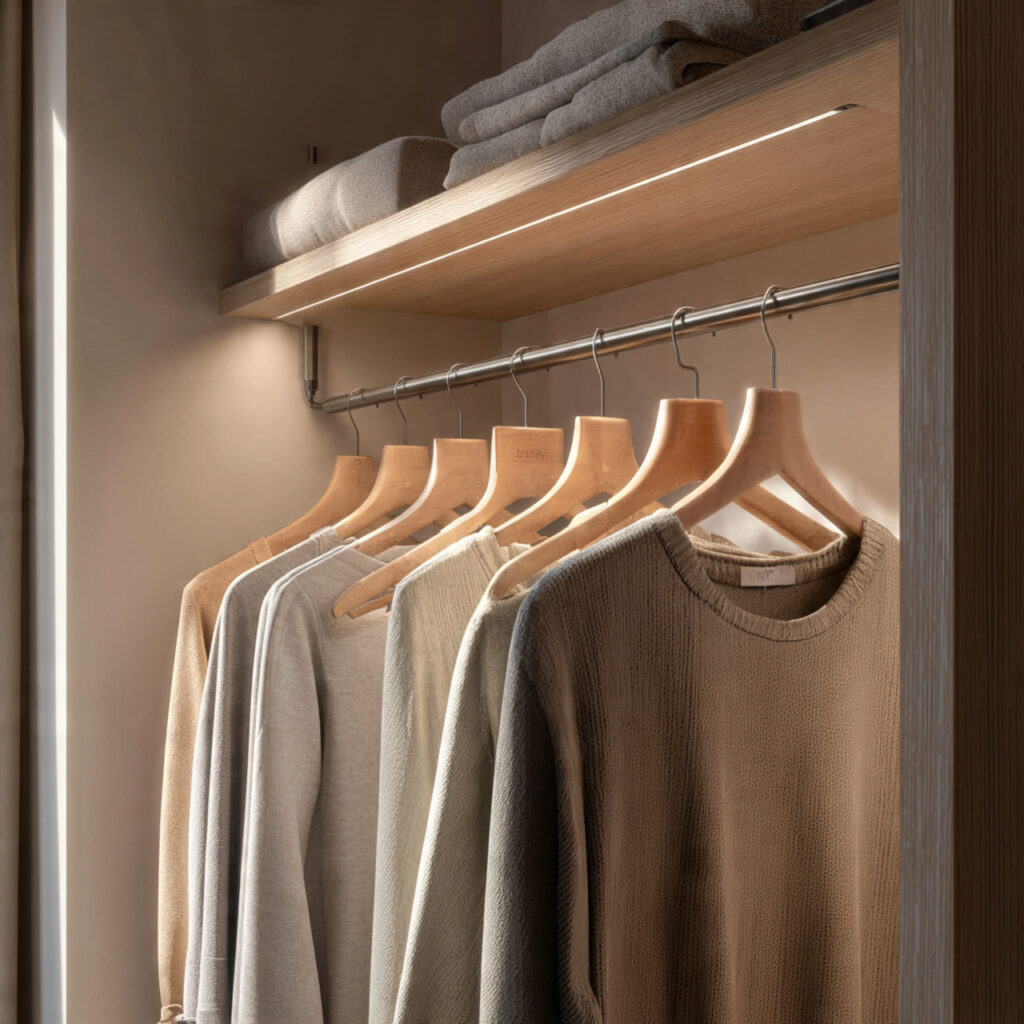
A minimalist wardrobe, one where every item is something you wear, fits you, and feels good, is not a wardrobe with fewer clothes. It’s a wardrobe without compromise. Getting dressed from a wardrobe like this takes minutes rather than decision-fatiguing searches through items that don’t make you feel good.
How to Do It
Edit ruthlessly using two questions: do I wear this regularly, and do I feel good wearing it? Both must be yes. Items that fit but don’t make you feel good. Items kept for sentimental reasons but never worn go. What remains is a wardrobe that functions as a daily confidence tool rather than a storage problem.
15. Consistent Hangers Throughout the Wardrobe
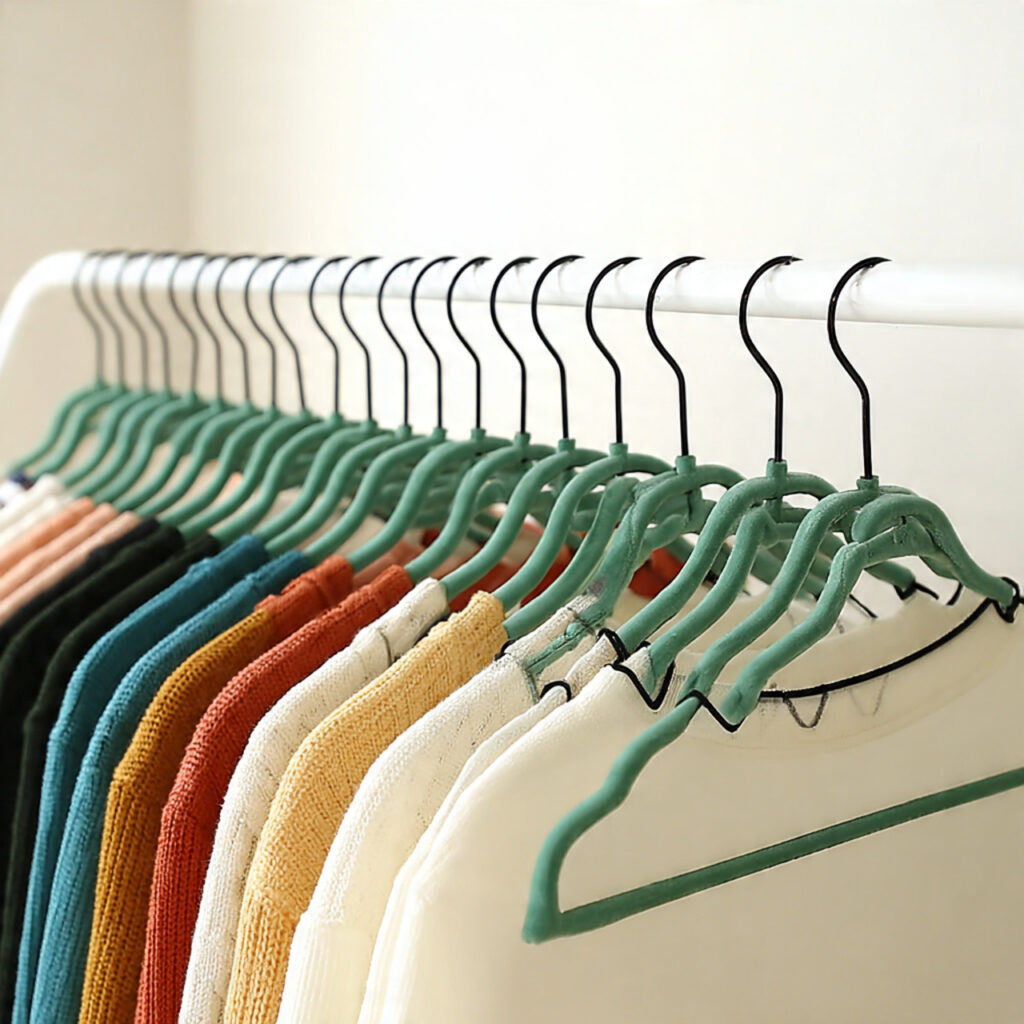
Why It Works
The visual calm of a wardrobe where every hanger matches is immediate and significant. Mismatched hangers in different colors, sizes, and materials create visual noise even in an otherwise organized wardrobe. Consistent hangers create the boutique-like quality that makes opening the wardrobe feel like a pleasure.
How to Do It
Slim velvet hangers in one color, typically black, white, or natural, create the most uniform and space-efficient result. Replacing all hangers at once rather than gradually creates the full visual benefit immediately. The change takes about twenty minutes and the effect lasts indefinitely.
16. A Clear, Minimal Nightstand
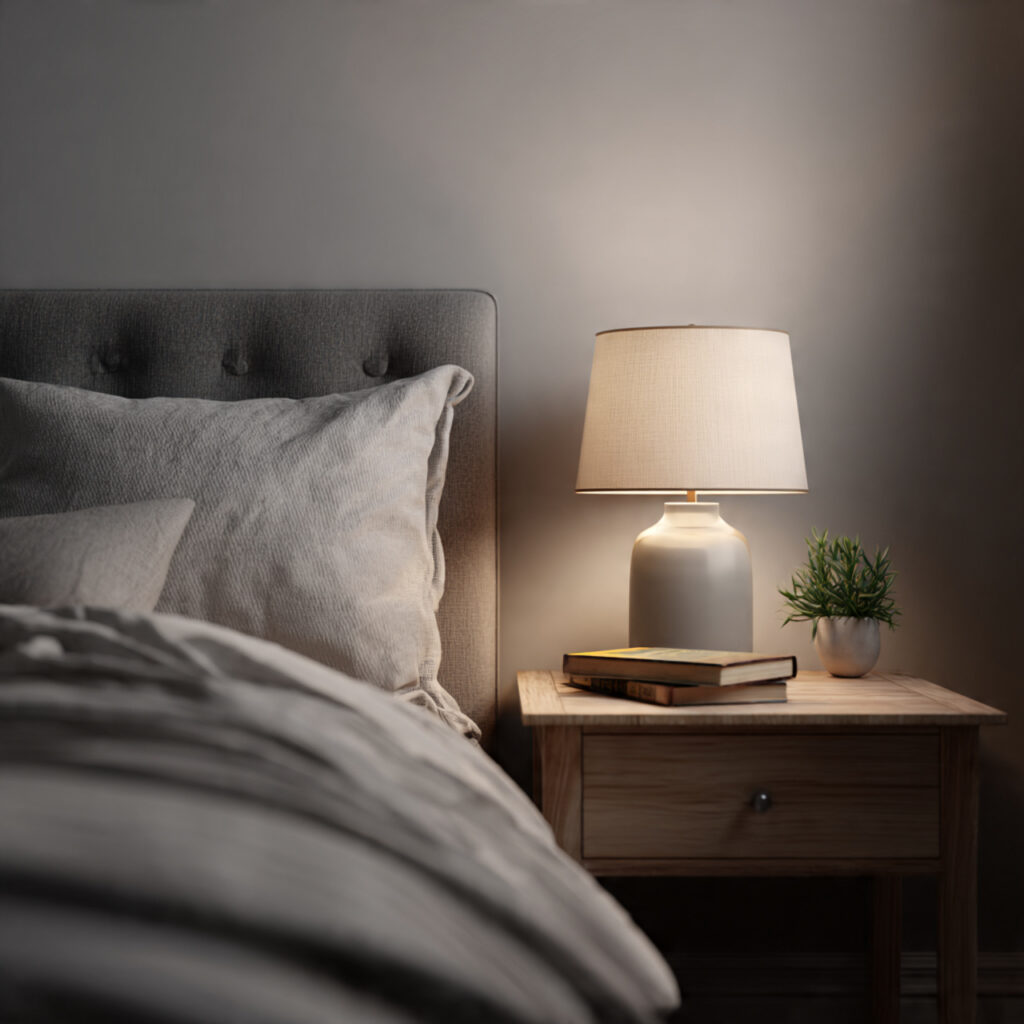
Why It Works
The nightstand is the last thing you see before sleeping and the first thing you see when waking. A cluttered nightstand creates subtle visual stimulation at the exact moments when you most need calm. A minimal nightstand with only what genuinely serves your sleep routine sets a quiet, restful tone.
How to Do It
Keep three items on the nightstand surface: your lamp, your current book, and one small personal item (a plant, a candle, a glass of water). Use the drawer for sleep-specific items only, lip balm, ear plugs, a sleep mask. Nothing else lives there. The restriction is gentle but the effect on the quality of sleep environments is measurable.
17. Bedroom Surfaces With Nothing on the Floor
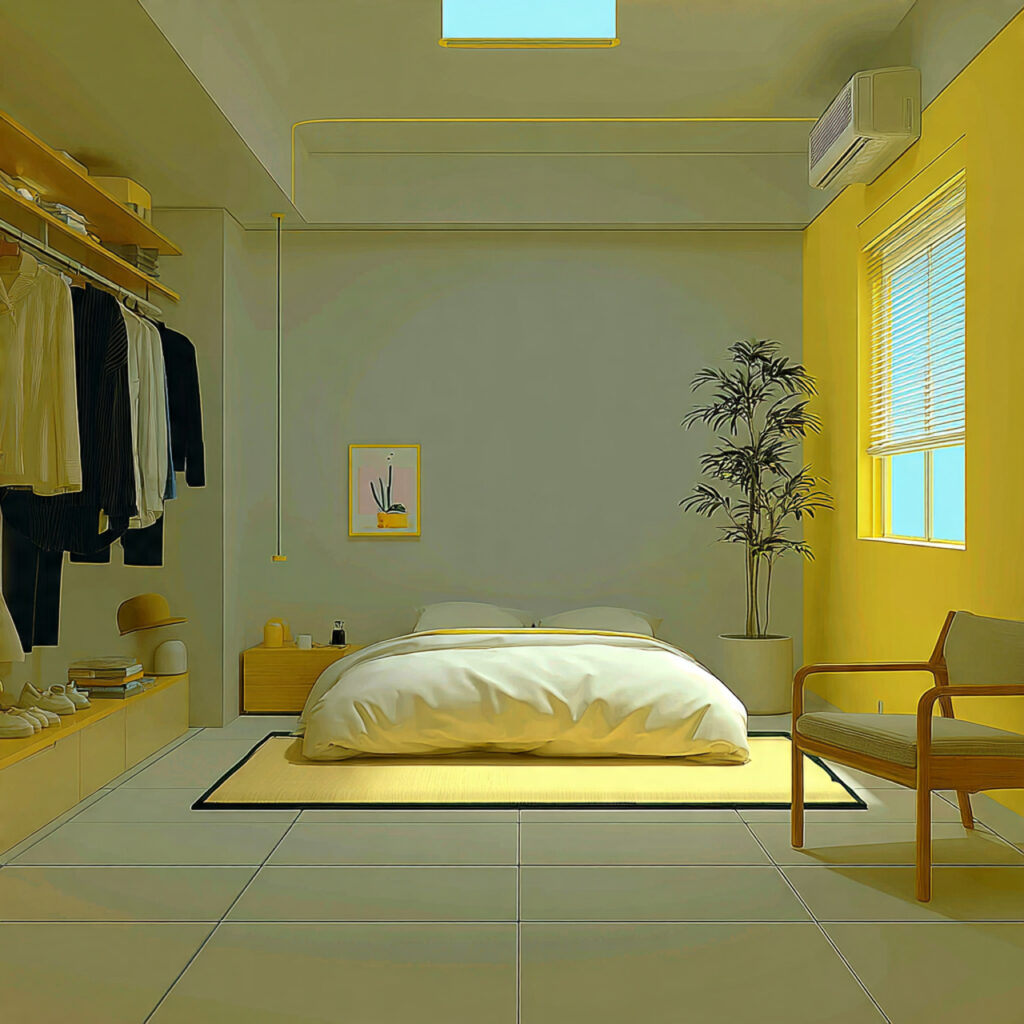
Why It Works
A bedroom where nothing is on the floor, no clothes, no bags, no equipment, feels significantly larger and calmer than one where the floor accumulates items. The clear floor creates a sense of space and order that contributes to sleep quality in ways that are felt if not always consciously registered.
How to Do It
Give everything a home that isn’t the floor. A hook for tomorrow’s outfit. A laundry basket for worn clothes. A dedicated spot for bags. A specific place for shoes. When every category of floor item has an alternative home, the floor clears and stays clear.
18. A Minimal Dresser Top
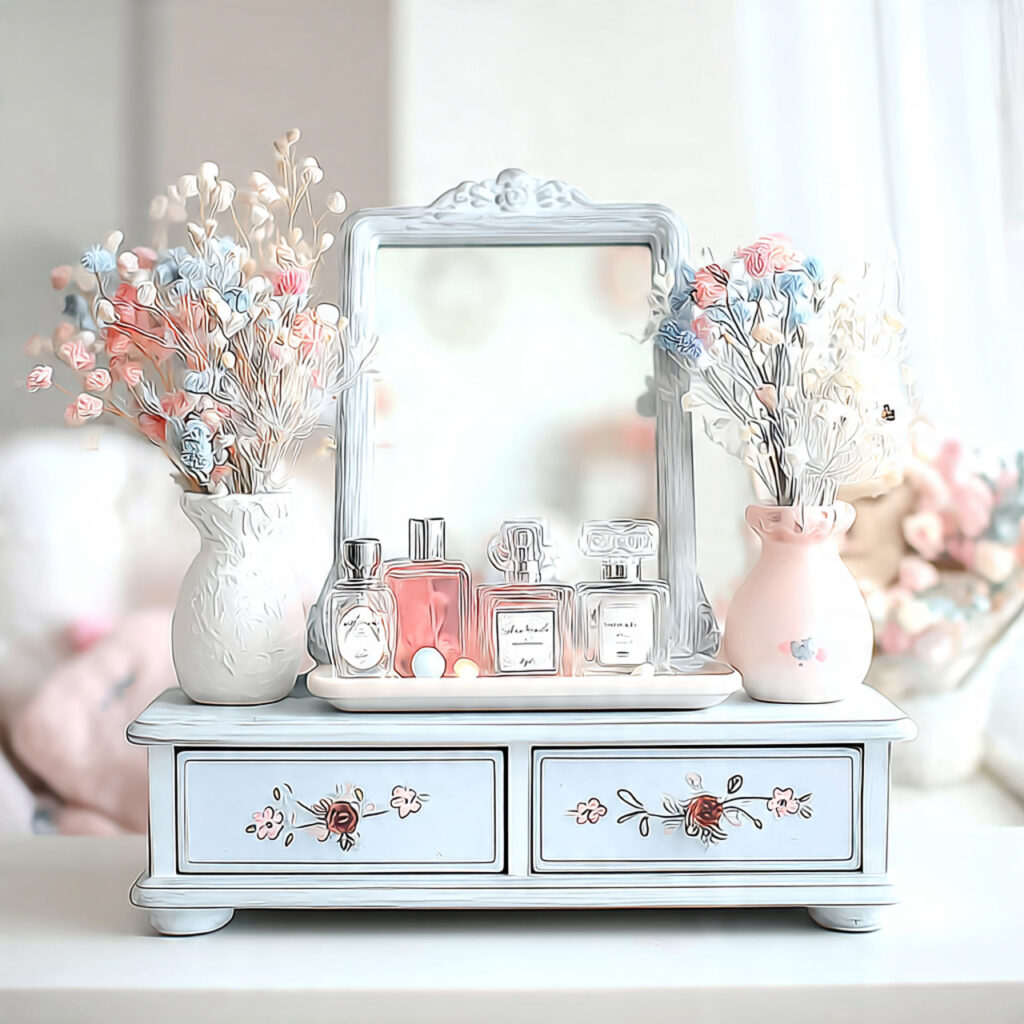
Why It Works
The dresser top in most bedrooms becomes a daily-deposit zone, receipts, jewelry, change, chargers, products, that gradually builds into a surface of unrelated objects. A minimalist dresser top has one tray for curated daily items and nothing outside it.
How to Do It
One tray on the dresser holds: a small dish for jewelry removed at night, one perfume or cologne, one or two personal care items used daily. Everything else goes in a drawer. The tray provides the visual boundary. Clean, calm, contained.
Bathroom Minimalist Organization Ideas
19. Decant and Streamline Bathroom Products
Why It Works
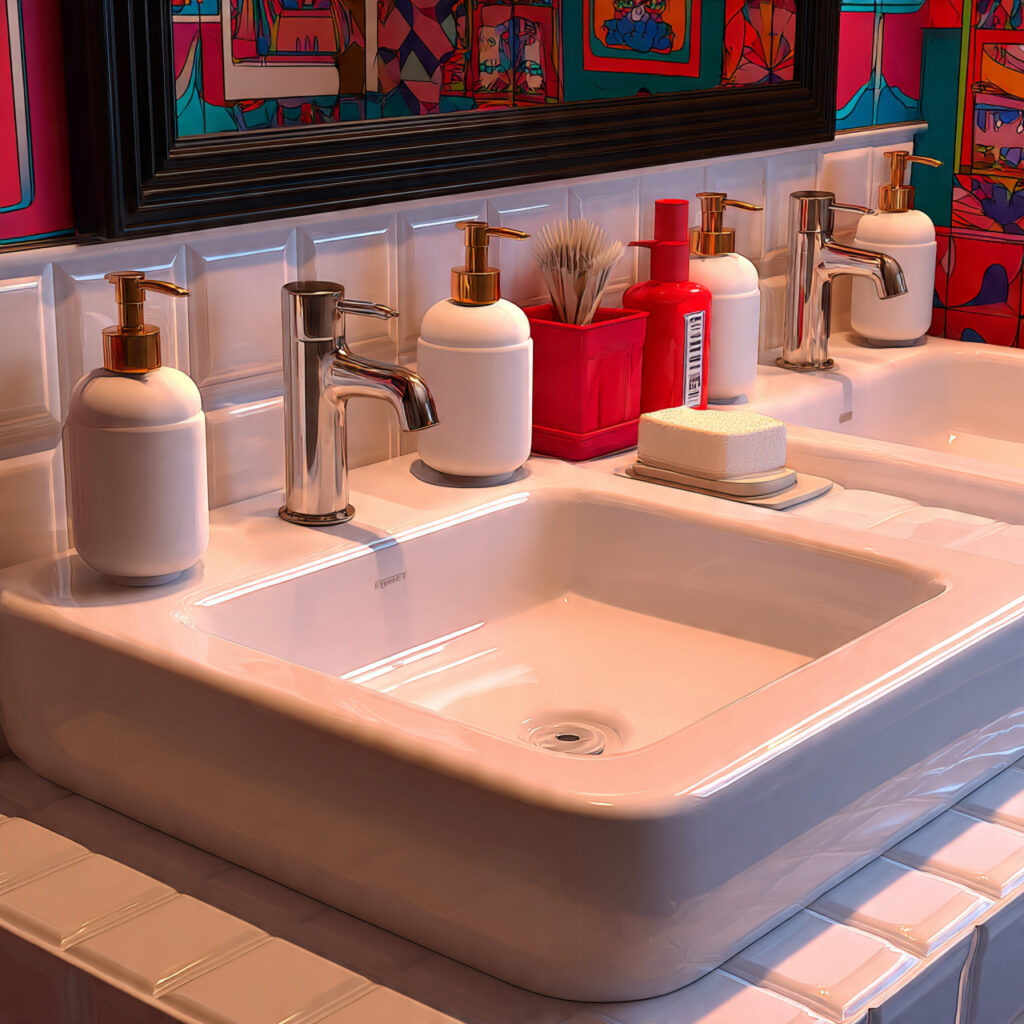
Bathrooms accumulate products at remarkable speed, different-sized bottles in every color, half-empty backups, products that didn’t work out but weren’t discarded. Decanting into matching dispensers and editing the collection creates a bathroom that feels like a spa rather than a storage overflow.
How to Do It
Edit every product: expired, unused, and duplicate items go. Transfer remaining products into matching pump dispensers for soap, shampoo, and conditioner. Use a single ceramic dish for bar soap. Keep only products that are actively used on the visible surface. Everything else stores under the sink in organized categories.
20. A Minimal Shower and Bath Zone
Why It Works
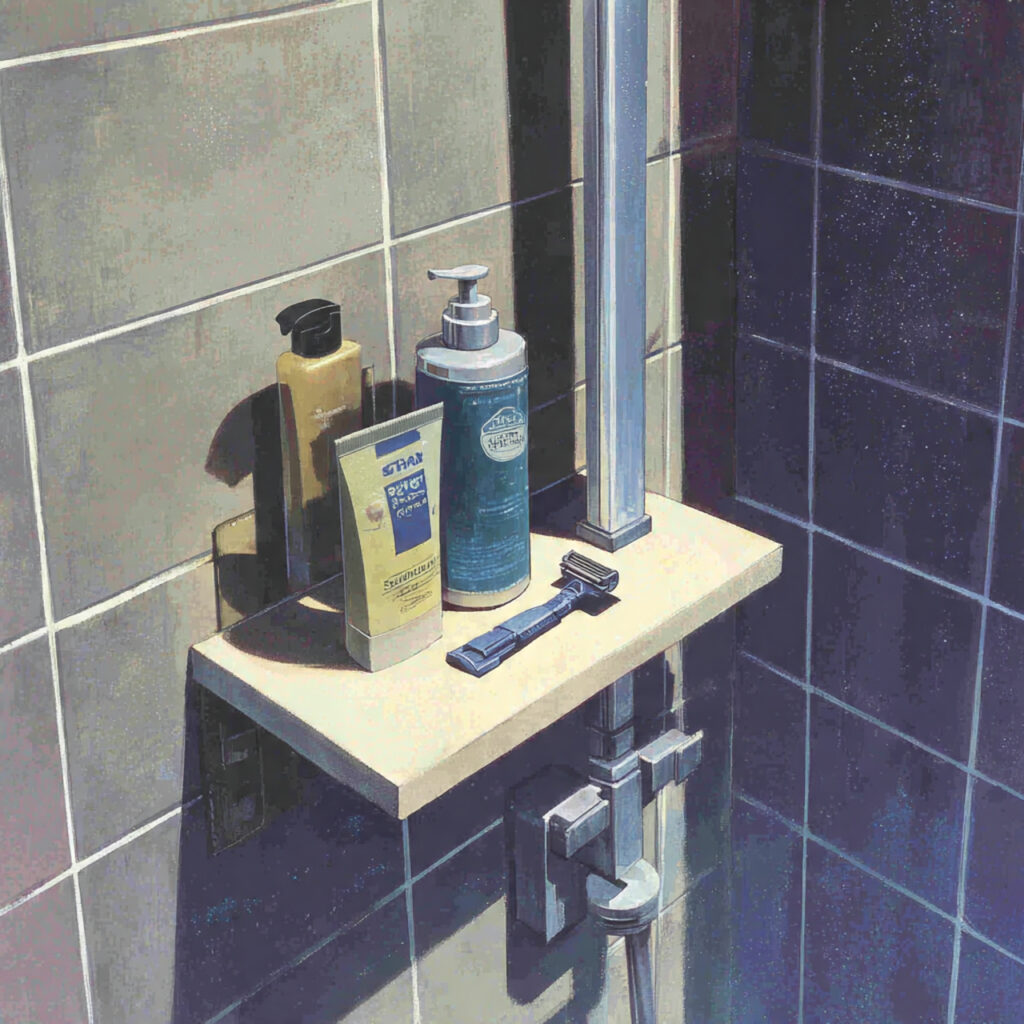
Shower caddies overflowing with multiple shampoos, conditioners, body washes, and razors create visual clutter in one of the most important relaxation zones in the home. A minimal shower zone, one shampoo, one conditioner, one body wash, a razor, and nothing more, is calmer to use and easier to maintain.
How to Do It
Edit shower products to one of each genuinely used item. A wall-mounted minimalist shelf or simple caddy keeps them contained and easily accessible. Products finish faster when you’re only running one of each, which means the rotation stays intentional rather than building into an accumulation.
21. Open Space Under the Bathroom Sink
Why It Works
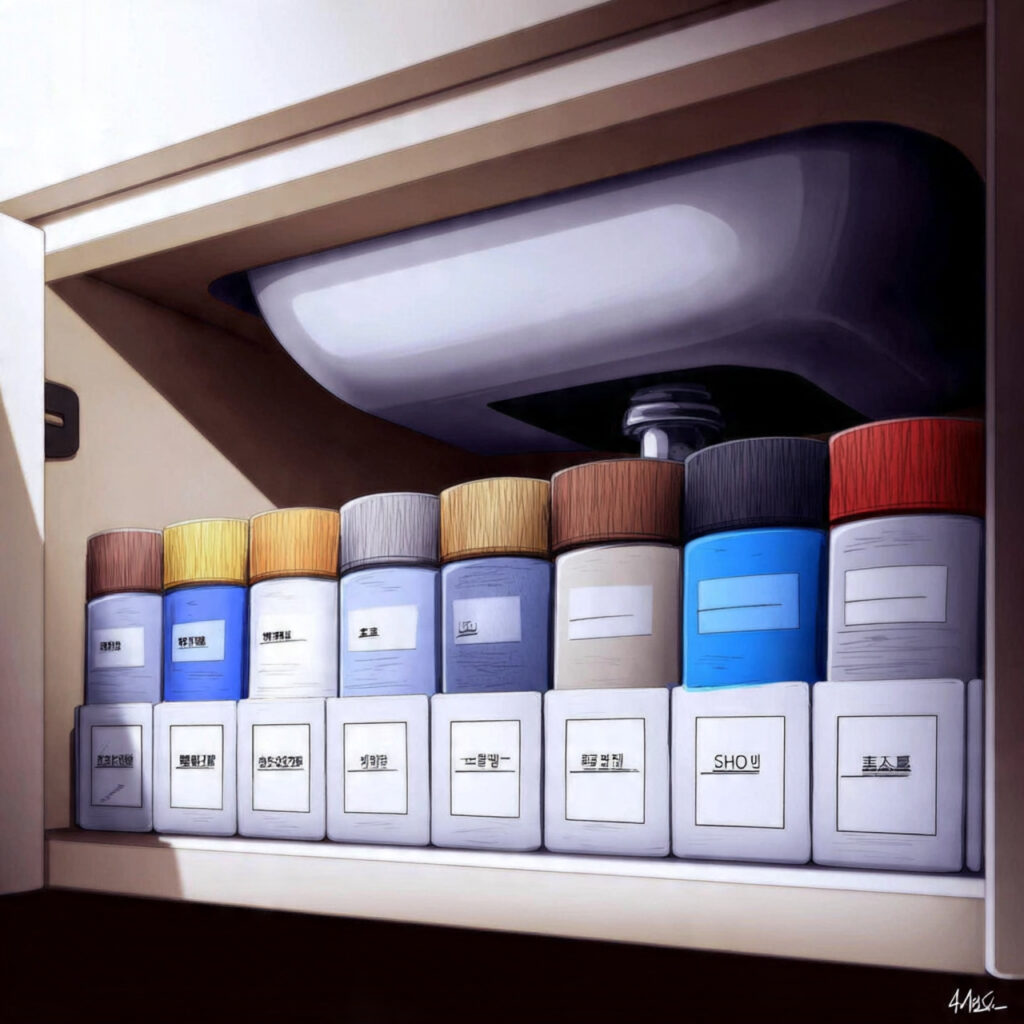
The cabinet under the bathroom sink is one of the most consistently chaotic storage spaces in most homes. A minimalist approach clears it of expired products and duplicates, organizes what remains in categorized containers, and leaves visible space between categories.
How to Do It
Empty completely, discard expired and unused products, and organize remaining items into clearly labeled categories: skincare, haircare, first aid, cleaning. Use matching bins or baskets for each category. The visible space between categories, not packing everything into maximum capacity, is the visual signal of minimalist organization.
Practical Habits That Maintain Minimalist Organization
22. A Daily Five-Minute Reset
Why It Works
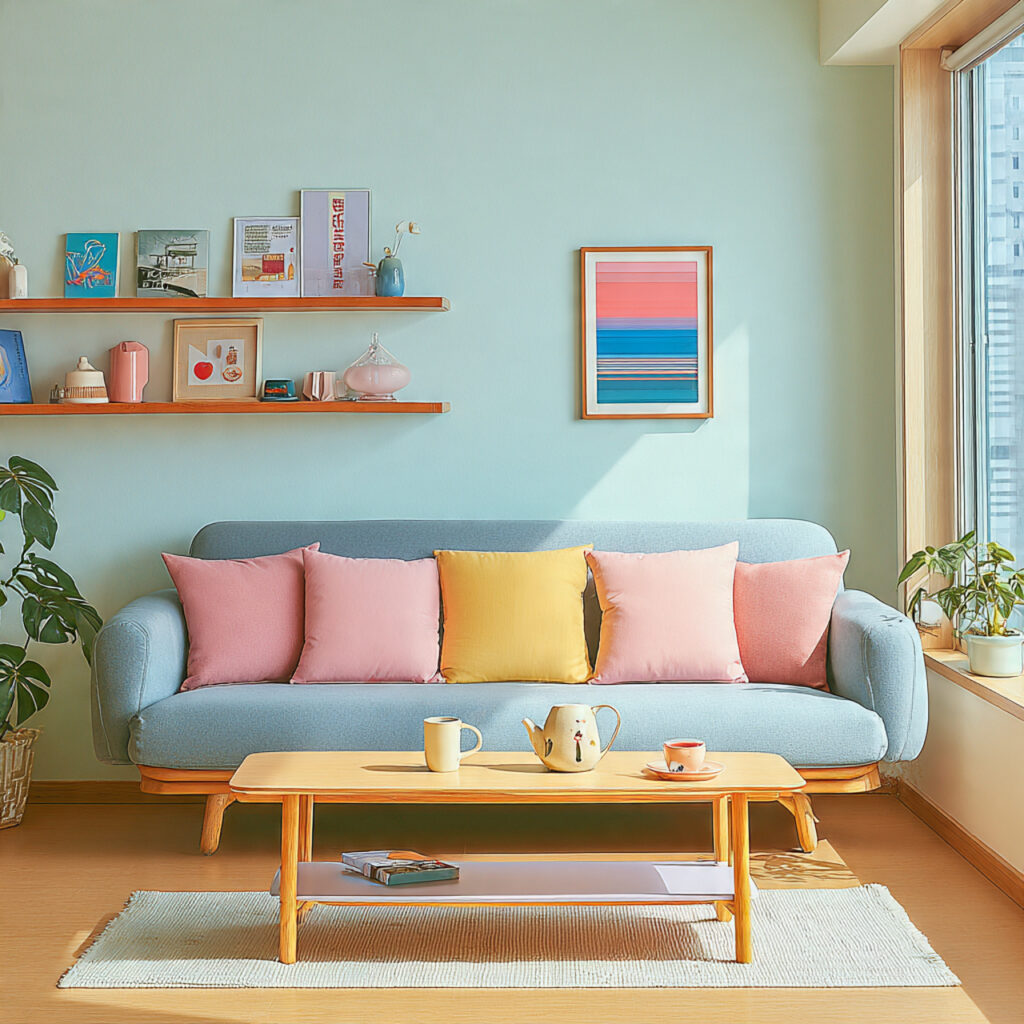
Minimalist organization is maintained by a consistent daily reset rather than periodic deep cleans. Five minutes each evening, returning every displaced item to its home, is all that’s needed to maintain the organized state between deeper seasonal reviews.
How to Do It
At the same time each evening, before bed, after dinner, whenever your daily rhythm naturally has a quiet moment, walk through each room and return misplaced items to their homes. Clear any surfaces that gather items during the day. Five minutes is genuinely sufficient for a minimally organized home because there isn’t a large volume of items to manage.
23. The Monthly Single-Category Edit
Why It Works
Rather than waiting for the discomfort of overwhelming clutter to prompt a full organizational session, a monthly ten-minute edit of one category maintains the minimalist baseline continuously. One category per month means every area of the home gets attention twice a year without any single session feeling overwhelming.
How to Do It
Choose one category per month: January for books, February for kitchen tools, March for clothing, April for bathroom products, and so on. Spend ten minutes editing that category against your established “enough” number. Remove anything that has drifted above the right amount. The small, consistent edit prevents the accumulation cycle from restarting.
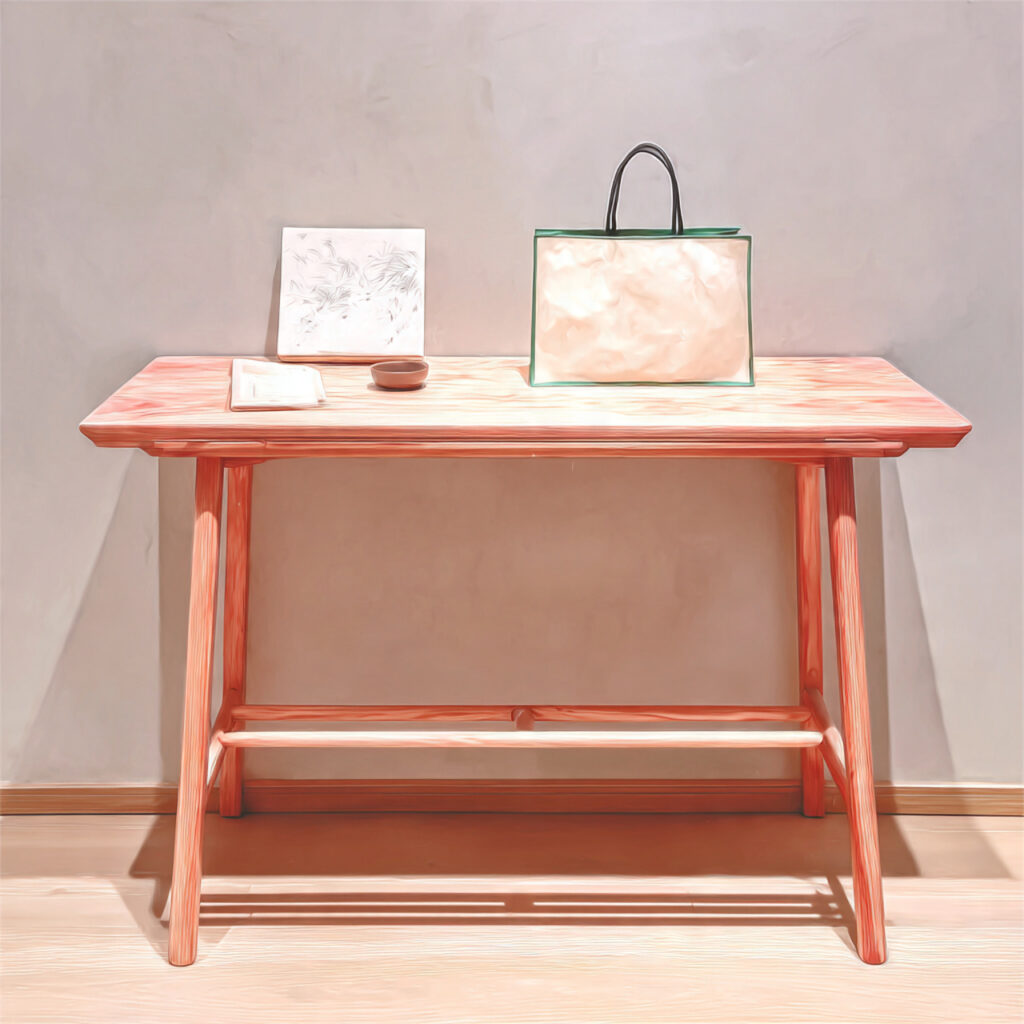
24. Shopping With Intention, Not Impulse
Why It Works
The most effective minimalist maintenance habit is upstream of the home entirely. Reducing what comes in is easier than constantly editing what’s already arrived. Intentional shopping, buying only what has a specific, planned purpose, dramatically reduces the organizational burden over time.
How to Do It
Apply a waiting period before any non-essential purchase: 24 hours for smaller items, one week for larger ones. Most impulse purchase desires disappear within this window. What remains is genuine need, and genuine need is worth buying for. The waiting period is the simplest anti-accumulation tool available.
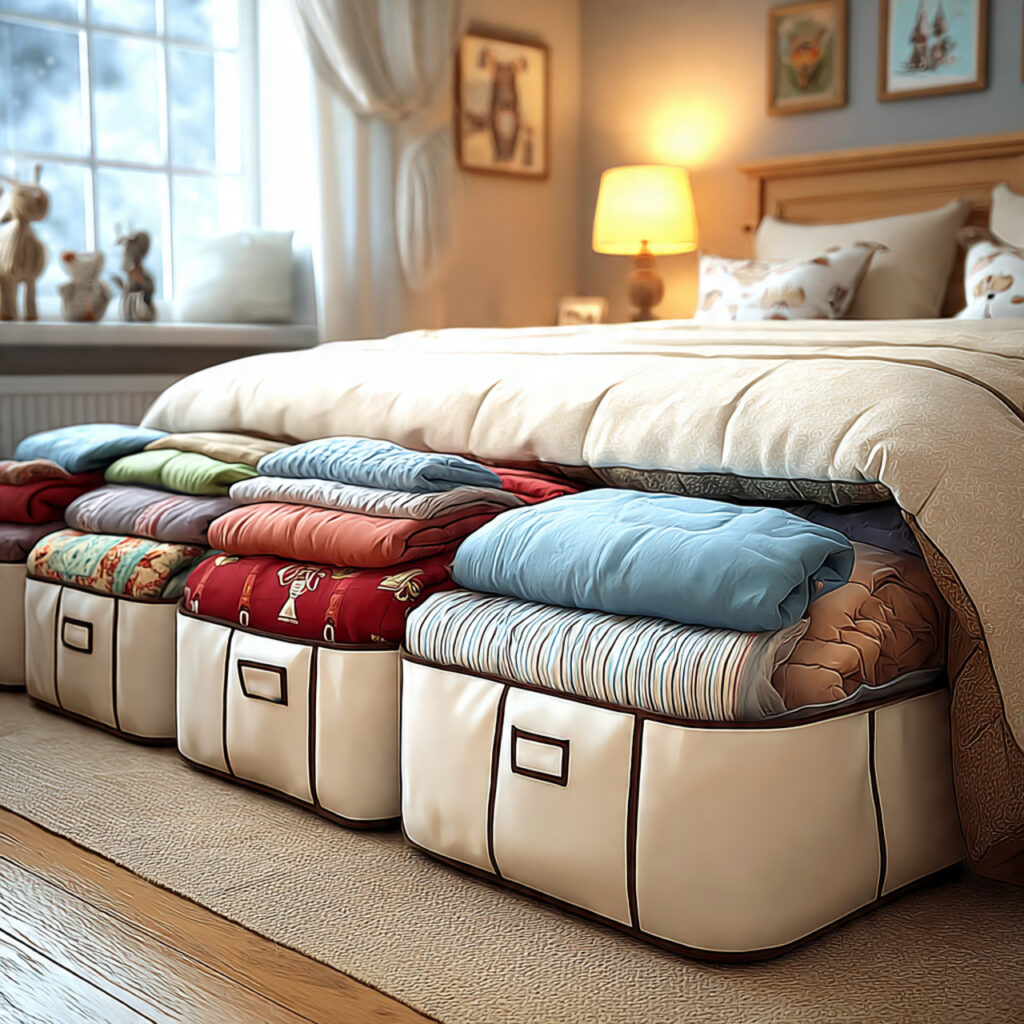
25. Seasonal Storage Rotation
Why It Works
Minimalist organization in a wardrobe or storage space doesn’t require owning fewer seasonal items, it requires storing them out of the active space when they’re not needed. A twice-yearly seasonal rotation keeps the home organized to the current season rather than managing four seasons of belongings simultaneously.
How to Do It
At each season change, rotate clothing, linens, and seasonal decor. Off-season items compress into vacuum bags or store in labeled containers under the bed or in a dedicated storage area. The active home contains only what the current season requires. The result is a home that feels appropriately sized for the life being lived in it.
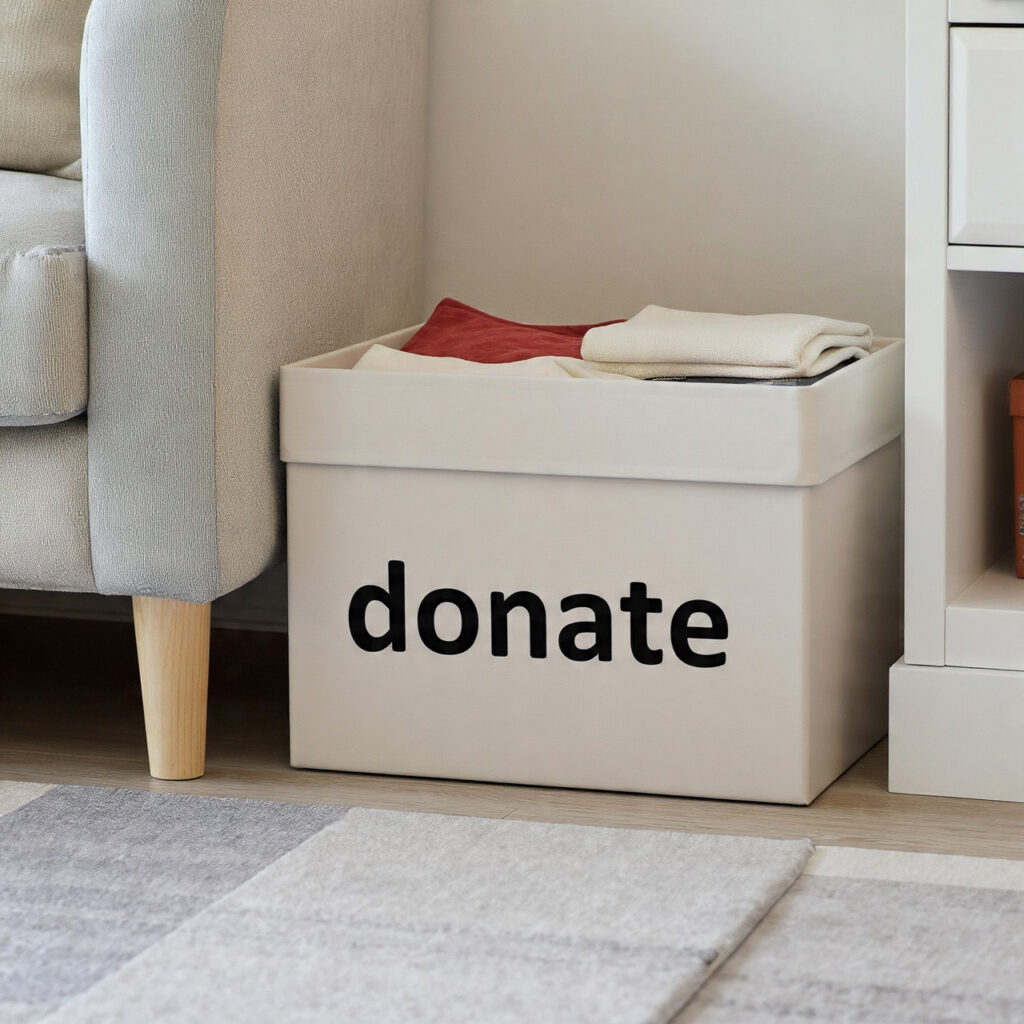
26. A Donation Station That’s Always Active
Why It Works
Minimalist organization is most easily maintained when there’s always an active, accessible path out for items that are no longer needed. A permanent donation station, a bag or box in an accessible location, provides this continuously rather than requiring items to wait for a specific decluttering session.
How to Do It
Keep a bag or basket in a convenient location, a wardrobe corner, a cupboard near the door, and the boot of the car. Whenever you encounter something during normal daily life that no longer serves your life, a book you’ve finished and won’t reread, a kitchen item you replaced, a clothing item that no longer fits or suits you, it goes directly into the donation station. When full, it goes to a charity shop or library without review or second-guessing.
27. Cleaning Made Easier by Minimalist Organization
Why It Works
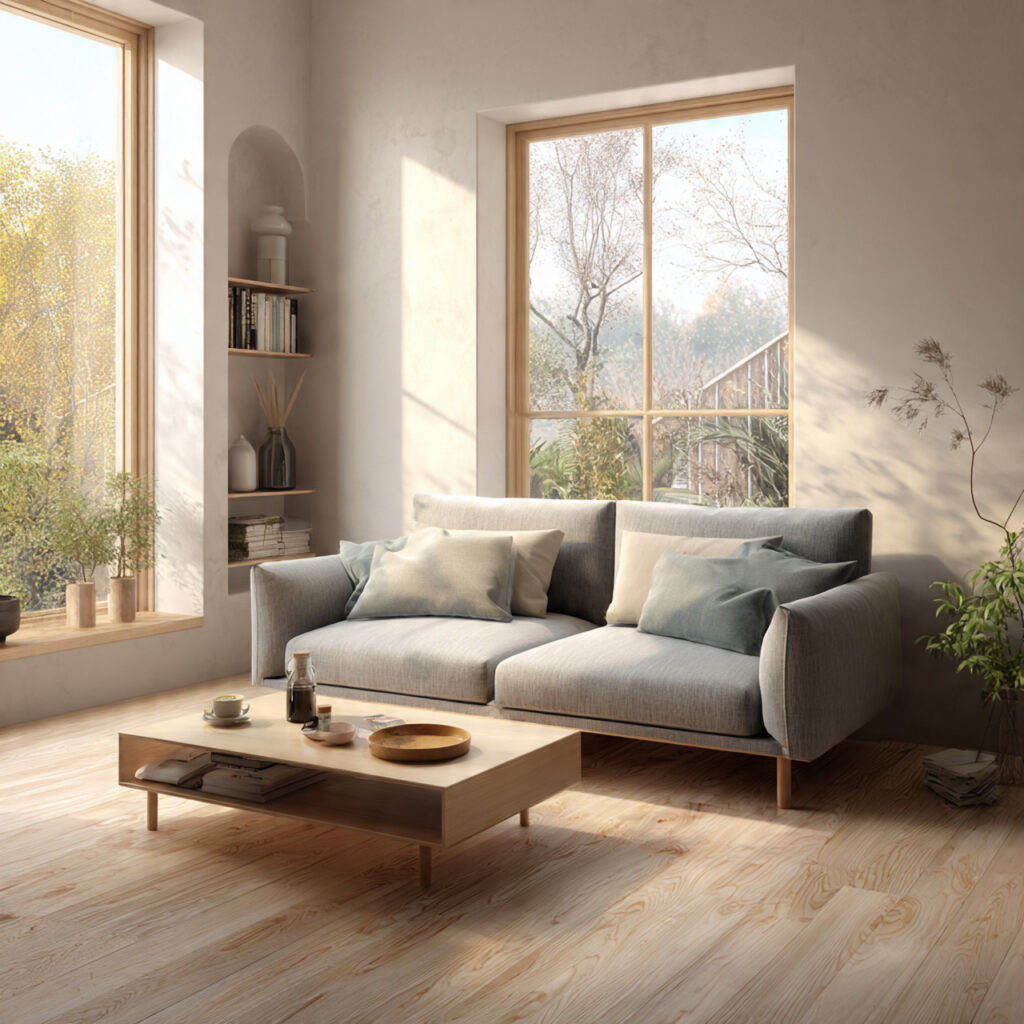
One of the underappreciated practical benefits of minimalist organization is how dramatically it simplifies cleaning. A surface with three objects on it takes twenty seconds to wipe. A surface with fifteen takes several minutes and requires moving everything, wiping under it, and replacing it all. Multiply that difference across every surface in the home and the time saved by minimalist organization is significant.
How to Do It
When establishing organizational systems, actively consider cleaning access. Furniture placed away from walls is easier to vacuum around. Items stored in closed containers don’t need dusting. Surfaces that are intentionally spare are quicker to maintain. The cleaning efficiency benefit reinforces the organizational habit, the easier it is to maintain, the more naturally it continues.
28. Find and Protect Your “Sanctuary Spaces”
Why It Works
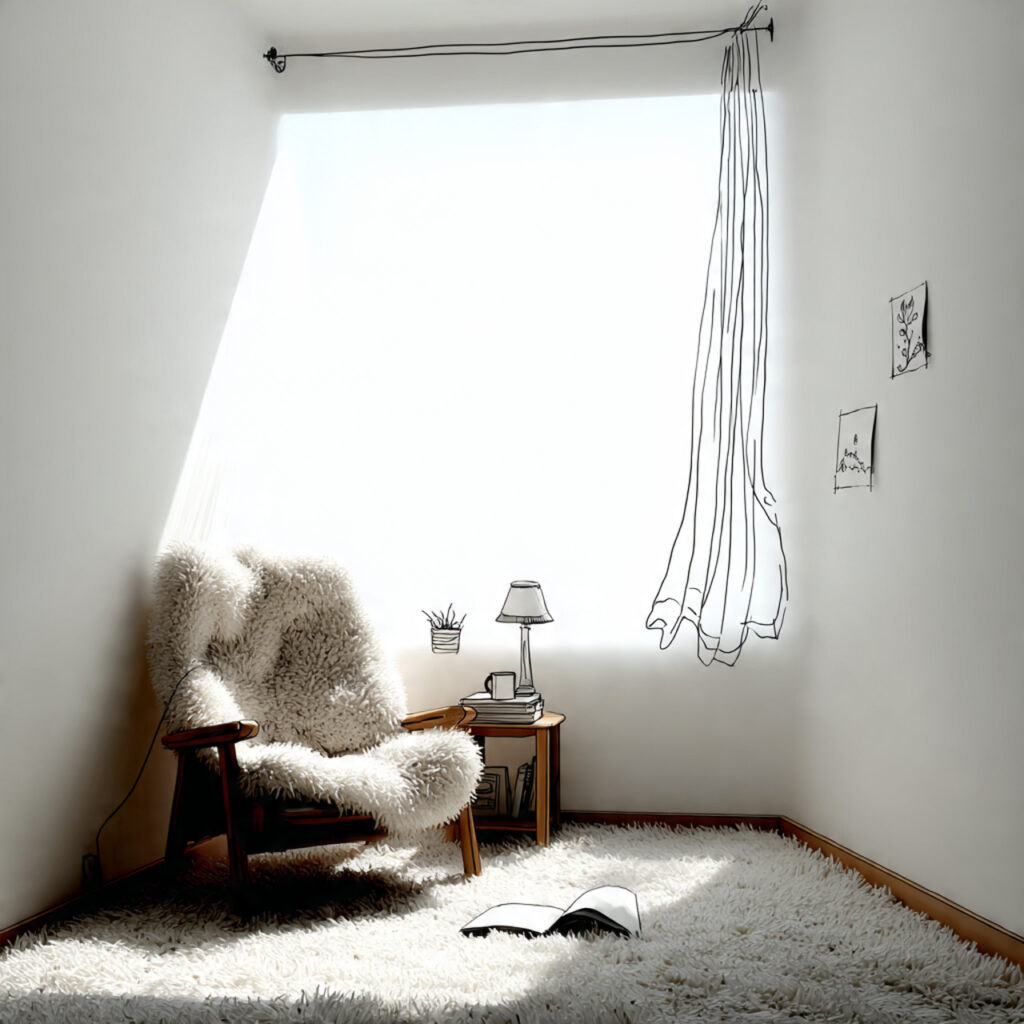
Minimalist home organization works best when every household member has at least one space they consider their personal sanctuary, a desk, a reading corner, a hobby area, that is organized according to their own needs rather than a uniform minimalist standard. The whole-home approach is sustainable only when it accommodates personal expression within its framework.
How to Do It
Identify the personal spaces in your home and treat them with a lighter hand organizationally, the focus is function and personal comfort rather than visual minimalism. A beautifully organized, spare living room and a slightly more personalized desk space aren’t in conflict. Sustainable minimalist organization bends to real human needs rather than demanding perfect uniformity from every inch of the home.
Insider Tip
The sanctuary space principle also applies when multiple people share a home. Minimalist organization for shared spaces, and personal autonomy in private or personal spaces, is the balance that makes the approach livable for everyone rather than something one person imposes on a household.
The Calm You’re Looking For Is Already in Your Home
Here’s the truth that sits at the heart of all 28 ideas in this guide: the calm you’re looking for isn’t something you need to add to your home. It’s something you reveal by removing what’s covering it.
Your home already has the bones of a peaceful, functional, beautiful space. What it needs is less competition, fewer objects without purpose, fewer surfaces without homes, fewer decisions deferred into piles and drawers. When you clear the competition, what remains is space, light, and the quiet satisfaction of an environment that reflects who you actually are.
Minimalist home organization isn’t an aesthetic imposed from outside. It’s the gradual uncovering of a home that works for your real life, not the life of a magazine spread, not the life of someone else’s aspirations, but your actual daily experience of moving through the space where you live.
Start with one drawer. One surface. One category. Let the calm of that one completed thing tell you what to do next.
Because a peaceful home isn’t something you achieve. It’s something you choose, one intention at a time.