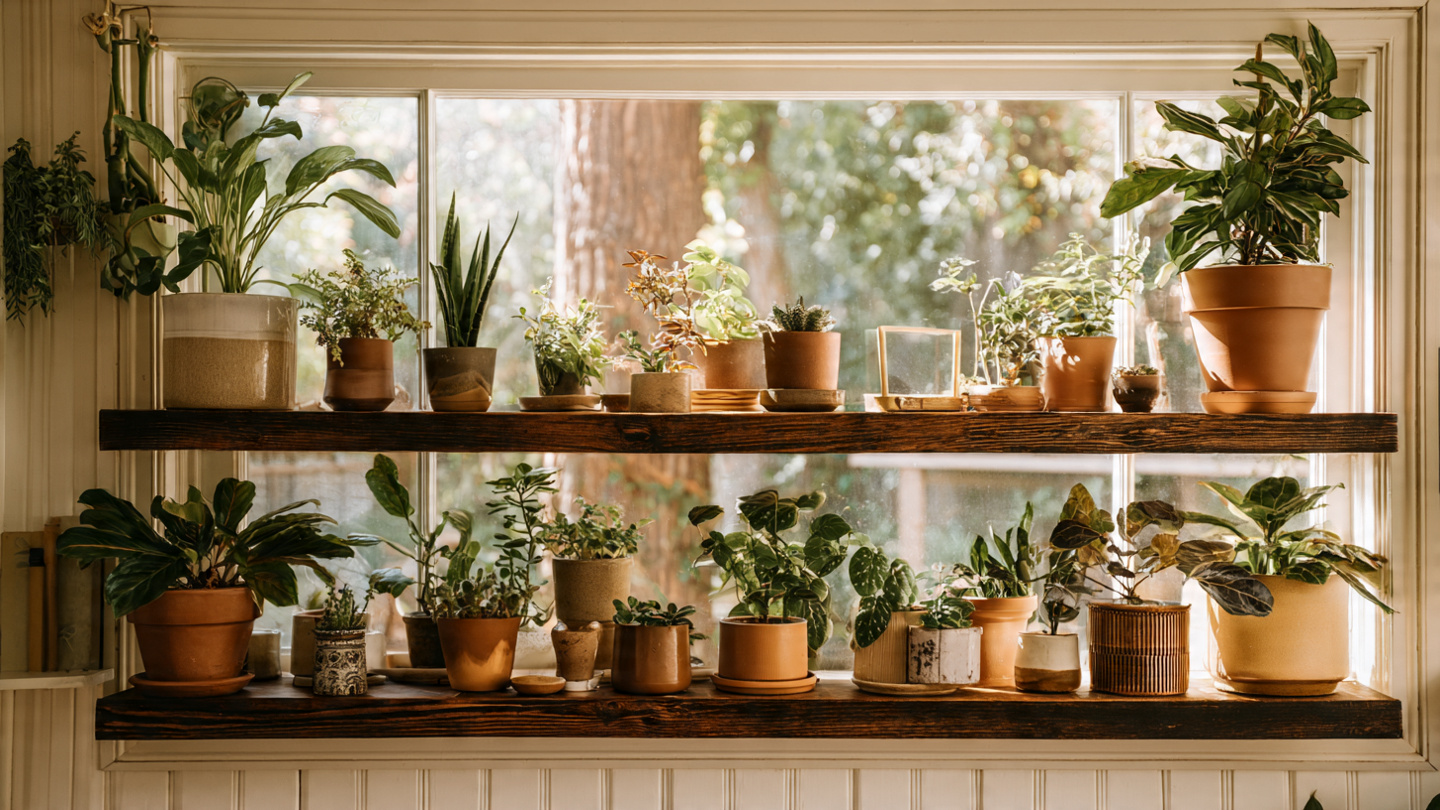
You know that feeling when you walk into someone’s home and the plants just look right? Not crammed into corners or forgotten on windowsills, but displayed like they were always meant to be there, each one at the perfect height, each pot beautiful, the whole arrangement somehow effortless and alive and completely considered.
That’s not luck. That’s a plant shelf.
A well-designed plant shelf is the single most powerful upgrade available for anyone who loves plants and wants their home to reflect that love beautifully. It takes plants from scattered and afterthought-like to intentional, styled, and genuinely stunning, and it does it using vertical space that most rooms have in abundance. Interior designers consistently name plant shelving as one of the most transformative and most photographable elements of any well-styled home, and across the US, Canada, the UK, and Australia, plant shelf aesthetics have become one of the most saved and most replicated home ideas on every platform imaginable.
These 22 ideas cover every style, every size, every room, and every skill level. Whether you want a dramatic floor-to-ceiling green wall or a single shelf with three perfectly chosen plants, there’s a display here that’s waiting to become the most beautiful corner in your home.
Why Plant Shelves Change Everything
The Difference Between Plants and a Plant Display
Having plants is one thing. Displaying plants intentionally is another. The same collection of beautiful plants scattered randomly around a room creates a pleasant but unfocused impression. Those same plants grouped on shelves at varied heights, in coordinated pots, with deliberate spacing and considered plant combinations, the impression becomes genuinely extraordinary.
The shelf provides three things that scattered plants lack: height variation that creates visual movement, defined zones that signal intention, and the containing structure that makes an edited, curated grouping feel designed rather than accumulated.
Also Read: https://myhavenvibes.com/indoor-plants-decor-ideas/
What Every Plant Shelf Needs to Work
Before the specific ideas, three fundamentals apply to every plant shelf: light access appropriate to the species displayed, structural support rated for the weight of pots and soil (which is heavier than most people estimate), and a styling approach that mixes plant forms, trailing, upright, compact, sculptural, for maximum visual interest. Every idea ahead builds on these foundations.
Wall-Mounted Plant Shelf Ideas
Wall-mounted shelves use vertical space to create the most dramatic plant displays in the smallest floor footprint.
1. A Single Statement Floating Shelf
Why It Works
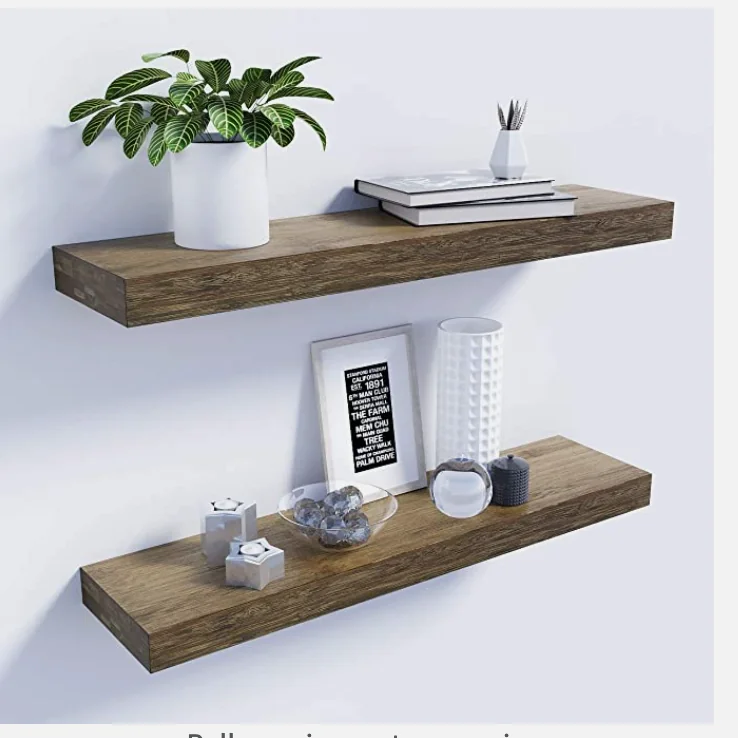
A single floating shelf mounted at eye level, dedicated entirely to plants and a few curated objects, is the most impactful minimalist plant display possible. One shelf, beautifully edited, creates a focal point that draws the eye and communicates genuine intentionality without overwhelming the room.
How to Style It
Three to five plants in coordinated pots, varied in height and form: one trailing plant whose stems fall over the shelf edge, one upright compact plant that stands cleanly, one sculptural plant with an interesting form. Leave visible shelf surface between plants, the breathing room between objects is as important as the objects themselves. Add one non-plant object if desired: a small ceramic, a candle in a beautiful vessel.
Common Mistake
Filling the shelf to capacity because you have the plants and the space. A plant shelf that’s visibly overcrowded looks chaotic rather than curated. The editing, keeping fewer, better-spaced plants, is what creates the intentional quality. Less is genuinely more.
Read More: https://myhavenvibes.com/apartment-reading-nook/
2. Three Stacked Floating Shelves at Varied Heights
Why It Works
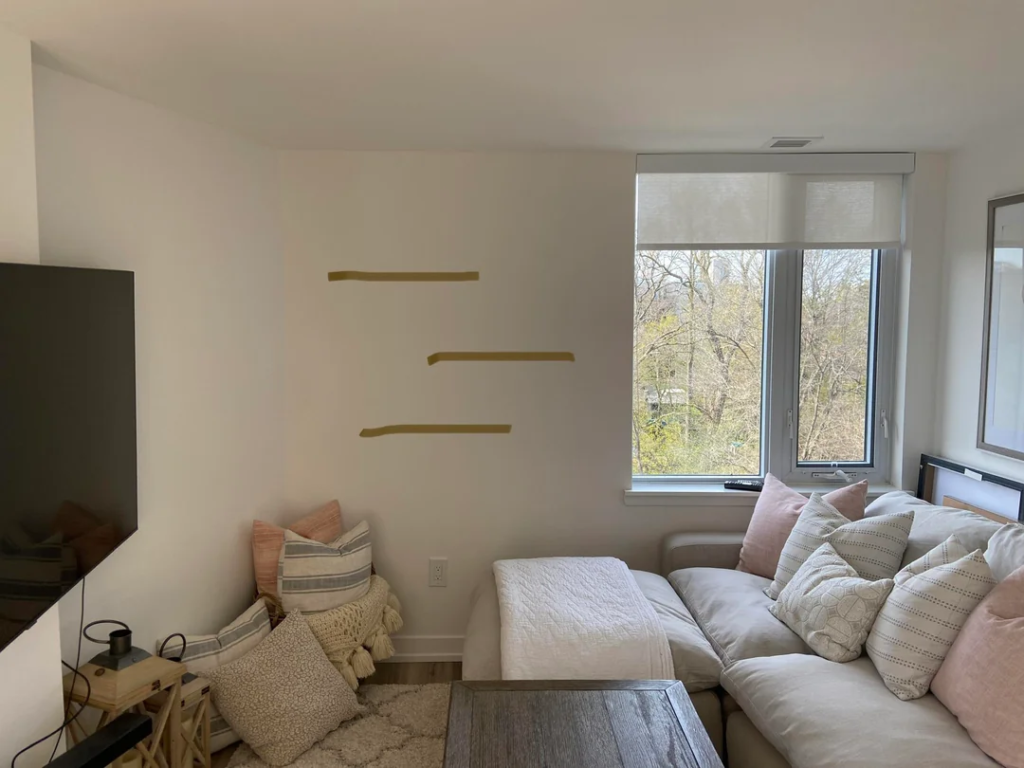
Three shelves mounted at different vertical intervals, the lowest at roughly hip height, the middle at chest height, the top at or slightly above eye level, create a layered plant display that uses the wall from floor to near ceiling, providing dramatically different perspectives on each shelf’s plants and creating a green wall effect without requiring an actual built structure.
How to Install It
Stagger the shelves slightly in horizontal position rather than aligning them perfectly centrally, the asymmetric arrangement looks more organic and more styled than perfect symmetry. Vary the shelf widths: a wider lower shelf, a medium middle shelf, a narrower top shelf creates a graduated quality that feels designed rather than arbitrarily stacked.
Insider Tip
Position trailing plants specifically on the upper and middle shelves where their stems have the longest fall. A pothos or string of hearts on the top shelf, trailing 18-24 inches down the wall, creates one of the most beautiful plant display effects available on any flat surface.
3. A Full Plant Gallery Wall
Why It Works
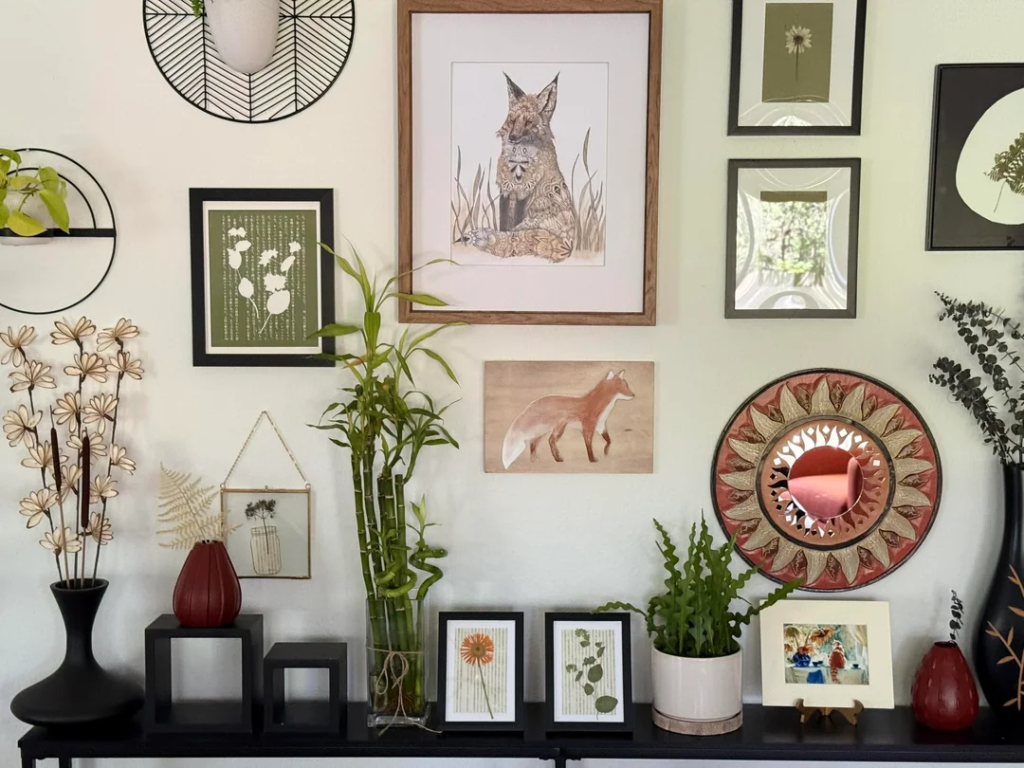
A gallery wall, typically reserved for art prints and photographs, becomes something genuinely extraordinary when built entirely from plants on small individual shelves. Each shelf holds one or two plants; the arrangement of shelves creates a composition across the wall that functions as living art.
How to Create It
Plan the arrangement on the floor before mounting, lay out small shelves in the composition you’re considering. Mix shelf sizes and depths. Aim for visual balance across the wall rather than symmetry, a larger shelf with a statement plant on one side balanced by two smaller shelves with compact plants on the other. The composition should feel organic, varied, and alive.
Common Mistake
Using uniform shelves in a uniform grid. A plant gallery wall works because of its variety and organic quality, when every shelf is identical and spaced in a perfect grid, the display looks like a product rack rather than a curated collection.
4. A Window-Flanking Shelf Pair
Why It Works
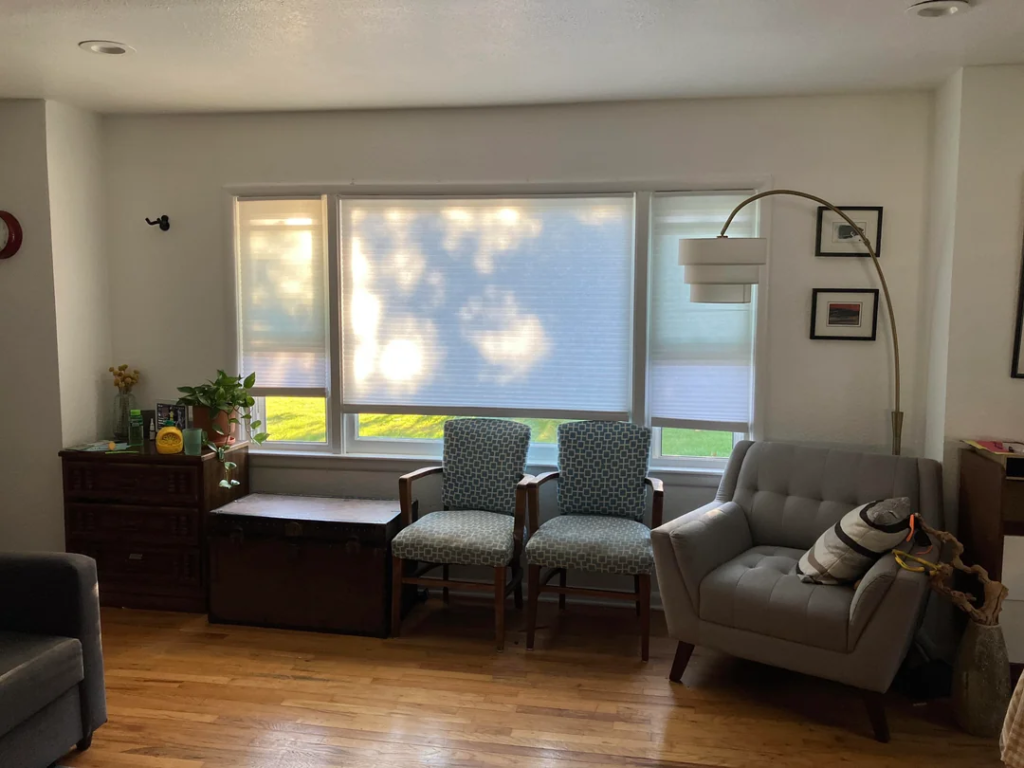
Two matching shelves mounted symmetrically on either side of a window create a botanical frame for the window, the natural light at the center, green on both sides. The plants benefit from the proximity to light; the window benefits from the living frame; the wall becomes a considered design feature rather than a functional opening.
How to Style It
Choose plants that thrive in the light level of the specific window, bright direct sun requires different species than soft indirect light. Matching plants in identical pots on both sides creates perfect symmetry. Slightly different species in matching pots creates a more relaxed, natural version of the same framing effect.
5. A Windowsill Plant Ledge
Why It Works
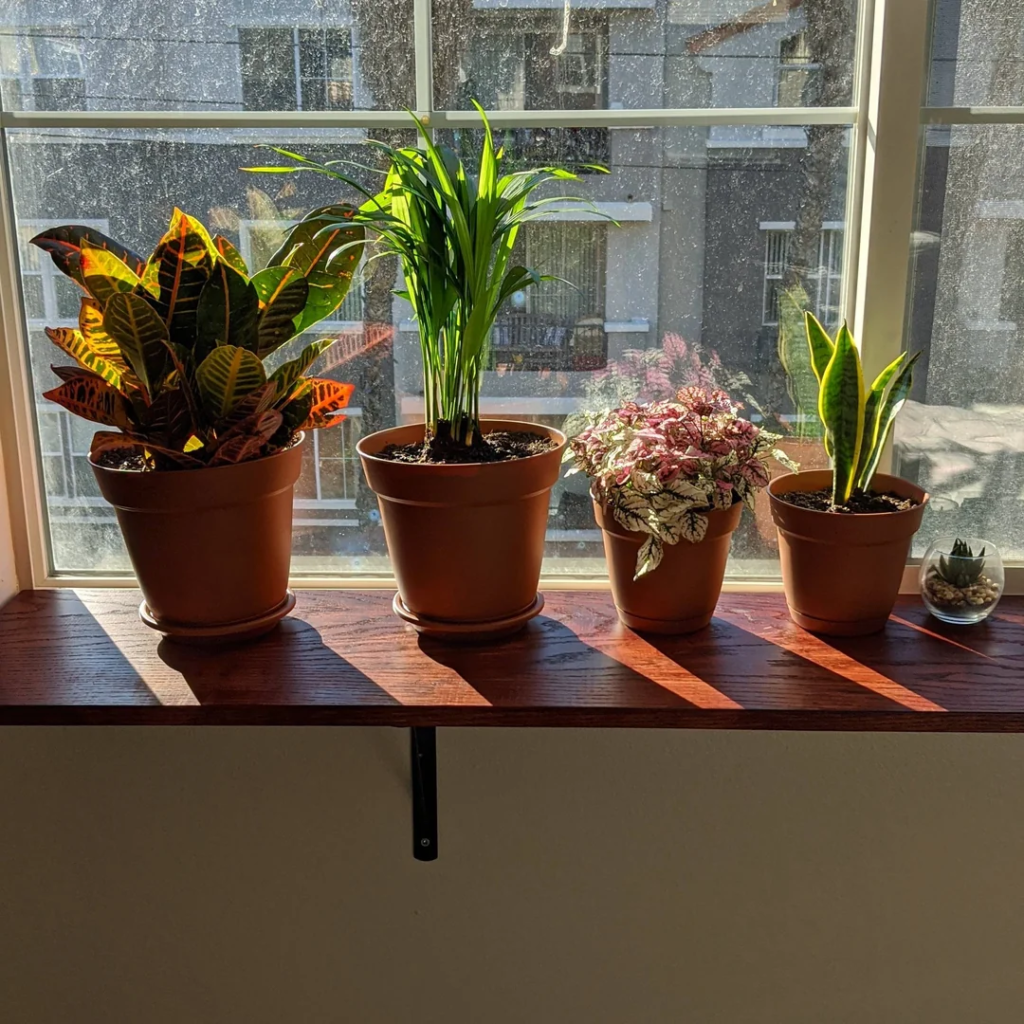
A shallow shelf mounted directly at window-sill level, or an extended windowsill created by mounting a shelf across the window’s width, turns what is often a narrow, impractical ledge into a proper plant display surface with the best possible light access in the room.
How to Create It
A shelf 8-10 inches deep mounted at sill height across the window width creates a generous display surface with maximum light exposure for every plant on it. Small, compact plants that don’t block the window, succulents, small cacti, air plants, small pothos, suit this position best. The display is visible both from inside the room and from outside, which adds a charming quality to the home’s exterior appearance.
These wall-mounted ideas create the most impactful plant displays in minimal floor space. The freestanding and furniture-based ideas ahead offer beautiful alternatives for those who can’t or prefer not to drill.
Freestanding Plant Shelf Ideas
These ideas require no wall installation, perfect for renters, for flexible styling, and for rooms where wall mounting isn’t practical.
6. A Tiered Ladder Shelf Devoted to Plants
Why It Works
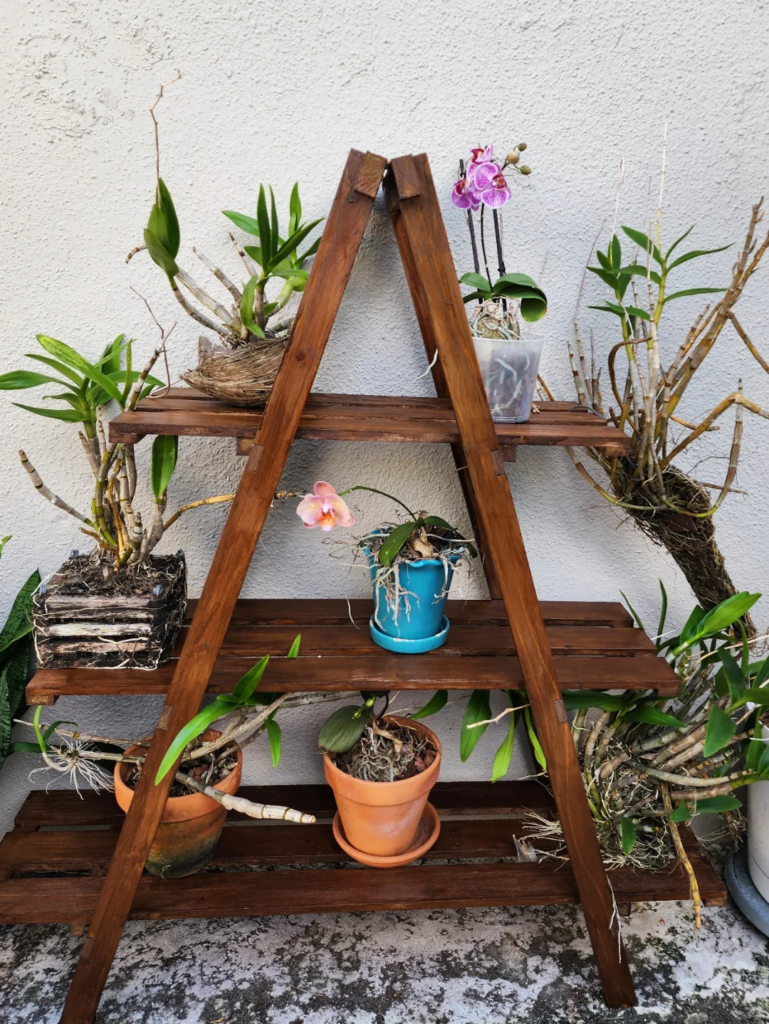
A ladder shelf, wider at the base and narrowing as it rises, is the most naturally proportioned freestanding plant shelf available. Its graduated width provides different size shelves for different size plants; its leaned quality gives it a casual, organic presence that suits plant displays perfectly; and it requires no installation whatsoever.
How to Style It
Position the largest, heaviest plants on the lower shelves (structural stability and visual weight balance), medium plants in the middle, and small compact plants on the upper narrower shelves. Trailing plants on any shelf add the cascading quality that makes ladder shelves particularly beautiful. The back of the shelf, visible between the rungs, should be a clean wall surface that contrasts with the plants.
Common Mistake
Using the ladder shelf for a mix of plants and general household items, books, candles, decorative objects, random belongings. A ladder shelf reserved for plants has a focused, intentional quality that a mixed-purpose shelf doesn’t. Keep it for plants and one or two carefully chosen complementary objects.
7. A Plant Stand With Multiple Tiers
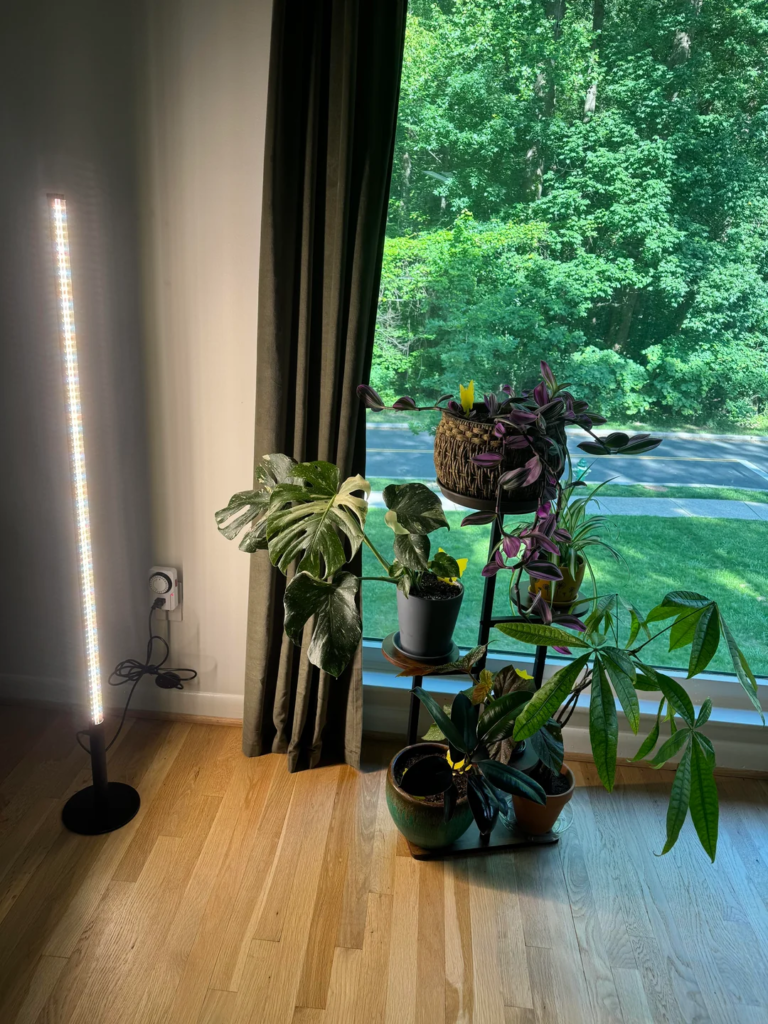
Why It Works
A multi-tier plant stand, a dedicated freestanding structure with three or four levels specifically designed for plant display, creates the most compact and most space-efficient multi-plant display available. It holds six to twelve plants in the footprint of a single chair.
How to Choose One
Look for stands with levels at genuinely varied heights rather than equal spacing, the visual interest comes from height variation. Metal stands in matte black or brass look styled and modern; wooden stands look warm and natural. Choose a stand with sufficient weight capacity for soil-filled pots, which are significantly heavier than the pots alone.
Insider Tip
A tiered plant stand positioned in a corner uses the corner’s natural enclosure to create a contained plant zone that feels like a considered decision rather than furniture placed without purpose. The corner backing gives the stand a sense of permanence even though it’s completely movable.
8. A Bookcase Repurposed as a Plant Shelf
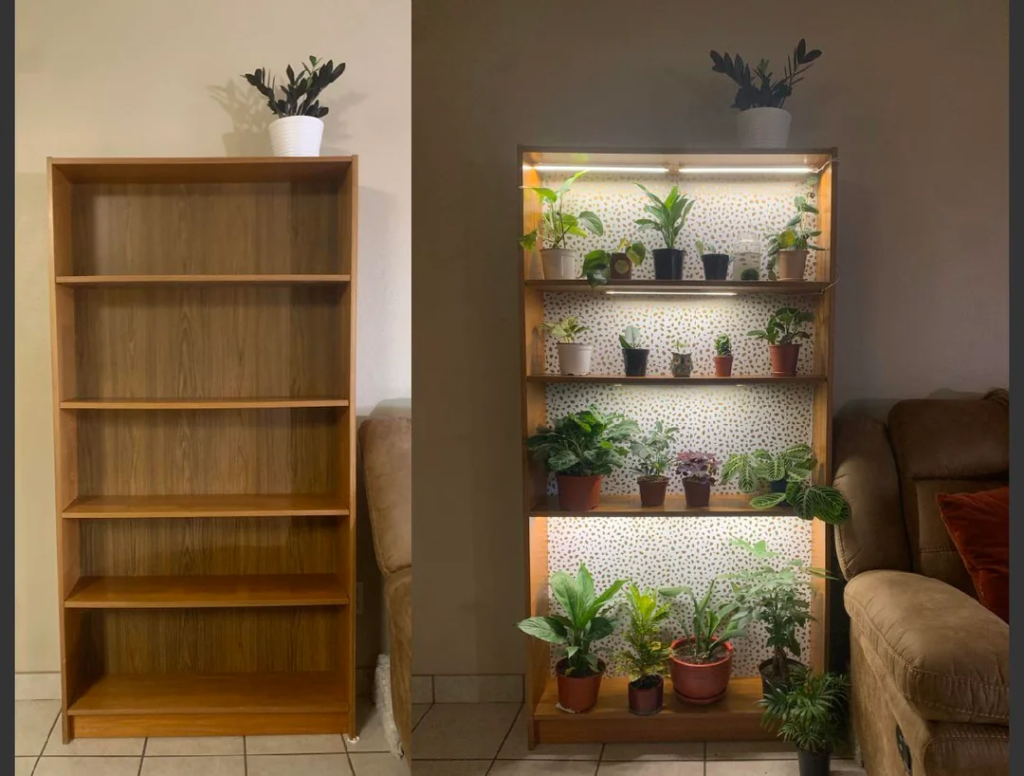
Why It Works
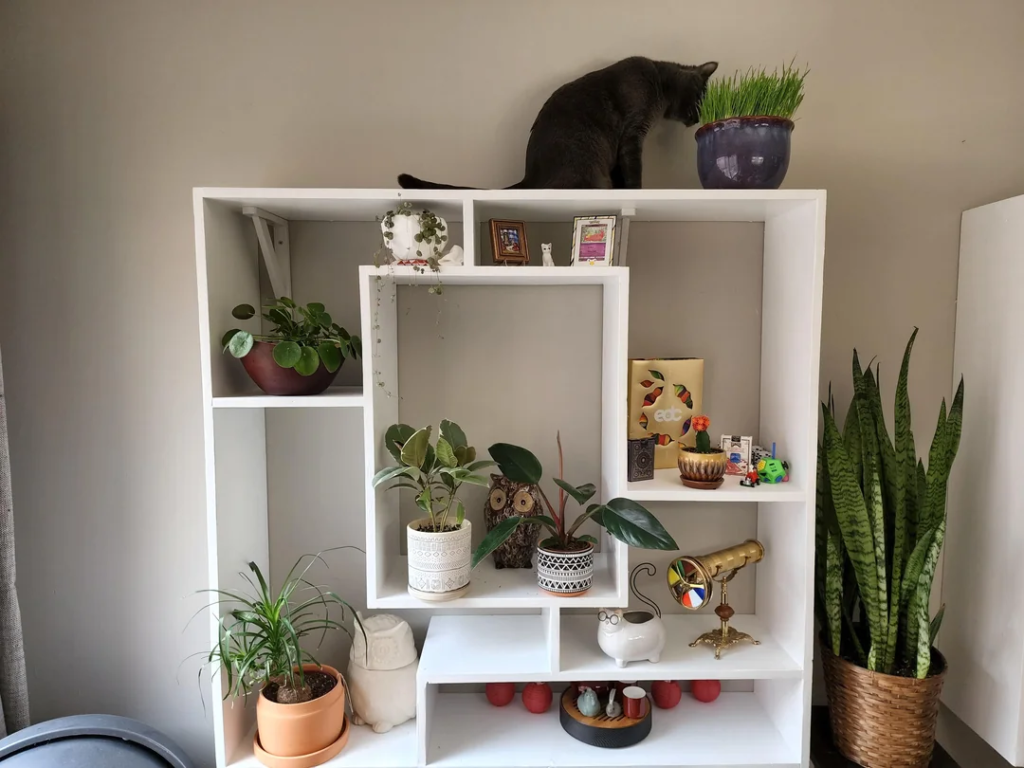
A standard bookcase with all or most of its shelves devoted to plants rather than books becomes one of the most beautiful and most dramatic plant displays possible. The multiple shelves at varied heights, the substantial depth for larger pots, and the enclosed sides create a contained plant environment that feels genuinely like a planted installation.
How to Create It
Choose a bookcase with adjustable shelves so shelf spacing can be tailored to the height of specific plants. Remove shelves as needed to accommodate taller plants. Line the back of the bookcase with a paint color or peel-and-stick wallpaper that contrasts with the greenery, white, deep navy, or warm terracotta all create striking backdrops.
Insider Tip
A bookcase repurposed for plants benefits from waterproofing consideration. Line each shelf with a shallow plastic tray or apply a waterproof sealant to the shelf surface, accidental overwatering on wood shelves can cause significant damage over time.
9. A Plant Trolley for Flexible Styling
Why It Works
A wheeled trolley or rolling cart, typically used for kitchen storage, becomes a completely flexible plant display unit when devoted to plants. It can be moved toward a window during winter for maximum light, moved outdoors onto a balcony in summer, or repositioned within the room as the styling needs change.
How to Style It
Two or three levels hold multiple plants in a compact footprint. The mobility is the key feature, choose plants that benefit from varying light exposure throughout the year and the trolley becomes a genuinely practical as well as beautiful display solution.
10. A Vintage or Antique Shelf With Character

Why It Works
An antique or vintage shelf, a piece with history, patina, and individual character, adds a layer of meaning and visual richness to a plant display that new shelving can’t replicate. The aged wood, the slightly imperfect proportions, and the visible history of the piece create a backdrop that makes plants look as if they’ve always lived there.
How to Find One
Thrift stores, estate sales, and online secondhand marketplaces consistently yield beautiful vintage shelving at low prices. Look for shelves with genuine character, worn edges, visible wood grain, aged hardware, rather than distressed finishes applied to new wood. The real thing looks immediately different from the imitation.
This is a perfect moment to save the ideas that feel most like your style, the room-specific and creative display ideas ahead take plant shelving into every corner of the home.
Room-Specific Plant Shelf Ideas
11. A Kitchen Window Herb Shelf
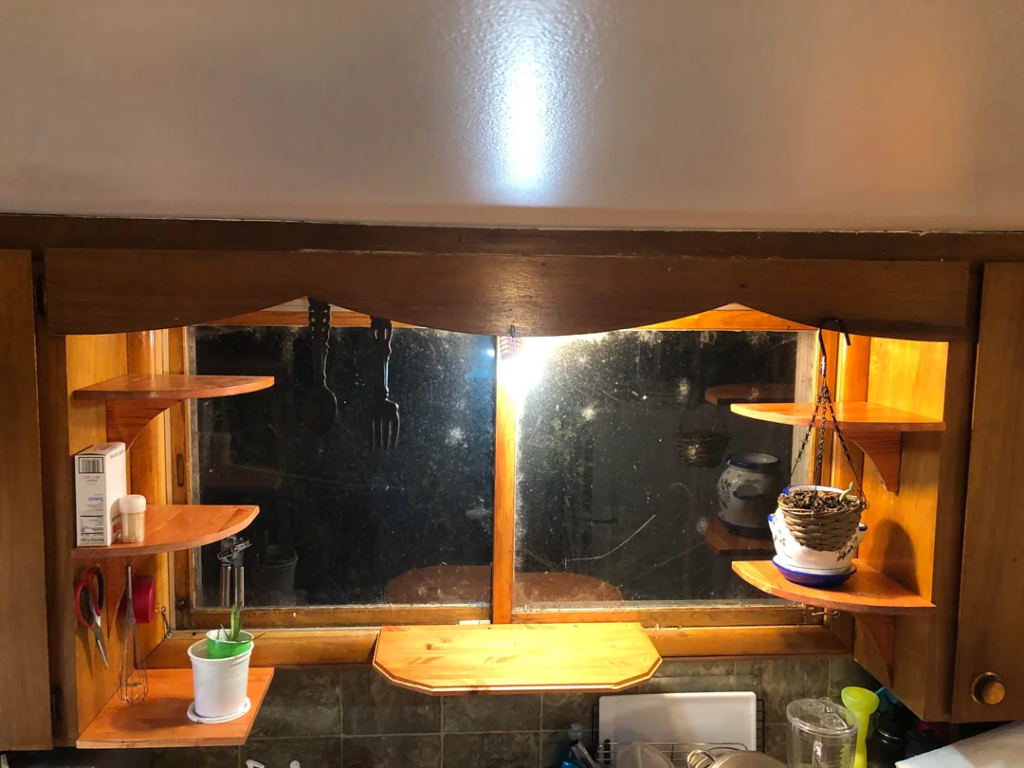
Why It Works
A narrow shelf mounted directly above the kitchen sink, where it catches the window light and stays within reach during cooking, creates a herb display that’s both beautifully styled and genuinely useful. Fresh herbs at arm’s reach while cooking is one of the small practical luxuries that makes daily home life genuinely more enjoyable.
How to Create It
A shelf 6-8 inches deep and 24-36 inches wide above the kitchen sink holds four to six herb plants in matching terracotta or ceramic pots. Basil, rosemary, thyme, mint, and chives all suit this position. Label each pot with a small stake or ceramic marker for a charming, organized quality.
Common Mistake
Letting the herb shelf become disorganized with dead plants, soil spills, and accumulating objects. The kitchen herb shelf is in one of the most visible positions in the home, it should be actively maintained, with dead or struggling plants replaced promptly and the shelf surface kept clean.
12. A Bathroom Plant Shelf for Spa Quality
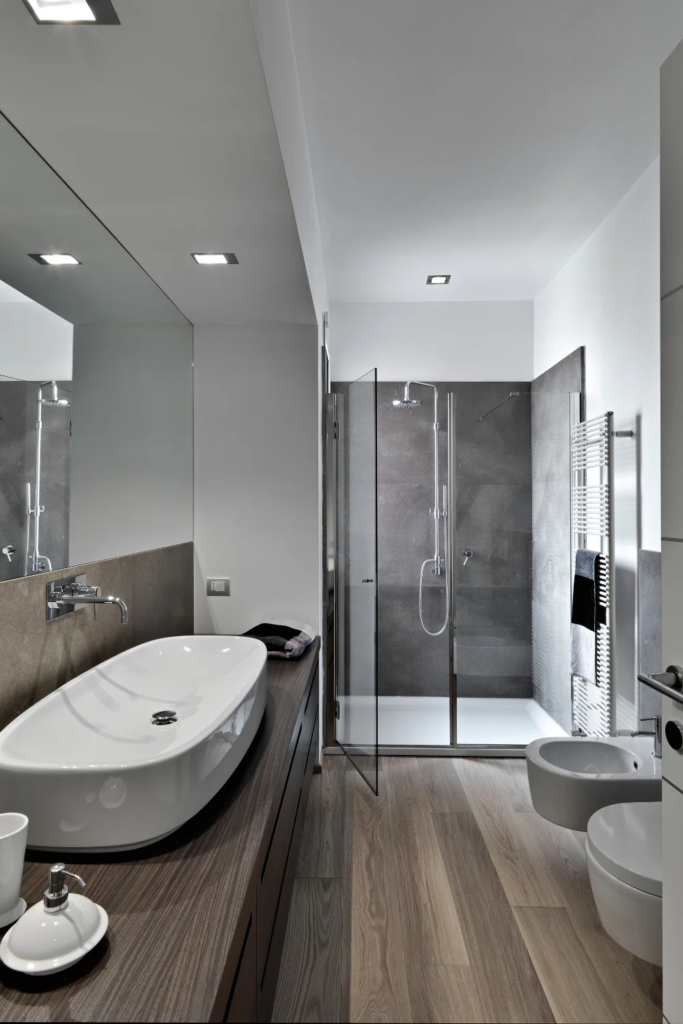
Why It Works
A small shelf in the bathroom, beside the mirror, above the bath, or on the wall opposite the window, creates the spa quality that makes bathrooms feel genuinely luxurious. Plants in a bathroom aren’t just decorative; they respond to the humidity and warmth of shower steam in ways that make them particularly healthy and verdant.
Which Plants to Display
Ferns for a lush, forest-like quality. Air plants for a sculptural, minimal look. Small orchids for elegance. Trailing pothos for a cascade of green. The bathroom plant shelf should feel intentional and curated, three to four beautiful plants rather than an overflow of everything that needed rehoming.
13. A Bedroom Plant Shelf for Calm
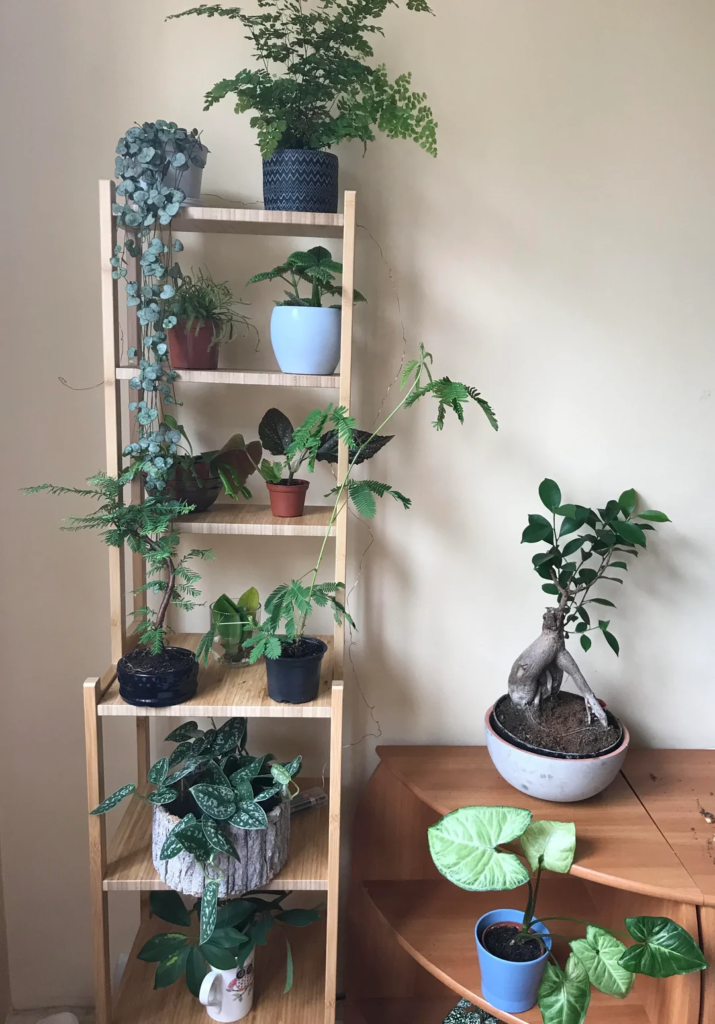
Why It Works
A shelf of plants in the bedroom, positioned where it’s visible from the bed, creates a calming visual focus that contributes to the sense of rest and nature that makes bedrooms most restorative. Waking up to green, growing things rather than a bare wall has a gentle but real effect on morning mood.
How to Style It
One shelf with three to five calm, rounded-form plants, no spiky or very structural species that bring an energetic quality. A peace lily, a small pothos, a small fern, a prayer plant that folds its leaves at night and opens them in the morning. The bedroom plant shelf should feel soft, living, and genuinely peaceful.
14. A Living Room Statement Shelf
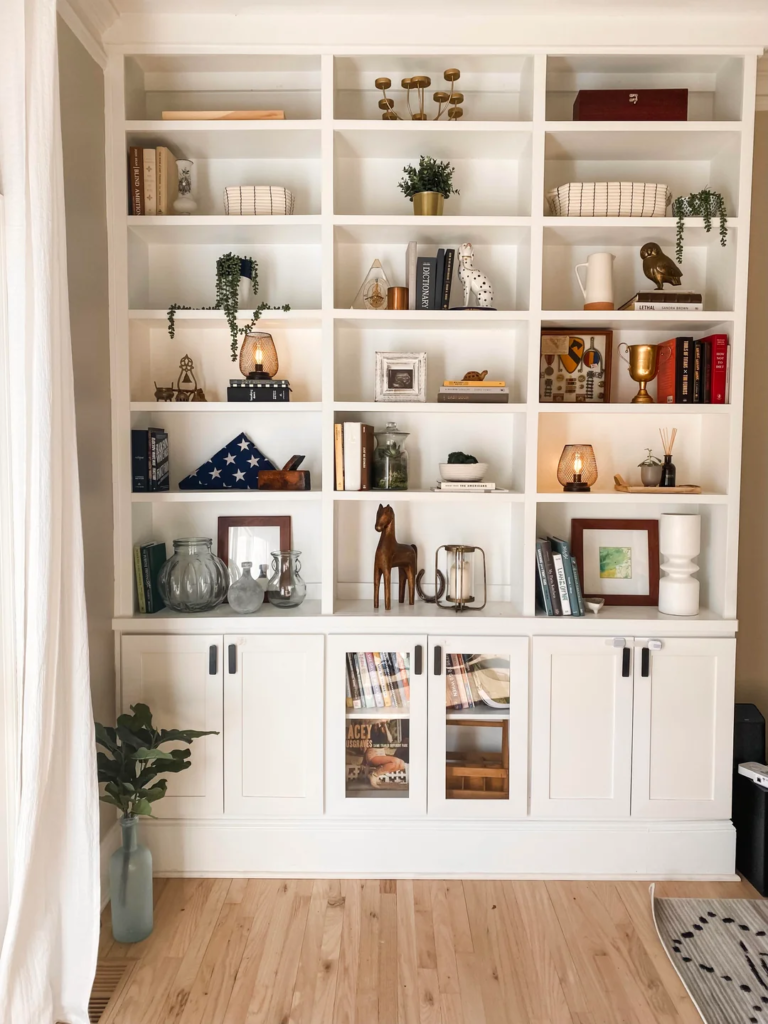
Why It Works
The living room plant shelf is the most viewed and most styled plant display in the home, it’s the one that should receive the most attention and the most beautiful plants. Positioned at eye height on the most prominent wall, it becomes an art installation rather than merely storage for plants.
How to Create It
One or two wide floating shelves at eye height, with a deliberately edited, beautifully composed plant display. The most sculptural plants, the best pots, the most trailing and dramatic specimens. This shelf is the visual anchor of the room, treat it as intentionally as you would a painting or a piece of furniture you care about deeply.
The Styling Details That Make Plant Shelves Extraordinary
15. Coordinated Pot Collections on Each Shelf
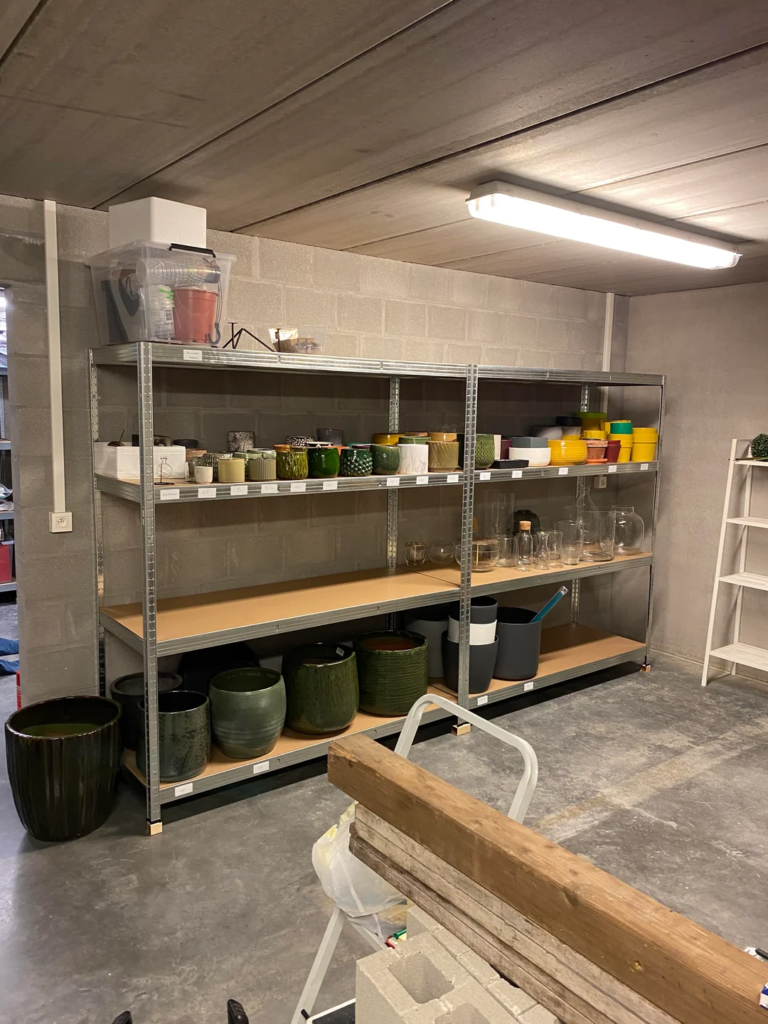
Why It Works
A shelf where every pot matches, same material, same finish, slightly varied sizes, has a completely different visual quality than a shelf where pots are random and mismatched. The coordinated collection looks curated, intentional, and designed rather than assembled by accident.
How to Apply It
Choose one pot style per shelf or per room. Matte white ceramic for a clean, Scandinavian look. Terracotta for a warm, Mediterranean quality. Matte black for a modern, dramatic aesthetic. Natural rattan baskets for bohemian warmth. Buy in sets of three or five and the display benefits immediately from visual unity.
16. Mixing Trailing and Upright Plants on Every Shelf
Why It Works
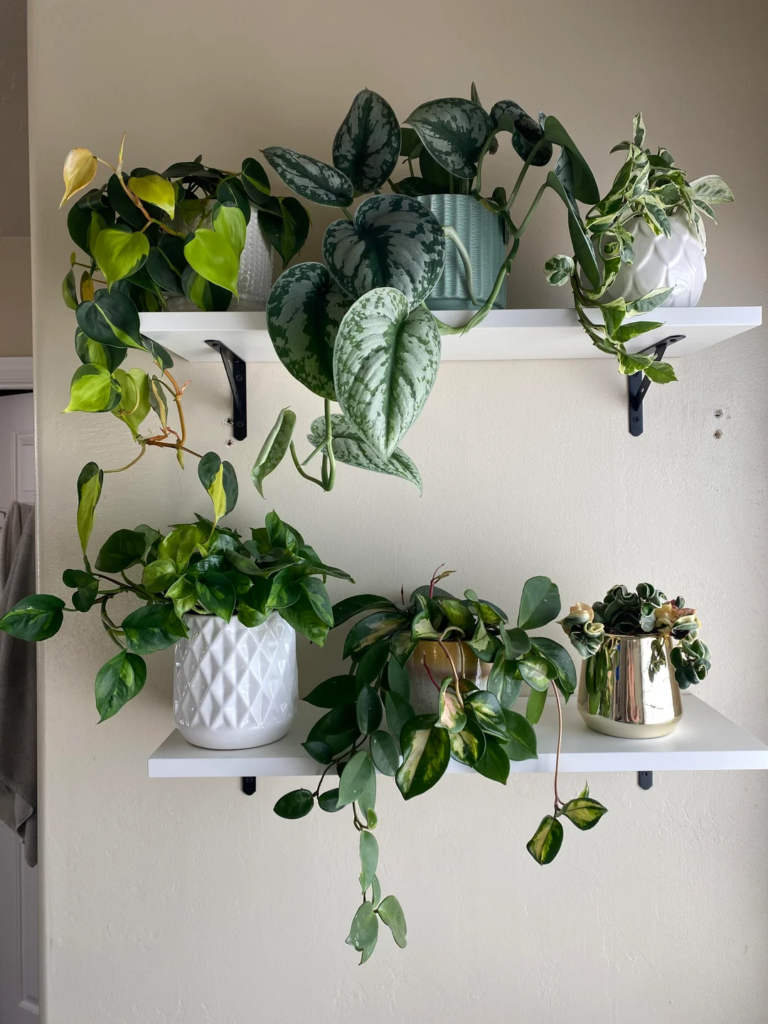
A shelf with only upright plants looks static. A shelf with only trailing plants looks heavy at the edges with nothing to hold the eye in the center. The combination, upright plants providing structure and height, trailing plants providing movement and organic overflow, creates the dynamic, alive quality that makes a plant shelf genuinely beautiful.
How to Apply It
For every shelf, identify which position calls for an upright plant (typically the back or center) and which calls for a trailing one (typically toward the edge). Place accordingly. The interplay between the two growth forms creates the sense of movement and vitality that defines the best plant displays.
17. Varying Leaf Texture Across the Display

Why It Works
A plant shelf with only one type of leaf texture, all smooth, all large, all delicate, looks monotonous regardless of how many plants are displayed. Varying leaf texture, large and glossy beside fine and feathery beside small and round, creates visual interest that keeps the eye moving across the display.
How to Apply It
Include at least three different leaf types across any display: one large-leaved plant (monstera, fiddle leaf, large pothos), one fine-textured plant (fern, baby’s breath, maidenhair), and one compact-leaved plant (jade, peperomia, small succulent). The textural conversation between the three creates a display that rewards looking closely.
18. Backing a Shelf With a Dark Wall Color
Why It Works
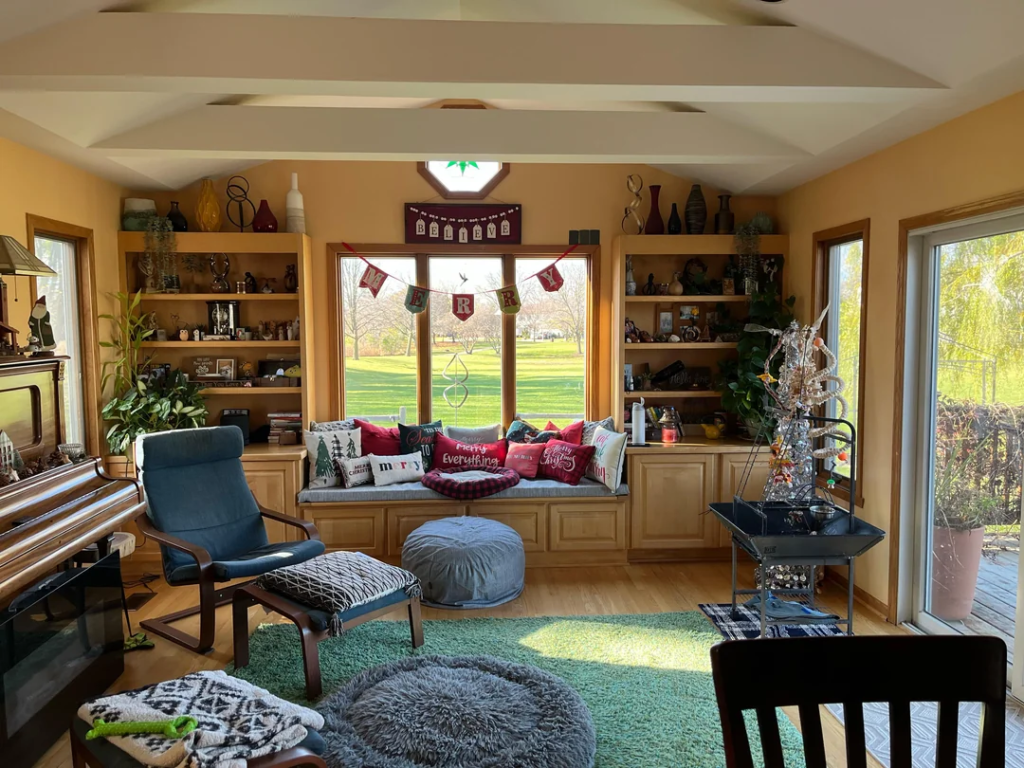
A plant shelf mounted against a deep, dark wall, navy, forest green, charcoal, terracotta, creates an extraordinarily striking display because the contrast between the dark background and the green plants makes the greenery appear vivid and luminous. The same plants against a white wall look beautiful; against a dark wall they look extraordinary.
How to Apply It
If repainting isn’t an option, peel-and-stick wallpaper in a rich, deep tone applied to the wall section behind the shelf achieves the same contrast effect. The dark backdrop is a designer’s trick for making plant displays look immediately more considered and more dramatic.
19. Adding Non-Plant Objects Sparingly
Why It Works
A plant shelf that includes one or two beautiful non-plant objects, a ceramic figure, a small candle, a crystal or stone, a small piece of art, has a more collected, personally meaningful quality than a shelf containing only plants. The objects tell a story about the person alongside the plants.
How to Apply It
One non-plant object per shelf, maximum, and only objects that genuinely belong aesthetically to the plants and pots around them. A small cream ceramic beside cream pots. A stone beside terracotta. A wooden object beside natural basket planters. The object should feel like it grew there rather than being placed among the plants.
20. Seasonal Updates to Keep the Display Fresh

Why It Works
A plant shelf that never changes gradually becomes invisible, the eye stops seeing it because it’s always exactly the same. Seasonal updates, adding spring flowers in a bud vase, incorporating autumn dried botanicals, rotating the featured plants, changing pot styles, keep the display something the eye engages with continually.
How to Do It
A light seasonal refresh takes thirty minutes: move one or two plants to different positions, add a seasonal botanical element, change one pot if the budget allows. The small change makes the whole display feel new and reinforces the sense that the shelf is cared for and considered rather than set and forgotten.
21. Propagation Cuttings as Part of the Display
Why It Works
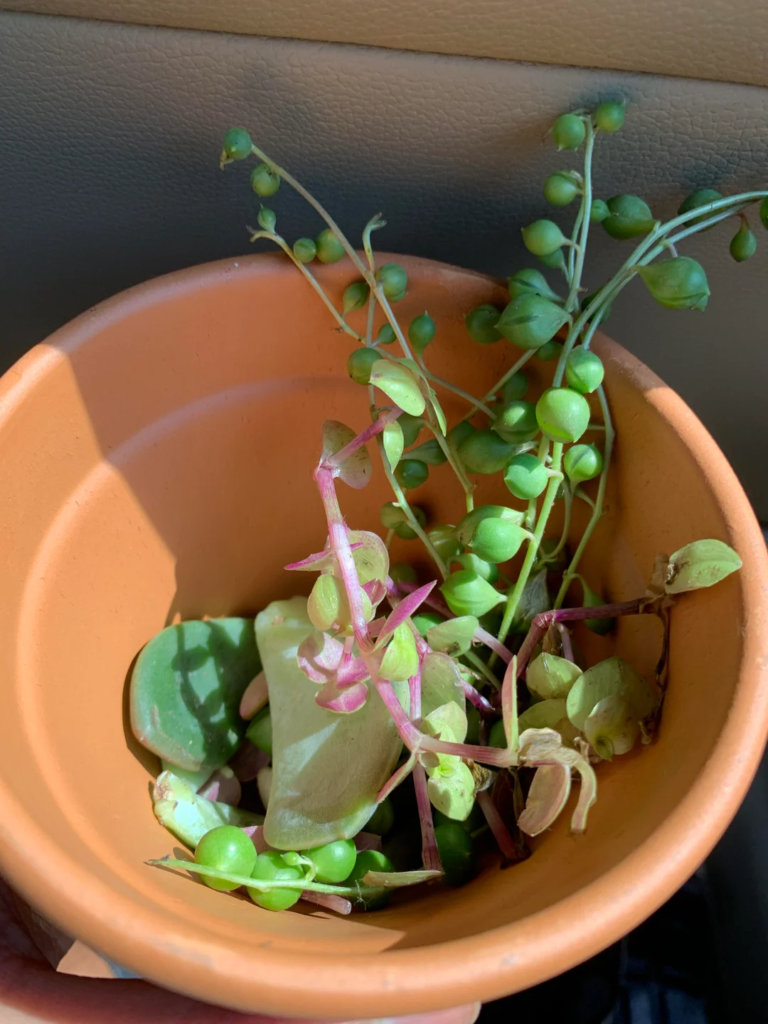
Small glass vessels holding plant cuttings rooting in water, positioned among the potted plants on the shelf, add a botanical, laboratory quality that’s genuinely charming and visually distinctive. The visible roots growing through the glass are beautiful in their own right, and the cuttings represent the growing, regenerative quality of a plant collection.
How to Style Them
Group three small glass vessels of different heights, a small bottle, a bud vase, a short glass, on one section of the shelf. Each holds a different cutting: a pothos node, a tradescantia tip, a sprig of fresh herb. The grouping looks curated and adds the light, transparent quality that glass brings to an otherwise matte, textural plant display.
22. A Plant Shelf Maintenance Ritual
Why It Works
The most beautiful plant shelf you can build is one where every plant is genuinely thriving, and thriving plants require consistent care. A weekly shelf check, watering what needs watering, removing dead leaves, wiping dusty foliage, rotating pots for even light exposure, keeps the display always at its best.
How to Create the Ritual
Tie the plant shelf tending to a regular weekly moment, Sunday morning, Saturday afternoon, whenever your weekly rhythm has a natural pause. Fifteen minutes per week is sufficient for most shelf displays when done consistently rather than in occasional bursts. Keep a small watering can and a soft cloth specifically for the shelf so the ritual requires minimal preparation.
Insider Tip
A small notebook or notes app entry per plant, watering frequency, light needs, last watering date, removes the mental effort of remembering each plant’s requirements. As the collection grows, the record becomes genuinely useful and the plants stay healthier as a result.
The Display Your Plants Have Always Deserved
Here’s what every idea in this guide comes down to: your plants deserve to be seen beautifully. Not forgotten on a windowsill. Not crammed into corners without intention. But displayed, with thought, with height variation, with the right light and the right pots and the right companions, in a way that makes them look as alive and as beautiful as they actually are.
A plant shelf does what nothing else in home decor quite manages: it makes something living the feature. Not a reproduction of nature but actual, growing, breathing nature, given a stage and a spotlight and the chance to genuinely transform your home.
Start with one shelf. Put three plants on it with care. Give them a beautiful pot and a clean wall behind them and enough space between each one to breathe.
Then stand back, and let your plants do what they’ve always been capable of.
Because the most beautiful home feature you can create is something genuinely, quietly, perfectly alive.