You live in a small space. Maybe a studio apartment, a compact flat, a one-bedroom that has to do a lot of jobs at once. And somewhere between the furniture that already fills every corner and the landlord’s rules about what you can and can’t do to the walls, you’ve been wondering whether a genuinely green, plant-filled home is even possible for someone like you.
It absolutely is. And it might actually be easier than you think.
Small spaces and plants have a relationship that works in ways that surprise most people. The right plant in a tight corner makes the corner feel intentional rather than awkward. A trailing plant on a high shelf draws the eye upward and makes low ceilings feel taller. A cluster of greenery on a compact side table makes an entire room feel more alive. Small space plant decor isn’t about having fewer plants, it’s about placing them more intelligently. Interior designers and plant stylists consistently note that plants have one of the highest aesthetic returns of any decor element in small homes, precisely because greenery makes compact spaces feel more generous rather than more crowded.
These 28 ideas are built specifically for small spaces, scaled, smart, and beautiful. Let’s bring your home to life.
Why Plants Work Especially Well in Small Spaces
The Space-Expanding Effect of Greenery
There’s a counterintuitive truth about plants in small spaces: they make rooms feel larger, not smaller. When a corner is empty, the eye registers it as wasted space. When a plant fills that corner, a beautiful, well-chosen plant in the right pot, the eye registers it as living, purposeful, designed. The room feels complete rather than compressed.
Plants also draw the eye vertically. A trailing plant falling from a high shelf, a climbing plant on a moss pole, a hanging plant above a window, each of these directs attention upward, which is the single most effective visual trick for making low or standard ceilings feel more generous than they are.
Also Read: https://myhavenvibes.com/plant-shelf-ideas/
The Three Small Space Plant Rules
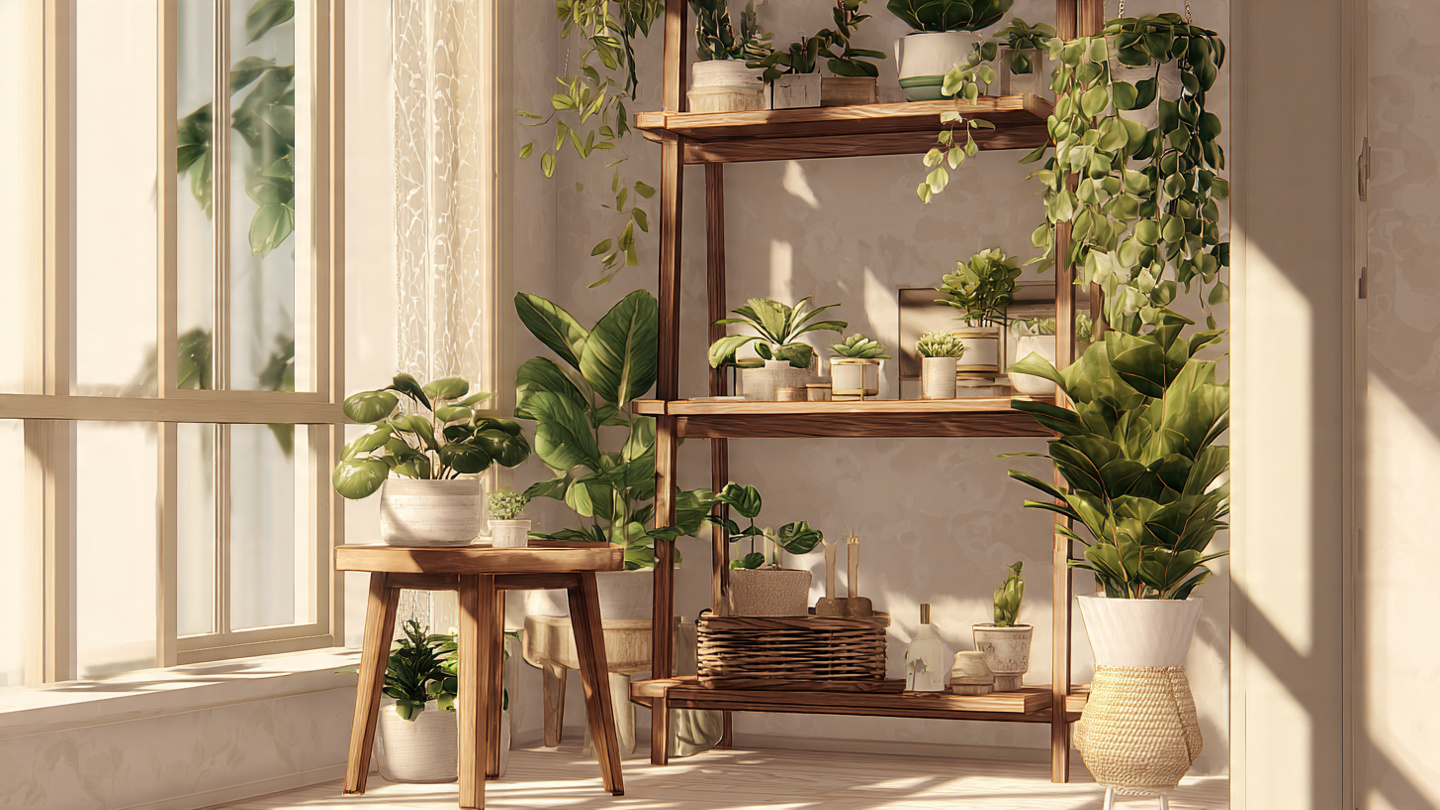
Three principles apply consistently in small space plant decor. First, vertical is everything, wall space, shelves, ceiling hooks, and high surfaces are your primary real estate. Second, grouping is more powerful than scattering, a thoughtful cluster of three plants reads as a designed feature, while three individual plants randomly placed read as clutter. Third, the pot is as important as the plant, in a small space where everything is always visible, an ugly pot undermines a beautiful plant entirely.
Vertical and Wall Plant Decor Ideas
In a small space, the walls and vertical surfaces hold more potential than the floor. These ideas use them brilliantly.
1. A Wall-Mounted Plant Shelf at Eye Level
Why It Works
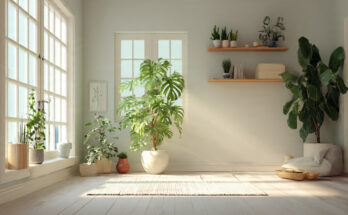
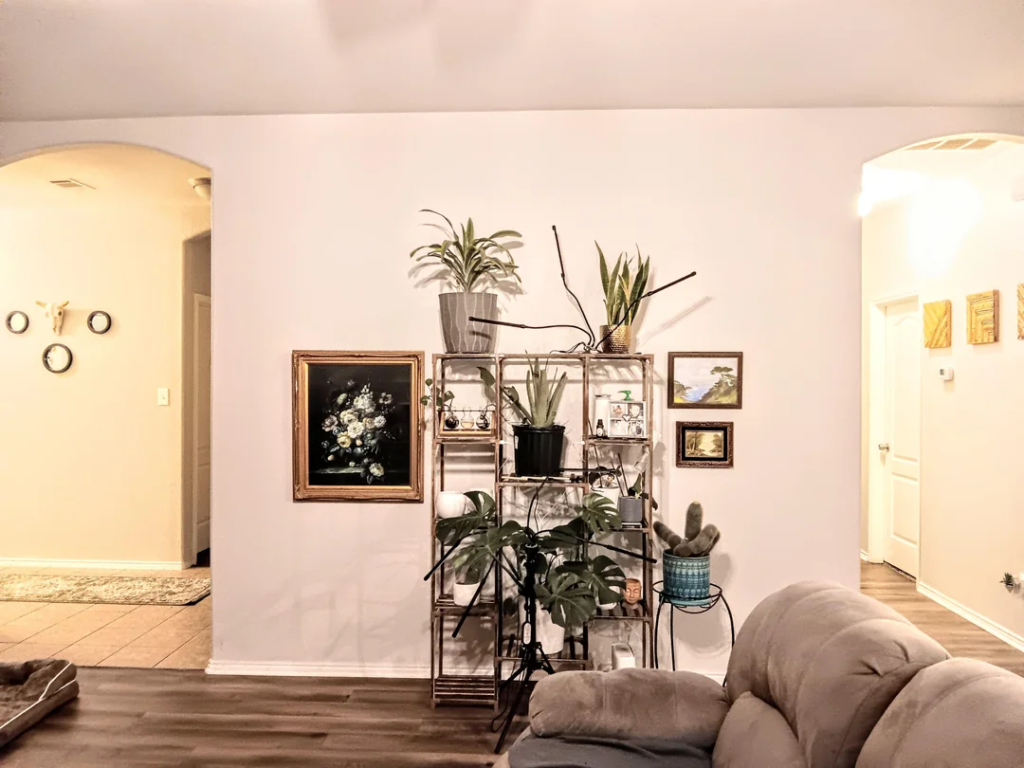
A floating shelf mounted at eye level, dedicated entirely to plants, turns a blank wall into a living feature without using any floor space at all. In a small apartment, this trade is exactly right: zero floor footprint, maximum visual impact, and the organic warmth that only a green, growing display can provide.
How to Style It
Three to five plants in coordinated pots, with varied heights achieved through a mix of upright and trailing species. One trailing plant positioned at the front edge whose stems fall freely below the shelf level. One compact upright plant in the center. One small sculptural plant at one end. Leave visible shelf surface between plants, breathing room is essential for the display to feel curated rather than crammed.
Common Mistake
Mounting the shelf too high to reach for watering. A shelf that requires a step stool for daily care is a shelf whose plants gradually get neglected. Mount at a height where watering and maintenance can be done comfortably without climbing.
Read More: https://myhavenvibes.com/indoor-plants-decor-ideas/
2. Adhesive Wall Hooks for Hanging Plants
Why It Works
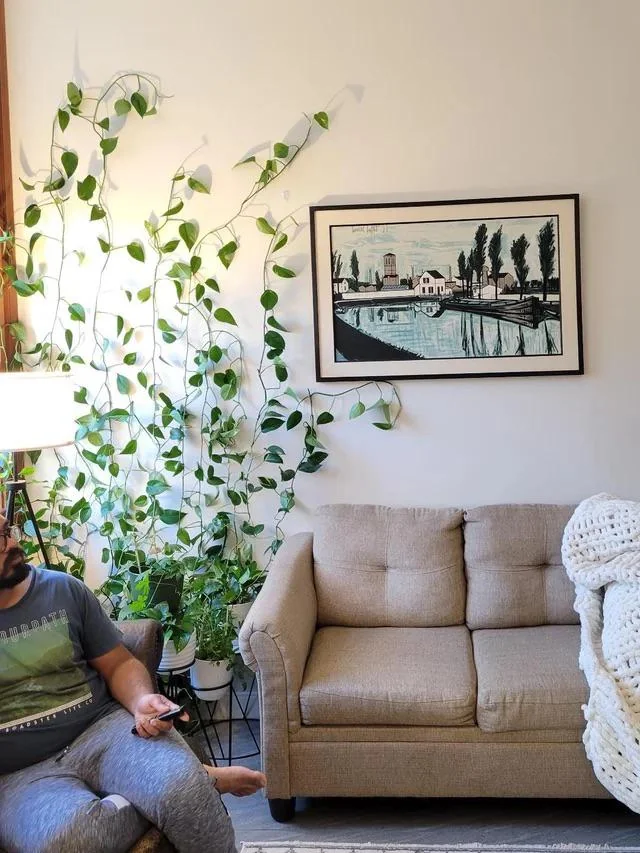
Heavy-duty adhesive hooks, those rated for 10-15 pounds, allow ceiling and wall hanging plants in rental apartments without drilling. A macramé hanger with a trailing pothos or string of pearls suspended from a wall hook uses zero floor and zero shelf space while adding the cascading, organic greenery that makes small spaces feel genuinely alive.
How to Use Them
Follow manufacturer instructions for surface preparation meticulously, adhesive hook strength depends entirely on a clean, smooth, dry surface. Allow the recommended setting time (usually 24-72 hours) before loading with a plant. Test with a lighter item first. Choose drought-tolerant trailing plants for hanging positions, less frequent watering means less risk of dripping.
Insider Tip
Position hanging plants near windows where the trailing stems catch light and cast moving shadows on the wall behind them. The shadow play adds an unexpected animated quality to the display that changes throughout the day as the light shifts.
3. A Tension Rod Window Plant Display
Why It Works
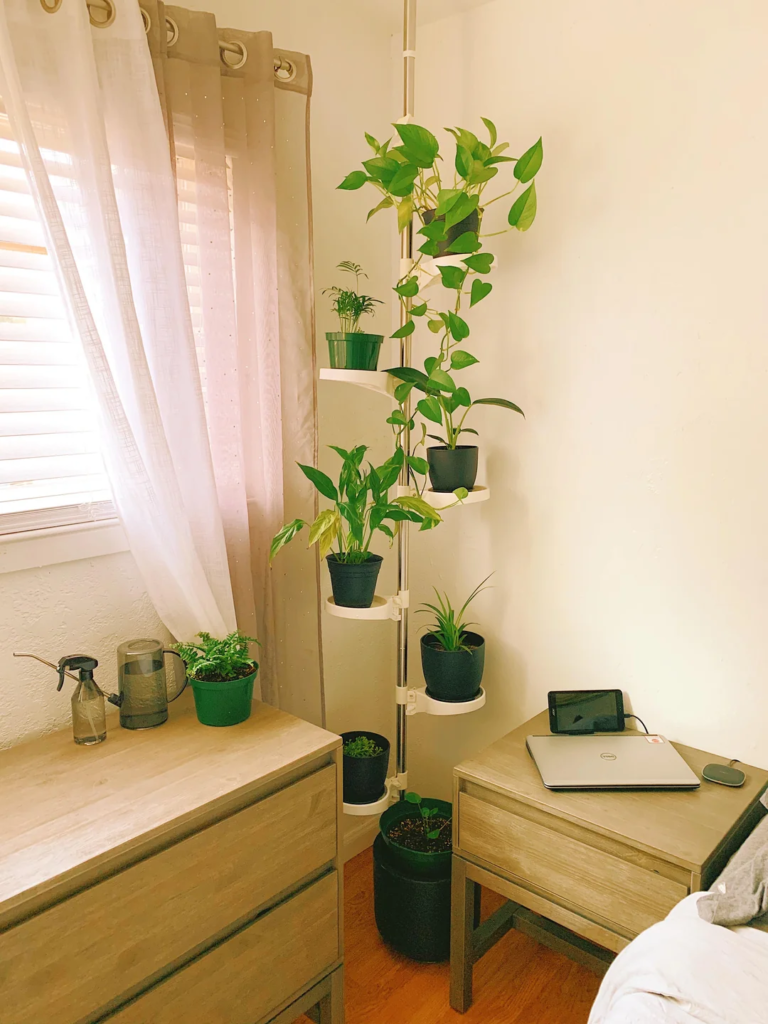
A tension rod installed across a window frame, the same type used for shower curtains, requiring no drilling, holds S-hooks from which small hanging planters are suspended. The result is a window plant display that catches maximum light, uses no floor or shelf space, and creates a botanical curtain effect that looks genuinely designed.
How to Create It
Choose a tension rod rated for the weight of all combined planters. Hang S-hooks at varied intervals across the rod. Use small lightweight planters, air plant holders, small macramé hangers, glass terrarium globes, to keep the total weight manageable. The varied heights of different hangers create a more organic, layered effect than even spacing.
4. A Pegboard Plant Wall
Why It Works
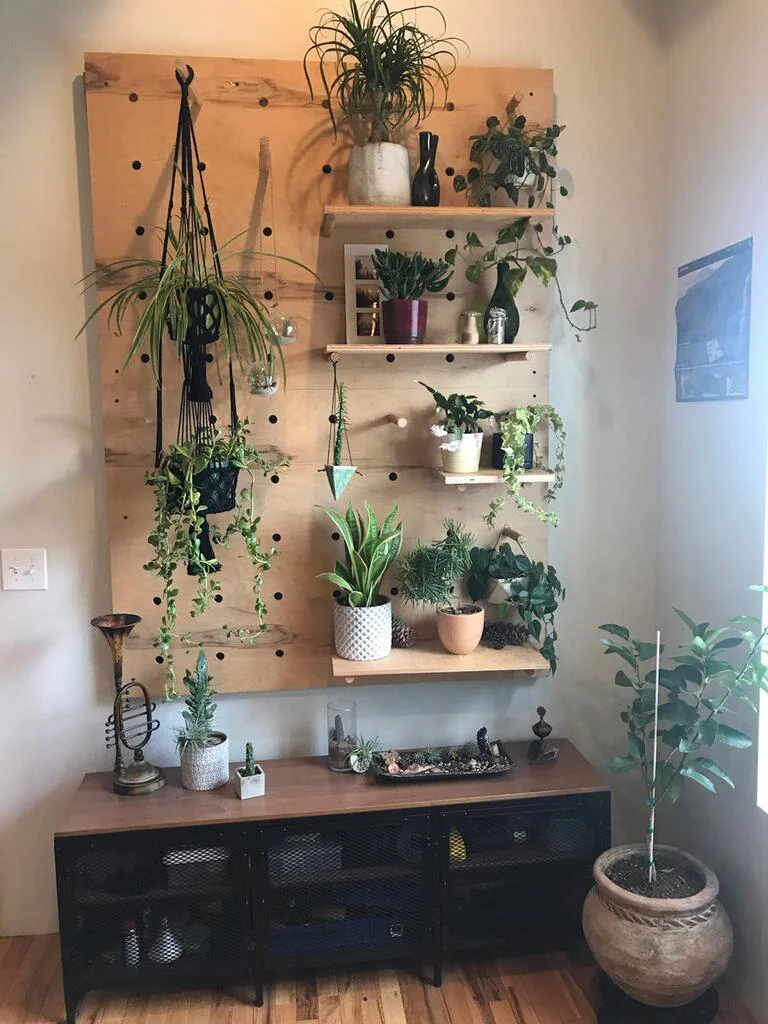
A pegboard panel mounted on the wall, with pegs holding small planters, hooks holding hanging plants, and shelves holding compact pots, creates a completely customizable, endlessly rearrangeable plant display on a single wall surface. It’s the most flexible vertical plant solution available for small spaces.
How to Install It
Pegboard mounts slightly off the wall (using spacers) to allow peg hooks to insert from behind. Standard small screws hold it in place. Paint the board in a color that suits the room’s palette, sage green, warm white, deep navy, before adding plants. The board becomes a visual feature in its own right, with the plants as its constantly evolving display.
Common Mistake
Choosing a board too small for the wall. A pegboard that looks proportionally small against the wall misses the scale impact that makes this idea so effective. The board should fill a meaningful section of the wall, at least 24 x 36 inches for a single-wall small space display.
5. Stacked Floating Shelves Going Vertical
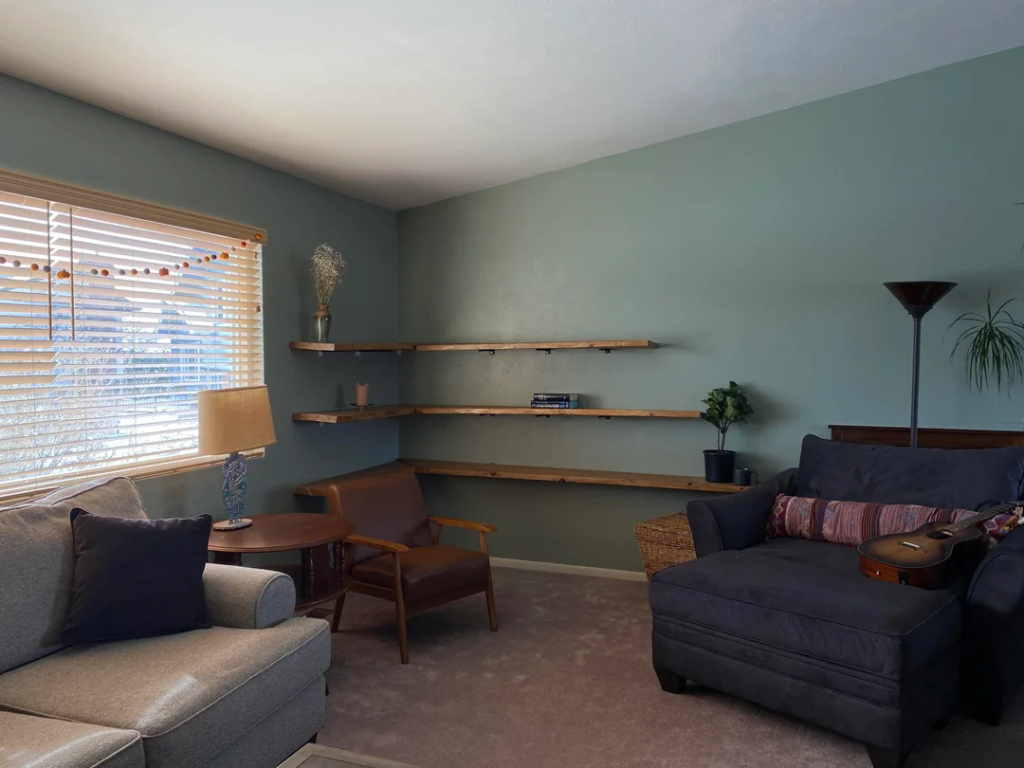
Why It Works
Three or four floating shelves mounted one above the other in a vertical column, using the height of the wall rather than its width, creates a plant tower that uses minimal horizontal space while maximizing the number of plants on display. In narrow spaces where width is the constraint, going vertical is the only logical direction.
How to Style Them
Vary the inter-shelf spacing to accommodate different plant heights, taller spacing at the bottom for larger plants, tighter spacing toward the top for smaller ones. Trailing plants cascade downward across multiple shelf levels, connecting the levels visually and creating movement in the display.
6. A Corner Shelf Installation
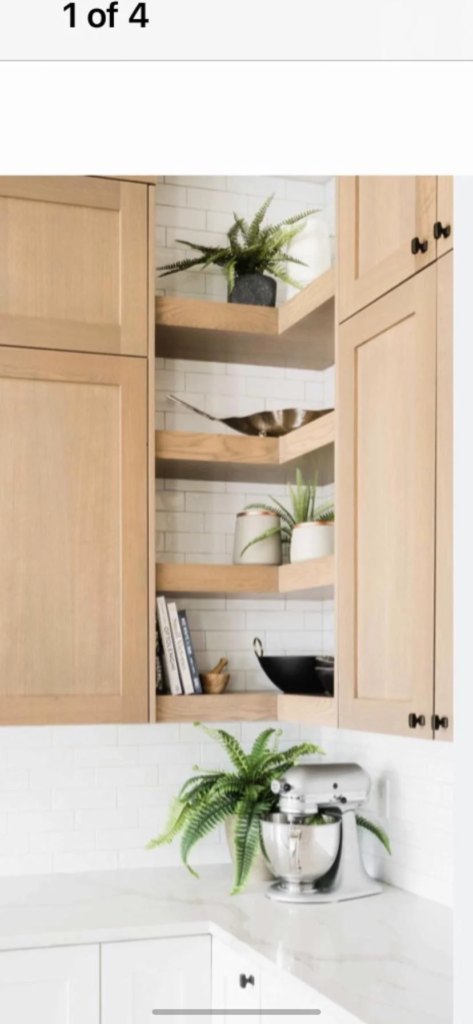
Why It Works
Corners are the most underused spaces in any small home, the angles make them awkward for most furniture but ideal for corner-specific shelving. Corner floating shelves use the one space that no other furniture can claim and turn it into a dedicated plant zone with a sense of built-in permanence.
How to Create It
Corner shelves are available as dedicated units with a triangular footprint that fits exactly into a 90-degree wall angle. Mount two or three at varied heights for a corner plant tower that becomes the botanical focal point of the room.
These vertical ideas free the floor entirely while maximizing greenery. The furniture and surface ideas ahead show how every horizontal surface in a small home can contribute to the plant display.
Furniture and Surface Plant Decor Ideas
7. A Side Table Cluster With One Statement Plant
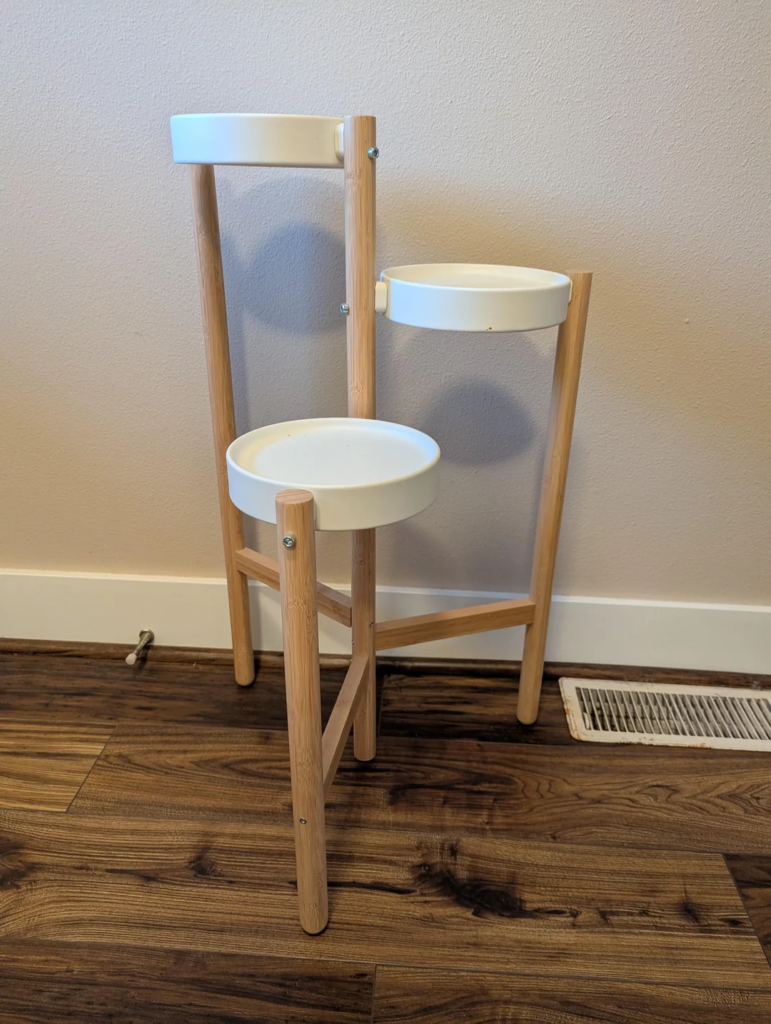
Why It Works
A small side table with a single beautiful plant, well-sized for the table, in a beautiful pot, healthy and well-maintained, is one of the most elegant small space plant decor ideas available. The simplicity is the power. One plant, given space, in a setting that makes it the feature rather than an afterthought.
How to Choose the Plant
The plant should be sized so its pot occupies roughly one-third to one-half of the table surface, large enough to look intentional, small enough to leave room for a lamp or a mug. A compact monstera, a small snake plant, a peace lily, or a beautiful succulent arrangement all suit this application.
8. A Windowsill Lined With Small Plants
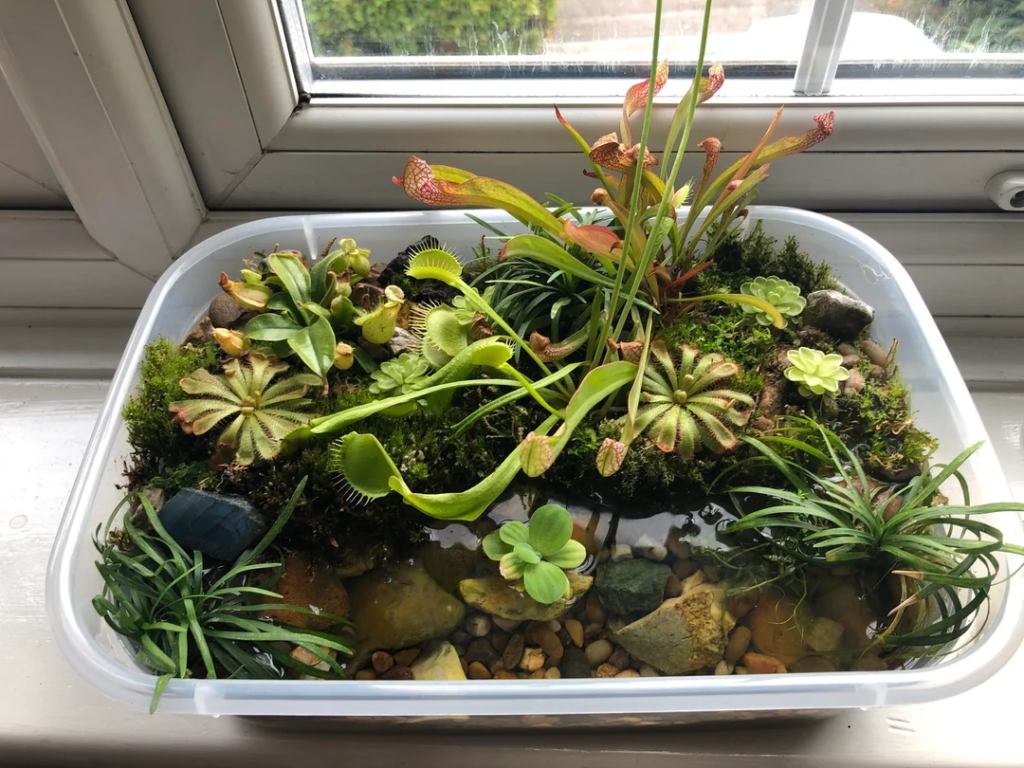
Why It Works
The windowsill is the best light position in any room, and in a small space where floor and shelf space is limited, the windowsill provides a dedicated plant zone that uses otherwise underutilized surface area. A neat row of small plants along the sill creates a living frame for the window and maximum light exposure for the plants.
How to Style It
Choose plants of similar heights for visual consistency, or vary heights deliberately for a more organic quality. Matching pots in terracotta or small ceramics create a coordinated display. Leave small gaps between pots rather than pushing everything together, breathing room makes the display look curated.
Common Mistake
Overcrowding the windowsill so heavily that the window itself becomes difficult to open or the plants block natural light from entering the room. The windowsill display should frame the light, not compete with it.
9. A Compact Plant Trolley
Why It Works
A small wheeled trolley, two or three tiers, compact enough to fit between a sofa and a wall, holds multiple plants in a movable display that can be rolled toward the window on bright days and moved to a warmer position in winter. The mobility is particularly valuable in small spaces where the best light and the best display position aren’t always the same.
How to Style It
Two or three plants per tier in coordinated pots, with a trailing plant on the top tier and compact plants on lower tiers. Position the trolley at an angle to the room rather than flush against a wall, the angled presentation makes it look styled rather than stored.
10. A Bookcase Shelf Devoted to Plants
Why It Works
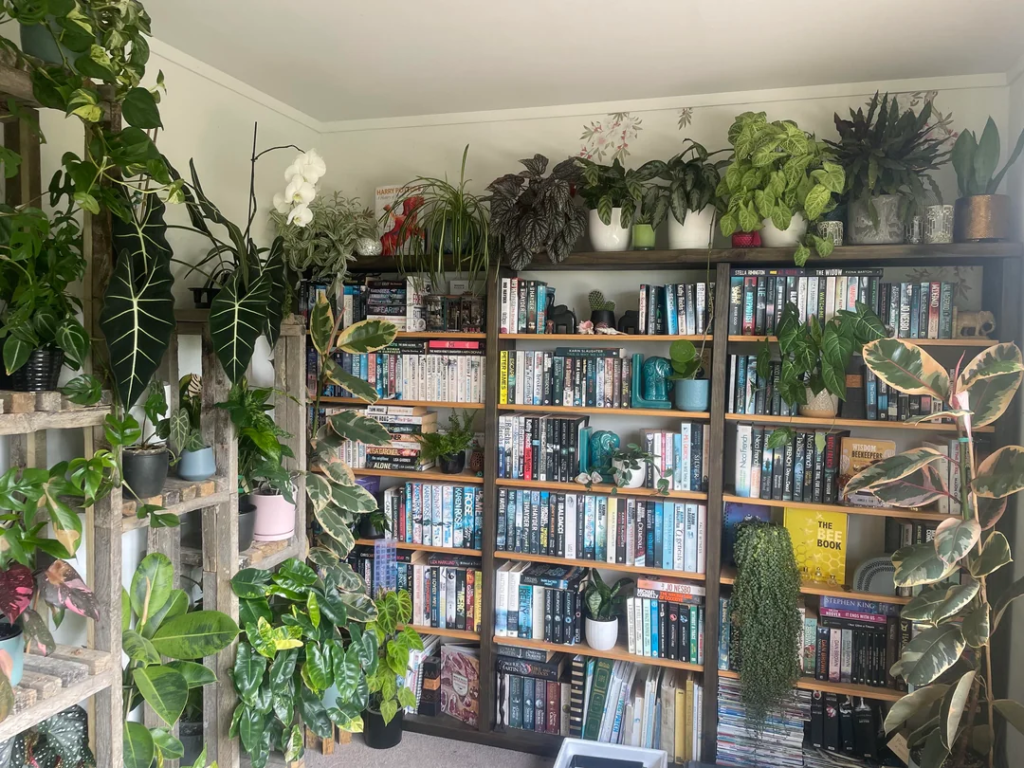
Most bookcases have one shelf that isn’t fully utilized by books. Dedicating that shelf entirely to plants, removing all other items and filling it with a considered plant display, creates a green focal point within the bookcase that makes the entire unit look more designed and more interesting.
How to Choose the Shelf
The middle shelf at eye height has the most visual impact. A shelf near the top of the bookcase catches more light. A shelf near the bottom can hold larger, heavier pots more safely. Choose based on the light conditions and the size of plants you want to display.
11. Above-Cabinet Plant Staging
Why It Works
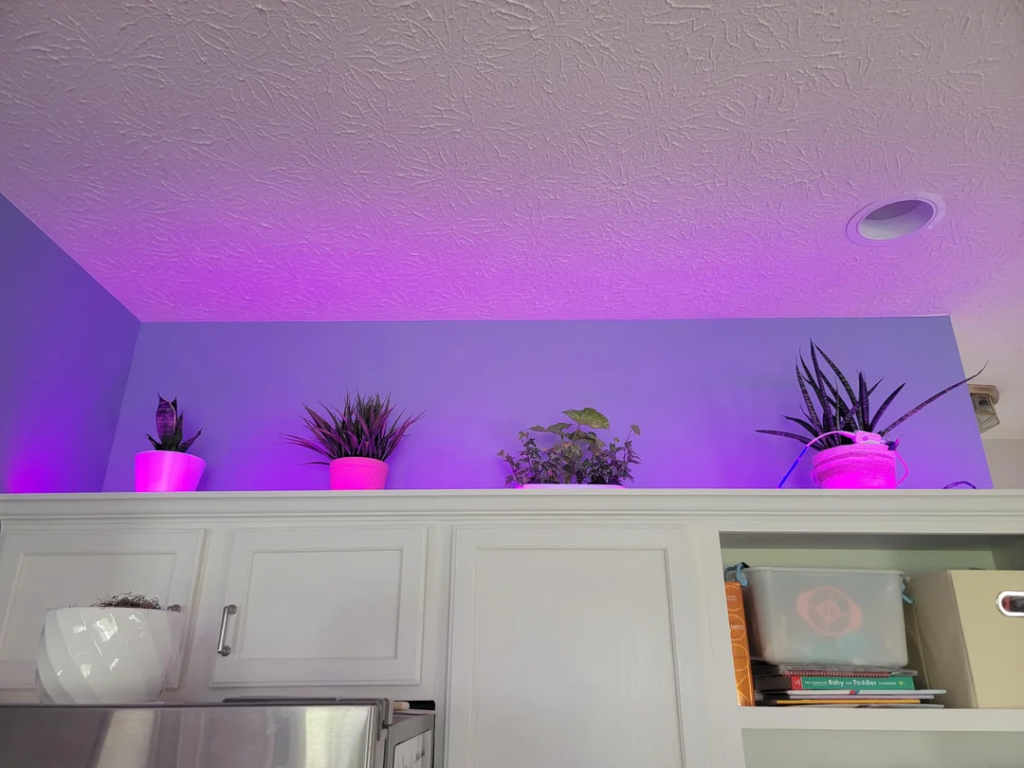
The tops of kitchen cabinets, wardrobes, and tall furniture are often the most neglected surfaces in small homes. A trailing plant positioned on top of a cabinet and allowed to cascade down the front transforms an awkward, overlooked zone into an active, beautiful part of the room’s aesthetic.
How to Maintain It
Out-of-sight plants are out-of-mind plants. Build cabinet-top watering into a weekly routine so these plants don’t get neglected. Choose the most drought-tolerant trailing species for these positions, golden pothos is the most reliably successful cabinet-top plant because it tolerates irregular watering and lower light while continuing to grow and trail beautifully.
This is a great moment to save the ideas that feel most relevant to your specific space, the small-plant and creative display ideas ahead offer some of the most surprising and most charming solutions in the guide.
Small Plant and Compact Display Ideas
These ideas bring maximum green impact in the smallest possible footprint.
12. An Air Plant Collection on a Magnetic Board
Why It Works
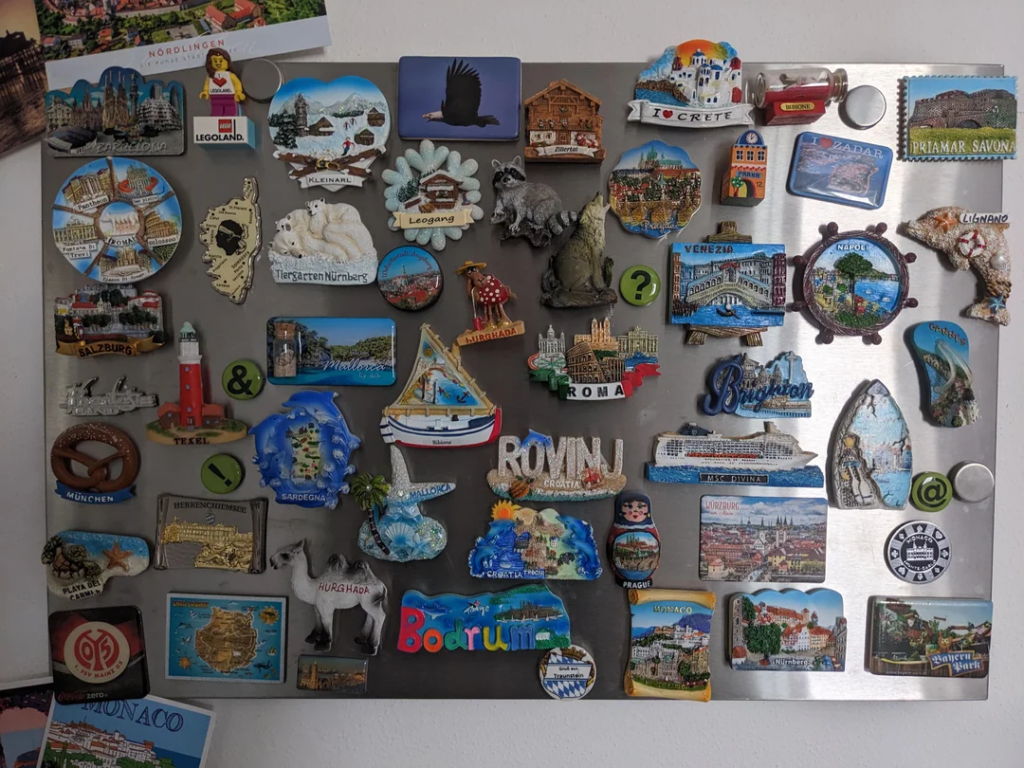
Air plants, tillandsias, require no soil, no pot, and no drainage, making them the most spatially efficient plants available. Mounted on a magnetic board using small magnetic holders, they create a living wall installation in the footprint of a picture frame.
How to Care for Them
Air plants absorb water and nutrients through their leaves rather than roots. Mist with water two to three times weekly, or soak in water for 20-30 minutes once a week and allow to dry fully before replacing. They need bright indirect light and good air circulation.
13. A Terrarium as a Self-Contained Garden
Why It Works
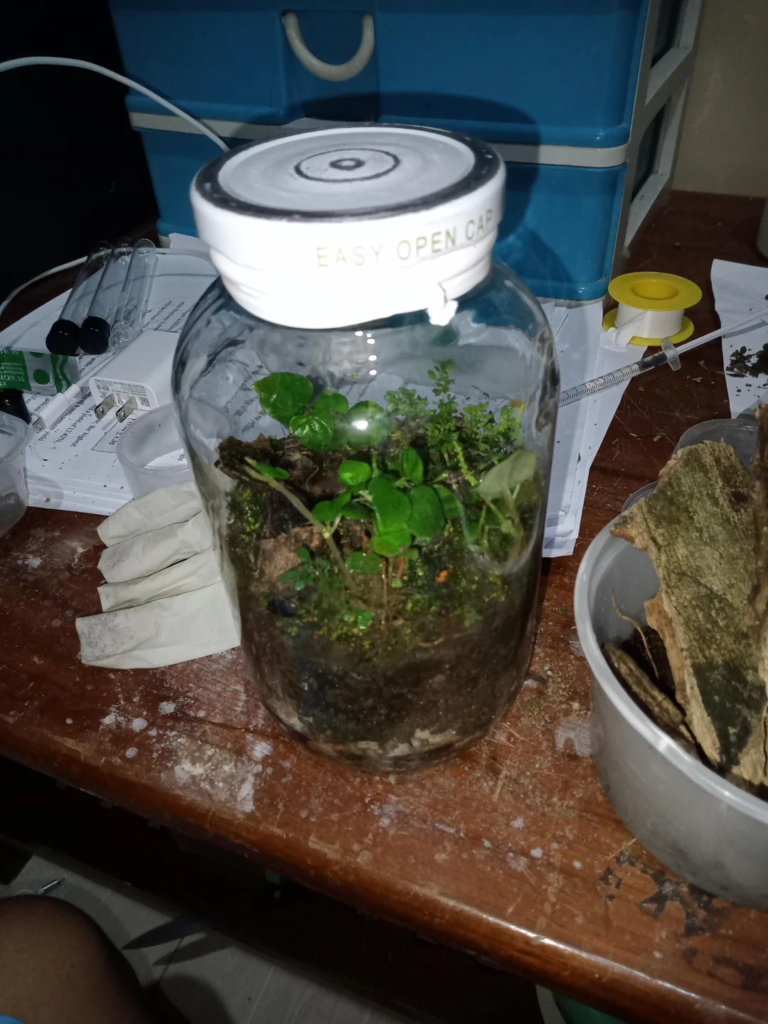
A glass terrarium, geometric or round, open or closed, houses a miniature landscape that requires minimal space and minimal maintenance. A closed terrarium creates its own microclimate, cycling moisture and requiring almost no watering. In a small home where regular plant care can be challenging, a terrarium is the most self-sufficient beautiful plant display available.
How to Create One
Layer fine gravel, then activated charcoal, then potting mix in the base. Plant small ferns, moss, and compact tropical plants in a closed terrarium; succulents and air plants in an open one. Position in bright indirect light. The enclosed garden has a captivating, world-in-a-bottle quality that makes it one of the most visually interesting small space plant displays available.
14. Succulents in a Grouped Tray
Why It Works
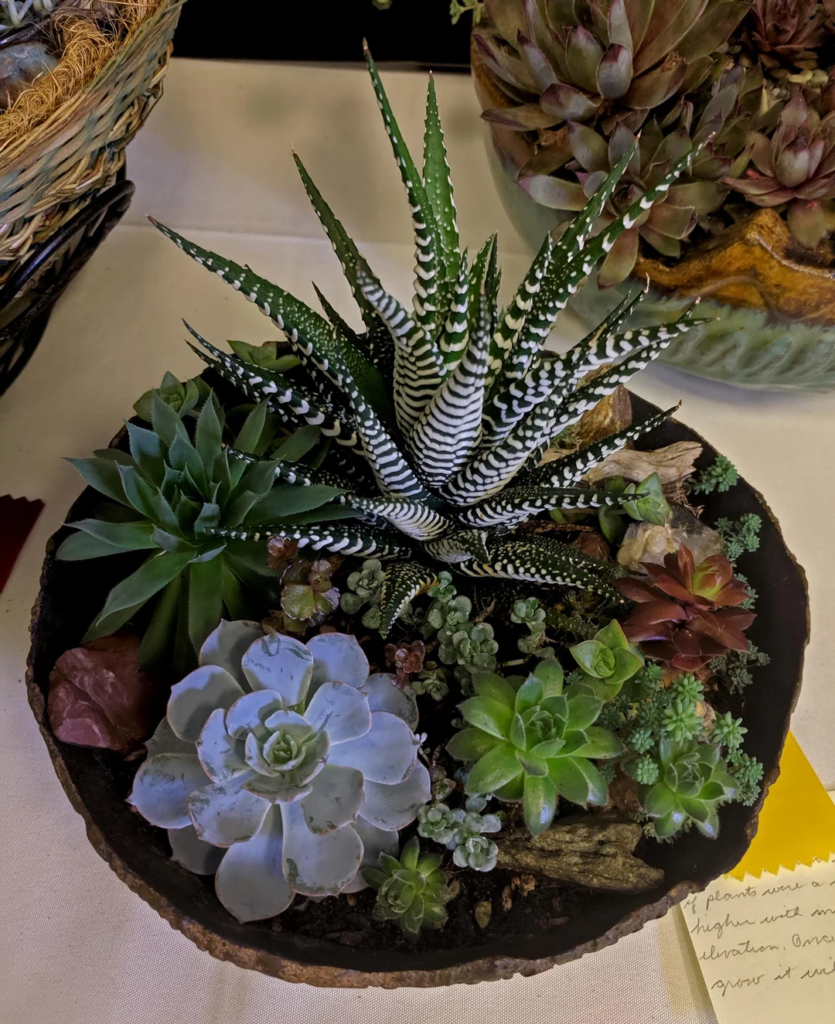
A shallow tray holding five to eight succulents in varied forms, rosette shapes, tall columns, trailing types, creates a miniature succulent garden on any flat surface. The tray contains the group visually and practically (catching any soil spills), the succulents require minimal water and care, and the varied forms create significant visual interest in a very compact footprint.
How to Style It
Choose succulents with different colors, forms, and heights for maximum visual interest, deep purple-green echeveria beside pale blue-green haworthia beside trailing sedum beside tall aeonium. A shallow wooden or ceramic tray in a neutral tone unifies the collection without competing with the plants.
15. A Single Large-Leaved Plant in a Tight Corner
Why It Works
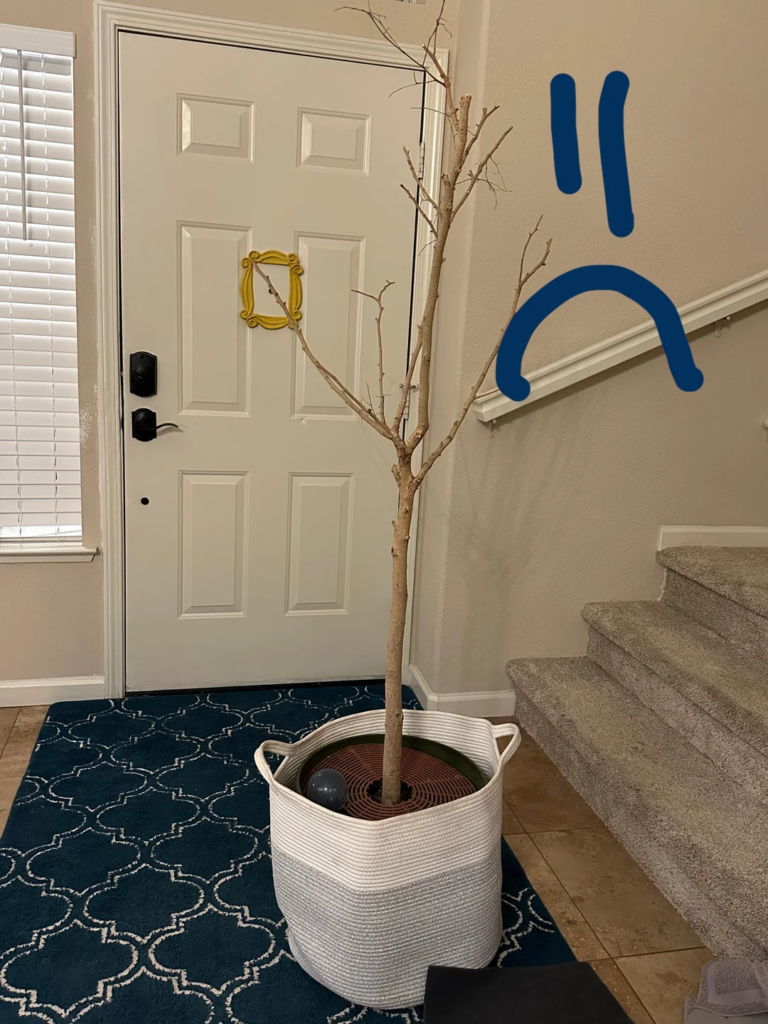
In a small home, one large-leaved plant in a corner makes more impact than five small ones scattered around the room. The size creates visual presence; the corner position creates the enclosure that makes the plant feel like it belongs there; and the single statement avoids the cluttered quality that can result from too many individual plants in a small space.
How to Choose It
A monstera deliciosa for its dramatic split leaves. A bird of paradise for its tall, architectural form. A rubber plant for its deep, glossy leaves and compact upright growth. Position the plant where its silhouette is seen against a pale wall, the contrast between the dark leaves and the light background creates maximum visual impact.
16. Propagation Cuttings in a Window Cluster
Why It Works
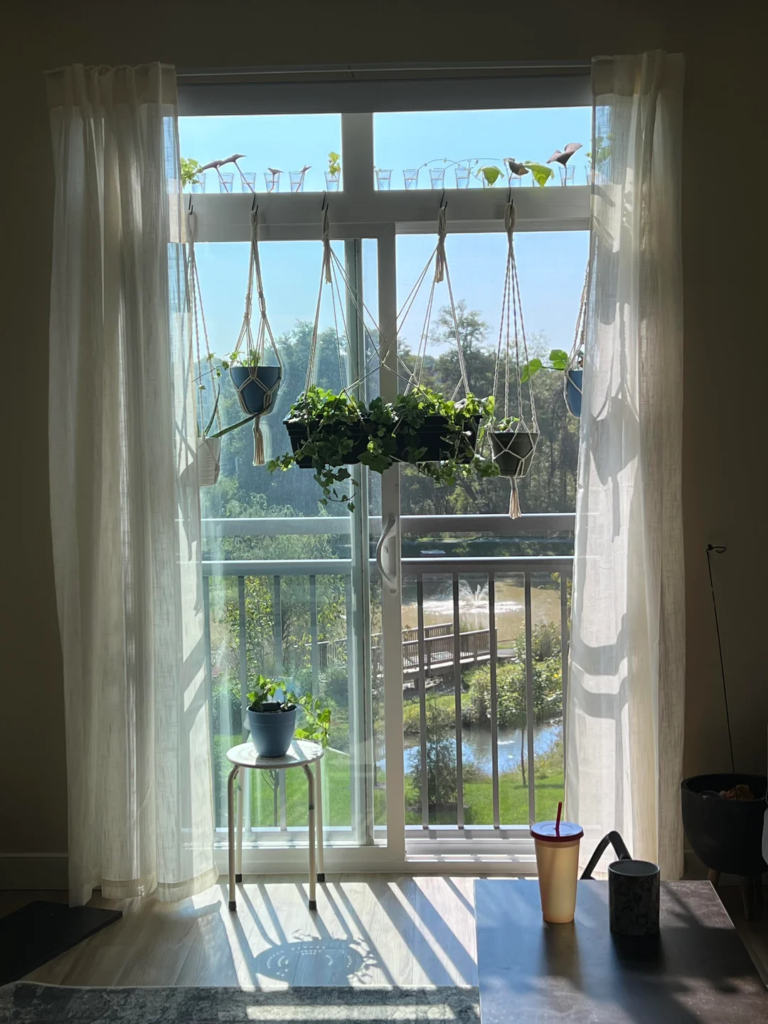
Small glass vessels holding plant cuttings rooting in water, grouped on a windowsill in varied sizes, create a botanical display that costs nothing (the cuttings come from plants you already have), looks genuinely beautiful, and represents the most charming and most alive small space plant decor available at any price.
How to Style It
Three to five small glass vessels of varied heights, a small bottle, a bud vase, a short drinking glass, each holding a different cutting. A pothos node, a sprig of tradescantia, a stem of sweet potato vine. Position where natural light catches the glass and the growing roots. Change the water weekly to keep it clear and fresh.
17. A Hanging Macramé Planter in a Corner
Why It Works
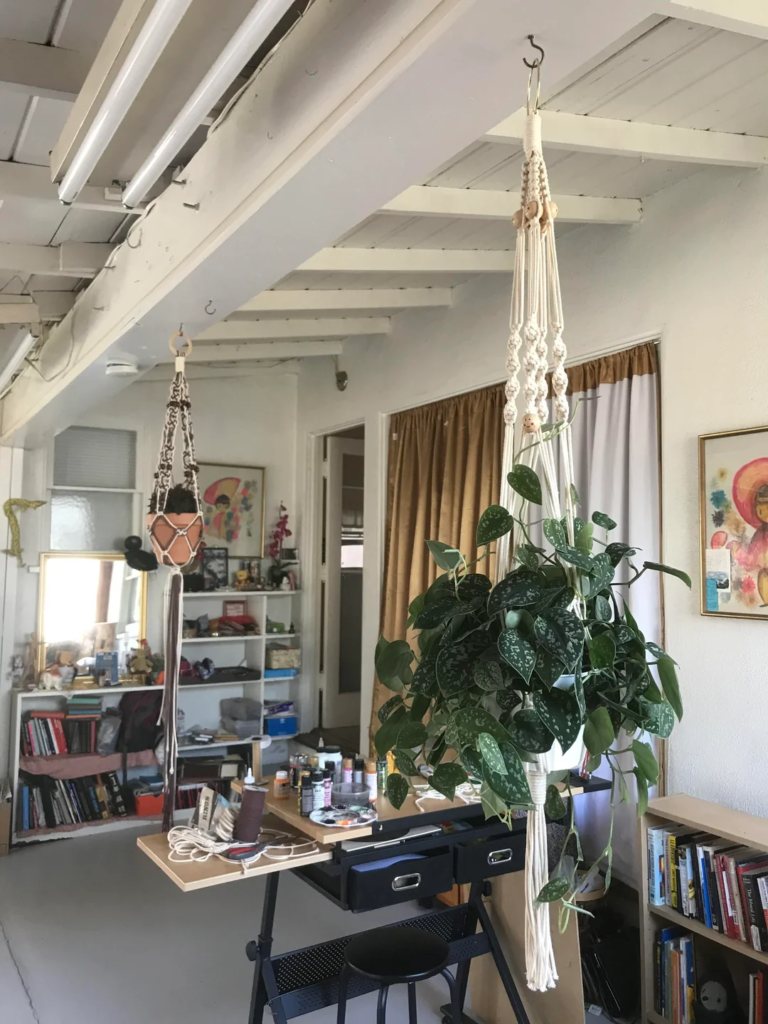
A macramé hanger suspended from a ceiling hook in a corner holds a trailing plant at a height that no shelf or floor surface could achieve, in a position that uses the one zone most small homes never use, the upper corner air space. The result is a floating, organic quality that feels genuinely distinctive.
How to Install It
A ceiling hook into a joist, or a heavy-duty adhesive ceiling hook for renters, supports most macramé hangers and their plants. Position in a corner where the natural light from nearby windows will reach the plant. Choose trailing species, string of hearts, string of pearls, pothos, philodendron, that become more beautiful as they grow longer.
18. Mounted Wall Planters in a Grid
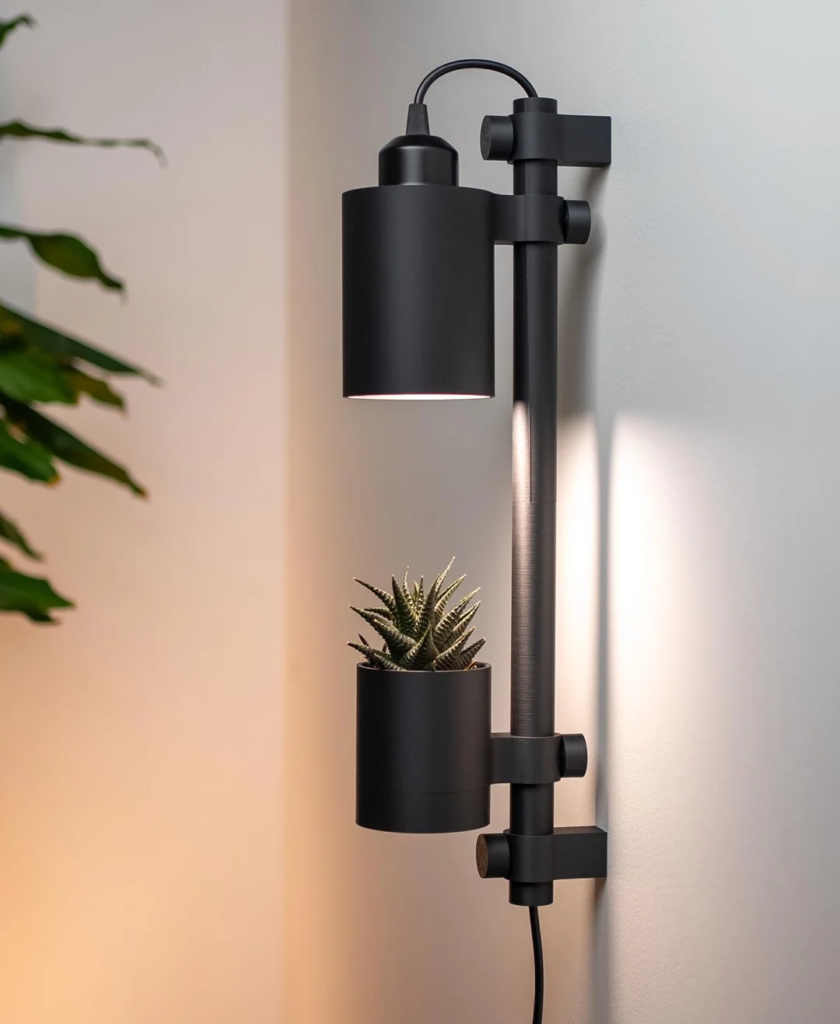
Why It Works
Small wall-mounted planters arranged in a grid, four, six, or nine uniform planters in matching holders, mounted in rows on a wall section, create a living art installation that functions as both wall decor and plant display. The geometric arrangement gives the display a contemporary, designed quality that works particularly well in modern or minimal small spaces.
How to Create It
Ceramic wall planters with built-in mounting holes, or wall planter systems designed to interlock, create the cleanest grid installation. Choose plants small enough to thrive in the compact soil volume of a wall planter, air plants, small succulents, compact herbs, or trailing plants that cascade out of the planter.
Creative and Unique Small Space Plant Ideas
19. A Plant Ladder in a Bathroom Corner
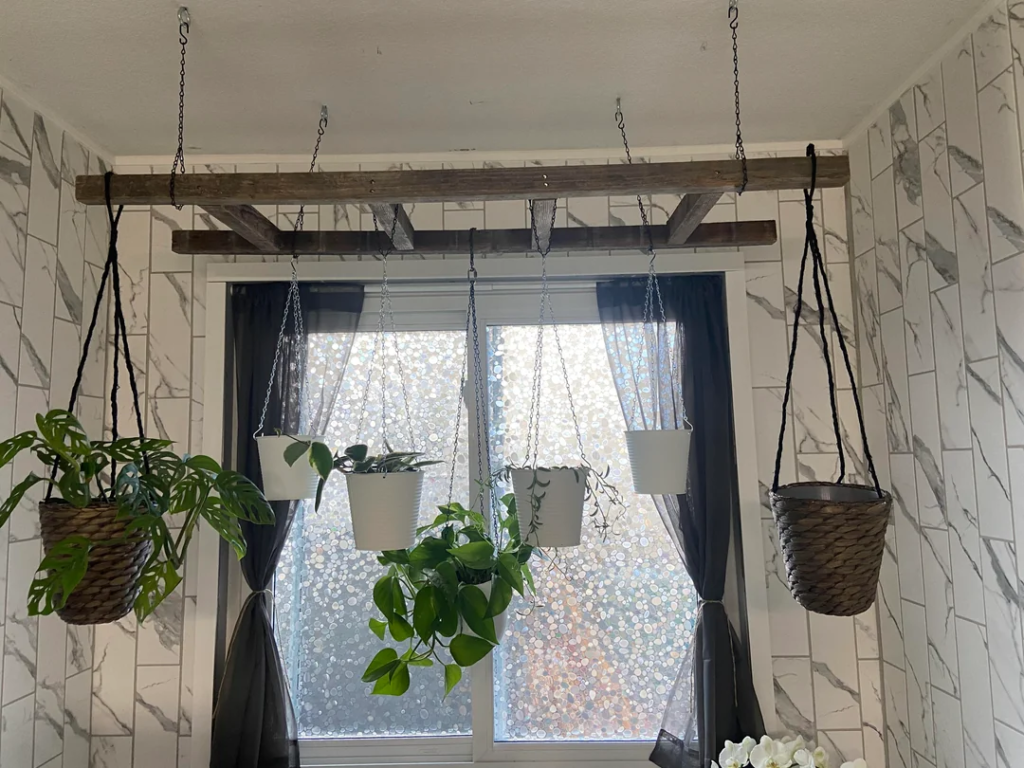
Why It Works
A slim, decorative ladder leaned against the bathroom wall provides multiple rungs for hanging small planters, each rung holds a macramé planter or a small shelf placed across it. In a bathroom where floor and shelf space is minimal, the ladder adds vertical display space without requiring any installation or permanent fixture.
How to Style It
Hang two or three small planters at varied heights on the ladder rungs. Choose plants that thrive in bathroom conditions, humidity and indirect light. A small fern, a trailing pothos, or an air plant suit this application perfectly. The ladder itself can be a beautiful object, natural wood, painted, or metallic, that contributes to the bathroom aesthetic independently of the plants.
20. Mounted Wooden Discs as Individual Plant Holders
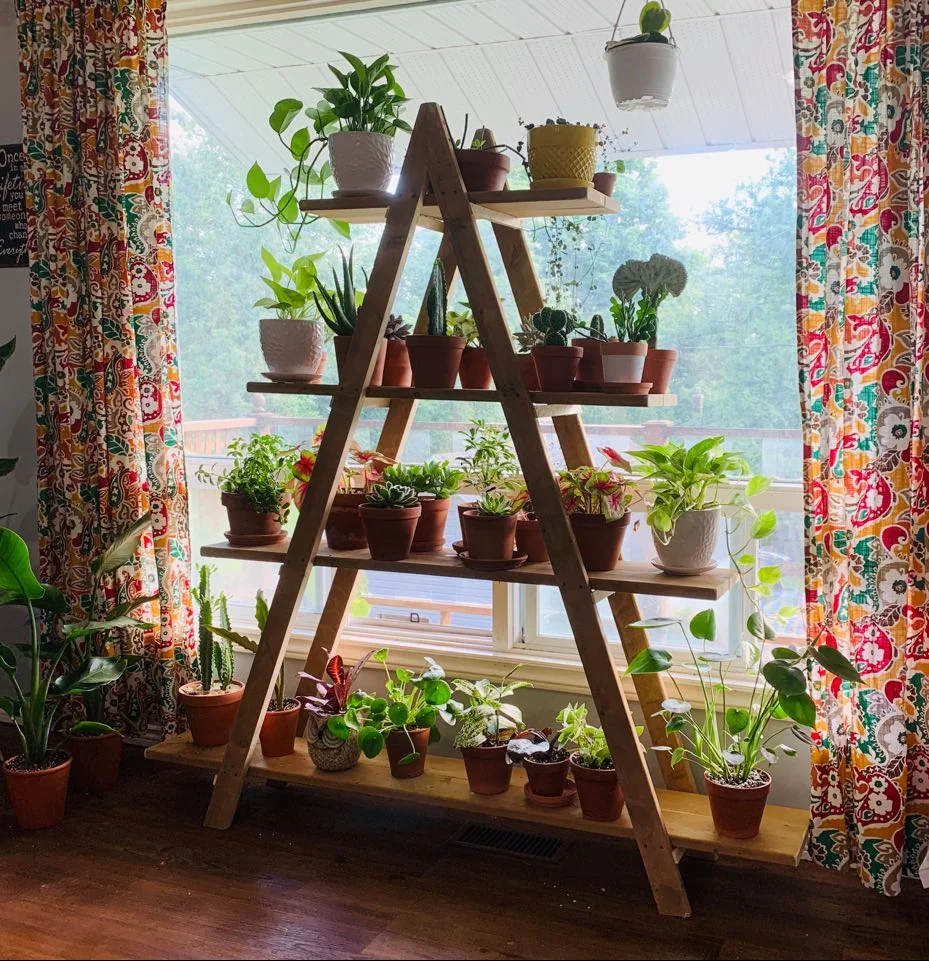
Why It Works
Slices of natural wood with a small recessed holder or attached pot form mounted as individual wall features, each holding one air plant or small succulent, create a series of living wall art pieces that are individually minimal and collectively striking. Each disc is its own small statement; together they create a botanical gallery.
How to Use Them
Wooden disc plant holders are available at most home decor and plant shops. Mount in a casual arrangement on a wall section, not in a rigid grid but in an organic grouping that suggests they’ve accumulated over time. Air plants are the most practical species for these holders as they require no soil.
21. A Plant Mobile Above the Dining Table
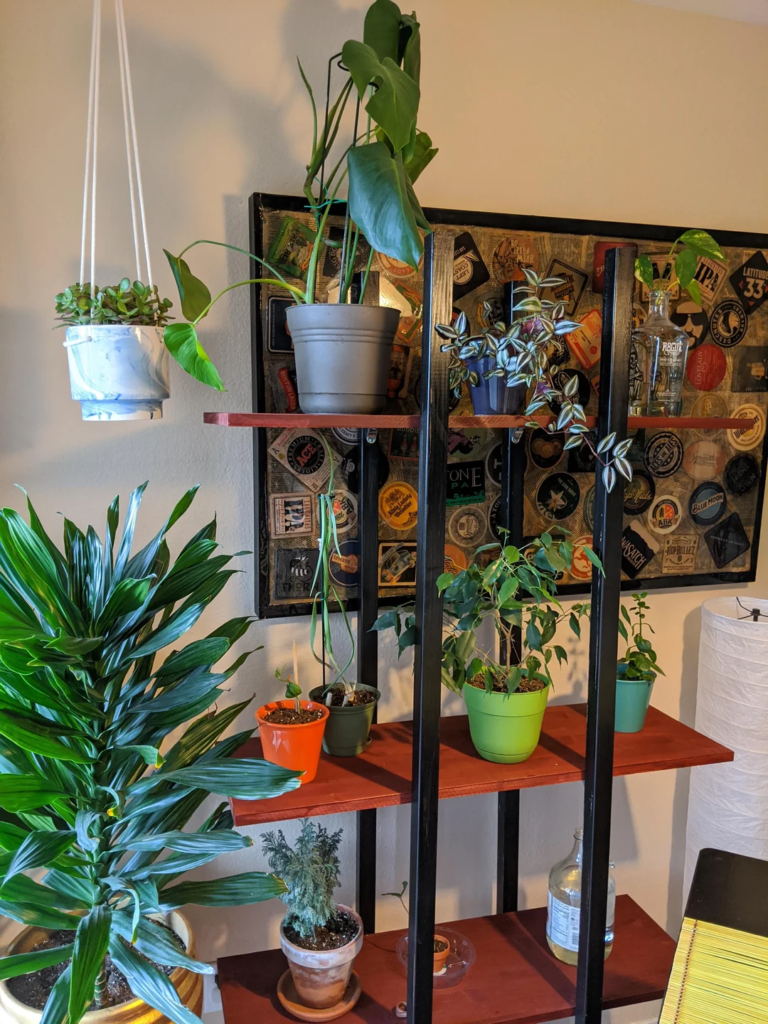
Why It Works
A suspended mobile with small hanging planters, lightweight terracotta pots or glass globes holding air plants or small succulents, above the dining table creates a dining environment with a canopy quality that’s both visually striking and completely unlike anything achievable with floor or shelf plants.
How to Create It
A wooden dowel or metal rod suspended from the ceiling with two cords holds additional cords of varying lengths from which individual small planters hang. The overall mobile should be lightweight, air plants and small succulents are ideal, and sized so it hangs above head height to avoid obstructing the table view or conversation.
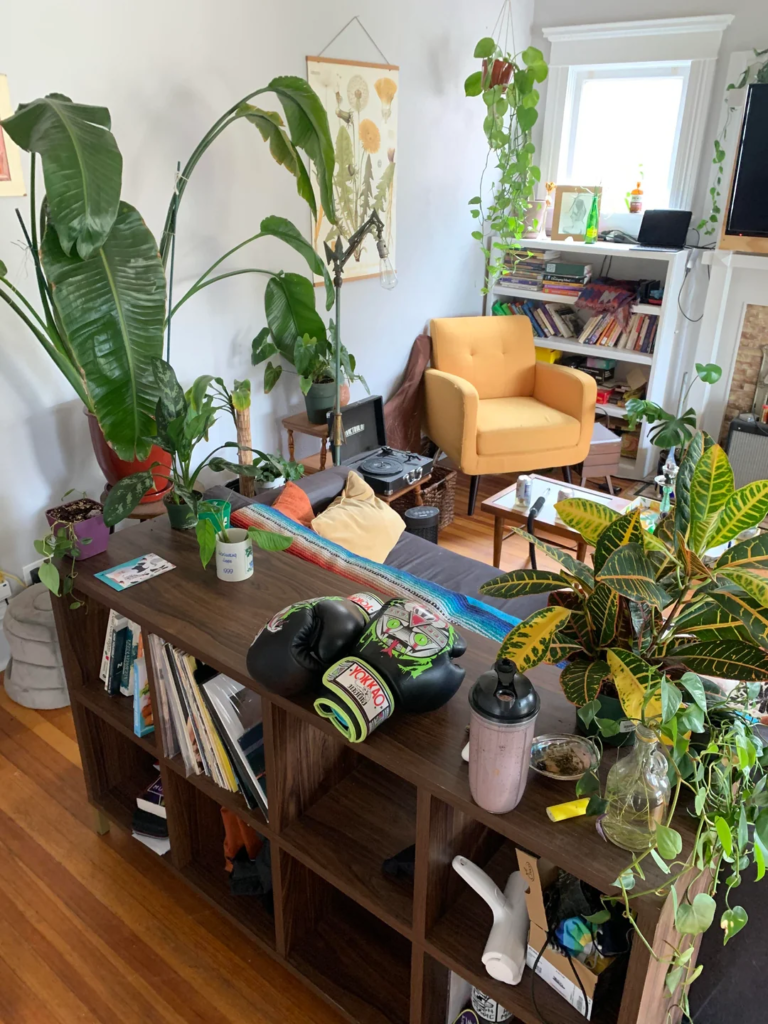
22. Plants Inside Open-Front Storage Cubes
Why It Works
Open-front storage cube units, the modular shelving common in small homes, typically hold books, boxes, and miscellaneous items. Replacing the contents of one or two cubes with plants turns storage furniture into a plant display without requiring any additional pieces or any additional floor space.
How to Style It
Choose one to three cubes for plant display. Remove all other contents and position one or two plants per cube, a trailing plant whose stems fall over the open front edge, a compact upright plant at the back. The framing effect of the cube around each plant creates a contained, gallery-like quality.
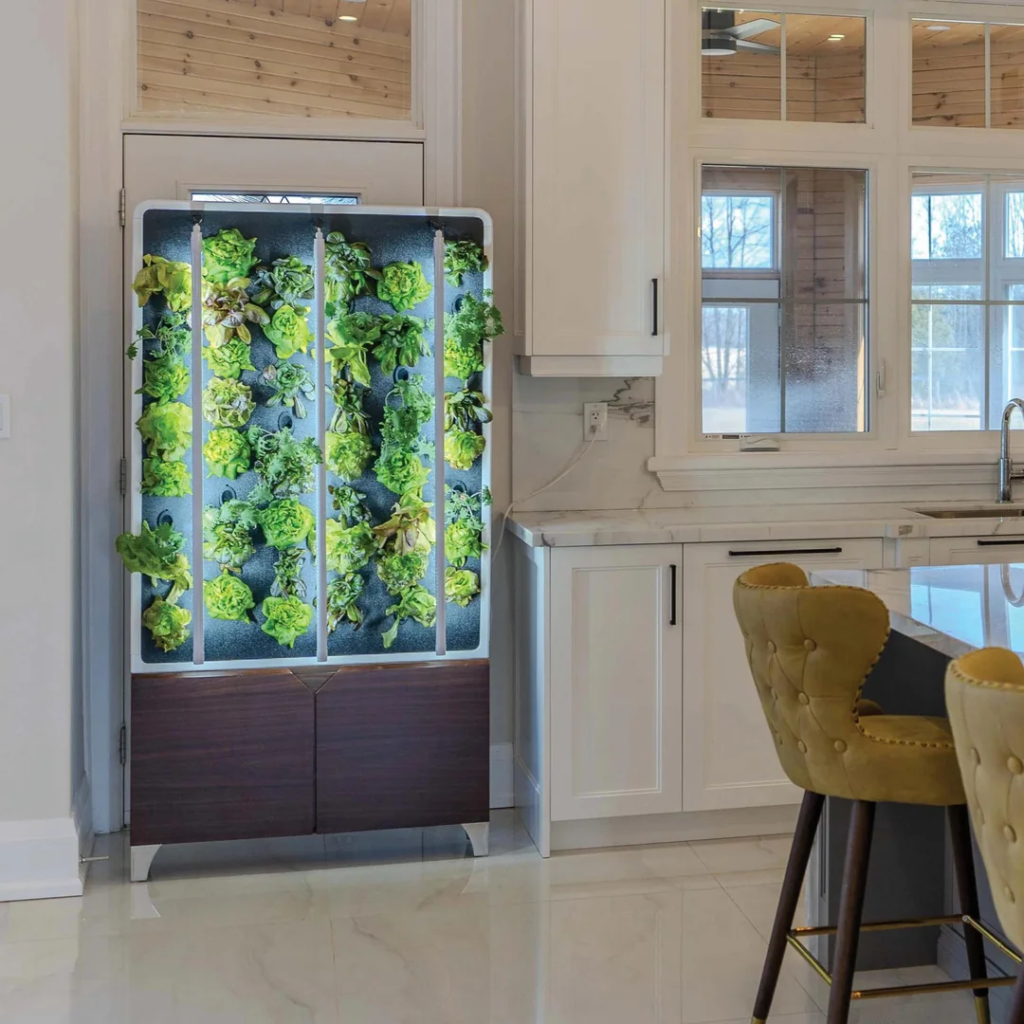
23. A Herb Wall in the Kitchen
Why It Works
A dedicated kitchen herb wall, vertical planters, pockets, or small pots mounted on the kitchen wall in a grid or organic arrangement, brings the most practically useful plant display into the room where it’s most needed. Fresh herbs at arm’s reach while cooking is a daily quality-of-life improvement with an aesthetic bonus.
How to Create It
Self-watering wall pocket planters or small ceramic wall pots with drainage holes hold one herb each. Basil, mint, thyme, rosemary, and chives all suit wall planting with adequate light. Position on or near the kitchen wall that receives the best natural light.
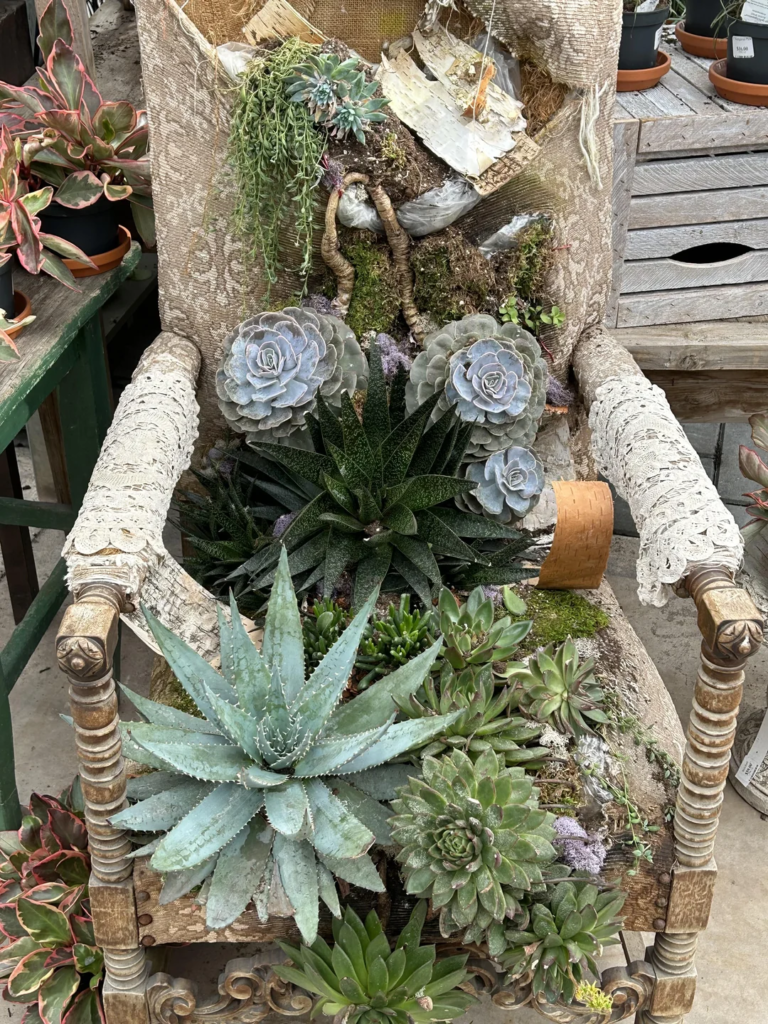
24. Repurposed Vessels as Unique Plant Pots
Why It Works
In a small home where every object is visible, a plant in a beautiful or unexpected vessel adds more character and more personality than the same plant in a standard pot. Old ceramic mugs, glass bottles, vintage tins, wooden crates, woven baskets, any watertight vessel becomes a pot, and the vessel adds its own story to the plant’s presence.
How to Use Them
Any vessel without drainage holes needs careful watering, add a layer of gravel at the base to create a small reservoir below the root zone. Repurposed vessels work best for small plants or cuttings where the volume of soil is modest. The collection of varied vessels gives a plant display a personal, collected quality that uniform pots can’t replicate.
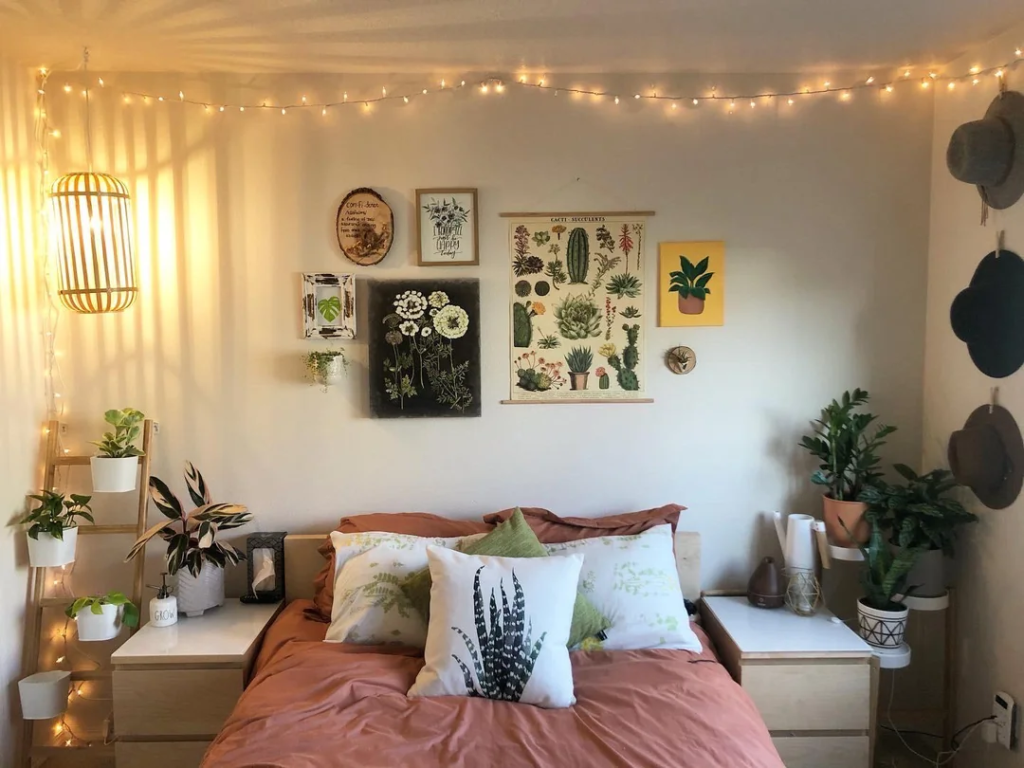
25. A Bedroom Nightstand Plant
Why It Works
A single small plant on the bedroom nightstand, a peace lily, a small succulent, a tiny pothos, adds living green to the most personal room in the home in the most intimate position possible. It’s the first thing you see in the morning and the last before sleep, and it contributes to the quiet organic presence that makes a bedroom feel genuinely restorative.
How to Choose It
The plant must tolerate bedroom light levels, which are typically lower than living areas. Peace lilies, snake plants, pothos, and ZZ plants all handle lower light conditions well. Keep the pot small, proportional to the nightstand, and choose a beautiful vessel that suits the bedroom’s aesthetic.
26. Balcony and Window Box Overflow Brought Inside
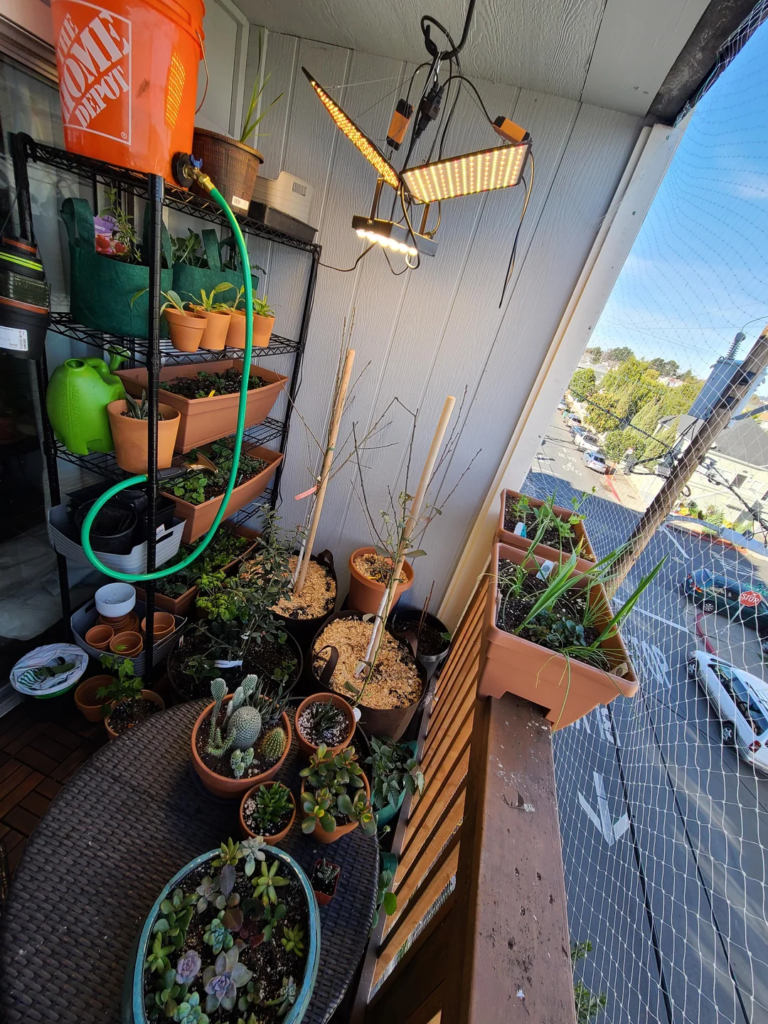
Why It Works
For small apartment dwellers with a balcony or deep windowsills accessible from outside, window boxes and balcony planters extend the plant display beyond the interior without using any indoor floor space. Seen from inside, a window box full of trailing plants and seasonal flowers creates a botanical frame for the window that makes the interior feel connected to outdoor greenery.
How to Create It
Window boxes mount on balcony railings or exterior windowsills with standard brackets. Choose plants appropriate to the light and weather exposure, trailing lobelia, ivy, nasturtium, or compact herbs for most conditions. The interior view of the exterior greenery adds more visual impact to a small space than many interior plant displays.
27. A Consistent Pot Color Scheme Throughout
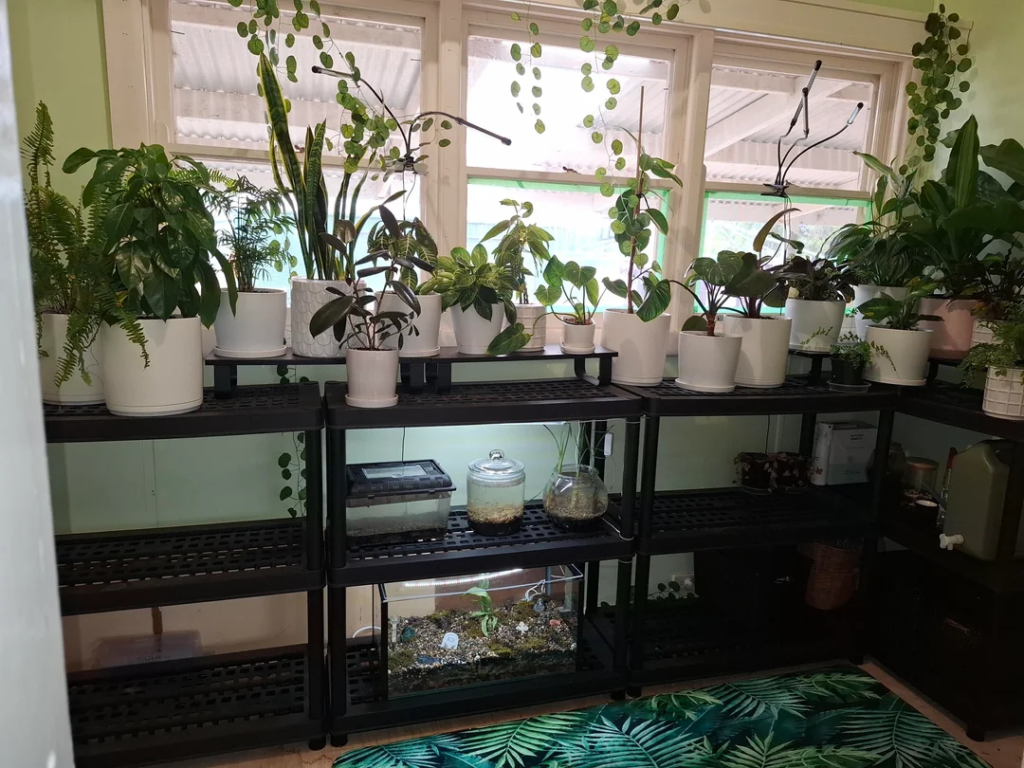
Why It Works
In a small space where all rooms are closely connected and constantly in view, visual consistency across the plant display creates a cohesive, designed quality that makes even a large number of plants feel considered rather than chaotic. One pot color family, all terracotta, all matte white, all natural rattan, unifies the entire plant collection into a single styled statement.
How to Apply It
Gradually transition existing plants into a consistent pot style, it doesn’t need to happen all at once. Each time a plant needs repotting, choose the consistent style. Within a few months, the collection achieves a visual unity that makes the entire home feel more designed.
28. The Weekly Plant Walk-Through

Why It Works
In a small home, plants are always visible, which means any struggling, neglected, or poorly maintained plant is always visible too. A weekly five-minute walk-through, checking each plant, watering what needs watering, removing dead leaves, rotating pots, maintains the display at its most beautiful and prevents the gradual drift from curated to chaotic.
How to Make It a Pleasure
The plant walk-through is most enjoyable with a warm drink in hand, a morning cup of coffee, and evening tea. Moving slowly through the home, attending to each plant, is a genuinely meditative activity. In a small space, it takes five minutes. The reward is a home that consistently looks its most beautiful.
Insider Tip
Keep a small spray bottle, a pair of scissors for trimming dead leaves, and a soft cloth for wiping foliage near the main plant display. The tools within reach mean the maintenance happens when it’s noticed rather than being deferred until a dedicated session, and consistent small maintenance is always better than occasional major intervention.
Your Small Space Was Always Capable of This
Here’s the thing about plants in small spaces: they don’t compete with the home. They complete it. They fill the gaps that furniture can’t, the corners that art doesn’t quite reach, the vertical surfaces that walls leave blank. They bring the one quality that no paint color or fabric or decorative object can add, actual life.
Your small home doesn’t need more floor space to have more plants. It needs smarter placement, better pots, and the simple decision to use every vertical surface, every window ledge, every high shelf as an opportunity for green.
Start with one wall hook and one trailing plant. Or one shelf cleared for three beautiful pots. Or one window lined with small terracotta herbs.
Then let the green come. Let it trail and grow and fill the corners and catch the light.
Because a small home filled with plants isn’t a crowded home. It’s a living one, and living is exactly what it should feel like.