Your front door opens onto approximately three feet of floor space, one wall that’s mostly door frame, and a burning daily frustration that this impossibly small area somehow has to handle coats, shoes, bags, keys, mail, and the general chaos of everyone who lives in your home coming and going.
Sound familiar? You’re in excellent company, and this problem is far more solvable than it looks.
Tiny entryways are one of the most common home challenges across apartments in Sydney, terraced houses in Birmingham, condos in Vancouver, and city flats in New York. The space is small but the expectations placed on it are enormous. And the good news, the genuinely exciting news, is that tiny entryway storage has never been more creative, more beautiful, or more intelligently designed than it is right now.
Interior designers and space-saving experts consistently confirm that small entryways respond more dramatically to thoughtful organization than almost any other space in the home. The limited size means every smart decision has an outsized impact. One good hook system, one right-sized bench, one well-placed shelf, and suddenly what felt like an impossible space feels genuinely functional, stylish, and completely yours.
All 21 ideas ahead are scaled for real small spaces. No assumptions about spare wall space, floor room, or extra square footage you don’t have. Just creative, practical, beautiful solutions for the entryway exactly as it is.
Why Tiny Entryway Storage Matters More Than the Space Suggests
The Outsized Impact of a Small Space
The entryway is the first and last space you interact with every single day. You pass through it when you’re running late and when you’re coming home exhausted. You encounter it when you’re already stressed and when you’re finally ready to unwind.
When a tiny entryway is disorganized, those daily transitions feel harder. The pile of shoes you navigate around, the coat without a hook, the keys that are never where they should be, these small frictions compound across hundreds of daily encounters into a persistent low-level stress that follows you through your own home.
When it’s organized, even in the smallest possible space, those same transitions feel smooth. You hang your coat. Your keys are where you left them. The space is clear and welcoming. That feeling is worth every bit of creative problem-solving it takes to achieve in a small area.
The Small Space Design Principle That Changes Everything
Here’s the core insight that transforms tiny entryway thinking: in a small space, vertical is everything. Most people naturally think horizontally, where can I put something on the floor, where can I put something on the counter. In a tiny entryway, floor and surface space is exactly what you can’t afford to use. The wall is your storage real estate. The height above eye level is storage most people never touch. The back of the door is an entire panel of functional space being completely ignored.
Every idea ahead works with vertical thinking as its foundation.
Wall Storage Ideas That Work in Tiny Spaces
The wall is where tiny entryway transformations begin. These ideas use it intelligently.
1. A Narrow Wall-Mounted Shelf With Hooks Below
Why It Works
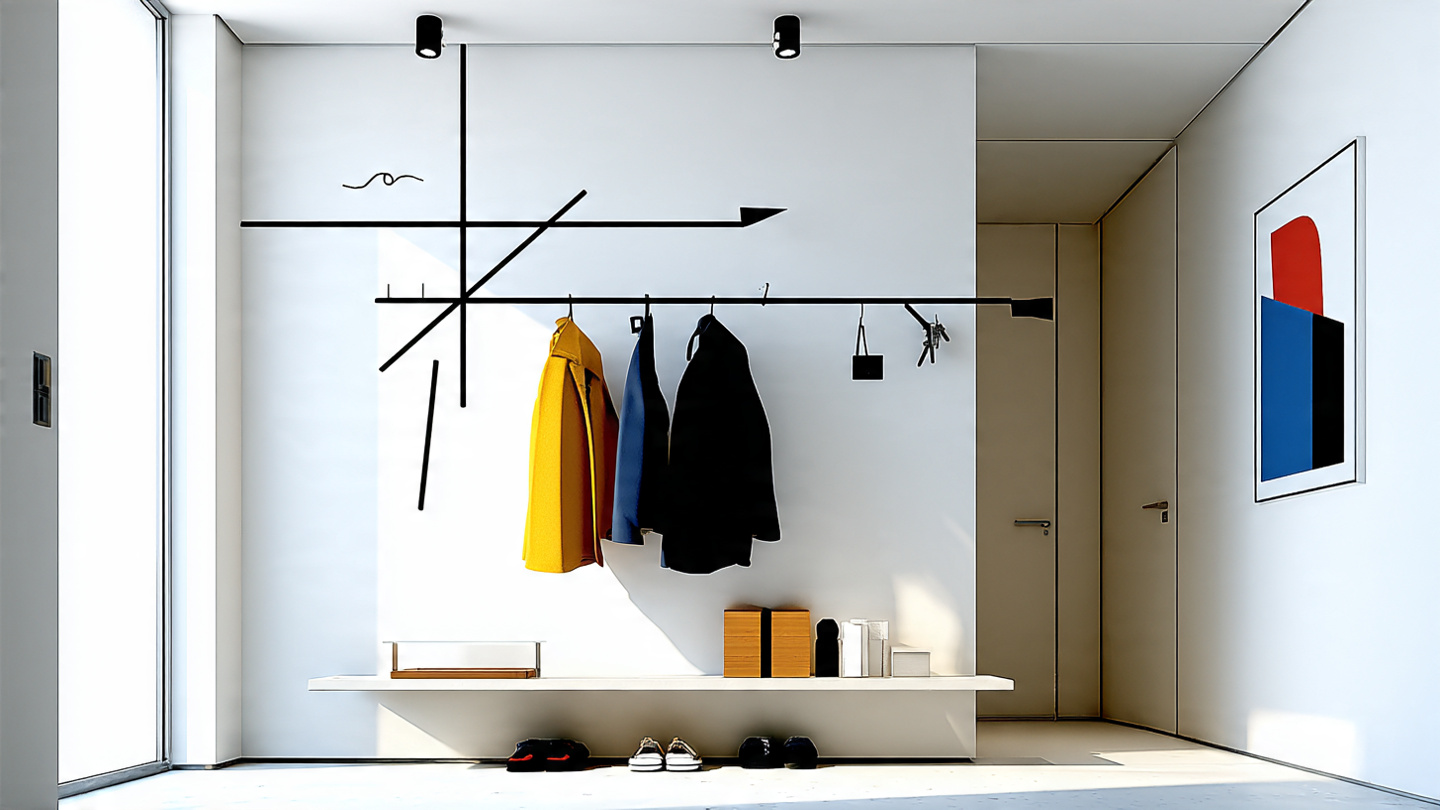
A floating shelf mounted at about chest height with a row of hooks directly beneath it gives you two functional levels in roughly six inches of wall projection. The shelf handles small items, keys on a hook, a small plant, sunglasses, a candle. The hooks below handle coats, bags, and scarves. The combination delivers the function of a full entryway console and coat rack in a fraction of the floor footprint.
How to Do It
Choose a shelf 24-36 inches wide and no deeper than 10 inches. Mount it at a height where the hooks below it fall at a comfortable reaching point, typically 60-65 inches from the floor. Use command hooks below if you can’t drill, or screw in coat hooks directly for a cleaner permanent look. The entire system uses zero floor space.
Common Mistake
Choosing a shelf that’s too deep for the space. In a narrow entryway, a deep shelf projects into the walkway and creates an obstacle. Eight to ten inches of depth is the practical maximum for most narrow entries.
Also Read: 24 Entryway Organization Ideas That Create a Tidy, Welcoming First Impression Instantly
2. A Pegboard Panel for Maximum Flexibility
Why It Works
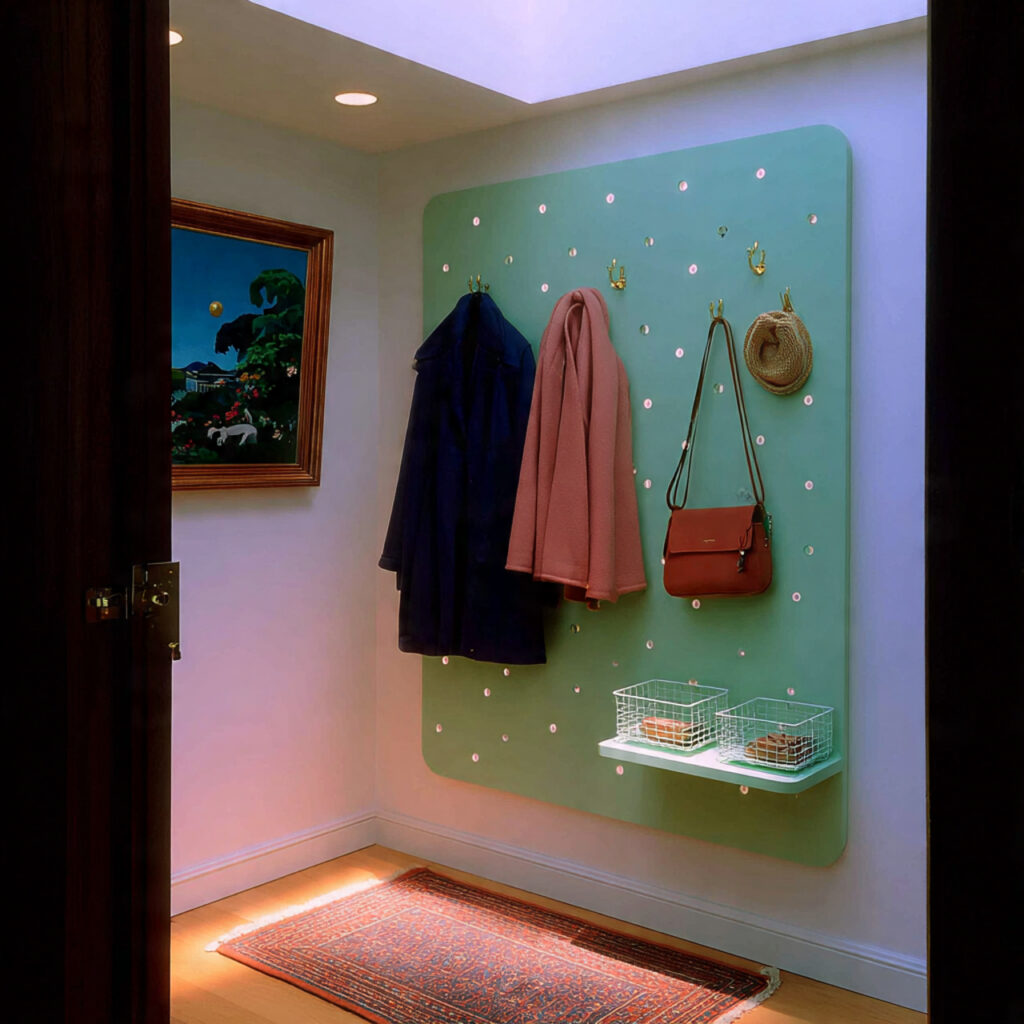
A pegboard mounted on the entryway wall provides infinite configurable storage, hooks, small shelves, baskets, key bowls, and holders can be added, moved, and rearranged as needs change. It’s the most adaptable tiny entryway storage solution available and one of the most visually interesting.
How to Do It
Mount a section of pegboard (available at hardware stores, cut to any size) with spacers to hold it slightly off the wall, this allows peg hooks to insert properly from behind. Paint the board to match or contrast the wall. Add a mix of single hooks, double hooks, small wire baskets, and a key bowl. The arrangement is yours to design and redesign as needed.
Insider Tip
Painted pegboards in a color that complements the entryway palette look designer rather than utilitarian. A soft sage green pegboard with brass hooks in a neutral hallway looks curated and intentional, not like hardware store equipment.
Read More: 26 Under Bed Storage Ideas That Maximize Hidden Space and Keep Your Home Clutter Free
3. A Single Row of Evenly Spaced Shaker Hooks
Why It Works
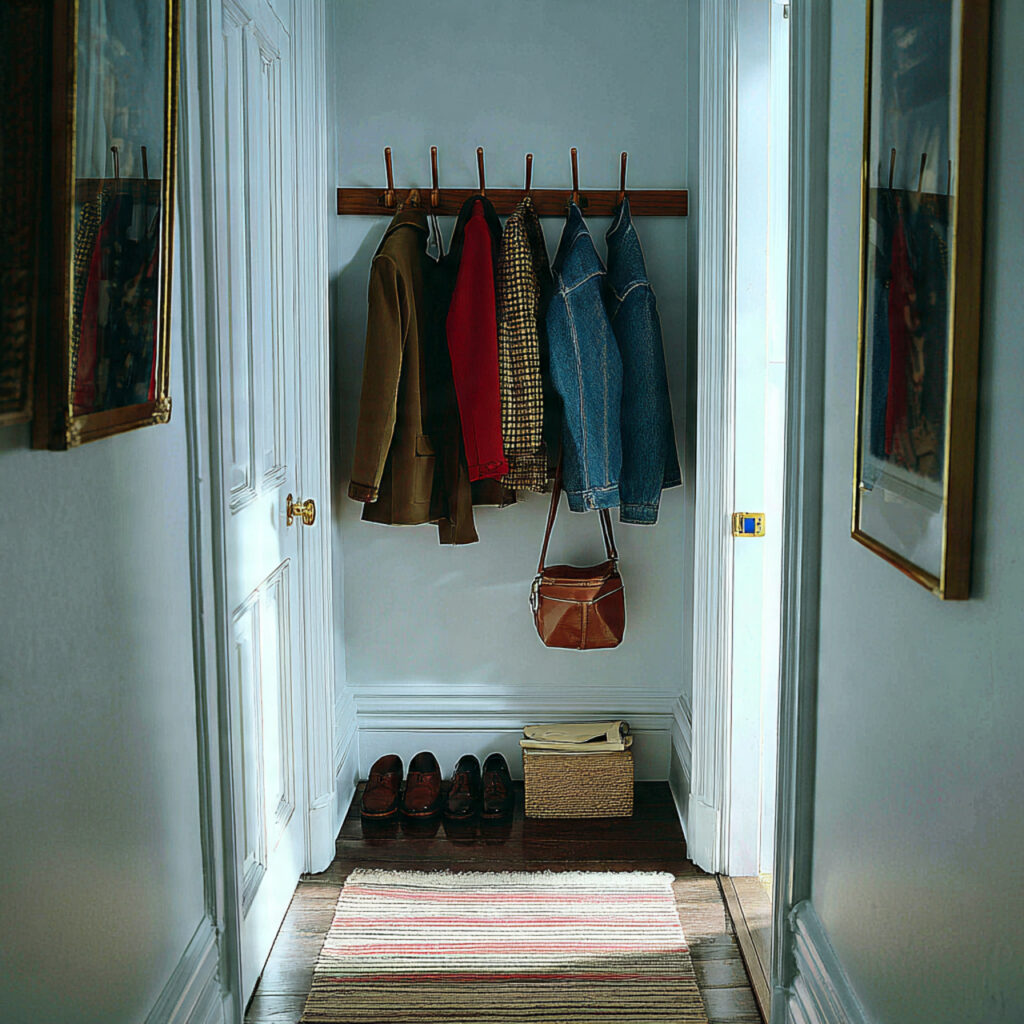
Sometimes the most elegant solution is the most minimal. A single row of shaker-style wooden hooks, evenly spaced across the wall, provides clean, simple hanging storage that looks beautiful, costs very little, and works effortlessly in even the narrowest hallway.
How to Choose Them
Shaker hooks are typically mounted on a wooden rail rather than individually, which makes installation faster and creates visual uniformity. Choose a length that fits your available wall section, even 18 inches of rail with three hooks handles more than most tiny entryways currently manage. In a natural wood finish or painted to match the wall, this solution looks like it belongs.
Common Mistake
Using hooks that are too small for the items they need to hold. A tiny hook that can only hold a single key looks inadequate and frustrates daily use. Choose hooks deep enough to hold a bag strap without slipping, typically 2-3 inches of depth minimum.
4. Floating Shelves Stacked Vertically
Why It Works
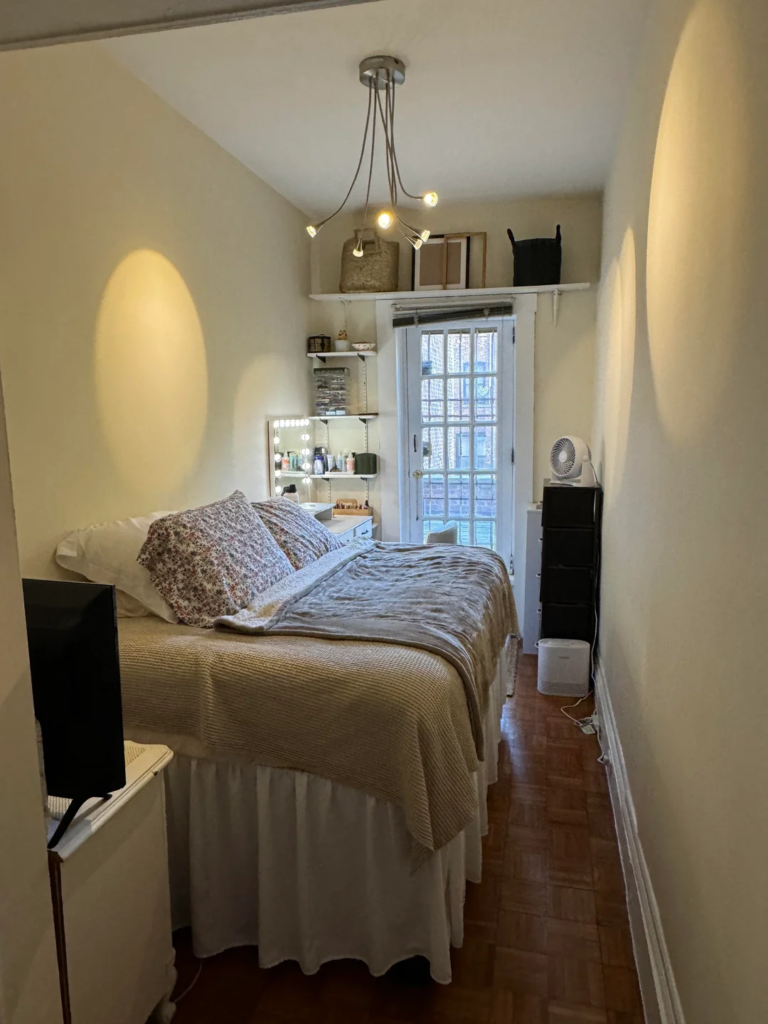
Where a single shelf provides one organizational level, two or three shelves stacked vertically at different heights multiply the storage capacity of the same wall footprint. The top shelf holds infrequently accessed items. The middle shelf holds daily items. The lowest shelf, positioned at reaching height, holds the most-used things.
How to Do It
Mount shelves at 12-16 inch intervals going up the wall. The lowest shelf at about 48-54 inches from the floor (accessible while standing), the middle at 64-70 inches, the upper shelf as high as comfortably reachable. Vary the depth, shallower shelves higher up, slightly deeper at the accessible middle level, to create a stepped effect that’s both practical and visually interesting.
5. A Magnetic Key Rack Mounted by the Door
Why It Works
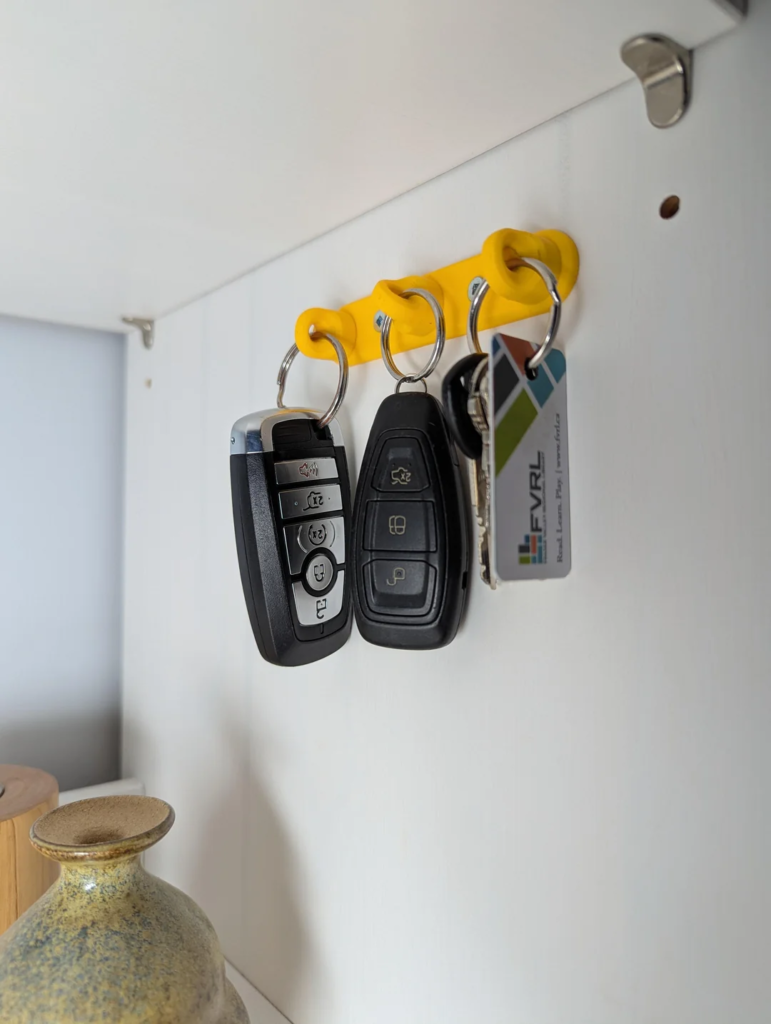
Keys are the smallest item in the entryway and the one that causes the most daily stress when misplaced. A magnetic key rack mounted directly beside the door, at natural dropping height as you walk through, creates the lowest-possible-friction key habit. You don’t even need to think about it. The keys go to the magnet because the magnet is right there.
How to Do It
Magnetic key holders with strong rare-earth magnets hold multiple keys on a very small wall footprint, some are only 6 inches wide and hold 4-6 keys. Mount at approximately 50-55 inches from the floor (natural hand height when walking through a door). The moment returning keys to this spot requires less effort than putting them somewhere else, the habit forms automatically.
Insider Tip
Choose a magnetic rack made from beautiful materials, solid wood with embedded magnets, brushed brass, dark ceramic, rather than a utilitarian plastic one. In a tiny entryway where every element is visible, the aesthetic quality of each piece matters more than in larger, more complex spaces.
The wall ideas lay the foundation for everything else. The floor and door ideas ahead unlock additional storage you might not have considered.
Floor and Furniture Ideas Scaled for Tiny Entryways
When floor space is extremely limited, every furniture choice must earn its position. These ideas maximize what little floor space exists.
6. A Slim Hallway Console Table
Why It Works
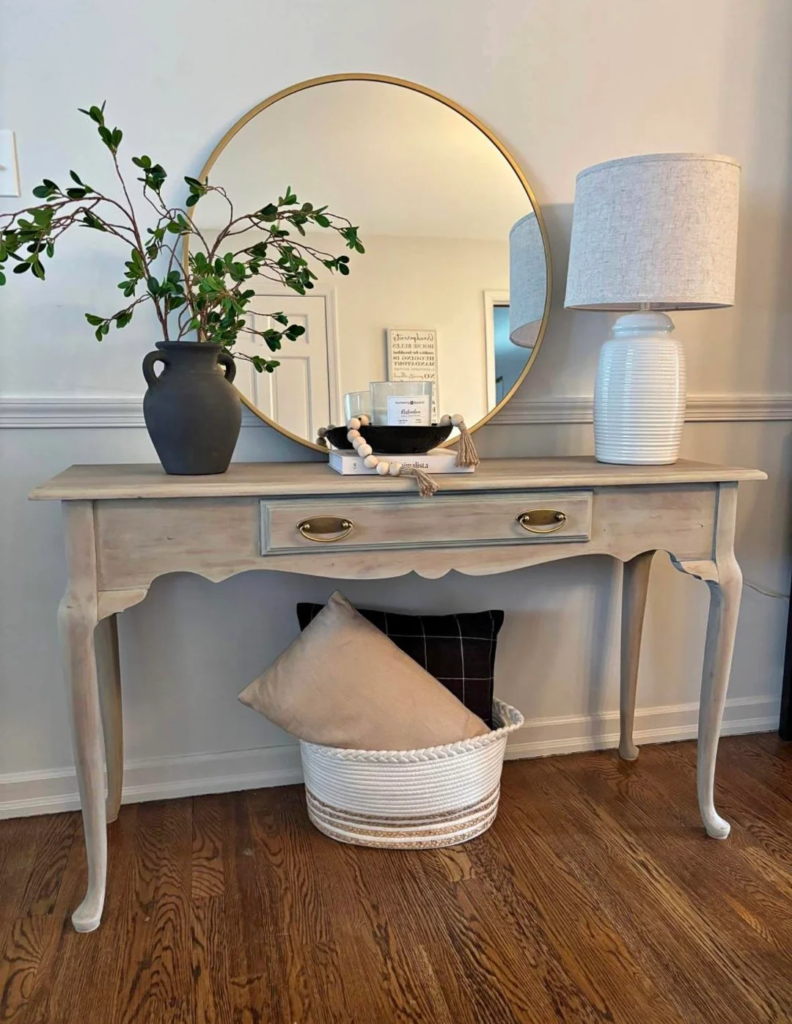
A console table specifically designed for narrow hallways, as little as 10 inches deep, provides a surface for daily carry items, a potential drawer for small storage, and the visual anchor that turns a corridor into a room. The surface replaces every “just putting this here for now” flat space impulse with a dedicated, contained area.
How to Choose One
Measure your available width and the clearance you need to pass comfortably (minimum 24 inches between table and opposite wall or door). Choose the shallowest table that still provides a functional surface, 10-14 inches deep is the range for truly narrow spaces. A drawer adds significant function in a tiny footprint. A lower shelf provides additional visible storage for a basket or shoes.
Common Mistake
Treating the console table surface as additional dumping ground rather than a curated, maintained area. A surface with a tray for keys, one small plant or candle, and nothing else looks organized and intentional. A surface covered in random objects negates the organizational benefit.
7. A Tiny Storage Bench or Stool
Why It Works
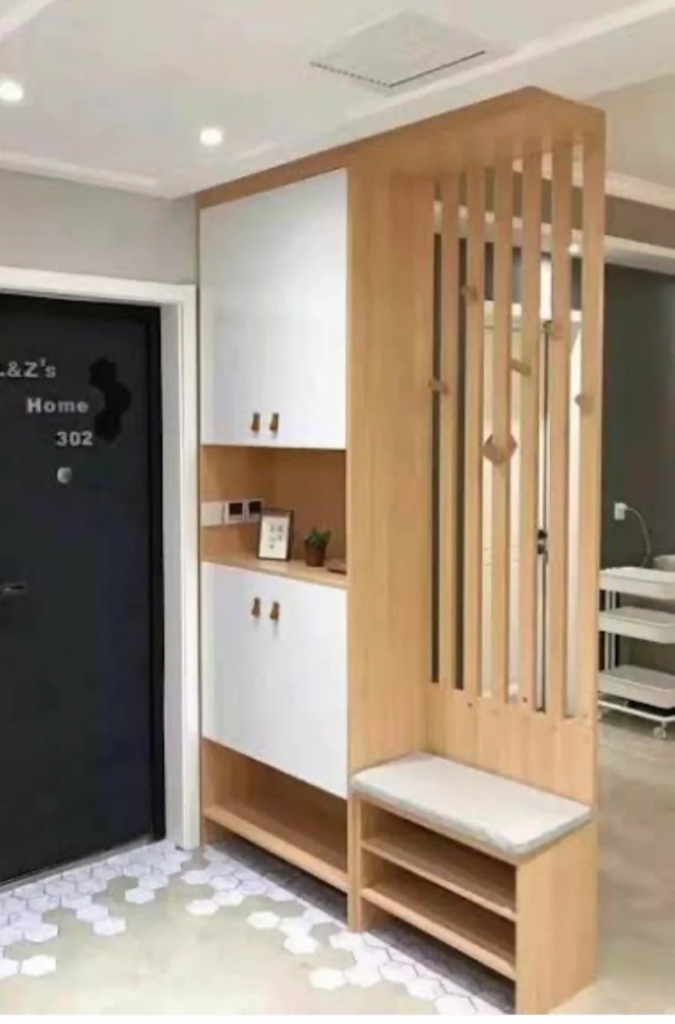
A small storage bench or stool, 18-24 inches long, provides a seat for shoe removal and hidden storage inside in a floor footprint smaller than most chairs. For entryways with no wall space for a console table, a compact bench becomes the functional anchor of the entire organization system.
How to Choose One
Look for benches with a lift-top storage compartment for maximum utility. In a tiny entryway, even a bench that’s more stool than bench (just wide enough to sit on while removing shoes) solves the practical problem while taking minimal floor space. A bench with clean lines and a neutral upholstered seat looks elegant rather than utilitarian.
8. A Stackable Shoe Rack That Fits the Space
Why It Works
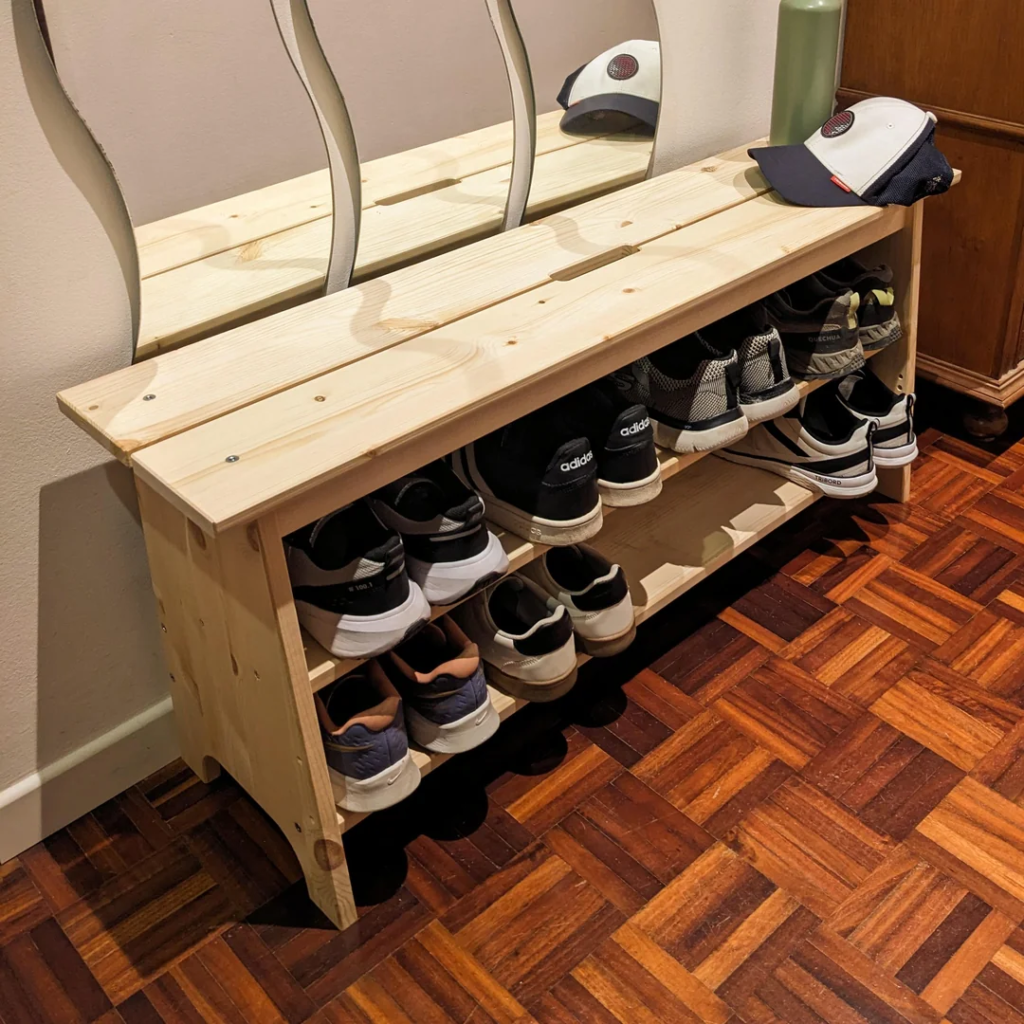
A shoe rack scaled to the available floor footprint, rather than the number of shoes that theoretically need storage, is the most practical floor-level solution for tiny entryways. The constraint of the space should dictate the rack size, and the rack size should dictate how many shoes live in the entryway (typically two to three pairs per household member, maximum).
How to Choose One
Slim, stackable shoe racks that expand vertically rather than horizontally are ideal for tiny entries. Two-tier racks typically store 8-12 pairs in a footprint of about 24 inches wide and 10 inches deep. Position the rack so it doesn’t block door swing, beside the door rather than in front of it is almost always the correct placement.
Insider Tip
The shoe rack in a tiny entryway should hold only current-season, regularly worn shoes. One pair per person per day plus one spare per person is a realistic maximum for a truly tiny entry. All other shoes store elsewhere and rotate seasonally.
9. A Slim Shoe Cabinet That Doubles as a Console
Why It Works
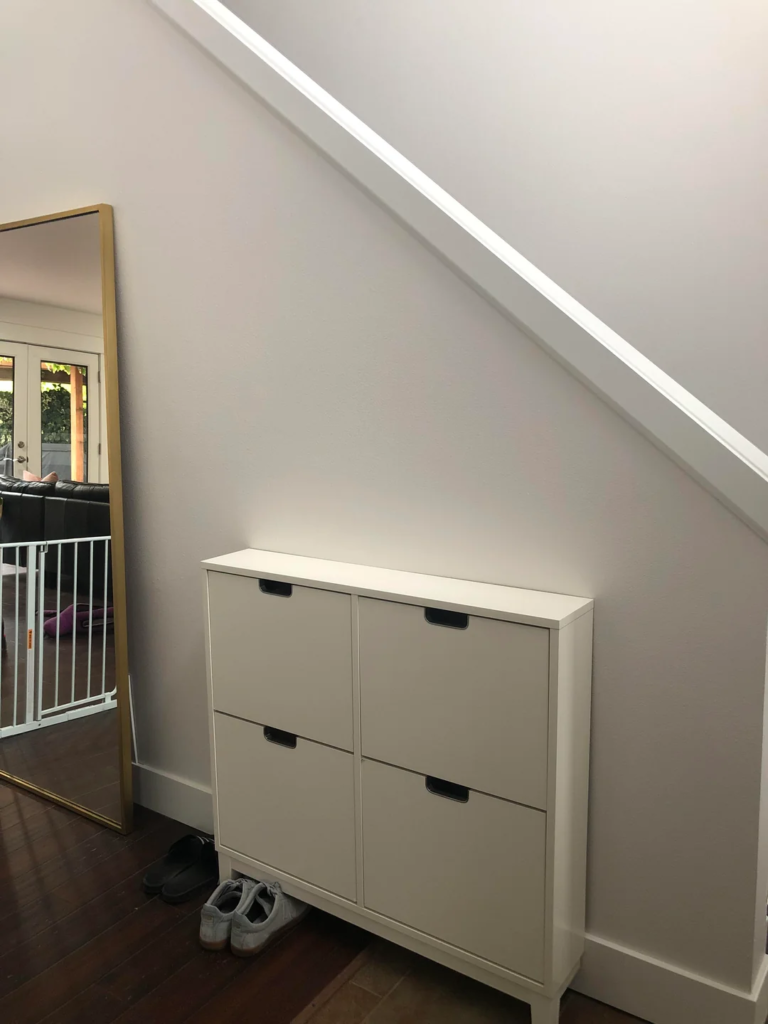
A shoe cabinet with a flat top surface combines two entryway functions in one footprint, shoe storage below the surface and a console table above it. For tiny entryways where one piece of furniture is the maximum the space will support, this combination delivers extraordinary utility in minimum space.
How to Do It
Look for shoe cabinets with a top surface large enough to hold a tray and small items, typically 12-18 inches deep and 24-36 inches wide. Tilting-door shoe cabinets store significantly more shoes in a narrower depth than standard door designs. A unit that matches the hallway’s color palette visually disappears into the space rather than dominating it.
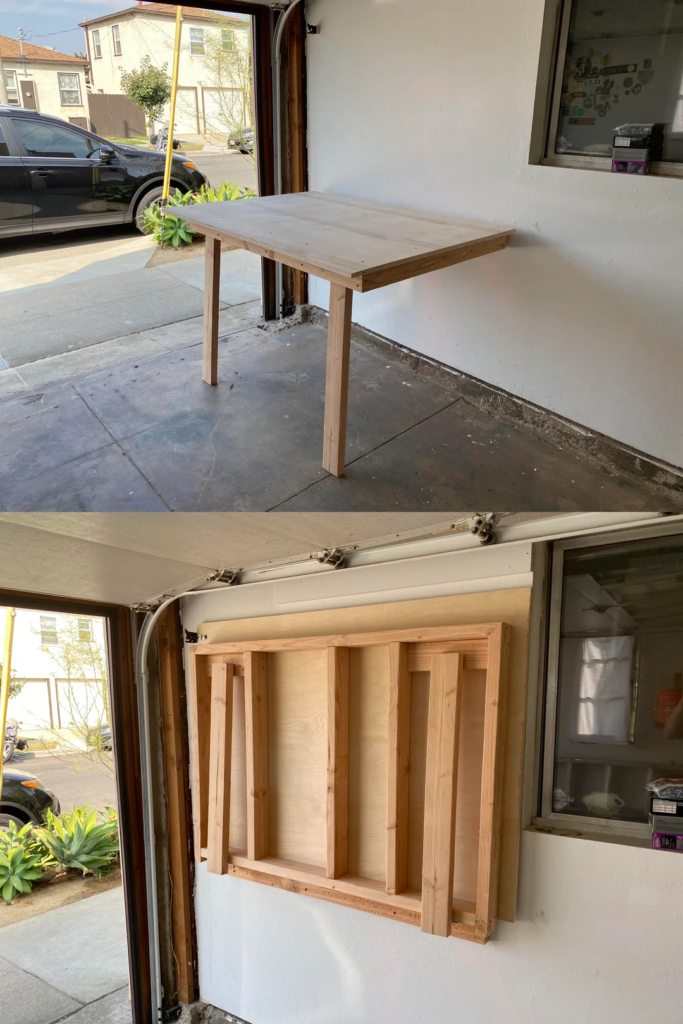
10. A Wall-Mounted Fold-Down Bench
Why It Works
A fold-down bench mounted to the wall drops flat for shoe removal and folds back up flush with the wall when not in use. In a tiny entryway where a permanent bench would block passage, a fold-down version provides the function when needed and reclaims the floor space when it isn’t.
How to Do It
Wall-mounted fold-down benches are available in various sizes and materials, wood, metal, upholstered, and mounted with two to four screws. Choose a bench wide enough to sit comfortably (at least 14 inches from wall to outer edge when open). Position so the open bench doesn’t block door swing or walkway clearance.
Common Mistake
Mounting a fold-down bench but never actually folding it back up. The benefit of the fold-down design is only realized if it actually gets folded up when not in use. Establish the habit of folding it immediately after each use, this takes three seconds and maintains the floor space benefit.
This is a great moment to save your favorite ideas, the door storage and finishing details ahead are some of the most creative solutions for truly limited spaces.
Door Storage Ideas for Maximum Hidden Space
The back of your entry door is an entire organizational panel being wasted. These ideas change that.
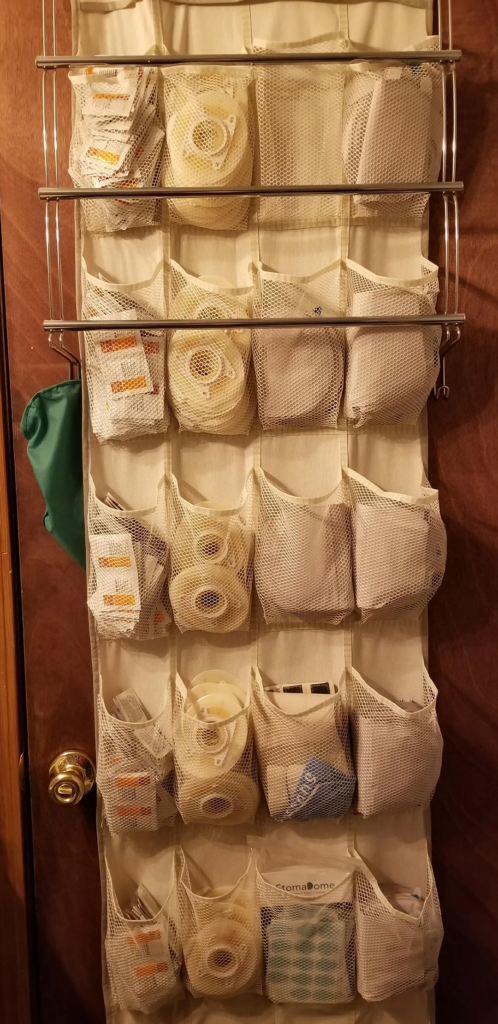
11. An Over-Door Organizer With Multiple Pockets
Why It Works
An over-door organizer that hangs over the top of the door provides multiple storage pockets that use zero floor space, zero wall space, and don’t require any installation. In a tiny entryway where every other surface is spoken for, the back of the door becomes a fully functional storage wall.
How to Choose One
Choose organizers designed for entryway use rather than general-purpose ones, entryway versions typically have a mix of larger pockets for hats, gloves, and scarves alongside smaller ones for keys, sunglasses, and small items. Fabric organizers in neutral tones look intentional rather than utilitarian. Clear pocket organizers make finding items fast.
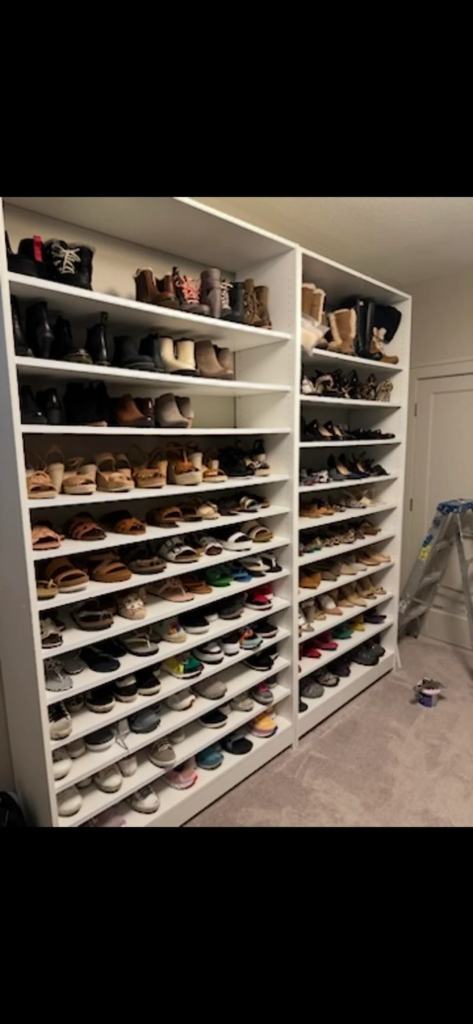
12. Over-Door Shoe Storage
Why It Works
An over-door shoe organizer with deep, sturdy pockets stores 12-20 pairs of shoes in a space that literally didn’t exist as storage before. For tiny entryways where floor space for a shoe rack is impossible, this solution is practically transformative.
How to Do It
Choose pockets sized for shoes specifically (wider and deeper than general pocket organizers). Position the organizer so the lowest pockets clear the floor by at least an inch when the door is open. Limit contents to flat shoes, sneakers, and lighter footwear, heavier boots need floor storage.
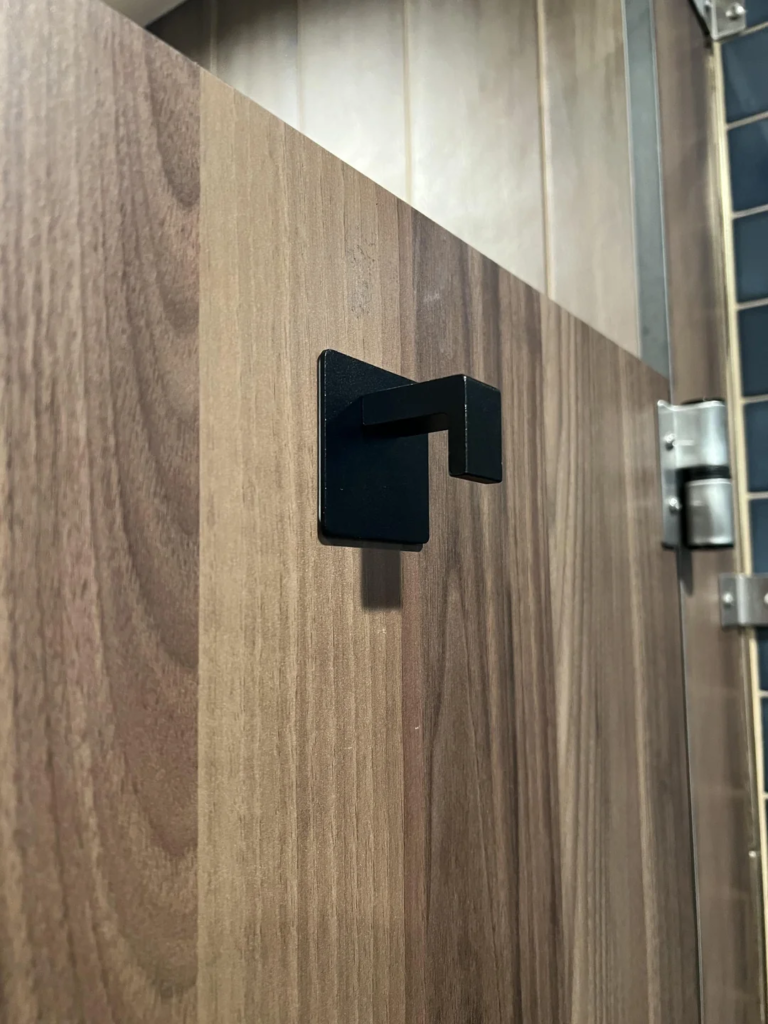
13. Individual Hooks on the Back of the Door
Why It Works
Individual hooks mounted on the back of the entry door provide hanging storage for items used daily, a light jacket, a tote bag, a dog leash, an umbrella, in a location that’s only visible when the door is open. It’s private, accessible, and uses space that was previously completely functional.
How to Do It
Adhesive hooks for renters or screw-in hooks for permanent installation work equally well on a door back. Position them at natural reaching height for the items they’ll hold, higher hooks for bags, lower hooks for umbrellas and leashes. Limit to three or four hooks so the door can still close fully without hooks catching the frame.
Insider Tip
A hook specifically for tomorrow’s outfit on the back of the entry door is a practical addition that most people don’t think of until they try it. Hanging tomorrow’s jacket or outerwear by the door means your morning routine starts in the right place rather than requiring a trip back to the bedroom after you’re already dressed to leave.
14. A Mounted Umbrella Hook or Stand
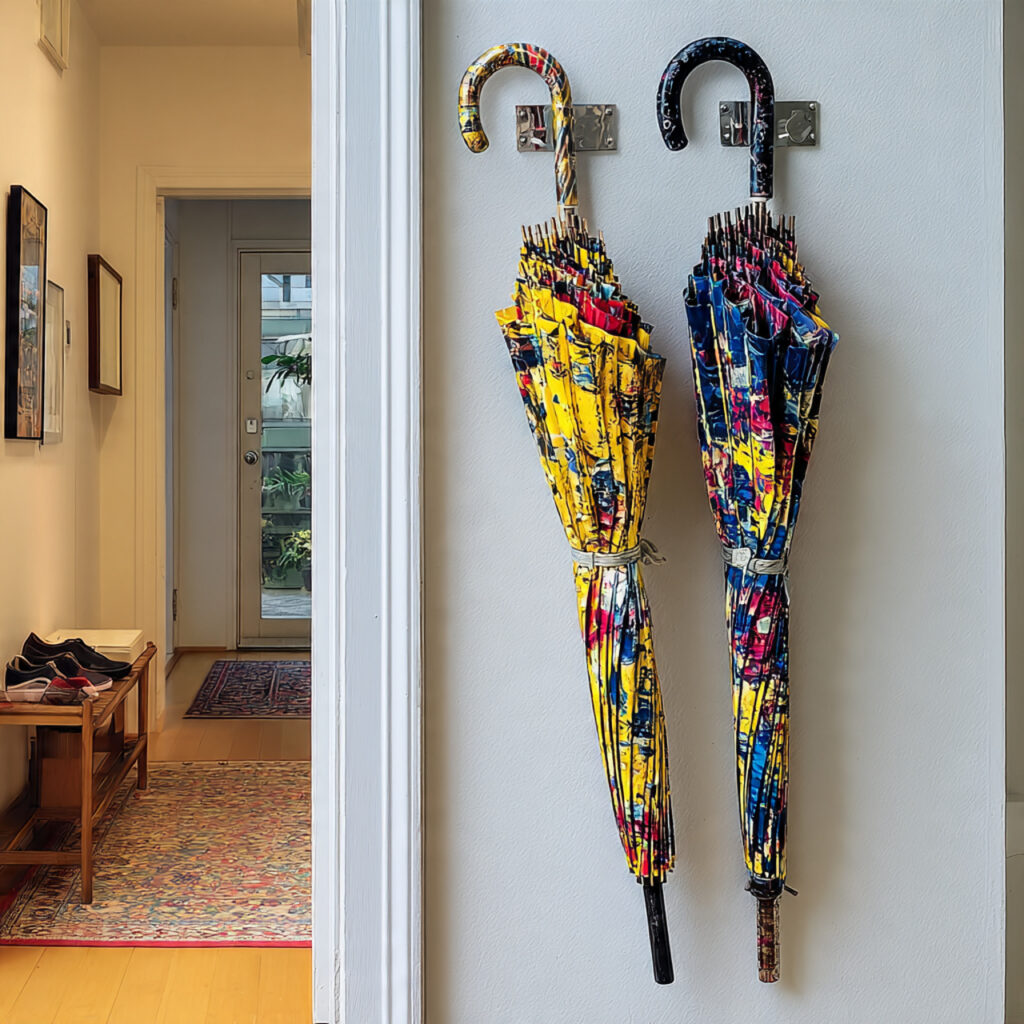
Why It Works
Umbrellas are one of the most awkwardly stored entryway items, too wet to store in a closed space when recently used, too long for most shelves, and always in the way wherever they end up. A dedicated umbrella hook or small stand addresses this specifically.
How to Do It
A single wall-mounted umbrella hook beside the door holds one or two umbrellas at a natural grabbing point. A small, slim umbrella stand on the floor (taking up approximately 6 inches of space) holds multiple umbrellas upright and catches drips on a removable base. Either solution is inexpensive and solves one of the most persistent tiny entryway problems.
The Finishing Details That Make Tiny Feel Intentional
Organization handles function. These finishing ideas make a tiny entryway feel genuinely beautiful and considered.
15. A Small Mirror to Open the Space
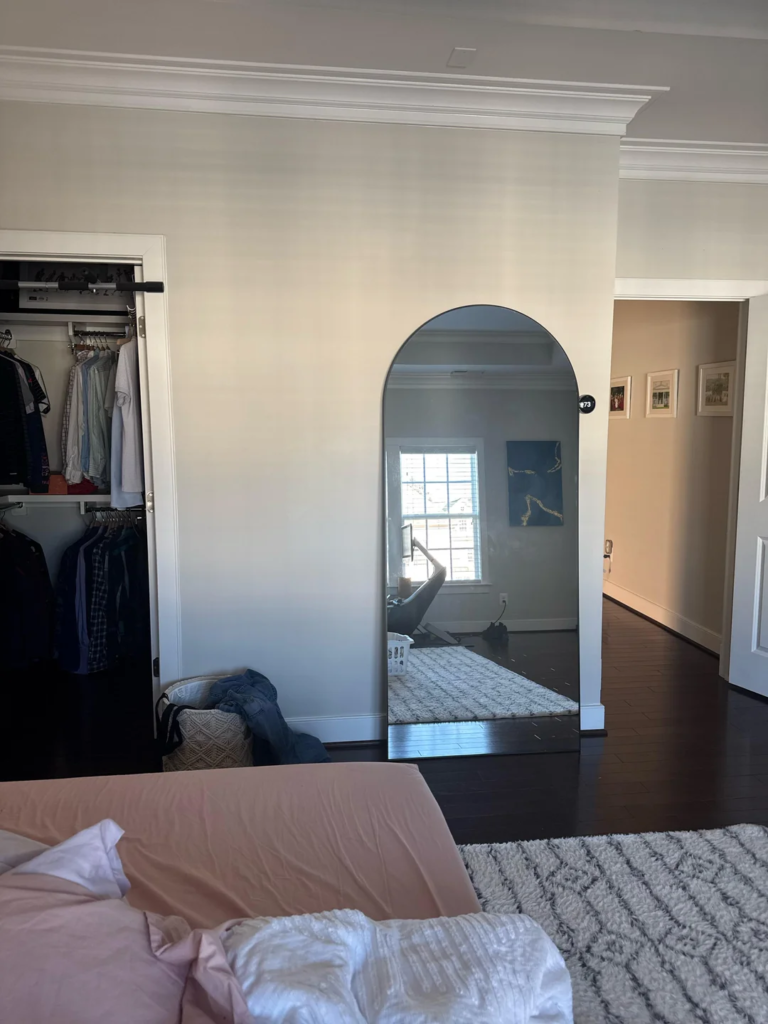
Why It Works
A mirror in a tiny entryway does two things simultaneously: it reflects light to make the space feel larger and brighter, and it provides the practical function of a final appearance check before leaving. In a narrow hallway, a mirror on one wall can make the space feel genuinely roomier, the eye reading reflected depth as actual space.
How to Choose One
Choose a mirror that fills a reasonable portion of the available wall, too small and it looks lost. In a narrow entryway, a vertically oriented mirror (taller than wide) works better than a wide horizontal one because it emphasizes height rather than width. Round mirrors are currently very popular in entryway contexts and suit most aesthetic styles.
16. A Single Beautiful Object to Anchor the Space
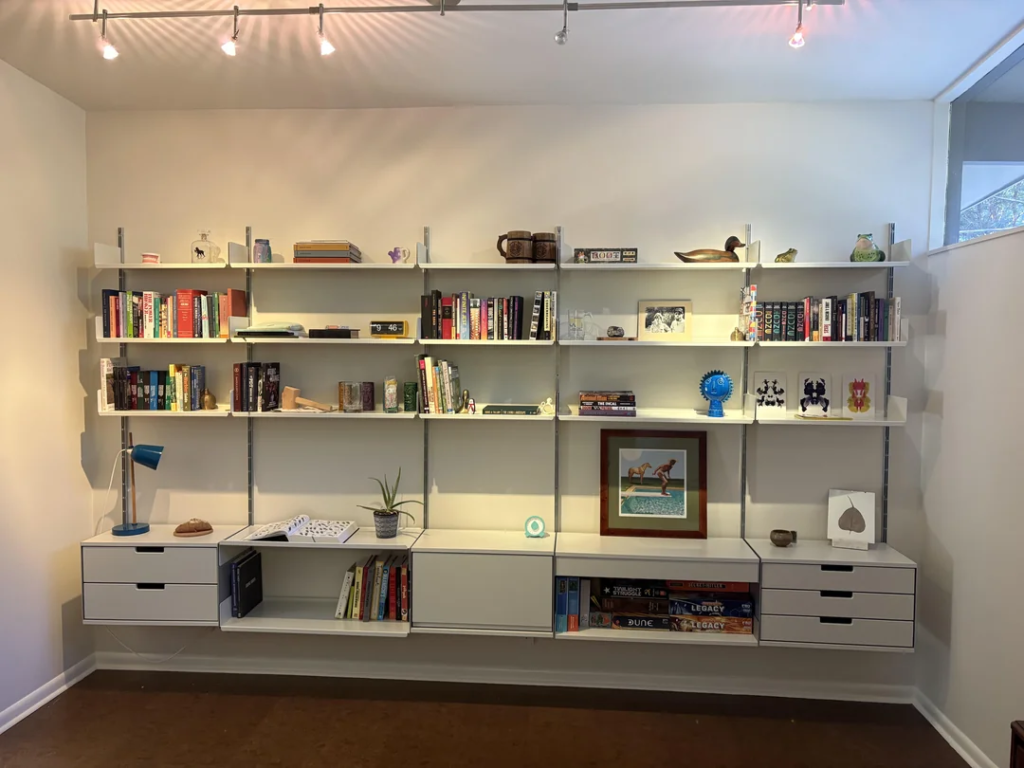
Why It Works
One carefully chosen decorative item, a small plant, a ceramic vase with a single stem, a beautiful candle in a vessel, a small piece of art leaned against the wall, transforms a functional storage solution into a space that feels lived in and loved. Without this anchor, an organized tiny entryway looks efficient but cold.
How to Choose It
Choose one thing, not five. In a tiny entryway, one beautiful object with space around it makes more impact than multiple competing pieces. The object should be proportional to the space, small and delicate rather than large and imposing. It should also be durable enough for the traffic and environmental changes (temperature, door movement) that an entryway experiences.
17. A Runner Rug to Define the Space
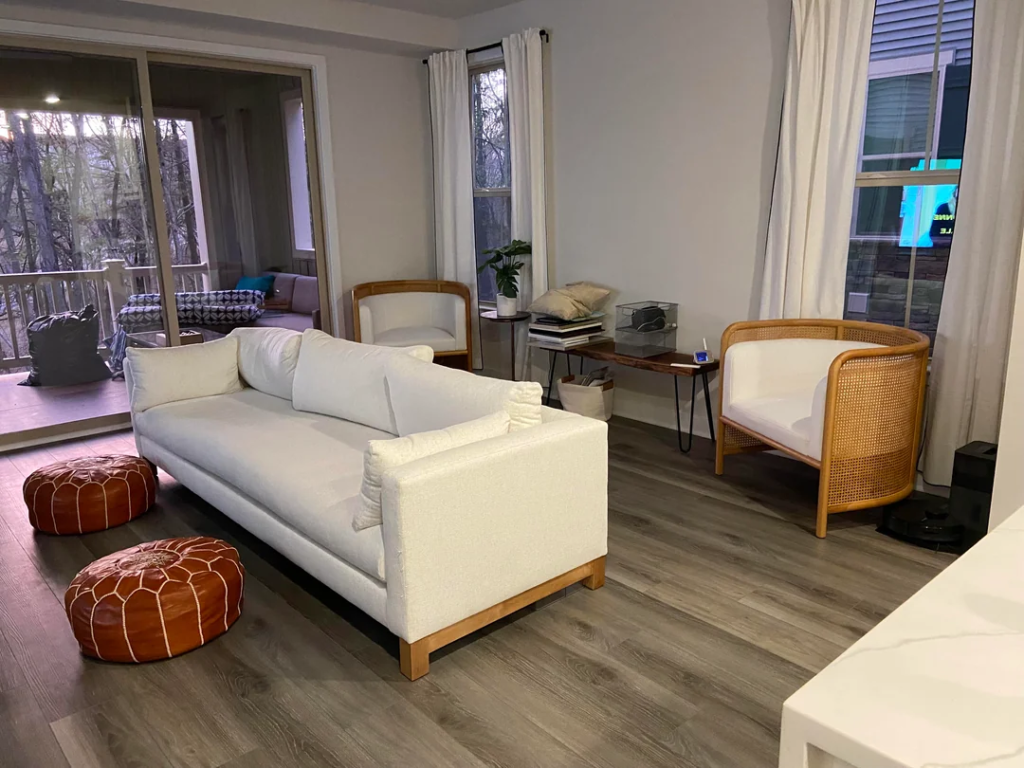
Why It Works
Even in the smallest entryway, a runner rug that covers the floor area creates a visual definition, this is a room, not just a transition, that elevates the entire space instantly. It also protects the floor and catches dirt and moisture from incoming shoes.
How to Choose One
In a tiny entryway, size the rug to cover most of the floor area without curling under the door. Even a small 18 x 30 inch mat-sized runner makes a visual difference in a very compact entry. Choose a pattern or texture that suits the aesthetic, a subtle geometric in natural tones looks timeless and works with any decor.
Common Mistake
Choosing a rug that’s too small. The most common rug mistake in entryways is undersizing. A rug that looks like a mat rather than a runner reads as an afterthought. Go as large as the space honestly permits for the most design impact.
18. Warm Lighting to Change the Entire Mood
Why It Works
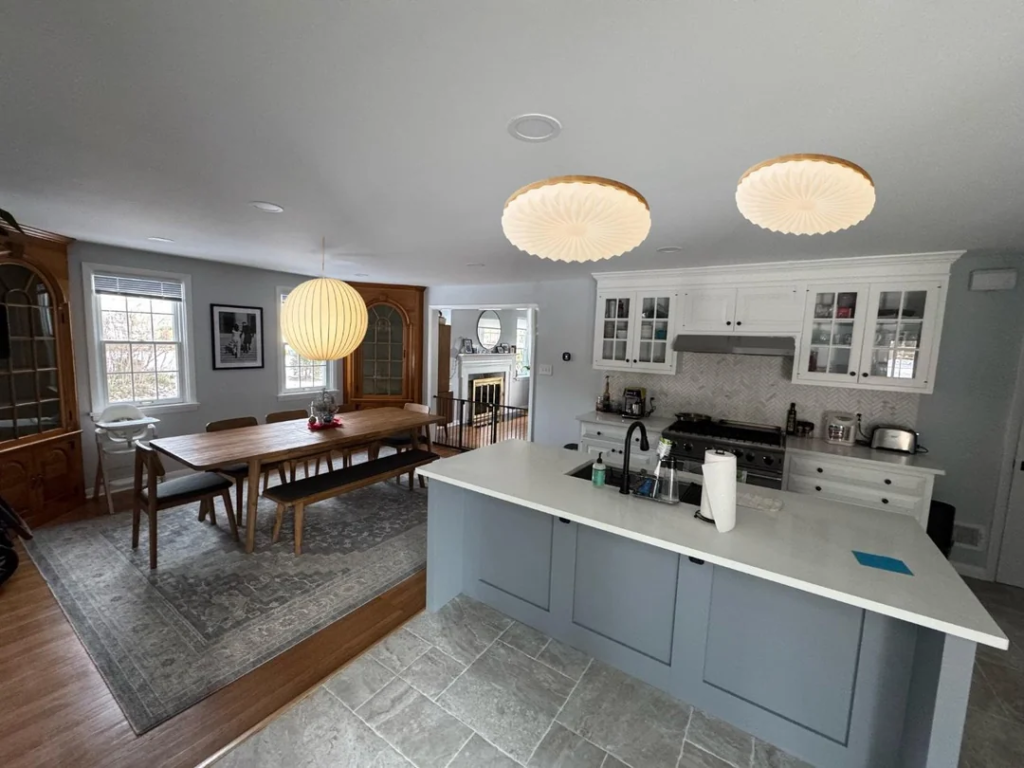
Entryways often have the worst lighting in the home, a single ceiling fixture with a harsh or cool bulb. Replacing the bulb with a warm white equivalent (2700K), or adding a small battery-operated LED wall light where a plug isn’t available, transforms the emotional quality of the space immediately.
How to Do It
A simple warm LED bulb replacement costs almost nothing and makes the space feel immediately more welcoming. A small plug-in wall sconce or battery LED lamp adds an additional warm light point that creates the layered, intentional lighting quality most tiny entryways lack. The warmth of the light is felt as welcoming rather than purely functional.
19. A Scent That Says Welcome
Why It Works
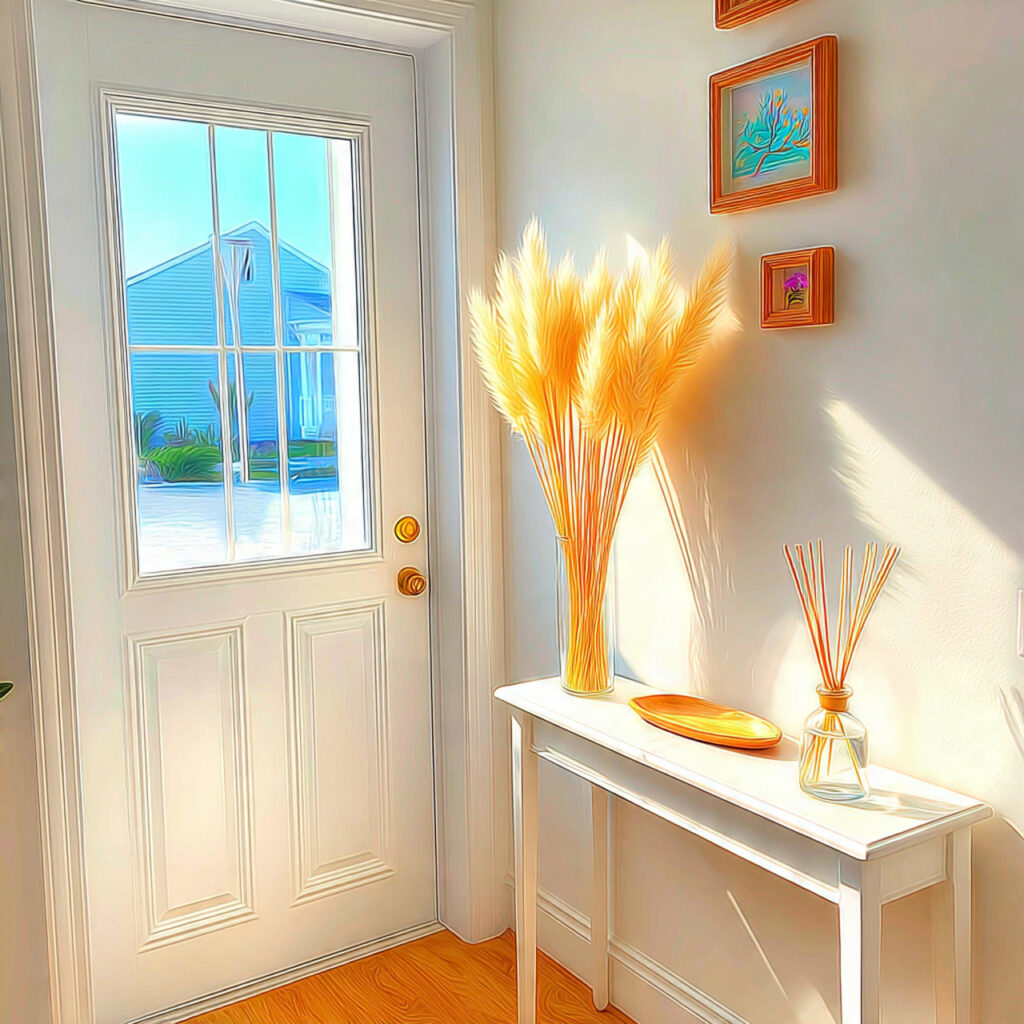
The scent of your entryway is the first sensory experience anyone has in your home, including you, every day. A small reed diffuser in a fresh, clean scent on the console table or shelf creates a welcoming olfactory impression that makes the entry feel considered and genuinely inviting.
How to Choose One
A small diffuser (the entryway doesn’t need a large one, airflow from the door naturally circulates the scent) in linen, eucalyptus, or soft citrus creates a clean, welcoming impression. The diffuser itself can be a decorative element if chosen in a beautiful vessel. Position it where it won’t be knocked over by door movement.
20. Matching Baskets or Bins for Visual Calm
Why It Works
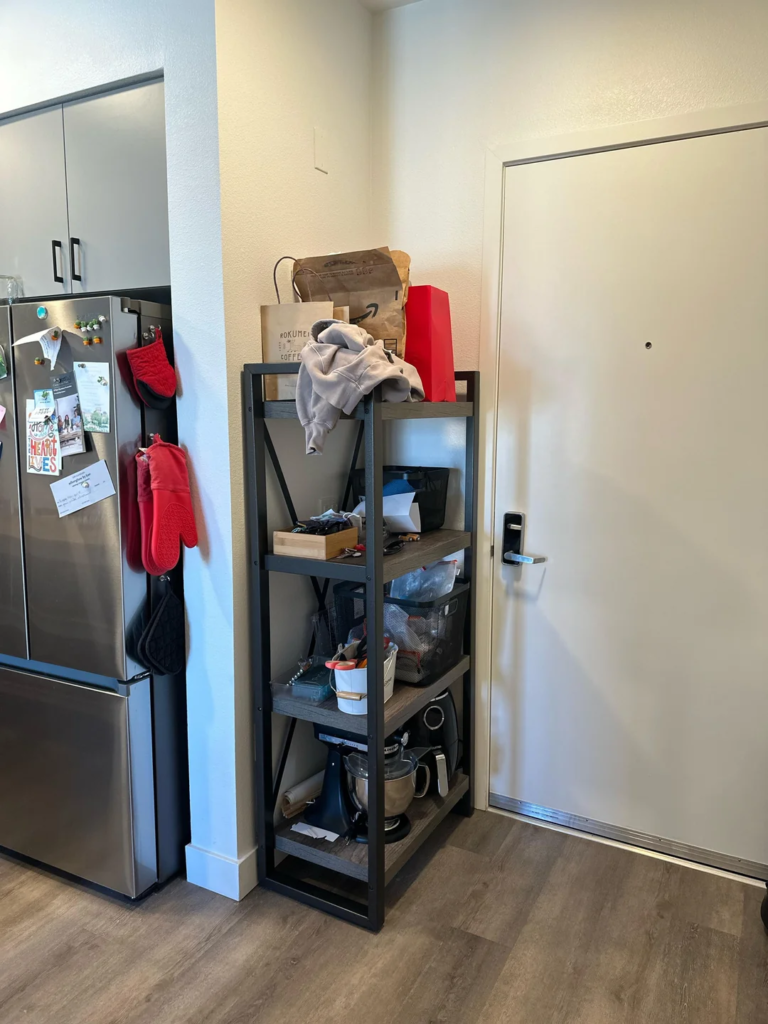
In a tiny entryway where everything is close together and highly visible, visual consistency creates calm. Two or three matching baskets or bins, for gloves and scarves, for mail, for dog accessories, look organized and intentional even when they’re full. The same items in mismatched containers look chaotic.
How to Do It
Choose one basket or bin style and use it for every contained storage category in the entryway. Woven seagrass in a natural tone. White canvas bins. Black wire baskets. The specific choice matters less than the consistency. Label each basket clearly so every item has a home that anyone in the household can identify and use.
21. A Weekly Two-Minute Reset
Why It Works
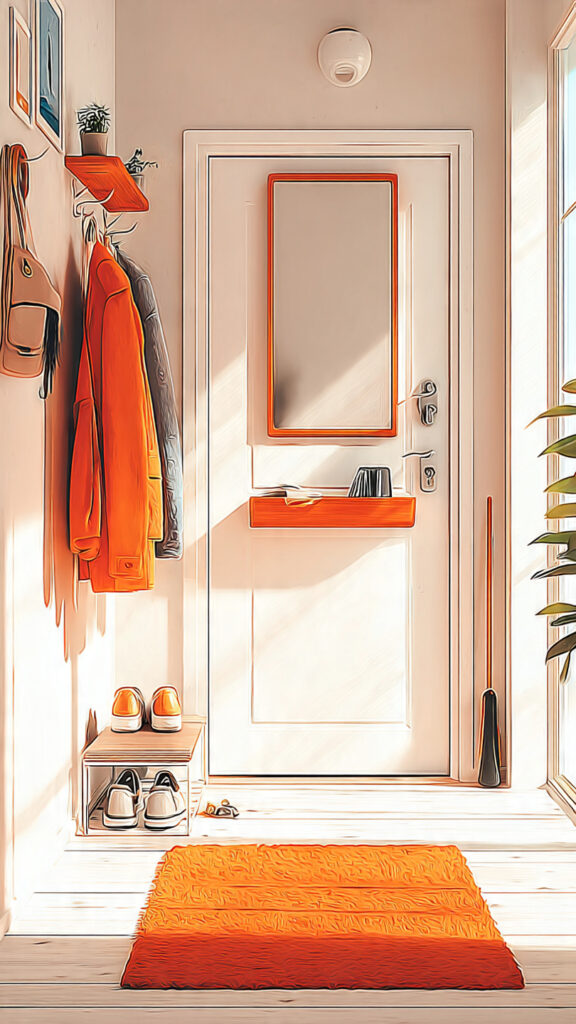
A tiny entryway fills faster than a large one, there’s simply less capacity for overflow before the space becomes chaotic. A weekly two-minute reset, return everything to its home, clear any surfaces, wipe the mirror, shake out the rug, maintain the organized state and prevent the gradual drift that turns good systems into abandoned ones.
How to Do It
Tie the reset to a weekly moment that already happens, before the weekly shop, on Sunday evening, whenever your natural weekly rhythm has a brief pause. Two minutes is genuinely sufficient for a tiny entryway when the systems are in place. The reset doesn’t reorganize the space, it returns it to the organized state you’ve worked to create.
Insider Tip
The weekly reset is also the moment to notice what’s not working. A basket that’s always overflowing needs more capacity or less content. A hook that’s always empty means something is landing somewhere else. Tiny adjustments made during the reset gradually improve the system over time until it feels almost effortless to maintain.
Small Space, Big Impression
Here’s what this guide comes down to: the size of your entryway doesn’t determine the quality of the experience it creates. The organization of that space does.
A thoughtfully organized tiny entryway, with hooks at the right height, shoes contained, keys in a consistent home, and one small beautiful thing to catch the eye, creates the same welcoming, calm transition as a grand foyer. The feeling doesn’t scale with square footage. It scales with intention.
You’ve just read 21 ideas designed specifically for the smallest, most challenging entry spaces. You don’t need all of them. You need the four or five that address your specific daily frustrations and fit the specific dimensions of your specific door-adjacent slice of real estate.
Start with the wall. Add a hook. Give your keys a home. Put one small thing you love where you can see it every time you come through the door.
The space is smaller than you’d like. The life it opens into is exactly the right size.
Make the entrance worthy of it.