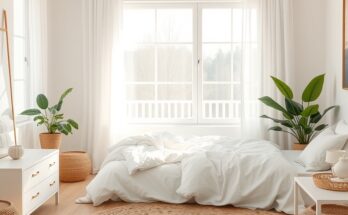
Creating a wabi sabi bedroom transforms your personal sanctuary into a space that celebrates imperfection, natural beauty, and mindful simplicity. This Japanese aesthetic philosophy embraces the beauty of aging, asymmetry, and organic materials, creating environments that feel authentically calm and deeply grounding. Unlike minimalist bedrooms that can sometimes feel cold or sterile, a wabi sabi bedroom welcomes the warmth of natural textures, the character of handmade objects, and the peaceful acceptance of things as they are. This design approach encourages you to slow down, appreciate the present moment, and find beauty in the simple, unadorned elements that make a bedroom truly feel like a restful retreat.
The essence of wabi sabi bedroom design lies in its ability to create tranquility through authenticity rather than perfection. By incorporating raw materials like linen bedding, reclaimed wood furniture, and handcrafted ceramics, you build a space that feels connected to nature and human craftsmanship. The neutral color palette of earthy tones, muted grays, and soft whites creates visual harmony that soothes the mind and promotes restful sleep. In this comprehensive guide, we’ll explore 29 wabi sabi bedroom ideas that embrace natural materials, celebrate imperfection, and create peaceful atmospheres where you can truly rest, recharge, and reconnect with what matters most in your life.
1. Natural Linen Bedding in Earthy Tones

Natural linen bedding forms the foundation of an authentic wabi sabi bedroom, offering organic texture and breathable comfort that synthetic materials cannot replicate. The slightly rumpled, lived-in appearance of linen perfectly embodies the wabi sabi appreciation for natural imperfection, as the fabric’s inherent wrinkles and irregular weave create visual interest and tactile depth. Choosing linen in earthy tones like warm beige, soft taupe, or gentle oatmeal establishes a neutral color palette that calms the senses and creates a cohesive, harmonious sleeping environment that feels both luxurious and unpretentious.
The beauty of linen bedding in a wabi sabi bedroom extends beyond aesthetics to functional benefits that enhance sleep quality and sustainability. Linen naturally regulates temperature, keeping you cool in summer and warm in winter, while its durability means it actually improves with age and washing, developing a softer hand and more beautiful character over time. This longevity aligns perfectly with wabi sabi principles of cherishing objects that age gracefully and rejecting disposable consumer culture. Layer different linen textures, smooth sheets, nubby duvet covers, and textured throws, to create dimensional interest while maintaining the understated elegance central to wabi sabi interior design.
Also Read: 23 Earthy Minimalist Bedroom Ideas That Feel Warm and Serene
2. Reclaimed Wood Platform Bed

A reclaimed wood platform bed serves as the centerpiece of a wabi sabi bedroom, bringing raw natural beauty and sustainable craftsmanship into your sleeping space. The weathered texture, visible grain patterns, and slight imperfections in reclaimed wood tell stories of the material’s previous life, embodying the wabi sabi appreciation for history and patina. Whether crafted from old barn wood, salvaged beams, or repurposed flooring, these beds showcase the authentic character that new materials cannot replicate, creating a grounding focal point that connects your bedroom to nature and craftsmanship traditions.
The low-profile design of platform beds complements wabi sabi bedroom aesthetics by creating horizontal lines that promote a sense of calm and groundedness. This Japanese-inspired silhouette keeps the visual weight low, making the room feel more spacious and serene while aligning with traditional Eastern sleeping practices. The natural wood grain requires minimal finishing, often just a simple oil or wax treatment, allowing the material’s inherent beauty to shine without glossy varnishes that would contradict wabi sabi principles of authenticity. This honest approach to furniture celebrates the wood’s natural variations, knots, and color shifts as design features rather than flaws to be concealed.
Read More: 27 Contemporary Coastal Living Room Ideas That Look Fresh and Airy
3. Exposed Plaster Walls with Organic Texture

Exposed plaster walls create depth and organic texture in a wabi sabi bedroom, offering a raw, unfinished aesthetic that celebrates the beauty of building materials. The slightly irregular surface of hand-applied plaster, with its subtle variations in color and texture, provides visual interest that machine-made drywall cannot achieve. Choosing natural plaster in soft white, warm cream, or gentle gray creates a neutral backdrop that enhances rather than competes with your bedroom furnishings, while the matte finish absorbs light softly, creating a peaceful, cocoon-like atmosphere perfect for rest and reflection.
The imperfect application technique essential to wabi sabi bedroom walls embraces trowel marks, slight irregularities, and natural color variations as intentional design elements rather than mistakes to be corrected. This approach creates walls that feel handcrafted and human-scaled, connecting you to artisan traditions and rejecting the sterile perfection of modern construction. As plaster ages, it may develop small cracks or subtle discoloration that wabi sabi philosophy celebrates as evidence of time’s passage and the material’s authentic nature. These gentle imperfections contribute to a bedroom that feels lived-in and welcoming rather than pristine and untouchable.
4. Tatami Mat Flooring

Tatami mat flooring brings authentic Japanese wabi sabi bedroom elements into your space through traditional woven rush grass mats that provide natural texture and subtle fragrance. These rectangular mats, traditionally made from rice straw core covered with woven igusa grass, create a slightly yielding surface that feels pleasant underfoot and encourages mindful movement. The natural golden-green color of fresh tatami gradually ages to warm honey tones, embodying the wabi sabi appreciation for materials that develop a beautiful patina over time, transforming your bedroom floor into a living element that evolves with your space.
The practical benefits of tatami in a wabi sabi bedroom extend beyond aesthetics to include natural air purification, humidity regulation, and thermal insulation properties that create a healthier sleeping environment. The grass fibers naturally absorb and release moisture, helping maintain comfortable humidity levels, while the pleasant organic scent promotes relaxation and connects you to nature even in urban settings. Traditional tatami installation follows specific measurement systems and arrangements that create harmonious proportions, bringing mathematical beauty and spatial order to your wabi sabi bedroom design while maintaining the organic, natural aesthetic that defines this Japanese philosophy.
5. Handcrafted Ceramic Lighting

Handcrafted ceramic lighting fixtures introduce artisan quality and organic forms into your wabi sabi bedroom, creating functional art that provides both illumination and sculptural interest. These handmade pieces showcase the potter’s marks, slight asymmetries, and subtle glaze variations that make each lamp unique, celebrating human craftsmanship over industrial uniformity. Choosing ceramics in natural clay tones, soft whites, or earthy glazes maintains the neutral palette essential to wabi sabi bedroom design while the organic shapes, perhaps rounded forms, irregular vessels, or nature-inspired silhouettes—soften the space and create visual harmony.
The warm, diffused light that filters through ceramic shades or reflects off textured surfaces creates the gentle, ambient illumination essential for a peaceful wabi sabi bedroom atmosphere. Unlike harsh overhead lighting, ceramic table lamps and pendant lights placed at human scale provide intimate pools of light that encourage relaxation and prepare your mind for rest. The substantial weight and permanence of ceramic lighting contrasts beautifully with the soft textiles in your wabi sabi bedroom, creating material diversity that adds depth to the overall design while maintaining the cohesive, calming aesthetic that defines this Japanese-inspired approach to interior spaces.
6. Low Wooden Furniture with Simple Lines
Low wooden furniture with simple lines creates the horizontal emphasis essential to wabi sabi bedroom design, drawing inspiration from traditional Japanese interiors where furniture sits close to the ground. Dressers, nightstands, and benches crafted from solid wood in minimalist forms showcase the material’s natural beauty without excessive ornamentation or complicated joinery. The straightforward construction celebrates honest craftsmanship while the low profile creates visual spaciousness, making even small bedrooms feel more open and breathable, essential qualities for spaces dedicated to rest and rejuvenation.
The wood selection for wabi sabi bedroom furniture typically favors species with prominent grain patterns, natural color variations, or interesting figuring that adds visual interest without applied decoration. Oak, walnut, cedar, or reclaimed woods offer the character and warmth that align with wabi sabi appreciation for natural materials, while simple oil or wax finishes protect the wood while allowing it to develop patina and deepen in color over time. This honest treatment respects the material’s integrity and ensures your furniture will age gracefully, becoming more beautiful with years of use rather than deteriorating or appearing dated as trends change.
7. Neutral Color Palette with Muted Tones
A neutral color palette with muted tones forms the visual foundation of any wabi sabi bedroom, creating a calm, cohesive environment that soothes rather than stimulates the senses. This approach favors earthy shades like warm beige, soft taupe, gentle gray, and creamy white, along with muted versions of natural colors like sage green, dusty blue, or terracotta that reference the natural world. By limiting your palette to these subdued hues, you create visual harmony that allows the textures, materials, and forms in your wabi sabi bedroom to take precedence over bold color statements, resulting in a space that feels unified and intentionally designed.
The psychology of neutral colors in a wabi sabi bedroom supports better sleep and reduced stress by eliminating visual chaos and creating a restful environment. These muted tones don’t compete for attention or create stimulating contrasts, instead working together to envelope you in a gentle, womb-like atmosphere that promotes deep relaxation. The subtle variations within a neutral palette, perhaps layering warm grays with soft whites and natural wood tones, create sophisticated depth that prevents the space from feeling flat or boring while maintaining the overall sense of peace and simplicity that defines wabi sabi interior design philosophy.
8. Woven Textiles and Natural Fibers
Woven textiles and natural fibers add essential texture and warmth to a wabi sabi bedroom, creating tactile interest that engages the senses without visual overwhelm. Materials like cotton, jute, hemp, wool, and linen bring organic patterns and subtle irregularities that celebrate the handmade and natural over synthetic uniformity. These textiles might appear as woven wall hangings, textured throw blankets, handmade rugs, or cushion covers, each contributing to the layered, comfortable feeling that makes a wabi sabi bedroom feel inviting and lived-in rather than staged or overly designed.
The natural imperfections inherent in hand-woven textiles, slight variations in thread thickness, small irregularities in the weave pattern, or subtle color shifts, perfectly embody wabi sabi principles of finding beauty in imperfection. These characteristics prove that human hands created the pieces, connecting you to artisan traditions and adding authenticity to your bedroom environment. Natural fibers also offer practical benefits including breathability, sustainability, and the ability to age gracefully, developing softer textures and richer colors over time rather than deteriorating in quality as synthetic materials often do.
9. Minimalist Window Treatments
Minimalist window treatments in a wabi sabi bedroom balance the need for privacy and light control with the aesthetic desire for simplicity and natural beauty. Simple linen curtains in neutral tones, natural bamboo blinds, or shoji-inspired sliding screens provide functional coverage while maintaining the clean, uncluttered lines essential to wabi sabi design. These understated treatments allow natural light to filter gently into the space rather than blocking it completely, creating the soft, diffused illumination that enhances the peaceful atmosphere and connects your bedroom to the natural rhythms of daylight.
The choice to keep window treatments simple and natural in a wabi sabi bedroom reflects the philosophy’s emphasis on essential functionality over decorative excess. Rather than elaborate draperies with multiple layers, valances, and embellishments, wabi sabi window treatments use single panels of beautiful natural fabric that hang simply and drape softly, perhaps slightly puddling on the floor or ending just at the sill. This approach celebrates the material’s inherent beauty, the texture of linen, the natural color of cotton, or the organic pattern of bamboo, without added ornamentation, creating windows that frame views of nature or softly filter light without becoming focal points themselves.
10. Indoor Plants in Rustic Containers
Indoor plants in rustic containers bring living natural elements into your wabi sabi bedroom, connecting you to the organic world and improving air quality while adding gentle color and movement. Choosing plants with simple, architectural forms like snake plants, peace lilies, or monstera creates visual interest without busy, complicated shapes, while the green foliage provides the only strong color in an otherwise neutral wabi sabi bedroom palette. These living elements introduce the concept of natural growth, change, and imperfection into your space, as plants naturally shed leaves, produce new growth, and evolve over time, all expressions of wabi sabi philosophy.
The containers for wabi sabi bedroom plants should emphasize natural materials and handmade quality, perhaps using ceramic pots with organic glazes, weathered terra cotta, woven baskets, or even simple concrete planters that showcase material authenticity. Intentionally choosing pots that show the potter’s marks, slight irregularities, or natural aging celebrates the wabi sabi appreciation for imperfect beauty and artisan craftsmanship. Grouping plants at varying heights or placing single statement plants in corners creates natural focal points that soften the space and add life to your bedroom without requiring bright colors or busy patterns that would disrupt the overall calm aesthetic.
11. Exposed Wooden Beams
Exposed wooden beams add architectural character and natural warmth to a wabi sabi bedroom, showcasing structural elements that modern construction typically hides. Whether original to an older building or newly installed for aesthetic purposes, these overhead beams draw the eye upward and create visual interest on the ceiling plane that’s often neglected in bedroom design. The natural wood grain, possible imperfections like knots or slight warping, and the honest expression of the building’s structure perfectly align with wabi sabi principles of authenticity, celebrating materials and construction methods rather than concealing them.
The weathered appearance and patina of reclaimed beams particularly suits wabi sabi bedroom aesthetics, as the wood’s history and aging process create character that new materials lack. These beams might show saw marks, old nail holes, or subtle color variations from decades of exposure to air and light, imperfections that wabi sabi philosophy recognizes as beauty marks rather than flaws. The horizontal lines created by exposed beams also contribute to the sense of calm and stability essential in bedrooms, while the wood material adds warmth that prevents the space from feeling cold despite the neutral color palette common in wabi sabi interior design.
12. Stone or Concrete Accent Wall
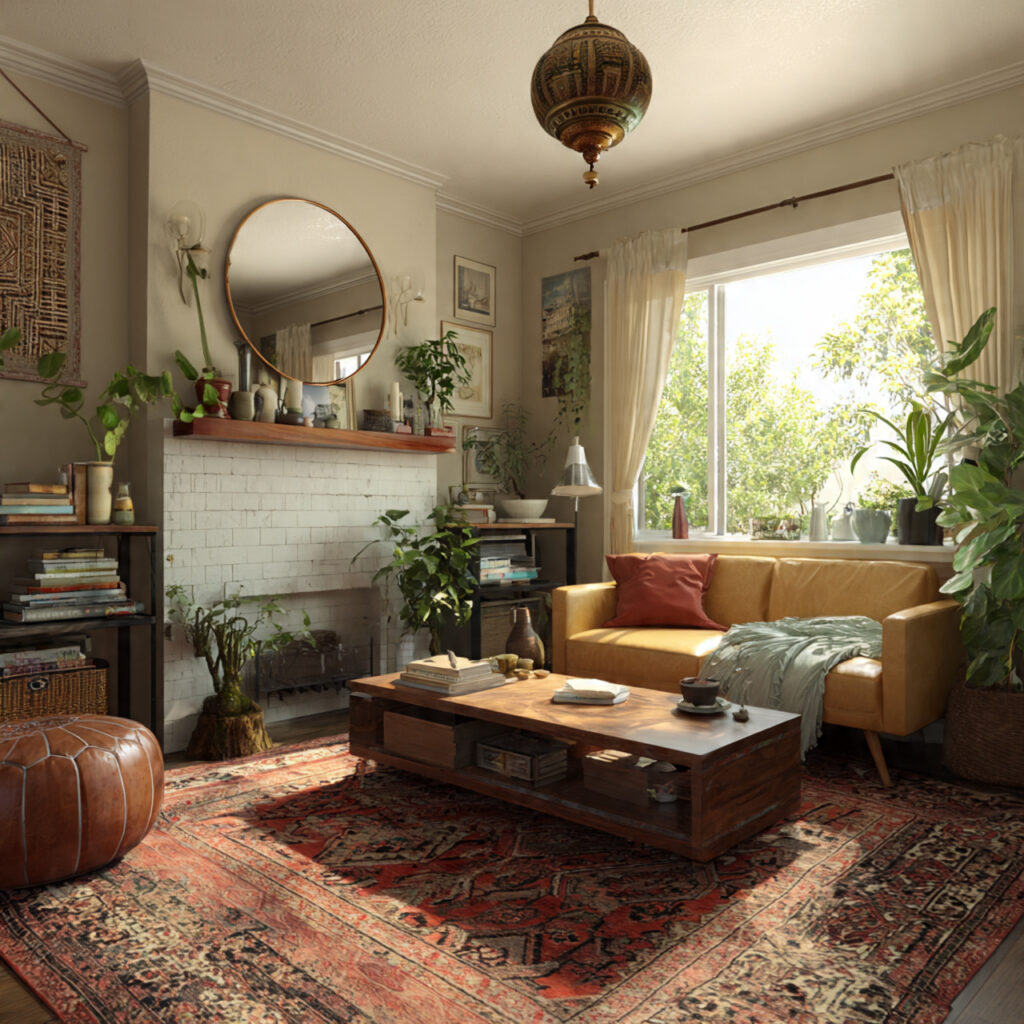
A stone or concrete accent wall introduces raw, elemental materials into your wabi sabi bedroom, creating textural contrast and grounding weight that balances softer textile elements. Natural stone with its irregular surface, color variations, and organic patterns brings ancient geological beauty indoors, while poured or molded concrete offers modern industrial aesthetics with subtle imperfections that align with wabi sabi appreciation for honest materials. These substantial surfaces add visual weight and permanence to your bedroom, creating a focal point that feels solid and enduring in contrast to the lighter, more ephemeral qualities of fabric and wood.
The textural quality of stone or concrete in a wabi sabi bedroom provides important contrast to smooth surfaces, creating tactile interest that makes the space feel more dynamic and engaging. The cool temperature and solid mass of these materials also offer psychological grounding, creating a sense of stability and connection to the earth that promotes restful sleep. Whether you choose rough-cut stone that showcases the material’s natural fracture patterns or hand-finished concrete with visible trowel marks and slight color variations, these accent walls celebrate the beauty of building materials in their most honest, unadorned state.
13. Handmade Woven Rugs

Handmade woven rugs introduce artisan quality and natural fiber texture to your wabi sabi bedroom floor, creating soft landing spots beside the bed while adding visual warmth and acoustic softening. Rugs crafted from natural materials like wool, jute, cotton, or hemp in neutral colors and simple patterns maintain the calm aesthetic essential to wabi sabi design while providing practical comfort underfoot. The slight irregularities inherent in handwoven textiles, perhaps small variations in thread tension or subtle color shifts, celebrate human craftsmanship and add authentic character that machine-made rugs cannot replicate.
The choice of simple, organic patterns or solid neutral colors for wabi sabi bedroom rugs prevents the floor covering from becoming a busy focal point that disrupts visual peace. Geometric patterns inspired by traditional weaving techniques, subtle striping, or simple textural interest created through varied weave structures provide enough detail to maintain interest while supporting the overall minimalist aesthetic. As these natural fiber rugs age, they develop softness and patina that enhances their beauty, embodying the wabi sabi principle that objects should improve with use and time rather than deteriorating or requiring replacement.
14. Minimal Nightstand with Essential Items

A minimal nightstand in your wabi sabi bedroom holds only essential items, embracing the principle of editing possessions down to what you truly need and love. This simple bedside table, perhaps a small wooden stool, a floating shelf, or a streamlined cabinet, provides just enough surface area for a reading lamp, a book, and perhaps a glass of water or small plant. By limiting what occupies this frequently-viewed space, you create visual calm that extends into your subconscious, reducing mental clutter and promoting the peaceful mindset essential for quality sleep.
The aesthetic of the nightstand itself should embody wabi sabi principles through natural materials, simple construction, and honest design that doesn’t hide structural elements or disguise the material’s nature. A solid wood piece showing natural grain, a handmade ceramic stool, or even a repurposed wooden box turned on its side can serve this function while adding authentic character to your bedroom. The few items you choose to display should be both beautiful and functional, perhaps a handthrown ceramic lamp, a favorite book with a worn cover, or a small vessel holding a single stem, each object earning its place through genuine usefulness or meaningful aesthetic contribution.
15. Soft Ambient Lighting with Dimmers

Soft ambient lighting with dimmers creates the gentle illumination essential for a peaceful wabi sabi bedroom, allowing you to adjust brightness to match your activities and mood throughout the day. This layered lighting approach might include bedside table lamps with fabric or paper shades, wall sconces with warm bulbs, or even carefully placed candles that provide flickering, organic light. Avoiding harsh overhead lighting and instead creating multiple sources of soft, diffused light mimics natural illumination patterns and creates an intimate, comfortable atmosphere that supports relaxation and prepares your mind and body for sleep.
The ability to dim lights in a wabi sabi bedroom acknowledges the natural progression from day to night, allowing you to gradually reduce illumination as evening approaches in harmony with circadian rhythms. Choosing warm-toned bulbs (2700K-3000K) rather than cool white light creates a cozy, welcoming glow that enhances the natural warmth of wood furniture and neutral textiles. This thoughtful approach to lighting design recognizes that illumination profoundly affects mood and that creating a truly restful bedroom requires conscious control over light intensity, color temperature, and direction—all elements that contribute to the overall sense of peace and naturalness in wabi sabi interior design.
16. Organic Cotton Throws and Blankets

Organic cotton throws and blankets add layered texture and cozy comfort to your wabi sabi bedroom while supporting sustainable practices and natural material aesthetics. These soft, breathable textiles in neutral colors like cream, gray, or natural cotton beige can be draped casually over the foot of the bed or folded on a bedroom chair, ready for cool evenings or moments when you need extra warmth. The slightly irregular texture of organic cotton, combined with its soft hand and natural drape, creates the lived-in, comfortable feeling essential to wabi sabi bedroom design while avoiding the stiff, overly perfect appearance of synthetic blankets.
The choice of organic cotton for wabi sabi bedroom textiles reflects the philosophy’s deeper values of environmental responsibility and honoring natural processes. Organic cultivation methods work with rather than against nature, producing cotton that’s free from harmful chemicals and gentler on the earth, a choice that aligns with wabi sabi appreciation for sustainable, mindful living. As these cotton throws are used and washed repeatedly, they become softer and more comfortable, developing the beautiful patina that wabi sabi celebrates, proving that well-made natural textiles improve with age rather than deteriorating in quality or appearance.
17. Vintage or Antique Furniture Pieces

Vintage or antique furniture pieces bring history and character into your wabi sabi bedroom, offering alternatives to mass-produced items while celebrating objects that have survived decades of use. An old wooden dresser with original hardware, a weathered bench that once served in a different context, or a vintage mirror with slight silvering loss all carry stories and patina that new furniture cannot replicate. These pieces embody wabi sabi principles by showing the marks of time and use, perhaps worn edges, faded finishes, or small repairs, that testify to their quality construction and continued usefulness despite age.
Integrating vintage furniture into a wabi sabi bedroom requires appreciating imperfections as design features rather than flaws to be refinished away. The slightly uneven drawer that’s settled over decades, the finish worn smooth where hands have repeatedly opened a cabinet, or the gentle warping that comes from years of humidity changes all tell authentic stories about the object’s life. Rather than stripping and refinishing these pieces to look new, wabi sabi philosophy suggests gentle cleaning and minimal intervention that preserves the patina and character. This approach honors the craftsmanship of the original makers while rejecting throwaway consumer culture in favor of cherishing durable, well-made objects.
18. Natural Wood Floor with Visible Grain

Natural wood flooring with visible grain patterns creates a warm, organic foundation for your wabi sabi bedroom, bringing the beauty of trees indoors while providing a durable, long-lasting surface. Wide plank floors in oak, pine, or reclaimed wood showcase the material’s natural characteristics, growth rings, color variations, knots, and mineral streaks, celebrating these features as authentic expressions of the tree’s life rather than imperfections to be hidden. A simple matte or low-sheen finish protects the wood while allowing its natural texture and appearance to dominate, avoiding the glossy, plastic-like look of high-sheen polyurethane that contradicts wabi sabi aesthetic principles.
The choice to leave floors relatively unfinished or minimally treated in a wabi sabi bedroom acknowledges that wood is a living material that will continue to age, possibly developing small scratches, slight color shifts, or gentle patina over time. This natural evolution embodies wabi sabi acceptance of change and impermanence, recognizing that signs of life and use add character rather than diminishing value. The warm tones and organic patterns in wood flooring also provide visual interest that makes solid neutral walls and simple furnishings feel grounded and complete rather than stark, contributing to the overall sense of natural beauty and peaceful simplicity.
19. Shoji Screen Room Divider

A shoji screen room divider introduces authentic Japanese wabi sabi bedroom elements while providing functional space division and diffused light filtration. These traditional sliding screens feature wooden frames holding translucent paper panels that glow softly when backlit, creating gentle, indirect illumination perfect for bedroom environments. The geometric grid pattern of the wooden framework adds subtle visual interest while maintaining the clean lines and minimalist aesthetic essential to wabi sabi design, and the screen’s ability to slide open or closed allows flexible use of space.
The handcrafted quality of traditional shoji screens, with their precise joinery and carefully applied paper, celebrates artisan skills while the inherent fragility of paper panels embraces wabi sabi acceptance of impermanence. Small tears or yellowing of the paper over time might be viewed as imperfections in other design contexts, but wabi sabi philosophy recognizes these signs of aging as adding character and authenticity. Modern interpretations might use more durable rice paper or even linen panels while maintaining the essential aesthetic, providing a wabi sabi bedroom element that honors Japanese design traditions while adapting to contemporary needs and living conditions.
20. Earthenware Vases with Single Stems

Earthenware vases with single stems create minimal, intentional floral displays in your wabi sabi bedroom, embracing the Japanese concept of ikebana where less is more. Rather than abundant bouquets, a single carefully chosen branch, flower stem, or even dried grass in a handmade ceramic vessel becomes a meditation on natural beauty and asymmetric composition. The simplicity of this approach draws attention to the unique qualities of each element, the curve of a branch, the unfurling of a single leaf, or the delicate structure of one bloom, encouraging mindful observation and appreciation of natural forms.
The earthenware vessels themselves contribute to wabi sabi bedroom aesthetics through their handcrafted quality, organic shapes, and natural clay colors that complement the neutral palette. Choosing vases that show the potter’s marks, have slightly irregular profiles, or display interesting glaze effects celebrates artisan work and embraces imperfection as beauty. As these vessels are used over time, they may develop small chips or subtle discoloration from water minerals, changes that wabi sabi philosophy welcomes as evidence of use and the passage of time, adding character rather than diminishing the object’s value or appropriateness for display.
21. Textured Wallcovering in Natural Materials

Textured wallcovering in natural materials like grasscloth, cork, or raw silk adds dimensional interest to wabi sabi bedroom walls while maintaining the organic, understated aesthetic. These coverings showcase the inherent beauty of natural fibers, with grasscloth revealing the varied thickness and direction of grass stems, cork displaying its naturally irregular surface and warm tone, or silk offering subtle sheen and gentle texture. The natural variations in these materials, no two sections exactly alike, create organic patterns that add visual interest without busy printed designs that would disrupt the calm atmosphere essential to restful bedrooms.
The sustainable nature of natural wallcoverings aligns with wabi sabi values of environmental responsibility and honest material use. These coverings are biodegradable, often made from rapidly renewable resources, and free from synthetic chemicals that can off-gas into your bedroom air. The textured surface also provides practical acoustic benefits, absorbing sound and creating a quieter, more peaceful sleeping environment. As these materials age, they may develop slight color variations from sun exposure or natural oxidation, changes that wabi sabi philosophy accepts as part of the material’s life cycle rather than reasons for replacement.
22. Low Japanese Futon-Style Mattress
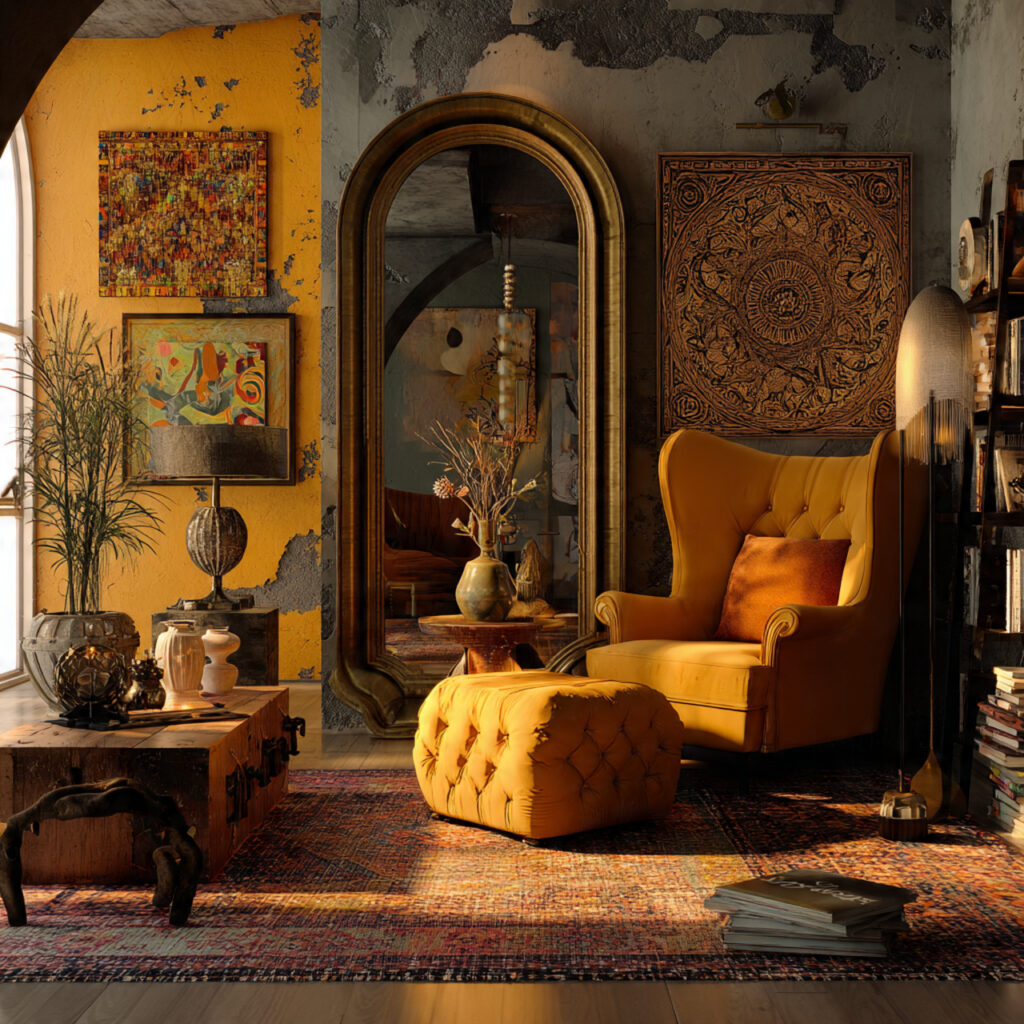
A low Japanese futon-style mattress creates an authentic wabi sabi bedroom sleeping arrangement that connects you to traditional Eastern practices and keeps your sleeping surface close to the ground. This minimalist approach to bedding eliminates the need for bulky box springs and tall bed frames, creating horizontal emphasis that makes the room feel more spacious and serene. The simple cotton or wool-filled mattress, typically placed directly on the floor or on a low platform, embraces wabi sabi principles of simplicity, functionality, and connection to natural materials over elaborate furniture systems.
The practice of rolling up and storing the futon daily, common in traditional Japanese homes, introduces mindful ritual into your morning routine and allows the bedroom to serve multiple purposes throughout the day. Even if you choose to leave your futon in place, the low sleeping position creates a different spatial relationship with your bedroom, drawing your awareness to floor-level elements and creating a more grounded, earth-connected feeling. The futon’s simple construction and natural materials also align with wabi sabi values of sustainability and honest design, avoiding the complex spring systems and synthetic foams common in Western mattresses in favor of straightforward, natural comfort.
23. Whitewashed or Limewashed Walls

Whitewashed or limewashed walls create a soft, matte finish in your wabi sabi bedroom that celebrates the beauty of imperfect application and natural materials. These traditional wall treatments use diluted paint or mineral-based lime wash that allows the underlying wall texture to show through, creating depth and subtle variation impossible to achieve with modern flat paint. The slightly irregular finish, with its gentle color variations and visible brush strokes, adds handcrafted quality and organic interest that makes walls feel less like stark boundaries and more like gentle, breathing surfaces.
The breathable nature of lime wash particularly suits wabi sabi bedroom principles, as this natural treatment allows moisture to pass through the wall rather than trapping it behind synthetic paint films. This creates a healthier indoor environment while the mineral-based material provides natural mold resistance and improves air quality. As limewash ages, it develops a beautiful patina and may show slight weathering or subtle color shifts, changes that enhance rather than diminish its appearance, perfectly embodying wabi sabi appreciation for materials that improve with time and show honest evidence of their nature and history.
24. Handwoven Bamboo Blinds

Handwoven bamboo blinds bring natural material beauty and organic texture to wabi sabi bedroom windows while providing adjustable light control and privacy. The warm honey tones of natural bamboo add gentle color that complements neutral palettes, while the linear pattern created by horizontal bamboo strips adds subtle visual interest without busy designs. The handwoven construction means each blind shows slight variations in bamboo thickness, color, and spacing, natural irregularities that wabi sabi philosophy celebrates as marks of authenticity and connection to craft traditions.
The functional benefits of bamboo blinds extend beyond aesthetics to include sustainability, as bamboo is one of the fastest-growing renewable resources, requiring no pesticides and regenerating quickly after harvest. The natural material filters light beautifully when lowered, creating the soft, diffused illumination ideal for peaceful wabi sabi bedroom environments while still allowing connection to the outdoors and natural light cycles. As bamboo ages, it deepens in color and may show slight weathering, natural changes that add character and demonstrate the material’s organic nature, aligning perfectly with wabi sabi acceptance of impermanence and appreciation for materials that show honest aging.
25. Simple Wooden Shelving for Display

Simple wooden shelving provides functional storage and curated display opportunities in your wabi sabi bedroom while maintaining clean lines and natural material beauty. Open shelves crafted from solid wood planks with minimal brackets or visible joinery celebrate honest construction and material authenticity, avoiding the concealment and complexity of closed cabinets. These shelves hold carefully selected objects, perhaps a few favorite books, small ceramic vessels, or natural objects like stones or driftwood, each item chosen for meaning or beauty rather than displaying collections merely for the sake of filling space.
The practice of selective display on wabi sabi bedroom shelves encourages mindful curation and regular editing of possessions, keeping only items that serve a purpose or bring genuine joy. This approach prevents visual clutter and maintains the peaceful, uncluttered atmosphere essential for restful sleep and mental calm. The wood shelves themselves age beautifully, perhaps developing slight sagging over time from the weight of objects, gentle color changes from light exposure, or small marks from use, all characteristics that wabi sabi philosophy recognizes as evidence of functional life rather than deterioration requiring replacement.
26. Organic Shapes in Furniture and Decor
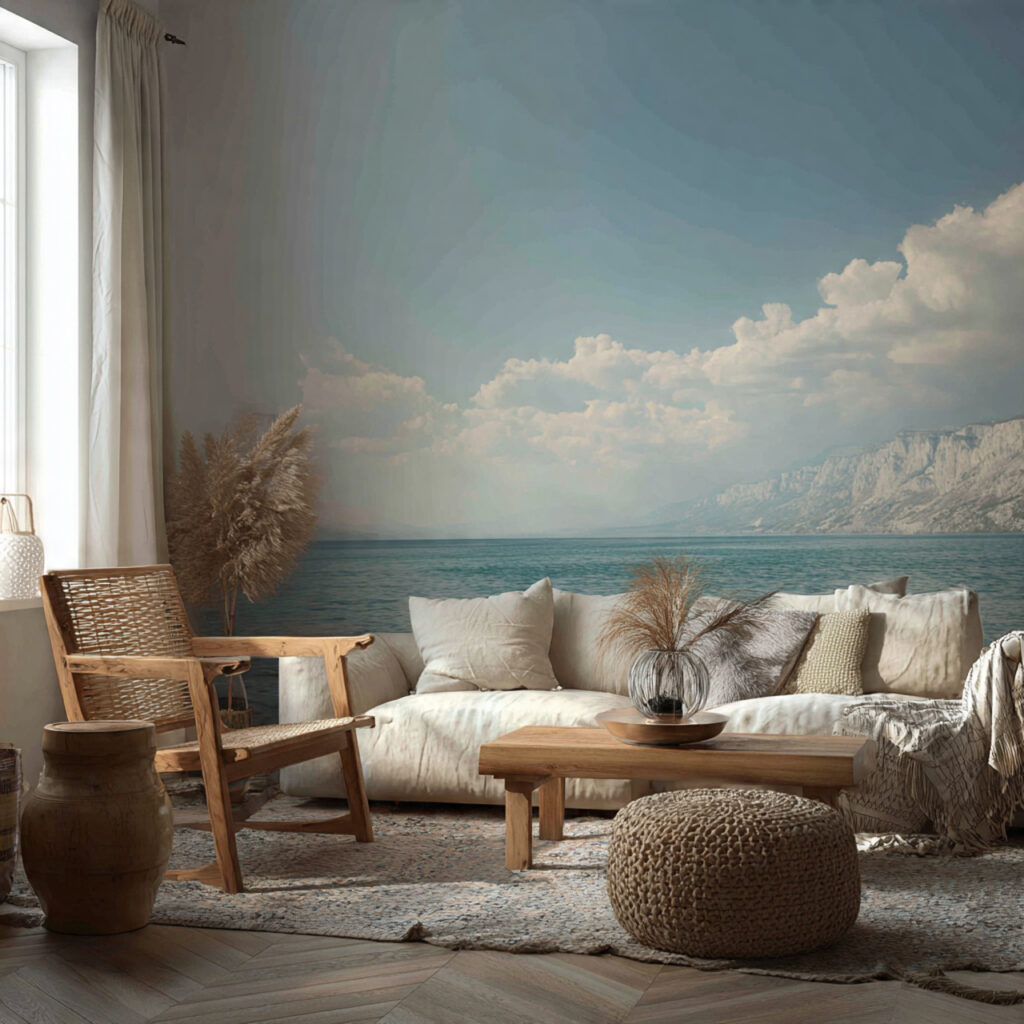
Organic shapes in furniture and decor soften the wabi sabi bedroom environment, introducing curves and irregular forms that reference natural rather than manufactured objects. Rounded wooden stools, ceramic vessels with asymmetric profiles, or mirrors with irregular edges bring visual relief from the straight lines of walls and windows while maintaining the overall minimalist aesthetic. These organic forms feel more welcoming and less rigid than strict geometric shapes, creating a gentler, more nurturing atmosphere that supports relaxation and reflects wabi sabi appreciation for natural, unforced beauty.
The asymmetry inherent in many organic shapes perfectly embodies wabi sabi principles, as perfectly symmetrical forms rarely occur in nature and tend to feel artificial or overly controlled. A handmade wooden bowl with slightly uneven walls, a stone with natural irregular contours, or a ceramic lamp with an organic, hand-shaped form all celebrate the beautiful imperfections that arise from natural processes or human craftsmanship. These shapes also create more interesting play of light and shadow in your bedroom, adding subtle visual dynamics that change throughout the day as natural light moves through the space.
27. Natural Fiber Wallpaper

Natural fiber wallpaper introduces subtle texture and organic beauty to wabi sabi bedroom walls through materials like sisal, jute, or hemp woven or pressed into wall coverings. These textured surfaces add dimensional interest that flat paint cannot achieve while maintaining the neutral, earthy color palette essential to wabi sabi aesthetics. The natural variations in fiber color, thickness, and weave pattern create organic visual interest that rewards close observation while reading as calm and unified from a distance, perfectly balancing detail and simplicity.
The tactile quality of natural fiber wallpaper adds another sensory dimension to your wabi sabi bedroom, inviting touch and creating material awareness that deepens your connection to the space. These wall treatments also provide practical acoustic benefits, absorbing sound to create a quieter, more peaceful environment conducive to sleep and relaxation. As natural materials, these wallpapers are biodegradable and often sourced from sustainable or rapidly renewable resources, aligning with wabi sabi values of environmental responsibility and authentic material use that respects natural cycles and resources.
28. Aged Metal Accents

Aged metal accents introduce subtle industrial elements into your wabi sabi bedroom while celebrating the beauty of patina and natural oxidation. Items like wrought iron wall hooks, brass drawer pulls that have developed verdigris, or a vintage metal bed frame with worn paint show how metal ages and changes over time, characteristics that wabi sabi philosophy appreciates as adding character and authenticity. These metal elements provide color and textural contrast to the dominant wood and textile materials while their aged appearance ensures they feel integrated and harmonious rather than jarring or overly modern.
The choice to embrace aged rather than polished metal in a wabi sabi bedroom reflects the philosophy’s core principle of finding beauty in imperfection and the passage of time. Rather than maintaining bright, shiny finishes that require constant polishing, allowing metal to develop natural patina acknowledges the material’s interaction with air and moisture as a beautiful process rather than deterioration. This honest approach to materials creates a more relaxed, lived-in atmosphere where you don’t feel pressure to maintain impossible perfection, instead accepting and appreciating the natural changes that occur in a well-used, truly inhabited space.
29. Meditation Corner with Floor Cushion

A meditation corner with floor cushion creates dedicated space for mindfulness practice in your wabi sabi bedroom, acknowledging the connection between physical environment and mental clarity. This simple area might include just a comfortable zafu or floor cushion in natural linen or cotton, perhaps placed near a window for natural light or in a quiet corner with minimal distractions. The intentional designation of space for meditation, reflection, or quiet reading reinforces the wabi sabi bedroom’s purpose as a sanctuary for rest, contemplation, and disconnection from daily demands.
The minimal furnishing of this meditation area embodies wabi sabi principles of simplicity and intentionality, providing just what’s necessary for practice without excessive decoration or equipment. A single cushion in natural fabric, perhaps a small wooden shelf holding a candle or incense, or a simple vase with a single stem creates focus rather than distraction, supporting the meditative purpose of the space. This dedicated area reminds you daily of wabi sabi values mindfulness, acceptance, appreciation of the present moment, while the simple, beautiful elements reinforce.
Conclusion
These 29 wabi sabi bedroom ideas demonstrate how the Japanese philosophy of finding beauty in imperfection, impermanence, and simplicity can transform your sleeping space into a peaceful sanctuary that nurtures rest and well-being. By embracing natural materials like linen, wood, stone, and clay, celebrating handcrafted objects with visible imperfections, and maintaining a neutral color palette of earthy tones, you create a bedroom environment that feels authentically calm and deeply grounding. The wabi sabi approach to bedroom design rejects the pressure for perfection and instead encourages appreciation of materials that age gracefully, furniture that shows honest construction, and spaces that feel lived-in rather than staged.
Creating a wabi sabi bedroom is ultimately about cultivating mindfulness in your personal space and choosing quality over quantity, authenticity over trends, and simplicity over excess. Whether you incorporate all these ideas or select just a few elements that resonate with your lifestyle, the principles of wabi sabi interior design offer a pathway to a more peaceful, intentional bedroom that supports restful sleep, quiet contemplation, and a deeper connection to natural beauty. Embrace the imperfect, celebrate the handmade, and allow your bedroom to become a true reflection of wabi sabi values—a space where you can truly rest, recharge, and find peace in the simple, honest beauty of natural materials and mindful design.