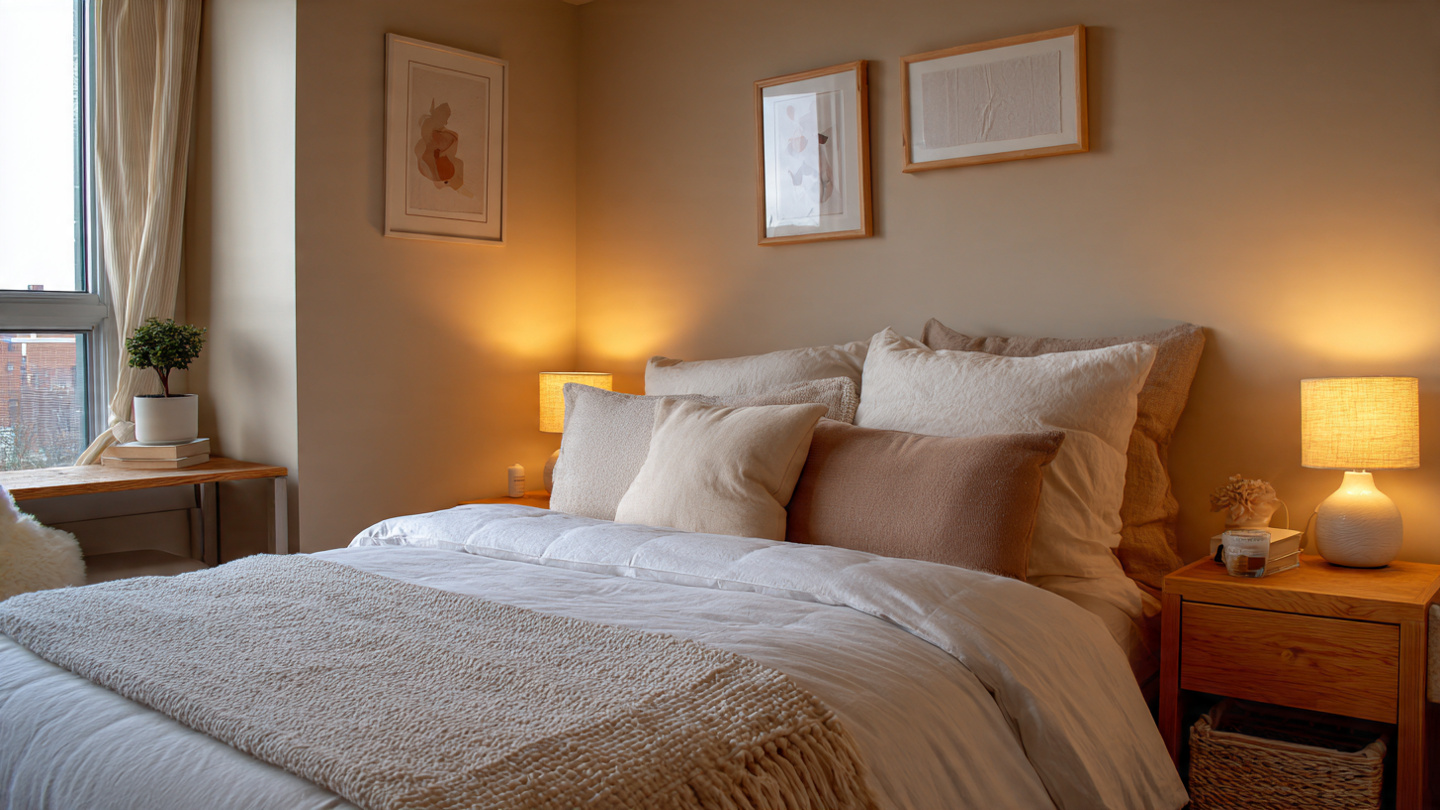
There’s something quietly powerful about a bedroom that was designed for two spaces where both people feel at home, where both personalities are somehow reflected, and where the room itself seems to say: this is where we rest, and this is where we belong. Not her room or his room. Not one person’s taste overlaid on another’s discomfort. A shared space that actually feels shared.
Creating that kind of bedroom is one of the most rewarding home design challenges two people can take on together.
Bedroom ideas for couples have become one of the most searched and most emotionally resonant categories in home design because getting it right genuinely matters. Research on relationship quality and shared living spaces consistently shows that couples who design their bedroom as a genuine retreat, comfortable, beautiful, and deliberately separate from the stresses of daily life report higher satisfaction with both their home and their relationship. Interior designers who work with couples cite the bedroom as the room where compromise done well produces the most beautiful results, and where compromise done poorly creates daily friction. The stakes are real, and so is the opportunity.
These 22 ideas address every dimension of creating a beautiful, romantic, and genuinely shared bedroom from the foundational elements like bed and bedding to the finishing details that make a room feel like it was made for exactly you two.
Why the Couples’ Bedroom Deserves Real Attention
The Daily Impact of a Shared Bedroom
You begin and end every day in this room together. The morning quality of the space, how it feels to wake up in it, how easy it is to get ready in it, how much it sets the tone for the day directly affects both people’s experience of home and of each other. The evening quality, how relaxing it is, how inviting the bed looks, how the room winds down with you affects sleep quality, the evening connection between partners, and the overall sense of the home as a refuge.
A bedroom designed with both people in mind creates better experiences of all of these daily moments.
The Couple’s Design Challenge
The primary challenge in designing a couples’ bedroom is merging two aesthetic sensibilities into one cohesive space without either person feeling like a visitor in their own room. The solution isn’t compromise in the sense of both people getting less than they want, it’s finding the design choices that genuinely work for both, which requires honest conversation, creative thinking, and often a willingness to discover shared preferences that weren’t obvious at the start.
Also Read: https://myhavenvibes.com/aesthetic-bedroom-ideas/
The Bed and Bedding Foundation
The bed is the heart of the couples’ bedroom and getting it right sets the tone for everything else.
1. A King or Super King Bed The Non-Negotiable Space Investment
Why It Works
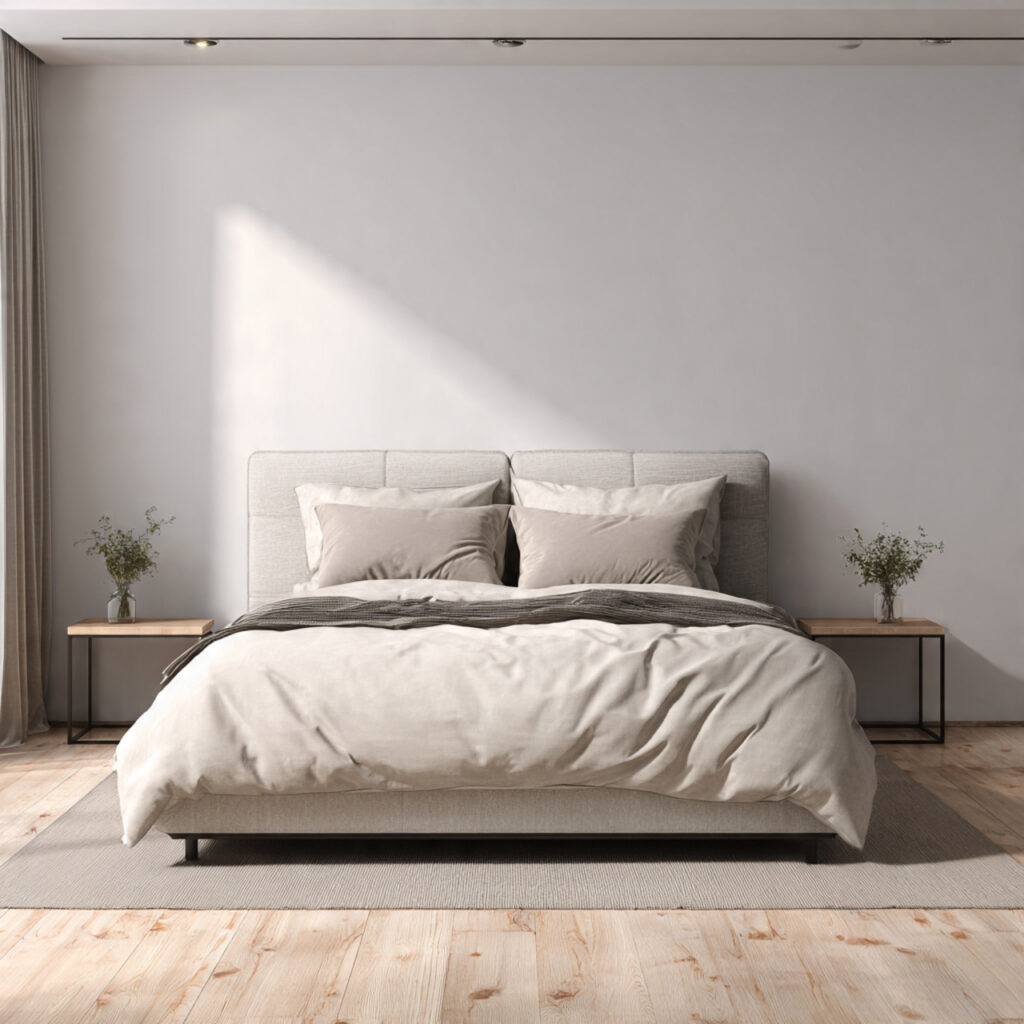
For couples who share a bed every night, the size of the bed is the single most impactful comfort decision available. A king or super king bed provides enough space for both people to sleep comfortably through the night without the territory negotiations that plague smaller beds and significantly improves sleep quality for both partners.
How to Make It Work in the Room
A king bed requires careful furniture, scaling oversized nightstands or a heavy dresser alongside a very large bed can make even a generously sized room feel crowded. Choose slimmer, lower-profile nightstands beside a king bed. Keep the floor area around the bed clear. The bed is the room’s hero piece; everything else should support rather than compete with it.
Common Mistake
Choosing a bed frame that’s too ornate or too large in its visual footprint. A king mattress in a simple, clean-lined platform frame takes less visual space than the same mattress in a heavy, elaborate frame with tall footboard and side rails. The simpler the frame, the more room the bed allows even at king size.
Read More: https://myhavenvibes.com/bedroom-ideas-for-small-rooms/
2. Layered Bedding That Works for Two Different Temperature Preferences
Why It Works
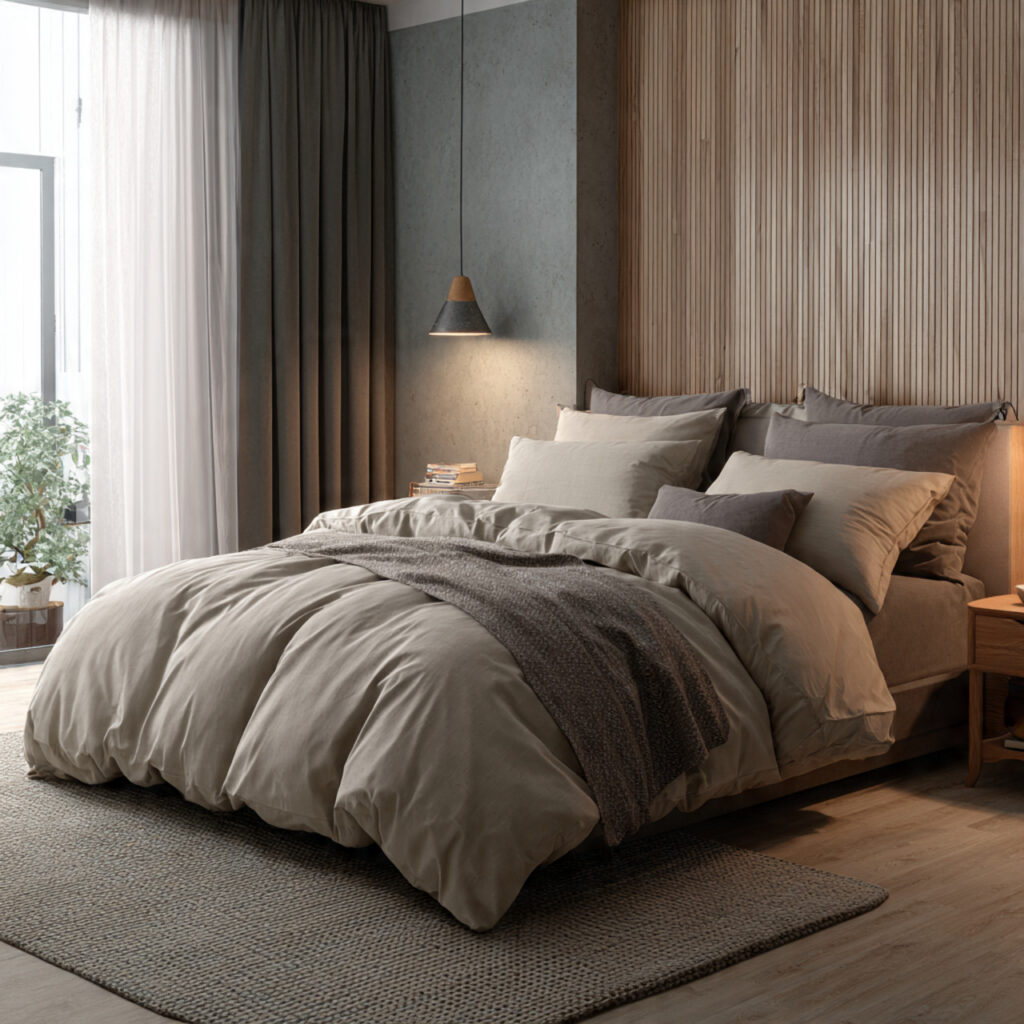
One of the most practical and most marriage-saving bedroom decisions available: the Scandinavian twin duvet method. Rather than sharing one duvet, each partner has their own duvet in the same size allowing completely independent temperature regulation while sharing the same bed.
How to Make It Look Beautiful
In the daytime, two individual duvets laid side by side on the bed look like one large duvet particularly when covered with a duvet cover that extends across the full bed width. A decorative bedspread or throw laid across the bottom third of the bed ties everything together visually. The functional solution looks completely seamless.
Insider Tip
Choose duvets in different tog ratings the warmer sleeper gets a lighter duvet, the cooler sleeper gets a heavier one. The same top duvet cover in a shared color makes the bed look unified while each person sleeps at their ideal temperature.
3. A Neutral Base Palette With Both Personalities Present
Why It Works
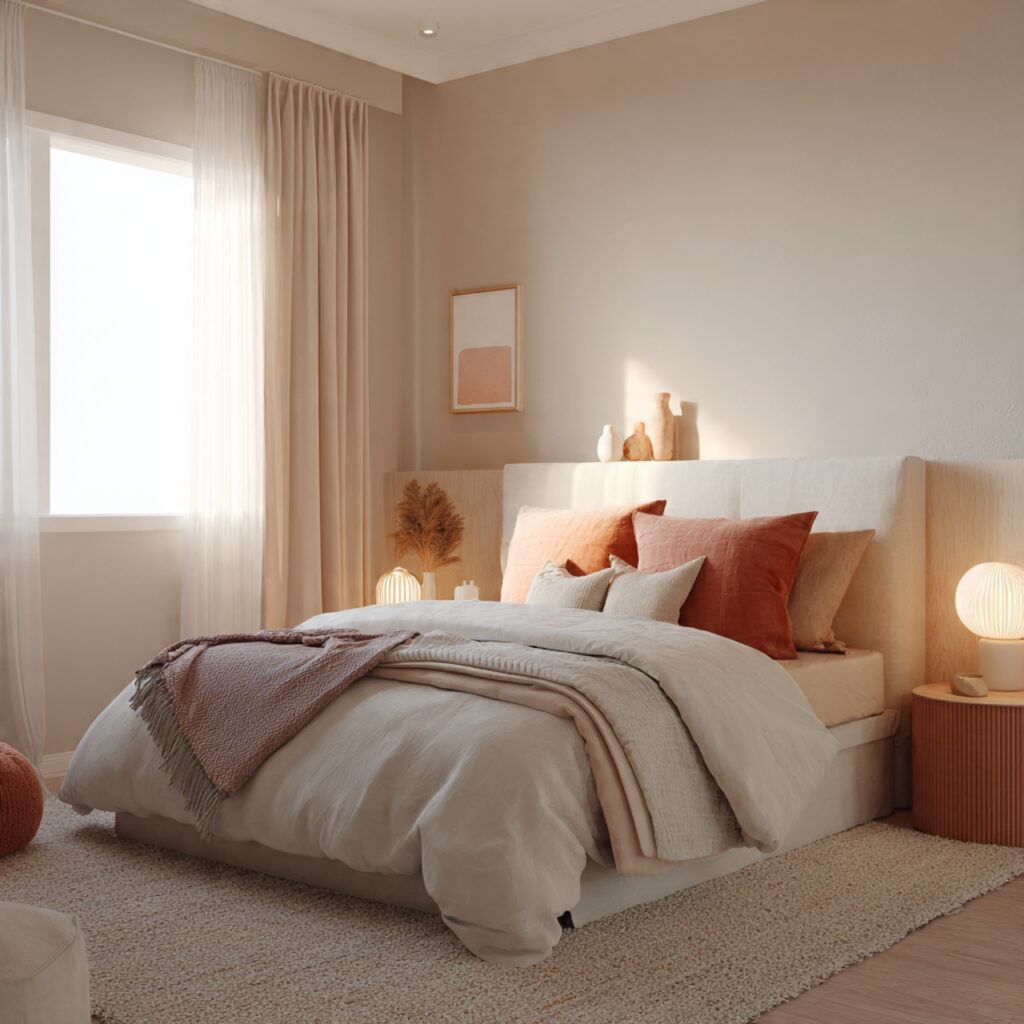
The most successful couples’ bedroom color palettes use a neutral base warm cream, soft grey, warm white that neither person strongly dislikes, with accent colors and personal touches that reflect both individuals rather than defaulting to one person’s strong preference.
How to Create It
Agree on a neutral base for the walls and major furniture. Then each partner chooses one accent color or material they love to introduce both throughout the room in balanced proportions. A person who loves deep navy and a person who loves warm terracotta might agree on a warm cream base, with navy used in artwork and a throw and terracotta used in cushions and a plant pot. Both are present; neither dominates.
4. Matching Nightstands on Each Side
Why It Works
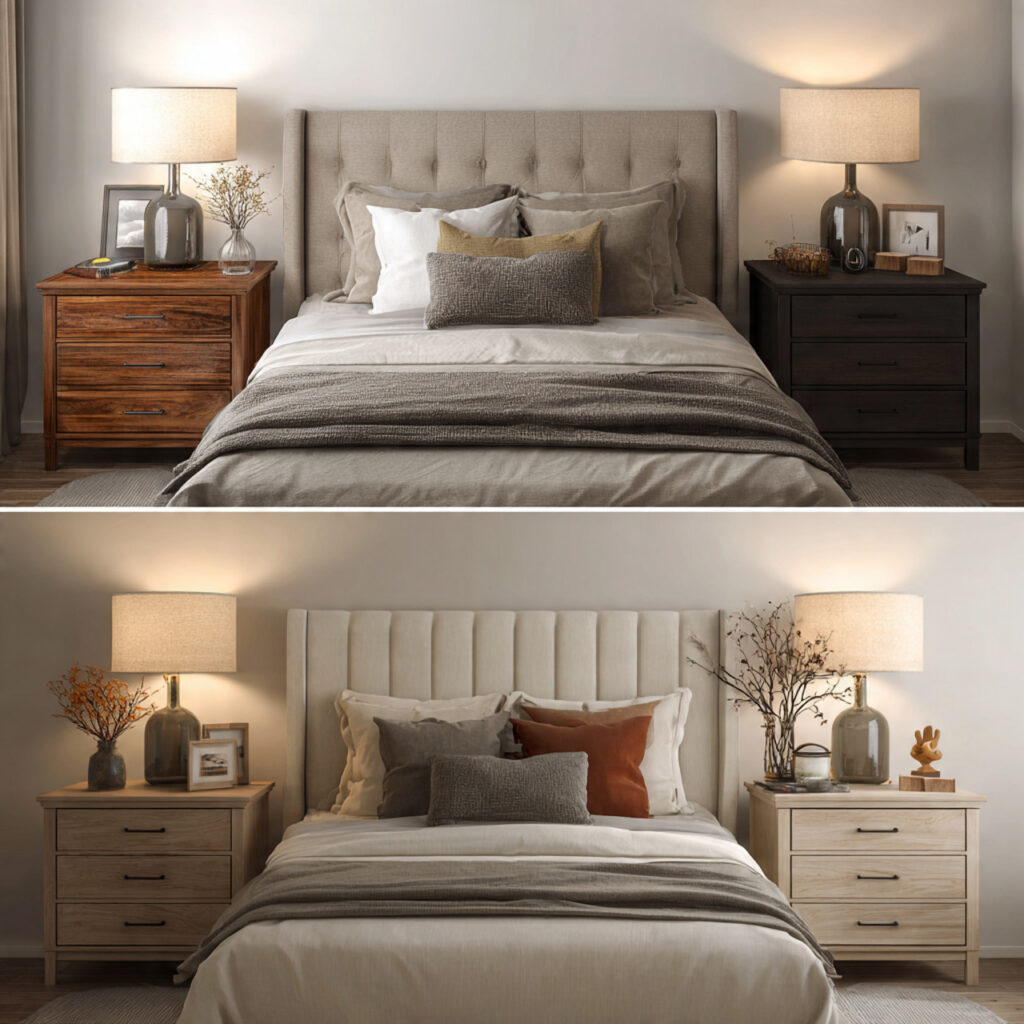
Matching nightstands are a small detail with outsized impact on how balanced and how intentionally designed a couples’ bedroom feels. Asymmetric nightstands one partner with a proper nightstand, the other with whatever’s available subtly communicate an imbalance in whose comfort the room prioritizes.
How to Choose Them
Choose nightstands that suit the scale of the bed typically 24-28 inches high for standard bed heights and wide enough for a lamp, a book, and small personal items. Both nightstands should match in finish and proportion, while each side can be personalized through the items on top: one person’s reading glasses and book, the other’s plant and water glass. The matching furniture creates unity; the personal objects create individual presence.
5. An Upholstered Headboard That Feels Luxurious
Why It Works
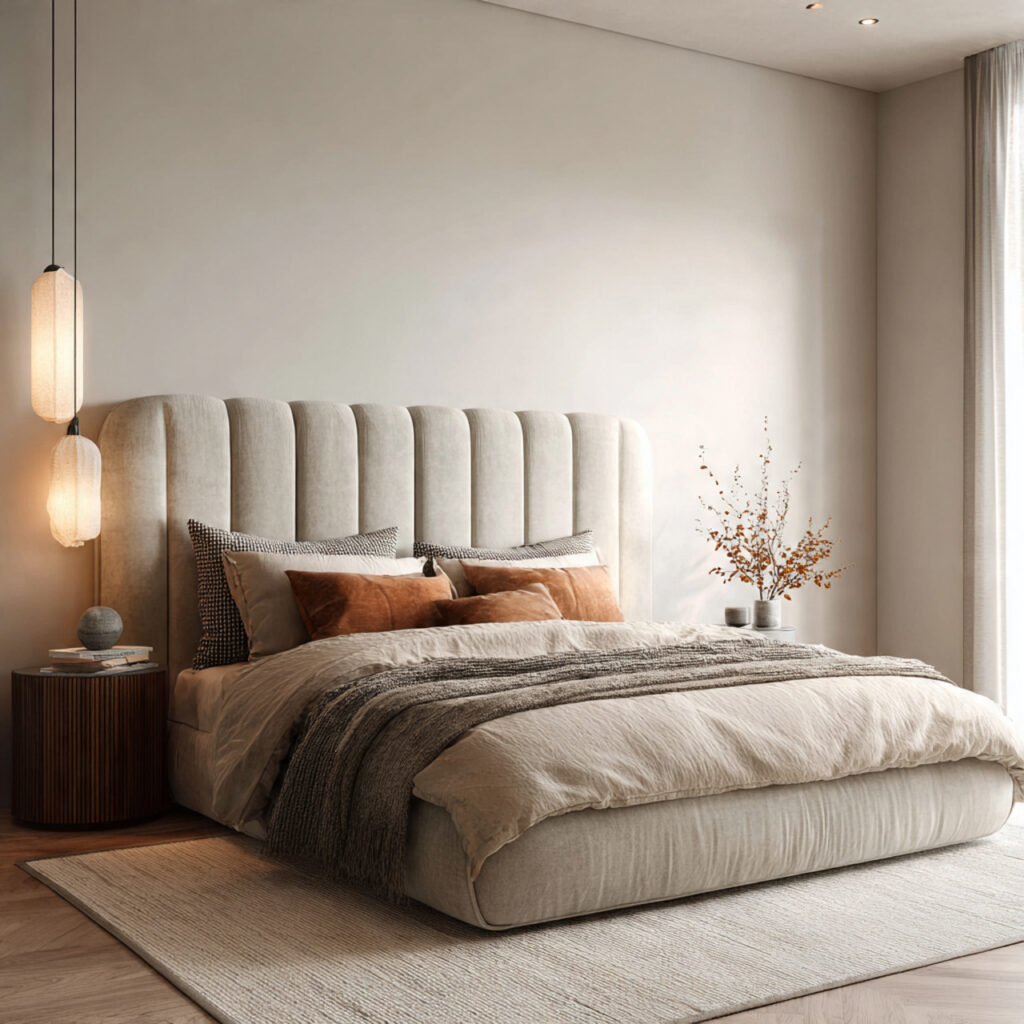
An upholstered headboard fabric-covered, gently padded, spanning the full width of the bed creates the single most luxurious and most romantically beautiful visual element the couples’ bedroom can have. It makes the bed look genuinely special and provides the practical benefit of comfort when sitting up reading or eating breakfast in bed.
How to Choose One
Choose a headboard that’s slightly wider than the mattress approximately the same width or up to 6 inches wider on each side. A curved or arched top creates a softer, more romantic quality; a straight or rectangular top creates a more contemporary feel. Choose upholstery in a fabric that suits the room’s palette and both partners’ aesthetic preferences: linen for a relaxed, natural quality; velvet for richness and romance; bouclé for modern warmth.
These foundational elements create the couples’ bedroom bones. The romantic ambiance and personal touch ideas ahead bring the space to its full emotional and aesthetic potential.
Romantic Ambiance Ideas
6. Layered Lighting From Multiple Sources
Why It Works
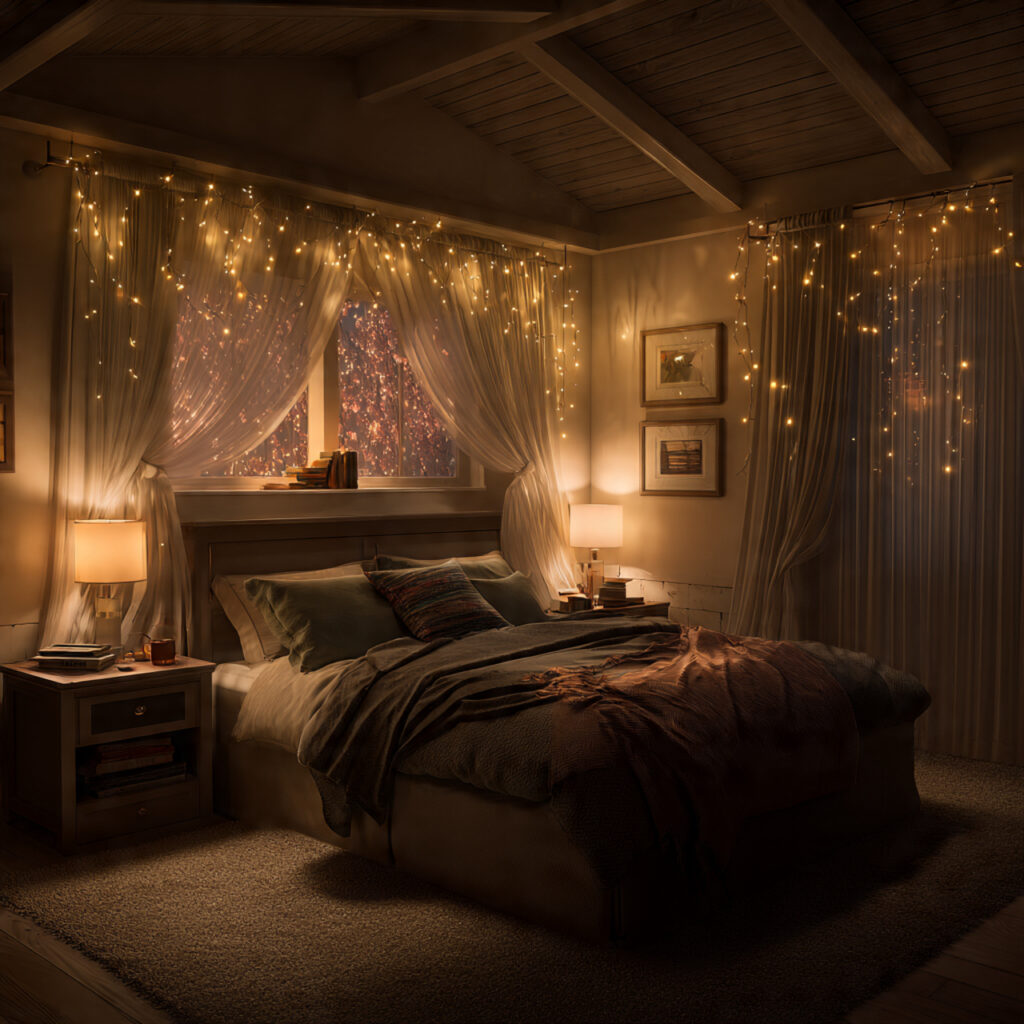
The single most powerful creator of romantic bedroom atmosphere is layered, warm lighting. A bedroom lit only from a central ceiling fixture is functional but never romantic. A bedroom with warm, low, multi-source lighting creates the atmospheric intimacy that transforms a room.
How to Layer It
A warm central fixture on a dimmer. Matching bedside lamps with warm bulbs (2700K or lower) and shades that diffuse light softly. Wall sconces if the room permits. A string of warm fairy lights along the headboard or in a canopy above the bed. Each source adds a layer of warmth and each layer makes the room more intimate than the last.
Common Mistake
Using cool or bright white bulbs in bedroom lighting. Cool white light (5000-6000K) creates the feel of a hospital corridor regardless of how beautiful the room is. Warm white (2700K) or amber-toned bulbs are non-negotiable in a romantic bedroom. Replace every cool bulb immediately it’s the most affordable single room-changing upgrade available.
7. A Candle Collection for Evening Rituals
Why It Works
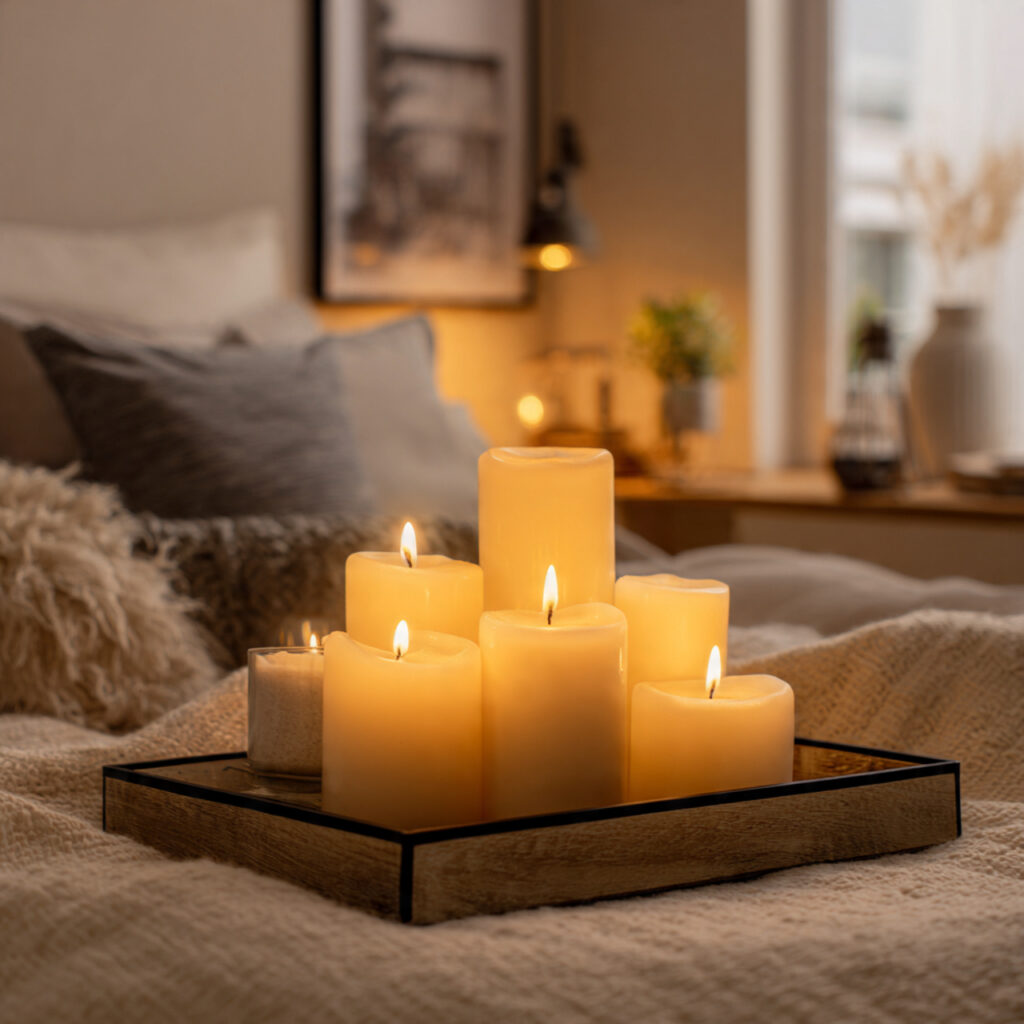
Candles are the oldest and most consistently effective creator of romantic atmosphere — the warm, flickering light creates shadows that no electric light can replicate, and a beautiful candle scent adds the sensory dimension that makes an evening in the bedroom feel genuinely special.
How to Display Them
A cluster of candles in varying heights on a tray on the dresser. One large pillar candle in a beautiful vessel on each nightstand. The candles should look beautiful unlit as decorative objects choose quality vessels in tones that suit the room’s palette.
Which Scents Work Best
Warm, intimate scents suit the romantic bedroom: soft floral (jasmine, rose, peony), warm spice (sandalwood, amber, oud), or clean sensual scents (white musk, warm vanilla). Both partners should genuinely like the chosen scent that is worth testing together before committing to a candle.
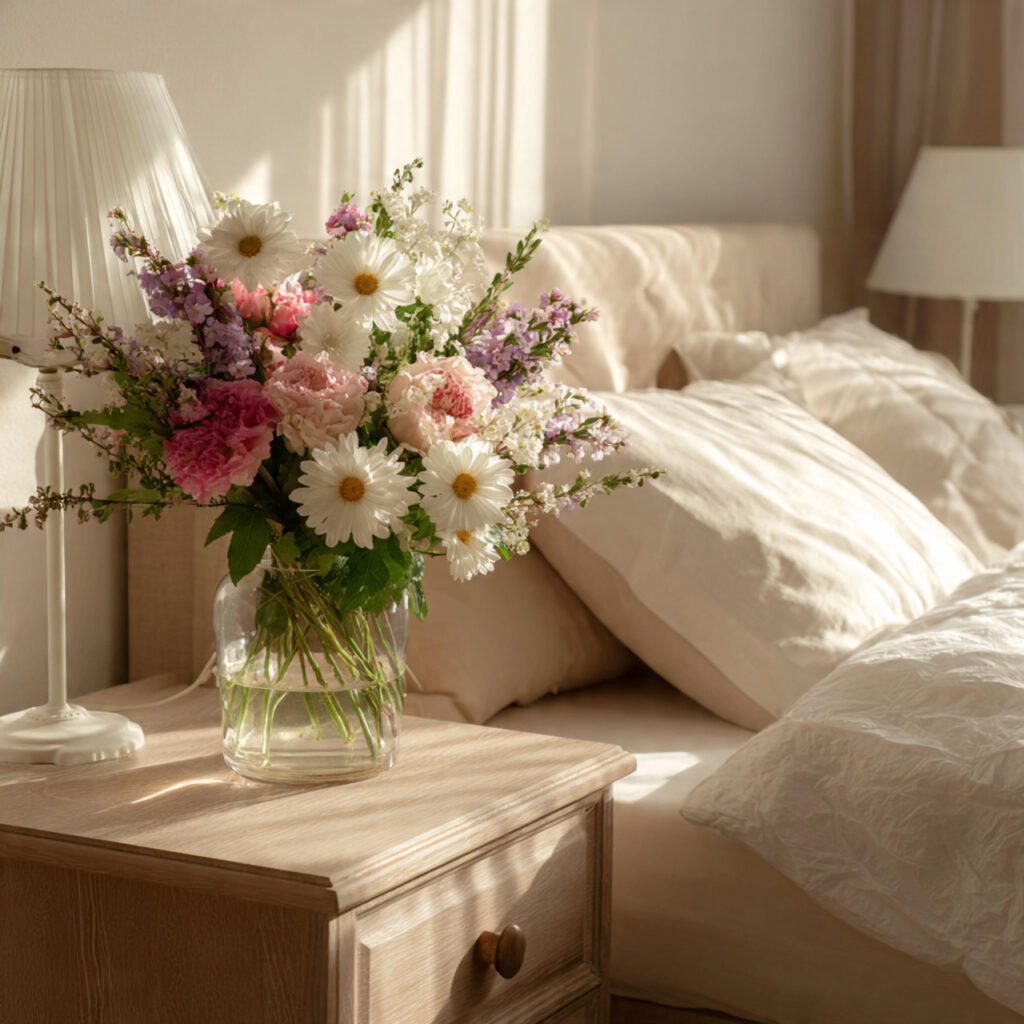
8. Fresh Flowers on the Dresser or Nightstand
Why It Works
Fresh flowers in the bedroom create an immediate romantic quality; their color, their organic imperfection, and their faint fragrance all contribute to a room that feels genuinely cared for and genuinely beautiful.
How to Keep It Sustainable
A small weekly bunch of flowers, a single stem variety like tulips or sunflowers, or a mixed bunch replaced weekly creates a consistent botanical presence without significant cost. Position on the dresser where the flowers are visible from the bed. The weekly replacement becomes a small but meaningful ritual of maintaining beauty in the shared space.
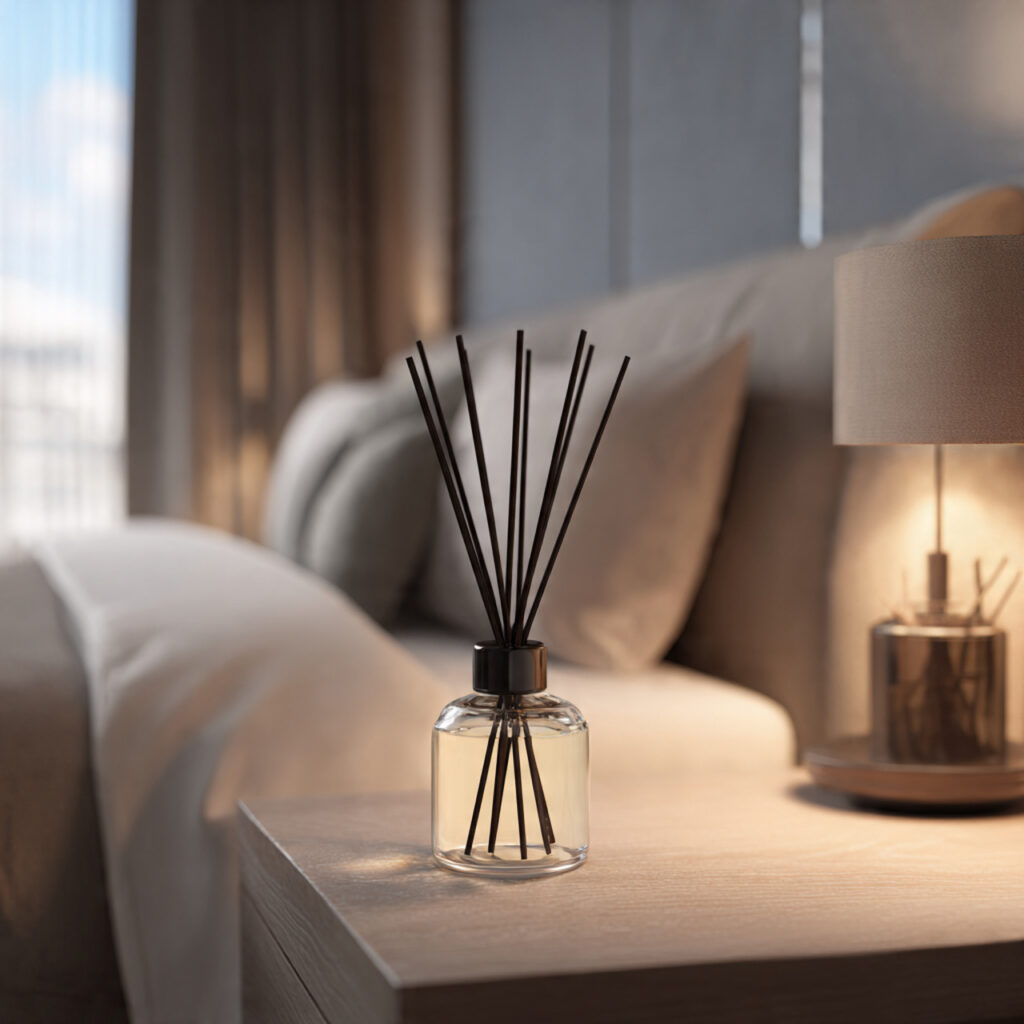
9. A Scented Reed Diffuser for Consistent Atmosphere
Why It Works
A reed diffuser provides continuous, low-level fragrance that makes the bedroom smell beautiful without any active effort, no lighting candles, no spraying. The bedroom should have its own distinct, pleasing scent that becomes associated with rest, intimacy, and coming home.
How to Choose One
Choose a scent that both partners find genuinely pleasant. This is worth a conversation and possibly a few trials before committing. Position the diffuser where airflow from daily movement helps distribute the scent near the door or a window that’s sometimes open.
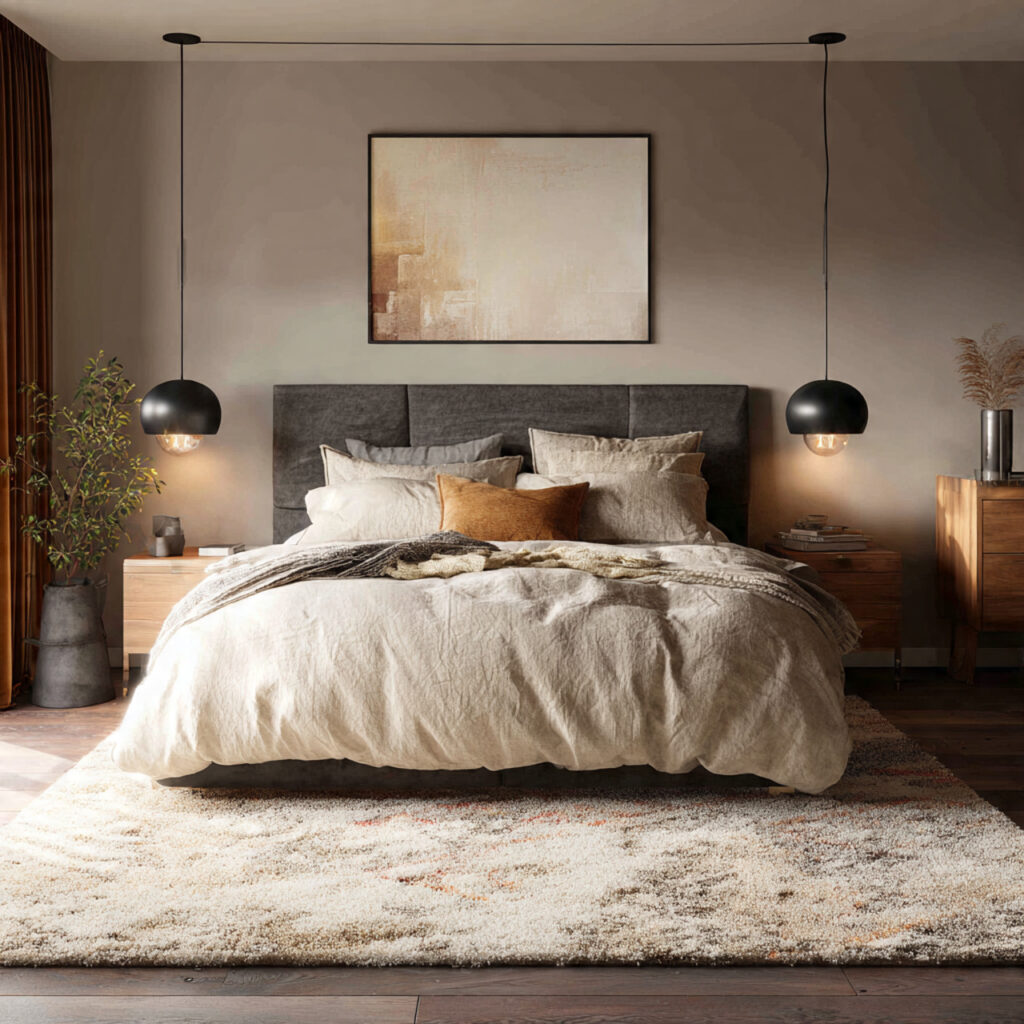
10. A Rug That Grounds the Bed and Adds Warmth
Why It Works
A rug beneath and around the bed creates warmth, defines the sleeping area as its own zone within the larger room, and adds the visual richness that makes a bedroom feel genuinely complete rather than merely functional.
How to Choose It
Size generously the rug should extend 18-24 inches beyond each side and the foot of the bed. A rug that’s too small beside a large bed looks like a mat rather than a design choice. Choose a texture and tone that suits the room’s palette: a soft pile rug in a warm neutral for a cozy aesthetic; a natural jute for an organic bedroom; a low-pile geometric in muted tones for a modern approach.
This is a great moment to save ideas that resonate most the personal touch and practical ideas ahead address the specific challenges of designing a space for two people with genuine care for both.
Personal Touch and Shared Story Ideas
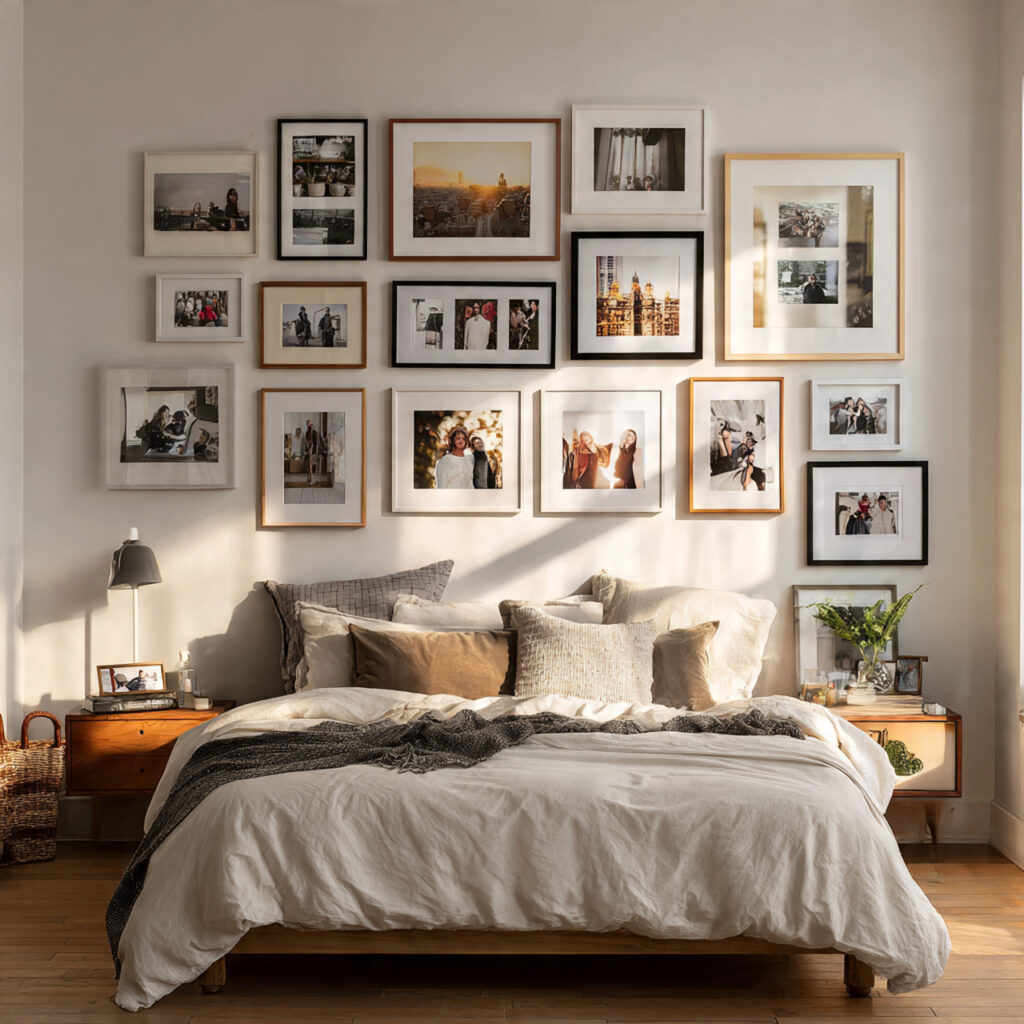
11. A Gallery of Photographs That Tell Your Story
Why It Works
A gallery wall of photographs, moments shared together, places visited, people loved makes a bedroom uniquely and unmistakably yours. No magazine spread or Pinterest board can replicate the specific, personal quality of photographs from an actual shared life.
How to Create It
Choose 8-15 photographs in a mix of sizes. Print in black and white for cohesion, or in color if the palette is controlled. Frame in matching thin frames all black, all natural wood, or all white. Arrange on the floor first to find a composition that feels balanced before hanging. The gallery should feel collected rather than perfectly symmetrical.
Common Mistake
Using only couple photographs and omitting individual personality. A gallery wall that reflects both people as individuals, their separate interests, their families, their individual memories alongside couple photographs creates a richer, more complete story than one that focuses only on the relationship.
12. Individual Sides of the Bed That Reflect Each Person
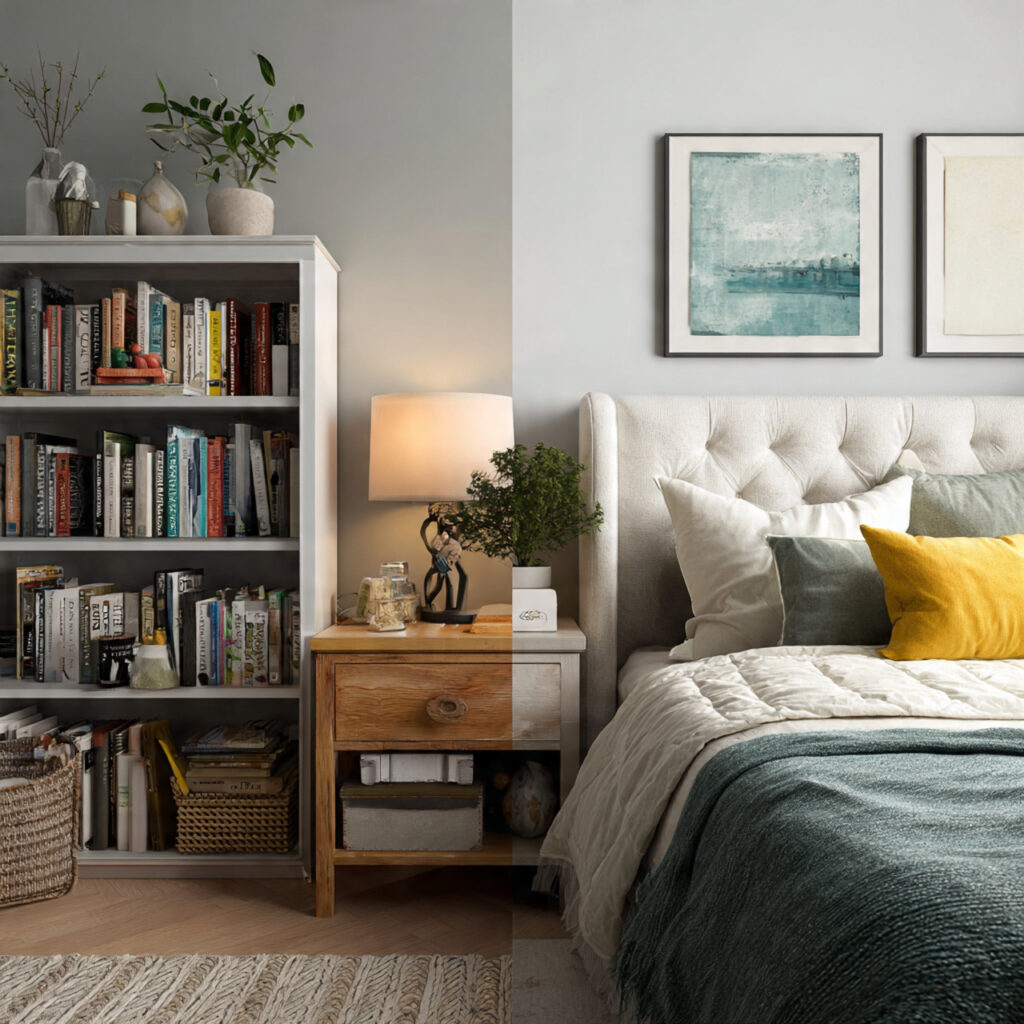
Why It Works
Each person having their own side of the bed, their own nightstand styled to suit their own habits and personality creates the dual personalization within a unified space that makes a shared bedroom feel genuinely equitable.
How to Style Each Side
One person might have a stack of books, a reading lamp, and a glass of water. The other might have a plant, a small candle, and a journal. The nightstand furniture matches the personal objects that reflect individual habits and preferences. Both sides feel like they belong in the same room and to people who share it by choice.
13. Art That Both Partners Love
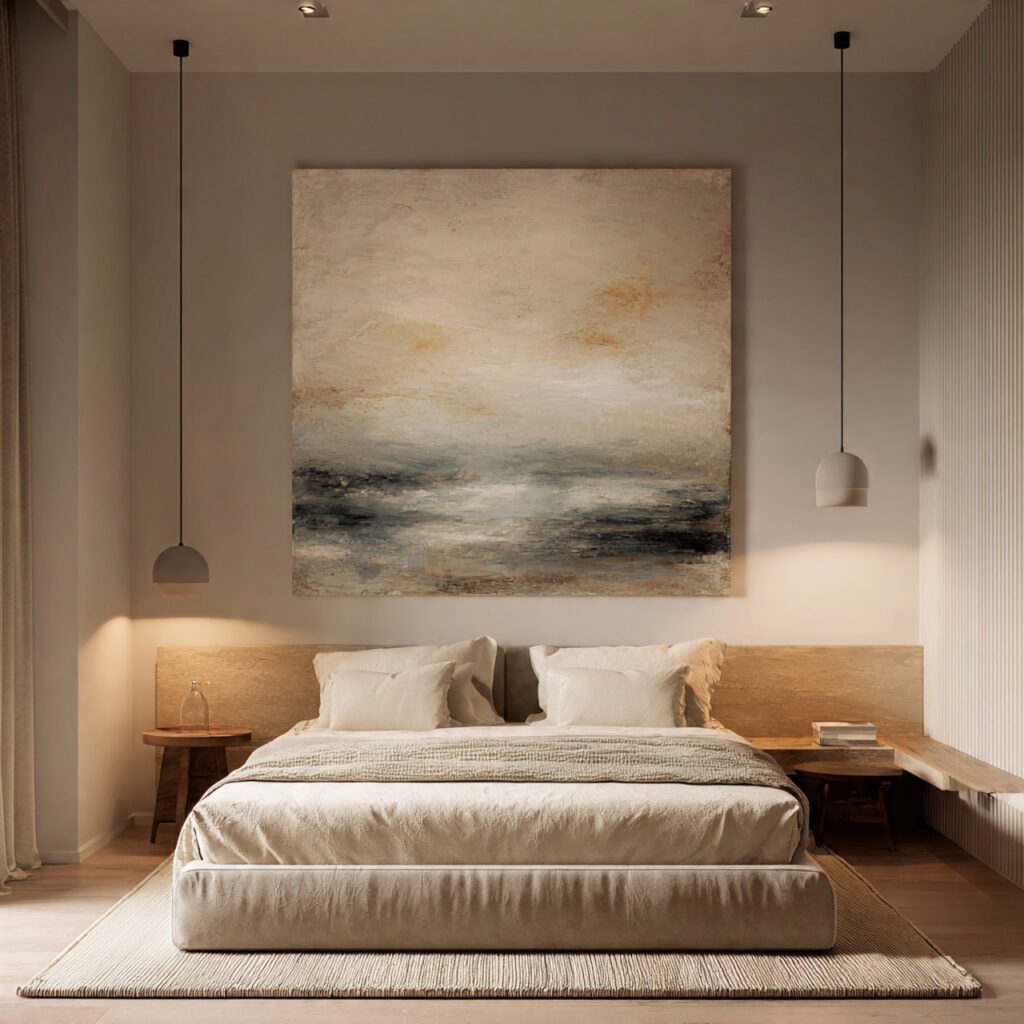
Why It Works
Art above the bed or on the bedroom walls is among the most visible and most personally resonant design elements in any bedroom which makes it worth the conversation to find artwork that genuinely appeals to both people rather than defaulting to whoever has stronger opinions or less resistance.
How to Find Art You Both Love
Start by identifying qualities both partners agree on: a preferred color palette, a mood (calm vs. energizing, abstract vs. representational, graphic vs. painterly), and a general aesthetic. Then look for art that sits within those agreed qualities. Art found together at a local gallery, a market, or even printed from a shared discovery carries a specific meaning that purchased decor doesn’t.
14. A Dedicated Couple’s Zone Beyond the Bed
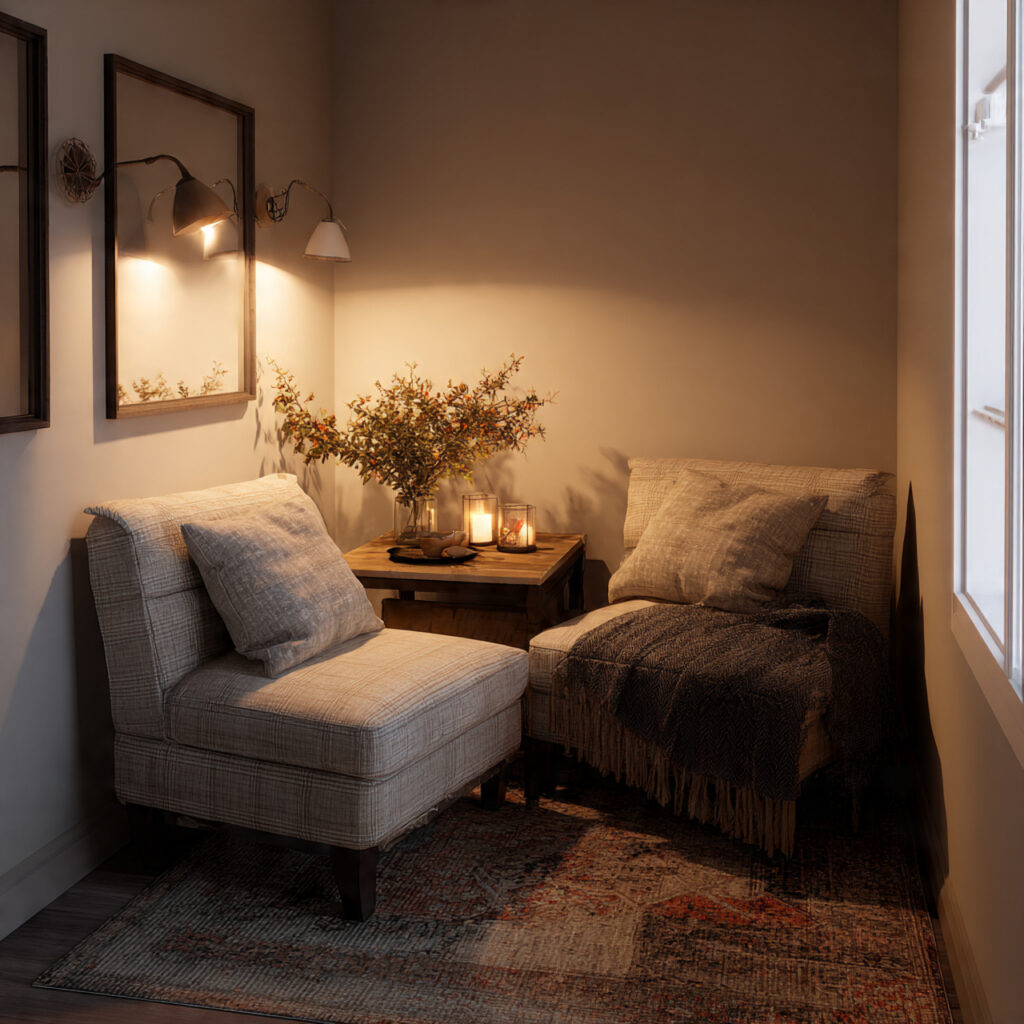
Why It Works
A couples’ bedroom that has a space beyond the sleeping area, a reading corner, a small seating area, and a window seat creates another place to be together in the room that isn’t the bed, which expands the room’s function and its romantic potential.
How to Create It
Two chairs facing each other at the window. A small loveseat in a corner with a side table between them. A window seat long enough for both people to sit comfortably. The zone should feel deliberately created rather than accidental; two chairs that have been pushed together in an available corner, with a light and a small surface, communicates intention.
15. A Made Bed as a Daily Shared Ritual
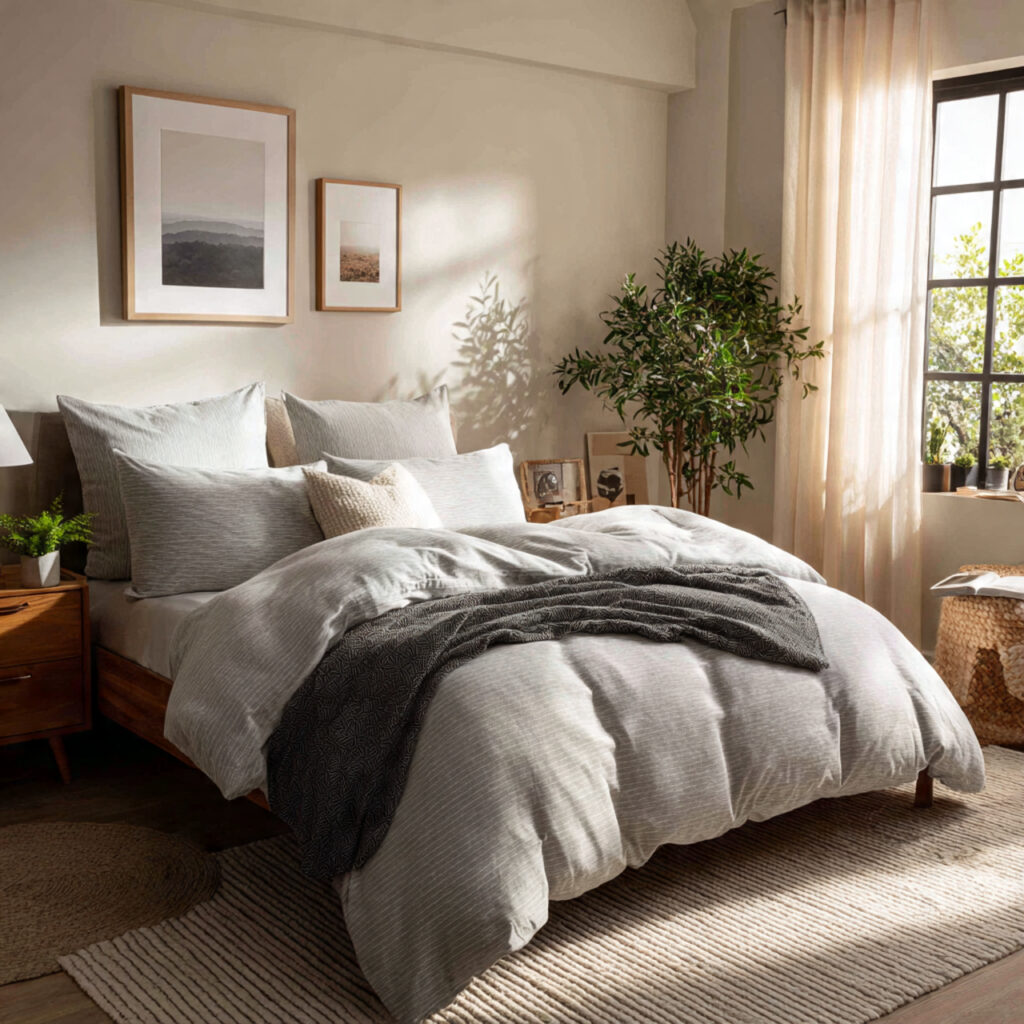
Why It Works
Making the bed together in the morning or one partner making it as an act of care for both is one of the smallest and most consistently impactful bedroom habits available to couples. A made bed transforms the room’s appearance entirely and creates the visual environment both people return to at the end of every day.
Why It Matters Beyond Aesthetics
Research on daily rituals and relationship quality consistently shows that small, shared maintenance acts making the bed, setting the table, tidying shared spaces contribute meaningfully to both partner’s sense of being cared for and of home as a cooperative endeavor. The bed-making habit is a daily demonstration of that cooperation.
Practical Couple’s Bedroom Ideas
16. Adequate Storage for Two People’s Belongings
Why It Works
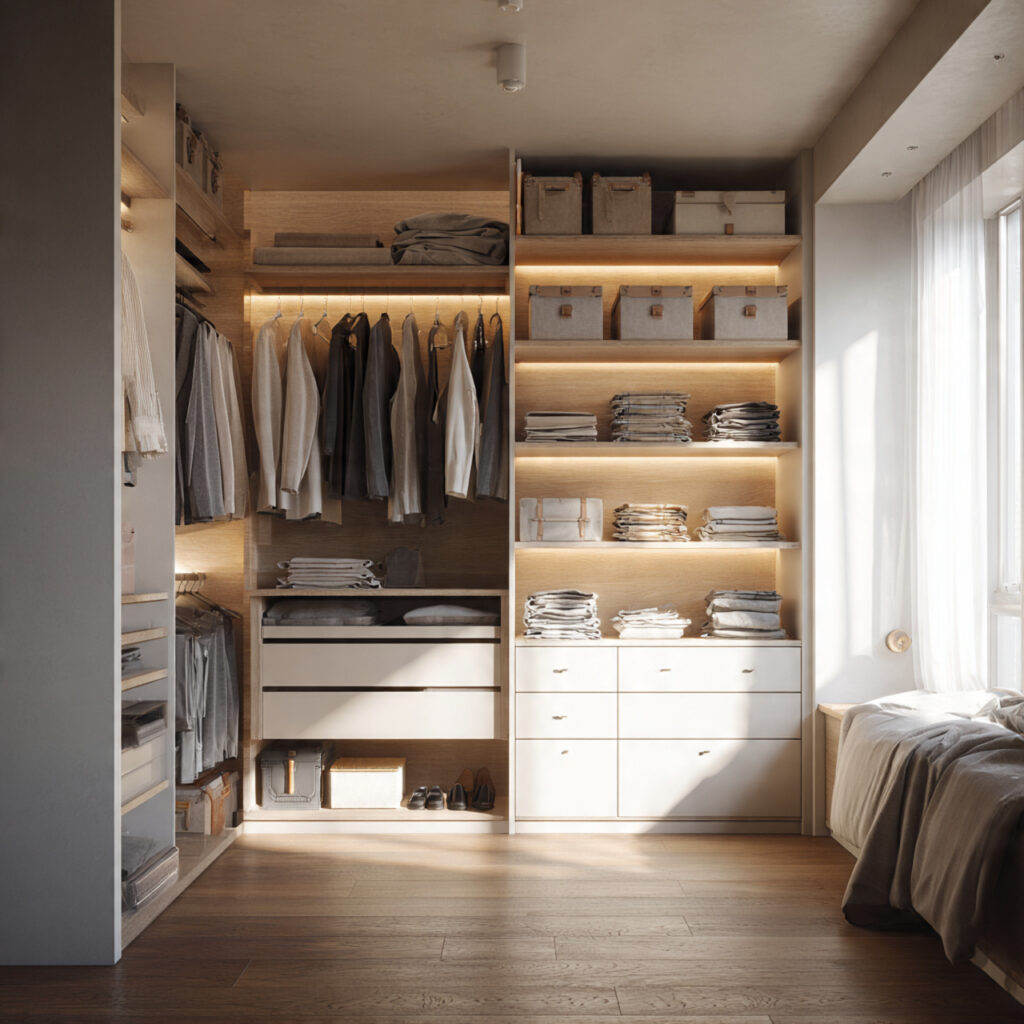
A couples’ bedroom with insufficient storage creates daily friction without homes, surfaces covered in belongings, and the persistent low-level stress of a space that can’t comfortably hold two people’s lives. Adequate, well-organized storage is one of the most fundamentally important elements of a successful shared bedroom.
How to Create It
A wardrobe system large enough for both partners’ clothing, with dedicated sections for each. Under-bed storage for seasonal items. A dresser with enough drawer space for both partners. Wall hooks for everyday items. The storage should be sufficient that nothing needs to live on horizontal surfaces unless it’s intentionally displayed.
17. Individual Mirror Space for Each Partner
Why It Works
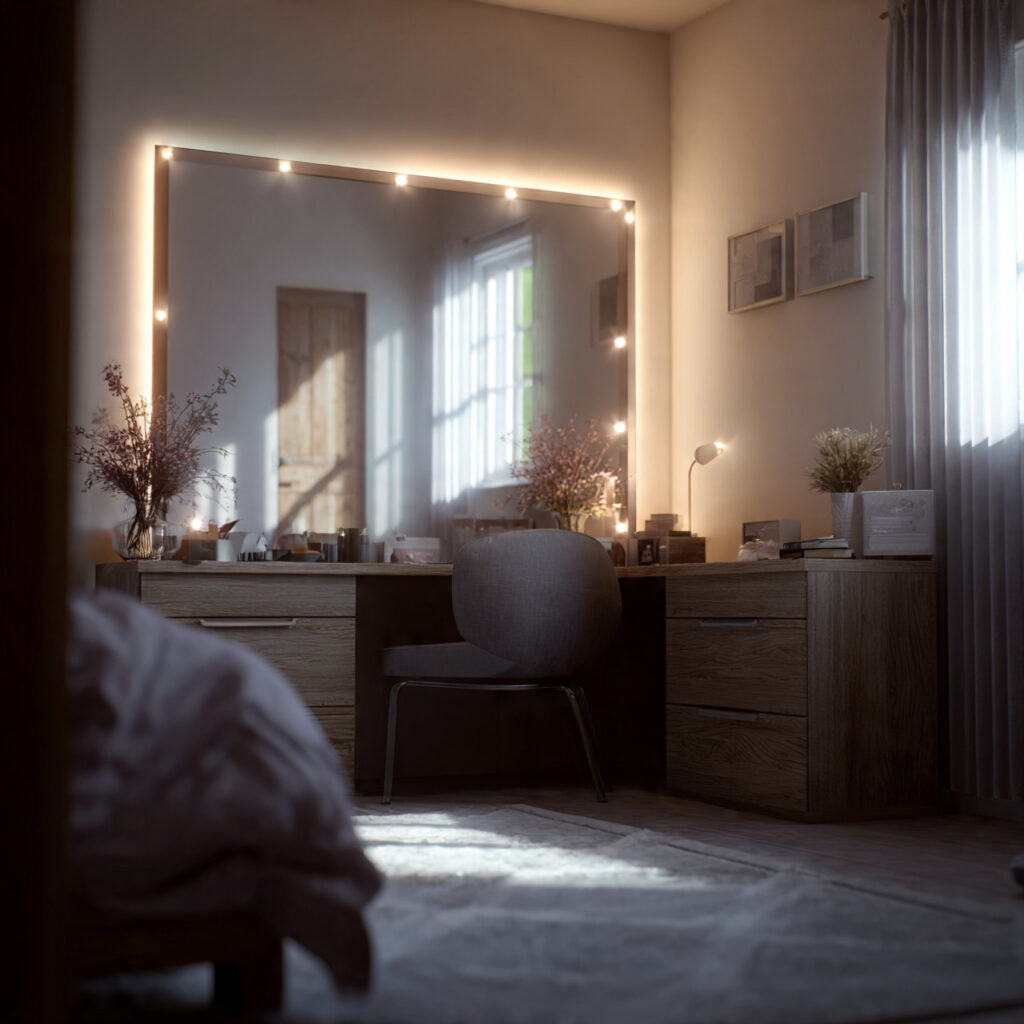
Both people needing to get ready in the same space in the morning is one of the most practical sources of bedroom friction for couples. Ensuring that both partners have adequate mirror access positioned so both can use mirrors simultaneously reduces morning traffic and morning stress significantly.
How to Create It
A full-length mirror on one wall and a dresser mirror on another allows two people to use different mirror positions simultaneously. In very small bedrooms, a large mirror that’s accessible from multiple positions leaned against a wall rather than hung in a fixed position allows more flexible shared use.
18. Matching Robes or Slippers as a Small Luxury
Why It Works
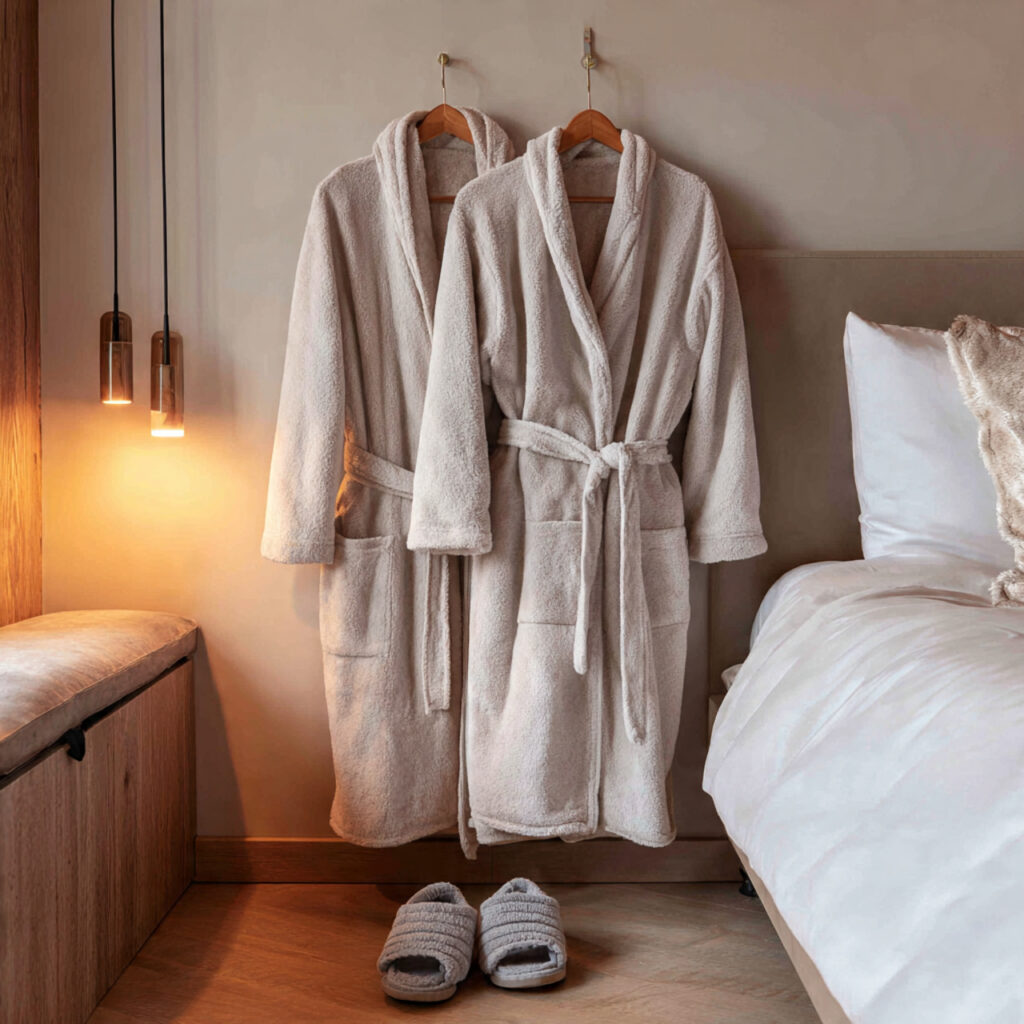
Matching robes hung on hooks behind the bedroom door or two beautiful pairs of slippers on a small mat beside the bed is one of those small, inexpensive details that creates a hotel-like quality in the bedroom that both partners notice and appreciate daily.
How to Choose Them
Waffle-weave cotton robes in matching tones. Soft, matching slippers in a size that’s genuinely comfortable for each person rather than decoratively identical. The matching element signals that the space was designed for both rather than one a subtle but meaningful quality.
19. A Bedroom-Only Media Setup That Suits Both Viewing Habits
Why It Works
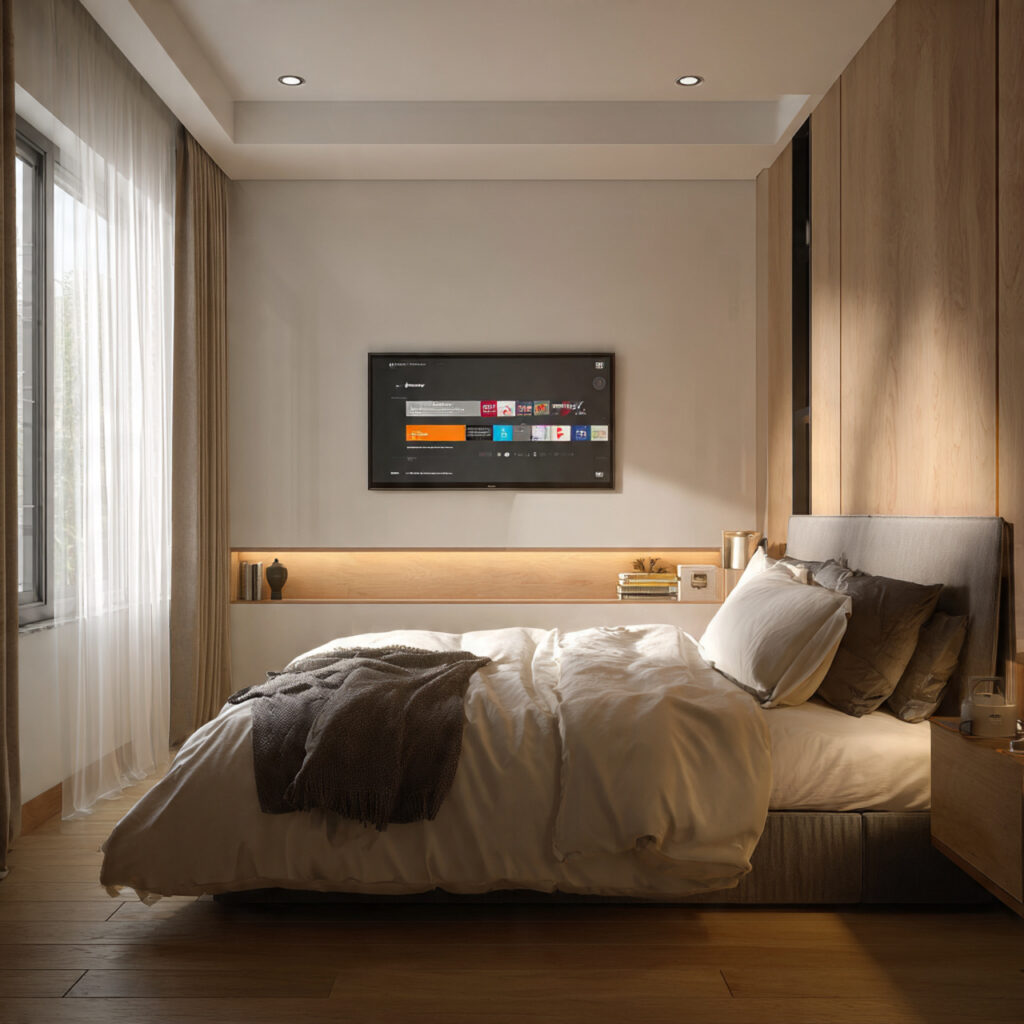
For couples who watch together in the bedroom, the media setup should be convenient, well-sized, and easily controlled from both sides of the bed not positioned for one person’s comfortable viewing while the other cranes their neck.
How to Set It Up
Mount the television at a height where it’s visible from both sides of the bed without either partner having to look uncomfortably upward or sideways. Wireless headphones for one partner when viewing habits differ at bedtime. A cable management system that keeps cords tidy and the overall visual clean.
20. A Shared Morning Routine Station
Why It Works
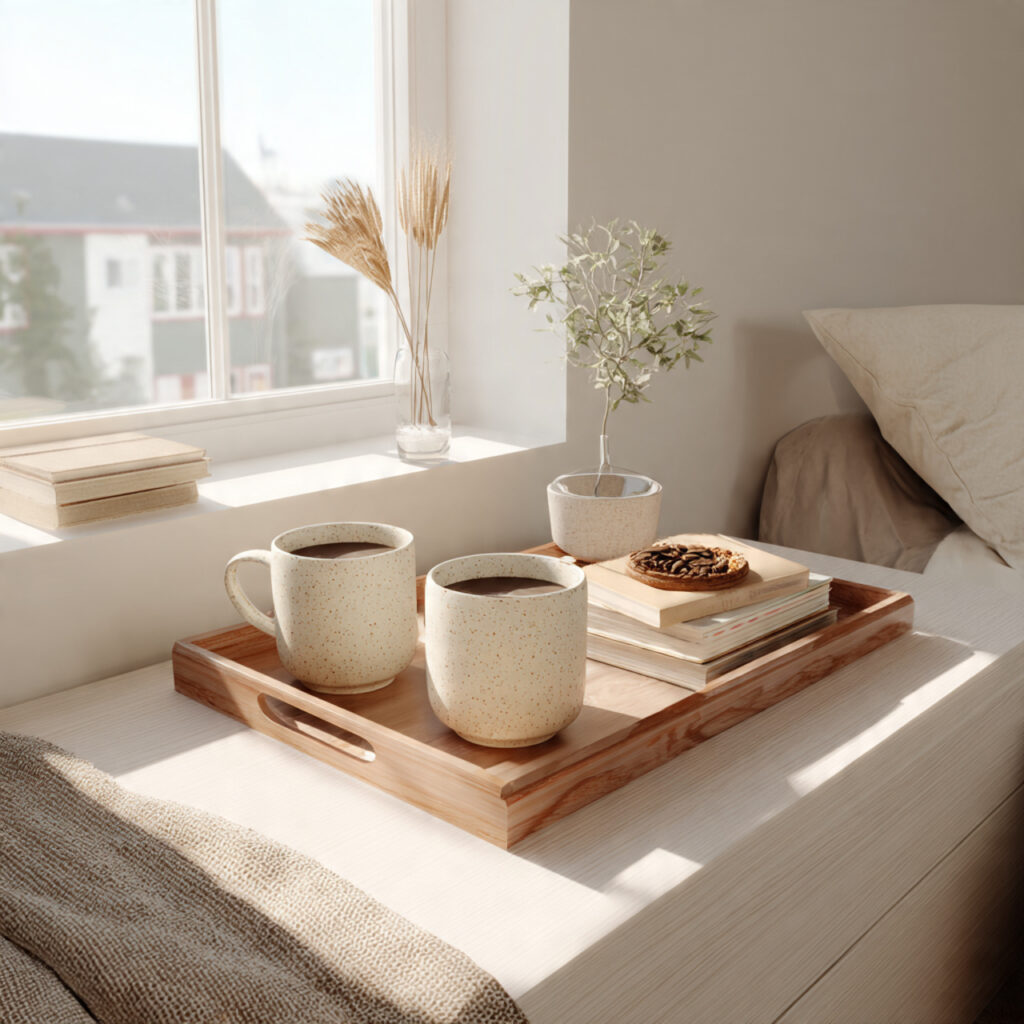
A small tray or station coffee supplies on a bedside table or dresser, a water carafe and glasses on a tray, a small Bluetooth speaker for morning music creates a morning environment in the bedroom that both partners share and that makes the transition from sleep to day feel genuinely pleasant.
How to Create It
A beautiful tray on the dresser with two ceramic mugs, a small French press or Nespresso machine, and a small vase of flowers. The morning station communicates that the bedroom is a space for pleasure and connection, not just sleep.
21. A No-Phone Zone or Charging Station Outside the Room
Why It Works
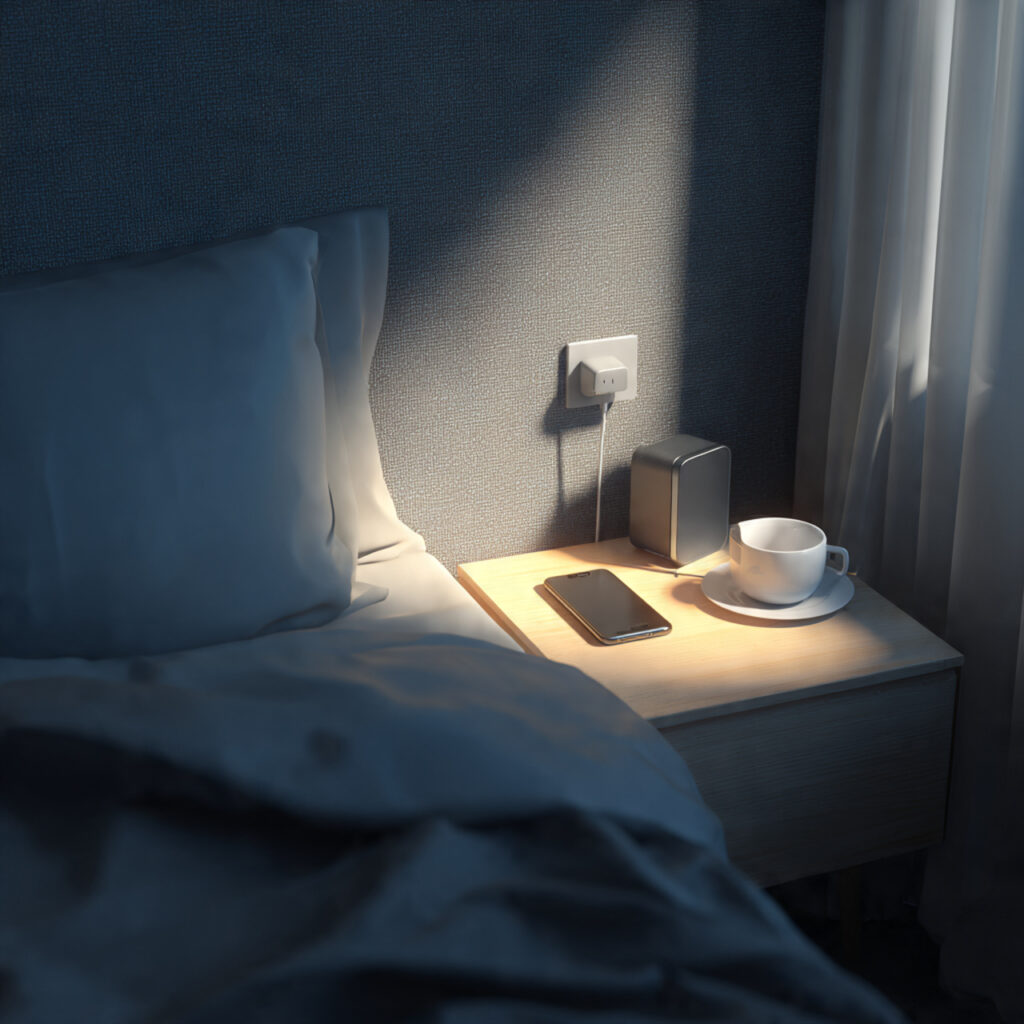
One of the most consistently beneficial couples’ bedroom decisions available for sleep quality, for relationship presence, and for the bedroom’s function as a genuine retreat is establishing a phone-free sleeping area. Phones charged in another room, or at a dedicated station near the bedroom door, eliminate the greatest single source of screen-induced sleep disruption.
How to Make It Work
A dedicated charging station near the bedroom door and a small tray with cable management makes leaving phones outside the room as easy as possible. Both partners participating creates the shared commitment that makes the habit sustainable. A traditional alarm clock eliminates the last reason to have a phone beside the bed.
Insider Tip
The first week without phones in the bedroom feels slightly uncomfortable for most couples who are accustomed to scrolling before sleep. By the second week, both partners typically report better sleep and a more natural connection in the evening hours. The discomfort is short; the benefit is ongoing.
22. A Weekly Bedroom Reset Together
Why It Works
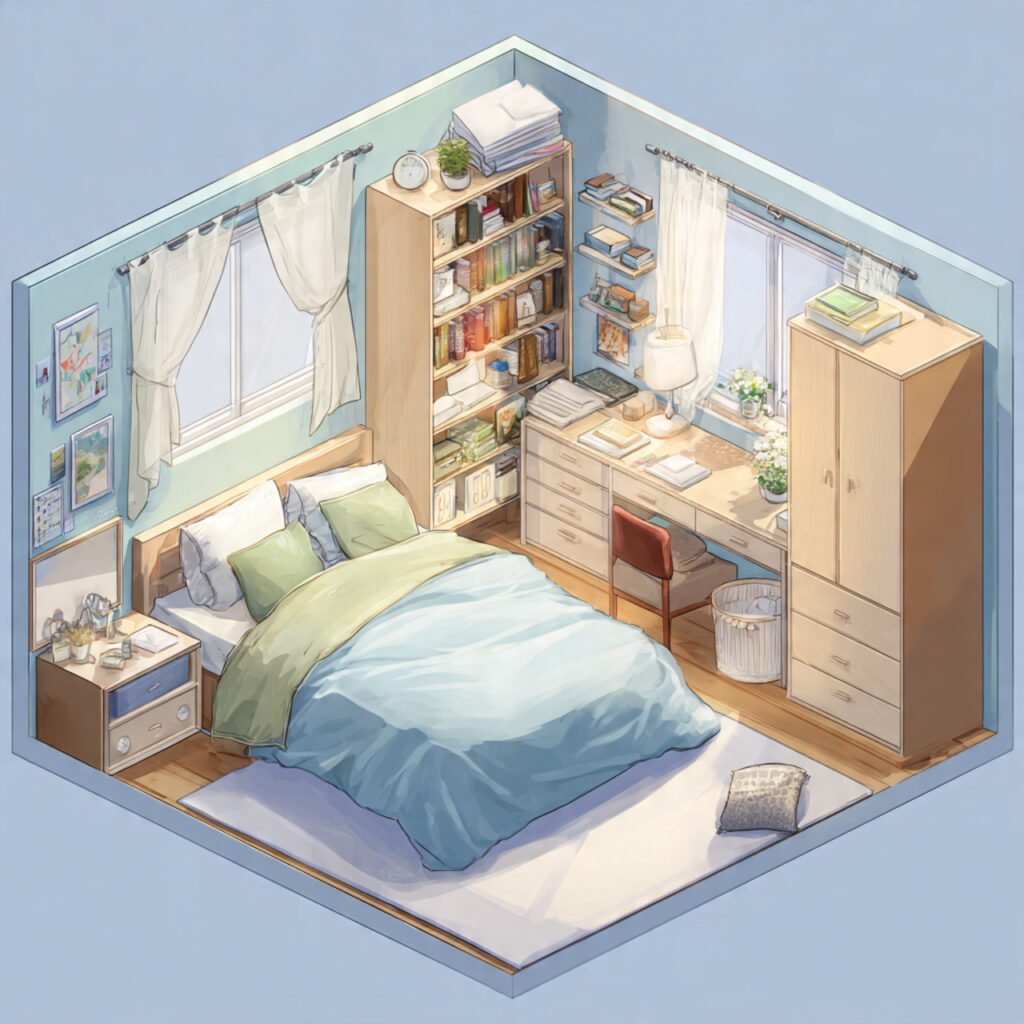
The most beautifully designed couples’ bedroom gradually accumulates the overflow of two people’s lives unless it’s regularly reset surfaces gathering small items, the floor collecting discarded clothing, the overall organization drifting from intended to arrived-at.
How to Create the Habit
A weekly fifteen-minute reset with both partners spending a few minutes returning the room to its intended state maintains the beauty of the shared space continuously rather than letting it drift to a point where restoration requires significant effort. The joint reset is also a small act of shared ownership: both people caring for the space together.
Insider Tip
Tie the reset to a pleasant shared weekly moment Saturday morning coffee, Sunday evening before the week begins. Put on music you both enjoy. The task takes fifteen minutes and the room looks beautiful again. More importantly, doing it together reinforces the sense of shared stewardship that the best couples’ bedrooms embody.
The Room That Holds Both of You
Here’s what the best couples’ bedroom ultimately creates: a space that holds both people generously with their different temperature preferences, their different aesthetic sensibilities, their different morning and evening habits and makes room for all of it without either person feeling like a guest in their own home.
That kind of bedroom doesn’t happen accidentally. It requires conversation, honest assessment of what both people actually need, and the willingness to make design decisions that reflect two people’s genuine preferences rather than one person’s strong opinions and another person’s quiet tolerance.
The investment is worth it. Not just because the room looks beautiful though it will but because a bedroom that genuinely works for both of you creates something that extends beyond the room itself. It creates the feeling, reinforced every morning and every evening, that you chose each other and that you keep choosing each other, in the space you made specifically to hold both of you.
Start with the bed. Make it the most comfortable, most beautiful, most genuinely welcoming sleeping environment you can create together.
Everything else follows from that.